
The Student's Guide to Laser Focus: Productivity Hacks for Eliminating Distractions


Welcome to UltimateLifeHacks, your portal to a more efficient and fulfilling life! Are you a student struggling to stay focused amidst a whirlwind of distractions? Then you've come to the right place. Discover powerful student productivity hacks designed to eliminate those pesky interruptions and unlock your true potential. Learn how to conquer procrastination and reclaim your time – the secrets to laser focus await within!
- Understanding Student Distractions and Their Impact on Productivity
- Effective Techniques for Eliminating Distractions: Student Productivity Hacks
- Minimizing Digital Distractions: Student Productivity Hacks for the Digital Age
- Boosting Concentration and Focus: Mental Strategies for Students
- Sustaining Laser Focus: Long-Term Strategies for Student Success
- Putting it All Together: A Personalized Productivity Plan for Students
-
Frequently Asked Questions
- How can I overcome procrastination as a student?
- What are some effective techniques to minimize distractions while studying?
- What are the best productivity apps for students struggling with distractions?
- How can I improve my focus and concentration during study sessions?
- Are there any quick productivity hacks to boost my study efficiency?
- Final Reflection: Mastering Your Mind, Mastering Your Studies
- Unlock Your Laser Focus: Master Your Productivity Today!
Understanding Student Distractions and Their Impact on Productivity
The relentless demands of student life – juggling classes, assignments, extracurricular activities, and a social life – often lead to overwhelming distractions. This comprehensive guide dives deep into the pervasive issue of student distractions, exploring common culprits, their hidden costs, and, most importantly, practical strategies to regain laser focus and boost academic performance. We'll equip you with actionable productivity hacks specifically designed to help students eliminate distractions and unlock their full potential.
This isn't just about improving grades; it's about cultivating effective study habits, reducing stress, and achieving a healthier work-life balance. Mastering focus is a crucial skill for success in higher education and beyond, and this guide will provide the tools you need to conquer the chaos and achieve your academic goals.
We'll tackle the root causes of distraction, helping you identify your personal weaknesses and develop a personalized strategy to reclaim your time and enhance your productivity. Let's embark on this journey toward a more focused and fulfilling student experience.
Students face a unique landscape of distractions. The constant buzz of notifications from smartphones, the alluring siren song of social media, and the ever-present temptation of procrastination all contribute to a significant loss of productivity. Let's break down some of the most common culprits:
- Social Media: Platforms like Instagram, TikTok, Facebook, and Twitter are designed to be addictive, constantly vying for your attention with notifications, engaging content, and the fear of missing out (FOMO). The seemingly harmless scroll can quickly consume hours, leaving you feeling guilty and behind on your studies.
- Smartphone Notifications: The incessant stream of emails, text messages, app updates, and social media alerts fragments your concentration, interrupting your flow state and hindering deep work. Every interruption takes time to recover from, significantly impacting overall productivity.
- Environmental Distractions: Noisy roommates, uncomfortable study spaces, and cluttered environments can all contribute to a lack of focus. Even seemingly minor distractions like background music or the television can disrupt concentration.
- Procrastination: This is often rooted in fear of failure, perfectionism, or simply a lack of clear goals and planning. Procrastination leads to last-minute cramming, increased stress, and ultimately, lower quality work.
- Multitasking: The myth of multitasking is pervasive. While we might believe we're handling multiple tasks simultaneously, our brains are actually rapidly switching between them, leading to reduced efficiency and increased errors.
The impact of distractions extends far beyond simply wasting time. The hidden costs include:
- Reduced Academic Performance: Distractions directly correlate with lower grades. Interrupted study sessions result in shallower learning and poorer retention of information. This can manifest in missed deadlines, incomplete assignments, and ultimately, a lower GPA.
- Increased Stress and Anxiety: The constant pressure to catch up after periods of distraction leads to heightened stress and anxiety levels. This can negatively impact mental health and overall well-being.
- Missed Opportunities: Time wasted on distractions could have been spent pursuing extracurricular activities, networking, or simply enjoying leisure time. These missed opportunities can have long-term consequences for personal and professional growth.
- Sleep Deprivation: Staying up late to compensate for lost productivity due to distractions can lead to sleep deprivation, further exacerbating stress and impairing cognitive function.
The cumulative effect of these costs can significantly impact a student's overall success and well-being. Investing time in strategies to mitigate distractions is an investment in your future.
Identifying Your Personal Distractions: A Self-Assessment Guide
Understanding your specific distractions is the crucial first step towards eliminating them. This self-assessment will help you pinpoint your personal weaknesses:
- Track Your Time: For a week, meticulously log how you spend your time. Note down every activity, including study sessions, social media use, and breaks. Identify patterns and time sinks.
- Identify Your Peak Focus Times: Are you more productive in the mornings, afternoons, or evenings? Schedule your most demanding tasks during these peak periods.
- Recognize Your Triggers: What situations or stimuli lead you to become distracted? Is it a specific app, a certain location, or a particular time of day?
- Assess Your Study Environment: Is your study space conducive to focus? Is it quiet, comfortable, and free from clutter? Consider making changes to optimize your environment.
- Analyze Your Procrastination Habits: What are your typical procrastination tactics? Understanding these habits is the first step toward overcoming them.
By honestly assessing your own behavior, you can create a personalized plan to tackle your specific distractions and maximize your productivity. This self-awareness is the foundation for developing effective strategies for regaining control of your time and achieving your academic goals.
Effective Techniques for Eliminating Distractions: Student Productivity Hacks

This section delves into practical, actionable strategies to conquer distractions and boost student productivity. We'll explore techniques to manage your time effectively, implement focused work methods, and optimize your study environment. Mastering these skills is crucial for achieving academic success and reducing stress. The key is to proactively identify and mitigate your unique distractions, transforming them from obstacles into opportunities for enhanced focus. This isn't about eliminating all distractions—it's about strategically managing them to maximize your study time.
Time Management Strategies for Students: Prioritization and Scheduling
Effective time management is paramount for student success. It's not just about cramming everything in; it's about prioritizing tasks and scheduling your time strategically. Consider using a planner, digital calendar, or even a simple to-do list to visualize your workload. Prioritize tasks based on urgency and importance using methods like the Eisenhower Matrix (urgent/important).
Here's a practical example: Imagine a student with assignments in History, Math, and English, plus a looming exam in Biology. Instead of tackling tasks randomly, they could prioritize the Biology exam first due to its high importance and impending deadline. Then, they might schedule the History assignment (due next week) before the Math assignment (due later). This structured approach minimizes procrastination and maximizes efficiency. Remember to include realistic breaks to avoid burnout! Scheduling specific times for breaks is just as important as scheduling study time.
| Task | Priority | Deadline | Scheduled Time |
|---|---|---|---|
| Biology Exam Prep | High | Tomorrow | 8:00 AM - 12:00 PM |
| History Essay | Medium | Next Week | 2:00 PM - 5:00 PM |
| Math Homework | Low | In two weeks | 7:00 PM - 8:00 PM |
This simple table illustrates how prioritizing and scheduling can dramatically improve focus and reduce stress. Remember to be flexible; unforeseen events will occur, so build in buffer time. Regularly review and adjust your schedule as needed.
The Pomodoro Technique and Other Focused Work Methods for Students
The Pomodoro Technique is a popular time management method that promotes focused work sessions interspersed with short breaks. It involves working in 25-minute intervals (Pomodoros) followed by a 5-minute break. After four Pomodoros, take a longer break of 15-20 minutes. This structured approach combats mental fatigue and improves concentration. Many students find this technique incredibly effective for maintaining focus throughout longer study sessions.
Beyond the Pomodoro Technique, consider other focused work methods:
- Time Blocking: Allocate specific time blocks for particular tasks.
- Eat the Frog: Tackle the most challenging task first thing in the morning.
- The Pareto Principle (80/20 Rule): Identify the 20% of tasks that yield 80% of the results and prioritize them.
Experiment with different methods to find what works best for you. The key is consistency and self-awareness. Track your progress and adjust your approach as needed. Remember, the goal isn't to rigidly adhere to a specific technique, but to find a system that fosters consistent, focused work. The effectiveness of these techniques hinges on self-discipline and a commitment to minimizing distractions during work periods.
Creating a Dedicated Study Space: Optimizing Your Environment for Focus
Your study environment significantly impacts your ability to concentrate. A dedicated study space, free from distractions, is crucial for effective learning. This doesn't necessarily mean a separate room; it could be a well-organized corner of your bedroom or a quiet spot in the library. The key is to create a space specifically designed for focused work.
Here are essential elements of an optimized study space:
- Minimize Clutter: A clean, organized space promotes a clear mind.
- Adequate Lighting: Ensure sufficient lighting to avoid eye strain.
- Comfortable Seating: Invest in a comfortable chair that supports good posture.
- Minimize Distractions: Turn off notifications on your phone and computer. Consider using website blockers or apps to limit access to distracting websites.
- Ambient Noise: Experiment with different background noise levels. Some students find ambient noise helpful, while others prefer complete silence. Consider using white noise or nature sounds to mask distracting noises.
Creating a dedicated, distraction-free study space is a significant investment in your academic success. By carefully curating your environment, you can significantly improve your focus and productivity. Remember, even small changes can make a big difference in your ability to concentrate and achieve your academic goals.
Utilizing Technology for Enhanced Focus: Apps and Tools for Students
Smartphones and laptops, while often sources of distraction, can also be powerful tools for boosting student productivity and minimizing distractions. The key lies in choosing the right apps and tools and using them strategically. Many apps are designed to help students manage their time, block distracting websites, and create a more focused work environment. Effective use of technology can significantly improve concentration and lead to better academic performance.
One effective strategy is employing website blockers. These apps prevent access to time-wasting websites like social media platforms during study sessions. Many offer customizable schedules, allowing students to block specific sites only during designated study periods, ensuring that they can still access needed resources outside their study blocks. Some even offer features that allow for short, scheduled breaks to prevent burnout, promoting a healthier and more sustainable approach to studying. The ability to tailor these blocks to individual needs is a significant advantage, allowing for personalized productivity strategies.
Beyond website blockers, numerous apps offer timer and task management features, such as the Pomodoro Technique. This technique involves working in focused bursts (typically 25 minutes) followed by short breaks. Apps built around this methodology provide visual timers and reminders, helping students maintain focus and adhere to their study schedules. The built-in breaks help to prevent mental fatigue and maintain a consistent level of concentration throughout longer study sessions. This structured approach can be significantly beneficial for students struggling with maintaining consistent focus.
Another category of helpful apps focuses on note-taking and organization. Many apps offer features for creating digital notes, organizing study materials, and collaborating with classmates. These tools can streamline the note-taking process, reducing the time spent on manual organization and allowing students to focus more on absorbing information during lectures and study sessions. Efficient note-taking is crucial for students, and these digital tools often provide superior organization compared to traditional methods. Features such as tagging, searching, and cloud syncing further enhance the productivity benefits.
Furthermore, the use of noise-canceling headphones or ambient soundscapes apps can help create a more conducive study environment by minimizing auditory distractions. Background noise can significantly impact concentration, especially in shared spaces like libraries or dorm rooms. These tools offer a way to create a personalized auditory environment that promotes focus and reduces the impact of external distractions. The ability to choose between complete silence or calming soundscapes allows for individual preferences and optimal study conditions. This simple addition can yield surprising improvements in concentration and overall productivity.
Minimizing Digital Distractions: Student Productivity Hacks for the Digital Age
Digital distractions are arguably the biggest hurdle for students striving for peak productivity. The constant ping of notifications, the allure of social media, and the ease of switching between tabs can quickly derail even the most well-intentioned study sessions. This section explores effective strategies to minimize these digital disruptions and reclaim your focus.
We'll examine practical techniques and tools to help you cultivate a more productive learning environment, ultimately boosting your academic performance and reducing stress. This is crucial for students aiming to improve their study habits and achieve better grades. Mastering these techniques can significantly improve your overall student productivity.
The siren song of social media is a familiar challenge for students. Facebook, Instagram, TikTok – each platform presents a potential vortex of procrastination. The key to managing these distractions isn't about complete abstinence, but about establishing clear boundaries and implementing mindful strategies. Consider these approaches:
- Scheduled Social Media Breaks: Instead of constantly checking, allocate specific times for social media engagement. For example, you might allow yourself a 30-minute break after completing a specific study task. This structured approach helps avoid aimless scrolling.
- Notification Management: Turn off non-essential notifications on your phone and computer. The constant interruption of notifications significantly impacts focus and concentration. Consider silencing notifications for social media apps entirely during study sessions.
- Accountability Partners: Share your social media usage goals with a friend or family member who can help hold you accountable. This added layer of support can be incredibly effective.
Utilizing Website Blockers and Productivity Apps: Staying on Track
While willpower is valuable, sometimes external tools offer the support needed to maintain focus. Website blockers and productivity apps provide a technological safety net, helping you stay on task by preventing access to distracting websites and applications. These tools offer various features, allowing for personalized customization to suit individual needs.
Many free and paid options exist, offering varying levels of customization and functionality. Some apps even integrate with productivity methods like the Pomodoro Technique, offering timed work sessions with short breaks to enhance focus and prevent burnout. The key is to find a tool that aligns with your study habits and preferences. Choosing the right tool can significantly improve your "student productivity hacks distractions" strategy.
The Power of "Do Not Disturb" Mode: Reclaiming Your Focus
Your phone's "Do Not Disturb" mode is a powerful, often underutilized tool. Activating this mode silences calls, notifications, and alerts, creating a focused environment conducive to deep work. Many students overlook this simple yet effective method for minimizing interruptions.
For enhanced control, consider scheduling "Do Not Disturb" periods. This allows for automatic activation during specific times, such as your study sessions or before important exams. This proactive approach helps create a consistent, distraction-free study environment, optimizing your study time and enhancing overall student productivity. This simple hack can dramatically improve your concentration and minimize the impact of digital distractions on your academic performance. Remember, reclaiming your focus is a key component of effective student productivity hacks distractions management.
Boosting Concentration and Focus: Mental Strategies for Students
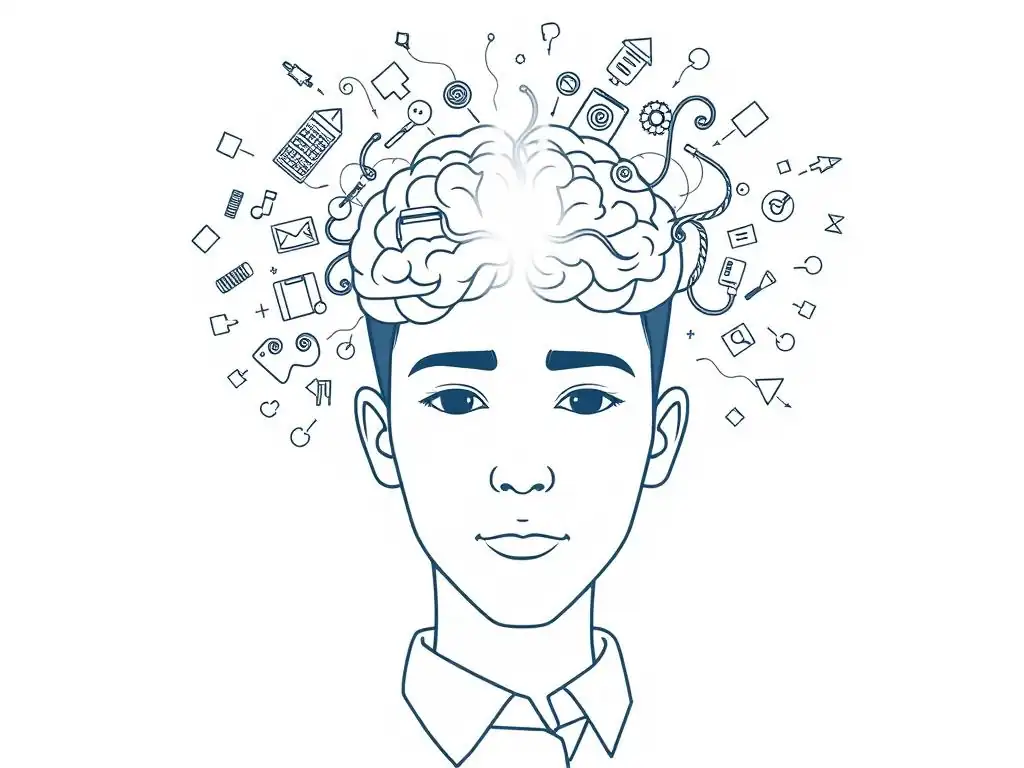
This section delves into the mental strategies crucial for students aiming to enhance their concentration and focus, directly tackling the challenge of "Student productivity hacks distractions." We'll explore techniques to actively combat distractions and cultivate a laser-like focus on academic tasks. Effective study habits aren't just about time management; they're about mastering your mind.
Mindfulness and Meditation Techniques for Improved Concentration
Mindfulness and meditation are powerful tools for improving concentration and reducing stress, both significant factors impacting student productivity. Regular practice can significantly enhance your ability to stay focused amidst distractions. Even short, 5-10 minute sessions can make a noticeable difference.
One effective technique is the "body scan meditation." This involves systematically bringing your attention to different parts of your body, noticing any sensations without judgment. This helps to anchor you in the present moment and reduces mind-wandering. Another useful approach is the "focused attention meditation," where you concentrate on a single point of focus, such as your breath, a mantra, or a visual object. When your mind wanders (and it will! ), gently redirect your attention back to your chosen focus. Consistent practice strengthens your ability to resist distractions and improve your attention span, a vital skill for tackling demanding academic workloads. Studies show that students who incorporate mindfulness practices into their daily routines report improved concentration and reduced anxiety levels. 1 This translates to increased productivity and better academic performance.
Strategies for Overcoming Procrastination and Maintaining Momentum
Procrastination is a common enemy of student productivity. It’s a significant contributor to the struggle with "Student productivity hacks distractions." To combat this, implement specific strategies. The Pomodoro Technique, for instance, involves working in focused bursts (typically 25 minutes) followed by short breaks (5 minutes). This structured approach breaks down large tasks into manageable chunks, making them less daunting and easier to tackle. Furthermore, setting realistic goals and breaking down large assignments into smaller, more achievable steps can significantly reduce feelings of overwhelm and increase your sense of accomplishment.
Another effective strategy is the "two-minute rule." If a task takes less than two minutes, do it immediately. This prevents small tasks from piling up and becoming overwhelming. Prioritization is key; utilize methods like the Eisenhower Matrix (urgent/important) to focus your energy on the most crucial tasks first. Remember, maintaining momentum is crucial. Once you start working, try to stay focused for as long as possible, even if it's just for a short period. The initial hurdle is often the hardest to overcome.
The Importance of Breaks and Rest for Optimal Productivity
While focused work is essential, regular breaks are crucial for maintaining optimal productivity and preventing burnout. Taking short breaks throughout the day allows your brain to rest and recharge, improving your focus and concentration in the long run. These breaks shouldn't involve screens; instead, engage in activities like stretching, walking, or listening to calming music. Adequate sleep is equally important.
Aim for 7-8 hours of quality sleep each night to allow your brain to consolidate information and restore itself. Sleep deprivation significantly impairs cognitive functions, including concentration and memory, leading to reduced productivity and increased susceptibility to distractions. Prioritize sufficient rest to maximize your academic performance and overall well-being. This is a crucial aspect often overlooked when discussing "Student productivity hacks distractions"—adequate rest is a powerful productivity tool.
1 [Specific study data pending]
Sustaining Laser Focus: Long-Term Strategies for Student Success
Maintaining laser focus isn't a sprint; it's a marathon. Transient bursts of concentration are helpful, but building sustainable focus requires a long-term strategy that integrates seamlessly into your life as a student. This section explores techniques to cultivate consistent, high-level concentration over extended periods, crucial for tackling demanding academic workloads and achieving long-term academic goals. We'll delve into practical methods to improve your focus and productivity, addressing the common challenges faced by students striving for academic excellence.
Developing Consistent Study Habits: Building a Routine for Success
Consistent study habits are the bedrock of sustained focus. Spontaneity has its place, but relying on it for academic success is a recipe for disaster. A structured approach, however, fosters predictability and reduces the mental energy spent deciding what to study and when. This predictability directly translates into increased focus.
Consider implementing a timetable. Instead of vague intentions like "study for the history exam," schedule specific times: "Review Chapter 5, 10:00 AM - 11:30 AM, Tuesday." Include breaks! The Pomodoro Technique (25 minutes of focused work followed by a 5-minute break) is a popular and effective method for many students. Experiment to find what works best for you. The key is consistency. Stick to your schedule as much as possible, even on weekends, to reinforce the habit. This consistent routine helps your brain anticipate focused work periods, minimizing the resistance you might otherwise experience when starting a study session.
Remember to also schedule in time for physical activity and relaxation. These are not distractions; they are essential components of a balanced lifestyle that enhances focus. Ignoring these needs often leads to burnout and decreased productivity. A well-structured schedule incorporates these activities as non-negotiable appointments.
Prioritizing Self-Care: The Link Between Well-being and Productivity
Many students mistakenly view self-care as a luxury, a distraction from their studies. In reality, it's a crucial element of sustained focus and long-term academic success. Neglecting your physical and mental well-being directly impacts your ability to concentrate. Chronic stress, lack of sleep, and poor nutrition significantly impair cognitive function and reduce your capacity for focused work.
Prioritizing self-care means actively attending to your needs. This includes:
- Sufficient Sleep: Aim for 7-9 hours of quality sleep per night. Consistent sleep schedules are key.
- Healthy Diet: Nourish your brain with a balanced diet rich in fruits, vegetables, and whole grains. Limit processed foods, sugary drinks, and excessive caffeine.
- Regular Exercise: Physical activity boosts blood flow to the brain, improving cognitive function and reducing stress. Even a short walk can make a difference.
- Mindfulness and Relaxation Techniques: Incorporate mindfulness practices like meditation or deep breathing exercises to manage stress and improve focus.
Prioritizing these aspects isn't about indulging; it's about investing in your ability to learn and succeed. The improved focus and reduced stress resulting from adequate self-care far outweigh the time initially invested. Think of it as preventative maintenance for your brain.
Seeking Support and Accountability: Working with Others to Stay Focused
Studying in isolation can be challenging. Surrounding yourself with a supportive network can significantly enhance your ability to stay focused and achieve your academic goals. This support system plays a vital role in maintaining motivation and combating distractions.
Consider forming a study group with classmates. Collaborative learning can make studying more engaging and help you stay accountable to your goals. Discussing challenging concepts with others can solidify your understanding and identify areas where you might need additional support. The shared commitment and mutual encouragement within a study group can be incredibly motivating.
Furthermore, finding a mentor or tutor can provide invaluable guidance and support. A mentor can offer personalized advice, help you develop effective study strategies, and provide a sounding board for your concerns. A tutor can offer targeted assistance in specific subjects, helping you overcome challenges and build confidence. Having someone to check in with regularly increases accountability and helps you stay on track. This external support structure is a crucial component for sustained focus and academic success. Remember, seeking help isn't a sign of weakness; it's a sign of strength and a commitment to your own success.
Putting it All Together: A Personalized Productivity Plan for Students
This section focuses on synthesizing the previously discussed student productivity hacks for eliminating distractions into a practical, personalized plan. Remember, the most effective strategies are those tailored to your individual learning style, personality, and academic demands. Generic advice rarely works; your success hinges on creating a system that works for you.
Creating Your Individualized Productivity System: Combining the Best Hacks
The key to maximizing student productivity and minimizing distractions isn't about adopting every hack; it's about strategically selecting and combining techniques that resonate with you. Consider the following steps:
- Identify Your Biggest Distractions: Honestly assess your biggest productivity killers. Is it social media? Text messages? Your messy study environment? Knowing your weaknesses is the first step to overcoming them. Be specific! Don't just say "social media"—pinpoint which platforms are the biggest culprits.
- Prioritize Your Tasks: Employ time management techniques like the Eisenhower Matrix (urgent/important) or the Pomodoro Technique (25-minute work intervals followed by short breaks) to prioritize your workload. Focus on high-impact tasks first, when your energy levels are highest. This helps prevent feeling overwhelmed and improves focus.
- Designate Specific Study Spaces: Create dedicated study environments free from clutter and distractions. This could be a quiet corner in your library, a specific desk in your room, or even a coffee shop with minimal noise. Consistency is key; your brain will associate these spaces with focused work.
- Utilize Technology Wisely: Technology can be both a boon and a bane. Use website blockers to limit access to distracting websites during study sessions. Leverage productivity apps for task management, note-taking, and scheduling. Explore apps specifically designed to help manage student workloads and deadlines.
- Incorporate Breaks Strategically: Regular breaks are crucial for maintaining focus and preventing burnout. Short, frequent breaks are more effective than one long break. Use this time to stretch, walk around, or engage in a relaxing activity unrelated to your studies. This helps to refresh your mind and improve concentration.
- Experiment and Adapt: What works for one student might not work for another. Don't be afraid to experiment with different techniques and adjust your system as needed. Regularly evaluate what's working and what isn't, and make changes accordingly.
Tracking Your Progress and Making Adjustments: Continuous Improvement
Effective productivity isn't a one-time fix; it's an ongoing process of refinement. Tracking your progress allows you to identify areas for improvement and adjust your strategy accordingly.
- Use a Planner or App: Regularly schedule your study time, noting completed tasks and any challenges encountered. Detailed tracking provides valuable insights into your work habits and helps to pinpoint areas needing adjustment.
- Regular Self-Assessment: At the end of each week or month, take time to reflect on your productivity levels. What worked well? What could be improved? Honest self-reflection is crucial for continuous growth.
- Data-Driven Adjustments: Use the data you've collected to inform changes to your productivity system. If you consistently struggle with a particular task, try a different approach. If a specific time of day is less productive, reschedule your study sessions.
- Seek Feedback: Don't hesitate to ask for feedback from friends, family, or mentors. An outside perspective can offer valuable insights you may have overlooked. This external feedback can illuminate blind spots in your approach.
Celebrating Successes and Learning from Setbacks: Maintaining Motivation
Maintaining motivation is crucial for long-term success. Acknowledge your achievements, no matter how small, and learn from your setbacks.
- Reward System: Establish a reward system for yourself. After completing a challenging task or achieving a significant milestone, reward yourself with something you enjoy. This positive reinforcement helps maintain motivation and creates a positive association with productive work.
- Positive Self-Talk: Practice positive self-talk. Focus on your strengths and progress, rather than dwelling on setbacks. Believe in your ability to succeed. This positive mindset is essential for overcoming challenges.
- Seek Support: Don't be afraid to seek support from friends, family, or academic advisors when facing difficulties. Having a support system can make a significant difference in your ability to stay motivated and overcome obstacles. Remember, everyone faces challenges—it's how you respond that matters.
- Embrace Imperfection: Productivity isn't about perfection; it's about progress. Don't get discouraged by occasional setbacks. Learn from your mistakes and keep moving forward. Perfection is the enemy of productivity; strive for progress, not perfection. This mindset fosters resilience and helps to maintain motivation over the long term.
Frequently Asked Questions
How can I overcome procrastination as a student?
Procrastination is a common struggle. Start by breaking down large tasks into smaller, manageable chunks. Use a timer (like the Pomodoro Technique) to focus intensely for short periods, followed by breaks.
What are some effective techniques to minimize distractions while studying?
Identify your biggest distractions (phone, social media, etc.) and actively minimize them. Use website blockers, put your phone in another room, or create a dedicated study space free from interruptions.
What are the best productivity apps for students struggling with distractions?
Many apps can help! Forest prevents phone use, Freedom blocks distracting websites, and Todoist or Any.do help with task management and organization. Experiment to find what works best for you.
How can I improve my focus and concentration during study sessions?
Practice mindfulness techniques to improve your attention span. Engage in regular exercise to boost brain function. Ensure you're getting enough sleep and eating a healthy diet.
Are there any quick productivity hacks to boost my study efficiency?
Yes! Try the Pomodoro Technique, use the two-minute rule (if a task takes less than two minutes, do it immediately), and prioritize tasks using methods like the Eisenhower Matrix to focus on what's truly important.
Final Reflection: Mastering Your Mind, Mastering Your Studies
The relentless barrage of distractions in the digital age makes laser focus a superpower for students. Achieving academic success today requires more than just intelligence; it demands the ability to cultivate unwavering concentration amidst a constant stream of notifications, social media updates, and competing demands. This guide has explored practical strategies to reclaim your attention and unlock your true potential.
The pursuit of focus is not merely about academic achievement; it's about cultivating a mindful approach to life. The ability to resist impulsive distractions and prioritize tasks translates directly into improved well-being and a greater sense of control over one's time and energy. This resonates deeply with me, as I've personally experienced the transformative power of focused work. The key is not to prioritize what's on your schedule, but to schedule your priorities.
– Stephen Covey. This quote perfectly encapsulates the essence of effective time management and the importance of intentional focus.
Now, it's your turn. Take a moment to reflect on the strategies discussed in this guide. Which techniques resonate most with you? Which ones will you implement immediately? Commit to incorporating even one new habit into your daily routine – a small change can create a ripple effect, leading to significant improvements in your productivity, academic performance, and overall well-being. Embrace the power of focus, and watch your potential unfold.
Unlock Your Laser Focus: Master Your Productivity Today!
Thank you for exploring powerful productivity techniques! We hope you gained valuable insights into overcoming distractions and achieving peak focus. Now it's time to apply your new knowledge. Ready to significantly boost your productivity?
- Try one new focus technique from this article this week. Start small, choose a method that suits you, and monitor your progress.
- Share your favorite tip from the article on social media – inspire your friends to improve their focus too!
- Join our community forum to discuss your challenges and successes with others striving for peak productivity. We're all in this together!
What's one small step you'll take today to enhance your focus and unlock your full potential?