
EnergySaving Lighting: Bright Ideas & Hacks for Your Home

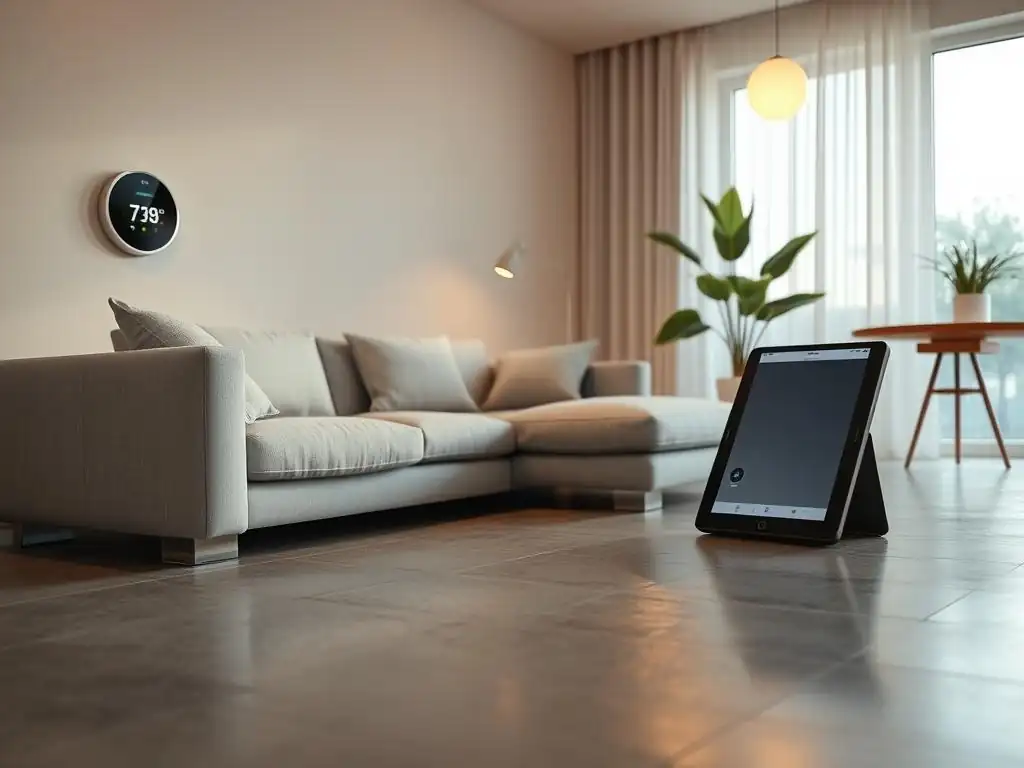
Tired of sky-high energy bills and dim lighting? Welcome to UltimateLifeHacks, your ultimate resource for practical tips and tricks to conquer daily life. Discover ingenious ways to optimize your routines and save precious time, starting with our latest article on Save energy lighting home hacks. Uncover surprisingly simple solutions to brighten your home and lighten your wallet – prepare to be amazed by what you can achieve with just a few clever tweaks!
- Understanding Energy Consumption in Home Lighting
- Switching to Energy-Efficient Bulbs
- Smart Lighting Solutions for Energy Savings
- Optimizing Lighting Fixtures and Placement
- Additional Energy-Saving Lighting Strategies
- DIY Projects for Energy-Efficient Lighting
-
Frequently Asked Questions
- What are some quick and easy ways to save energy with my home lighting?
- How can I improve my home's lighting efficiency without replacing all my fixtures?
- Are smart bulbs really worth the investment for energy saving?
- What role does natural light play in saving energy on lighting?
- Besides bulbs, what other home lighting hacks can save energy?
- Final Reflection: Illuminating the Path to a Brighter, More Sustainable Future
- Unleash the Power of Light: Brighten Your Home & Wallet!
Understanding Energy Consumption in Home Lighting
Energy-efficient lighting is more than just a trendy eco-conscious choice; it's a powerful tool for slashing your energy bills and reducing your carbon footprint. This article delves into practical, actionable home hacks designed to help you save energy through smarter lighting choices and usage habits. We’ll explore the hidden energy drains lurking in your home's lighting system, guide you through a simple energy audit, and pinpoint areas for significant improvement.
By implementing these simple yet effective strategies, you can significantly reduce your energy consumption, contributing to a greener planet while simultaneously saving money on your monthly electricity bill. Let's illuminate the path to brighter, more sustainable, and cost-effective home lighting!
Many homeowners underestimate the substantial impact of lighting on their overall energy consumption. Inefficient lighting fixtures and outdated bulbs are significant culprits, silently draining energy and inflating electricity bills. The cost isn't just monetary; it contributes to increased greenhouse gas emissions, impacting the environment.
Consider this: an older incandescent bulb uses significantly more energy to produce the same amount of light compared to a modern LED. This difference compounds over time, resulting in a considerable increase in your energy expenses and environmental impact. Let's look at some real-world examples: a typical 60-watt incandescent bulb can cost approximately [cost of running a 60-watt incandescent bulb per year pending] to operate annually, while a comparable LED bulb might cost only [cost of running a comparable LED bulb per year pending].
This difference is dramatic and highlights the potential savings available through simple bulb upgrades. The hidden energy drains extend beyond bulbs; inefficient fixtures that leak light or use outdated technology also contribute to higher energy consumption.
Measuring Your Current Energy Usage: A Simple Home Audit
Before implementing any changes, it's crucial to understand your current energy consumption related to lighting. A simple home audit can provide valuable insights into where you can make the most significant improvements. This doesn't require specialized equipment; a basic understanding of your electricity bill and some observation will suffice. Start by examining your electricity bill to identify the proportion of energy used for lighting.
This information is usually available in a detailed breakdown. Next, take a walk through your home, paying close attention to your lighting fixtures and usage patterns. Note which rooms are most frequently lit, the types of bulbs used (incandescent, CFL, LED, etc. ), and the average amount of time each light is left on.
You can even use a simple timer to track usage in specific areas. This data will be invaluable in identifying areas for improvement and prioritizing your energy-saving efforts. Consider creating a simple table to record your findings:
| Room | Bulb Type | Average Daily Use (hours) | Notes |
|---|---|---|---|
| Living Room | Incandescent | 6 | Often left on unintentionally |
| Kitchen | LED | 4 | Efficient, but could reduce usage |
| Bedroom | CFL | 3 | Could switch to longer-lasting LEDs |
This simple audit empowers you to make informed decisions regarding upgrades and behavioral changes.
Identifying Lighting Inefficiencies: Bulbs, Fixtures, and Usage Patterns
Once you've assessed your current energy usage, it's time to identify specific areas of inefficiency. This involves examining three key aspects: bulbs, fixtures, and usage patterns. Outdated incandescent bulbs are the most significant offenders, consuming significantly more energy than their LED or CFL counterparts. Switching to energy-efficient alternatives is a straightforward and impactful change. Beyond bulbs, inefficient fixtures contribute to energy loss.
Fixtures with poor light seals allow light to escape, wasting energy. Outdated fixtures might also use more energy than modern designs. Finally, your usage patterns play a crucial role. Leaving lights on in unoccupied rooms or for extended periods unnecessarily increases energy consumption. Implementing strategies like using timers, motion sensors, or simply developing a habit of switching off lights when leaving a room can make a significant difference.
Remember, small changes in behavior, combined with strategic upgrades, can lead to substantial energy savings and a more sustainable home. The key is to be mindful and proactive in addressing these inefficiencies. Implementing these changes will not only save you money but also contribute to a greener future. 🏡💡
Switching to Energy-Efficient Bulbs
Switching to energy-efficient lighting is a cornerstone of any effective home energy-saving strategy. It's a simple change that yields significant, long-term benefits, both for your wallet and the environment. This involves more than just flipping a switch; it's about understanding the different types of bulbs available and choosing the ones that best suit your needs and lifestyle. The initial investment in higher-quality bulbs is quickly offset by lower energy bills and reduced replacement frequency. Let's delve into the specifics.
Choosing the Right Bulbs: LEDs, CFLs, and Incandescent Alternatives
The market offers a variety of energy-efficient bulbs, each with its own advantages and disadvantages. The most popular choices are LEDs (Light Emitting Diodes), CFLs (Compact Fluorescent Lamps), and, though less efficient, incandescent alternatives.
Let's compare them:
| Bulb Type | Energy Efficiency | Lifespan (Hours) | Cost (Approximate) | Color Rendering Index (CRI) | Mercury Content |
|---|---|---|---|---|---|
| LED | Highest | 25,000 - 50,000+ | Higher | 80-90+ | None |
| CFL | High | 8,000 - 10,000 | Moderate | 70-80 | Small Amount |
| Incandescent | Lowest | 750 - 1,000 | Lowest | 100 | None |
As you can see, LEDs offer the best combination of energy efficiency, longevity, and performance. While they have a higher upfront cost, their extended lifespan and significantly reduced energy consumption translate into substantial long-term savings. CFLs offer a good balance, but their lifespan is shorter than LEDs, and they contain a small amount of mercury, requiring special disposal procedures.
Incandescent bulbs, while inexpensive, are the least energy-efficient option and have a very short lifespan, leading to frequent replacements and higher overall costs. Choosing the right bulb depends on your budget, lighting needs, and environmental considerations. For most applications, LEDs are the clear winner in terms of long-term value and energy saving.
Understanding Lumens and Kelvin: Brightness and Color Temperature Explained
When choosing energy-efficient bulbs, it's crucial to understand two key specifications: lumens and Kelvin. These factors determine the brightness and color temperature of the light, significantly impacting the ambiance and functionality of your space.
- Lumens (lm): This measurement indicates the brightness of the light bulb. A higher lumen value means a brighter light. For example, a 60-watt incandescent bulb produces roughly 800 lumens, while a comparable LED might produce the same brightness with only 10-12 watts. Always check the lumen output rather than the wattage when comparing bulbs.
- Kelvin (K): This measurement indicates the color temperature of the light, expressed in degrees Kelvin. Lower Kelvin values (2700K-3000K) produce warmer, yellowish light, similar to incandescent bulbs, ideal for living rooms and bedrooms. Higher Kelvin values (5000K-6500K) produce cooler, bluish light, suitable for kitchens, bathrooms, and garages. Choosing the right Kelvin temperature depends on the intended use and the desired atmosphere.
Understanding lumens and Kelvin allows you to select bulbs that provide the optimal brightness and color temperature for each room in your home, maximizing both energy efficiency and comfort. 💡
Bulb Lifespan and Replacement Costs: Long-Term Savings Analysis
The long-term cost savings associated with energy-efficient lighting are substantial. While the initial purchase price of LEDs might be higher, the significantly longer lifespan and lower energy consumption quickly offset this cost. Let's consider a simple example:
Let's say you replace a 60-watt incandescent bulb (750-hour lifespan, costing $1) with a 10-watt LED bulb (25,000-hour lifespan, costing $5). Assuming an electricity cost of $0.15 per kilowatt-hour, the annual cost savings are significant. The incandescent bulb would need to be replaced approximately 3.65 times a year. The LED bulb will last many years.
The cost savings accumulate over time, making the initial investment worthwhile. This analysis demonstrates the importance of considering the total cost of ownership, including both the purchase price and the ongoing energy consumption, when making lighting choices. The long-term savings from using energy-efficient lighting contribute significantly to reducing your energy bill and your carbon footprint. This translates into substantial savings over the lifetime of the bulb, making energy-efficient lighting a smart and sustainable choice for your home.
Smart Lighting Solutions for Energy Savings
Smart lighting offers a significant leap forward in energy conservation compared to traditional lighting methods. By leveraging technology, you can actively manage your home's lighting consumption, leading to substantial savings on your energy bills and a reduced carbon footprint. This section delves into the specifics of smart lighting systems and how they contribute to a more energy-efficient home. We'll explore the features, benefits, and practical implementation of these solutions to help you understand how to best utilize them for maximum energy savings. The potential to save energy lighting home hacks is undeniable with the right approach.
Smart Bulbs and Their Energy-Saving Features: Automation and Control
Smart bulbs represent the cornerstone of energy-efficient smart lighting. Unlike traditional incandescent or even CFL bulbs, smart bulbs offer a range of features designed to minimize energy waste. Key features include:
- Dimmability: The ability to dim smart bulbs allows for precise light level adjustment, reducing energy consumption significantly when full brightness isn't needed. A dimmed smart bulb uses considerably less energy than one operating at full power. For example, dimming a 10-watt smart bulb by 50% reduces its energy usage to approximately 5 watts.
- Instant On/Off: Smart bulbs eliminate the slow warm-up time associated with some older technologies. This means no wasted energy during the initial power-up phase, leading to immediate illumination and energy efficiency.
- Long Lifespan: Smart bulbs generally boast a longer lifespan than traditional bulbs, reducing the frequency of replacements and minimizing the associated energy costs of manufacturing and disposal. A typical smart bulb can last for 25,000 hours or more, compared to a few thousand for incandescent bulbs.
- Energy-Efficient LEDs: Almost all smart bulbs utilize energy-efficient LEDs, consuming significantly less energy than incandescent or halogen bulbs while producing comparable brightness. The energy savings can be substantial, often exceeding 75% compared to incandescent alternatives.
Programming Smart Lighting Schedules: Optimizing Usage for Maximum Savings
One of the most powerful energy-saving features of smart lighting is the ability to program lighting schedules. This allows you to automate the on/off times of your lights, ensuring they're only active when needed. Consider these strategies:
- Automated "Away" Mode: Program your lights to turn off automatically when you leave the house, preventing unnecessary energy consumption. This can be further enhanced with geofencing technology, automatically turning off lights when you leave a predetermined radius around your home.
- Sunrise/Sunset Synchronization: Many smart lighting systems allow you to synchronize your lights with sunrise and sunset times. Lights can automatically turn on as it gets darker and off as it gets lighter, optimizing lighting usage to natural daylight patterns. This eliminates the need for lights during daylight hours, resulting in significant energy savings.
- Occupancy Sensors: Integrate smart bulbs with occupancy sensors to automatically turn lights on when a room is occupied and off when it's empty. This eliminates the need to manually switch lights on and off, ensuring lights are only on when necessary. Data indicates that this can reduce lighting energy consumption by up to 40% in residential settings.
- Customizable Schedules: Smart lighting systems offer highly customizable scheduling options, allowing you to tailor lighting automation to your specific needs and preferences. This flexibility ensures optimal energy savings without compromising convenience.
Integrating Smart Lighting with Other Home Automation Systems: Enhanced Efficiency
The true potential of smart lighting is unlocked when integrated with other home automation systems. This integration creates a synergistic effect, optimizing energy efficiency across multiple areas of your home. Consider these examples:
- Smart Assistants (Alexa, Google Home): Voice control allows for seamless and convenient lighting management, further enhancing energy savings by enabling quick adjustments to lighting levels and schedules. A simple voice command can dim the lights or turn them off entirely, preventing wasted energy.
- Smart Thermostats: Integrating smart lighting with a smart thermostat can optimize energy usage based on occupancy and temperature. For instance, lights could turn off automatically when the thermostat detects an unoccupied and cooled space.
- Security Systems: Smart lighting can be integrated with security systems to simulate occupancy while you are away, deterring potential intruders and saving energy simultaneously by only illuminating key areas.
- Energy Monitoring Dashboards: Many smart home systems offer energy monitoring dashboards that provide detailed insights into your lighting energy consumption. This data allows you to identify areas for improvement and fine-tune your smart lighting strategies for maximum energy savings. Analyzing this data can reveal unexpected patterns and lead to further optimization of your energy-saving lighting home hacks.
Optimizing Lighting Fixtures and Placement
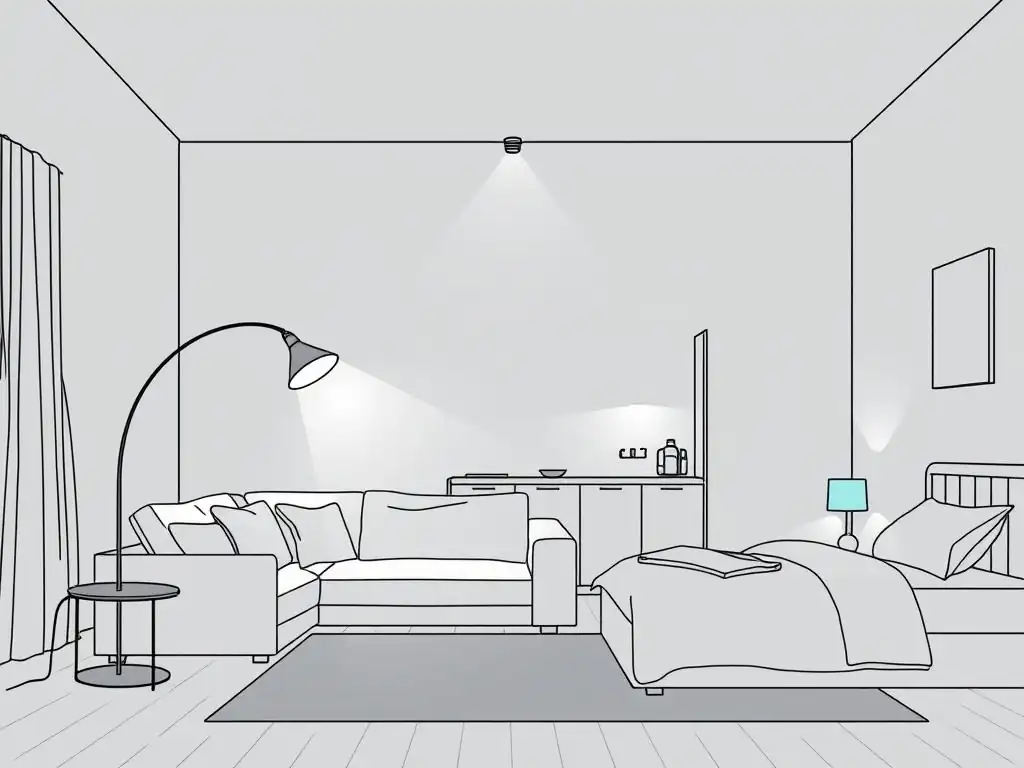
This section delves into practical strategies for optimizing your home's lighting fixtures and their placement to significantly reduce energy consumption while maximizing brightness. We'll explore how smart choices in fixture selection and placement can contribute to substantial savings on your energy bill and minimize your environmental impact. Remember, even small changes can accumulate to make a big difference when it comes to saving energy lighting home hacks.
Maximizing Natural Light: Strategic Window Placement and Treatments
Harnessing natural light is the most energy-efficient lighting solution available. Strategic window placement during home construction or renovation is crucial. South-facing windows (in the Northern Hemisphere) receive the most direct sunlight throughout the day, offering maximum natural illumination. However, even in existing homes, you can optimize natural light penetration.
Consider these practical steps:
- Trim Overhanging Branches: Trees and shrubs casting shadows on your windows can dramatically reduce natural light. Regularly trim back any branches obstructing sunlight.
- Light-Colored Curtains and Blinds: Opt for sheer curtains or blinds in light colors (white, cream, pale pastels) that allow maximum light transmission while still offering privacy. Avoid heavy, dark fabrics that absorb light.
- Mirrors to Reflect Light: Strategically placed mirrors can reflect natural light deeper into rooms, brightening darker corners and reducing the need for artificial lighting. Position mirrors opposite windows to maximize this effect.
- Window Cleaning: Clean windows regularly to ensure maximum light transmission. Dirty windows can reduce light penetration by up to 10%, significantly impacting your energy consumption.
Strategic Lighting Placement for Enhanced Brightness and Energy Efficiency
The placement of your lighting fixtures greatly impacts their effectiveness and energy efficiency. Poorly placed lights can create dark spots and necessitate using more lights than necessary, increasing energy consumption. A well-thought-out lighting plan can drastically reduce your reliance on artificial light.
Here's how to improve lighting placement:
- Layered Lighting: Employ a layered approach, combining ambient, task, and accent lighting. Ambient lighting provides general illumination, task lighting focuses on specific work areas (e.g., kitchen counters, desk), and accent lighting highlights features (e.g., artwork, plants). This approach allows you to use only the necessary lighting for each activity, saving energy.
- Task Lighting near Work Areas: Position task lighting directly over work surfaces to minimize shadows and reduce the need for brighter, more energy-intensive general lighting.
- Avoid Direct Uplighting: While aesthetically pleasing in some cases, direct uplighting often wastes energy as much of the light is lost to the ceiling. Consider using indirect or diffused lighting instead.
- Consider Room Size and Shape: The size and shape of a room dictate the number and placement of light fixtures needed for adequate illumination. Larger rooms may require multiple light sources, while smaller rooms might only need one strategically placed fixture.
Using Dimmers and Motion Sensors: Intelligent Lighting Control
Smart lighting control systems offer significant energy-saving potential. Dimmers and motion sensors allow for precise control over your lighting, ensuring lights are only on when and where needed. This simple yet effective strategy can lead to substantial energy savings over time.
Let's examine the benefits:
- Dimmers: Dimmers allow you to adjust the light intensity to suit your needs, reducing energy consumption when lower light levels suffice. A dimmer can reduce energy use by up to 50% compared to a standard light switch.
- Motion Sensors: Motion sensors automatically turn lights on when movement is detected and off after a period of inactivity. This is particularly effective in hallways, closets, bathrooms, and other areas where lights are often left on unnecessarily. They offer a passive but highly effective way to save energy lighting home hacks.
- Smart Bulbs and Systems: Smart bulbs and integrated systems offer advanced control features, allowing you to schedule lighting, create custom scenes, and even integrate with other smart home devices for comprehensive energy management. These systems often include energy monitoring features, providing insights into your lighting energy consumption. Consider this a key element of your save energy lighting home hacks strategy.
By implementing these strategies, you'll not only save money on your energy bills but also contribute to a more sustainable and eco-friendly home. Remember that even small changes in your lighting habits can accumulate into significant energy savings over time.
Additional Energy-Saving Lighting Strategies
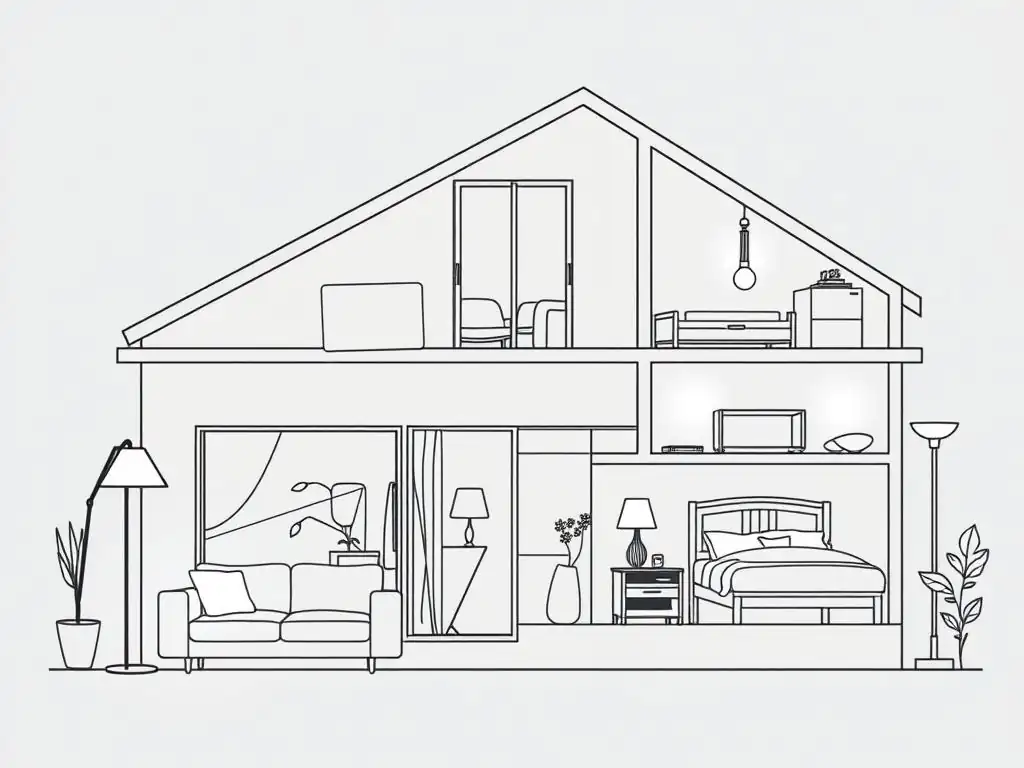
This section delves into further strategies beyond basic bulb swaps to significantly reduce your home's energy consumption related to lighting. We'll explore proactive maintenance, smart design choices, and leveraging financial incentives to maximize your energy savings. Remember, even small changes can cumulatively contribute to substantial reductions in your carbon footprint and electricity bills. Implementing these strategies will help you effectively save energy lighting home hacks.
Regular Maintenance of Lighting Fixtures: Preventing Energy Waste
Neglecting the maintenance of your lighting fixtures can lead to significant energy waste. Dust accumulation on bulbs and fixtures reduces light output, forcing you to use more energy to achieve the same level of illumination. This translates directly into higher electricity bills and a larger environmental impact.
Regular cleaning is crucial. At a minimum, you should dust your light fixtures and bulbs every few months. For more thorough cleaning, consider using a soft cloth and mild detergent to gently wipe down the fixtures. Pay special attention to hard-to-reach areas where dust tends to accumulate. Remember to always disconnect the power before cleaning any electrical fixture for safety.
Beyond cleaning, regular inspection for faulty wiring or damaged components is vital. A flickering light or one that doesn't turn on properly indicates a potential problem that can lead to energy loss and even safety hazards. Addressing these issues promptly prevents further energy waste and ensures the longevity of your lighting system. This proactive approach is a simple yet effective save energy lighting home hacks strategy.
A well-maintained lighting system not only saves energy but also extends the lifespan of your bulbs and fixtures, reducing the need for frequent replacements. This translates to long-term cost savings and reduced waste, aligning perfectly with sustainable living principles. Consider scheduling regular checks as part of your home maintenance routine – perhaps twice a year, in spring and autumn – to ensure optimal performance and energy efficiency.
Energy-Efficient Lighting Design for New Homes and Renovations
Designing a home with energy-efficient lighting in mind from the outset offers significant advantages over retrofitting later. Careful planning during new builds or renovations can drastically reduce long-term energy consumption. This approach is key for effectively implementing save energy lighting home hacks strategies.
Consider these key aspects:
- Natural Light Maximization: Strategically placed windows and skylights can significantly reduce the need for artificial lighting during the day. Optimizing window placement and size, along with the use of light-reflective materials, can dramatically increase natural light penetration.
- Lighting Placement and Layering: Thoughtful lighting placement is crucial. Instead of relying on a single, central light source, consider a layered approach combining ambient, task, and accent lighting. This allows for flexibility and reduces the need for full illumination in every situation.
- Smart Lighting Systems: Integrating smart lighting systems allows for automated control and scheduling of lights based on occupancy and time of day. This automated approach minimizes energy waste by ensuring lights are only on when needed. These systems often offer features like dimming and color temperature adjustment, further enhancing energy efficiency and user comfort.
- Energy-Efficient Fixtures and Bulbs: Choosing energy-efficient fixtures and bulbs is paramount. Look for fixtures with high light output and low energy consumption. LEDs are the clear winner here, offering significant energy savings compared to incandescent or CFL bulbs. Consider the color temperature and CRI (Color Rendering Index) to ensure optimal light quality.
Government Incentives and Rebates for Energy-Efficient Lighting: Saving Money on Upgrades
Many governments offer financial incentives and rebates to encourage homeowners to adopt energy-efficient lighting solutions. These programs can significantly reduce the upfront cost of upgrading to more sustainable lighting options, making the transition more affordable and accessible. This is a powerful strategy within save energy lighting home hacks.
To find available programs, research your local and national government websites. Search for keywords like "energy efficiency rebates," "lighting incentives," or "home energy upgrades." These programs often vary in terms of eligibility criteria, rebate amounts, and the types of lighting technologies covered. Some programs may focus specifically on LED upgrades, while others may offer broader incentives for energy-efficient lighting solutions.
Taking advantage of these rebates can substantially reduce the overall cost of upgrading your home's lighting system. The savings generated from lower energy bills will quickly offset the initial investment, making it a financially sound and environmentally responsible decision. Thorough research is key to identifying and leveraging these valuable opportunities. Don't miss out on these potential savings – they can significantly accelerate your progress towards a more energy-efficient and sustainable home.
DIY Projects for Energy-Efficient Lighting
This section explores practical, cost-effective DIY projects to enhance your home's lighting while significantly reducing energy consumption. These projects utilize readily available materials and simple techniques, making them accessible to homeowners of all skill levels. By implementing these energy saving lighting home hacks, you can contribute to a greener environment and lower your electricity bills. We'll focus on practical applications and measurable energy savings where possible.
Simple DIY Projects to Improve Lighting Efficiency: Upcycling Old Jars into Pendant Lights
Transforming old jars into charming pendant lights is a fantastic way to save energy and add a unique touch to your home décor. This project minimizes waste and offers a significant reduction in energy usage compared to traditional incandescent lighting.
Here's how:
- Gather your materials: You'll need clean glass jars (various sizes add visual interest! ), LED Edison bulbs (low wattage for energy efficiency), wire, a lamp kit (easily found online or in hardware stores), and decorative elements (optional, such as paint, twine, or lace).
- Prepare the jars: Thoroughly clean and dry your jars. If desired, personalize them with paint, stencils, or other embellishments. Let them dry completely.
- Assemble the lighting kit: Carefully follow the instructions provided with your lamp kit to assemble the wiring and socket. Ensure all connections are secure and properly insulated. Safety first!
- Install the LED bulb: Insert the low-wattage LED Edison bulb into the socket. These bulbs offer significant energy savings compared to incandescent bulbs. For example, a 60-watt incandescent bulb can be replaced with a 6-watt LED, resulting in a 90% reduction in energy consumption.
- Hang your new pendant lights: Securely attach the completed lamp kit to the ceiling using appropriate hardware. Consider the weight of the jar when choosing your mounting hardware.
This project is not only energy efficient but also aesthetically pleasing. The soft glow of LED Edison bulbs creates a warm and inviting ambiance. You can customize the jars to match your existing décor, making them a perfect addition to any room. Remember to always prioritize safety and follow electrical safety guidelines.
DIY Lighting Upgrades: Installing LED Strip Lighting Under Cabinets
Installing LED strip lighting under kitchen cabinets or bathroom vanities is a simple yet highly effective way to improve task lighting and save energy. LED strip lights consume significantly less energy than traditional under-cabinet lighting, and their slim profile makes installation easy.
The benefits extend beyond energy savings:
- Improved visibility: LED strip lights provide bright, even illumination, making it easier to perform tasks in these areas.
- Enhanced ambiance: The soft glow of LED strip lights can create a warm and inviting atmosphere, especially in the kitchen or bathroom.
- Easy installation: Most LED strip lights come with adhesive backing, allowing for quick and straightforward installation.
Before starting, measure the area where you'll be installing the lights to determine the length of strip lighting needed. Consider using a dimmer switch for added control over brightness and energy consumption. Remember to check the power requirements of the LED strip lights before installation. For instance, a typical 5-meter LED strip might consume only 10 watts, a dramatic improvement over older halogen or fluorescent under-cabinet lighting.
Repurposing Existing Fixtures for Energy Savings: Converting a Table Lamp to LED
Upgrading existing lighting fixtures to LED bulbs is one of the easiest and most impactful ways to save energy at home. This applies to table lamps, floor lamps, and even ceiling fixtures. Simply replacing incandescent or halogen bulbs with LED equivalents results in immediate energy savings.
Here's what to consider:
- Bulb base type: Ensure the LED bulb you choose is compatible with your existing lamp's socket (e.g., E26, E27).
- Wattage and brightness: LED bulbs are rated in lumens (brightness), not watts (power consumption). Choose an LED bulb with a similar lumen output to your existing bulb to maintain the same level of brightness. A 60-watt incandescent bulb, for example, is roughly equivalent to a 1000-lumen LED bulb.
- Color temperature: LED bulbs come in various color temperatures, measured in Kelvin (K). Lower Kelvin values (e.g., 2700K) produce warmer light, while higher values (e.g., 5000K) produce cooler light. Choose a color temperature that suits your preference and the room's ambiance.
By making these simple conversions, you can dramatically reduce your energy consumption without sacrificing light quality. This straightforward approach offers a quick return on investment, both financially and environmentally. Remember to always check the wattage and lumen output of LED bulbs to ensure they match the lighting needs of your space. This simple swap is one of the easiest "save energy lighting home hacks" you can implement today!
Frequently Asked Questions
What are some quick and easy ways to save energy with my home lighting?
Switching to LED bulbs is the simplest way. They use significantly less energy than incandescent or CFL bulbs and last much longer. Consider also using smart bulbs for automated energy saving.
How can I improve my home's lighting efficiency without replacing all my fixtures?
Start by using timers or motion sensors on lights in less-used areas. Ensure you're using the correct wattage bulbs for your fixtures and always turn off lights when leaving a room. Natural light is also a great free alternative.
Are smart bulbs really worth the investment for energy saving?
Yes, smart bulbs offer significant energy savings through features like scheduling and automatic shutoff. The initial cost is recouped over time through reduced energy consumption and extended bulb lifespan. They also offer convenience and flexibility.
What role does natural light play in saving energy on lighting?
Maximize natural light by opening curtains and blinds during the day. This reduces reliance on artificial light, significantly cutting down on your energy bill. Strategic window placement during construction can also greatly improve this.
Besides bulbs, what other home lighting hacks can save energy?
Consider using dimmable lights to adjust brightness based on need. Employ task lighting instead of illuminating an entire room, focusing light only where it's needed. Regularly cleaning light fixtures improves their efficiency.
Final Reflection: Illuminating the Path to a Brighter, More Sustainable Future
Energy-efficient lighting isn't just a trend; it's a crucial step towards a more sustainable and economically responsible future. The simple act of swapping out incandescent bulbs for LEDs can have a profound impact on our collective carbon footprint, reducing energy consumption and lowering electricity bills. This is more critical than ever, given the escalating global energy crisis and the urgent need to mitigate climate change.
The shift towards energy-conscious lighting choices reflects a broader societal awakening to the importance of environmental responsibility. We are increasingly aware of our impact on the planet and actively seeking ways to minimize it. This conscious effort extends beyond individual actions; it's driving innovation in the lighting industry, leading to the development of even more efficient and sustainable technologies. The future belongs to those who believe in the beauty of their dreams.
– Eleanor Roosevelt. This quote resonates deeply, as our collective dream of a sustainable future is illuminated, quite literally, by our choices in home lighting.
Consider the small changes you can make today. Switching to LED bulbs, utilizing natural light effectively, and implementing the simple hacks discussed in this article are all within your reach. You have the power to contribute to a brighter, more sustainable future, one energy-efficient lightbulb at a time. Let's illuminate the path forward, together.
Unleash the Power of Light: Brighten Your Home & Wallet!
Ready to save energy and money? Switching to energy-efficient lighting is a simple yet impactful way to achieve both. Let's explore how you can make the change and enjoy the benefits.
- Upgrade your light bulbs today! Begin with the rooms you use most frequently—the living room and kitchen are excellent starting points—for immediate and noticeable results.
- Share your success! Tell fellow readers about your experience upgrading your lighting. Describe the bulbs you chose and the difference they've made. Inspire others to join the energy-saving movement!
- Explore creative lighting solutions. Consider installing a smart lighting system or experimenting with dimmers to fine-tune your lighting and further reduce energy consumption.
What's your next step towards a more energy-efficient home?