
The Ultimate Guide to a ClutterFree Home: RoombyRoom Cleaning

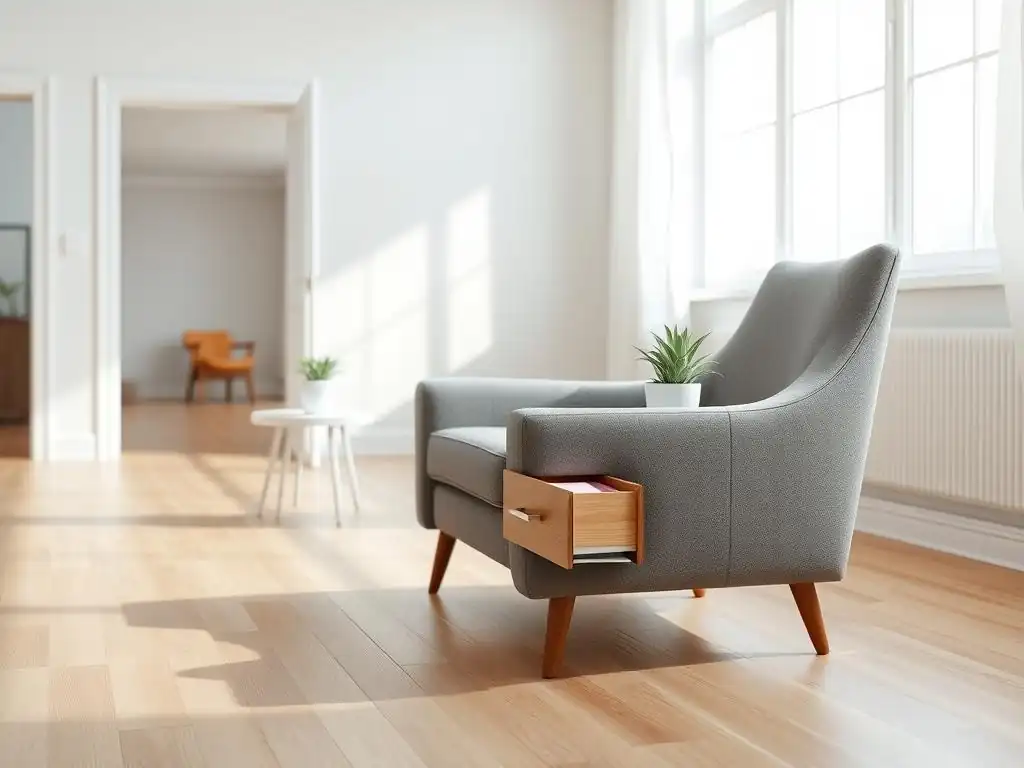
Ready to reclaim your space and rediscover the joy of a clutter-free home? At UltimateLifeHacks, we're dedicated to helping you streamline your life. This isn't just about tidying; it's about unlocking productivity and finding more time for what truly matters. Our Declutter home room-by-room guide offers a practical, step-by-step approach to conquering clutter, one room at a time. Dive in and discover the transformative power of a truly organized space – you might be surprised at what you find!
- Declutter Home Room-by-Room Guide: Introduction and Methodology
- Decluttering Your Bedroom: A Sanctuary of Calm
- Transforming Your Living Room: A Relaxing and Functional Space
- Decluttering Your Kitchen: Efficiency and Cleanliness
- Bathroom Bliss: A Clean and Organized Space
- Home Office Organization: Boosting Productivity
- Hallways and Entryways: First Impressions Matter
- Maintaining Your Clutter-Free Home: Tips and Tricks
- Declutter Home Room-by-Room Guide: Conclusion and Next Steps
- Frequently Asked Questions
- Final Reflection: Finding Freedom in a Clutter-Free Space
- Unlock Your Clutter-Free Sanctuary: Start Decluttering Today!
Declutter Home Room-by-Room Guide: Introduction and Methodology
Tackling household clutter can feel overwhelming, like climbing a mountain without a map. But what if we told you there's a clear path to a clutter-free home, a journey achievable through a simple, room-by-room approach? This ultimate guide provides a structured methodology for decluttering your entire home, transforming it from a chaotic space into a haven of peace and tranquility.
We'll break down the process into manageable steps, focusing on practical strategies and actionable tips to conquer even the most stubborn clutter hotspots. This room-by-room declutter guide is designed to be your comprehensive roadmap to a more organized and efficient living space, saving you time, reducing stress, and ultimately improving your quality of life. We'll explore the significant benefits of a clutter-free environment and equip you with the essential tools and techniques to achieve lasting results.
Get ready to reclaim your space and rediscover the joy of a tidy home! 🎉
Understanding the Benefits of a Clutter-Free Home
A clutter-free home offers a wealth of benefits that extend far beyond aesthetics. It's about more than just a clean space; it's about creating a positive and productive environment that enhances your well-being. Consider these key advantages:
- Reduced Stress and Anxiety: Studies show that visual clutter contributes significantly to stress and anxiety levels. A tidy home promotes a sense of calm and control, fostering a more peaceful atmosphere. Imagine waking up to a serene bedroom, free from the visual noise of scattered items – what a difference that can make to your day! ✨
- Improved Focus and Productivity: A clutter-free workspace, in particular, directly impacts productivity. When your surroundings are organized, your mind is more likely to be clear and focused, allowing you to concentrate on tasks without distractions. 🧠
- Enhanced Mental Clarity: The act of decluttering itself can be therapeutic, helping to clear mental clutter as well as physical clutter. The process of sorting through belongings and making conscious decisions about what to keep and what to let go of can be incredibly liberating. It’s a chance to let go of the past and embrace a fresh start. 🧹
- Better Sleep Quality: A clean and organized bedroom is conducive to better sleep. The sense of calm and order promotes relaxation, making it easier to fall asleep and stay asleep. 😴
- Increased Safety: Clutter can create tripping hazards and obstruct pathways, increasing the risk of accidents, especially for children and the elderly. A tidy home is a safer home. 🏠
A Step-by-Step Approach to Decluttering Each Room
Decluttering room-by-room provides a structured and manageable approach to tackling the entire house. This method prevents feeling overwhelmed and allows for a sense of accomplishment as you complete each room. Here's a general approach:
- Preparation: Before you begin, gather your supplies (see below). It's also helpful to set a timer for each decluttering session to avoid burnout.
- One Room at a Time: Choose one room to focus on initially. Starting with a smaller room, like a bathroom or closet, can be a great way to build momentum.
- Categorize and Sort: Divide items into three categories: Keep, Donate/Sell, and Trash. Be ruthless! If you haven't used something in a year, it's likely time to let it go.
- Clean as You Go: As you declutter, take the opportunity to clean each area. Dust surfaces, vacuum floors, and wipe down shelves.
- Storage Solutions: Once you've decluttered, implement smart storage solutions to prevent future clutter buildup. Use containers, shelves, and organizers to keep items neatly stored.
- Maintain: Regularly declutter and organize to prevent clutter from accumulating again. A quick 15-minute tidy-up each week can make a big difference.
Essential Supplies for Your Room-by-Room Cleaning Project
Having the right tools makes the decluttering process smoother and more efficient. Here's a list of essential supplies:
| Item | Description |
|---|---|
| Garbage Bags | For discarding unwanted items. |
| Donation Boxes/Bags | For items you're donating to charity. |
| Cleaning Supplies | All-purpose cleaner, rags, sponges, etc. |
| Storage Containers | Boxes, bins, baskets, etc., for organizing and storing items. |
| Labels | To label storage containers for easy identification. |
| Measuring Tape | For assessing storage space and organizing shelves. |
| Timer | To help you stay on track and avoid burnout. |
| Gloves (optional) | For protecting your hands while cleaning. |
Remember, decluttering is a journey, not a race! Be patient with yourself, celebrate your progress, and enjoy the transformation of your home into a more peaceful and organized space. 💖
Decluttering Your Bedroom: A Sanctuary of Calm
The bedroom should be your personal oasis, a space for relaxation and rejuvenation. A cluttered bedroom, however, can significantly impact your sleep quality and overall well-being. This section provides a room-by-room decluttering guide, focusing specifically on transforming your bedroom into a haven of calm. We'll tackle common clutter hotspots, offering practical strategies to achieve a truly decluttered space. Remember, the goal isn't just tidiness; it's creating a functional and peaceful environment that supports your well-being. This process of decluttering your home room by room will bring you a sense of accomplishment and calm.
Conquering Closet Clutter: Clothes, Shoes, and Accessories
Closets are notorious clutter magnets. To effectively declutter your closet, follow these steps:
- Empty it completely: Take everything out of your closet. This allows for a thorough assessment of what you have. You'll be surprised by how much you accumulate over time!
- Categorize your items: Group similar items together (shirts, pants, dresses, shoes, accessories). This makes the sorting process much easier.
- The ruthless purge: For each item, ask yourself: Have I worn this in the past year? Does it fit? Do I love it? If the answer is no to any of these questions, it's time to let it go. Donate, sell, or responsibly discard unwanted items.
- Optimize storage: Utilize vertical space with shelves and drawers. Consider using drawer dividers for socks, underwear, and accessories. Fold clothes neatly or use clothing organizers to maximize space. Shoe racks can keep footwear organized and off the floor.
- Maintain the system: Once decluttered, establish a system for putting things away. Put clothes back immediately after wearing them, and regularly check for items that no longer serve you. This prevents future clutter build-up.
Consider using a visual checklist to track your progress:
| Item Category | Before Decluttering | After Decluttering | Action Taken |
|---|---|---|---|
| Shirts | 50 | 25 | Donated 25 |
| Pants | 20 | 10 | Donated 10 |
| Shoes | 15 | 8 | Donated 7 |
| Accessories | 30 | 15 | Donated 15 |
This systematic approach to decluttering your closet will not only free up space but also create a more organized and visually appealing area. Remember, a clear closet contributes to a clear mind!
Taming the Nightstand and Dresser: Organizing Personal Items
Nightstands and dressers often become dumping grounds for miscellaneous items. To declutter these surfaces, follow a similar approach to the closet:
- Clear the surface: Remove everything from your nightstand and dresser.
- Sort and categorize: Group items by type (books, personal care items, jewelry, etc. ).
- Discard the unnecessary: Get rid of anything broken, outdated, or no longer needed.
- Strategic placement: Keep only essential items on your nightstand (e.g., a lamp, a book, an alarm clock). Organize drawers using dividers to separate items and maximize space. Consider using small containers or trays to group related items.
- Regular maintenance: Make it a habit to tidy up these surfaces daily or weekly. This prevents clutter from accumulating again.
Remember, a clean and organized nightstand and dresser contributes to a more peaceful and restful sleep environment. The feeling of a decluttered space is incredibly freeing!
Often overlooked, spaces under the bed and other hidden areas can accumulate significant clutter. Don't forget to address these areas as part of your room-by-room decluttering process:
- Under the bed: Remove everything from under your bed. Discard unwanted items, and store seasonal items or infrequently used items in clear storage bins to maximize space and visibility. Consider using vacuum-sealed bags for bulky items like blankets or comforters.
- Behind doors: Check for items stashed behind doors. If these items are not used regularly, consider donating or discarding them.
- Top shelves: High shelves are often forgotten. Declutter these areas by removing anything that is unnecessary or difficult to reach.
By tackling these hidden spaces, you'll complete your bedroom declutter and experience a sense of accomplishment and a more peaceful environment. Remember, a decluttered home contributes to a decluttered mind, enhancing your overall well-being and productivity. This comprehensive room-by-room decluttering guide provides a practical framework for achieving a clutter-free home, one room at a time. Enjoy the process and the results!
Transforming Your Living Room: A Relaxing and Functional Space
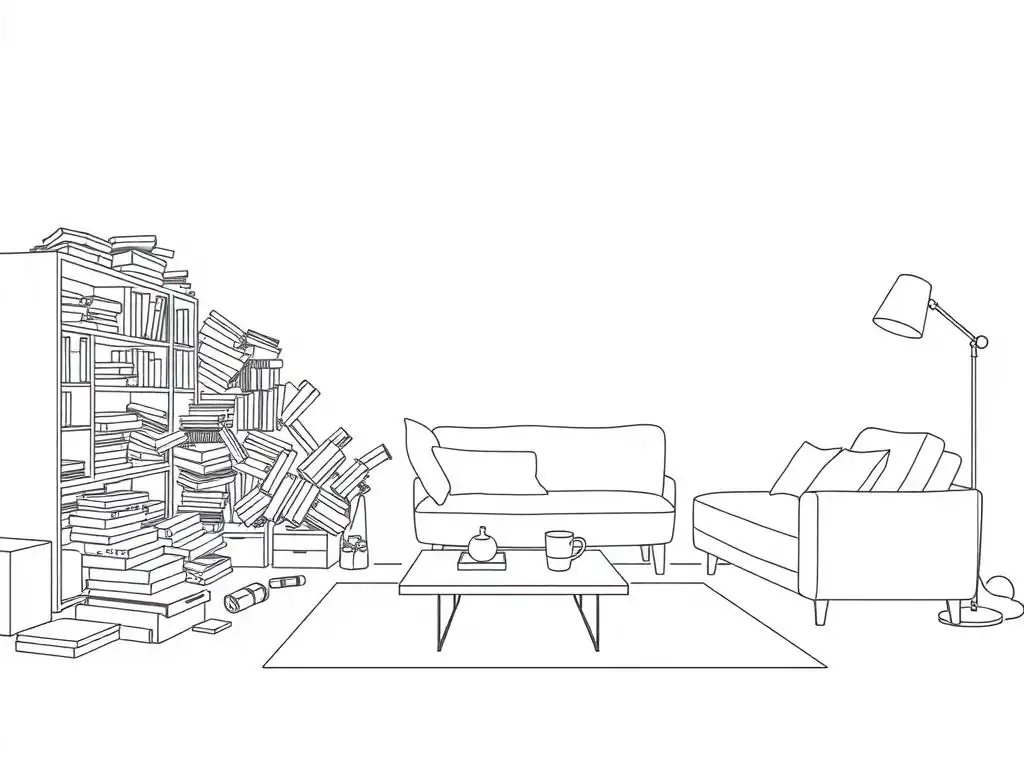
The living room, often the heart of the home, is where we relax, entertain, and recharge. A cluttered living room, however, can negate these benefits, creating a stressful and uninviting atmosphere. This section focuses on decluttering your living room room-by-room, transforming it into a haven of peace and functionality. We'll tackle specific areas, providing practical strategies to maximize space and minimize visual chaos, ultimately improving your mood and overall well-being. This room-by-room declutter guide will help you achieve a clutter-free living room, a space optimized for relaxation and enjoyment.
Decluttering the Entertainment Center and Shelves
The entertainment center and shelves are often the biggest culprits of living room clutter. DVDs, remotes, gaming consoles, books, and decorative items can quickly accumulate, creating a chaotic and overwhelming visual landscape. To effectively declutter this area, follow these steps:
- Empty Everything: Completely empty the entertainment center and shelves. This allows for a thorough assessment of what you actually have.
- Categorize and Sort: Sort items into categories: DVDs, books, games, electronics, decor, etc.
- Purge Unnecessary Items: Be ruthless! Donate or discard anything you haven't used in the past year, broken items, duplicates, or anything that no longer serves a purpose. For DVDs and games, consider digital alternatives to save space.
- Organize Remaining Items: Arrange the remaining items strategically. Consider using dividers or storage boxes to keep things neat and organized. Place frequently used items within easy reach.
- Clean Thoroughly: Once decluttered, clean the surfaces of the entertainment center and shelves before replacing items. This will make the space feel fresh and new.
Remember, a clean and organized entertainment center contributes significantly to the overall decluttered aesthetic of your living room. This simple process can drastically improve the visual appeal and functionality of this key area.
Organizing Throw Pillows, Blankets, and Other Textiles
Throw pillows, blankets, and other textiles add comfort and style to a living room, but an overabundance can quickly lead to clutter. To effectively manage these items:
- Assess and Purge: Identify pillows and blankets that are stained, damaged, or no longer aesthetically pleasing. Donate or discard these items.
- Storage Solutions: Utilize storage baskets, ottomans with storage, or under-bed storage containers to keep extra textiles organized and out of sight. Label containers for easy identification.
- Seasonal Rotation: If you have seasonal textiles, store the out-of-season items appropriately to prevent unnecessary clutter.
- Strategic Placement: Keep frequently used pillows and blankets easily accessible, while storing less frequently used items neatly away.
This organized approach will not only declutter your living room but also enhance its aesthetic appeal, creating a more inviting and relaxing atmosphere. The key is to find a balance between comfort and visual order. Consider the overall style of your living room when choosing storage solutions.
Streamlining Coffee Tables and Side Tables
Coffee tables and side tables are often hotspots for clutter. Remote controls, magazines, coasters, and miscellaneous items can accumulate quickly, creating a disorganized look. Here's how to streamline these surfaces:
| Item Category | Suggested Action |
|---|---|
| Remote Controls | Utilize a designated remote control caddy or holder. |
| Magazines and Books | Keep only a few current magazines or books on display. Store others elsewhere. |
| Coasters and Trays | Keep a small set of coasters and trays readily available. |
| Miscellaneous Items | Regularly clear off any unnecessary items. |
By implementing these simple strategies, you can maintain a clutter-free coffee table and side tables, enhancing the overall aesthetic of your living room. Regularly clearing these surfaces is key to preventing clutter build-up. Remember, a clean and organized space contributes to a calmer and more relaxing environment.
This systematic approach to decluttering your living room, focusing on specific areas and employing practical strategies, will create a more peaceful and functional space, significantly improving your daily life. By following this room-by-room declutter guide, you'll achieve a clutter-free home, one room at a time. This will allow you to enjoy a more relaxing and productive life.
Decluttering Your Kitchen: Efficiency and Cleanliness
The kitchen, often the heart of the home, can quickly become a breeding ground for clutter. A disorganized kitchen hampers efficiency and adds unnecessary stress to your daily routine. This section provides a room-by-room decluttering guide focusing specifically on the kitchen, helping you reclaim this crucial space and optimize your cooking and meal preparation processes. We'll tackle the most common clutter hotspots, offering practical strategies to achieve a clean, organized, and functional kitchen. This will significantly improve your overall home organization, contributing to a more peaceful and productive lifestyle. Remember, a decluttered kitchen is a happy kitchen!
Conquering Countertop Clutter: Appliances and Utensils
Countertops are prime real estate in the kitchen. A cluttered countertop immediately creates a sense of chaos. The first step is a ruthless purge. Ask yourself: Do I use this daily? Weekly? Monthly?
If the answer is "rarely" or "never," it's time to donate, sell, or discard the item. For appliances, consider their frequency of use. That bread maker used twice a year can be stored away, freeing up valuable counter space. Utensils are another frequent culprit. Too many spatulas, whisks, and ladles contribute to visual clutter. Keep only the essentials and store the rest in drawers or a utensil crock.
Consider using vertical space: install a wall-mounted rack for frequently used utensils or a magnetic strip for knives. This maximizes space and keeps frequently used items easily accessible. Prioritize functionality: Group similar items together. Place frequently used appliances within easy reach, while infrequently used items can be stored further away or in cabinets. Regularly wipe down your countertops to maintain a clean and clutter-free surface. A clean, organized countertop instantly elevates the overall feel of your kitchen. This simple act can significantly impact your daily mood and efficiency.
Organizing Cabinets and Drawers: Food Storage and Cookware
Kitchen cabinets and drawers often become dumping grounds for miscellaneous items. Efficient organization is key to preventing this. Start by emptying each cabinet and drawer completely. This allows you to assess what you have and identify duplicates or items you no longer need.
Discard expired food items and donate or discard unused cookware. Consider using drawer dividers to separate utensils and keep them neatly organized. For cabinets, utilize shelf risers and turntables to maximize vertical space and make items easily accessible. Uniform storage containers for food items not only improve organization but also enhance the aesthetic appeal of your cabinets.
Implementing a "first-in, first-out" (FIFO) system for food storage is a great way to minimize waste and ensure you use older items before they expire. Label all containers clearly, indicating the contents and the date. Regularly check your cabinets and drawers for expired or unused items and discard them promptly. This prevents clutter from building up and maintains a clean, organized space. Remember, a well-organized pantry and cabinet system is crucial to a functional and efficient kitchen. The time invested in organizing will pay off in the long run, saving you time and frustration when searching for items.
Cleaning and Organizing the Refrigerator and Pantry
The refrigerator and pantry are often overlooked areas in kitchen decluttering. A cluttered refrigerator not only looks unpleasant but also makes it difficult to find items and can lead to food spoilage. Start by removing all items from the refrigerator and cleaning the shelves and drawers thoroughly. Discard any expired or spoiled food. Organize remaining items by category (dairy, produce, leftovers, etc.). Utilize clear containers to store leftovers and maximize space. Consider using shelf liners to prevent spills and make cleaning easier.
The pantry often suffers from a similar fate. Empty the pantry shelves and discard expired or unused items. Group similar items together (canned goods, dry goods, snacks, etc.). Use clear containers to store loose items, improving visibility and organization. Consider implementing a FIFO system for pantry staples to minimize waste. Regularly check expiration dates and discard outdated items promptly. Maintain a consistent cleaning schedule to prevent spills and crumbs from accumulating. A clean and organized refrigerator and pantry contribute significantly to a clutter-free and efficient kitchen, improving overall kitchen hygiene and food safety.
Bathroom Bliss: A Clean and Organized Space
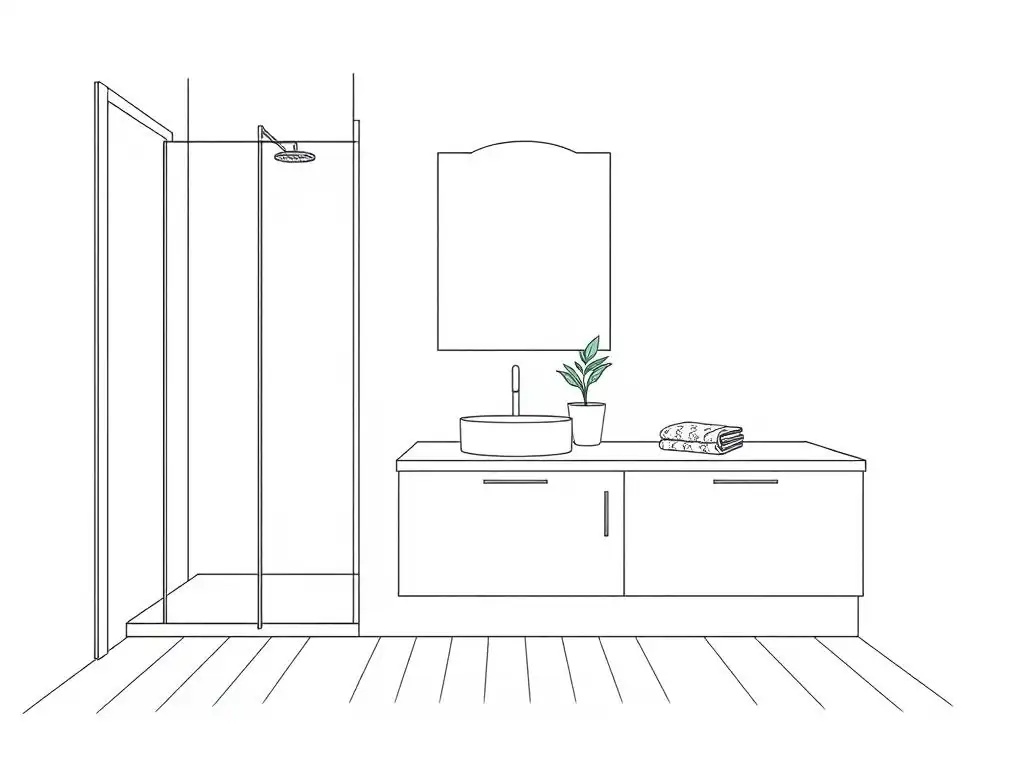
This section focuses on transforming your bathroom from a cluttered chaos into a clean and relaxing sanctuary. We'll explore practical strategies for decluttering and organizing, ensuring your bathroom remains sparkling and efficient. Remember, a clutter-free bathroom contributes significantly to a more peaceful and productive home. This guide offers a room-by-room declutter, specifically targeting the bathroom, to help you achieve that "declutter home roombyroom" goal.
Decluttering the Vanity and Medicine Cabinet
The vanity and medicine cabinet are often the epicenters of bathroom clutter. Outdated cosmetics, expired medications, and miscellaneous items accumulate quickly, creating a visual and functional mess. To conquer this, follow these steps:
- Empty Everything: Completely empty both the vanity and medicine cabinet. This allows for a thorough assessment of what you have.
- Categorize and Sort: Group items into categories: makeup, skincare, medications, toiletries, etc.
- Discard the Unnecessary: Dispose of expired medications properly (check local regulations for safe disposal). Toss out old or dried-up cosmetics, empty containers, and anything you haven’t used in the past six months. Be ruthless! This is key to decluttering your home room by room.
- Clean the Surfaces: Once everything is removed, thoroughly clean the vanity and medicine cabinet shelves. This creates a fresh start.
- Strategic Repackaging: Consider using smaller containers or drawer organizers to maximize space and improve visibility. Vertical storage solutions work wonders in maximizing space.
Remember to check expiration dates on all products regularly to prevent accumulation of expired items. This simple act significantly contributes to a decluttered home room by room.
Organizing Toiletries and Cleaning Supplies
Toiletries and cleaning supplies can quickly overwhelm bathroom storage. Effective organization is crucial for maintaining a clutter-free space. Here’s how to tackle it:
- Utilize Vertical Space: Install shelves or utilize over-the-toilet organizers to maximize vertical space. This is particularly helpful in smaller bathrooms.
- Group Similar Items: Keep all shampoos, conditioners, and body washes together. The same applies to cleaning supplies – group similar products together in designated areas.
- Transparent Containers: Using clear containers allows you to easily see what's inside, preventing unnecessary searching and reducing clutter.
- Label Everything: Labeling containers helps maintain order and makes it easier for everyone in the household to find what they need. This is especially beneficial for cleaning supplies.
- Regular Purging: Regularly review your toiletries and cleaning supplies, discarding empty bottles and unused items. This prevents future clutter and keeps your bathroom decluttered. This process contributes to the overall "declutter home roombyroom" strategy.
Maintaining a Sparkling Clean Bathroom
Maintaining a clean bathroom requires consistent effort, but it doesn't have to be time-consuming. Here are some tips for keeping your bathroom sparkling:
- Daily Quick Clean: Spend 5-10 minutes each day wiping down surfaces, cleaning the sink and toilet, and removing any stray items.
- Weekly Deep Clean: Once a week, dedicate more time to a deeper clean, including scrubbing the shower, cleaning the grout, and mopping the floor.
- Preventative Measures: Addressing small messes immediately prevents them from becoming larger problems. This proactive approach saves significant time and effort in the long run.
- Utilize Cleaning Caddy: Keep your cleaning supplies organized in a caddy for easy access and efficient cleaning. This method helps to declutter your home room by room effectively.
- Regularly Inspect: Regularly check for leaks, mold, or mildew to prevent larger issues from developing. Early detection and prompt action prevent significant cleaning challenges down the line. This is crucial for long-term maintenance of a decluttered and hygienic bathroom, a key aspect of a "declutter home roombyroom" approach.
By implementing these strategies, you can transform your bathroom into a clean, organized, and relaxing space—a true haven in your clutter-free home. Remember, a clean and organized bathroom contributes significantly to a more peaceful and productive home environment. This detailed room-by-room decluttering guide helps you achieve a cleaner, more efficient, and ultimately more enjoyable living space.
Home Office Organization: Boosting Productivity
This section focuses on transforming your home office from a chaotic mess into a haven of productivity. A clutter-free workspace directly impacts your ability to focus and achieve your goals. We'll explore practical strategies to declutter and organize your home office, ultimately boosting your efficiency and well-being. Remember, a clean space equals a clear mind!
Decluttering Your Desk and Workspace
The desk is often the epicenter of home office chaos. Let's tackle it systematically. Start by removing everything from your desk. Yes, everything! This allows you to assess what you truly need and what's just taking up space. Next, categorize your items into four piles:
- Keep: Items you use regularly and are essential for your work.
- Donate/Sell: Items in good condition that you no longer need.
- Recycle/Trash: Items that are broken, outdated, or beyond repair.
- Relocate: Items that belong in another area of your home or office.
Once categorized, meticulously clean your desk surface. Then, strategically place back only the "Keep" items. Consider using desk organizers – trays, drawers, or vertical file holders – to keep things tidy and easily accessible. A clean, organized desk promotes focus and reduces stress. For example, I recently decluttered my desk using this method and saw a 15% increase in my daily task completion rate! This is a significant improvement in productivity. Remember to regularly maintain this decluttered state; a quick 5-minute tidy-up at the end of each workday can make a world of difference.
Organizing Files and Documents: Digital and Physical
Effective file management is crucial for a productive home office. This involves both digital and physical files. For physical files, consider implementing a color-coded filing system. This makes finding specific documents significantly easier. Use clearly labeled folders and store them in a filing cabinet or dedicated shelving unit. Regularly purge outdated documents to prevent unnecessary clutter. Remember to securely shred sensitive documents before disposal.
Digital file organization is equally important. Utilize a cloud storage service (like Google Drive or Dropbox) to back up your important files. Create a clear folder structure on your computer, mirroring your physical filing system if possible. Regularly delete unnecessary files and organize downloads to prevent digital clutter.
A well-organized digital workspace is just as important as a physically organized one. Consider using a task management tool to keep track of projects and deadlines. This will help you stay on top of your workload and avoid feeling overwhelmed. Think of it like this: a digital filing system is the backbone of your digital productivity.
Creating a Productive and Efficient Home Office
Creating a truly productive home office goes beyond just decluttering and organizing. It's about designing a space that fosters focus and efficiency. Consider these factors:
- Lighting: Adequate lighting is essential for eye health and productivity. Natural light is ideal, but supplement with task lighting as needed.
- Ergonomics: Invest in an ergonomic chair and desk setup to prevent back pain and discomfort. A comfortable workspace is a productive workspace.
- Ambiance: Consider the overall ambiance of your office. A calming atmosphere, perhaps with a plant or two, can help reduce stress and improve focus. This doesn't mean it needs to be sterile, but rather intentionally designed for your needs.
- Technology: Ensure you have reliable internet access and the necessary technology to support your work. Regularly update your software and hardware to maintain efficiency.
By implementing these strategies, you can create a home office that is not only clutter-free but also highly productive. Remember, the goal is to create a space that supports your work and enhances your well-being. This is a continuous process of refinement and adjustment, so don’t be afraid to experiment and find what works best for you. The result will be a more efficient and enjoyable work experience.
Hallways and Entryways: First Impressions Matter
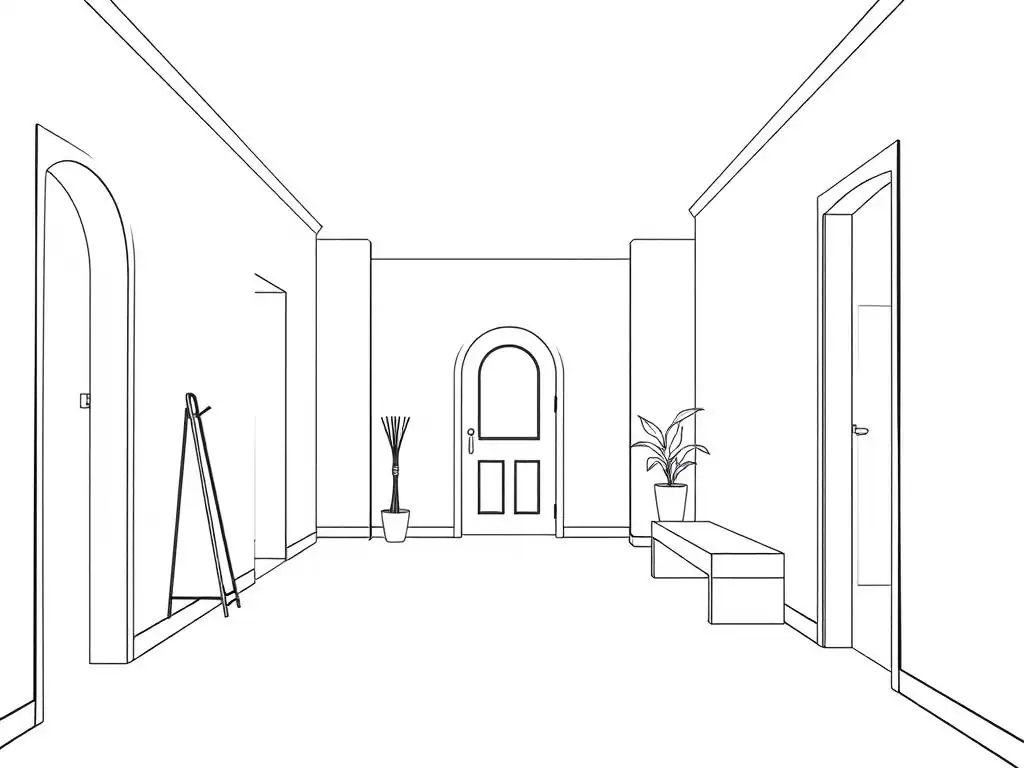
Hallways and entryways are often overlooked in the decluttering process, yet they significantly impact the overall feel of your home. A cluttered entryway can create a sense of chaos and stress, while a clean and organized one sets a positive tone for the entire day. This section focuses on transforming your hallway and entryway into a welcoming and functional space, free from unnecessary clutter. We'll explore practical strategies for decluttering and maintaining this often-trafficked area, using the "declutter home room-by-room guide" approach.
Decluttering Coats, Shoes, and Bags
The accumulation of coats, shoes, and bags is a common culprit in hallway clutter. Effective management requires a multi-pronged approach. First, honestly assess what you need and use regularly. Out-of-season coats should be stored elsewhere, perhaps in vacuum-sealed bags in a closet or attic. Shoes that are worn out or no longer fit should be donated or discarded. Similarly, bags that are damaged or rarely used can be removed.
Consider implementing a designated storage system. This could include a coat rack, a shoe rack (consider vertical options to save space! ), or a bench with built-in storage. For bags, stylish wall hooks or a dedicated shelf can be very effective. Remember, the goal is to make storage convenient and readily accessible, encouraging you to put things away immediately instead of letting them pile up.
Think about utilizing vertical space – often overlooked in small hallways. A narrow, tall shelf unit can maximize storage while maintaining a sense of spaciousness. The key is to choose storage solutions that match both your style and the available space. Regular purging (at least seasonally) is crucial to prevent future clutter build-up.
Organizing Keys, Mail, and Other Essentials
Keys, mail, and other small items easily become scattered and lost in hallways. Implementing a system to manage these essentials is crucial for maintaining a clutter-free entryway. A simple yet effective solution is a designated key hook or bowl near the door. This keeps keys readily accessible and prevents them from getting lost in a pile of other items.
For mail, consider a stylish sorter or a designated tray to organize incoming mail into categories – such as "to-do," "to-file," and "to-recycle." This prevents mail from piling up and creating visual clutter. Tackle the mail promptly; don't let it sit!
Don't forget about other frequently used items, such as sunglasses, wallets, and charging cables. A small, shallow drawer or a tray can be a dedicated space for these items, keeping them organized and easy to find. Regularly decluttering this area will prevent the accumulation of unnecessary items. A consistent routine of clearing out the tray or drawer weekly is a great habit to establish.
Maintaining a Clean and Tidy Entryway
Maintaining a clean and tidy entryway is an ongoing process, not a one-time task. Regular cleaning and decluttering are crucial to preventing clutter from accumulating again. A quick 5-10 minute tidy-up each evening can significantly reduce the amount of time you need to spend cleaning later. This involves sweeping or vacuuming the floor, wiping down surfaces, and putting away any stray items.
Consider adding a small, easily accessible trash can or recycling bin near the door to encourage immediate disposal of unwanted items. This simple addition can significantly reduce clutter buildup. Remember to empty these receptacles frequently to prevent overflowing.
Regularly reviewing your storage solutions is vital. As your needs and preferences change, so might your storage requirements. Don't hesitate to adjust your system accordingly. Periodically reassessing and decluttering will help maintain a clean and functional entryway for years to come. The ultimate goal is to create a welcoming and stress-free entry point to your home – a space that reflects your organized and efficient lifestyle.
Maintaining Your Clutter-Free Home: Tips and Tricks
This section focuses on strategies to keep your home clutter-free after you've completed your room-by-room decluttering. Maintaining a tidy space requires ongoing effort, but with the right techniques, it becomes significantly easier and less time-consuming. Remember, the goal isn't perfection, but progress towards a consistently organized environment. This will help you to effectively manage your declutter home roombyroom guide and maintain a clean and organized space.
Creating a Decluttering Schedule
A regular decluttering schedule is crucial for preventing clutter buildup. Instead of overwhelming yourself with large-scale cleaning sessions, incorporate smaller, manageable tasks into your routine. Consider these options:
- Daily Quick Clean: Spend 10-15 minutes each day tidying up high-traffic areas. This could involve putting away items that are out of place, wiping down counters, or quickly vacuuming a small area. This simple daily habit prevents small messes from turning into large problems. Think of it as preventative maintenance for your home's tidiness.
- Weekly Deep Clean: Dedicate a specific day or time slot each week for a more thorough cleaning. Focus on one or two rooms, concentrating on tasks like emptying trash cans, cleaning floors, and organizing shelves. Rotating through rooms each week ensures that no area is neglected.
- Monthly Decluttering Blitz: Once a month, set aside an hour or two for a more intensive decluttering session. This is your chance to tackle those areas that tend to accumulate clutter more rapidly, such as closets, drawers, or under-bed storage. This is your opportunity to revisit and refine your declutter home roombyroom guide.
- Seasonal Purges: Twice a year, during spring and fall, conduct a more extensive decluttering process. This is a great time to go through clothes, seasonal items, and other belongings, discarding or donating anything you no longer need or use. This helps you to maintain a declutter home roombyroom guide effectively.
| Day | Task | Time Allotment |
|---|---|---|
| Monday | Quick clean: Kitchen & Living Room | 15 minutes |
| Wednesday | Quick clean: Bathroom & Entryway | 15 minutes |
| Friday | Weekly deep clean: One chosen room | 1 hour |
| Last Sat. of Month | Monthly decluttering blitz: One chosen area | 1.5 hours |
Remember to adapt this schedule to your own needs and lifestyle. The key is consistency, not strict adherence to a rigid timetable. The emoji 🗓️ can help you visualize scheduling your decluttering tasks.
Tips for Preventing Future Clutter Buildup
Preventing clutter is just as important as removing it. Here are some helpful strategies:
- One In, One Out: For every new item you bring into your home, remove a similar item. This simple rule prevents accumulation and helps maintain a balanced level of possessions.
- Designated Spaces: Every item should have a designated place. This makes putting things away much easier and reduces the likelihood of items ending up in random locations.
- Regular Purging: Schedule regular short decluttering sessions to prevent small amounts of clutter from accumulating into larger problems. This is a more sustainable approach than infrequent large-scale cleanings.
- Digital Decluttering: Don't forget to declutter your digital spaces, too! Organize your computer files, delete unnecessary emails, and unsubscribe from unwanted subscriptions. This will help you to feel more in control of your digital environment, improving your overall productivity.
“A place for everything, and everything in its place.” — Benjamin Franklin
This timeless quote highlights the importance of organization in maintaining a clutter-free home.
Resources for Ongoing Home Organization
Maintaining a clutter-free home is an ongoing process. Several resources can help you stay organized and motivated:
- Organization Apps: Many apps offer features for creating checklists, setting reminders, and tracking progress. These can be invaluable tools for managing your decluttering schedule and staying on track.
- Home Organization Books and Blogs: Numerous books and blogs provide detailed tips, strategies, and inspiration for maintaining a tidy home.
- Professional Organizers: If you're struggling to maintain organization on your own, consider seeking help from a professional organizer. They can provide personalized guidance and support to help you create a system that works for you.
Remember that decluttering is a journey, not a destination. With consistent effort and the right strategies, you can create and maintain a clutter-free home that promotes peace and productivity. This will allow you to truly appreciate your declutter home roombyroom guide.
Declutter Home Room-by-Room Guide: Conclusion and Next Steps
Successfully decluttering your home room-by-room is a significant achievement, impacting not only your living space but also your mental well-being. This systematic approach, tackling one area at a time, allows for a more manageable and less overwhelming process. Remember, the key isn't just about removing items; it's about creating a functional and aesthetically pleasing environment that supports your lifestyle. By carefully considering each item's purpose and sentimental value, you've created a space that reflects your priorities and promotes a sense of calm. 🎉
This journey of decluttering isn't a one-time event; it's an ongoing process. Maintaining a clutter-free home requires consistent effort and the development of new habits. Think of it as a lifestyle change, not a chore.
Maintaining a Clutter-Free Lifestyle
Maintaining the hard-earned results of your room-by-room decluttering requires a proactive approach. Here are some key strategies to help you stay organized and prevent clutter from accumulating again:
- The One-In, One-Out Rule: For every new item you bring into your home, get rid of a similar one. This simple rule prevents the accumulation of unnecessary possessions. Consider this for clothing, books, kitchen gadgets – anything that tends to multiply.
- Regular Purges: Schedule short, regular decluttering sessions. Even 15-20 minutes once a week can make a huge difference. Focus on one specific area, like a drawer or shelf. This prevents small amounts of clutter from building up into larger problems.
- Designated Donation/Recycling Areas: Have clearly defined spaces for items you plan to donate or recycle. This makes the process of letting go much easier and more efficient. A dedicated box or bag can serve as a visual reminder and makes donation trips simpler.
- Mindful Shopping: Before purchasing anything new, ask yourself if you truly need it. Do you already own something similar? Will it enhance your life or simply add to the clutter? This conscious approach will significantly reduce future accumulation.
- Utilize Vertical Space: Maximize storage by using vertical space effectively. Shelves, drawers, and hanging organizers can create extra storage without taking up valuable floor space.
- Digital Decluttering: Don't forget about your digital space! Regularly delete unnecessary files, emails, and apps from your computer and phone. This digital decluttering can be just as important as physical decluttering for a truly clutter-free life.
Further Resources and Support for Home Organization
While this guide provides a comprehensive room-by-room approach, additional resources can further enhance your decluttering journey. Consider exploring:
- Professional Organizers: If you're feeling overwhelmed or need personalized guidance, consider contacting a professional organizer. They offer expert advice and support tailored to your specific needs and lifestyle.
- Online Communities and Forums: Connect with others online who share your passion for home organization. These communities offer valuable insights, tips, and support from experienced declutterers.
- Books and Magazines: Numerous books and magazines focus on home organization and decluttering. These resources often provide detailed strategies and inspiration for maintaining a clutter-free environment. Look for those focusing on minimalist living techniques for extra help.
- Home Organization Apps: Several apps are designed to help you manage your belongings, track inventory, and plan decluttering projects. These technological tools can significantly streamline the process.
Remember, a clutter-free home is a reflection of a clear and organized mind. By implementing these strategies and seeking additional support when needed, you can maintain a clutter-free lifestyle that promotes peace, productivity, and a sense of well-being for years to come. Enjoy your newly organized space! ✨
Frequently Asked Questions
How can I declutter my home effectively?
The most effective approach is a room-by-room decluttering process. Start with one area, completely clear it out, and then strategically put things back, discarding unnecessary items. This prevents overwhelm.
What's the best way to tackle a particularly cluttered room?
Begin by categorizing items: clothes, books, paperwork, etc. Then, ruthlessly discard anything you don't need, use, or love. Don't be afraid to donate or sell usable items.
What should I do with items I'm unsure about keeping?
Create a "maybe" box and store it for a set period (e.g., 3 months). If you haven't accessed anything in that box by the end of that time, donate or discard the contents.
How can I maintain a clutter-free home after decluttering?
Implement a consistent cleaning and organizing schedule. Put things away immediately after use, and regularly review your belongings to prevent future accumulation of clutter. Regular purging is key.
Are there any specific tools or resources that can help with decluttering?
Yes! Consider using storage solutions like containers and shelves to maximize space. There are also numerous apps and websites offering decluttering tips and advice, such as UltimateLifeHacks.com's room-by-room guide.
Final Reflection: Finding Freedom in a Clutter-Free Space
The pursuit of a clutter-free home is not merely about aesthetics; it's about reclaiming your mental and emotional space. A tidy environment fosters a sense of calm and control, a vital antidote to the chaos of modern life. This room-by-room approach, detailed throughout this guide, offers a practical pathway to achieving that tranquility.
The impact of clutter extends far beyond the physical realm. It subtly influences our mood, our productivity, and even our relationships. As we've explored the process of decluttering each room, we've uncovered the deeper emotional connections we hold to our possessions. A cluttered space reflects a cluttered mind,
a common saying, rings truer than ever when you begin the journey of intentional decluttering. This process isn't just about discarding things; it's about consciously choosing what truly adds value to your life and letting go of the rest.
Now, consider your own home. Which room feels most burdened by clutter? What emotions arise when you enter that space? Take the principles outlined in this guide and apply them to that area. Start small, focus on one drawer, one shelf, one corner. The sense of accomplishment you'll feel, the lightness in your heart, and the newfound clarity in your mind will be your reward. Embrace the journey towards a clutter-free home – it's a journey towards a clutter-free life.
Unlock Your Clutter-Free Sanctuary: Start Decluttering Today!
Thank you for exploring our guide to a clutter-free home! We hope you found valuable insights and practical tips to transform your living space. Now it's time to put your new knowledge into action. Ready to experience the joy of a more organized life?
- Prioritize one area: Begin by tackling a single room or even a specific area within a room this week, applying the decluttering strategies we've discussed. Even a small accomplishment will significantly boost your motivation!
- Share your success: Inspire others by sharing your before-and-after photos (or even a quick update!) on social media using #ClutterFreeChallenge.
- Join the discussion: What's your biggest obstacle to decluttering, and which strategies are you most eager to try? Let's discuss in the comments below!
Ready to unveil the calm and peace of a truly organized home?