
The Habit Formation Playbook: Proven Tactics for Building a Better You

Ready to unlock your ultimate potential? At UltimateLifeHacks, we're dedicated to helping you streamline your life and achieve peak productivity. This isn't about fleeting trends; it's about building lasting change. Our latest article, "The Habit Formation Playbook: Proven Tactics for Building a Better You," dives deep into the science of building better habits faster. Discover the secrets to transforming your daily routines and finally achieving those goals you've been putting off. Let's get started!
- Understanding the Science Behind Building Better Habits Faster
- Designing Your Habit-Building Strategy
- Practical Tactics for Building Better Habits Faster
- Maintaining Momentum and Long-Term Success
- Building Better Habits Faster: Long-Term Strategies for Lasting Change
-
Frequently Asked Questions
- How long does it actually take to build a new habit?
- What are some common mistakes people make when trying to build new habits?
- How can I stay motivated when building a new habit?
- What if I slip up? Does that mean I've failed?
- What are some quick wins for building better habits faster from UltimateLifeHacks?
- Final Reflection: Unlocking Your Potential Through Habit Mastery
- Unlock Your Potential: Start Building Better Habits Today!
Understanding the Science Behind Building Better Habits Faster
Building better habits faster isn't about willpower alone; it's a science. This playbook delves into the proven tactics and psychological principles that underpin lasting positive change. We'll explore the habit loop, master the art of self-assessment, and learn how to set effective goals to accelerate your journey towards a better you. Understanding the underlying mechanisms of habit formation empowers you to design strategies that truly work, transforming your daily routines and ultimately, your life.
This isn't just about ticking off to-do lists; it's about consciously crafting a life aligned with your values and aspirations, leading to increased productivity, reduced stress, and a greater sense of fulfillment. Ready to unlock your potential and build better habits faster? Let's begin!
The Habit Loop: Cue, Craving, Response, Reward
The cornerstone of habit formation lies in understanding the habit loop, a four-step process: Cue, Craving, Response, Reward. This model, developed by Charles Duhigg, explains how habits are formed and reinforced.
- Cue: This is the trigger that initiates the behavior. It could be a specific time of day (e.g., 7 PM), a location (e.g., your office), a feeling (e.g., stress), or another action (e.g., finishing work). Identifying your cues is the first step to breaking or building habits.
- Craving: This is the motivational force behind the habit. It's the anticipation of the reward that drives the behavior. Understanding what you crave will help you design more effective strategies. For example, if you crave the mental break associated with scrolling through social media, find alternative, healthier ways to achieve that same mental reset.
- Response: This is the actual behavior itself – the action you take in response to the cue and craving. This is where conscious effort comes in, as you can choose to replace an undesirable response with a more positive one.
- Reward: This is the positive reinforcement that strengthens the habit loop. It could be a feeling of satisfaction, a sense of accomplishment, or a tangible reward. The more rewarding the experience, the stronger the habit becomes.
Let's illustrate with an example: Imagine the habit of checking your phone as soon as you wake up. The cue is waking up; the craving might be the anticipation of news and connection; the response is picking up your phone; and the reward is the immediate gratification of seeing messages and notifications. To break this habit, you might need to identify alternative rewarding morning routines, such as meditation or exercise.
Identifying Your Current Habits: A Self-Assessment
Before you can build better habits faster, you need to understand your current habits. A self-assessment is crucial for identifying areas for improvement. Consider using a habit tracker for a week or two to gain a clear picture of your daily routines. Note down:
- Positive Habits: What are you already doing well? Identifying strengths builds confidence and provides a foundation for further positive change.
- Negative Habits: What habits are hindering your progress? Be honest and specific. Don't just write "eat unhealthy food"; instead, specify "eat fast food for lunch three times a week."
- Habit Triggers: What cues trigger your habits? Pinpointing these triggers is key to breaking negative habits and building positive ones.
- Habit Rewards: What rewards do you receive from your habits? Understanding the rewards will help you find alternative, healthier rewards.
This detailed self-assessment provides a baseline, revealing opportunities for targeted intervention and personalized strategies. The more precise your observations, the more effective your habit-building plan will be. Remember, self-awareness is the first step towards self-improvement.
Setting SMART Goals for Habit Formation
Once you've identified your target habits, it's time to set SMART goals. This acronym stands for:
| Specific | Measurable | Attainable | Relevant | Time-bound |
|---|---|---|---|---|
| Clearly define the habit you want to build or break. Avoid vague goals. | Set quantifiable metrics to track your progress. | Ensure your goal is challenging but achievable. | Make sure your goal aligns with your broader life goals. | Set a realistic timeframe for achieving your goal. |
For example, instead of "eat healthier," a SMART goal would be: "Consume at least five servings of fruits and vegetables daily for the next month." This goal is specific, measurable (you can count servings), attainable (it's a realistic increase), relevant (it contributes to overall health), and time-bound (one month). Breaking down larger goals into smaller, manageable steps will make the process less daunting and increase your chances of success. Remember, consistency is key, and celebrating small wins along the way keeps motivation high. 🎉
Designing Your Habit-Building Strategy
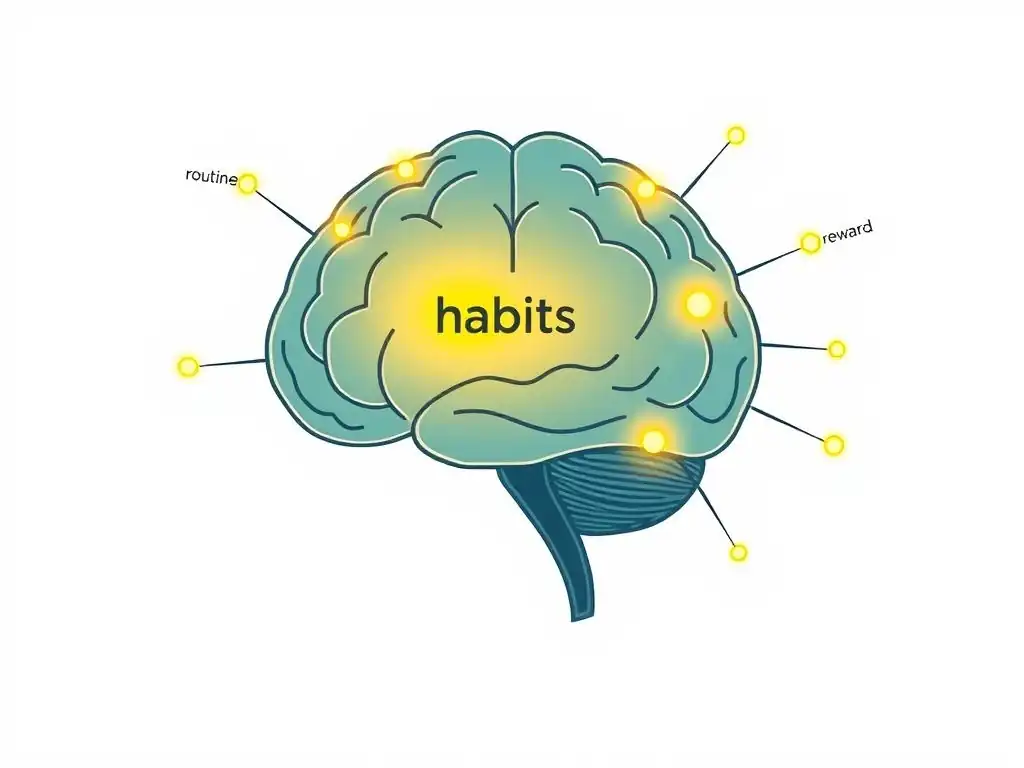
This section dives deep into the strategic planning crucial for successfully building better habits faster. We'll move beyond simply identifying habits and explore the crucial elements of a robust, personalized strategy. Remember, building better habits isn't just about what you do, but how you approach the process. This strategic framework will significantly increase your chances of success.
Choosing the Right Habits: Prioritization and Impact
The key to building better habits faster isn't quantity, but quality. Focusing on a few high-impact habits yields far better results than attempting to overhaul your entire life at once. Prioritization is paramount. Consider the following framework:
- Impact Assessment: Rate potential habits based on their potential positive impact on your life. A habit with a high impact might be something like regular exercise, which improves physical and mental health. A lower-impact habit might be making your bed each morning, though still contributing to a sense of accomplishment.
- Ease of Implementation: Start with habits that are relatively easy to integrate into your existing routine. Small, achievable wins build momentum and confidence. For example, drinking a glass of water upon waking is easier to establish than running a marathon.
- Alignment with Goals: Ensure your chosen habits directly support your broader life goals. If your goal is improved fitness, habits like daily exercise and healthy eating align perfectly. If your goal is increased productivity, habits like time blocking and focused work sessions are key.
| Habit | Impact (High/Medium/Low) | Ease of Implementation (High/Medium/Low) | Alignment with Goal (Example Goal) |
|---|---|---|---|
| Daily Meditation | High | Medium | Stress Reduction, Mental Clarity |
| Drinking 8 Glasses Water | Medium | High | Improved Health, Energy Levels |
| Reading 30 Minutes/Day | Medium | Medium | Increased Knowledge, Personal Growth |
| Weekly Meal Prep | Medium | Medium | Healthy Eating, Time Management |
| Daily Journaling | Low | High | Self-Reflection, Emotional Regulation |
Remember, consistency is key. Choose habits you can realistically maintain over the long term. Avoid overwhelming yourself with too many changes at once.
Creating a Supportive Environment for Habit Change
Your environment plays a massive role in your ability to build better habits faster. A supportive environment minimizes temptation and maximizes opportunities for success. Consider these strategies:
- Minimize Distractions: Identify and eliminate environmental cues that trigger unhealthy habits. For example, if mindless snacking is a problem, remove tempting foods from easy reach.
- Maximize Cues: Use visual cues or reminders to prompt healthy habits. Place your workout clothes where you'll see them first thing in the morning, or leave your book on your pillow to encourage reading before bed.
- Seek Accountability: Share your goals with a friend, family member, or coach to increase your commitment and motivation. Regular check-ins can help you stay on track.
- Utilize Technology: Numerous apps and tools can track progress, provide reminders, and offer support. Leverage these resources to enhance your habit-building journey. Finding the right tools significantly improves your ability to build better habits faster.
Building a supportive environment is an ongoing process. Regularly evaluate and adjust your surroundings to optimize your chances of success.
Overcoming Common Obstacles to Habit Formation
Even the best-laid plans encounter obstacles. Anticipating and addressing these challenges proactively is essential.
- Lack of Motivation: Motivation fluctuates. Develop strategies to maintain momentum during periods of low motivation. This might include rewarding yourself for milestones achieved or focusing on the long-term benefits of your habits.
- Inconsistent Effort: Life gets in the way. Plan for disruptions and build flexibility into your habit routines. A missed workout shouldn't derail your entire fitness journey. Remember, consistency over perfection.
- Unrealistic Expectations: Avoid setting overly ambitious goals. Start small, celebrate your successes, and gradually increase the challenge as you build confidence and momentum. Setting achievable goals makes building better habits faster a more sustainable and enjoyable experience.
- Lack of Self-Compassion: Be kind to yourself. Setbacks are inevitable. Learn from your mistakes, adjust your approach as needed, and continue to strive towards your goals. Remember, progress, not perfection, is the ultimate measure of success. Building better habits is a marathon, not a sprint.
Practical Tactics for Building Better Habits Faster
This section delves into actionable strategies to accelerate the process of building positive habits. We'll explore techniques backed by behavioral science to help you integrate new routines seamlessly into your daily life and achieve lasting change. Remember, consistency is key, but smart strategies can significantly boost your success rate in building better habits faster.
The Power of Habit Stacking: Combining New Habits with Existing Ones
Habit stacking leverages the power of existing routines to effortlessly integrate new, desired behaviors. Instead of trying to establish a new habit in isolation, you "stack" it onto an already established habit. This piggybacking effect minimizes friction and maximizes adherence.
For example, if you already brush your teeth every morning (an existing habit), you could stack a new habit onto it, such as drinking a glass of water. The established habit acts as a powerful cue, triggering the new behavior almost automatically. This method is particularly effective because it reduces the cognitive load associated with remembering and initiating the new habit. The key is to choose an existing habit you perform consistently and pair it with a new habit that aligns with your goals.
Consider these examples:
- Existing Habit: Putting on your shoes in the morning. New Habit: Doing 10 jumping jacks immediately after.
- Existing Habit: Making your morning coffee. New Habit: Reading a chapter from a self-improvement book while the coffee brews.
- Existing Habit: Checking your email at lunchtime. New Habit: Reviewing your daily to-do list and prioritizing tasks afterwards.
The more ingrained your existing habit, the more effective the stacking will be. Experiment with different combinations until you find a pairing that works best for you. Remember to keep the new habit small and manageable, initially. Building momentum is more important than immediate perfection. Over time, you can gradually increase the complexity or duration of the new habit.
Leveraging Accountability Partners and Support Systems
Building better habits faster often requires external support. Accountability partners act as a crucial catalyst for success. Sharing your goals with someone you trust creates a sense of responsibility and encourages consistent effort. This person can provide encouragement, motivation, and feedback, helping you stay on track, even when faced with challenges.
The effectiveness of accountability partners is rooted in social pressure and the desire to uphold commitments made to others. Studies have shown that individuals are more likely to adhere to their goals when they are accountable to someone else. This is particularly true when the partner is also working towards similar goals. A shared journey creates a supportive environment where you can motivate and inspire each other.
Think about who in your network could serve as a reliable accountability partner. It could be a friend, family member, colleague, or even a coach or mentor. The ideal partner is someone who understands your goals and is willing to provide constructive feedback. Regular check-ins, whether daily or weekly, are essential for maintaining accountability and tracking progress. Consider using a shared habit tracker or scheduling regular meetings to discuss your progress and challenges. Remember, mutual support is key; consider supporting your partner's goals as well.
Utilizing Habit Trackers and Progress Monitoring
Visualizing your progress is a powerful tool for building better habits faster. Habit trackers provide a tangible representation of your consistency and achievements. They allow you to see your successes, identify areas needing improvement, and celebrate milestones. This visual feedback loop reinforces positive behavior and enhances motivation.
Many different habit tracking methods exist, ranging from simple checklists to sophisticated apps. The best method depends on your personal preferences and the complexity of your goals. Some popular options include:
- Paper-based trackers: Simple checklists or calendars where you mark each day you successfully complete your habit. The tactile nature of this can be very rewarding.
- Spreadsheet trackers: Allow for more detailed tracking of progress over time, including data analysis.
- Mobile apps: Offer a wide range of features, including reminders, progress visualizations, and community support.
Regardless of the method you choose, consistency is key. Update your tracker daily to maintain an accurate record of your progress. Analyzing your data can reveal patterns and potential roadblocks. For instance, you might notice that you're more likely to miss your habit on certain days of the week, allowing you to proactively adjust your approach. Celebrate your successes along the way; this positive reinforcement further strengthens your commitment to building better habits faster. Remember that setbacks are inevitable; don't let them derail your progress. Simply acknowledge them, learn from them, and get back on track.
Rewarding Yourself for Success: Positive Reinforcement Strategies
Building better habits faster isn't just about establishing routines; it's about reinforcing positive behavior. Positive reinforcement plays a crucial role in solidifying new habits and making them stick. The key is to reward yourself consistently after achieving your habit goals. This isn't about indulging in unhealthy treats; rather, it's about associating the completion of your habit with something pleasurable and motivating.
Think of it like this: your brain loves rewards. When you consistently reward yourself for completing a desired habit, you're essentially training your brain to associate that habit with a positive feeling. This positive association strengthens the neural pathways associated with the habit, making it more likely that you'll repeat the behavior in the future. This process is far more effective than relying solely on willpower, which can be fickle and unreliable.
Consider different types of rewards, tailored to your personality and preferences. Some people find small, frequent rewards more effective, while others prefer larger, less frequent rewards. The important thing is to find a reward system that works for you and keeps you motivated.
For instance, if your goal is to exercise three times a week, a small reward could be listening to your favorite podcast while working out. A larger reward could be buying yourself a new pair of running shoes after consistently hitting your goal for a month. If you're working on improving your sleep hygiene, a reward could be enjoying a relaxing bath with essential oils after a week of consistently getting 7-8 hours of sleep. The possibilities are endless! The crucial element is the consistency of the reward linked to the successful completion of the habit.
Experiment with different reward systems to find what resonates best with you. Track your progress and adjust your rewards accordingly. Remember, the goal is to make the process of habit formation enjoyable and sustainable, not a chore. The more positive the experience, the more likely you are to stick with it long-term. This positive reinforcement strategy is a cornerstone in building better habits faster and maintaining them effectively over time.
Maintaining Momentum and Long-Term Success
Building better habits faster isn't just about the initial push; it's about sustaining the momentum over the long haul. The journey to positive change is rarely linear. Expect plateaus, setbacks, and moments of doubt. The key lies in developing strategies to navigate these challenges and maintain your commitment. This section explores crucial techniques for ensuring lasting habit change.
Dealing with Setbacks and Maintaining Consistency
Setbacks are inevitable. Life throws curveballs – illness, unexpected events, or simply a busy week can disrupt even the most meticulously planned routines. The crucial difference between success and failure lies in how you respond to these setbacks. Don't let a single missed workout or forgotten meditation session derail your entire progress. Instead, view these instances as temporary deviations, not catastrophic failures.
Consider the following strategies:
- The "One-Day Rule": If you miss a day, don't beat yourself up. Simply acknowledge it and get back on track the very next day. Avoid the slippery slope of justifying multiple missed days.
- The "Habit Stacking" Adjustment: If your current routine is disrupted, adjust your habit stacking strategy. Instead of relying on a specific trigger that's unavailable, identify a new, readily available trigger. For example, if your morning workout is interrupted due to travel, find a way to incorporate a quick bodyweight exercise routine into your hotel room routine.
- Forgive and Forget (But Learn): Analyze why you missed a day. Was it a genuine obstacle or a lack of prioritization? Learning from these experiences allows for better planning and proactive mitigation of future setbacks. However, dwelling on the past is unproductive; focus on moving forward.
Implementing these strategies helps maintain consistency, a cornerstone of building better habits faster. Remember, consistency, not perfection, is the ultimate goal.
Adapting Your Strategies for Sustainable Habit Change
Building better habits faster initially requires focused effort and intentional strategies. However, long-term success demands adaptability. What works initially might not be sustainable in the long run. Your circumstances, goals, and even your energy levels fluctuate. Therefore, it's vital to regularly review and refine your approach.
Consider these adaptation techniques:
- Regular Check-ins: Schedule regular reviews (weekly or monthly) to assess your progress. Are your current strategies still effective? Are there any areas needing adjustment? This proactive approach ensures you're constantly optimizing your habit-building process.
- Flexibility and Experimentation: Don't be afraid to experiment with different techniques. If a particular strategy isn't working, try something else. The key is finding what works best for you and adapting as needed.
- Goal Adjustment: Your goals might evolve over time. What seemed important six months ago might not align with your current priorities. Adjusting your goals ensures you remain motivated and engaged in the process. Re-evaluate your goals and ensure alignment with your current life stage and aspirations.
This adaptability is crucial for long-term habit maintenance. It's not a sign of failure; it's a testament to your commitment to continuous improvement.
Cultivating Self-Compassion and Patience in the Process
Building better habits faster is a marathon, not a sprint. It takes time, effort, and, most importantly, self-compassion. Be kind to yourself during the process. There will be days when you stumble, days when you feel discouraged, and days when you question your ability to succeed. This is normal. Cultivating self-compassion is crucial for long-term success.
Here's how to nurture self-compassion:
- Positive Self-Talk: Replace negative self-criticism with positive affirmations and encouraging self-talk. Focus on your progress, however small, rather than dwelling on your shortcomings.
- Celebrate Small Wins: Acknowledge and celebrate every milestone, no matter how insignificant it may seem. These small victories fuel motivation and reinforce positive behavior.
- Practice Mindfulness: Mindfulness helps you stay present and aware of your thoughts and feelings without judgment. This can help you navigate challenging moments with greater self-compassion and understanding.
Remember, building better habits faster is a journey of self-improvement. Be patient with yourself, celebrate your progress, and embrace the process. The rewards of a healthier, more productive, and fulfilling life are well worth the effort. The key is consistent effort and self-compassion – these are critical components in building better habits faster and making lasting positive changes.
Building Better Habits Faster: Long-Term Strategies for Lasting Change
This section focuses on the sustained effort required to build better habits faster and maintain them over the long term. Building a new habit isn't a sprint; it's a marathon. Initial motivation often fades, so strategies for long-term adherence are crucial for lasting change. We'll explore methods to ensure your positive habits stick, even when life throws curveballs. Remember, consistency is key to building better habits faster and seeing real, lasting results.
Reviewing and Refining Your Approach
Regular review is essential for optimizing your habit-building process. Don't just blindly follow a plan; actively assess its effectiveness. This involves honest self-reflection and data analysis. For example, if you're aiming to build a daily exercise habit, track your progress using a journal or app. Note not only whether you exercised but also factors influencing adherence (e.g., time of day, workout type, energy levels).
Analyzing this data reveals patterns. Did you find mornings better than evenings? Did certain workout styles lead to higher compliance? Identifying these patterns allows for strategic adjustments. Perhaps you need to shift your exercise time, find a workout buddy for accountability, or adjust the intensity to maintain motivation.
Consider using a simple table to track your progress and identify areas for improvement:
| Date | Habit | Success? | Notes | Adjustments Made |
|---|---|---|---|---|
| Oct 26, 2023 | 30-min walk | ✅ | Felt energized afterwards; good weather. | None |
| Oct 27, 2023 | 30-min walk | ❌ | Tired after work; skipped due to fatigue. | Schedule walk for lunchtime tomorrow. |
| Oct 28, 2023 | Lunchtime walk | ✅ | More manageable; felt less stressed. | Maintain lunchtime schedule. |
| Oct 29, 2023 | Lunchtime walk | ✅ | Enjoyed a podcast during the walk. | Continue listening to podcasts during walks. |
Regularly reviewing and refining your approach ensures you're constantly optimizing your strategy for building better habits faster, leading to greater success and sustained positive change. Remember, flexibility and adaptation are key to long-term success.
Celebrating Milestones and Recognizing Progress
Celebrating milestones is crucial for maintaining motivation. Building better habits faster isn't just about reaching the end goal; it's about appreciating the journey. Acknowledge each step forward, no matter how small. Did you stick to your new habit for a week? A month? Celebrate these achievements!
This doesn't have to involve grand gestures. A simple reward system can be highly effective. Perhaps a small treat after a week of consistent exercise, a relaxing bath after a month of sticking to a meditation routine, or a new book after consistently journaling for a quarter. The reward should be something you genuinely enjoy and that reinforces the positive behavior.
Recognizing progress, even on days when you stumble, is also important. Don't let setbacks derail your efforts. Instead, view them as learning opportunities. Analyze what went wrong and adjust your approach accordingly. Remember, consistency is more important than perfection. Celebrate the wins, learn from the losses, and keep moving forward. This positive reinforcement is a powerful tool for building better habits faster and maintaining them long-term. Remember to be kind to yourself throughout the process! 🎉
Integrating New Habits into Your Lifestyle
Integrating new habits seamlessly into your existing lifestyle is key to long-term success. Trying to force a new habit into an already packed schedule often leads to failure. Instead, look for opportunities to weave new behaviors into your daily routines.
For example, if you want to build a habit of reading, try reading for 15 minutes before bed instead of scrolling through social media. If you want to improve your diet, start by swapping one unhealthy snack for a healthier alternative. Small, incremental changes are easier to sustain and lead to significant improvements over time.
Consider using "habit stacking," a technique where you link a new habit to an existing one. For example, "After I brush my teeth (existing habit), I will meditate for five minutes (new habit)." This creates a trigger that reminds you to perform the new behavior. This strategy helps build better habits faster by leveraging existing routines and minimizing the cognitive load required to remember to perform the new habit. The key is to make it easy and convenient to integrate the new habit into your daily life. This approach fosters consistency and increases the likelihood of long-term success.
Frequently Asked Questions
How long does it actually take to build a new habit?
It's often said it takes 21 days, but research suggests it's more nuanced. The time varies greatly depending on the habit's complexity and your consistency. Expect anywhere from a few weeks to several months.
What are some common mistakes people make when trying to build new habits?
Many fail due to unrealistic expectations, lack of planning, and inconsistent effort. Starting too big, or lacking a clear trigger and reward system, are also frequent pitfalls.
How can I stay motivated when building a new habit?
Celebrate small wins, find an accountability partner, and make the habit enjoyable. Track your progress visually to see your success and stay engaged. Remember your why.
What if I slip up? Does that mean I've failed?
Absolutely not! A single slip-up doesn't negate your progress. Acknowledge it, learn from it, and get right back on track. Consistency over perfection is key.
What are some quick wins for building better habits faster from UltimateLifeHacks?
UltimateLifeHacks recommends focusing on small, achievable goals, using habit stacking (linking new habits to existing ones), and leveraging visual cues and reminders. Prioritize one or two habits at a time for best results.
Final Reflection: Unlocking Your Potential Through Habit Mastery
The power to reshape your life lies not in grand gestures, but in the consistent cultivation of positive habits. Building better habits faster isn't just about efficiency; it's about unlocking your potential and creating a life aligned with your values. This playbook has provided you with the tools; now it's time to wield them.
The journey of habit formation is a deeply personal one, a continuous process of self-discovery and refinement. It's about understanding your own unique triggers, challenges, and rewards. The impact of consistent, positive habits ripples outwards, affecting not only your personal well-being but also your relationships and contributions to the world. We are what we repeatedly do. Excellence, then, is not an act, but a habit.
– Aristotle. This quote underscores the profound and lasting influence of the choices we make daily.
Now, consider the habits you want to cultivate. What small, consistent steps can you take today to move closer to your goals? Don't be overwhelmed by the magnitude of the task; focus on the incremental progress. Embrace the journey, celebrate your successes, and learn from your setbacks. You have the power to build a better you, one habit at a time. Begin today.
Unlock Your Potential: Start Building Better Habits Today!
Thank you for exploring the world of habit formation! We hope you found this article insightful and inspiring. Now it's time to put that knowledge into practice. Ready to transform your life?
- Start small: Choose one key habit you'd like to develop and take a single, manageable step towards it today. Don't try to do too much at once—consistency is crucial.
- Track your progress: Use a journal, app, or even a simple spreadsheet to monitor your success and identify areas for improvement. This simple act of tracking will significantly boost your motivation.
- Share your journey: Tell a friend, family member, or even comment below about the habit you're working on. Accountability is a powerful tool for success!
What's that one small step you'll take today to build a better you? Let's hear about it in the comments!