
Beyond the Buzz: Strategies to Quiet Digital Noise and Enhance Focus


Dive into a world of UltimateLifeHacks where efficiency meets ingenuity! Are you overwhelmed by the constant digital noise disrupting your focus and productivity? Discover how to reclaim your time and boost your concentration with our insightful guide on "Quiet digital noise boost focus." Learn proven strategies to silence the distractions and unlock your peak performance—prepare to be amazed by what you can achieve. Let's begin!
- Understanding the Impact of Digital Noise on Focus
-
Practical Strategies to Minimize Digital Distractions
- Taming Your Notifications: Mastering App Settings and Do Not Disturb Modes
- Curating Your Digital Environment: Decluttering Apps and Social Media Feeds
- Time Blocking and Focused Work Sessions: Scheduling Digital Detox Breaks
- Utilizing Productivity Apps and Tools: Blocking Distracting Websites and Apps
-
Enhancing Focus Through Mindful Digital Consumption
- The Power of Mindful Tech Usage: Practicing Presence in the Digital World
- Setting Boundaries with Technology: Defining Digital Detox Rituals
- Cultivating Digital Minimalism: A Lifestyle Approach to Reducing Digital Clutter
- Prioritizing Deep Work: Techniques for Enhanced Concentration and Productivity
-
Quiet Digital Noise Boost Focus: Long-Term Strategies for Sustained Productivity
- Developing a Digital Wellness Routine: Integrating Healthy Habits into Your Day
- The Importance of Rest and Recovery: Avoiding Burnout and Maintaining Focus
- Building Resilience to Digital Distractions: Long-Term Strategies for Focus
- Reviewing and Refining Your Digital Habits: Continuous Improvement for Sustained Focus
-
Frequently Asked Questions
- How can I effectively quiet digital noise to improve focus?
- What are some practical techniques to boost focus amidst digital distractions?
- Does completely disconnecting from technology improve focus?
- How can I overcome the urge to constantly check my phone or email?
- What are some quick wins to enhance focus and reduce digital noise in my daily routine?
- Final Reflection: Reclaiming Your Attention in a Noisy World
- Rediscover Your Focus: Silence the Digital Clutter
Understanding the Impact of Digital Noise on Focus
In today's hyper-connected world, the constant barrage of notifications, emails, and social media updates creates a relentless digital noise that significantly impacts our ability to focus. This pervasive digital distraction isn't just an annoyance; it's a serious impediment to productivity, creativity, and even our mental wellbeing.
This article delves into the science behind digital distraction, helps you identify your personal digital noise triggers, and provides practical strategies to quiet the chaos and cultivate a sharper, more focused mind. We'll explore how minimizing digital noise can directly contribute to boosting your focus and reclaiming control over your time and attention, ultimately leading to a more productive and fulfilling life.
Learning to manage digital distractions is crucial for anyone striving for improved efficiency and a healthier work-life balance. Mastering these techniques will allow you to strategically quiet digital noise and boost your focus, leading to enhanced productivity and a greater sense of calm.
The Neuroscience of Distraction: How Digital Noise Affects Your Brain
Our brains are not wired for constant interruptions. Every notification, ping, or email subtly redirects our attention, triggering a release of dopamine – a neurotransmitter associated with reward and pleasure. This creates a cycle of intermittent reinforcement, making us constantly crave the next digital hit.
This constant switching between tasks leads to something called "attention residue," where our minds struggle to fully disengage from previous tasks, hindering our ability to concentrate on the current one. Studies have shown that this continuous state of partial attention significantly reduces cognitive function, impacting memory, problem-solving skills, and overall productivity. Furthermore, the blue light emitted from digital screens suppresses melatonin production, disrupting our sleep patterns, which further exacerbates focus issues.
The cumulative effect is a state of mental fatigue and diminished cognitive capacity, making it increasingly difficult to maintain focus and complete complex tasks. Consider this: the average person checks their phone over 100 times a day—imagine the cumulative impact of those interruptions on your brain's ability to concentrate.
Identifying Your Digital Distractions: A Personal Assessment
Before you can effectively manage digital noise, you need to understand your personal triggers. This requires a honest self-assessment. What apps or notifications demand your attention most frequently? Is it social media, email, news updates, or gaming? Keep a log for a few days, noting each instance of digital distraction and the time spent engaging with it. This data will reveal your biggest time-wasters and help you prioritize which distractions to tackle first. Consider the following questions:
- What are your most frequent digital distractions?
- What time of day are you most susceptible to digital distractions?
- What are the consequences of these distractions on your productivity and well-being?
- What are the potential benefits of minimizing these distractions?
Creating a personalized digital detox plan will significantly improve your ability to recognize and reduce these distractions. By consciously identifying your specific triggers, you can begin to develop tailored strategies to mitigate their impact.
The impact of digital noise extends far beyond simple lost productivity. The constant influx of information and the pressure to stay connected contribute to significant stress, anxiety, and even depression. Studies show a strong correlation between excessive social media use and increased feelings of loneliness and inadequacy. The pressure to maintain an online persona and constantly compare ourselves to others takes a toll on our mental health. Moreover, sleep deprivation resulting from digital distractions negatively impacts cognitive function, mood regulation, and overall physical health. The hidden costs of constant connectivity are significant, impacting not only our professional lives but also our relationships and overall well-being. By prioritizing focus and minimizing digital distractions, we can cultivate a more balanced and fulfilling life, reducing stress and improving both mental and physical health. This conscious effort to reclaim control over our attention will yield significant dividends in productivity, well-being, and overall life satisfaction.
Practical Strategies to Minimize Digital Distractions
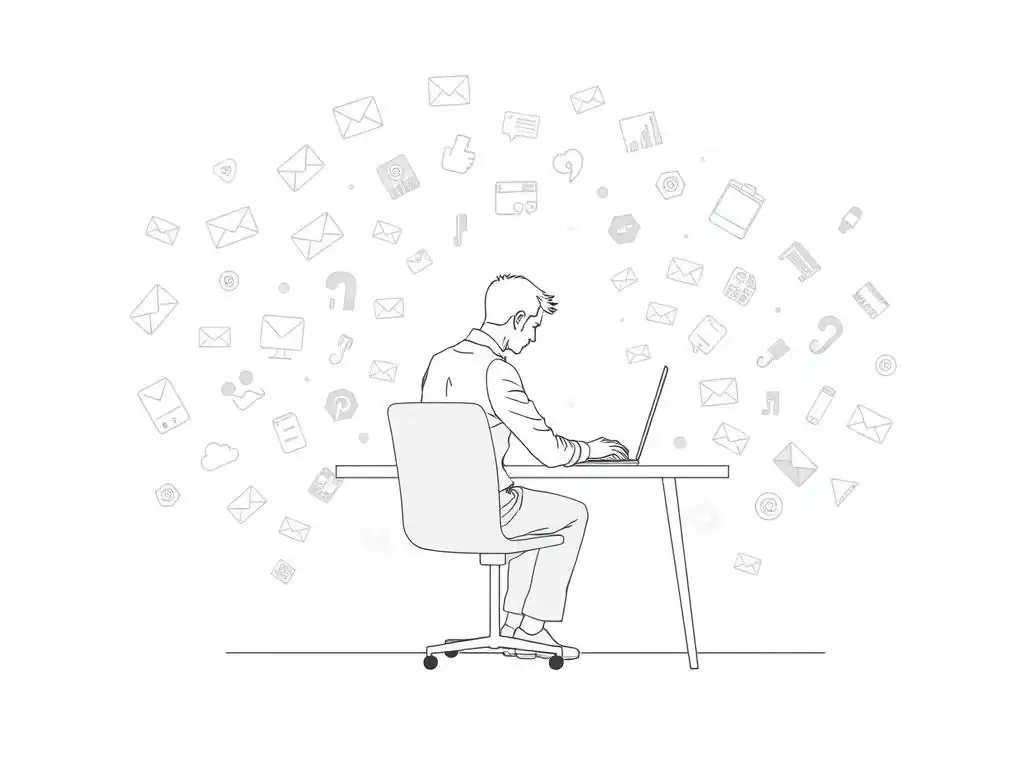
This section dives deep into actionable strategies to effectively manage digital distractions and reclaim your focus. We'll explore practical techniques to quiet digital noise and boost your concentration, enabling you to achieve peak productivity. The goal is to transform your digital environment from a source of constant interruption into a supportive tool for achieving your goals. Remember, mastering your digital world is key to mastering your time.
Taming Your Notifications: Mastering App Settings and Do Not Disturb Modes
Notifications, while designed to keep us informed, often become significant sources of distraction. The constant pinging and buzzing can disrupt our concentration and derail our workflow. Fortunately, we can take control. Let's explore how to effectively manage these digital interruptions.
The first step involves a thorough audit of your notification settings for each app. Many apps bombard you with unnecessary alerts. Take the time to review each one individually. Ask yourself: Is this notification truly essential? Does it add value, or simply interrupt my flow?
For example, social media platforms are notorious for their frequent notifications. You can significantly reduce distractions by adjusting settings to only receive notifications for direct messages or crucial updates, rather than every like, comment, or share. Similarly, email notifications can be adjusted to only alert you to emails from specific senders or those marked as high priority.
Furthermore, leverage the built-in "Do Not Disturb" (DND) mode on your devices. Schedule DND periods during focused work sessions, meetings, or even just dedicated periods of deep work. Consider customizing your DND settings to allow calls from specific contacts while silencing all other notifications. This feature is a powerful tool for creating focused work blocks free from digital intrusions. Experiment with different scheduling options to find what works best for your productivity rhythm. Remember, the aim is to strategically manage notifications, not eliminate them entirely. A well-curated notification system allows for timely information without constant interruption.
A cluttered digital environment directly translates to a cluttered mind. Just as a tidy physical workspace promotes focus, a streamlined digital space fosters better concentration. This involves a proactive approach to decluttering apps and social media feeds.
Begin by identifying apps you rarely or never use. Uninstalling these apps frees up valuable mental and processing space. This isn't about eliminating all apps; it's about removing those that consistently compete for your attention without providing commensurate value. Think of it as a digital spring cleaning.
Next, address your social media feeds. Unfollow accounts that consistently trigger negative emotions, contribute to procrastination, or simply don't align with your goals. Curating your feeds to include only content that inspires, informs, or entertains in a constructive way significantly reduces the likelihood of getting sidetracked. Remember, social media can be a powerful tool, but only when used mindfully. A curated feed helps you leverage its benefits without succumbing to its distractions. Regularly review and refine your feeds to maintain a positive and productive digital ecosystem.
Time Blocking and Focused Work Sessions: Scheduling Digital Detox Breaks
Time blocking and scheduled digital detox breaks are powerful complementary strategies. Time blocking involves allocating specific time slots for dedicated work sessions, while digital detox breaks provide intentional periods free from digital devices. The combination enhances focus and prevents burnout.
Time blocking provides structure. Schedule specific times for focused work on high-priority tasks. During these blocks, minimize or eliminate digital distractions entirely. This approach creates dedicated periods for deep work, minimizing the likelihood of getting sidetracked by emails, social media, or other digital interruptions. Consider using a timer or productivity app to reinforce these focused work sessions.
Incorporate regular digital detox breaks into your schedule. These breaks offer a chance to disconnect and recharge, allowing you to return to work feeling refreshed and ready to tackle new challenges. Even short, 15-20 minute breaks can significantly improve concentration and prevent mental fatigue. During these breaks, engage in activities that promote relaxation and mental clarity, such as stretching, walking, or mindful meditation.
The key is to actively disengage from screens and allow your mind to rest. This combination of focused work sessions and regular digital detox periods promotes both productivity and well-being. Experiment with different durations and scheduling to find the optimal balance for your individual needs and preferences. Remember, the goal is to create a sustainable system that supports both your productivity and your mental health.
Utilizing Productivity Apps and Tools: Blocking Distracting Websites and Apps
Digital distractions are a pervasive problem in the modern age, but thankfully, technology itself offers solutions. Many productivity apps and browser extensions are specifically designed to help you regain control over your digital environment and enhance focus. These tools offer a range of features, from simple website blockers to sophisticated time management systems. The key is to find a tool that aligns with your specific needs and workflow.
One popular approach is employing website blockers. These tools allow you to create a list of distracting websites and apps, effectively preventing access during designated work periods. Some advanced blockers even allow for scheduled breaks, ensuring you don't completely cut yourself off from the digital world. This structured approach can be incredibly effective for those who find themselves frequently drawn to social media or other time-consuming online activities. The sense of controlled restriction can paradoxically boost freedom by eliminating the constant temptation to check notifications. Think of it as creating a digital "no-fly zone" for unproductive sites.
Beyond simple website blockers, many apps offer more comprehensive features. These often include features like Pomodoro timers, which encourage focused work in short bursts interspersed with short breaks. These apps often integrate website blocking functionalities, providing a holistic approach to time management and focus. The integration of these features streamlines the process, preventing the need to juggle multiple applications. This all-in-one approach can be particularly beneficial for those who prefer a simplified, integrated system for managing their productivity.
Furthermore, some apps go beyond simple blocking and offer more nuanced control over your digital experience. For example, some apps allow you to set specific time limits for certain apps, providing a more flexible approach than complete blockage. This allows for controlled use of distracting apps, preventing complete avoidance, which can sometimes lead to feelings of deprivation and ultimately, increased distraction. Finding a balance is crucial, and these flexible tools can help you achieve that balance.
The ability to customize settings to match your individual needs and preferences makes these advanced applications highly adaptable to various working styles and preferences. Experimentation is key to finding the perfect fit. Ultimately, the best tool is the one that best suits your needs and helps you achieve your productivity goals. Consider your personal preferences and digital habits when choosing a tool to enhance your focus and quiet digital noise.
Enhancing Focus Through Mindful Digital Consumption
This section explores practical strategies to minimize digital distractions and cultivate a more mindful approach to technology use, directly impacting your ability to quiet digital noise and boost focus. We'll move beyond simply reducing screen time to reframing your relationship with digital devices. The goal isn't to eliminate technology entirely—that's unrealistic for most—but to consciously choose how and when you engage with it. This mindful consumption is key to reclaiming your attention and boosting productivity.
The Power of Mindful Tech Usage: Practicing Presence in the Digital World
Mindful tech usage isn't about ignoring notifications; it's about choosing when to respond. It's about being present in the moment, whether you're working on a project or spending time with loved ones, rather than constantly being pulled away by the ping of a message or the lure of social media. Consider these practical steps:
- Schedule dedicated "digital detox" periods: Even short breaks, 15-20 minutes several times a day, can significantly improve focus. During these periods, put your phone away, close unnecessary tabs, and simply be present in your physical surroundings. This helps train your brain to resist the constant urge to check for updates.
- Utilize app blockers and website restrictors: These tools can be invaluable in creating boundaries. Set specific times when access to distracting apps or websites is limited, allowing for focused work sessions without the temptation of instant gratification. Experiment to find a schedule that works best for you.
- Practice the "one-thing-at-a-time" rule: Avoid multitasking. Research consistently shows that multitasking reduces productivity and increases error rates. Instead, dedicate your full attention to a single task before moving on to the next.
Setting Boundaries with Technology: Defining Digital Detox Rituals
Establishing consistent digital detox rituals is crucial for long-term focus improvement. These rituals aren't about deprivation; they are intentional practices designed to help you regain control over your technology consumption. Here are some examples:
- Create a "digital curfew": Designate a specific time each evening when you disconnect from all devices. This allows for a period of relaxation and unwinding without the stimulation of screens. This "quiet time" before sleep improves sleep quality, further enhancing focus the next day.
- Establish a "no-phone zone": Designate specific areas or times in your home (e.g., the bedroom, during meals) as phone-free zones. This creates physical boundaries that reinforce your commitment to reducing digital distractions.
- Implement a "technology Sabbath": Consider setting aside a specific day each week (or even just a few hours) completely free from digital devices. Use this time to engage in activities that promote relaxation and mindfulness, such as reading, spending time in nature, or pursuing hobbies. The resulting mental clarity will be remarkable.
Cultivating Digital Minimalism: A Lifestyle Approach to Reducing Digital Clutter
Digital minimalism isn't about asceticism; it's about intentionally choosing the digital tools and platforms that truly add value to your life, and eliminating the rest. This involves a critical evaluation of your digital habits and a commitment to simplifying your online presence.
- Declutter your digital spaces: Regularly review your apps, subscriptions, and social media accounts. Unsubscribe from unwanted emails and delete unused apps. A cleaner digital environment leads to a clearer mind.
- Curate your social media feeds: Unfollow accounts that don't bring you joy or value. Focus on connecting with people and content that genuinely enrich your life.
- Prioritize meaningful online interactions: Instead of passively scrolling through feeds, engage in more intentional online interactions. Focus on meaningful conversations and activities that contribute to your goals and well-being. This approach leads to a more fulfilling and less distracting digital experience. The reduction in digital clutter directly contributes to a quieter digital environment, thus boosting focus and productivity.
By implementing these strategies, you can effectively quiet digital noise, boost focus, and reclaim control over your attention. Remember, it's a journey, not a race. Start small, experiment with different techniques, and find what works best for you. The rewards of a more mindful digital life are well worth the effort.
Prioritizing Deep Work: Techniques for Enhanced Concentration and Productivity
Deep work, the ability to focus without distraction on a cognitively demanding task, is crucial for high-level productivity and achieving meaningful results. In our digitally saturated world, however, finding pockets of uninterrupted time for deep work can feel like a Herculean task. The constant ping of notifications, the allure of social media, and the ever-present email inbox can significantly hinder our ability to enter a state of flow and truly concentrate. To effectively quiet digital noise and boost focus, strategically prioritizing deep work is paramount.
One highly effective technique is time blocking. Instead of loosely scheduling tasks, allocate specific time slots dedicated solely to deep work. Treat these blocks as unbreakable appointments, silencing all notifications and putting your phone on Do Not Disturb. Experiment with different time blocks—some individuals find 90-minute Pomodoro sessions ideal, while others might prefer shorter, more frequent bursts of focused attention. The key is to find a rhythm that works best for your cognitive style and energy levels.
Another crucial element is creating a dedicated workspace. This doesn't necessarily require a separate room; it could simply be a designated area in your home or office free from clutter and distractions. Ensure this space is optimized for focus—adequate lighting, a comfortable chair, and minimal visual distractions are all essential components. Consider using noise-canceling headphones or ambient soundscapes to further minimize external interruptions and create a conducive environment for deep work. The goal is to cultivate a space that signals your brain it's time to focus.
Furthermore, mindful task switching plays a vital role. Rather than constantly flitting between tasks, complete one before moving on to the next. Multitasking is a myth; our brains are not designed for efficient parallel processing. Instead, by concentrating on one task at a time, you drastically reduce cognitive load and improve the quality of your output. This approach not only enhances focus but also contributes to a greater sense of accomplishment and reduced stress. Remember, completing one task thoroughly is far more productive than superficially tackling several simultaneously.
Finally, regular breaks are essential. While deep work requires sustained concentration, taking short, intentional breaks can actually boost productivity. These breaks should be completely detached from screens; a short walk, some stretching, or a mindful moment of meditation can help clear your mind and prepare you for another focused session.
Ignoring the need for breaks can lead to burnout and diminished focus, ultimately undermining your efforts to prioritize deep work. The key is to strike a balance between concentrated effort and restorative downtime. By implementing these strategies, you can effectively quiet digital noise, enhance your focus, and unlock your true potential for deep work.
Quiet Digital Noise Boost Focus: Long-Term Strategies for Sustained Productivity
This section delves into practical, long-term strategies to effectively manage digital distractions and cultivate sustained focus. We'll move beyond quick fixes and explore methods for building a resilient and productive mindset in the face of constant digital noise. The goal isn't just to reduce distractions, but to transform your relationship with technology, turning it from a source of constant interruption into a tool for focused achievement. This requires a holistic approach, encompassing mindful digital habits, intentional rest, and the cultivation of mental resilience.
Developing a Digital Wellness Routine: Integrating Healthy Habits into Your Day
A digital wellness routine is akin to a physical fitness regimen; it requires consistent effort and mindful planning. It's not about eliminating technology entirely (which is often unrealistic), but about consciously shaping your interaction with it. Consider these key elements:
- Scheduled Digital Detox: Designate specific times each day, perhaps an hour before bed and an hour after waking, as completely screen-free zones. This allows your brain to unwind and prepare for sleep or focus on the day ahead. Research shows even short periods of digital detox can significantly improve sleep quality and cognitive function.
- Mindful Tech Usage: Before picking up your phone or opening your laptop, ask yourself: "Is this activity aligned with my current goals?" If the answer is no, postpone it. This simple act of intentionality helps prevent mindless scrolling and reactive engagement.
- App Usage Tracking: Many smartphones offer built-in tools or third-party apps to track your screen time. Use this data to identify your biggest time-wasters and set realistic limits. For example, if you spend three hours daily on social media, aim to reduce that by 30 minutes each week until you reach a sustainable level.
- Prioritize "Deep Work" Sessions: Schedule dedicated blocks of time for focused, uninterrupted work. During these periods, turn off notifications, close unnecessary tabs, and let your colleagues know you're unavailable. This allows for deeper concentration and increased productivity. Try the Pomodoro Technique (25 minutes of focused work followed by a 5-minute break) to structure these sessions.
- Curate Your Digital Environment: Unsubscribe from unnecessary emails and notifications. Organize your apps and files to minimize clutter and improve efficiency. A cleaner digital space contributes to a clearer mind.
The Importance of Rest and Recovery: Avoiding Burnout and Maintaining Focus
Sustained focus is not possible without adequate rest and recovery. Ignoring the need for breaks leads to burnout, reduced cognitive function, and ultimately, decreased productivity. Prioritizing rest is not a luxury, but a necessity for maximizing your potential. Consider these practices:
- Sufficient Sleep: Aim for 7-9 hours of quality sleep each night. Sleep deprivation significantly impairs cognitive function, making it harder to focus and resist distractions. Establish a consistent sleep schedule and create a relaxing bedtime routine.
- Regular Breaks: Integrate short breaks throughout your workday. Step away from your screen, stretch, walk around, or engage in a relaxing activity. Even a few minutes of mindful breathing can significantly improve focus and reduce stress.
- Mindfulness and Meditation: Practice mindfulness techniques to cultivate present moment awareness and reduce mental clutter. Regular meditation can improve focus, reduce stress, and enhance overall well-being. Even 10 minutes a day can make a difference.
- Digital Sabbath: Consider dedicating one day a week to a complete digital detox. This allows your mind and body to fully rest and recharge, setting you up for a more productive week ahead.
Building Resilience to Digital Distractions: Long-Term Strategies for Focus
Building resilience to digital distractions is a continuous process that requires consistent effort and self-awareness. It involves not only managing external stimuli but also cultivating internal strength and discipline.
- Develop a Strong "Why": Clearly define your goals and connect your daily tasks to your larger purpose. A strong sense of purpose can provide the motivation needed to overcome distractions and stay focused on what truly matters.
- Practice Self-Compassion: Don't beat yourself up over occasional lapses in focus. Everyone gets distracted sometimes. Acknowledge your imperfections, learn from your mistakes, and gently redirect your attention back to the task at hand.
- Utilize Focus-Enhancing Techniques: Experiment with different techniques to improve your focus, such as the Pomodoro Technique, time blocking, or the Eisenhower Matrix (prioritizing tasks based on urgency and importance).
- Seek Support: If you're struggling to manage digital distractions, consider seeking support from a therapist or coach. They can provide guidance and tools to help you develop healthy coping mechanisms and achieve your productivity goals. Remember, building resilience is a journey, not a destination. Celebrate your progress and continue to refine your strategies over time. The ability to quiet digital noise and boost focus is a skill that can be learned and honed with consistent effort and self-compassion.
Reviewing and Refining Your Digital Habits: Continuous Improvement for Sustained Focus
Regularly reviewing and refining your digital habits is crucial for long-term focus improvement. It's not a one-time fix; it's an ongoing process of adjustment and optimization. Think of it like fine-tuning a high-performance machine – constant attention to detail leads to peak efficiency. Ignoring this aspect will likely result in a gradual return to old, unproductive patterns.
One effective method is to track your digital usage. Many smartphones and computers offer built-in tools to monitor app usage time. Alternatively, you can use dedicated productivity apps that provide detailed reports on how you spend your time online. Analyzing this data reveals patterns – perhaps you spend excessive time on social media during specific times of the day, or that certain apps consistently derail your focus. Identifying these patterns is the first step towards addressing them.
Armed with this data, you can begin to implement targeted changes. For example, if you find yourself constantly checking email throughout the day, consider scheduling specific times for email checks rather than reacting to every notification. Similarly, if social media proves a major distraction, explore using website blockers or app limiters to restrict access during focused work periods. These tools aren't about complete abstinence, but about creating mindful boundaries around your digital consumption.
Beyond tools, consider implementing behavioral strategies. Mindfulness practices, such as short meditation sessions, can help you become more aware of your digital impulses. This increased awareness allows you to make conscious choices about how you engage with technology, rather than reacting passively to notifications and impulses. The goal isn't to eliminate digital tools entirely – they are powerful productivity enhancers – but to master their use rather than being mastered by them.
This mindful approach is key to sustaining focus in the long term and quieting that digital noise. Regular self-reflection, coupled with consistent adjustments to your digital routines, is the key to achieving sustained productivity and a quieter digital environment. Remember, the aim is to harness technology for your benefit, not let it dictate your day.
Frequently Asked Questions
How can I effectively quiet digital noise to improve focus?
Minimizing distractions is key. Turn off notifications, use website blockers, and schedule dedicated focus time away from your devices. Prioritize tasks and tackle them one at a time.
What are some practical techniques to boost focus amidst digital distractions?
Employ the Pomodoro Technique (25 minutes work, 5 minutes break) to maintain concentration. Mindfulness exercises can help you stay present and resist the urge to check notifications. Create a dedicated workspace free from digital clutter.
Does completely disconnecting from technology improve focus?
While a complete digital detox can be beneficial, it's not always practical. A more realistic approach involves strategically managing your technology use, setting boundaries, and prioritizing focused work periods. Find a balance that works for you.
How can I overcome the urge to constantly check my phone or email?
Set specific times to check emails and social media, rather than reacting to every notification. Use app timers to limit usage. Replace the habit with a more beneficial activity, like a short walk or stretching.
What are some quick wins to enhance focus and reduce digital noise in my daily routine?
Start small! Turn off non-essential notifications immediately. Organize your digital workspace to reduce visual clutter. Listen to focus-enhancing music or ambient sounds to block out distracting noises.
Final Reflection: Reclaiming Your Attention in a Noisy World
The relentless barrage of digital notifications and information overload is not just a modern inconvenience; it's a fundamental challenge to our ability to think deeply, create meaningfully, and live fully present lives. We've explored strategies to navigate this digital deluge, from mindful tech use to cultivating intentional breaks, and the impact on our mental well-being is undeniable. The ability to quiet the digital noise is no longer a luxury, but a necessity for navigating the complexities of the 21st century.
The journey to reclaiming our attention is a deeply personal one, a continuous process of self-discovery and recalibration. It's about understanding our relationship with technology and consciously choosing how we engage with it. This isn't about rejecting technology entirely, but rather about mastering it, using it as a tool to enhance our lives rather than allowing it to dictate them. The real voyage of discovery consists not in seeking new landscapes, but in having new eyes.
– Marcel Proust. This quote perfectly encapsulates the shift in perspective required to truly benefit from the strategies discussed. We need to cultivate new ways of seeing and interacting with the digital world.
You now hold the power to shape your digital experience. Consider the ways in which digital noise impacts your daily life. Experiment with the techniques outlined in this article – schedule dedicated tech-free time, curate your digital intake, and cultivate mindful engagement. Start small, be patient with yourself, and celebrate your progress. The journey to a quieter, more focused mind is a worthwhile investment in your well-being and potential. Embrace the silence, and watch your creativity and clarity flourish.
Rediscover Your Focus: Silence the Digital Clutter
Thank you for exploring practical strategies to improve focus in our increasingly distracting digital world. We hope you found valuable insights into managing distractions and enhancing concentration. Now, let's put these tips into action!
- Start with one new focus technique. Begin small—perhaps try the Pomodoro Technique or dedicate 30 minutes to uninterrupted work. Even a single change can significantly boost your productivity.
- Try a digital detox, even a short one, to experience the benefits of disconnecting. Observe how you feel and what you accomplish.
- Share your experience! Tell us which strategy worked best for you and how it's improving your focus. Let's build a supportive community dedicated to digital well-being.
What small step will you take today to prioritize your focus and reduce digital distractions?