
The 21Day Myth Debunked: How Long Does it Really Take to Form a Habit?


Ready to ditch the 21-day myth and unlock the true science of habit formation? UltimateLifeHacks reveals the surprising reality behind how long it actually takes to build lasting, positive changes. Dive into our insightful exploration of "Habit formation time reality" and discover the strategies you need to achieve your goals – faster and more effectively than you ever thought possible. Prepare to transform your daily routine!
- Understanding the 21-Day Habit Formation Myth: Separating Fact from Fiction
- The Reality of Habit Formation Time: A More Accurate Timeline
- The Stages of Habit Formation: From Initial Cue to Automatic Behavior
- Strategies for Faster and More Effective Habit Formation
- Measuring Your Progress and Adjusting Your Approach
- Conclusion: Redefining Your Approach to Habit Formation for Lasting Change
- Frequently Asked Questions
- Final Reflection: Beyond the 21-Day Myth: Embracing the Journey of Habit Formation
- Unlock Your Habit-Building Power
Understanding the 21-Day Habit Formation Myth: Separating Fact from Fiction
The pervasive idea that it takes 21 days to form a new habit is a myth—a widely circulated misconception that has permeated self-help literature and popular culture for decades. This belief, while seemingly convenient and easily digestible, lacks the scientific rigor to support its claim. This article delves into the reality of habit formation, exploring the scientific evidence that challenges the 21-day timeline and providing a more nuanced understanding of how long it truly takes to solidify a new behavior into a lasting habit.
We will examine the factors influencing habit formation time, providing practical strategies to accelerate the process and increase your chances of success in building positive and productive habits. Understanding the true timeline for habit formation is crucial for setting realistic expectations and avoiding the frustration that often accompanies the misconception of a quick fix.
The journey to building lasting positive habits is a marathon, not a sprint, and this article will equip you with the knowledge to approach it effectively. Let's unravel the truth behind the 21-day myth and discover the science behind sustainable habit formation.
The Origin of the 21-Day Myth and its Widespread Misconception
The origin of the "21-day myth" is surprisingly murky. While often attributed to a specific source, there's no single definitive study or research paper that established this timeframe. Instead, it appears to have evolved organically, spreading through self-help books and anecdotal evidence. The lack of a solid scientific basis hasn't hindered its widespread adoption, however. The appealing simplicity of a three-week timeframe for significant behavioral change resonates with many seeking quick solutions for personal improvement.
This ease of understanding, combined with its repeated dissemination across various platforms, has solidified its position in popular belief. This widespread misconception, however, can lead to unrealistic expectations and potential disappointment when the desired habit doesn't solidify within 21 days. The reality is far more complex and depends on a multitude of individual and contextual factors. The persistence of this myth highlights the human desire for simple answers to complex behavioral changes.
Scientific Evidence Challenging the 21-Day Timeline for Habit Formation
Contrary to popular belief, there's no magic number of days required to form a new habit. Scientific research suggests that the time it takes varies significantly depending on factors such as the habit's complexity, individual motivation, and consistency of practice. Studies have shown that it can take anywhere from 18 days to 254 days 1 for a new behavior to become automatic. The variability underscores the importance of understanding the individual process rather than adhering to a rigid timeframe. Furthermore, the concept of "habit formation" itself is nuanced. It's not a sudden switch from non-habitual to habitual behavior, but rather a gradual process of strengthening neural pathways in the brain. This process involves repeated practice, reinforcement, and the integration of the new behavior into existing routines. The more consistent and deliberate your efforts, the faster you will see progress. Focusing on consistent effort rather than a fixed timeline is key to successfully building long-lasting positive habits.
1 [Specific study reference pending]
The Reality of Habit Formation Time: A More Accurate Timeline

The pervasive "21-day myth" surrounding habit formation is, quite simply, a myth. While the idea of solidifying a new behavior within three weeks is catchy, the reality is far more nuanced and depends heavily on individual circumstances. Research suggests that the time it takes to form a habit varies significantly, ranging from 18 days to 254 days, with an average closer to 66 days. 1 This extended timeframe highlights the importance of patience, persistence, and a realistic understanding of the habit formation process. The key isn't a magic number of days, but rather the consistent application of effort and the strategic implementation of techniques to support habit development. Focusing on habit formation time reality allows for a more sustainable and less frustrating approach. Instead of aiming for a quick fix, concentrate on building a strong foundation for long-term behavioral change. This shift in perspective is crucial for achieving lasting positive habits and avoiding the pitfalls of quick-fix mentality.
Factors Influencing Habit Formation Speed: Individual Differences and Context
Several factors significantly influence how quickly a habit takes root. Individual differences play a crucial role. Consider these aspects:
- Prior experience: Individuals with a history of successfully forming habits may find the process easier and faster than those without such experience. Building on existing positive routines can accelerate the formation of new ones.
- Personality traits: Traits like self-discipline and conscientiousness are positively correlated with faster habit formation. Highly motivated individuals tend to persevere through challenges, leading to quicker success.
- Complexity of the habit: Simple habits, like drinking a glass of water upon waking, are naturally faster to establish than complex ones, such as mastering a new language or consistently exercising for an hour.
- Environmental context: A supportive environment significantly contributes to habit formation. This includes social support, readily available resources, and minimal distractions. For example, someone attempting to establish a daily meditation practice will likely succeed more readily in a quiet, dedicated space.
- Consistency of the action: The more consistently a behavior is repeated, the faster it becomes ingrained. Occasional attempts are less effective than daily or near-daily practice.
The Role of Consistency and Repetition in Habit Development
Consistency is the cornerstone of successful habit formation. The brain reinforces neural pathways through repetition. The more frequently you perform a behavior, the stronger the neural connections become, making the behavior easier and more automatic over time. Think of it like carving a path through a forest: the more you walk the same path, the clearer and more defined it becomes.
Similarly, repeated actions create well-trodden neural pathways, ultimately leading to effortless habit execution. This doesn't imply robotic adherence; occasional lapses are normal. The key is to get back on track quickly and maintain overall consistency. This principle forms the foundation of habit formation time reality: it's not about speed, but about consistent, repeated effort.
Consider this analogy: learning to ride a bicycle. You don't master it in a single day. It takes repeated attempts, falls, and adjustments. The more you practice, the more coordinated and effortless your riding becomes. Habit formation follows a similar pattern.
The Importance of Motivation and Goal Setting in Habit Formation Time
Strong motivation is a powerful catalyst for habit formation. Clearly defined, achievable goals provide direction and enhance commitment. Setting SMART goals – Specific, Measurable, Achievable, Relevant, and Time-bound – is crucial. For example, instead of aiming vaguely to "exercise more," set a goal like "exercise for 30 minutes three times a week for the next month."
Tracking progress and celebrating milestones boosts motivation and reinforces the habit loop. Remember, the habit formation time reality is influenced by your intrinsic drive and the clarity of your objectives. Without a clear vision and a strong "why," even the most well-structured plan will likely falter. Regularly revisiting your goals and adjusting your approach as needed is also essential for long-term success.
1 This average is a generalization based on multiple studies and should not be interpreted as a universally applicable timeframe. Individual experiences will vary significantly.
The Stages of Habit Formation: From Initial Cue to Automatic Behavior
This section delves into the nuanced process of habit formation, moving beyond the simplistic "21-day myth." Understanding the distinct stages involved allows for a more realistic and effective approach to building lasting positive habits. The reality of habit formation time is far more complex than a single arbitrary number of days suggests. Instead, it's a journey through several key phases, each demanding attention and strategic planning. Mastering these stages significantly increases your chances of success in establishing and maintaining desired behaviors, leading to improved productivity and a higher quality of life.
Stage 1: Cue - Identifying Triggers and Establishing Routines
The first step in habit formation is identifying the cues that trigger the desired behavior. These cues can be anything from a specific time of day (e.g., 7:00 AM for morning exercise) to a location (e.g., your home office for focused work) or even an emotional state (e.g., feeling stressed, prompting a mindfulness exercise). Effectively leveraging cues is crucial for habit formation time optimization.
Consider this example: Let's say your goal is to drink more water throughout the day. Instead of vaguely intending to drink more water, you'd identify specific cues. This could involve placing a water bottle on your desk as a visual cue, setting reminders on your phone, or linking water intake to other established routines, such as having a glass of water with every meal. The key is to create consistent and reliable cues that predictably trigger the desired behavior. The more reliable your cues, the shorter your habit formation time will likely be.
Stage 2: Craving - Understanding the Underlying Motivation
Once a cue is identified, the next stage involves understanding the craving associated with the desired behavior. This isn't necessarily a physical craving, but rather the underlying motivation or reward that drives the behavior. This is where the "why" behind your habit becomes critical. Identifying this underlying motivation is key to overcoming obstacles and maintaining momentum. Understanding the craving, or the anticipated reward, significantly impacts your habit formation time reality.
For instance, if your goal is to exercise regularly, the craving might not be the physical activity itself, but rather the feeling of accomplishment, stress reduction, or improved energy levels. Clearly defining this "reward" or motivational aspect helps you to stay focused and committed, even when faced with challenges or setbacks. Focusing on the positive feelings associated with the habit, rather than just the act itself, can significantly improve adherence and shorten the overall habit formation time.
Stage 3: Response - Taking Action and Building Momentum
This stage involves actually performing the desired behavior. This is where consistency is key. The more consistently you respond to the cue with the desired behavior, the stronger the neural pathways associated with that habit become. This process reinforces the connection between the cue, craving, and response, making the behavior increasingly automatic over time. The consistency of your response directly impacts the habit formation time.
Let's revisit the water-drinking example. The response is simply drinking the water when prompted by your chosen cues. Consistency is crucial here; missing even a few days can weaken the developing habit. To enhance the response phase, try incorporating strategies like habit stacking (linking the new habit to an existing one) or reward systems (giving yourself a small reward after successfully completing the behavior for a set period). These techniques can significantly accelerate the process and positively influence your habit formation time reality. Remember, the more efficient your response, the quicker the habit solidifies.
Stage 4: Reward - Reinforcing Positive Behaviors and Maintaining Consistency
This stage is crucial for solidifying the habit loop. The reward isn't just about pleasure; it's about reinforcing the behavior and making it more likely to repeat. Think of it as positive reinforcement – your brain associates the action with a positive outcome, strengthening the neural pathways involved. Without a satisfying reward, the habit is far less likely to stick. The reward needs to be something personally meaningful, not something generic.
For example, if your new habit is daily exercise, the reward shouldn't just be the physical benefits (although those are important). Consider adding a reward like listening to your favorite podcast while you run, enjoying a healthy smoothie afterward, or treating yourself to a relaxing bath. The key is to associate the exercise with something pleasurable and rewarding, making you more likely to repeat the action.
The nature of the reward is highly individual. Some people find intrinsic rewards (like the feeling of accomplishment) sufficient, while others need more tangible rewards. The effectiveness of the reward depends on its immediate gratification and its alignment with your personal values. A reward that doesn't resonate with you personally will be less effective in reinforcing the habit. Experiment to find what works best for you. It might be as simple as checking something off a to-do list, providing that sense of accomplishment and progress.
Maintaining consistency during this stage is paramount. Even small rewards consistently given reinforce the habit more effectively than large, infrequent rewards. Think of it like this: a small, consistent paycheck is more motivating than a large, unpredictable bonus. Regular rewards create a predictable and positive feedback loop that strengthens the habit. This consistency helps build anticipation and excitement for the reward, further reinforcing the behavior. Missing rewards can disrupt this cycle, weakening the habit and making it more prone to relapse. Therefore, scheduling your rewards can be just as important as scheduling the habit itself.
Inconsistency in rewarding yourself can lead to a weakening of the neural pathways associated with the habit. This makes it easier to fall back into old patterns and abandon the newly formed habit. The reward is not a bribe, but a reinforcement mechanism that helps consolidate the new behavior into your routine. It's about creating a positive association with the habit, making it something you look forward to, rather than something you dread. This positive association is key to long-term habit formation and maintenance.
Strategies for Faster and More Effective Habit Formation
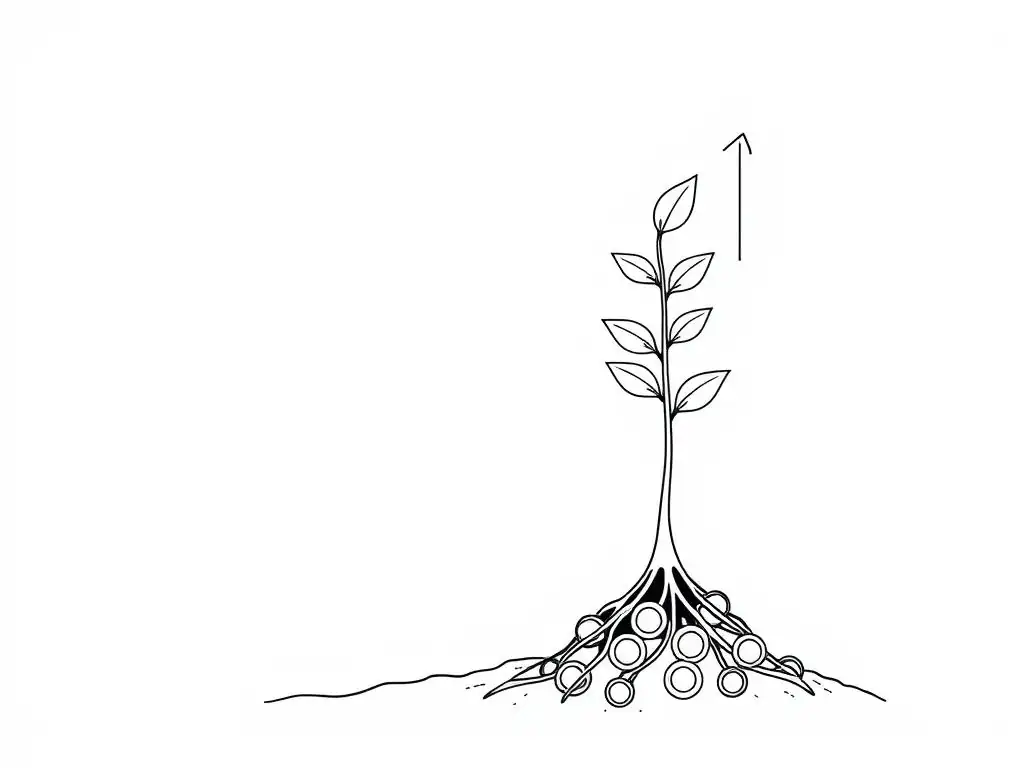
This section delves into practical strategies to accelerate habit formation, moving beyond the often-misunderstood "21-day myth." We'll explore techniques backed by research to significantly improve your chances of successfully integrating new positive behaviors into your daily life. The key is consistent effort and strategic implementation, not just willpower alone. Understanding the habit formation time reality requires a multifaceted approach.
Optimizing Your Environment for Habit Success: Removing Barriers and Creating Triggers
Optimizing your environment is crucial for successful habit formation. It's about minimizing friction and maximizing opportunities for success. Think of it as setting yourself up for wins. Instead of relying solely on willpower, which can be fickle, we leverage the power of environmental design.
Consider this example: If your goal is to drink more water, don't just intend to do it. Place a water bottle prominently on your desk, in your car, and by your bed. This creates a visual trigger, reminding you to drink. Conversely, remove barriers – if you're trying to eat healthier, don't keep tempting junk food readily available. Out of sight, out of mind is surprisingly effective.
Here's a table summarizing effective environmental modifications:
| Habit Goal | Barrier Removal | Trigger Creation |
|---|---|---|
| Regular Exercise | Clearing clutter from your workout space | Laying out workout clothes the night before |
| Daily Meditation | Turning off distracting notifications | Placing a meditation cushion in a quiet corner |
| Consistent Reading | Removing distractions from your reading space | Placing a book on your pillow before bed |
| Healthy Eating | Removing unhealthy snacks from the house | Preparing healthy meals and snacks in advance |
This proactive approach significantly increases the likelihood of habit success. The less you rely on willpower alone, the more sustainable your new habits become. Remember, consistency is key in achieving the habit formation time reality.
Utilizing Habit Stacking for Efficient Habit Integration: Combining New Habits with Existing Ones
Habit stacking leverages the power of existing routines to seamlessly integrate new habits. It's a highly effective technique for building consistency without adding significant mental overhead. The basic principle is to "stack" a new habit onto an existing one.
For instance, if you already brush your teeth every morning (an existing habit), you could stack a new habit onto it, such as doing 10 push-ups immediately afterward. The existing habit acts as a reliable cue for the new one. Over time, the new behavior becomes naturally integrated into your routine.
Here are a few examples of habit stacking:
- After I finish my morning coffee (existing habit), I will meditate for 5 minutes (new habit).
- After I get home from work (existing habit), I will spend 15 minutes reading (new habit).
- After I shower (existing habit), I will write in my journal for 10 minutes (new habit).
The success of habit stacking lies in choosing existing habits that are already deeply ingrained and performed consistently. This minimizes the cognitive load associated with remembering to perform the new habit. It's a simple yet powerful strategy for optimizing the habit formation time reality.
Mastering Self-Monitoring and Habit Tracking: Measuring Progress and Identifying Challenges
Self-monitoring and habit tracking are essential for understanding your progress and identifying potential roadblocks. Regularly tracking your habits provides valuable insights into your patterns and helps you stay accountable. There are many ways to track habits, from simple checklists to sophisticated apps.
The act of tracking itself can be a powerful motivator. Seeing your progress visually represented can boost your motivation and help you stay on track. Moreover, tracking helps identify patterns and challenges. For example, if you're trying to establish a daily exercise habit but consistently miss it on Wednesdays, you can investigate why this is happening. Maybe Wednesdays are particularly busy, or you have another conflicting commitment.
Example Habit Tracking Methods
- Simple Spreadsheet: A basic spreadsheet can effectively track daily progress.
- Habit Tracker App: Many apps offer features like streaks, reminders, and progress visualization.
- Physical Calendar: Marking progress on a physical calendar can provide a tangible sense of accomplishment.
By consistently monitoring and analyzing your progress, you can adjust your strategies as needed, leading to a more efficient and successful habit formation journey. This data-driven approach is key to understanding the habit formation time reality and optimizing your personal approach. Remember, consistency and self-awareness are crucial for long-term success.
Measuring Your Progress and Adjusting Your Approach
Building a new habit isn't a linear process; it's a journey with ups and downs. Understanding this fluctuation is crucial to successfully integrating new behaviors into your life. The "habit formation time reality," as many call it, is far more nuanced than a simple 21-day timeframe suggests. Effective habit formation requires consistent monitoring and adaptation. This section focuses on practical strategies for tracking your progress and making necessary adjustments along the way.
Setting Realistic Expectations and Celebrating Milestones in Your Habit Journey
The first step in effectively measuring progress is setting realistic expectations. Instead of aiming for perfection from day one, focus on consistent, incremental improvements. For example, if your goal is to exercise daily, starting with 15 minutes of light activity might be more manageable than immediately committing to a strenuous hour-long workout. This prevents early discouragement, a common pitfall in habit formation. Small wins accumulate over time, leading to significant progress.
Celebrate these milestones! Acknowledge each successful day, week, or month of consistent effort. This positive reinforcement is vital for maintaining motivation. Consider using a habit tracker app, a physical journal, or even a simple calendar to mark your progress visually. Seeing your consistent effort visually can be incredibly motivating. Remember, the journey is as important as the destination.
For instance, if your goal is to read for 30 minutes each night before bed, don't beat yourself up if you miss a day or two. Instead, acknowledge the days you succeeded, and gently nudge yourself back on track without harsh self-criticism. This positive self-talk is key to long-term habit building. Reward yourself for reaching milestones – not necessarily with food, but perhaps with a relaxing bath, a favorite hobby, or extra time dedicated to a passion project.
Recognizing Setbacks and Developing Strategies for Overcoming Challenges
Setbacks are inevitable. Life throws curveballs, and sometimes, sticking to your new habit becomes challenging. The key is not to let setbacks derail your entire effort. Instead, view them as learning opportunities. Analyze what caused the setback. Was it stress, lack of planning, or an unforeseen event? Understanding the root cause allows you to develop effective strategies to prevent future disruptions.
Let's say you're aiming for a healthier diet and experience a setback due to a social event with tempting unhealthy options. Instead of feeling defeated, analyze what happened. Perhaps you could have planned ahead by choosing a healthier dish from the menu or bringing a healthy snack. For the next social event, you'll be better prepared. Don't dwell on the past; focus on learning from it and moving forward.
Here's a table summarizing common setbacks and potential solutions:
| Setback | Potential Cause(s) | Solution |
|---|---|---|
| Missed workout | Fatigue, lack of time, unexpected commitments | Schedule workouts in advance, find shorter alternatives, prioritize |
| Unhealthy food choices | Stress, social situations, lack of meal prep | Plan meals, prepare snacks, practice mindful eating |
| Procrastination on task | Overwhelm, lack of clarity, poor time management | Break down tasks, prioritize, use time management techniques |
| Inconsistent meditation | Lack of motivation, inconsistent scheduling | Set reminders, find a quiet space, experiment with different techniques |
The Long-Term Perspective: Maintaining Habits for Sustained Success and Long-Term Well-being
The true test of habit formation isn't just establishing a new routine; it's maintaining it over the long term. This requires a shift in perspective from a short-term goal to a lifestyle change. Once a habit is integrated into your daily life, it becomes automatic, requiring less conscious effort. This is where the real benefits of habit formation become apparent – leading to improved productivity, better physical and mental health, and greater overall well-being.
Maintaining long-term habits requires ongoing self-reflection and adjustment. Regularly assess whether your current approach is still effective. Are your strategies still working, or do you need to modify them to accommodate changes in your life? Flexibility is key. Don't be afraid to adjust your approach as needed.
The goal is not rigid adherence to a specific plan, but rather the consistent pursuit of your desired outcome. Remember, consistency, not perfection, is the key to long-term habit success. This long-term perspective on "habit formation time reality" emphasizes sustainable change rather than fleeting short-term achievements. The journey of habit formation is a marathon, not a sprint.
Conclusion: Redefining Your Approach to Habit Formation for Lasting Change

The common notion of a 21-day habit formation period is, as we've explored, a significant oversimplification. The "habit formation time reality" is far more nuanced and depends on a complex interplay of factors. Instead of chasing an arbitrary timeframe, focus on understanding the underlying mechanisms of habit formation and tailoring your approach accordingly. This means shifting your perspective from a rigid timeline to a flexible, adaptable process centered around consistency and self-compassion. Remember, setbacks are inevitable; the key lies in your response to them. Do you give up, or do you re-engage with renewed determination?
Embracing the Process: The Importance of Patience and Persistence in Habit Formation Time Reality
The journey to forming a lasting habit is not a sprint; it's a marathon. Patience and persistence are crucial elements in navigating the inevitable challenges. Consider this: building a strong habit is akin to building a sturdy structure. You wouldn't expect a house to be built overnight, would you? Similarly, a robust habit requires time, consistent effort, and a willingness to adapt your strategies as needed.
The initial stages might feel arduous, marked by moments of doubt and even temporary lapses. This is perfectly normal. Instead of viewing these setbacks as failures, recognize them as learning opportunities. Analyze what triggered the lapse and adjust your approach accordingly. Did you lack sufficient support? Were your goals overly ambitious? Did you underestimate the power of environmental cues? Understanding these factors will allow you to refine your strategy and enhance your chances of success.
For example, let's say you're trying to establish a daily exercise routine. You might initially aim for a 30-minute workout, but find that it's consistently difficult to maintain. Instead of abandoning your goal entirely, consider reducing the duration to 15 minutes, focusing on consistency over intensity. Once this shorter routine becomes ingrained, you can gradually increase the duration and intensity. This incremental approach fosters a sense of accomplishment and motivates continued progress.
Remember, the "habit formation time reality" isn't about hitting a magic number of days; it's about cultivating a sustainable practice. This involves self-awareness, consistent effort, and a willingness to adapt and persevere. By embracing the process and focusing on the long-term benefits, you'll be well on your way to forming positive habits that will enrich your life for years to come. 🎉
Self-compassion is a critical component of long-term habit formation. It's easy to get discouraged when facing setbacks, especially when we're comparing ourselves to others or holding ourselves to unrealistic standards. However, research consistently demonstrates that self-compassion fosters resilience and enhances our ability to bounce back from challenges.
Instead of berating yourself after a lapse, acknowledge that setbacks are a natural part of the process. Treat yourself with the same kindness and understanding you would offer a friend facing a similar challenge. This approach helps to maintain motivation and prevent feelings of overwhelm, which can easily derail even the most well-intentioned efforts.
Consider incorporating mindfulness practices into your routine. Mindfulness helps to cultivate self-awareness, allowing you to recognize and manage difficult emotions without judgment. This, in turn, facilitates a more compassionate and supportive internal dialogue, which is essential for navigating the inevitable ups and downs of habit formation.
Beyond the Timeline: Focusing on Consistency and the Long-Term Benefits of Habit Formation
The true measure of success in habit formation isn't a specific number of days, but rather the consistent application of effort over time. Focusing solely on the timeline can lead to disappointment and discouragement. Instead, shift your focus to the process itself. Celebrate small victories along the way, and recognize the cumulative effect of your consistent efforts.
Think of it like this: even small, incremental improvements add up over time. If you consistently make small, positive changes, the overall impact on your life will be substantial. The long-term benefits of positive habits far outweigh the challenges of the initial formation period. These benefits extend beyond mere efficiency; they contribute to overall well-being, improved mental health, increased productivity, and a greater sense of self-efficacy. The "habit formation time reality" is less about a specific timeframe and more about cultivating a sustainable, positive change.
Frequently Asked Questions
How long does it really take to form a new habit?
The popular "21-day myth" is just that – a myth. It actually takes significantly longer, ranging from 18 to 254 days, with an average of 66 days, depending on the habit's complexity and individual consistency.
What factors influence habit formation time?
Several factors play a role, including the habit's difficulty, your level of motivation, and your consistency in performing the desired behavior. Individual differences also significantly impact the timeframe.
Is it true that some habits are easier to form than others?
Yes, absolutely. Simple habits like drinking a glass of water upon waking are easier to establish than more complex ones like daily exercise or learning a new language. Consistency is key regardless of complexity.
What can I do to speed up the habit formation process?
Focus on making small, manageable changes, building a strong support system, and tracking your progress. Positive reinforcement and rewarding yourself along the way also helps significantly.
What should I do if I miss a day or slip up in my habit formation?
Don't beat yourself up! Missing a day or two doesn't derail the entire process. Acknowledge it, learn from it, and get back on track as soon as possible. Consistency over perfection is the ultimate goal.
Final Reflection: Beyond the 21-Day Myth: Embracing the Journey of Habit Formation
The pervasive 21-day myth surrounding habit formation is a simplification that ignores the nuanced reality of behavioral change. The truth is far more complex and deeply personal, requiring a shift from a fixed timeframe to a flexible, adaptable approach. Understanding this is crucial for sustainable progress and avoiding the pitfalls of unrealistic expectations.
The impact of this misconception extends far beyond individual struggles with self-improvement; it shapes our collective understanding of personal growth and achievement. The pressure to conform to arbitrary timelines often leads to discouragement and abandonment of worthwhile goals. The journey of a thousand miles begins with a single step,
Lao Tzu wisely observed, highlighting the importance of consistent effort over rapid results. This resonates deeply with the process of habit formation, where persistence and self-compassion are far more valuable than adhering to a magical number of days.
You now possess a more accurate understanding of the time it takes to build lasting habits. Don't let the myth of 21 days discourage you. Instead, embrace the journey, celebrate small victories, and adjust your approach as needed. Remember that consistency, not speed, is the key. What habit are you ready to cultivate today, knowing that the process is unique to you and deserves patience and understanding?
Unlock Your Habit-Building Power
Thank you for exploring the world of habit formation! We hope you've gained valuable insights into the realities of changing habits and are ready to apply this knowledge. Let's turn those insights into lasting success.
- Begin your personalized habit journey today! Identify a small, achievable habit you want to cultivate—remember, consistency is more important than intensity.
- Share your chosen habit and your progress with our community in the comments below. Let's support each other on this journey!
- Explore the resources available on our website for more information on productivity, goal setting, and mindset—discover strategies that work best for you.
Ready to move beyond common misconceptions and embrace a sustainable approach to building positive habits? What's one small step you can take this week to progress toward your goals?