
Packing for a Flight: Essential Items for Comfort and Convenience

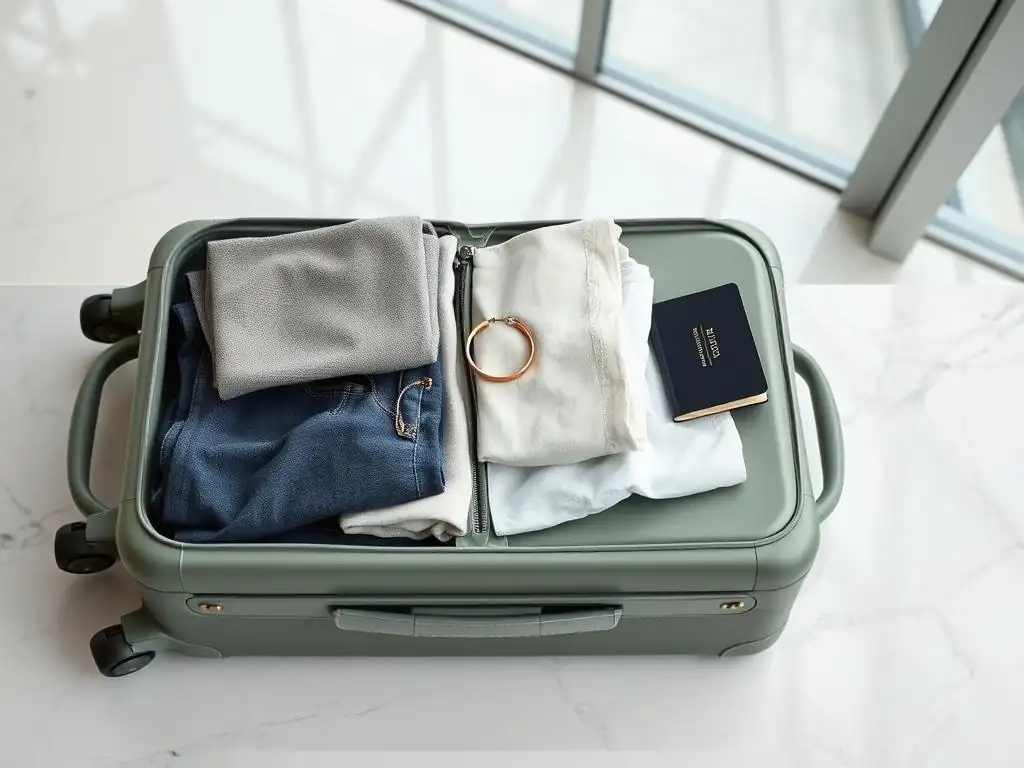
Ready to conquer travel chaos and arrive at your destination feeling refreshed and organized? At UltimateLifeHacks, we're dedicated to helping you streamline your life, and that includes mastering the art of efficient packing. Discover our Flight Packing Essentials Checklist, your ultimate guide to stress-free travel, packed with smart tips and tricks to ensure you have everything you need without the extra baggage. Let's unlock the secrets to effortless travel – read on to learn more!
- Flight Packing Essentials Checklist: The Ultimate Guide
- Mastering Efficient Packing for Flights: Space-Saving Techniques
- What to Pack for Different Flight Durations: Short vs. Long Haul
- Flight Packing Essentials Checklist: Comfort and Convenience Items
- Staying Hydrated During Your Flight: Essential Tips and Tricks
- Packing for Different Climate Conditions: Adapting to Your Destination
- Security Check Considerations: Streamlining the Process
- Post-Flight Essentials: Freshness and Comfort After Landing
- Beyond the Basics: Enhance Your Flight Experience
- Frequently Asked Questions
- Final Reflection: The Art of Effortless Travel
- Unlock Your Stress-Free Travel: Pack Smarter, Fly Happier
Flight Packing Essentials Checklist: The Ultimate Guide
Packing for a flight can be stressful, especially if you're juggling multiple tasks before heading to the airport. This comprehensive guide provides a detailed flight packing essentials checklist, focusing on maximizing comfort and convenience during your journey. We'll cover everything from pre-flight preparation to essential in-flight items, ensuring a smooth and stress-free travel experience.
This checklist is designed to help you pack efficiently, saving you valuable time and reducing the risk of forgetting crucial items. Mastering efficient packing is key to a relaxing and productive trip, and this guide will equip you with the knowledge and tools to do just that. Forget frantic last-minute searches – let's get organized and ready for takeoff!
Pre-Flight Packing Preparations: Avoiding Last-Minute Stress
Before you even begin filling your suitcase, proper preparation is key to stress-free packing. This involves several crucial steps that often get overlooked. Efficient pre-flight preparation significantly reduces the chances of forgetting essential items or rushing at the last minute.
Here's a breakdown of the essential pre-flight steps:
- Create a Packing List: Begin by making a comprehensive list of everything you need. Categorize items by clothing, toiletries, electronics, documents, and medications. This helps you stay organized and ensures you don't miss anything. Consider using a digital checklist app or a spreadsheet for easy access and modification.
- Check the Weather Forecast: Knowing the weather at your destination is crucial for packing appropriate clothing. Pack layers to adapt to changing temperatures and unexpected weather conditions.
- Confirm Airline Baggage Allowance: Familiarize yourself with your airline's baggage allowance and restrictions regarding size, weight, and carry-on limitations. This will prevent unexpected fees and hassles at the airport.
- Charge Your Devices: Ensure all your electronic devices, such as your phone, laptop, and tablet, are fully charged before you leave. Pack your chargers and any necessary adapters.
- Organize Your Documents: Gather all your travel documents, including your passport, boarding pass, visa (if required), travel insurance information, and any hotel confirmations. Consider storing these digitally as well, for easy access.
Essential Documents and Travel Information for Smooth Air Travel
Having your travel documents readily accessible is paramount for a smooth journey. Losing or misplacing these can lead to significant delays and complications. This section details the crucial documents and information you should carry, both physically and digitally.
Here's a detailed list:
| Document Type | Importance | Physical Copy? | Digital Copy? | Notes |
|---|---|---|---|---|
| Passport/ID Card | Essential for identification and international travel. | ✅ | ✅ | Ensure it's valid for your travel dates. |
| Boarding Pass | Required for boarding the aircraft. | ✅ | ✅ | Print a backup or screenshot it on your phone. |
| Visa (if applicable) | Required for entry into certain countries. | ✅ | ✅ | Check visa requirements well in advance. |
| Travel Insurance Details | Provides coverage for unexpected events during your trip. | ✅ | ✅ | Keep the policy number readily available. |
| Hotel/Accommodation Info | Confirmation of your booking and contact details. | ✅ | ✅ | Include address and phone number. |
| Flight Itinerary | Detailed information about your flight schedule. | ✅ | ✅ | Useful for reference and potential delays. |
| Emergency Contact List | Contact information for family, friends, or emergency services. | ✅ | ✅ | Include phone numbers and addresses. |
Remember to keep these documents secure and easily accessible throughout your journey. Consider using a travel wallet or a secure digital storage solution to protect them. A little organization goes a long way in ensuring a smooth and stress-free experience! ✈️
Packing Your Carry-On Bag: In-Flight Comfort and Essentials
Packing your carry-on bag strategically is crucial for a comfortable and stress-free flight. Think of it as your personal sanctuary for the duration of your journey. Prioritize items that will maximize your comfort and address potential needs during the flight. This includes items to keep you entertained, refreshed, and prepared for any unexpected situations. Remember, airline regulations regarding carry-on size and weight vary, so always check with your specific airline before packing.
Failing to do so could lead to delays and inconvenience at the gate. Careful planning and a well-organized carry-on bag are key to a smooth travel experience. Consider using packing cubes to maximize space and keep your belongings organized. A well-packed carry-on bag can be the difference between a pleasant journey and a stressful one.
Carry-On Essentials: Electronics and Entertainment
Your in-flight entertainment is key to a pleasant journey. Don't forget your noise-canceling headphones 🎧 to block out engine noise and crying babies. A fully charged portable power bank is essential for keeping your devices alive throughout the flight, especially important for long-haul trips. Load up your tablet or e-reader with books, movies, and podcasts to keep yourself occupied. Remember to download content beforehand, as in-flight Wi-Fi isn't always reliable.
A universal travel adapter is also a must-have if you're traveling internationally, ensuring you can charge your devices regardless of the outlet type. Consider bringing a small, lightweight Bluetooth speaker for listening to music or audiobooks privately, ensuring you won’t disturb fellow passengers. Finally, don't forget your charging cables! Losing or forgetting these can severely impact your in-flight entertainment.
Carry-On Essentials: Toiletries and Personal Care Items
Packing smart toiletries is vital for maintaining hygiene and comfort during your flight. Remember to adhere to TSA regulations regarding liquid limits (generally 3.4 oz or 100ml containers within a quart-sized bag). Include travel-sized essentials such as hand sanitizer, lip balm, moisturizer, and face wipes. These will help combat dry air and keep you feeling refreshed. A toothbrush and toothpaste are also crucial for maintaining good oral hygiene.
If you wear contact lenses, pack a small case with solution and any necessary cleaning supplies. Consider packing a small travel-sized deodorant to avoid feeling self-conscious. Lastly, a comfortable eye mask and earplugs can significantly improve your sleep quality on long flights. Remember to pack these items in a clear, resealable bag to streamline security checks.
Carry-On Essentials: Medications and First Aid Kit
Always pack essential medications in your carry-on bag, never in checked luggage. This is especially crucial for those with chronic conditions or allergies. Make sure to have enough medication to last the entire trip, plus a few extra days in case of delays. Keep your prescriptions in their original containers, clearly labeled. A small first-aid kit is also recommended, including band-aids, antiseptic wipes, pain relievers (like ibuprofen or acetaminophen), and any personal medications you might need.
Consider including motion sickness remedies if you are prone to airsickness. Remember to check with your doctor or pharmacist about any travel-related health precautions or necessary medications before your flight. Properly storing and organizing these items will ensure you're prepared for any unforeseen health issues during your journey. This proactive approach contributes significantly to a more comfortable and worry-free travel experience.
Mastering Efficient Packing for Flights: Space-Saving Techniques
This section focuses on maximizing space and minimizing weight when packing for flights, a crucial aspect of efficient travel and a key component of any successful "flight packing essentials checklist". We'll explore practical strategies to fit everything you need into your luggage without exceeding airline restrictions or struggling with heavy bags. Remember, efficient packing isn't just about fitting more in; it's about streamlining your travel experience and reducing stress.
Optimizing Space in Your Carry-On: Clothing and Accessories
Efficiently packing your carry-on bag is paramount for a smooth journey. The goal is to maximize space while ensuring easy access to essentials. Consider these space-saving techniques:
- Rolling vs. Folding: Rolling your clothes, particularly softer items like t-shirts and jeans, saves significant space compared to traditional folding. This method minimizes wrinkles and creates tighter bundles.
- Strategic Placement: Place heavier items at the bottom of your bag, distributing weight evenly. This prevents shifting during transit and keeps lighter items easily accessible.
- Utilizing Shoe Space: Stuff socks and underwear into your shoes to utilize otherwise wasted space. This also helps maintain the shape of your shoes and prevents them from getting squashed.
- Accessory Organization: Use small pouches or ziplock bags to organize jewelry, chargers, and other small accessories. This prevents tangling and makes it easier to locate items quickly.
- Compression Bags: Vacuum-sealed or compression bags can dramatically reduce the volume of bulky items like sweaters and jackets, freeing up valuable space. However, remember to leave some room for expansion in case of unexpected purchases during your trip.
Here's a sample breakdown of how you might optimize a typical carry-on:
| Item Category | Packing Method | Space-Saving Tips |
|---|---|---|
| Shirts & T-shirts | Rolling | Roll tightly; consider layering similar colors |
| Pants & Jeans | Rolling | Roll tightly; place heavier items at the bottom |
| Underwear & Socks | Rolling/Stuffing | Stuff into shoes; use small, ziplock bags |
| Jackets & Sweaters | Compression bag | Vacuum-seal or use compression cubes |
| Toiletries | Travel-size | Use TSA-approved containers; consolidate items |
| Electronics & Chargers | Pouches | Organize chargers & cables in labeled pouches |
Remember, a well-organized carry-on is a stress-free flight! Careful planning and strategic packing are key to achieving this.
Utilizing Packing Cubes for Efficient Organization
Packing cubes are game-changers for efficient packing. These lightweight, compressible bags allow you to organize your belongings into smaller, manageable units. Think of them as mini-drawers within your suitcase. The benefits extend beyond mere organization:
- Improved Space Utilization: Packing cubes compress your clothes, allowing you to fit more into your luggage. They also prevent items from shifting and becoming wrinkled.
- Enhanced Organization: Separate clothing items by category (shirts, pants, underwear) within individual cubes. This makes unpacking and finding specific items a breeze. Imagine easily locating your swimsuit without unpacking your entire suitcase!
- Easy Transfer: If you're traveling with multiple bags, packing cubes allow you to easily transfer items between luggage without unpacking everything. This is especially useful if you're checking a bag and carrying a smaller personal item.
- Protection: Packing cubes provide an extra layer of protection for your clothes, guarding against dirt and damage.
Choosing the right size and number of packing cubes depends on your individual needs and the size of your luggage. Consider a combination of sizes to accommodate different items and maximize space. Investing in a good set of packing cubes is a worthwhile investment for frequent travelers.
Packing Light: Choosing Versatile Clothing Items
Packing light is a crucial skill for efficient travel, contributing significantly to a streamlined "flight packing essentials checklist". It reduces weight, saves space, and makes navigating airports considerably easier. The key is to choose versatile clothing items that can be mixed and matched to create multiple outfits.
- Neutral Colors: Opt for neutral-colored clothing items (black, gray, navy, beige) that can be easily paired with each other. This reduces the number of clothes you need to pack while still offering a variety of outfit options.
- Layering: Pack layers instead of bulky items. A lightweight base layer, a mid-layer sweater, and a waterproof outer layer can be adapted to various weather conditions.
- Quick-Drying Fabrics: Choose quick-drying fabrics like merino wool or synthetic blends. These are ideal for travel as they dry quickly if they get wet, and they minimize wrinkles.
- Versatile Clothing Items: Consider items like a sarong, which can be used as a scarf, skirt, or beach cover-up. A lightweight shawl can provide warmth on a chilly plane or be used as a stylish accessory.
Remember, packing light isn't about sacrificing style or comfort; it's about making strategic choices to maximize your wardrobe's versatility. A little planning can go a long way in ensuring a stress-free and enjoyable trip.
What to Pack for Different Flight Durations: Short vs. Long Haul
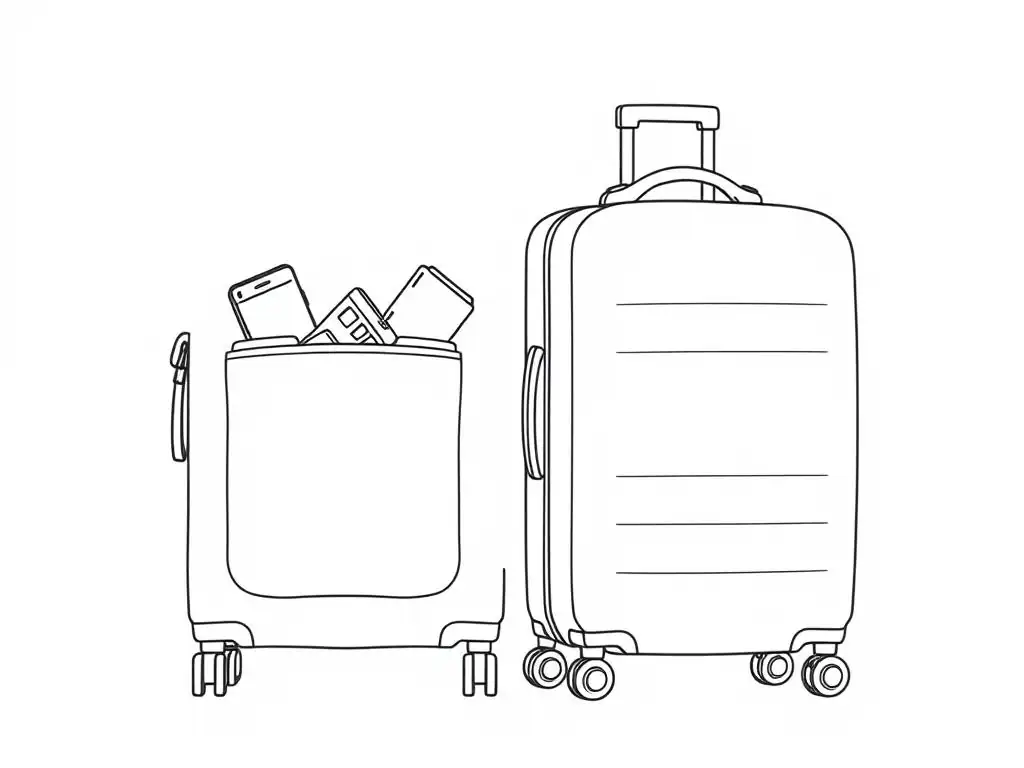
This section delves into the specifics of flight packing, tailoring your essentials checklist to the duration of your journey. Packing for a short hop is drastically different from preparing for a transcontinental flight. Understanding these differences is key to comfortable and efficient travel. We'll explore the nuances of packing for both short-haul and long-haul flights, ensuring you have everything you need without unnecessary baggage. Optimizing your packing list based on flight duration is a crucial element of mastering efficient packing, a skill that can save you valuable time and energy.
Essential Items for Short-Haul Flights (Under 6 Hours)
For flights under six hours, the focus should be on comfort and convenience, minimizing the bulk of your carry-on. You don't need extensive entertainment or multiple outfit changes. Here's a curated list of essentials:
- Personal care items: A small toiletry bag containing lip balm, hand lotion, and a face mist can make a big difference in combating dry cabin air. Consider individually packaged wipes for a quick refresh.
- Entertainment: Download a few podcasts or audiobooks to your phone or tablet. A good book can also provide hours of distraction. Remember to charge your devices fully before departure!
- Snacks: Pack a small, non-perishable snack like trail mix or granola bars to avoid overpriced airport food. Staying hydrated is also important; a reusable water bottle (empty until after security) is a great addition.
- Documents and essentials: Your passport, boarding pass (digital or printed), and any necessary travel documents should be readily accessible. A small, lightweight wallet containing essential cards is sufficient.
- Comfort items: A neck pillow can significantly improve comfort, especially if you're prone to neck pain. A lightweight scarf or shawl can also provide warmth if the cabin is chilly.
Remember, less is more for short flights. Overpacking will only add to your discomfort and inconvenience. Prioritize items that enhance your comfort and well-being during the flight. This streamlined approach to packing ensures you're prepared without feeling burdened.
Must-Have Items for Long-Haul Flights (Over 6 Hours)
Long-haul flights require a more comprehensive approach to packing. Comfort, entertainment, and hygiene become even more critical during extended periods of travel. Here's what to include in your carry-on:
- Comprehensive toiletries: A larger toiletry bag is necessary, including items like toothbrush, toothpaste, deodorant, and any necessary medication. Consider including a travel-sized dry shampoo for refreshing your hair without a shower.
- Extensive entertainment: Download several movies, TV shows, or audiobooks to keep yourself occupied throughout the flight. A noise-canceling headset is highly recommended for minimizing distractions and promoting relaxation.
- Comfortable clothing: Pack layers to adjust to fluctuating cabin temperatures. Comfortable, loose-fitting clothing will prevent discomfort during long periods of sitting. Consider bringing a pair of comfortable socks and slippers.
- Snacks and hydration: A larger selection of snacks is needed for longer flights. Pack a variety of options to prevent hunger pangs and maintain energy levels. A reusable water bottle is essential for staying properly hydrated throughout the journey.
- Comfort and wellness: A neck pillow and eye mask are invaluable for promoting sleep and relaxation. Consider bringing earplugs to block out noise. A small travel-sized hand sanitizer is also recommended.
This checklist provides a solid foundation for packing for long-haul flights. Remember to consider any personal needs or preferences, and adjust accordingly. Efficient packing for long flights significantly contributes to a more pleasant and less stressful travel experience. Proper planning minimizes discomfort and maximizes your comfort, making the journey more enjoyable. This meticulous approach to your flight packing essentials checklist ensures a smoother and more comfortable flight, regardless of duration.
Flight Packing Essentials Checklist: Comfort and Convenience Items
This section focuses on the often-overlooked yet crucial elements for a comfortable and stress-free flight journey. We'll explore items that transform a potentially arduous experience into a relaxing and even enjoyable one. Remember, prioritizing comfort directly impacts your arrival experience, allowing you to be refreshed and ready for your destination. This isn't just about packing light; it's about packing smart for optimal comfort. Let's dive into the specifics of creating your ultimate flight packing essentials checklist.
Noise-Cancelling Headphones: A Must-Have for Peace and Quiet
The cacophony of airplane engines, crying babies, and chattering passengers can significantly impact your flight experience. Investing in a good pair of noise-cancelling headphones is an investment in your peace of mind. These aren't just about blocking out sound; they create a personal sanctuary, allowing you to focus on work, relaxation, or simply enjoying your in-flight entertainment without the constant distractions. Consider the following factors when choosing your headphones:
- Noise Cancellation Technology: Look for headphones with active noise cancellation (ANC) technology, which actively reduces ambient noise. The quality of ANC varies significantly between brands and models.
- Comfort: Long flights necessitate comfortable headphones. Consider the earcup material, headband design, and overall weight. Over-ear headphones generally offer better noise cancellation and comfort than in-ear options for extended use.
- Battery Life: Ensure the headphones have sufficient battery life for your entire flight, plus some buffer. Some models offer wired connectivity as a backup.
- Portability: Consider the size and weight of the headphones, especially if you're already packing light. A compact carrying case is a plus.
A high-quality pair of noise-cancelling headphones is a game-changer for long-haul flights, significantly improving your comfort and reducing stress. They represent a worthwhile investment for frequent flyers. Think of it as an insurance policy against a frustrating flight experience.
Travel Pillow: Ensuring a Comfortable Flight
A travel pillow is another essential item for enhancing flight comfort, particularly on longer journeys. A supportive pillow can make a world of difference in preventing neck pain and ensuring a more restful sleep. The market offers a wide variety of travel pillows, each with its own unique design and features. Choosing the right one depends on your personal preferences and sleeping style.
- U-shaped Pillows: These are the most common type, providing support for your neck and head. They are excellent for keeping your head from lolling around while you sleep.
- Neck Pillows: These are designed to support the neck and shoulders, often offering better support than a standard U-shaped pillow.
- Inflatable Pillows: These are compact and lightweight, ideal for travelers who prioritize packing light. However, they might not offer the same level of support as other options.
Remember to consider the material. Memory foam pillows often provide superior comfort and support, but they are usually bulkier and heavier than inflatable alternatives. Consider carefully what level of comfort and portability best suits your needs. A comfortable travel pillow contributes significantly to a more restful and pleasant journey. Don't underestimate its value!
Eye Mask and Earplugs: Blocking Out Light and Noise
Even with noise-cancelling headphones, ambient light and residual noise can disrupt sleep and relaxation. An eye mask effectively blocks out light, creating a darker environment conducive to sleep, while earplugs provide an additional layer of noise reduction. A simple eye mask and earplugs are inexpensive yet incredibly effective additions to your comfort kit.
- Eye Mask Considerations: Choose a soft, comfortable mask that doesn't put pressure on your eyes. Materials like silk or breathable fabrics are generally preferred for comfort.
- Earplug Considerations: Foam earplugs are readily available and effective, but consider silicone or other materials if you find foam uncomfortable.
These seemingly small items can dramatically enhance your sleep quality and overall comfort during your flight. They are lightweight and easily packable, making them an indispensable addition to your flight packing essentials checklist. Think of them as your personal sleep sanctuary enhancers – affordable and highly effective. 😴
Staying Hydrated During Your Flight: Essential Tips and Tricks
Staying hydrated is crucial for a comfortable and enjoyable flight, especially on longer journeys. Dehydration can lead to fatigue, headaches, and even worsen jet lag. This section focuses on practical strategies to ensure you remain well-hydrated throughout your air travel, significantly improving your overall flight experience. Proper hydration is a key component of any successful "Flight packing essentials checklist".
Bringing Your Own Water Bottle: Refillable Options for Hydration
Bringing a reusable water bottle is a smart addition to your flight packing essentials. Airport security regulations often require emptying bottles before going through security checkpoints; however, once you're past security, you can easily refill it at water fountains located throughout the terminal. Look for lightweight, leak-proof bottles made from durable materials like BPA-free plastic or stainless steel. Consider a bottle with a wide mouth for easy filling and cleaning.
Some bottles even come with built-in filters, allowing you to fill up with tap water and enjoy purified hydration on the go. This is a significantly more cost-effective and environmentally friendly approach than continuously purchasing bottled water throughout your travels. Remember, this simple act contributes directly to your overall comfort and well-being, enhancing your flight experience and making your "Flight packing essentials checklist" even more effective.
Choosing the right reusable bottle can make a significant difference. For example, a 17-ounce stainless steel bottle provides ample hydration for a typical flight, while its durability ensures it can withstand the rigors of travel. Alternatively, a squeeze bottle might be a better option for those with limited carry-on space. Consider factors like size, weight, and ease of cleaning when making your selection. Prioritize bottles that are easy to clean thoroughly to prevent the growth of bacteria.
Staying Hydrated During the Flight: Choosing the Right Beverages
While bringing your own water bottle is highly recommended, you also need to consider what other beverages you'll consume during your flight. Avoid excessive caffeine and alcohol, as these can dehydrate you further. Opt for water, diluted fruit juices, or electrolyte drinks to maintain optimal hydration levels. Many airlines offer complimentary water, but it's often served in small cups.
To avoid frequent requests, having your own refillable bottle ensures consistent hydration. Electrolyte drinks, particularly those with low sugar content, are beneficial for replacing lost electrolytes during air travel, especially on longer flights. These are often overlooked in typical "Flight packing essentials checklist" but can make a significant difference to your well-being.
Remember, planning ahead and implementing these simple hydration strategies can significantly enhance your flight experience. By proactively addressing hydration needs, you'll arrive at your destination feeling refreshed and ready to enjoy your trip. This proactive approach will significantly improve your overall travel comfort, making your journey smoother and more enjoyable.
Packing for Different Climate Conditions: Adapting to Your Destination
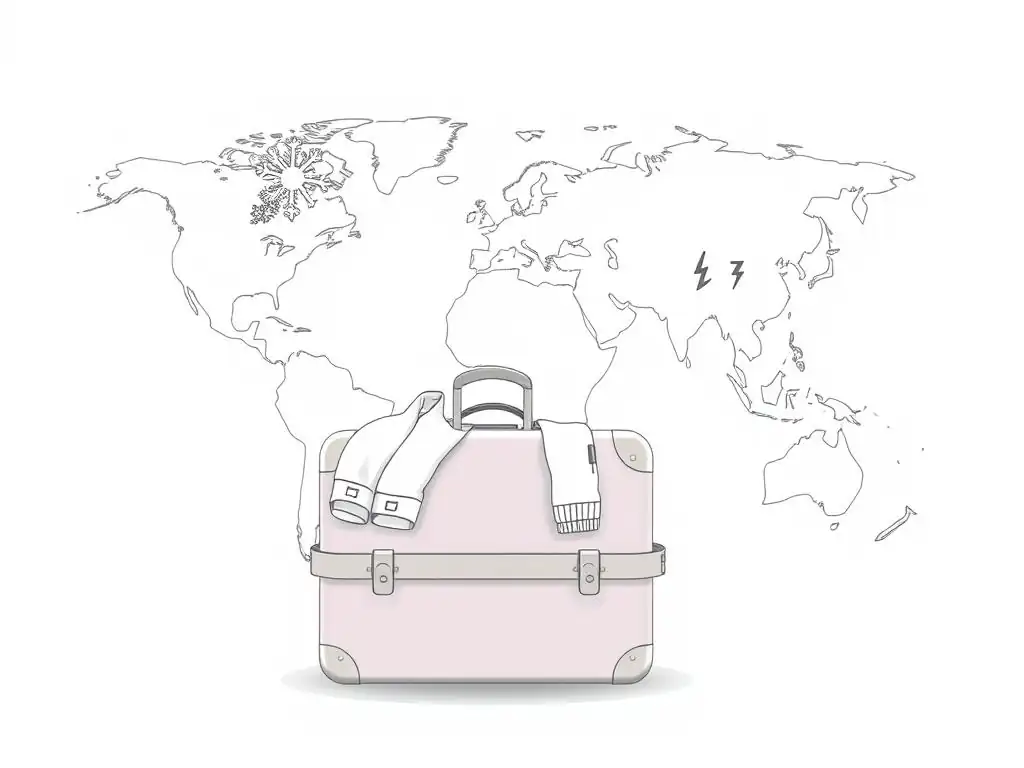
Packing for a flight requires careful consideration of your destination's climate. Failing to adapt your packing list to the weather conditions can significantly impact your comfort and enjoyment of your trip. A well-planned packing strategy, incorporating the principles of a flight packing essentials checklist, ensures you're prepared for any eventuality. This section focuses on adjusting your packing strategy based on the temperature you'll encounter.
Packing for Warm Weather Destinations: Lightweight Clothing and Essentials
Warm weather destinations call for lightweight, breathable clothing. The key is to pack versatile items that can be mixed and matched to create multiple outfits. Think about fabrics like linen, cotton, and moisture-wicking materials. Here's a detailed breakdown:
- Clothing: Pack 2-3 pairs of lightweight shorts or skirts, 3-4 breathable t-shirts, 1-2 lightweight long-sleeved shirts (for sun protection or cooler evenings), and a light sundress or casual pants.
- Footwear: Sandals or flip-flops are ideal for everyday wear, but consider packing a pair of lightweight walking shoes for exploring.
- Accessories: A wide-brimmed hat, sunglasses, and a scarf are essential for sun protection. Don't forget sunscreen with a high SPF (at least 30) and after-sun lotion. A reusable water bottle is crucial for staying hydrated.
- Toiletries: Pack travel-sized versions of your essential toiletries, including sunscreen, insect repellent (if needed), and any necessary medications. Remember to check airline regulations regarding liquid restrictions.
- Other Essentials: A lightweight, foldable backpack is useful for day trips. Consider a portable charger for your electronic devices.
Remember to prioritize items that are quick-drying, especially if you plan on engaging in water activities. This minimizes the chances of carrying around damp clothes. A simple, efficient strategy, as per a comprehensive flight packing essentials checklist, will help you maintain a lighter, more manageable luggage.
Packing for Cold Weather Destinations: Layering and Warm Clothing
Packing for cold weather requires a different approach. Layering is key to staying warm and comfortable in fluctuating temperatures. Choose warm, insulating clothing that can be easily added or removed as needed.
- Base Layers: Thermal underwear made from merino wool or synthetic materials provides excellent insulation and moisture-wicking properties.
- Mid-Layers: Fleece jackets or sweaters provide additional warmth and can be easily layered over base layers.
- Outer Layers: A waterproof and windproof jacket is essential for protection against the elements. Consider a down jacket or parka for extreme cold.
- Footwear: Pack warm, waterproof boots with good traction. Consider wool socks to keep your feet warm and dry.
- Accessories: A warm hat, gloves, and scarf are crucial for protecting exposed skin. Consider packing hand and foot warmers for extra warmth.
- Other Essentials: A travel umbrella or poncho is essential for protection against rain or snow. Consider packing a small, lightweight blanket for added warmth on the plane or in your accommodation.
When packing for cold weather, remember that bulkier items will take up more space in your luggage. A well-structured flight packing essentials checklist that prioritizes layering will help you pack efficiently and effectively, maximizing warmth while minimizing space. Prioritizing versatile, easily layered items is paramount for efficient cold-weather packing.
Security Check Considerations: Streamlining the Process
Efficient packing isn't just about fitting everything into your luggage; it's also about navigating airport security swiftly and smoothly. A well-organized bag can significantly reduce stress and potential delays. This section focuses on optimizing your packing strategy to minimize your time at the security checkpoint. The key is anticipating the security procedures and preparing accordingly. Think of it as a preemptive strike against potential hold-ups.
What to Pack in Your Carry-On vs. Checked Baggage
The most impactful decision you'll make regarding airport security is deciding what goes where. Items that could trigger additional screening should always be in your carry-on for easy access. This minimizes the need for unpacking and repacking your checked luggage, saving you valuable time.
Consider this breakdown:
| Item Category | Carry-On | Checked Baggage | Rationale |
|---|---|---|---|
| Electronics | Laptops, tablets, phones | External hard drives, chargers (if not essential in-flight) | Easy access for security screening; avoids potential damage in checked bags. |
| Liquids & Gels | TSA-approved containers (3.4 oz or less) | Larger bottles, toiletries | TSA regulations require smaller containers in carry-ons; larger items are safer in checked bags. |
| Medication | Essential medications | Non-essential medications | Keep important medications readily available. |
| Valuables | Jewelry, important documents | Less valuable items | Protects against loss or theft. |
| Sharp Objects | (Generally prohibited) | Knives, scissors, etc. | These are usually prohibited in carry-ons. |
| Important Documents | Passport, boarding pass, ID | Back-up copies | Easy access for quick verification. |
Remember, the 3-1-1 rule for liquids applies: 3.4-ounce bottles or less, all placed in a single, quart-sized, clear plastic bag. Failing to follow this rule can result in significant delays. Also, consider removing electronics from their cases for faster scanning.
Prohibited Items: Avoiding Delays and Complications
Understanding what's prohibited is crucial for a seamless security experience. Packing prohibited items can lead to confiscation, delays, and even potential legal consequences. This isn't just about inconvenience; it's about safety and compliance.
Here's a quick overview of common prohibited items:
- Dangerous goods: Explosives, flammable materials, and other hazardous substances are strictly forbidden. This includes things you might not immediately think of as dangerous, so always check the TSA website for the most up-to-date list.
- Weapons: Firearms, knives (with certain exceptions), and other weapons are generally prohibited, unless properly declared and transported in accordance with strict regulations.
- Certain tools: Items like large tools (hammers, screwdrivers) often fall under prohibited items.
- Oversized liquids: Liquids exceeding the 3.4-ounce limit in your carry-on baggage will be confiscated.
Before you pack, thoroughly review the TSA's website for the most current list of prohibited items. The regulations can change, so staying informed is paramount. A little extra preparation can prevent significant stress and delays at the airport. Packing with the "Flight packing essentials checklist" in mind will significantly contribute to a smoother journey. ✈️
Post-Flight Essentials: Freshness and Comfort After Landing
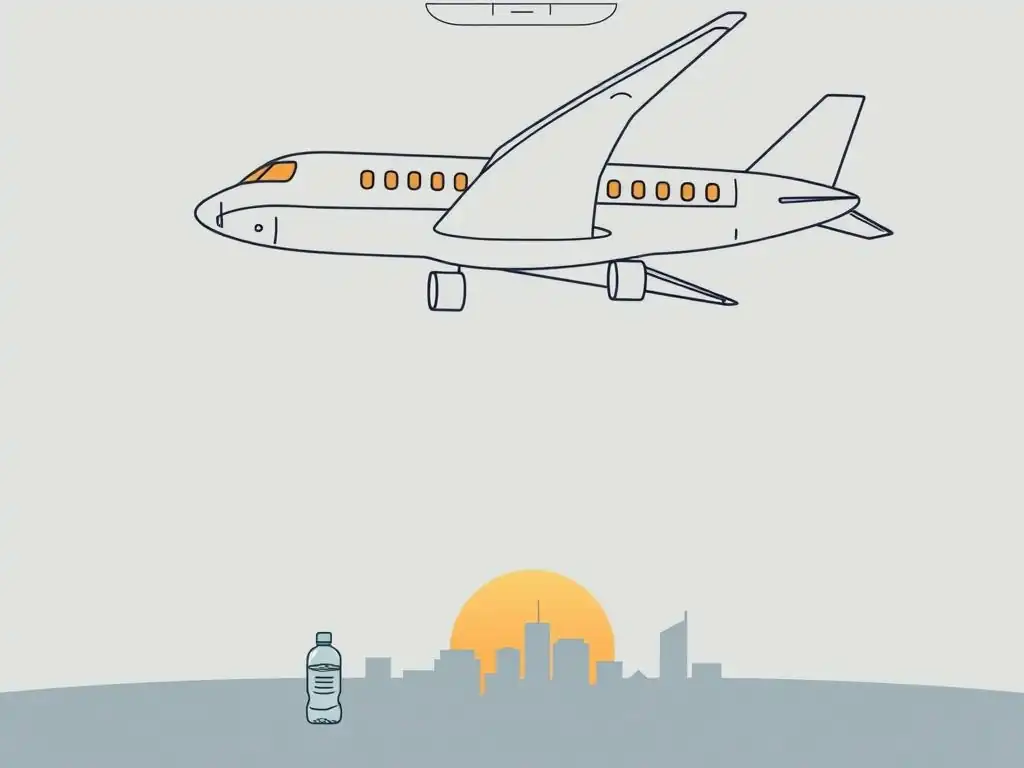
Long flights can leave you feeling dehydrated, disheveled, and generally less-than-optimal. Packing a few strategically chosen items can significantly improve your post-flight experience, allowing you to transition smoothly from the airplane to your destination feeling refreshed and ready to tackle your trip. This section focuses on maximizing comfort and minimizing the impact of travel fatigue, ensuring you're ready to enjoy your arrival. A well-planned "flight packing essentials checklist" should definitely include these items.
Refreshing Essentials for a Comfortable Arrival
Arriving at your destination feeling refreshed is key to enjoying your trip. Consider these essentials for a revitalizing experience:
- Hydration is paramount: Airplane air is notoriously dry. Pack a large, reusable water bottle (empty to pass security) to refill immediately upon arrival. Consider electrolyte tablets or powder to replenish lost salts and minerals. Dehydration contributes significantly to fatigue, so combatting it proactively is crucial.
- Comfort is key: Think beyond basic toiletries. A small travel-sized hand lotion can combat dry skin caused by the recycled air. A hydrating face mist can offer a quick pick-me-up. Lip balm with SPF is essential, especially if you're headed to a sunny climate.
- Clothing for comfort: While your main outfit is important, consider packing a comfortable change of clothes in your carry-on. This could be a fresh t-shirt, lightweight pants or a comfortable pair of socks and underwear. This small addition can make a huge difference in how you feel after a long flight.
Quick-Refresh Essentials for Post-Flight Cleanliness
After hours confined in an airplane, a quick refresh can make a world of difference. These items will help you feel clean and confident after landing:
- Travel-sized toiletries: Essential items such as a toothbrush, toothpaste, deodorant, and facial wipes are vital for a quick freshen-up. Opt for TSA-approved sizes to avoid issues at security. A small, solid bar of soap is also a space-saving and effective option.
- Hand sanitizer: Airplanes are breeding grounds for germs. Keep your hands clean with a travel-sized hand sanitizer, especially after touching surfaces during your flight. This is a crucial part of your "flight packing essentials checklist" for hygiene.
- Dry shampoo: If you have long hair, dry shampoo can be a lifesaver. It allows you to quickly refresh your hair without the need for a shower, saving you valuable time and energy upon arrival.
Remember, prioritizing comfort and cleanliness in your flight packing essentials checklist will significantly enhance your post-flight experience. These seemingly small additions can transform a potentially tiring arrival into a smooth and enjoyable transition to your destination. Careful planning ensures a more positive start to your trip.
Beyond the Basics: Enhance Your Flight Experience
This section delves into those often-overlooked items that can significantly elevate your in-flight comfort and overall travel experience. While a basic packing list covers necessities, these additions transform a potentially stressful journey into a more pleasant one. We'll focus on enhancing your comfort and keeping you entertained, ensuring your "flight packing essentials checklist" is truly complete.
Travel Snacks: Healthy and Convenient Options
Let's face it, airplane food isn't always the healthiest or most appealing. Packing your own snacks provides control over your diet and prevents those mid-flight hunger pangs. Consider these options for your flight packing essentials checklist:
- Fruits and Vegetables: Apples, bananas, and baby carrots are easy to pack and require no refrigeration. Their natural sugars provide sustained energy.
- Trail Mix: A customizable blend of nuts, seeds, and dried fruit offers a good balance of protein, healthy fats, and carbohydrates. Be mindful of airport regulations regarding liquids; pre-packaged trail mix is your best bet.
- Energy Bars: Choose bars with minimal added sugar and a good source of protein and fiber. These are great for a quick energy boost.
- Crackers and Cheese: A simple, satisfying combination that's easy to pack and eat. Opt for individually wrapped cheese slices to maintain freshness.
Remember to check airport security regulations regarding liquids before packing. Pre-packaged items are generally easier to navigate through security checkpoints. Planning your snacks in advance ensures you're prepared for any dietary needs and avoids relying on potentially overpriced and less-than-healthy airport options. This is a crucial aspect of your "flight packing essentials checklist" for a comfortable journey.
Entertainment and Reading Material: Keeping Busy During the Flight
Long flights can feel monotonous without proper entertainment. Prepare for your journey by including these items on your "flight packing essentials checklist":
- eReader or Tablet: Loaded with books, podcasts, and movies, an eReader or tablet provides hours of entertainment without the bulk of physical books. Consider downloading content beforehand to avoid relying on in-flight Wi-Fi.
- Books: If you prefer the feel of a physical book, choose a lightweight paperback or a smaller hardcover. A captivating novel can make the time fly by.
- Noise-Cancelling Headphones: Essential for blocking out engine noise and other distractions, allowing for focused reading or undisturbed movie watching. This is a truly invaluable addition to your flight packing essentials checklist.
- Journal and Pen: For those inclined to reflect or jot down thoughts, a small journal and pen can be a welcome companion during downtime.
Variety is key. Packing a mix of entertainment options ensures you won't be bored even if you finish one book or movie early. Don't underestimate the power of a good book or engaging podcast to make a long flight pass quickly and pleasantly. This contributes significantly to a successful and stress-free trip, making it a must-have item for your "flight packing essentials checklist".
Frequently Asked Questions
What are the absolute essentials I need to pack for a flight?
The absolute essentials include your identification and travel documents (passport, boarding pass), essential medications, a change of clothes, and valuables like your phone and wallet. Remember to pack these items in your carry-on.
What should I pack in my carry-on bag for a flight?
Your carry-on should contain your electronics, important documents, valuables, medication, and a change of clothes in case of checked baggage delays. Also include any comfort items like a neck pillow or eye mask.
How can I save space when packing for a flight?
To save space, roll your clothes instead of folding them, use packing cubes to organize your belongings, and choose versatile clothing items that can be mixed and matched. Avoid overpacking!
What are some overlooked items often forgotten when packing for a flight?
Often overlooked items include a portable charger for your electronics, earplugs or noise-canceling headphones, hand sanitizer, and lip balm. These small items can greatly improve your comfort during the flight.
What are the best tips for packing liquids for a flight?
For liquids, ensure they are in TSA-approved containers (3.4 oz or less) and placed in a clear, quart-sized, resealable bag. Check the TSA website for the most up-to-date regulations on allowed liquids.
Final Reflection: The Art of Effortless Travel
The meticulous preparation of a packing list, often overlooked, is the cornerstone of a truly enjoyable flight. A well-packed bag isn't just about having the right items; it's about minimizing stress and maximizing comfort, transforming a potentially tedious journey into a smoother, more pleasant experience. This directly impacts the overall quality of your trip, setting the tone for adventure or relaxation from the moment you board.
The impact of thoughtful packing extends beyond personal comfort; it reflects a broader cultural shift towards prioritizing well-being and efficiency. We live in a fast-paced world where time is precious, and the ability to streamline even mundane tasks like packing can significantly improve our overall quality of life. Travel is fatal to prejudice, bigotry, and narrow-mindedness,
wrote Mark Twain, and a well-prepared journey certainly contributes to a more open and receptive mindset. This simple act of planning can contribute to a more positive and less stressful travel experience, allowing us to fully embrace the destination and its offerings.
Now, consider your own travel style. What are your essential comfort items? What small adjustments can you make to your packing routine to enhance your next flight? Take a moment to reflect on the power of preparation, not just for travel, but for all aspects of life. Embrace the art of mindful packing—it's an investment in your peace of mind and a key to unlocking a more fulfilling journey, wherever your travels may take you.
Unlock Your Stress-Free Travel: Pack Smarter, Fly Happier
Thank you for learning how to pack like a pro! You're now ready to make your next flight significantly more comfortable and convenient. Ready to put your new skills to the test?
- Master your packing list: Download our free printable packing checklist [link to download page] and customize it for your next trip. This will help you avoid forgetting essential items.
- Share your best packing tip: What's your secret to stress-free travel? Share your advice with the Ultimate Life Hacks community in the comments below!
- Explore our other travel guides: Discover more valuable tips and tricks to make your travels even smoother and more enjoyable.
What clever packing trick will you try on your next flight?