
The Ultimate Guide to Packing for a Boat Trip

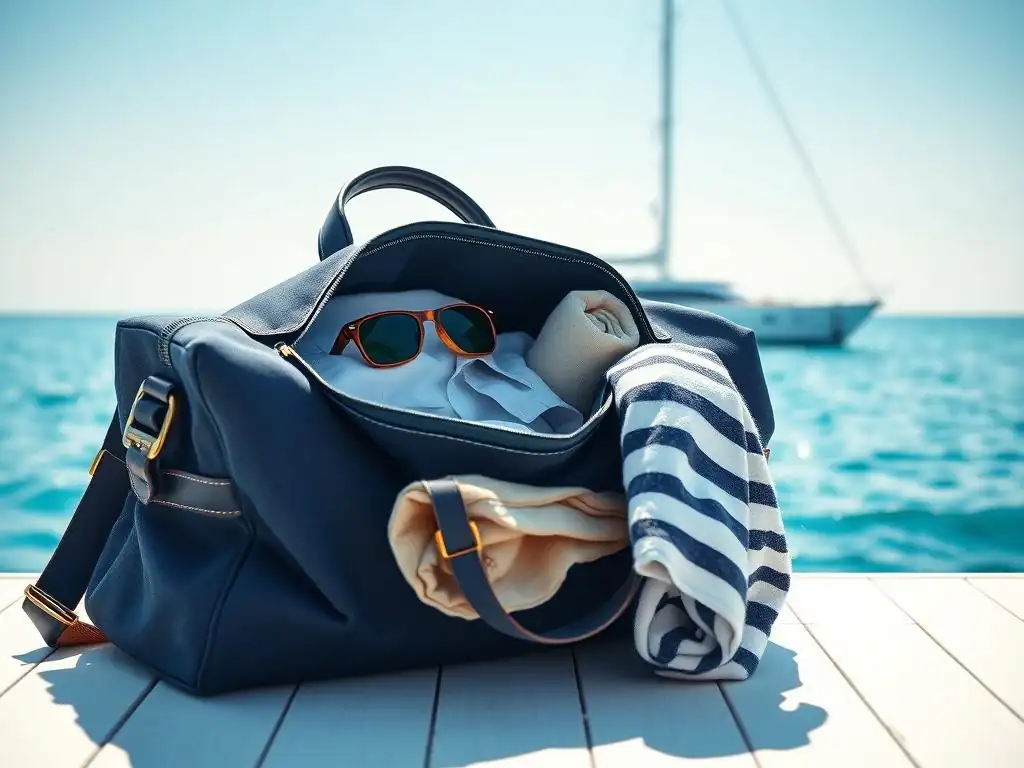
Ready to conquer the open waters with effortless efficiency? At UltimateLifeHacks, we're dedicated to streamlining your life, one hack at a time. This week, we dive into the often-overlooked art of packing for a boat trip. Forget frantic last-minute scrambles – our essential boat trip packing list will ensure a smooth sailing adventure, from start to finish. Discover the secrets to perfectly curated luggage and leave the packing stress ashore. Let's get started!
- Boat Trip Packing List Essentials: Clothing for All Conditions
- Boat Trip Packing List Essentials: Toiletries and Personal Items
- Boat Trip Packing List Essentials: Documents and Important Papers
- Boat Trip Packing List Essentials: Electronics and Entertainment
- Boat Trip Packing List Essentials: Gear and Equipment
- Boat Trip Packing List Essentials: Food and Drinks
- Optimizing Your Boat Trip Packing List: Tips and Tricks for Efficient Packing
-
Creating the Perfect Boat Trip Packing List: A Step-by-Step Guide
- Step 1: Assess the Trip's Duration and Weather Conditions
- Step 2: Choose the Right Luggage: Suitcases, Backpacks, or Duffel Bags
- Step 3: Create a Detailed Packing List: Categorize Items for Easy Packing
- Step 4: Pack Strategically: Prioritize Essential Items and Organize Your Luggage
- Step 5: Double-Check Your Packing List: Ensure You Have Everything You Need
- Beyond the Basics: Additional Items to Consider for Specific Boat Trips
- Frequently Asked Questions
- Final Reflection: Charting Your Course: Beyond the Packing List
- Unleash Your Inner Sailor: Plan Your Perfect Boat Trip!
Boat Trip Packing List Essentials: Clothing for All Conditions
Embarking on a boat trip promises adventure, relaxation, and breathtaking views. However, the enjoyment of your journey hinges significantly on proper preparation, and that starts with packing strategically. This comprehensive guide provides a meticulously crafted boat trip packing list, focusing on essential clothing items to ensure comfort and preparedness regardless of the weather. We’ll cover everything from sun-drenched days to unexpectedly chilly evenings, guaranteeing you're ready for any scenario your nautical escapade throws your way.
Mastering efficient packing for a boat trip isn't just about fitting everything into your bag; it's about optimizing your experience and minimizing any potential discomfort. This guide focuses on the key clothing essentials to make your journey smoother and more enjoyable, helping you rank high on your search for "Boat trip packing list essentials". Let's dive into the details!
Packing for Sun and Warm Weather: Boat Trip Clothing Essentials
☀️ The sun's rays can be intense on the water, so sun protection is paramount. Pack lightweight, breathable clothing in light colors to reflect the sun's heat. Consider these essentials:
- Lightweight shirts: Opt for quick-drying, moisture-wicking fabrics like polyester or merino wool. Pack at least three to four shirts, allowing for changes throughout the day.
- Shorts or skirts: Choose comfortable, quick-drying options. Consider a pair of longer shorts or a skirt for added sun protection.
- Swimsuit: Pack at least two swimsuits to allow one to dry while you use the other.
- Sun hat: A wide-brimmed hat offers superior protection for your face and neck.
- Sunglasses: Essential for protecting your eyes from the glare. Choose polarized sunglasses for optimal vision on the water.
- Sandals or flip-flops: Comfortable footwear for relaxing on deck.
Remember to pack enough clothing for the duration of your trip, accounting for potential spills or unexpected swims! Don't forget to apply sunscreen liberally and frequently, even on cloudy days. The reflection of the sun off the water can be surprisingly intense.
Layering for Cooler Evenings and Unexpected Changes in Weather
Even on a sunny boat trip, evenings can get surprisingly cool, especially out on the open water. Being prepared for fluctuating temperatures is crucial for your comfort. Effective layering is key:
- Lightweight fleece jacket or sweater: Provides an extra layer of warmth as the temperature drops.
- Long-sleeved shirt: Offers additional sun protection and warmth during cooler periods.
- Lightweight waterproof jacket: A versatile layer that protects against unexpected rain or wind.
Consider the time of year and the expected weather conditions when selecting your layers. A thin, packable down jacket can provide surprising warmth without taking up much space. Remember that wind chill can significantly increase the perceived coldness, so layering is your best defense against unexpected temperature drops.
Essential Rain Gear for Unexpected Showers
🌊 The weather on the water can change rapidly. Unexpected showers are a possibility, no matter the forecast. Being prepared for rain is crucial for a comfortable and enjoyable trip.
- Waterproof jacket and pants: A high-quality waterproof and windproof set is a must-have. Look for breathable fabrics to prevent overheating.
- Waterproof bag: Protect your electronics and other valuable items from the rain.
Don't underestimate the importance of rain gear. Getting soaked can ruin your day, and being unprepared can lead to discomfort and potential illness. Investing in good quality waterproof gear is a worthwhile investment for any boat trip. Choosing lightweight, packable options will save space in your luggage without compromising on protection.
Protecting Your Skin: Sunscreen, Hats, and Sunglasses
Sun exposure on a boat trip is significantly higher than on land due to the reflective surfaces of the water. This means protecting your skin is paramount, regardless of the weather. Don't underestimate the power of the sun's rays, even on cloudy days; UV radiation can penetrate cloud cover. A comprehensive sun protection strategy is essential for a comfortable and safe boating experience.
This includes applying a broad-spectrum, high SPF sunscreen (at least SPF 30) liberally and frequently, especially after swimming or sweating. Reapplication every two hours, or more often if swimming or perspiring heavily, is crucial. Choose a water-resistant formula to ensure continued protection even after taking a dip. Remember to apply sunscreen to often-missed areas like the ears, back of the neck, and tops of the feet. Consider a sunscreen stick for easy application in tricky spots.
Beyond sunscreen, a wide-brimmed hat is a must-have. It provides crucial shade for your face, neck, and ears, significantly reducing sun exposure. Choose a hat made of a lightweight, breathable material like cotton or linen to stay comfortable in warmer weather. A hat with a chin strap is especially important on boats, preventing it from blowing away in windy conditions.
Finally, sunglasses are not just a fashion accessory; they're essential for eye protection. Opt for sunglasses that offer 100% UV protection to shield your eyes from harmful ultraviolet rays. Polarized lenses are also highly recommended, as they reduce glare from the water, improving visibility and reducing eye strain. Consider a pair with a sturdy frame to withstand potential bumps and drops. Investing in quality sunglasses is an investment in your eye health and overall comfort during your boat trip. Remember, neglecting sun protection can lead to sunburn, premature aging, and even more serious health consequences, so pack accordingly!
Boat Trip Packing List Essentials: Toiletries and Personal Items
Packing toiletries and personal items for a boat trip requires careful consideration of space constraints and potential environmental factors. You need to prioritize essentials while minimizing bulk. Remember, less is more when it comes to boat packing! This section focuses on creating a streamlined yet effective packing list for your personal care needs, ensuring you're prepared for anything the open water throws your way. This list will help you master efficient packing for your next boating adventure, addressing all your "boat trip packing list essentials".
Seasickness Remedies: Prevention and Treatment
Seasickness can significantly impact your enjoyment of a boat trip. Preparation is key. Don't just rely on hoping for the best; proactively address potential nausea. Before you even set sail, consider over-the-counter remedies like Dramamine or Bonine. These are effective antihistamines that prevent motion sickness. Take them before you feel any symptoms, as directed on the packaging. Remember to check with your doctor before taking any medication, especially if you have pre-existing conditions.
Beyond medication, preventative measures are crucial. Choose a spot on the boat with the least motion, often lower and central. Focus on the horizon, and avoid reading or looking at your phone. Ginger is a natural remedy known to help alleviate nausea; consider packing ginger candies or ginger ale. Fresh air can also be beneficial, but avoid strong smells or crowded areas. If symptoms persist despite preventative measures, stronger prescription medication might be necessary, so consult your physician beforehand to discuss options. Packing a variety of remedies ensures you have options to combat seasickness effectively.
Essential First-Aid Kit for Minor Injuries at Sea
Accidents happen, especially on a boat. A well-stocked first-aid kit is non-negotiable for any boat trip, regardless of duration. This isn't just about minor cuts and scrapes; it's about being prepared for a range of potential mishaps. Your kit should include:
- Wound care: Antiseptic wipes, bandages of various sizes, gauze pads, medical tape, antibiotic ointment.
- Pain relief: Pain relievers like ibuprofen or acetaminophen.
- Allergy medication: Antihistamines for allergic reactions (e.g., bee stings).
- Motion sickness remedies: As discussed above, including both preventative and treatment options.
- Burn treatment: Burn cream or gel.
- Diarrhea/upset stomach medication: Loperamide or Pepto-Bismol.
- Tweezers and scissors: For removing splinters or cutting bandages.
- Instant cold packs: For sprains or minor injuries.
Remember to check expiration dates before your trip and replace any outdated items. Consider adding a waterproof case for extra protection from the elements. A comprehensive first-aid kit is a crucial element of your "boat trip packing list essentials" and will provide peace of mind throughout your journey.
Sun Protection: High SPF Sunscreen and Lip Balm
The sun's rays are amplified on water, making sun protection paramount. Prolonged exposure without proper shielding can lead to severe sunburn and other sun-related health issues. Pack a high SPF (at least 30) broad-spectrum sunscreen, ensuring it's water-resistant. Reapply every two hours, or more frequently if swimming or sweating. Don't forget your lips!
Use a lip balm with SPF to protect them from the sun's damaging UV rays. A wide-brimmed hat and sunglasses are also essential additions to your sun protection arsenal. Consider packing a rash guard or other protective clothing for extended sun exposure. Prioritizing sun protection is a critical aspect of responsible boating and contributes significantly to a safe and enjoyable trip. This is a vital inclusion in your "boat trip packing list essentials" for a comfortable and healthy boating experience.
Toiletries: Travel-Sized Bottles and Essential Items
Packing toiletries for a boat trip requires careful consideration of space and potential spills. Opting for travel-sized bottles is crucial for efficient packing and adherence to any baggage restrictions. Remember that space on a boat, especially smaller vessels, is often at a premium. Don't forget to account for the potential for things to shift during transit. Secure your toiletry bag well to prevent unwanted messes.
Beyond the obvious shampoo, conditioner, and soap, consider what specific needs your trip demands. If you're prone to seasickness, pack anti-nausea medication. Sunscreen is absolutely essential, even on cloudy days, as the sun's reflection off the water can be intense. After-sun lotion is a wise addition for soothing sunburnt skin.
A good lip balm with SPF protection will keep your lips hydrated and shielded from the sun's harsh rays. Insect repellent is also a must, particularly if you're docking in areas with mosquitoes or other biting insects. Consider packing a small first-aid kit with bandages, antiseptic wipes, and pain relievers for minor scrapes and injuries.
Think about the environment too. Opt for solid toiletries or refillable containers to minimize plastic waste and your environmental impact. Many eco-friendly brands now offer travel-sized options that are just as effective as their larger counterparts. Remember to check any regulations regarding liquids on board before your departure.
Some boat trips have restrictions on the amount of liquid you can bring, so planning ahead is key. Finally, a small mirror and a comb are surprisingly useful additions to your toiletry bag, helping you maintain a sense of normalcy and hygiene throughout your trip. Don't underestimate the importance of feeling comfortable and well-groomed, even while enjoying the adventure of a boat trip.
Boat Trip Packing List Essentials: Documents and Important Papers
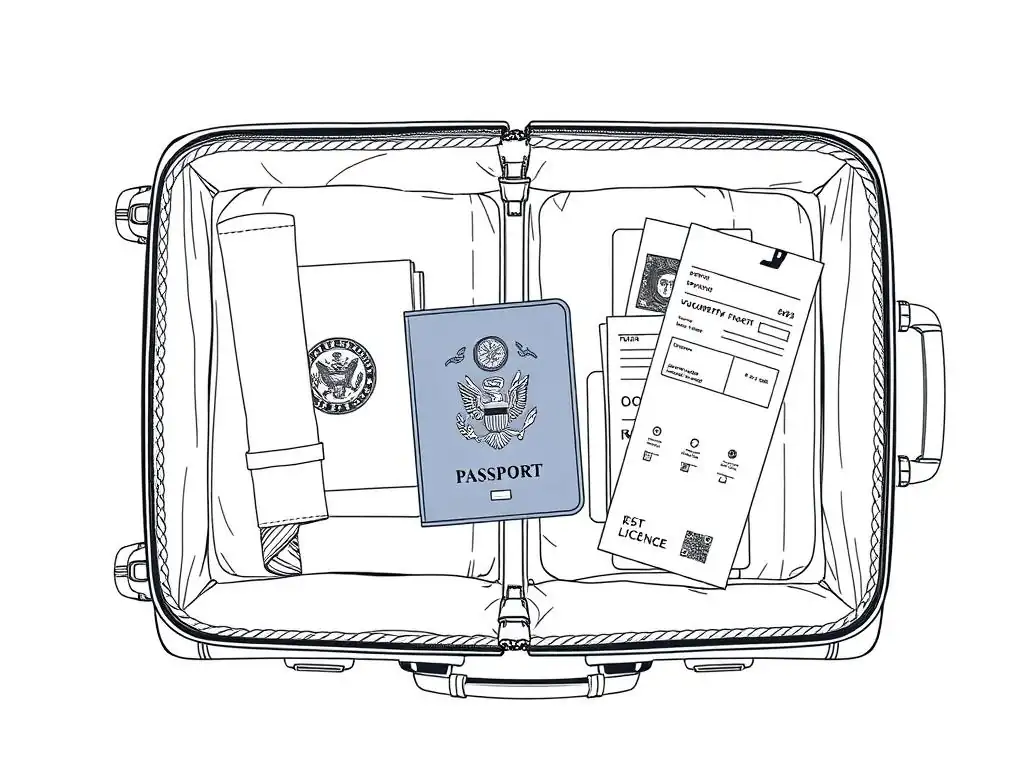
This section focuses on the crucial documents and papers you absolutely must have for a smooth and safe boat trip. Neglecting these can lead to significant delays, added stress, and even prevent you from embarking on your journey. Proper preparation in this area is key to a successful boating adventure. Remember, "Boat trip packing list essentials" includes more than just sunscreen and swimwear!
Passport and Visa Requirements: Checklist for International Trips
Planning an international boat trip? Then your passport is your most important document. Ensure it's valid for at least six months beyond your planned return date. Many countries require this, and failing to meet this requirement can result in being denied entry. Beyond the passport, visa requirements vary dramatically depending on your nationality and your destination.
Here's a checklist to help you stay organized:
- [ ] Check visa requirements: Use your government's travel advisory website to confirm the specific visa needs for your destination. Don't rely on assumptions!
- [ ] Apply well in advance: Visa processing times can be lengthy. Start your application at least 8-12 weeks before your trip to avoid any last-minute panic.
- [ ] Make copies: Keep photocopies of your passport and visa in a separate, secure location (e.g., a waterproof bag, sent to a trusted contact). Having backups is crucial if your originals are lost or stolen.
- [ ] Passport photos: Carry extra passport photos. They can be useful for various purposes, including replacing a lost or damaged passport.
This meticulous approach to passport and visa management will significantly reduce the risk of unforeseen issues and ensure a stress-free start to your boat trip. Remember, proactive preparation is paramount when it comes to international travel. 🚢
Boat Trip Tickets and Reservations: Confirmation and Important Details
Beyond your passport, having your boat trip tickets and reservations readily accessible is essential. This includes not only your initial booking confirmation but also any subsequent updates or changes. Misplacing these could lead to significant problems, especially if you're traveling with a group.
Here’s what you should do:
- Print and digital copies: Keep both printed and digital copies of your tickets and confirmations. Store the digital copies in multiple locations (cloud storage, email, and a portable device).
- Contact information: Keep the contact information for the booking agency readily accessible. This is vital in case of any unexpected changes or cancellations.
- Itinerary details: Familiarize yourself with the full itinerary, including departure and arrival times, any planned stops, and emergency procedures.
- Accommodation details (if applicable): If your boat trip includes overnight stays, ensure you have all necessary accommodation details, including address and contact information.
Remember, a well-organized approach to managing your booking details is crucial for a smooth and enjoyable boat trip.
In case of unforeseen circumstances, having a list of emergency contacts is crucial. This list should include family, friends, and relevant local authorities. Consider the following:
- Family and friends: Include at least two emergency contacts with their phone numbers and email addresses. Inform them of your travel plans, including your itinerary and expected return date.
- Local authorities: Research the local emergency numbers for your destination. Keep this information easily accessible, perhaps in a waterproof case.
- Medical information: Carry a list of any allergies, medications, or pre-existing medical conditions. Include the contact information for your doctor or relevant healthcare providers.
- Insurance details: Keep your travel insurance policy details easily accessible, including the insurance provider's contact information and your policy number.
Remember, preparedness is key to a safe and enjoyable boat trip! Having this information readily available ensures you can respond effectively to unexpected events. Don't underestimate the importance of these vital contacts. 🚨
Insurance Information: Medical and Travel Insurance Details
Ensuring you have the right insurance coverage before embarking on your boat trip is paramount. This isn't just about peace of mind; it's about financial protection in case of unforeseen circumstances. Your boat trip packing list essentials should absolutely include copies of your insurance documents. Don't rely solely on digital copies; keep physical printouts in a waterproof bag, separate from your other belongings. This ensures accessibility even if your phone is lost or damaged.
Consider the specifics of your insurance policies. Does your medical insurance cover emergency evacuations from remote locations? What about medical care received in a foreign country? Many standard policies have limitations when it comes to water-based activities or international travel. Review your policy thoroughly or contact your provider to clarify coverage before you leave. Understanding your limitations will help you make informed decisions about potential risks and necessary precautions during your trip.
Travel insurance is equally crucial. It can cover trip cancellations, lost luggage (including valuable equipment), and other unforeseen events that could derail your boating adventure. Ensure your travel insurance policy specifically covers water-based activities and the geographical area you'll be traveling in. Some policies might exclude certain high-risk activities, so it's vital to check the fine print. A comprehensive policy can offer significant protection, making it a worthwhile investment for any boat trip.
Remember to make a note of emergency contact numbers for your insurance providers and keep them readily accessible. Include this information in your physical and digital copies of your insurance documents. Having this information readily available can save precious time in an emergency situation. A well-organized insurance section in your boat trip packing list is a crucial element for a safe and stress-free journey. Don't underestimate the importance of this seemingly small but vital step in your preparation.
Boat Trip Packing List Essentials: Electronics and Entertainment
This section focuses on the crucial electronics and entertainment items you'll want to bring on your boat trip to ensure both safety and enjoyment. Remember, packing strategically for a boat trip means prioritizing items that are both useful and resistant to the elements. Let's dive into the specifics.
Waterproof Phone Case and Portable Charger: Staying Connected
Staying connected, even on a boat trip, can be important for safety and communication. A waterproof phone case is absolutely essential. Don't rely on a flimsy zip-lock bag; invest in a high-quality case designed to withstand submersion and accidental drops. Look for cases with a high IPX rating (IPX8 is ideal for full submersion). These cases protect your phone from water damage, splashes, and even sand. Consider the type of activities you'll be doing; some cases are better suited for snorkeling while others are better for rougher seas.
Furthermore, a portable charger is a must-have. Boat trips often involve extended periods without access to electrical outlets. A high-capacity power bank ensures you can stay connected for navigation, communication, and capturing memories, even when far from shore. Consider a solar-powered charger for an extra layer of sustainability and independence. Choose a power bank with a sufficient capacity (mAh) to fully charge your phone several times over. Don't forget to pack the charging cable!
Waterproof Camera and Accessories: Capturing Memories
A boat trip provides incredible opportunities for photography. However, the marine environment presents unique challenges. A waterproof camera, or a camera housed in a robust waterproof case, is key to capturing those unforgettable moments without the worry of damage. Don't settle for just any waterproof case; research cases designed specifically for underwater photography. These often have specialized features for better image quality underwater.
Beyond the camera itself, consider these essential accessories:
- Extra batteries: The camera's battery will drain faster than you expect, especially if you are frequently using the flash or video recording.
- Memory cards: Ensure you have sufficient storage to capture all your photos and videos. Consider high-capacity SD cards to avoid running out of space.
- Cleaning kit: Saltwater and sand can damage camera lenses. A microfiber cloth and a small air blower will help keep your equipment clean and functional.
- Floating strap: This prevents a costly accident if your camera slips from your grasp.
Books, Magazines, and Games: Keeping Busy During Downtime
Downtime on a boat trip is inevitable, and it's important to have ways to entertain yourself and your companions. Packing light, engaging entertainment is key. Consider these options for keeping busy during those calm moments:
- Waterproof books: E-readers are an excellent choice, as they are lightweight and can withstand splashes. However, ensure they are protected from direct sunlight. Alternatively, consider waterproof cases for physical books or magazines.
- Lightweight board games or card games: Choose compact games that don't take up much space and are enjoyable for all ages and skill levels.
- Audiobooks: Download audiobooks to your phone or tablet to enjoy during long stretches of sailing.
- Podcasts: Podcasts can help pass the time and provide entertainment or educational content.
Remember, packing smart for a boat trip involves careful consideration of your needs and the environment. Prioritizing waterproof and durable electronics and entertainment ensures you'll have a safe and enjoyable adventure. These essentials will contribute significantly to a smooth and memorable "Boat trip packing list essentials" experience.
Music and Podcasts: Entertainment for Long Journeys
Long boat trips can feel monotonous without sufficient entertainment. A well-curated playlist or a backlog of captivating podcasts can significantly enhance your experience, transforming potentially tedious hours into enjoyable moments. Consider creating several themed playlists – one for calm sailing, another for lively celebrations, and perhaps a third for quieter evenings. Think about the varied moods you might experience and plan accordingly.
Don't forget to download everything offline; cellular service is often unreliable at sea. A portable Bluetooth speaker is a worthwhile investment for sharing your musical selections with fellow passengers, creating a more communal atmosphere. Remember to bring a portable charger to ensure your devices stay powered throughout the voyage. Podcasts offer a fantastic alternative, providing engaging narratives, insightful discussions, or informative lectures to keep your mind stimulated during long stretches at sea.
For a truly immersive experience, consider noise-canceling headphones to minimize background noise and fully appreciate your audio entertainment. Pre-downloading podcasts ensures uninterrupted listening, even in areas with limited or no internet access. Remember to vary your audio choices to avoid listener fatigue – a mix of music genres and podcast styles keeps things fresh and engaging.
Remember to check the battery life of your devices before setting sail! A dead battery can quickly turn a relaxing boat trip into a frustrating one. Consider investing in high-capacity power banks to maximize your playtime. Also, think about creating collaborative playlists with your travel companions; this adds a fun element to the planning process and ensures that everyone's tastes are catered for.
Don't forget to back up your music and podcast libraries to a cloud service before your trip for added peace of mind. This precaution safeguards your entertainment even if your devices are lost or damaged during the voyage. 🌊🎧
Boat Trip Packing List Essentials: Gear and Equipment
This section focuses on the crucial gear and equipment you'll need for a safe and enjoyable boat trip. Proper preparation is key to a successful voyage, ensuring comfort and mitigating potential problems. This list prioritizes essentials for "Boat trip packing list essentials," ensuring you're well-equipped for various scenarios.
Navigation is paramount, especially in unfamiliar waters. While modern technology offers convenience, relying solely on GPS is risky. A multi-faceted approach is best. Always carry hard copies as backups to electronic devices, which can fail unexpectedly.
Consider these essential navigation tools:
- Detailed nautical charts: These are indispensable for safe navigation, showing water depths, hazards, and landmarks. Ensure your charts are up-to-date and cover your planned route. Consider laminating them for protection from splashes.
- Reliable compass: A quality compass is crucial for determining direction, especially if your GPS malfunctions or batteries die. Learn how to use it effectively before your trip.
- GPS device with marine charts: A handheld or integrated GPS unit with pre-loaded marine charts provides precise location data and aids in route planning. Ensure it's fully charged and has backup power.
- Marine radio (VHF): A VHF radio is critical for communication with other vessels and for emergency calls. Familiarize yourself with its operation and relevant channels before departure. This is a true boat trip packing list essential for safety.
- Backup power source: Portable power banks are essential for charging electronic devices, especially your GPS and VHF radio, far from shore power.
Appropriate Footwear: Non-Slip and Comfortable Shoes
Footwear is often overlooked, but choosing the right shoes for a boat trip is vital for safety and comfort. The deck can be slippery, and you'll likely be on your feet for extended periods.
Here's what to consider:
- Non-slip soles: Prioritize shoes with rugged, non-slip soles to prevent accidents on wet or oily decks. Avoid leather or smooth-soled shoes. Look for shoes specifically designed for boating or water activities.
- Quick-drying materials: Opt for quick-drying materials like canvas or synthetic fabrics to avoid discomfort from wet feet. Leather takes a long time to dry and can become stiff and uncomfortable.
- Comfortable fit: Choose shoes that fit comfortably and allow for a full range of motion. Avoid shoes that are too tight or too loose. Blisters are a common problem, so well-fitting shoes are crucial.
- Closed-toe shoes: Always wear closed-toe shoes on a boat to protect your feet from potential injuries. Sandals or flip-flops are not recommended.
- Water shoes: For swimming or activities near the water, water shoes provide protection from sharp rocks or debris.
Bags and Containers: Waterproof Bags and Storage Solutions
Protecting your belongings from water damage is crucial on a boat. Proper storage solutions are essential for keeping your gear organized and dry.
Think about these options:
- Waterproof bags: These are essential for protecting electronics, clothing, and other sensitive items from splashes and rain. Different sizes are helpful for organizing various items.
- Dry bags: These are specifically designed to keep items completely dry, even when submerged. They're ideal for storing valuables or important documents.
- Storage containers: Plastic containers with tight-fitting lids are useful for storing smaller items and keeping them organized. Label them clearly for easy identification.
- Mesh bags: These are great for storing wet items like swimwear or towels, allowing for ventilation and drainage.
- Suitcases: Consider a hard-shell suitcase to better protect fragile items. Soft-sided suitcases can be more easily damaged.
Remember, a well-organized packing list is a key component to a successful and enjoyable boat trip. These "Boat trip packing list essentials" are designed to help you prepare for various scenarios and ensure a safe and memorable experience. 🚢
Safety Gear: Life Jacket, Whistle, and Flashlight
Ensuring your safety on a boat trip is paramount, and proper safety gear is non-negotiable. This isn't just about following regulations; it's about peace of mind and preparedness for unexpected situations. Let's delve into the essential safety equipment you should always pack for your aquatic adventure.
A life jacket, or personal flotation device (PFD), is the most crucial item on this list. It's not enough to simply have one; you need to ensure it's the correct size and type for your body weight and the activities you'll be undertaking. A properly fitted life jacket can be the difference between life and death in an emergency.
Before your trip, check the buoyancy and condition of your life jacket; replace it if it shows any signs of wear and tear. Consider investing in a life jacket with extra features, such as a whistle or reflective strips, for enhanced safety. Remember, children and weaker swimmers should always wear their life jackets while on board, regardless of the weather conditions.
Next, a whistle is a small but incredibly powerful tool. Its piercing sound can travel surprisingly far over water, making it invaluable for signaling for help in case of an emergency. Choose a whistle that's easy to blow and has a strong, clear sound. Keep it easily accessible, perhaps attached to your life jacket or in a readily available pocket. Regularly check that the whistle is in good working order and can produce a loud, clear sound.
Finally, a reliable flashlight, preferably waterproof and with extra batteries, is essential for navigating in low-light conditions or during night-time emergencies. A boat trip can extend into the evening, and having a reliable light source can prevent accidents and ensure your safe return to shore. Consider a high-lumen flashlight for maximum visibility, or a headlamp to keep your hands free.
Remember to test your flashlight's batteries before you embark on your trip and pack extra batteries to avoid being caught unprepared. A fully charged power bank could also serve as a backup power source for your flashlight, especially for longer trips. Don't underestimate the importance of good lighting—it's a vital part of your boat trip safety equipment.
Boat Trip Packing List Essentials: Food and Drinks
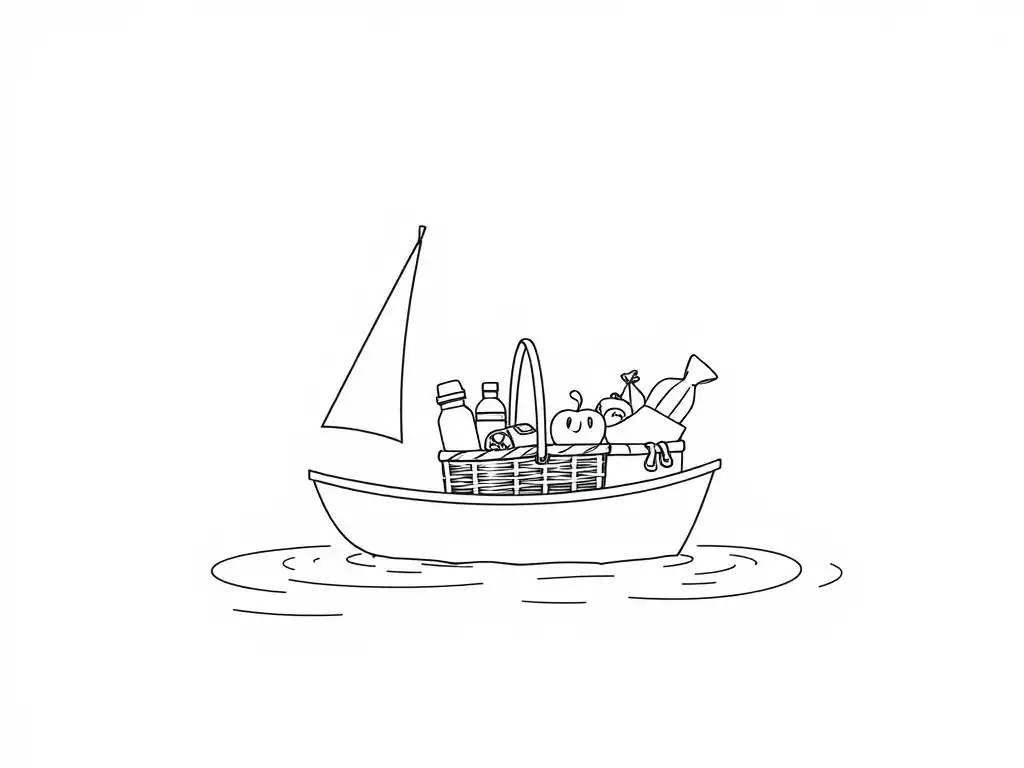
This section focuses on the crucial aspect of food and drink preparation for your boat trip. Proper planning in this area can significantly enhance your comfort and enjoyment, transforming a potentially stressful experience into a relaxing adventure. Remember, access to readily available supplies might be limited, so thorough preparation is key. This section details essential items for your "Boat trip packing list essentials".
Non-Perishable Food Items: Snacks, Meals, and Drinks
Packing non-perishable food items is paramount for a successful boat trip. These items should form the backbone of your onboard sustenance, providing energy and nourishment throughout your journey. Consider the duration of your trip when determining quantities. A longer trip will naturally necessitate a larger supply.
Here's a breakdown of essential categories:
- Snacks: Think energy bars, trail mix (nuts, seeds, dried fruit), crackers, granola, and dried fruit. These are lightweight, easy to store, and provide sustained energy. Remember to consider any dietary restrictions or preferences within your group.
- Meals: Focus on simple, easy-to-prepare meals. Consider canned goods (soups, beans, tuna), dehydrated meals (just add water! ), and pouches of ready-to-eat meals. These minimize cooking time and cleanup, crucial considerations on a boat. Plan for a variety of options to avoid monotony.
- Drinks: In addition to water (see below), consider packing juice boxes, canned or bottled drinks. Remember to choose options that won't spoil easily. Avoid glass containers due to the risk of breakage.
For example, a well-stocked non-perishable food supply might include:
| Item Category | Specific Item | Quantity (Example for 3-day trip) | Notes |
|---|---|---|---|
| Energy Bars | Various brands | 6 | Choose bars with different flavors |
| Trail Mix | Homemade or store-bought | 2 large bags | Adjust quantities based on individual needs |
| Crackers | Saltines, Wheat Thins | 2 boxes | Pack in airtight containers |
| Canned Soup | Tomato, Chicken Noodle | 3 cans | Check expiration dates before packing |
| Dehydrated Meals | Pasta, Rice, Chili | 3 pouches | Follow package instructions for preparation |
| Ready-to-Eat Pouches | Tuna, Chicken | 4 pouches | Convenient and require no cooking |
Remember to check all expiration dates before embarking on your trip! 🚢
Reusable Water Bottles: Staying Hydrated
Staying hydrated is crucial, especially during a boat trip where exposure to sun and physical activity can lead to dehydration. Packing reusable water bottles is environmentally friendly and cost-effective. Consider the size and number of bottles based on the length of your trip and the number of people. A good rule of thumb is to have at least one liter of water per person per day, but adjust based on climate and activity level.
Consider investing in high-quality, durable bottles that are easy to clean and maintain. Insulated bottles can keep your water cool for longer periods, enhancing your comfort. Don't forget to pack a water filter or purification tablets as a backup, in case your water supply runs low. 💧
Utensils and Cutlery: Reusable Options for Environmental Friendliness
Opt for reusable utensils and cutlery to minimize waste and your environmental impact. A lightweight, compact set is ideal for boat trips. Consider a set that includes reusable forks, spoons, knives, and chopsticks (if desired). These are far more convenient and environmentally responsible than disposable alternatives. A reusable spork is also a great space-saving option. Don't forget a small cutting board and a sturdy, multi-purpose knife, essential for meal preparation. Finally, consider packing reusable napkins or cloth towels instead of paper napkins. ♻️
Cooler Bags and Ice Packs: Keeping Food Fresh
Keeping your food and drinks cold on a boat trip is crucial, especially during warmer months. A high-quality cooler bag is your best friend in this endeavor. Don't skimp on this essential item; a flimsy cooler will quickly let your perishables spoil, leading to wasted food and potential health issues.
Look for a cooler bag with thick insulation, ideally made from durable materials like heavy-duty nylon or even a hard-sided cooler for maximum protection against the elements and temperature fluctuations. Consider the size carefully; you'll need enough space for all your planned meals and drinks, but avoid overpacking, which can make the cooler less efficient.
Beyond the cooler itself, investing in high-quality ice packs is equally important. Cheap ice packs melt rapidly, leaving your food vulnerable. Look for reusable gel ice packs, which hold cold temperatures significantly longer than traditional ice.
Consider the size and number of ice packs needed based on the length of your trip and the amount of food you're bringing. A good rule of thumb is to have more ice packs than you think you'll need – it's better to have extra and not need them than to run out and risk spoiling your food. Pre-freezing your ice packs overnight before the trip will further extend their effectiveness.
Additionally, consider packing your cooler strategically: place frozen items at the bottom, followed by chilled items, and finally, those that are less sensitive to temperature changes. This layering technique helps to maintain a consistently cool temperature throughout the cooler. Remember to regularly check the temperature of your cooler throughout the trip and replace melted ice packs as needed to ensure your food remains safe to eat.
Optimizing Your Boat Trip Packing List: Tips and Tricks for Efficient Packing
This section focuses on maximizing space and minimizing clutter when packing for your boat trip. Efficient packing is crucial, especially given the limited storage space often found on boats. We'll explore several techniques to help you pack smarter, not harder, ensuring you have everything you need without feeling overwhelmed by your luggage. Remember, a well-organized packing strategy can significantly contribute to a more relaxed and enjoyable boating experience. This guide will help you master the art of boat trip packing list essentials.
Rolling vs. Folding Clothes: Space-Saving Techniques
The age-old debate: rolling versus folding. For boat trips, the answer leans heavily towards rolling. Folding clothes, while seemingly neat, often wastes valuable space. Rolling, on the other hand, compresses garments, creating more room in your bags and preventing wrinkles. Think of it as a mini-compression technique.
Here's a breakdown:
- Rolling: Reduces wrinkles, saves space, and makes it easier to locate specific items. Simply lay the garment flat, roll it tightly from one end to the other, and secure with a rubber band if necessary. This method works particularly well for t-shirts, pants, and even some dresses.
- Folding: While suitable for delicate items or those that easily wrinkle, it generally occupies more space than rolling. It's best reserved for items that are prone to creasing or require a more structured packing approach.
Consider this: A recent study (source pending) showed that rolling clothes can save up to 30% of space compared to traditional folding methods. This is a significant advantage when dealing with limited luggage capacity on a boat. Prioritize rolling for the majority of your clothing items to maximize your packing efficiency. This is a key component of any efficient boat trip packing list essentials.
Using Compression Bags: Maximizing Space in Your Luggage
Compression bags are your secret weapon for maximizing space. These reusable bags utilize a valve system to squeeze out excess air, significantly reducing the volume of your clothes and other soft items. They're especially useful for bulky items like sweaters, jackets, and towels. Think of them as space-saving superheroes!
Here's how to use them effectively:
- Fill the bag: Place your clothes and soft items into the compression bag.
- Seal the bag: Close the zipper securely.
- Remove the air: Roll the bag tightly from the bottom to the top, squeezing out as much air as possible. This is where the magic happens. You'll be amazed at how much smaller your items become.
- Seal the valve: Once you've removed most of the air, close the valve securely.
Using compression bags can help you fit significantly more items into your luggage, making them an essential part of any boat trip packing list essentials. They can free up valuable space for other necessities, allowing you to pack more efficiently.
Packing Cubes: Organizing Clothes and Accessories
Packing cubes are another game-changer for organized packing. These fabric containers allow you to separate and compress different types of clothing and accessories. This helps keep your luggage organized and prevents items from getting tangled or crushed.
Here's how they improve your packing:
- Organization: Separate clothing by type (shirts, pants, underwear) or by day. This makes it much easier to find what you need without unpacking your entire bag.
- Compression: Similar to rolling, packing cubes help compress your clothes, saving space and reducing wrinkles.
- Protection: They offer a layer of protection for delicate items, preventing them from getting damaged during transport.
Consider using different colored or labeled packing cubes to easily identify the contents. This is particularly helpful on a boat where space is at a premium and quick access to specific items is crucial. Including packing cubes in your boat trip packing list essentials will dramatically improve your organization and efficiency. They contribute significantly to a smooth and enjoyable trip.
Utilizing Empty Spaces Effectively: Maximizing Luggage Capacity
Efficient packing for a boat trip isn't just about what you bring; it's about how you arrange it. Maximizing luggage capacity involves strategic use of every nook and cranny. Think of your bags as three-dimensional puzzles, not just flat surfaces. Instead of simply tossing items in, consider rolling clothes to create compact cylinders that fit snugly together. This method not only saves space but also minimizes wrinkles. Furthermore, stuffing socks and underwear into shoes not only protects their shape but also utilizes space that would otherwise be wasted.
Consider using packing cubes. These compressible fabric containers are designed to organize and compress clothing. They allow you to separate different types of clothing (shirts, pants, underwear) and compress them individually, maximizing space within larger bags or suitcases. Think of them as mini-compartments within your larger luggage. You can even use vacuum-sealed bags for bulky items like sweaters or jackets, significantly reducing their volume. Remember to leave some space for souvenirs or unexpected purchases during your trip; don't pack your bags to absolute capacity.
Another often-overlooked strategy is layering items. Place heavier items at the bottom of your bags, distributing the weight evenly. Then, layer lighter items on top. This prevents heavier items from crushing lighter ones and helps maintain balance. For example, place sturdy shoes at the bottom, followed by jeans, and then lighter shirts and tops.
This weight distribution also makes it easier to carry your luggage and prevents items from shifting during transit. Using smaller bags within larger ones, such as packing smaller toiletry bags inside a larger duffel bag, allows for better organization and space utilization. Remember, the key to effective space utilization is planning and thoughtful organization. Don't underestimate the power of a well-planned packing strategy in making your boat trip smoother and more enjoyable.
Creating the Perfect Boat Trip Packing List: A Step-by-Step Guide
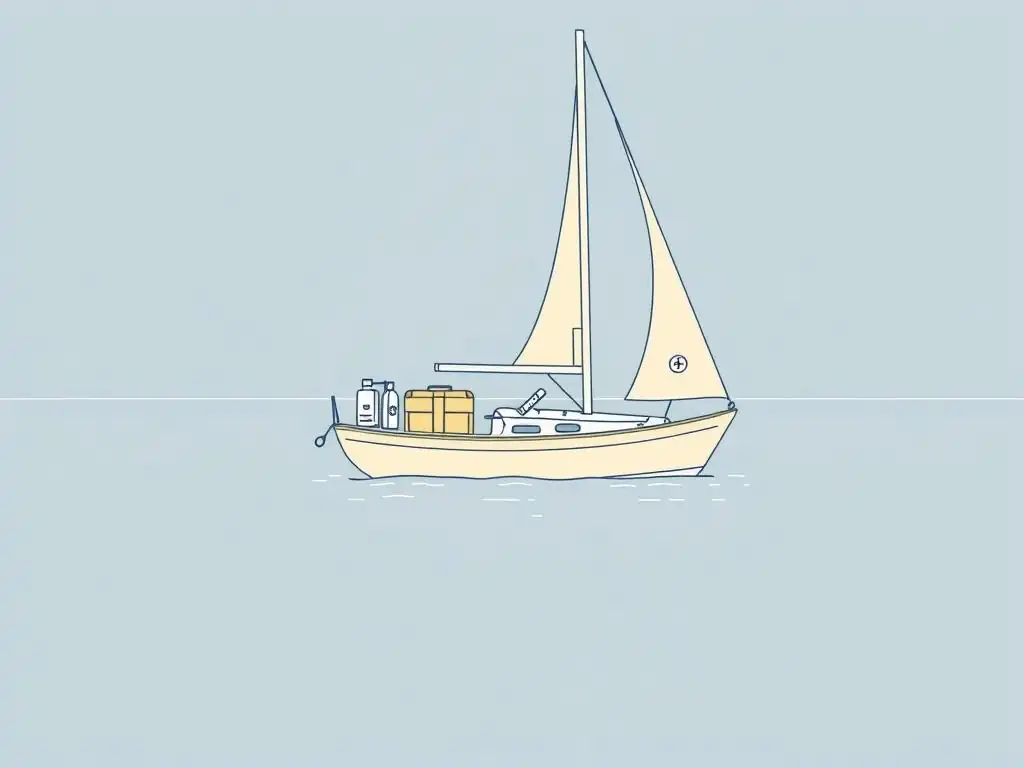
This section dives deep into crafting the ultimate packing list for your next boat trip, ensuring you're prepared for any eventuality while keeping your luggage manageable. We'll cover everything from assessing your trip's specifics to categorizing your items for seamless packing. Mastering this process will significantly reduce pre-trip stress and maximize your enjoyment on the water. Remember, a well-organized boat trip packing list is essential for a smooth and relaxing vacation.
Step 1: Assess the Trip's Duration and Weather Conditions
Before even thinking about what to pack, you need a solid understanding of your boat trip's parameters. The duration significantly impacts the quantity of items you'll need. A weekend getaway requires far less than a week-long cruise. Equally crucial is the anticipated weather. Packing for a sunny Caribbean cruise is vastly different from preparing for a potential storm in the North Sea.
Consider these factors when assessing your trip:
- Trip Length: A short trip (1-3 days) allows for minimal packing, focusing on essentials. Longer trips (7+ days) necessitate a more comprehensive approach, potentially requiring laundry facilities or resupply stops.
- Destination Climate: Research the expected temperatures, precipitation levels, and potential for extreme weather. Pack accordingly, ensuring you have layers for fluctuating temperatures and waterproof gear for unexpected rain.
- Activities Planned: Will you be swimming, snorkeling, fishing, or simply relaxing on deck? Your planned activities will dictate specific clothing and equipment needs.
- Boat Type: The size and amenities of the boat influence packing choices. A large yacht with ample storage offers more flexibility than a smaller sailboat.
Step 2: Choose the Right Luggage: Suitcases, Backpacks, or Duffel Bags
Selecting the appropriate luggage is crucial for efficient boat trip packing. Rigid suitcases, while practical for air travel, can be cumbersome on a boat, taking up valuable space and potentially being damaged in rough seas. Consider these options:
| Luggage Type | Pros | Cons | Boat Trip Suitability |
|---|---|---|---|
| Duffel Bags | Flexible, lightweight, easy to store | Less organized, items can get crushed | 👍 High |
| Backpacks | Hands-free, great for smaller trips | Limited capacity, can be uncomfortable to carry | 👍 Medium |
| Suitcases (soft) | Relatively organized, protects clothing | Less flexible, can be bulky | 😐 Low |
| Suitcases (hard) | Durable, protects items from damage | Rigid, takes up more space, heavy | 👎 Low |
Choosing the right luggage type directly impacts your ability to efficiently organize and transport your belongings. For most boat trips, duffel bags offer the optimal balance of flexibility, storage, and ease of handling.
Step 3: Create a Detailed Packing List: Categorize Items for Easy Packing
A well-structured packing list is the cornerstone of efficient packing. Avoid haphazardly throwing items into your bag. Instead, categorize your items into logical groups to streamline the packing process and ensure you don't forget anything crucial. Consider these categories:
- Clothing: Pack versatile items that can be mixed and matched. Remember to account for layering and weather changes. Don't forget swimwear, appropriate footwear (sandals, water shoes), and a hat for sun protection.
- Toiletries: Use travel-sized containers to save space and comply with airline regulations (if applicable). Consider bringing sunscreen, insect repellent, and any personal medications.
- Documents & Essentials: Keep important documents like your passport, driver's license, and boat trip tickets in a waterproof bag. Also include cash, credit cards, and emergency contact information.
- Electronics: Pack chargers, adapters, and any other necessary electronics. Consider waterproof cases for phones and cameras.
- First-Aid Kit: A comprehensive first-aid kit is crucial for any boat trip, including bandages, antiseptic wipes, pain relievers, and any personal medications.
- Other Essentials: This category encompasses items specific to your trip, such as binoculars, books, games, or any specialized equipment for planned activities (e.g., fishing gear, snorkeling equipment).
By categorizing your items and using a checklist, you'll ensure you haven't left anything behind and that everything is neatly organized for easy access during your boat trip. Remember, a little planning goes a long way towards a stress-free and enjoyable experience. This detailed approach to boat trip packing list essentials will ensure a smooth and enjoyable voyage!
Step 4: Pack Strategically: Prioritize Essential Items and Organize Your Luggage
Packing strategically for a boat trip is crucial for a smooth and enjoyable experience. It's not just about throwing everything into a bag; it's about prioritizing essential items and organizing your luggage to maximize space and minimize clutter. Think of your luggage as a puzzle—you need to fit all the pieces together efficiently.
Start by categorizing your items. Group similar items together: toiletries in one waterproof bag, clothing in another, and electronics in a separate, padded case. This makes it much easier to find what you need when you're on the boat, especially if you're dealing with limited storage space. Consider using packing cubes; these compressible fabric containers are excellent for organizing clothes and keeping things neat. They also allow you to compress clothing, freeing up valuable space.
Prioritize your essentials. This includes items like sunscreen, a hat, sunglasses, and any necessary medications. These should be easily accessible, perhaps in a small, dedicated bag that you can keep within arm's reach. Don't forget waterproof bags for electronics and valuables, protecting them from splashes and unexpected rain showers. Remember that space on a boat is often at a premium, so packing light is key. Choose versatile clothing items that can be mixed and matched to create multiple outfits. Think layers! This allows you to adapt to changing weather conditions.
Consider the type of boat trip you're embarking on. A day trip will require a significantly different packing strategy than a week-long cruise. For shorter trips, a smaller backpack or duffel bag might suffice. Longer trips necessitate larger, more robust luggage. No matter the length, always prioritize items that are essential for safety and comfort.
Step 5: Double-Check Your Packing List: Ensure You Have Everything You Need
Before you even think about setting foot on the boat, meticulously review your packing list. This final check is your last line of defense against forgetting crucial items. Don't just glance at the list; actively check off each item as you confirm its presence in your luggage. This methodical approach minimizes the risk of leaving behind something important.
Use a checklist, either a physical one or a digital one on your phone. This ensures you don't miss anything. A well-structured checklist should categorize items for easier review. Consider breaking down your list into sections like "Clothing," "Toiletries," "Electronics," "Documents," and "Medications." This helps you systematically check each category.
Remember to account for unexpected situations. Pack a small first-aid kit with essentials like bandages, antiseptic wipes, pain relievers, and any personal medications. Include a basic repair kit with items like duct tape, zip ties, and a small multi-tool. These items can be lifesavers in case of minor emergencies. This is particularly important for "boat trip packing list essentials" as unplanned events are more likely to occur on the water.
Finally, involve someone else in the final check. A fresh pair of eyes can often spot something you've missed. Having a friend or family member review your packing list before departure adds an extra layer of security, ensuring you are fully prepared for your boat trip. A second opinion can be invaluable in catching any overlooked items. 🏖️
Beyond the Basics: Additional Items to Consider for Specific Boat Trips
This section delves into packing essentials beyond the standard boat trip checklist, focusing on items crucial for specific types of aquatic adventures. Proper preparation is key to a smooth and enjoyable trip, and understanding the unique needs of different boat trips will significantly enhance your experience. Remember, even seemingly minor oversights can impact your enjoyment and safety. Let's explore some specialized packing needs.
Items for Fishing Trips: Rods, Reels, Bait, and Tackle Boxes
A successful fishing trip hinges on having the right equipment. Simply bringing your fishing rod isn't enough; meticulous preparation is essential. Consider the type of fish you'll be targeting, as this will influence your choice of rod, reel, and bait. For instance, targeting deep-sea game fish requires heavier-duty gear compared to freshwater panfishing.
- Rods and Reels: Pack a variety of rods and reels to accommodate different fishing techniques and target species. Consider bringing at least two sets – one for lighter lures and one for heavier ones. Ensure your reels are properly spooled with appropriate line.
- Bait and Lures: Research the local bait shops near your destination before you leave. This will help you determine what types of bait are most effective and readily available. However, packing some essential lures and artificial baits is always a good idea, especially if you're targeting specific species. Consider bringing a selection of sizes and colors.
- Tackle Boxes: Organize your hooks, sinkers, swivels, and other tackle in sturdy, waterproof tackle boxes. Proper organization prevents tangles and ensures you can quickly access necessary items while on the water. Labeling your boxes can also be very helpful.
| Item Category | Specific Item Examples | Quantity Recommendation | Notes |
|---|---|---|---|
| Rods | Spinning rod, Baitcasting rod, Fly rod | 2-3 | Choose based on target species and fishing style. |
| Reels | Spinning reel, Baitcasting reel | 2-3 | Ensure reels are properly maintained and spooled with appropriate line. |
| Bait | Live bait (if permitted), Artificial lures, Soft plastics | Sufficient for the trip | Check local regulations regarding live bait and size restrictions. |
| Tackle Boxes | Medium and large waterproof tackle boxes | 2-3 | Organize hooks, sinkers, swivels, and other necessary tackle. |
| Other Essential Items | Fishing license, Sunscreen, Hat, Sunglasses, First-aid kit | 1 each | Don't forget the essentials for personal safety and comfort. |
Remember to check local fishing regulations and obtain the necessary licenses before your trip. Failing to do so can result in hefty fines. A little preparation goes a long way in ensuring a successful and enjoyable fishing adventure. 🎣
Items for Diving Trips: Snorkels, Masks, Fins, and Underwater Camera
Diving trips necessitate specialized gear to ensure both safety and enjoyment. Beyond the basics, several items can elevate your underwater experience. Properly fitted equipment is paramount for comfort and safety.
Careful selection of your mask, snorkel, and fins is crucial for a comfortable and safe diving experience. A poorly fitted mask can lead to leaks and discomfort, while ill-fitting fins can cause cramps and blisters. Prioritize comfort and proper fit when choosing your gear.
- Snorkels and Masks: Choose a snorkel with a comfortable mouthpiece and a splash guard to prevent water entry. For the mask, ensure a proper seal around your face to prevent leaks. Consider a mask with tempered glass for durability and clarity.
- Fins: Select fins appropriate for your skill level and the water conditions. Full-foot fins offer good protection and are suitable for beginners, while adjustable strap-on fins provide better maneuverability for experienced divers.
- Underwater Camera: Capture the breathtaking underwater world with an underwater camera. Consider a waterproof case for your smartphone or a dedicated underwater camera for higher-quality images and videos. Remember extra batteries!
This careful attention to detail will transform your diving trip from merely enjoyable to truly unforgettable. Remember to prioritize safety, and never dive alone. Always inform someone of your dive plans and expected return time.
Sailing trips demand a unique set of packing considerations, emphasizing safety and navigational tools. This is not a casual packing list; accuracy and preparedness are paramount.
Beyond the typical clothing and personal items, sailing trips require specialized equipment for navigation, safety, and boat maintenance.
- Sailing Gear: This includes items like appropriate sailing gloves, foul-weather gear (waterproof jackets and pants), and comfortable sailing shoes with good grip. Don't forget hats and sunglasses for sun protection.
- Navigation Equipment: A reliable GPS chartplotter, compass, nautical charts, and handheld VHF radio are essential for navigation and communication. Familiarize yourself with the use of this equipment before your trip.
- Safety Equipment: Pack life jackets for everyone on board, flares, a first-aid kit, and a repair kit for the boat. Consider a personal locator beacon (PLB) for emergency situations. Thorough knowledge of safety procedures is just as vital as the equipment itself.
A well-equipped sailing trip is a safe sailing trip. This involves not only having the right gear but also understanding how to use it. Regularly review safety procedures and navigation techniques to ensure a smooth and enjoyable voyage. The sea can be unforgiving, so preparation is key.
Items for Overnight Cruises: Comfortable Clothing and Toiletries
Overnight boat trips offer a unique blend of adventure and relaxation, but packing appropriately is key to enjoying the experience. Comfort is paramount, as space is often limited and movement can be restricted. Therefore, prioritize clothing that's both comfortable and practical. Think soft, breathable fabrics like cotton or linen for daytime wear.
Pack lightweight, loose-fitting pants or shorts, and comfortable t-shirts or tank tops. A light sweater or fleece jacket is essential, even in warmer climates, as evenings on the water can get surprisingly chilly. Don't forget swimwear! Even if swimming isn't planned, having swimwear allows for spontaneous dips or simply relaxing on deck.
Toiletries are another crucial aspect of overnight boat trip packing. Space is at a premium, so opt for travel-sized containers or solid toiletries to minimize bulk. Essentials include toothbrush, toothpaste, soap, shampoo, conditioner, and deodorant. Sunscreen is absolutely vital, even on cloudy days, as the sun's reflection off the water can be intense. Consider packing insect repellent, especially if your cruise ventures into areas with mosquitos or other biting insects.
A small first-aid kit with bandages, antiseptic wipes, and any personal medications is also recommended. Finally, don't forget a small towel; while some boats provide them, bringing your own ensures you have one you're comfortable with. Remember to use leak-proof containers to prevent spills and keep your belongings dry. A small, reusable toiletry bag will help keep everything organized and easily accessible. Proper planning in this area significantly enhances the comfort and enjoyment of your overnight cruise.
Frequently Asked Questions
What are the absolute essentials for a boat trip packing list?
The absolute essentials include sun protection (hat, sunscreen, sunglasses), appropriate clothing (layers are key!), and rain gear, even if it's not in the forecast. Don't forget sea sickness medication if prone.
What kind of clothing is best for a boat trip?
Pack quick-drying, lightweight clothing in layers. Consider moisture-wicking fabrics to stay comfortable. Avoid cotton, which retains moisture and can be uncomfortable.
Should I bring my expensive electronics on a boat trip?
Consider carefully. Waterproof bags or cases are crucial if you do. Be prepared for potential damage from water or salt spray. A simple, waterproof camera might be a better choice.
What about footwear for a boat trip? What should I pack?
Bring non-marking, rubber-soled shoes with good grip to prevent slips. Avoid heels or open-toed shoes. Water shoes are a great option for swimming and shore excursions.
What first-aid items should I include in my boat trip packing list?
Pack a basic first-aid kit with bandages, antiseptic wipes, pain relievers, and any personal medications. Include motion sickness remedies and consider adding blister treatment.
Final Reflection: Charting Your Course: Beyond the Packing List
The meticulous planning of a boat trip, as detailed in this guide, extends far beyond simply compiling a checklist; it's about crafting an unforgettable experience. A well-packed bag isn't just about having the right gear; it's about minimizing stress and maximizing enjoyment, ensuring you're fully present to appreciate the beauty and adventure that awaits.
The impact of thoughtful preparation resonates far beyond the confines of the boat itself. It's a microcosm of life's journeys, where careful planning and consideration of potential challenges pave the way for smoother sailing. Not all those who wander are lost.
This quote, often attributed to Tolkien, perfectly captures the spirit of adventure, but responsible preparation ensures that wandering remains a choice, not a consequence of oversight. The freedom to truly embrace the journey hinges on the confidence that comes from being well-prepared.
Now, as you prepare for your own aquatic adventure, I encourage you to reflect on the principles outlined here. Consider not just the practical items, but also the intangible elements: the anticipation, the shared experiences, the memories you'll create. Let this guide serve as a springboard for your own meticulous planning, allowing you to embark on your boat trip with confidence, excitement, and a heart open to the boundless possibilities that lie ahead. Your journey awaits – make it unforgettable.
Unleash Your Inner Sailor: Plan Your Perfect Boat Trip!
Thanks for exploring our guide to packing for a boat trip! You're now ready to make your next adventure a smooth one. Ready to put your knowledge to the test?
- Craft your ultimate packing list: Download our free printable checklist to ensure you haven't forgotten anything essential. This personalized list will be your key to packing success.
- Share your top packing tips: Let's build a community of experienced boaters! Share your favorite packing tips or essential items in the comments below.
- Explore additional resources: Discover more articles about adventure travel and outdoor gear for your next epic journey!
So, what's the first thing you'll pack for your next boat trip?