
The Secret Weapon to Language Mastery: Comparing Top Online Apps

Ready to unlock your potential and conquer new languages? At UltimateLifeHacks, we're dedicated to helping you streamline your life and achieve your goals. This means finding the best tools for the job – and that’s exactly what our latest article on Best language learning app comparison delivers. Discover which app reigns supreme and finally achieve fluency – the secret weapon to unlocking a world of opportunities awaits. Dive in and find your perfect language learning partner!
- Unveiling the Best Language Learning App Comparison for 2024
- Duolingo: A Free & Fun Approach to Language Acquisition
- Babbel: Structured Lessons for Effective Language Learning
- Rosetta Stone: Immersive Language Learning for Serious Learners
- Memrise: Mnemonics and Memorization Techniques for Language Learning
- Head-to-Head: Duolingo vs. Babbel vs. Rosetta Stone vs. Memrise - Feature Comparison Chart
- Beyond the Apps: Maximizing Your Language Learning Success
- Frequently Asked Questions
- Final Reflection: Unlocking Global Communication: The Power of Choice
- Unlock Your Language Potential: Start Speaking Today!
Unveiling the Best Language Learning App Comparison for 2024
Learning a new language can unlock incredible opportunities—from boosting your career prospects to enriching your travel experiences and connecting with diverse cultures. But with a plethora of language learning apps flooding the market, choosing the right one can feel overwhelming. This comprehensive comparison dives deep into the top contenders, analyzing their features, pricing, effectiveness, and overall user experience to help you find the perfect app to achieve your language mastery goals.
We'll explore everything from budget-friendly options to premium services, highlighting the strengths and weaknesses of each to guide you towards the best fit for your learning style, budget, and linguistic aspirations. This detailed analysis will equip you with the knowledge to make an informed decision and embark on your language learning journey with confidence.
We aim to answer the burning question: what truly constitutes the best language learning app for you? This isn't just a list; it's a strategic guide to unlocking your multilingual potential.
Choosing the Right App: Factors to Consider Before You Start
Before diving into specific app reviews, it's crucial to identify your individual needs and preferences. Choosing the best app depends entirely on your unique circumstances. Several key factors should guide your decision-making process:
- Your Learning Style: Are you a visual learner, an auditory learner, or a kinesthetic learner? Some apps excel at visual aids, others prioritize audio exercises, and some incorporate interactive activities. Consider which approach best suits your learning preferences.
- Your Language Goals: Are you aiming for conversational fluency, professional proficiency, or simply basic comprehension? Different apps cater to different levels and objectives. A beginner might find an app with structured lessons more beneficial, while an intermediate learner may prefer an app focusing on conversational practice.
- Your Budget: Language learning apps range from free to premium subscription models. Evaluate your budget and weigh the cost against the features and benefits offered. A free app might have limitations, while a premium app may offer more comprehensive content and personalized feedback.
- Available Languages: Not all apps offer the same range of languages. Ensure the app supports the language you wish to learn.
- Platform Compatibility: Consider the platforms you use most frequently (iOS, Android, web). Ensure the app is available on your preferred devices.
- User Interface and Experience: A user-friendly interface is crucial for a positive learning experience. Look for apps with intuitive navigation, clear instructions, and engaging content.
The process of selecting the right app should feel like finding the perfect tool for a specific job. Don't just settle for the most popular option; choose the one that best aligns with your individual requirements. Think of it as tailoring your language learning journey to fit your unique needs. This careful consideration will significantly impact your success and overall enjoyment of the learning process. 😜
The world of language learning apps presents a spectrum of pricing models, from completely free options to those demanding a substantial monthly or annual subscription. Understanding the cost-benefit analysis of each is crucial for making an informed decision.
| Feature Category | Budget-Friendly Apps | Premium Language Learning Apps |
|---|---|---|
| Cost | Free or low cost, often with in-app purchases | Higher subscription fees, often with additional features |
| Content Quantity | Limited content, often focusing on basic vocabulary | Extensive content, covering a wider range of topics and levels |
| Content Quality | May have some limitations in terms of quality | Generally higher quality content, professionally created |
| Personalized Learning | Often lacks personalized feedback and progress tracking | Often includes personalized learning paths and progress tracking |
| Features | Basic features like vocabulary building and quizzes | Advanced features such as speech recognition, AI tutors, and community features |
| Offline Access | Limited or no offline access | Usually offers offline access to downloaded content |
It's important to note that “budget-friendly” doesn’t automatically equate to “inferior.” Many free apps offer surprisingly robust foundational learning, particularly for beginners. However, premium apps often provide a more comprehensive and personalized learning experience, justifying their higher cost through enhanced features and personalized support. The ultimate choice depends on your budget and learning goals. Consider what features are truly essential to your learning style and invest accordingly. Remember, the most expensive option isn't always the best; the best option is the one that best suits your needs.
Duolingo: A Free & Fun Approach to Language Acquisition
Duolingo has become a household name in the world of language learning, largely due to its free accessibility and gamified approach. This section will delve into the specifics of Duolingo's strengths and weaknesses, helping you decide if it's the right tool for your language learning journey. We'll also explore the value proposition of the Duolingo Plus subscription. This detailed comparison will help you find the best language learning app for your needs, contributing to your quest for the best language learning app comparison.
Duolingo's Strengths: Gamified Learning and Accessibility
One of Duolingo's most significant strengths is its gamified learning system. The app uses points, streaks, leaderboards, and other motivational elements to keep users engaged. This "fun factor" is crucial for maintaining consistency, a key element in successful language acquisition. Many users find the bite-sized lessons easy to incorporate into their daily routines, even if they only have a few minutes to spare.
This accessibility is a major draw, particularly for busy individuals seeking a low-pressure learning environment. The app's intuitive interface and straightforward lesson structure make it easy to navigate, even for complete beginners. Moreover, Duolingo offers a wide range of languages, catering to diverse learning goals. The availability of courses in less commonly taught languages is a significant advantage over some competitors, contributing to its position in any best language learning app comparison.
Duolingo's Limitations: Depth of Grammar and Vocabulary
While Duolingo excels in making language learning fun and accessible, it has limitations concerning the depth of grammatical explanations and vocabulary coverage. The app often prioritizes practical application over in-depth theoretical understanding. This approach, while beneficial for building basic conversational skills, may leave users lacking a solid foundation in grammar rules. Furthermore, the vocabulary introduced in Duolingo lessons can sometimes feel limited, potentially hindering fluency in more complex conversations.
Users looking for a rigorous and comprehensive grammar curriculum might find Duolingo insufficient and need to supplement their learning with additional resources. For instance, while Duolingo might teach basic verb conjugations, it may not delve into the nuances of irregular verbs or advanced grammatical structures. This aspect is crucial to consider when comparing it against other apps in any best language learning app comparison.
Duolingo Plus Subscription: Is it Worth the Upgrade? (Affiliate Link)
Duolingo Plus offers several features not available in the free version, including ad-free learning, unlimited hearts (which prevent lesson restarts), and offline access. The cost of the subscription varies depending on the length of the commitment. Whether or not the upgrade is worthwhile depends on individual learning styles and preferences. For those easily distracted by ads or who frequently travel without internet access, the additional features might justify the cost.
However, many users find the free version sufficient for their needs, highlighting the value proposition of Duolingo even without the paid features. A thorough cost-benefit analysis is essential before subscribing, considering the various options available in the best language learning app comparison. Ultimately, the decision of whether or not to upgrade to Duolingo Plus is a personal one based on individual needs and budget.
Babbel: Structured Lessons for Effective Language Learning
Babbel positions itself as a serious contender in the best language learning app comparison, focusing on structured, curriculum-based learning. Unlike some apps that prioritize gamification above all else, Babbel emphasizes a more traditional approach, delivering lessons designed for progressive language acquisition. This method appeals to learners who prefer a systematic approach, building a strong foundation in grammar and vocabulary before moving onto more complex conversational skills.
The core strength of Babbel lies in its meticulously crafted lessons, which incorporate a variety of exercises to reinforce learning. This includes interactive dialogues, vocabulary drills, and grammar explanations, all tailored to the specific language being learned.
Babbel's Strengths: Comprehensive Curriculum and Real-Life Scenarios
One of Babbel's key strengths is its comprehensive curriculum. The app boasts a wide range of courses covering various levels, from beginner to advanced. Each lesson is carefully sequenced, building upon previous knowledge to ensure a smooth learning progression.
This structured approach helps learners avoid feeling overwhelmed, allowing them to master fundamental concepts before tackling more challenging aspects of the language. Furthermore, Babbel excels at integrating real-life scenarios into its lessons. Instead of focusing solely on rote memorization, the app uses contextualized examples to illustrate how vocabulary and grammar are used in everyday conversations.
This makes the learning process more engaging and helps learners connect what they are learning to practical applications. For example, a lesson on ordering food in a restaurant might involve interactive dialogues simulating ordering in a cafe, providing a practical and memorable learning experience. This focus on practical application sets Babbel apart in the crowded field of language learning apps.
Babbel's Limitations: Less Gamification and Higher Price Point
While Babbel's structured approach is a significant advantage for many learners, it also presents some limitations. Compared to some competitors, Babbel offers less in the way of gamification. While progress is tracked and celebrated, the app lacks the extensive reward systems and points-based challenges that are common in other language learning apps. This might deter learners who prefer a more game-like experience and thrive on immediate gratification.
Additionally, Babbel generally sits at a higher price point than many of its competitors. While the quality of the content justifies the cost for some, budget-conscious learners may find it less accessible than other options offering similar functionality at a lower price. The cost-benefit analysis is a crucial factor in the best language learning app comparison, and this is an area where Babbel may not appeal to all users.
Babbel Subscription Plans: Finding the Best Fit for Your Needs (Affiliate Link)
Babbel offers a variety of subscription plans to cater to different needs and budgets. These plans typically range from monthly to annual subscriptions, with longer-term commitments often offering better value. Choosing the right plan depends on individual learning goals and financial considerations.
A shorter-term subscription might be suitable for learners who want to try the app before committing to a longer period, while an annual subscription offers significant cost savings for those dedicated to consistent language learning. Understanding the different subscription options is crucial when comparing the overall value proposition of Babbel against other language learning apps. Careful consideration of the features included in each plan, and how they align with your individual learning style and budget, is key to finding the perfect fit.
Remember to carefully assess your learning goals and budget before making a decision. This detailed analysis is essential for making an informed choice in the best language learning app comparison.
Rosetta Stone: Immersive Language Learning for Serious Learners
Rosetta Stone has long been a prominent name in language learning software, known for its immersive approach and focus on practical conversational skills. Its methodology centers around associating words and phrases with images, minimizing reliance on native language translation. This "immersive" aspect aims to replicate the experience of learning a language naturally, through contextual understanding rather than rote memorization.
The strength of this method lies in its ability to build intuitive language comprehension and fluency, particularly beneficial for those who want to quickly gain functional communication skills. This is a key differentiator from other apps that focus heavily on grammar rules and vocabulary lists.
Rosetta Stone's Strengths: Immersive Approach and Focus on Conversational Skills
Rosetta Stone's core strength lies in its unique, immersive learning environment. Unlike many language learning apps that rely heavily on text-based exercises and translations, Rosetta Stone prioritizes visual learning and contextual understanding. This approach simulates real-life language acquisition, making the learning process more engaging and effective for many users.
The emphasis on conversational skills is also noteworthy. The app provides ample opportunities to practice speaking, listening, and responding in realistic scenarios, which is crucial for achieving fluency. Furthermore, the consistent use of authentic audio from native speakers helps learners develop accurate pronunciation and an ear for natural speech patterns.
This focus on practical application, rather than just theoretical knowledge, positions Rosetta Stone favorably among competitors seeking to provide a comprehensive language learning experience. Many users report a significant improvement in their conversational abilities after using the app, even with relatively limited study time. The app's ability to adapt to individual learning styles and paces also contributes to its effectiveness.
Rosetta Stone's Limitations: Steep Learning Curve and High Price Tag
Despite its strengths, Rosetta Stone also presents some challenges. The immersive approach, while effective for some, can prove demanding for learners accustomed to more traditional teaching methods. The lack of explicit grammar explanations and the heavy reliance on visual cues might create a steep learning curve, especially for those who prefer a more structured and analytical learning experience. Furthermore, Rosetta Stone's pricing is significantly higher than many competing apps.
This cost barrier can be prohibitive for budget-conscious learners, limiting its accessibility to a specific demographic. The lack of extensive supplementary materials, such as detailed grammar guides or comprehensive vocabulary lists, further contributes to the perception of a less comprehensive learning experience compared to some other apps offering more extensive resources for a lower price. This high cost-to-benefit ratio is a significant factor to consider when evaluating its overall value proposition.
Rosetta Stone's Pricing and Features: A Detailed Breakdown (Affiliate Link)
Rosetta Stone offers several subscription options, each with varying features and durations. Pricing typically ranges from [specific pricing information pending] depending on the chosen language and subscription length. Features typically included across subscription tiers include access to the core learning program, speech recognition technology for pronunciation feedback, and a variety of interactive exercises.
Higher-tier subscriptions may offer additional features such as personalized learning paths, progress tracking tools, and access to supplemental materials. It's crucial to carefully compare the different subscription plans to determine the best value for individual needs and budget. While the immersive approach is a key selling point, potential users should carefully weigh the cost against the features offered and their own learning preferences before committing to a subscription.
A free trial period, if available, is highly recommended to assess compatibility with the app's learning style and methodology before making a purchase decision. Understanding the specific features and limitations of each tier is essential for making an informed choice.
Memrise: Mnemonics and Memorization Techniques for Language Learning
Memrise distinguishes itself in the crowded field of language learning apps through its strong emphasis on mnemonics and spaced repetition systems (SRS). Instead of relying solely on rote memorization, Memrise leverages imagery, humor, and user-generated content to create memorable learning experiences. This approach aims to improve retention significantly, making the learning process more engaging and less tedious. The app's algorithm adapts to individual learning styles and paces, adjusting the frequency of reviews based on performance.
This dynamic approach ensures that users are challenged appropriately without being overwhelmed. The core functionality centers around flashcards and interactive exercises, but the app also incorporates games and other activities to maintain user motivation. This gamified approach is crucial for long-term commitment, a factor often overlooked in language learning apps. The success of Memrise largely hinges on its ability to translate complex linguistic concepts into easily digestible and memorable chunks of information.
Memrise Strengths: Unique Memorization Techniques and Engaging Content
One of Memrise's key strengths lies in its unique memorization techniques. The app employs mnemonics, which are memory aids that use imagery and associations to help users remember new vocabulary and grammar rules. For example, instead of simply presenting the word "gato" (cat in Spanish), Memrise might show an image of a cat wearing a hat, creating a more memorable association.
Furthermore, the platform encourages user-generated content, allowing learners to create and share their own mnemonics and flashcards. This crowdsourced approach ensures a diverse range of learning materials, catering to various learning styles and preferences. The app also incorporates a variety of engaging content formats, including videos, audio clips, and interactive games, making the learning process more dynamic and less monotonous.
This multi-sensory approach significantly improves comprehension and retention, compared to apps that rely solely on text-based flashcards. The intuitive interface and user-friendly design also contribute to a positive learning experience. This accessibility is a major factor in Memrise's appeal to a wide range of users, from beginners to advanced learners.
Memrise Limitations: Less Structured than other Options
While Memrise excels in its memorization techniques and engaging content, it lacks the structured curriculum found in some competitor apps. The app's approach is more flexible and less prescriptive, which can be both an advantage and a disadvantage. Some learners may find the lack of a clear progression path frustrating, preferring a more guided learning experience. The absence of a comprehensive grammar section is another notable limitation.
While grammar is implicitly covered through exercises and examples, it isn't explicitly taught in a structured manner. This can be problematic for learners who prefer a more systematic approach to grammar acquisition. The heavy reliance on user-generated content also presents a potential downside. While this fosters a vibrant learning community, it also means that the quality of content can vary significantly.
Users need to be discerning in selecting the materials they use, ensuring accuracy and relevance to their learning goals. The app's reliance on gamification, while engaging for some, might not appeal to all learners. Some might find the game-like elements distracting from the core task of language acquisition.
Memrise Pro Subscription: Enhanced Features and Benefits (Affiliate Link)
A Memrise Pro subscription unlocks several additional features designed to enhance the learning experience. These features often include offline access to courses, allowing users to study anywhere, anytime. The removal of ads is also a significant benefit for many users, creating a less distracting learning environment.
Pro subscribers also gain access to more advanced features and personalized learning plans. These tailored plans adapt to individual learning styles and paces, optimizing the learning process for maximum efficiency. While the free version of Memrise offers a valuable introduction to the app's methodology, the Pro subscription significantly expands functionality and provides a more comprehensive learning experience.
The enhanced features and personalized learning plans offered by the Pro subscription make it a worthwhile investment for serious language learners seeking a more structured and efficient path to fluency. The additional resources and tailored support can significantly accelerate progress and improve overall learning outcomes. [Specific information pending: Pricing details and exact feature list for Memrise Pro].
Head-to-Head: Duolingo vs. Babbel vs. Rosetta Stone vs. Memrise - Feature Comparison Chart
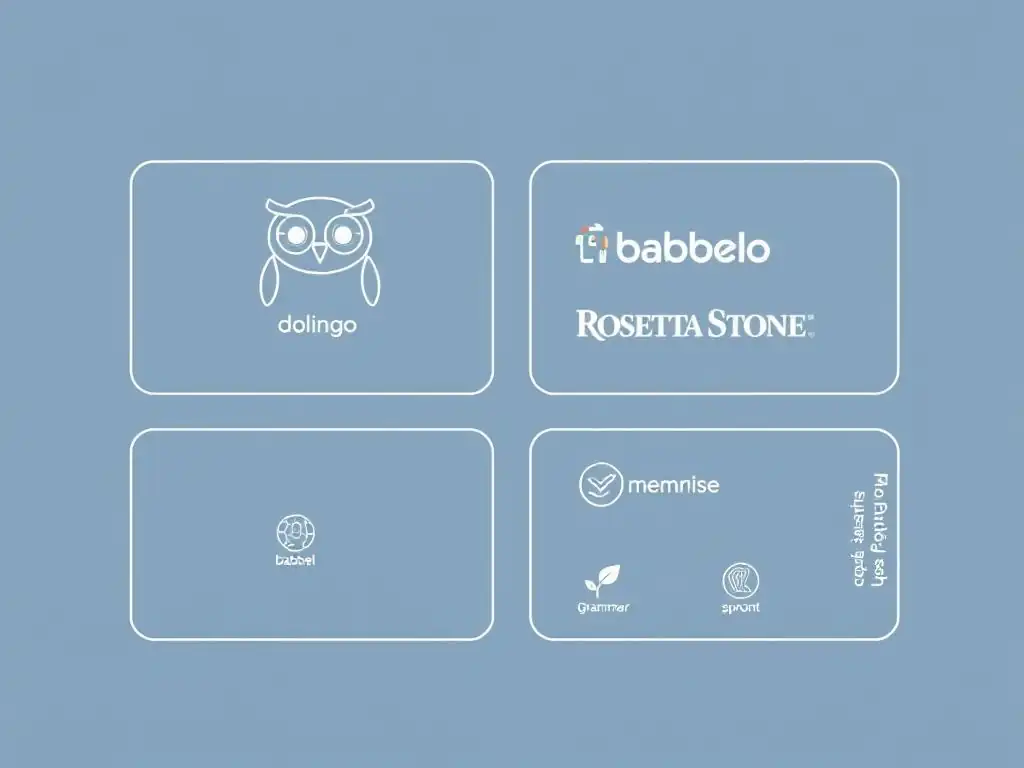
This section provides a detailed feature comparison of four popular language learning apps: Duolingo, Babbel, Rosetta Stone, and Memrise. We'll analyze key aspects to help you determine which best suits your learning style and goals. Choosing the best language learning app is subjective, depending on individual needs and preferences, but this comparison will illuminate the strengths and weaknesses of each platform. This analysis will aid you in selecting the optimal app for your "best language learning app" search.
Key Features Comparison: Pricing, Lesson Structure, and Platform Availability
Let's dive into a granular comparison of pricing models, lesson structures, and platform accessibility across these four leading language learning applications. Understanding these nuances is crucial for selecting the application that best aligns with your budget and preferred learning environment.
| Feature | Duolingo | Babbel | Rosetta Stone | Memrise |
|---|---|---|---|---|
| Pricing Model | Primarily free (with paid subscription for extra features) | Subscription-based (various plan lengths) | Subscription-based (various plan lengths) | Primarily free (with paid subscription for extra features) |
| Lesson Structure | Gamified, short lessons, focuses on vocabulary and grammar basics | More structured lessons, emphasis on conversational skills | Immersive approach, focuses on contextual learning | Uses flashcards and spaced repetition, incorporates user-generated content |
| Platform Availability | Web, iOS, Android | Web, iOS, Android | Web, iOS, Android | Web, iOS, Android |
| Strengths | Free option, gamified learning, large user base | Focus on conversational skills, structured curriculum | Immersive learning experience, focus on practical application | Spaced repetition system, user-generated content |
| Weaknesses | Less depth in grammar, relies heavily on gamification | Can be expensive, limited free trial | Steep learning curve, can be expensive | Can lack structure, quality of user-generated content varies |
For example, while Duolingo excels at gamified learning and offers a free tier, its depth of grammar instruction may not satisfy advanced learners. Conversely, Babbel provides a more structured curriculum focusing on conversational skills but comes with a subscription fee. Rosetta Stone offers an immersive experience but can be expensive and have a steep learning curve. Finally, Memrise leverages spaced repetition and user-generated content, but the quality can be inconsistent.
Choosing the right app hinges on your learning style and priorities. Do you prefer a free, gamified approach (Duolingo)? A structured, conversation-focused curriculum (Babbel)? An immersive, contextual learning experience (Rosetta Stone)? Or a system that utilizes spaced repetition and user-generated content (Memrise)? The table above should clarify these differences.
Which App is Right for You? A Personalized Recommendation Guide
This section offers personalized recommendations based on different learner profiles. Finding the "best" app is highly individual, so consider your specific needs and learning preferences. This guide helps you navigate the options and choose the app that best fits your language learning journey. Think of this as your personalized "best language learning app comparison" guide.
For the Budget-Conscious Beginner: Duolingo provides a fantastic entry point. Its gamified approach makes learning fun and accessible, and the free version offers ample content for initial language exposure. However, be aware of its limitations regarding grammar depth.
For the Serious Learner Seeking Conversational Fluency: Babbel is a strong contender. Its structured curriculum and focus on practical conversational skills are ideal for those aiming for fluency. Be prepared for a subscription cost, though.
For the Immersive Learner Who Prefers Contextual Learning: Rosetta Stone's immersive approach might be perfect. However, its steep learning curve and higher price point should be considered.
For the Learner Who Benefits from Spaced Repetition and Community Input: Memrise offers a unique approach with its spaced repetition system and user-generated content. Be mindful that content quality may vary.
Ultimately, the best language learning app is the one that best aligns with your individual learning style, budget, and goals. Experiment with free trials or free versions of each app to determine which platform best suits your needs. Remember, consistent effort and engagement are key factors in language acquisition, regardless of the app you choose. The "best language learning app comparison" boils down to self-awareness and a proactive approach.
Beyond the Apps: Maximizing Your Language Learning Success
This section moves beyond the specific features of language learning apps and delves into strategies to amplify your learning journey and achieve fluency faster. While the best language learning app comparison highlights excellent tools, true mastery requires a multifaceted approach. Think of the apps as a crucial foundation, but not the entire structure of your language acquisition building.
Supplementing Your App with Other Resources: Podcasts, Books, and Language Exchange Partners
Relying solely on an app, even the best one, limits your exposure to the nuances of the language. To truly immerse yourself, consider these supplementary resources:
- Podcasts: Podcasts offer authentic listening practice, exposing you to natural speech patterns, colloquialisms, and different accents. Look for podcasts designed for language learners, offering transcripts and varying levels of difficulty. Start with beginner-level podcasts and gradually increase the complexity as your comprehension improves. Consistency is key; try to listen to at least one podcast episode daily, even if it's just for 15 minutes.
- Books: Reading expands your vocabulary and improves your comprehension. Begin with graded readers—books specifically designed for language learners—and transition to authentic materials as your skills advance. Don't be afraid to use a dictionary frequently; it's a valuable tool for building vocabulary. Focus on reading materials that genuinely interest you; this will keep you motivated and engaged.
- Language Exchange Partners: Practicing speaking is essential for fluency. Language exchange platforms connect you with native speakers who are learning your language. This reciprocal arrangement allows for valuable conversation practice and cultural exchange. Regular interaction, even for short periods, significantly enhances your conversational skills and confidence. Remember to be patient and understanding; language learning is a journey, not a race.
Setting Realistic Goals and Maintaining Motivation: Tips for Long-Term Success
Consistency trumps intensity. Setting achievable goals and maintaining motivation are critical for long-term language learning success. Avoid overwhelming yourself with unrealistic expectations. Instead, establish small, attainable goals that you can consistently achieve. For instance, aim to learn 5 new words daily, complete one lesson in your app each day, or engage in a 15-minute conversation with a language partner twice a week.
Here's a sample goal-setting plan:
| Week | Goal | Measurement | Reward |
|---|---|---|---|
| 1 | Learn 25 new vocabulary words | Number of words correctly used in sentences | Enjoy a favorite movie/show in target language |
| 2 | Complete all app lessons for Module 1 | Completion of module in the app | Treat yourself to a nice meal |
| 3 | Have two 30-minute conversations | Time spent conversing | Listen to a podcast in the target language |
Celebrate your achievements, no matter how small. Acknowledge your progress and reward yourself for reaching milestones. This positive reinforcement will keep you motivated and engaged in your learning journey. Remember, setbacks are normal; don't let them discourage you. Learn from your mistakes and keep moving forward.
Tracking Your Progress and Celebrating Milestones: Staying Motivated with Language Learning
Tracking your progress provides tangible evidence of your achievements, boosting motivation and reinforcing your commitment. Utilize various methods to monitor your advancement:
- Language learning app built-in trackers: Most apps provide progress reports, showing your vocabulary growth, lesson completion rates, and overall proficiency scores. Regularly review these reports to see how far you've come.
- Personal journal: Maintain a journal to record your learning experiences, challenges, and successes. Note down new vocabulary words, grammar rules you've learned, and your feelings about the learning process. This reflective practice helps solidify your learning and identify areas needing improvement.
- Spreadsheet or calendar: Create a spreadsheet or calendar to schedule your study sessions, track your progress towards your goals, and celebrate milestones. Visualizing your accomplishments can be immensely motivating.
Remember to celebrate your successes! Reaching milestones, no matter how small, deserves recognition. Reward yourself for your hard work and dedication. This positive reinforcement will help maintain momentum and keep you motivated throughout your language learning journey. 🎉 The feeling of accomplishment is a powerful motivator!
Frequently Asked Questions
What makes this article different from other language learning app reviews?
This article goes beyond simple feature lists. We compare apps based on learning methodologies, user experience, and long-term effectiveness, helping you choose the app that best suits your learning style and goals. We focus on practical application and results.
Which language learning app is best for beginners?
The best app for beginners depends on your learning style. However, apps like Duolingo and Memrise are often recommended for their gamified approach and gradual introduction to new vocabulary and grammar.
Are there any free language learning apps worth considering?
Yes! Duolingo offers a substantial amount of free content, and Memrise also has a generous free tier. While paid versions often unlock extra features, the free versions provide a solid foundation for learning.
How do I choose the best app for my needs?
Consider your learning style (visual, auditory, kinesthetic), your budget, and your language learning goals. Read detailed reviews and, if possible, try out the free versions of several apps before committing to a paid subscription.
What if I don't have much time to study?
Many apps offer short, bite-sized lessons, perfect for fitting language learning into busy schedules. Look for apps with features like daily reminders and flexible learning sessions to maximize your study time, even if it's only for 10-15 minutes a day.
Final Reflection: Unlocking Global Communication: The Power of Choice
The quest for language mastery is no longer a solitary journey; it's a vibrant marketplace of innovative tools. The sheer number of language learning apps available today underscores a global desire for connection and understanding, a testament to our increasingly interconnected world. This accessibility, however, also presents a challenge: navigating the vast landscape to find the perfect fit for individual needs and learning styles.
This exploration of top language learning apps has highlighted not just the technological advancements in language acquisition, but also the profound impact these tools have on shaping cultural exchange and personal growth. The ability to connect with people from different backgrounds, to appreciate diverse perspectives, and to engage with different cultures on a deeper level is invaluable. The limits of my language mean the limits of my world.
- Ludwig Wittgenstein. This quote resonates deeply, as mastering a new language truly expands one's world, opening doors to new experiences and relationships.
So, what is your next step? Don't just passively consume information; actively engage with it. Explore the apps discussed, experiment with different methods, and find the learning style that resonates most with you. Embrace the journey, celebrate your progress, and remember that the true reward lies not just in fluency, but in the enriching connections you forge along the way. The world awaits your conversation.
Unlock Your Language Potential: Start Speaking Today!
Thank you for exploring the world of language learning apps with us! We hope you've found the perfect tool to begin your fluency journey. Now it's time to put your knowledge into practice.
- Download your chosen app and dedicate just 15 minutes a day to learning. Consistency is key to achieving fluency.
- Share this article with a friend who also dreams of becoming multilingual. Learning together makes the process more enjoyable and motivating.
- Practice a new phrase or vocabulary set in your target language – then use it in a real-life conversation, however brief. Immediate application significantly boosts confidence and retention.
So, what exciting phrase will you try first? Share your progress in the comments!