
The Future of Lighting is Smart: Why You Should Upgrade Today

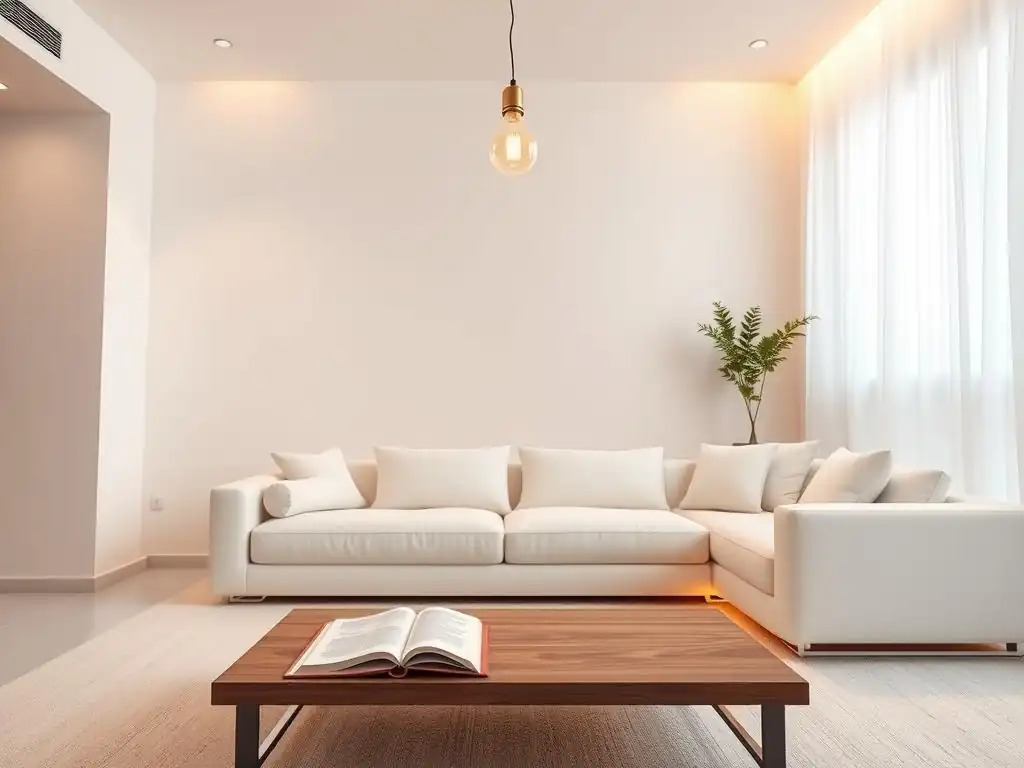
Ready to unlock a world of effortless efficiency and unparalleled convenience? Welcome to UltimateLifeHacks, your ultimate resource for practical tips and game-changing strategies to optimize your daily life. Discover how seemingly small changes can yield extraordinary results, starting with our latest exploration into the Smart lighting home automation benefits detailed in our article, "The Future of Lighting is Smart: Why You Should Upgrade Today." Prepare to be amazed by the transformative power of smart technology – are you ready to illuminate your life?
- Understanding the Benefits of Smart Lighting Home Automation
- Choosing the Right Smart Lighting System for Your Home
- Installing and Setting Up Your Smart Lighting System
- Maximizing the Potential of Smart Lighting: Advanced Features and Automation
- The Long-Term ROI of Smart Lighting Home Automation: Beyond Energy Savings
- Frequently Asked Questions
- Final Reflection: Illuminating the Path to a Smarter Home
- Unleash the Power of Smart Lighting: Light Up Your Life!
Understanding the Benefits of Smart Lighting Home Automation
Smart lighting is no longer a futuristic luxury; it's a practical and increasingly affordable way to transform your home, enhancing both convenience and energy efficiency. This article dives into the compelling reasons why upgrading to smart lighting is a worthwhile investment, focusing on the significant benefits it offers in home automation, particularly concerning energy savings and enhanced security.
We'll explore how smart lighting systems can actively contribute to a more sustainable lifestyle while simultaneously bolstering your home's security posture. From understanding the mechanics of energy-efficient bulbs to leveraging advanced scheduling and automation features, we'll equip you with the knowledge to make an informed decision about integrating smart lighting into your home.
The advantages extend beyond simple convenience, offering tangible returns in terms of reduced energy consumption and improved peace of mind. This guide will help you understand the true potential of smart lighting and how it directly addresses the keyword: "Smart lighting home automation benefits."
Energy Savings with Smart Lighting: Lowering Your Electricity Bill
Smart lighting offers substantial energy savings compared to traditional incandescent or even halogen bulbs. The core of these savings lies in the efficiency of LED technology, which is the foundation of most smart bulbs. LEDs consume significantly less energy to produce the same amount of light, translating directly into a lower electricity bill. Furthermore, smart lighting systems allow for precise control over lighting usage, minimizing energy waste.
Reducing Energy Waste with Smart Bulbs: Philips Hue vs. LIFX
Let's compare two popular smart lighting brands: Philips Hue and LIFX. Both offer energy-efficient LED bulbs, but their features and functionalities differ slightly. For instance, Philips Hue often boasts a wider range of color options and a more robust ecosystem of accessories. LIFX, on the other hand, might excel in specific areas like its range of bulb types or ease of setup.
While precise energy consumption data varies based on bulb wattage and usage patterns, both brands represent a significant step up from traditional lighting in terms of energy efficiency. A detailed comparison, including specific wattage and lumen outputs for various models, would further illuminate these differences and help consumers make informed purchasing decisions. [Specific data on energy consumption for various Philips Hue and LIFX models pending]
Scheduling and Automation for Optimal Energy Efficiency: Home Assistant Integration
Smart lighting's ability to automate lighting schedules is a game-changer for energy conservation. Imagine automatically turning off lights in unoccupied rooms or dimming them during daylight hours. Systems like Home Assistant allow for sophisticated automation, integrating smart lighting with other smart home devices to create truly efficient scenarios. For example, lights could automatically turn off when you leave home, detected by a smart door sensor, or adjust brightness based on ambient light levels sensed by a smart sensor. This level of control minimizes energy waste and contributes to significant long-term savings. The potential for energy optimization is truly remarkable.
Enhanced Home Security with Smart Lighting Systems
Beyond energy savings, smart lighting significantly enhances home security. The strategic use of automated lighting can deter potential intruders and provide peace of mind, even when you are away from home.
Deterring Burglars with Automated Lighting Schedules: Ring Alarm Integration
Integrating smart lighting with a security system, such as Ring Alarm, amplifies its effectiveness. Automated schedules can simulate occupancy, turning lights on and off at random times, even when the house is empty. This unpredictability makes a home a less attractive target for burglars. The combination of smart lighting and a robust security system creates a layered approach to home protection. [Specific examples of Ring Alarm integration with various smart lighting systems pending]
Remote Access and Control for Enhanced Security: Using Smart Lighting Apps on Your Phone
Smart lighting apps provide remote access and control over your home's lighting, offering another layer of security. You can check if lights are on or off remotely, and even turn them on if you notice something unusual, deterring potential intruders. This ability to monitor and control your home's lighting from anywhere adds a crucial element of security and peace of mind.
The convenience and security features offered by these apps make smart lighting a valuable addition to any home security strategy. The ability to remotely check and control your home’s lighting provides a significant security boost and adds a layer of convenience often overlooked.
Increased Comfort and Convenience with Smart Home Lighting
Smart lighting dramatically enhances comfort and convenience within your home. Imagine walking into a dimly lit, welcoming living room after a long day, the lights automatically adjusting to your preferred setting. This isn't science fiction; it's the reality offered by smart lighting systems.
The ability to control your lighting remotely, whether you're still at the office or already tucked into bed, adds a layer of convenience unmatched by traditional lighting solutions. No more fumbling for light switches in the dark or worrying about whether you left a light on. With a simple tap on your smartphone or a voice command, you can illuminate or dim any room, setting the perfect ambiance for any activity.
This seamless control extends beyond simple on/off functionality; smart bulbs allow for precise adjustments to brightness, color temperature, and even color, offering a level of customization previously unimaginable. This level of control contributes significantly to a more relaxed and comfortable home environment, enhancing the overall quality of life. The peace of mind knowing you can manage your lighting from anywhere is a significant benefit in itself, especially for security purposes.
Personalized Lighting Scenes for Every Mood and Occasion: Creating Ambiance with Smart Lighting
Smart lighting allows for the creation of personalized lighting scenes tailored to different moods and occasions. For instance, you could program a "Relaxation" scene with soft, warm white light for a tranquil evening, or a "Party" scene with vibrant, dynamic colors to energize a gathering. The possibilities are truly limitless.
Think about setting a romantic ambiance with subtle dimming and a warm color temperature for a dinner date, or creating a focused, bright white light for working from home. These pre-programmed scenes can be activated with a single tap on your smartphone or through voice commands, instantly transforming the atmosphere of your home. Moreover, you can easily adjust and modify these scenes to perfectly match your preferences, ensuring the lighting always complements your activities and mood.
This level of customization elevates the everyday experience, turning your home into a truly personalized sanctuary. Consider the impact on family life: a calming bedtime scene for children, a bright and cheerful morning scene to start the day, all easily managed and automated.
Voice Control Integration with Alexa and Google Assistant: Hands-Free Lighting Control
Integrating your smart lighting with voice assistants like Alexa and Google Assistant unlocks a new level of hands-free control. Imagine controlling your entire home lighting system simply by speaking. With a simple voice command, you can turn lights on or off, adjust brightness, change colors, and even activate pre-programmed scenes. This is particularly useful when your hands are full, you're multitasking, or simply want a more convenient way to manage your home's lighting.
The convenience factor is undeniable, streamlining daily routines and enhancing overall efficiency. Voice control adds a layer of accessibility, making smart lighting easier to use for people with mobility limitations. This intuitive control system seamlessly integrates into modern lifestyles, making smart lighting a truly user-friendly technology. The ability to control lights without lifting a finger is a testament to the technological advancements driving smart home automation.
Smart Lighting and Sleep Quality Improvement: Using Color Temperature for Better Sleep
The color temperature of light significantly impacts our circadian rhythm and sleep quality. Smart lighting allows for precise control over color temperature, enabling you to optimize your lighting for better sleep. Warm white light, with lower color temperatures (around 2700K), promotes relaxation and helps prepare your body for sleep. Conversely, cooler white light (around 5000K) is more energizing and suitable for daytime activities.
By strategically scheduling changes in color temperature throughout the day, you can naturally regulate your sleep-wake cycle and improve your overall sleep quality. For example, you might program your smart lights to gradually shift from cool white light in the morning to warm white light in the evening, mimicking the natural changes in sunlight. This gradual transition helps your body adjust to the changing times of day, promoting better sleep hygiene.
Studies have shown a correlation between exposure to blue light before bed and sleep disturbances; smart lighting allows you to minimize this exposure by adjusting the color temperature of your lights. This thoughtful manipulation of light can significantly contribute to a more restful and rejuvenating night's sleep. The ability to fine-tune the light's color temperature provides a powerful tool for improving sleep quality and overall well-being.
Choosing the Right Smart Lighting System for Your Home
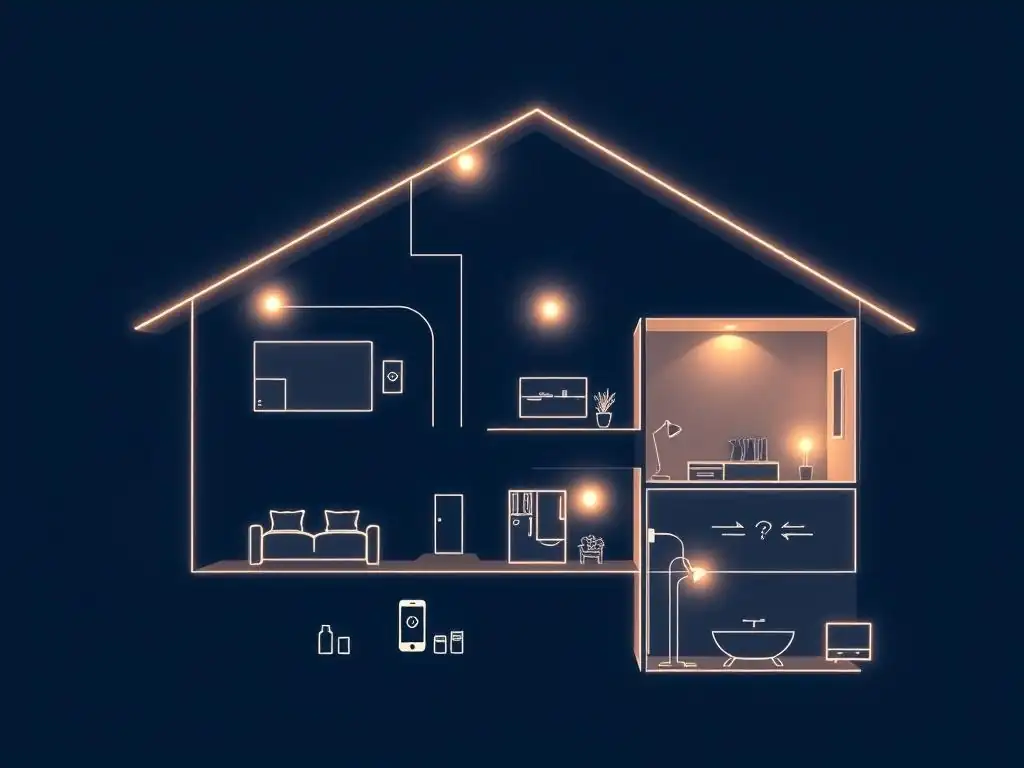
This section dives into the crucial aspects of selecting a smart lighting system that perfectly complements your home and lifestyle. Making the right choice hinges on understanding your needs and the available options. Smart lighting home automation benefits extend far beyond simple convenience; they encompass energy savings, enhanced security, and improved ambiance. Let's explore how to navigate this exciting realm.
Types of Smart Bulbs: LED, CFL, and Incandescent Alternatives
The core of any smart lighting system is the bulb itself. While the overwhelming majority of smart bulbs on the market are LED, understanding the differences between LED, CFL, and even the now-rare incandescent smart bulb alternatives is key to making an informed decision.
LED (Light Emitting Diode) bulbs are the most energy-efficient option, boasting a significantly longer lifespan and lower energy consumption compared to CFLs or incandescents. Their superior energy efficiency directly contributes to the substantial smart lighting home automation benefits in terms of reduced electricity bills. They also offer a wider range of color temperatures and brightness levels.
CFL (Compact Fluorescent Lamp) smart bulbs are becoming less common due to their longer warm-up time and potential mercury content. While some CFL smart bulbs exist, they are generally less efficient and offer fewer features compared to their LED counterparts.
Incandescent smart bulbs are practically obsolete. Their extremely low energy efficiency makes them a poor choice for most consumers, even if smart functionality is desired. The environmental impact and cost savings are negligible compared to modern LEDs.
The choice is clear: LED smart bulbs are the superior option for almost every application, offering the best balance of energy efficiency, longevity, and feature set. This directly impacts the overall smart lighting home automation benefits you'll experience.
Brightness and Color Temperature Options: Finding the Perfect Fit for Your Needs
Smart bulbs offer a wide spectrum of brightness and color temperature settings, allowing for precise customization of your home's lighting environment. Brightness is typically measured in lumens, with higher lumens indicating brighter light. A 60-watt equivalent incandescent bulb typically produces around 800 lumens.
Color temperature is measured in Kelvin (K). Lower Kelvin values (2700K-3000K) produce warmer, more yellowish light, ideal for creating a relaxing atmosphere in living rooms or bedrooms. Higher Kelvin values (5000K-6500K) produce cooler, whiter light, often preferred for kitchens and bathrooms, mimicking natural daylight. Many smart bulbs offer a full spectrum of color temperatures, allowing you to adjust the ambiance to suit your mood or activity. This level of control significantly enhances the smart lighting home automation benefits, transforming your home's atmosphere with ease.
Smart Lighting Compatibility: Working with Existing Systems and Smart Assistants
Before purchasing a smart lighting system, ensure compatibility with your existing smart home ecosystem. Many systems integrate seamlessly with popular smart assistants like Google Assistant, Amazon Alexa, and Apple HomeKit. This interoperability allows voice control, automation, and integration with other smart devices, maximizing the smart lighting home automation benefits. Consider whether you want to build a system from scratch or integrate it into an existing platform. Check the specifications of the bulbs and the hub (if required) to confirm compatibility. This pre-purchase research is crucial to avoid compatibility issues and ensure a smooth integration process.
Top Smart Lighting Brands Compared: Philips Hue, LIFX, Nanoleaf, and Sengled
Several leading brands dominate the smart lighting market, each offering unique features and price points. This comparison focuses on four popular brands: Philips Hue, LIFX, Nanoleaf, and Sengled. Each caters to different needs and budgets, influencing the overall smart lighting home automation benefits.
Smart Bulb Features Comparison: Brightness, Color Range, App Functionality
| Brand | Brightness Range (Lumens) | Color Range (Kelvin) | App Functionality | Notable Features |
|---|---|---|---|---|
| Philips Hue | Varies by bulb model | Typically wide range | Extensive, user-friendly | Wide range of accessories, excellent ecosystem |
| LIFX | Varies by bulb model | Typically wide range | User-friendly, feature-rich | Known for speed and responsiveness |
| Nanoleaf | Varies by panel/bulb model | Wide range | Unique, design-focused | Focus on panels and unique lighting effects |
| Sengled | Varies by bulb model | Often limited range | Basic, functional | Often more affordable |
This table provides a general overview; specific features and capabilities vary significantly across individual bulb models within each brand. Thorough research on specific product lines is essential before making a purchase.
Pricing and Value Analysis: Finding the Best Smart Lighting System for Your Budget
The cost of a smart lighting system can vary widely depending on the number of bulbs, brand, and features. Philips Hue, while offering a robust ecosystem and advanced features, tends to be on the higher end of the price spectrum. LIFX and Nanoleaf occupy a middle ground, balancing features and cost. Sengled often presents the most affordable option, but might compromise on features and app functionality.
Consider your budget and the desired features when selecting a brand and model. The long-term smart lighting home automation benefits, including energy savings, should be factored into the overall cost analysis. Remember that the initial investment is often offset by the long-term savings in energy consumption.
Installing and Setting Up Your Smart Lighting System
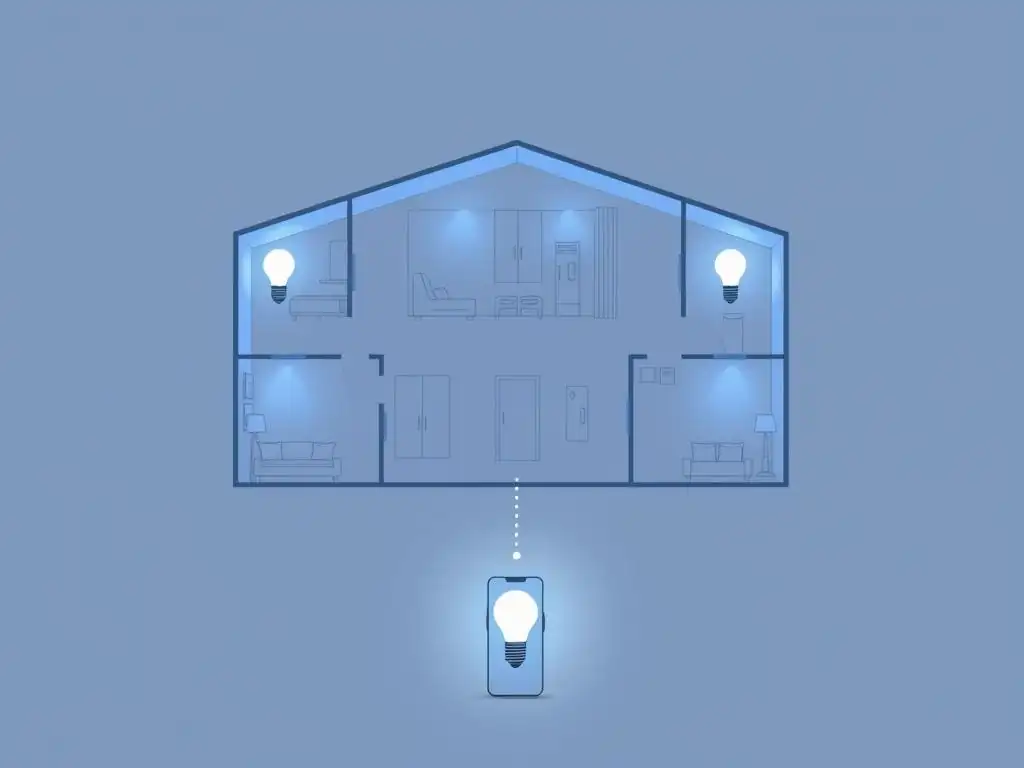
This section details the process of installing and configuring your smart lighting system, focusing on ease of use and troubleshooting common problems. Successfully implementing smart lighting unlocks significant benefits in home automation, enhancing convenience and energy efficiency. Let's dive into the specifics.
Simple Steps to Install Smart Bulbs: A Beginner's Guide
Installing smart bulbs is surprisingly straightforward, even for those unfamiliar with home automation. The process typically involves these simple steps:
- Check Compatibility: Before purchasing, ensure your smart bulbs are compatible with your existing light fixtures and your home's Wi-Fi network (2.4 GHz is usually required). Note that some bulbs may require a specific type of light socket (e.g., E26 or E12). Consult the manufacturer's specifications to avoid compatibility issues.
- Unscrew the Old Bulb: Carefully remove your existing light bulb from the fixture. Remember to turn off the power switch before handling any electrical components.
- Screw in the Smart Bulb: Gently screw the smart bulb into the socket, ensuring a secure connection.
- Download the App: Download the manufacturer's app (e.g., Philips Hue, LIFX, etc.) from your smartphone's app store. This app will be your central control hub for managing and customizing your smart lighting.
- Power On: Turn on the light switch to power the smart bulb.
- Follow App Instructions: The app will guide you through the remaining steps, such as connecting the bulb to your Wi-Fi network and creating an account. This usually involves selecting your Wi-Fi network and entering your password.
- Test Functionality: Once connected, test the bulb's functionality using the app. You should be able to turn the light on and off, adjust brightness, and potentially change the color temperature or color.
Pro Tip: If you're installing multiple smart bulbs, it's best to install and connect them one at a time to avoid potential network congestion and simplify troubleshooting. This methodical approach ensures a smoother setup.
Connecting Smart Bulbs to Your Wi-Fi Network: Troubleshooting Common Issues
Connecting your smart bulbs to your Wi-Fi network is crucial for remote control and automation. Here's how to navigate common connection problems:
- Weak Wi-Fi Signal: A weak Wi-Fi signal is a frequent culprit. Ensure your router is centrally located and that there are no significant obstacles (walls, large appliances) obstructing the signal. Consider using a Wi-Fi extender if necessary.
- Incorrect Password: Double-check that you've entered your Wi-Fi password correctly. Even a single typo can prevent successful connection.
- Network Congestion: Too many devices connected to your Wi-Fi network can lead to connectivity issues. Temporarily disconnect some devices to see if that improves the connection.
- Bulb Compatibility: Not all smart bulbs are compatible with all Wi-Fi routers. Check the bulb's specifications to ensure compatibility with your router's frequency (2.4 GHz is most common).
- Router Settings: Rarely, your router's settings might interfere with the connection. Try temporarily disabling firewalls or other security features to see if that resolves the issue. Consult your router's documentation for more information.
| Problem | Possible Cause | Solution |
|---|---|---|
| Bulb won't connect | Incorrect Wi-Fi password | Double-check password; restart router and bulb |
| Slow connection | Network congestion | Disconnect other devices; use Wi-Fi extender |
| No internet access | Router issue | Restart router; check internet connection |
| App not detecting bulb | Bulb not powered on properly | Check power source; restart bulb |
Setting Up Smart Home Integrations: Linking with Alexa, Google Assistant, and other systems
Once your smart bulbs are installed and connected, the real fun begins—integrating them with your smart home ecosystem. This allows for voice control, automation, and seamless interaction with other smart devices.
- Alexa (Amazon Echo): Most smart bulb manufacturers offer seamless integration with Alexa. Simply link your smart lighting app with your Alexa app, and you'll be able to control your lights using voice commands like "Alexa, turn on the living room lights."
- Google Assistant (Google Home): Similar to Alexa, integrating your smart bulbs with Google Assistant enables voice control. You can use commands such as "Hey Google, dim the kitchen lights."
- Other Systems: Many smart lighting systems integrate with other smart home platforms like Apple HomeKit, Samsung SmartThings, and IFTTT (If This Then That), allowing for more complex automation scenarios. For example, you can set up a routine where your lights automatically turn on at sunset.
Important Note: The specific integration process varies depending on the smart bulb brand and the smart home platform you're using. Consult the manufacturer's documentation for detailed instructions. Proper setup greatly enhances the user experience and provides the full range of "Smart lighting home automation benefits".
Maximizing the Potential of Smart Lighting: Advanced Features and Automation
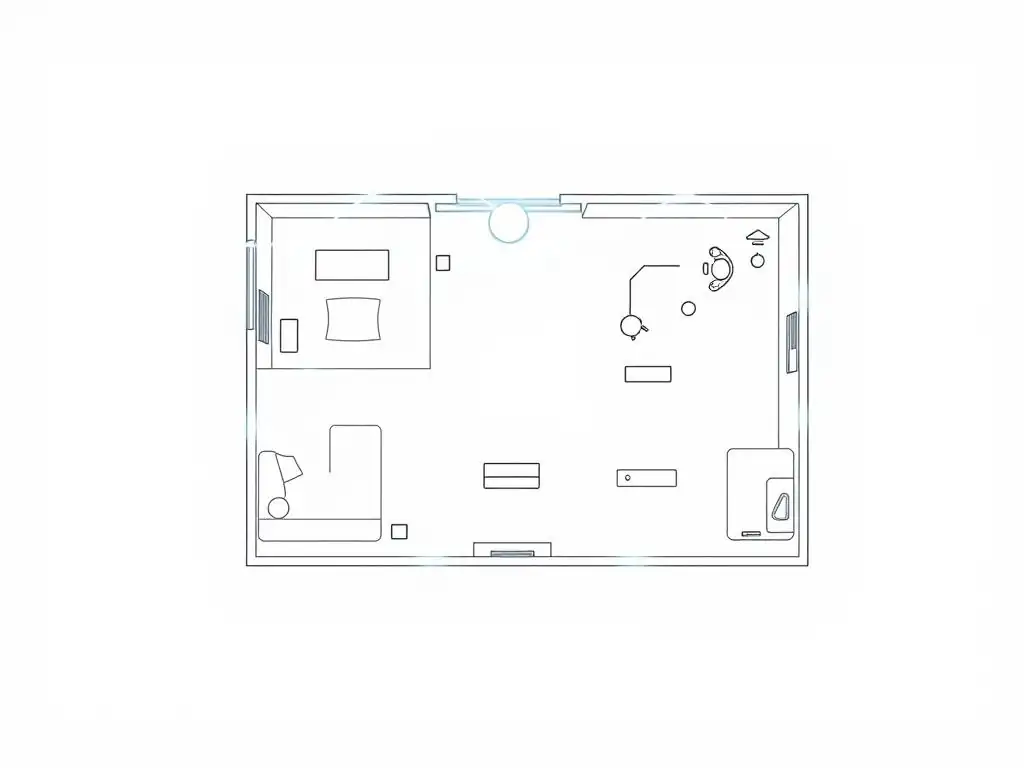
Smart lighting offers far more than simple on/off control. The real power lies in its advanced features and automation capabilities, transforming your home into a truly responsive and efficient environment. This section delves into the sophisticated functionalities that elevate smart lighting beyond basic convenience, directly impacting your energy consumption and overall home experience. Understanding these features is key to unlocking the full potential of your investment in smart home automation benefits.
Creating Personalized Lighting Schedules and Automation Routines
Smart lighting allows you to create highly personalized lighting schedules tailored to your daily routine and preferences. Instead of manually adjusting lights throughout the day, you can program them to automatically turn on and off at specific times. This is particularly useful for simulating occupancy when you're away, enhancing security, and reducing energy waste.
For example, you could program your bedroom lights to gradually brighten at sunrise, mimicking a natural wake-up call, and then dim softly as you prepare for bed in the evening. This automation not only saves you time and effort but also contributes to a more restful sleep cycle. Furthermore, you can set different lighting scenes for various activities.
Imagine instantly setting the mood for a romantic dinner with warm, dim lighting, or creating a vibrant atmosphere for a party with bright, colorful settings. The possibilities are virtually limitless, allowing you to customize your home lighting to perfectly match your lifestyle. This level of personalization is a key aspect of the smart lighting home automation benefits.
Geofencing and Location-Based Lighting Control
Geofencing takes smart lighting automation to another level by using your smartphone's location to trigger lighting changes. As you approach your home, the system can automatically turn on exterior lights, illuminating your pathway. Upon entering, interior lights can activate, welcoming you with a pre-set scene. Conversely, when you leave your home, the lights can automatically turn off, ensuring energy efficiency and security.
This feature provides a seamless and intuitive experience, enhancing both convenience and security. The precision of geofencing allows for fine-tuned control, ensuring lights only activate when truly needed, further optimizing the smart lighting home automation benefits. Think of the energy savings achieved by automatically turning off lights when you leave for work or vacation!
Integrating Smart Lighting with Other Smart Home Devices: SmartThings Ecosystem
The true power of smart lighting is unlocked when integrated with other smart home devices. Consider the SmartThings ecosystem, a popular platform for connecting various smart devices. Integrating your smart lights with SmartThings allows for complex automation scenarios.
For instance, you could program your lights to turn on when your smart doorbell detects motion, deterring potential intruders. Or, imagine setting up a scene where your lights dim automatically when your smart thermostat detects a drop in ambient temperature, creating a cozy and energy-efficient environment. This interconnectedness fosters a truly intelligent home, where different systems work together seamlessly.
This synergistic effect significantly enhances the smart lighting home automation benefits, providing a superior level of comfort, security, and energy efficiency. The possibilities are vast, limited only by your imagination and the specific devices you choose to integrate. Exploring these possibilities and understanding the interoperability of different smart home devices is crucial to fully leverage the advantages of smart lighting.
The Long-Term ROI of Smart Lighting Home Automation: Beyond Energy Savings
Smart lighting offers significant long-term returns on investment (ROI) that extend far beyond the immediate energy savings. While reduced electricity bills are a compelling benefit, the true value lies in the increased home value, enhanced security, and future-proofing capabilities it provides. This section will delve into the financial and practical advantages of integrating smart lighting into your home automation strategy, focusing specifically on the long-term perspective. Understanding this complete picture is crucial for homeowners considering upgrading their lighting systems.
Increased Home Value with Smart Home Features: Attracting Buyers in the Real Estate Market
The real estate market is increasingly competitive, and smart home features are becoming highly desirable for prospective buyers. Smart lighting, a key component of home automation, significantly enhances a property's appeal and market value. Studies show that homes equipped with smart lighting systems often sell faster and for higher prices than comparable homes without these features. This is because buyers recognize the convenience, energy efficiency, and enhanced security that smart lighting offers.
For example, a recent survey indicated a 5-10% increase in home value for properties featuring comprehensive smart home integration, with smart lighting contributing significantly to this boost. This translates to a substantial return on investment when it's time to sell, making smart lighting a smart financial decision. The added convenience and modern appeal of smart lighting are also key selling points to attract a wider pool of potential buyers.
Smart Lighting and Home Resale Value: A Competitive Advantage
In today's competitive real estate market, differentiating your property is crucial. Smart lighting provides a significant competitive advantage by showcasing your home as modern, technologically advanced, and energy-efficient. This translates directly into a higher asking price and faster selling times.
Potential buyers are increasingly drawn to homes that offer convenience, security, and sustainability, all of which are enhanced by smart lighting. Furthermore, the ability to remotely control and automate lighting enhances the overall living experience, making your home more attractive to a broader range of buyers. This competitive edge ensures a better return on your investment when you decide to sell, solidifying smart lighting's position as a worthwhile upgrade.
Future-Proofing Your Home with Smart Technology: Adapting to Emerging Technologies
Investing in smart lighting is not just about present benefits; it's about future-proofing your home. The technology is constantly evolving, with new features and integrations emerging regularly. By choosing a compatible and scalable system, you can easily upgrade and expand your smart lighting setup as new technologies become available.
This adaptability ensures that your investment remains relevant and valuable for years to come. For example, future advancements might include improved energy efficiency, enhanced integration with other smart home devices, and more sophisticated control options. This long-term adaptability makes smart lighting a wise investment, ensuring that your home remains at the forefront of technological advancements and maximizing its value in the long run.
The flexibility inherent in choosing a scalable smart lighting system allows for effortless adaptation to future technological innovations, ensuring a continually enhanced and valuable home automation experience. This is a key factor in the long-term ROI of smart lighting, offering sustained benefits beyond the initial investment.
Frequently Asked Questions
What are the benefits of smart lighting home automation?
Smart lighting offers numerous benefits, including enhanced energy efficiency through automated scheduling and dimming, increased home security with customizable lighting schedules that mimic occupancy, and improved convenience with voice control and remote accessibility.
How much does it cost to install a smart lighting system?
The cost varies greatly depending on the size of your home, the number of lights you want to automate, and the type of system you choose. Expect a range from a few hundred dollars for a basic setup to several thousand for a comprehensive whole-home system.
Is smart lighting difficult to install and use?
Many smart lighting systems are surprisingly easy to install, with some bulbs simply screwing into existing fixtures. Most systems offer user-friendly apps for control and scheduling, making operation intuitive even for beginners.
What are some popular smart lighting brands?
Several reputable brands offer high-quality smart lighting solutions, including Philips Hue, LifX, IKEA Tradfri, and Lutron Caseta. Research different brands to find the best fit for your budget and needs.
Can smart lighting integrate with other smart home devices?
Yes, many smart lighting systems are interoperable with other smart home devices and platforms, such as Amazon Alexa, Google Home, and Apple HomeKit, allowing for seamless integration and centralized control of your entire smart home ecosystem.
Final Reflection: Illuminating the Path to a Smarter Home
The integration of smart lighting into our homes is no longer a futuristic fantasy; it's a readily available technology transforming how we live, interact with our spaces, and even conserve energy. The benefits, from enhanced security and convenience to significant cost savings and personalized ambiance, are undeniable and increasingly crucial in our ever-evolving technological landscape. This shift towards smart homes is not just a trend; it's a fundamental change in how we design and experience our living environments.
The impact of smart lighting extends far beyond simple illumination. It's reshaping our relationship with technology, blurring the lines between the physical and digital worlds. It's about creating personalized comfort and security, fostering a sense of control and peace of mind in our increasingly hectic lives. As the renowned architect Frank Lloyd Wright once said, Form follows function – that has been misunderstood. Form and function should be one, joined in a spiritual union.
Smart lighting embodies this principle, seamlessly integrating advanced technology into a design that enhances both functionality and aesthetic appeal.
Consider the possibilities: a home that anticipates your needs, adjusting lighting levels to match your daily rhythm, enhancing security with automated lighting schedules, and even contributing to a more sustainable future through energy efficiency. You have the power to illuminate your life, not just your home. Take the first step towards a smarter, more comfortable, and more secure living environment. Explore the options, weigh the benefits, and embrace the future of lighting – it's brighter than you think.
Unleash the Power of Smart Lighting: Light Up Your Life!
Thank you for exploring the exciting world of smart lighting! We hope you've discovered how these innovative systems can transform your home and lifestyle. Now, let's put that knowledge into action.
Here are a few ways to begin enjoying the benefits:
- Start with a smart bulb in your most-used room. This is the easiest way to experience the convenience of smart home technology. Imagine: no more fumbling for light switches!
- Share your smart lighting experiences on social media using #SmartHomeUpgrade. Let's connect and inspire others to embrace smart home technology!
- Research different smart lighting systems to find the perfect fit for your home and technical preferences. Consider features like color-changing capabilities, scheduling options, and voice control to find the ideal upgrade.
So, which room will you illuminate with the future of lighting first?