
Tired of Overspending? Discover the Budgeting App That Will Change Your Life

Welcome to UltimateLifeHacks, your one-stop shop for practical tips and tricks to master your daily life! Are you ready to ditch the financial stress and finally take control of your spending? We've uncovered the secret weapon to achieving financial freedom: the best budgeting app for saving money. Discover how this game-changing tool can transform your relationship with your finances and unlock a more efficient, productive, and ultimately, happier you. Dive in and explore the possibilities!
- Understanding Your Spending Habits: The First Step to Financial Freedom
- Best Budgeting App for Saving Money: A Comparative Review
- Choosing the Best Budgeting App for Your Needs: Factors to Consider
- Maximize Your Savings with the Right Budgeting App: Actionable Steps
- Beyond Budgeting Apps: Additional Tips for Effective Money Management
- Frequently Asked Questions (FAQs) about Budgeting Apps
- Frequently Asked Questions
- Final Reflection: Reclaiming Your Financial Future
- Unlock Your Financial Freedom: Take Control Today!
Understanding Your Spending Habits: The First Step to Financial Freedom
Are you tired of constantly wondering where your money goes each month? Do you dream of achieving financial freedom, but feel overwhelmed by the sheer thought of budgeting? You're not alone. Many people struggle with managing their finances, often leading to overspending and financial stress.
This article explores the power of budgeting apps in helping you gain control of your spending and achieve your financial goals. We'll delve into how these apps can help you identify spending leaks, analyze your spending patterns, and ultimately, set realistic financial goals. Learning to budget effectively is a crucial step towards building a secure financial future, and the right budgeting app can be your indispensable ally in this journey. Choosing the best budgeting app for saving money requires careful consideration of your individual needs and preferences, but the benefits far outweigh the initial effort.
This guide will equip you with the knowledge to select the perfect tool to streamline your finances and pave the way for a more financially secure and fulfilling life. Let's embark on this journey towards financial wellness together! 💰
Identifying Spending Leaks: Tracking Expenses with Budgeting Apps
Tracking your expenses is the cornerstone of effective budgeting. Manually tracking every purchase can be tedious and prone to errors. This is where budgeting apps shine.
They seamlessly integrate with your bank accounts and credit cards, automatically categorizing your transactions and providing a clear picture of your spending habits. Many apps offer features like visual representations of your spending (pie charts, bar graphs), allowing you to quickly identify areas where you might be overspending. For example, you might discover that your daily coffee runs are adding up to a significant amount each month, or that subscription services you've forgotten about are silently draining your account.
By pinpointing these "spending leaks," you can make informed decisions about where to cut back and allocate your funds more strategically. The process of tracking expenses becomes significantly less daunting and more manageable with the help of technology. This detailed view of your spending empowers you to make conscious financial choices and take control of your money.
Analyzing Your Spending Patterns: Mint vs. Personal Capital for Comprehensive Insights
Once you've tracked your expenses, the next step is analyzing your spending patterns to understand your financial behavior. Different budgeting apps offer varying levels of analysis. For instance, Mint provides a comprehensive overview of your spending across different categories, highlighting potential areas for improvement.
Personal Capital, on the other hand, offers more advanced features, including investment tracking and retirement planning tools. Comparing these two popular apps reveals their strengths and weaknesses. Mint excels at its ease of use and comprehensive transaction tracking, making it ideal for beginners.
Personal Capital, while more complex, offers deeper insights into your overall financial picture, making it a better choice for those with more complex financial situations, including investments. Understanding the nuances of these apps and their analytical capabilities allows you to choose the one that best suits your individual needs and financial goals. The key is to find an app that provides actionable insights, not just raw data.
Setting Realistic Financial Goals: From Saving for a Vacation to Paying Off Debt
A budgeting app is not just about tracking expenses; it's about setting and achieving financial goals. Whether you're saving for a down payment on a house, planning a dream vacation, or paying off high-interest debt, a budgeting app can help you visualize your progress and stay motivated. Many apps allow you to set custom budgets and goals, breaking them down into smaller, manageable milestones.
For example, if your goal is to save $5,000 for a down payment, the app can help you determine how much you need to save each month to reach your target. Similarly, if you're aiming to pay off credit card debt, the app can track your payments and show you how quickly you're reducing your balance. Setting realistic and achievable goals is crucial for long-term success.
Remember, the journey to financial freedom is a marathon, not a sprint, and a good budgeting app can be your trusted companion along the way. Celebrate small wins and stay focused on your ultimate financial aspirations.
Best Budgeting App for Saving Money: A Comparative Review
This section dives deep into a comparison of two popular budgeting apps, analyzing their features, pricing, and overall effectiveness in helping users achieve their savings goals. We'll explore how these apps cater to different user needs and preferences, ultimately assisting you in choosing the best budgeting app for saving money that aligns perfectly with your financial management style. We'll focus on achieving maximum financial wellness through smart app usage.
YNAB (You Need A Budget): Zero-Based Budgeting for Maximum Control
YNAB, or You Need A Budget, is a popular budgeting app renowned for its zero-based budgeting approach. This method ensures every dollar you earn is assigned a specific purpose, eliminating the possibility of overspending. It promotes mindful spending habits and empowers users to take control of their finances proactively. The core principle is to allocate all your income before it even arrives, leaving no money unaccounted for. This proactive approach significantly improves financial planning and reduces the likelihood of unexpected financial shortfalls.
YNAB Features & Benefits: Mastering Your Money with a Proven System
YNAB offers several key features designed to streamline the budgeting process and promote financial responsibility. These include:
- Intuitive Interface: The app boasts a user-friendly interface, making it easy to navigate even for those new to budgeting.
- Goal Setting: Set and track financial goals, whether it's saving for a down payment, paying off debt, or building an emergency fund. The app provides visual progress trackers to maintain motivation.
- Recurring Transactions: Easily schedule and track recurring expenses like rent, subscriptions, and loan payments. This feature minimizes the chance of forgetting crucial payments.
- Report Generation: Generate detailed reports to track spending habits and identify areas for improvement. This data-driven approach enables users to make informed financial decisions.
- Mobile Accessibility: Access your budget anytime, anywhere, through mobile apps for iOS and Android. This ensures you always have an up-to-date view of your finances.
YNAB's emphasis on a zero-based budget, combined with its robust features, helps users develop a healthier relationship with their money. The app fosters a mindset of mindful spending and proactive financial planning, leading to increased savings and reduced financial stress. Many users praise its effectiveness in transforming their financial outlook.
YNAB Pricing and User Experience: Is It Worth the Investment?
YNAB operates on a subscription model. While it represents a financial commitment, many users consider the cost justified by the app's effectiveness and comprehensive features. The subscription provides access to all features and ongoing support. The value proposition lies in the potential for significant long-term savings and improved financial well-being. The learning curve might be slightly steeper than some other apps, but the extensive support resources available help users quickly master the system. Considering the potential for substantial savings and improved financial control, the investment often pays for itself in a relatively short time.
Mint: Free Budgeting App for Beginners and Casual Users
Mint is a popular free budgeting app offering a simpler approach to financial management. Its ease of use and comprehensive integration with various financial accounts make it an attractive option for beginners or those seeking a less intensive budgeting solution. However, it's important to weigh the benefits against some limitations.
Mint's Strengths: Easy Setup and Integration with Financial Accounts
Mint's key strengths lie in its simplicity and ease of use. Key features include:
- Automatic Account Aggregation: Effortlessly connect your bank accounts, credit cards, and investment accounts to automatically track your transactions. This automation saves significant time and effort.
- Spending Categorization: Mint automatically categorizes your transactions, providing a clear overview of your spending habits. This automated process is helpful for visualizing spending patterns.
- Budget Creation: Create and manage budgets across different categories, setting spending limits to avoid overspending. This helps users monitor expenses and adjust their spending accordingly.
- Financial Goal Setting: Set financial goals, like paying off debt or saving for a purchase, and track your progress. This feature helps users stay motivated and focused on achieving their goals.
- Credit Score Monitoring: Monitor your credit score directly within the app, offering valuable insights into your financial health. This is a useful additional feature for many users.
Mint's intuitive interface and automation make it a great starting point for individuals new to budgeting. Its free accessibility lowers the barrier to entry, encouraging users to take control of their finances.
Mint's Limitations: Data Privacy Concerns and Limited Advanced Features
Despite its advantages, Mint has limitations. The primary concern revolves around data privacy. As a free service, Mint monetizes through targeted advertising, raising concerns about the extent of data collection and usage. Furthermore, the app lacks some advanced features found in paid budgeting apps such as YNAB.
For example, the zero-based budgeting approach and more sophisticated reporting capabilities are absent. Therefore, users seeking more granular control and advanced features might find Mint's capabilities insufficient. Advanced users may find the features too basic for their needs. The lack of robust goal-setting tools beyond basic savings targets could also be a drawback for users with specific financial aspirations.
Personal Capital: Advanced Budgeting and Investment Tracking
Personal Capital stands out as a powerful budgeting app, particularly beneficial for those managing significant assets. It goes beyond basic budgeting, offering comprehensive investment tracking and financial planning tools. The platform seamlessly integrates with various financial accounts, automatically aggregating data on bank accounts, credit cards, investment portfolios, and retirement accounts.
This centralized view provides a holistic snapshot of your financial health, making it easier to identify areas for improvement and track progress towards financial goals. Users can analyze their spending habits, identify recurring expenses, and set personalized budgets across various categories. The app's sophisticated reporting features allow for in-depth analysis of investment performance, asset allocation, and retirement projections.
This level of detail is invaluable for individuals aiming for long-term financial security and wealth management. Many users appreciate the ability to monitor their net worth in real-time, a feature not commonly found in simpler budgeting apps. The platform's ability to project future financial scenarios provides a clearer path towards financial independence.
Personal Capital's Advantages: Comprehensive Wealth Management Tools
Personal Capital's greatest strength lies in its comprehensive approach to wealth management. Unlike many budgeting apps that focus solely on tracking expenses, Personal Capital provides advanced tools for investment analysis and portfolio optimization. Its sophisticated algorithms analyze your investment holdings and offer personalized recommendations for diversification and risk management. The app's retirement planning tools are particularly helpful, allowing users to simulate different retirement scenarios and adjust their savings strategies accordingly.
The ability to track all aspects of your financial life in one place significantly simplifies the process of managing your money. This centralized view promotes better financial awareness and decision-making. The platform's interactive dashboards and intuitive interface ensure that even users with limited financial expertise can easily navigate its features and gain valuable insights into their financial situation. Furthermore, Personal Capital offers access to certified financial advisors, providing personalized guidance and support for those who need it.
Personal Capital's Drawbacks: Steeper Learning Curve and Primarily for Higher Net Worth Individuals
While Personal Capital offers a robust suite of features, it's not without its drawbacks. The app's advanced functionalities can lead to a steeper learning curve for users unfamiliar with investment management and financial planning. The interface, while intuitive for many, might feel overwhelming to those seeking a simpler budgeting solution. Moreover, Personal Capital's focus on wealth management makes it less suitable for individuals with limited assets.
Its features are geared towards those with significant investment portfolios and complex financial situations. The app's core value proposition is its comprehensive investment tracking and financial planning capabilities, which might be unnecessary for users who are primarily concerned with basic budgeting and expense tracking. Therefore, while it's a powerful tool for high-net-worth individuals, it might not be the most efficient choice for those with simpler financial needs.
EveryDollar: Dave Ramsey's Budget App for Debt Elimination
EveryDollar, developed by financial guru Dave Ramsey, is designed around the principle of zero-based budgeting and debt elimination. This app prioritizes simplicity and ease of use, making it an excellent option for those new to budgeting or struggling with debt. The app's core functionality revolves around assigning every dollar a specific purpose, ensuring that all income is accounted for and allocated towards planned expenses or debt repayment. It encourages users to adopt a disciplined approach to financial management, promoting mindful spending and strategic debt reduction.
The app's straightforward interface and intuitive design allow for quick and easy budget creation and tracking. This simplicity makes it accessible to a wide range of users, regardless of their technical skills or financial literacy. EveryDollar also incorporates Ramsey's popular "Debt Snowball" method, which prioritizes paying off smaller debts first to build momentum and motivation.
EveryDollar's Focus: Debt Snowball Method and Financial Peace
EveryDollar's primary focus is on helping users achieve financial peace through debt elimination. The app's features are specifically designed to support this goal. The zero-based budgeting approach ensures that users are consciously allocating all their income, preventing overspending and promoting mindful financial management. The integration of the Debt Snowball method provides a structured approach to debt repayment, making the process less daunting and more manageable.
The app's emphasis on financial education and community support fosters a sense of accountability and encourages users to stay committed to their financial goals. Users can track their progress towards debt freedom, celebrating milestones and staying motivated along the way. This focus on behavioral change and motivational support sets EveryDollar apart from many other budgeting apps.
EveryDollar's Usability and Limitations: Simplicity vs. Advanced Features
EveryDollar's simplicity is both its strength and its weakness. Its intuitive interface and straightforward approach make it easy to learn and use, even for beginners. However, this simplicity also means that the app lacks some of the advanced features found in other budgeting apps. For instance, it doesn't offer features like investment tracking, automated transaction categorization, or sophisticated financial reporting.
While its zero-based budgeting system is effective for expense tracking and debt repayment, it doesn't provide comprehensive insights into investment performance or long-term financial planning. This lack of advanced features might limit its appeal to users with complex financial situations or those seeking more in-depth financial analysis tools. Therefore, while ideal for debt elimination and straightforward budgeting, users seeking advanced features might need to consider alternative apps.
Choosing the Best Budgeting App for Your Needs: Factors to Consider
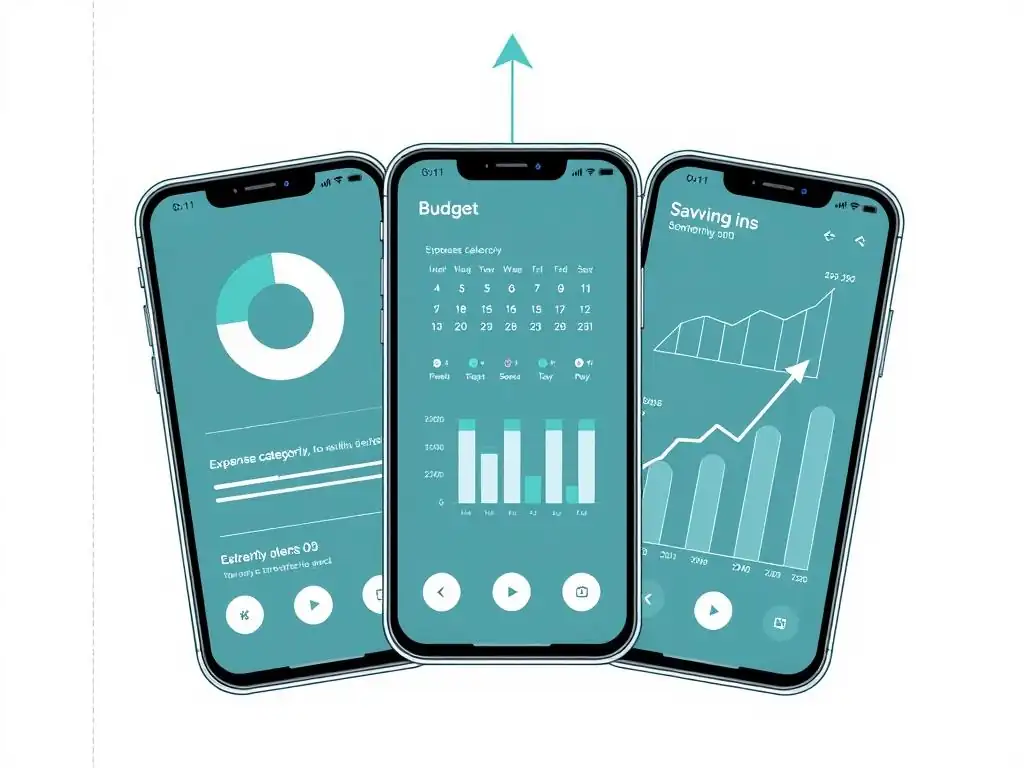
Choosing the best budgeting app for saving money isn't just about finding one with flashy features; it's about finding the perfect fit for your unique financial habits and tech comfort level. Several key factors significantly impact a budgeting app's effectiveness and user experience. Ignoring these could lead to frustration and ultimately, a failure to achieve your savings goals. Let's delve into the crucial aspects to consider before committing to a specific app.
Budget App Features Comparison: Ease of Use, Reporting, and Security
A user-friendly interface is paramount. The best budgeting app for saving money should be intuitive and easy to navigate, even for those less tech-savvy. Look for apps with clear visual representations of your spending, simple account linking processes, and straightforward budgeting tools. Complicated dashboards or confusing terminology can quickly lead to app abandonment.
Consider the reporting features. Does the app provide detailed spending breakdowns categorized by merchant, date, or spending category? Can you generate customized reports to track your progress towards financial goals? Robust reporting is crucial for understanding your spending habits and identifying areas for improvement. Think of it as your personalized financial health check-up.
Security is non-negotiable. The best budgeting apps employ robust encryption and security protocols to protect your sensitive financial data. Look for apps with two-factor authentication, secure data storage, and transparent privacy policies. Protecting your financial information should be a top priority. Failing to do so could lead to serious consequences.
Here's a comparison table highlighting key features:
| Feature | App A (Example) | App B (Example) | App C (Example) |
|---|---|---|---|
| Ease of Use | Excellent | Good | Fair |
| Reporting | Detailed | Basic | Limited |
| Security | Strong | Moderate | Needs Improvement |
| Account Linking | Seamless | Some Issues | Difficult |
Remember, the "best" app will depend on your individual needs and preferences. Prioritize the features that are most important to you.
Budgeting App Pricing Models: Free vs. Paid Subscriptions - Which Offers Best Value?
Many budgeting apps operate on a freemium model, offering basic features for free while charging a subscription fee for premium functionalities. Understanding the pricing model is essential to determining value. While a free app might seem attractive, it may lack critical features like advanced reporting, unlimited account connections, or personalized financial advice, ultimately hindering your savings progress.
Paid subscriptions often unlock these premium features, providing a more comprehensive and personalized budgeting experience. However, the cost-benefit analysis is crucial. Is the added value of the premium features worth the monthly or annual fee? Carefully weigh the features offered against your budget and savings goals. Consider whether the premium features directly support your financial goals. For example, if personalized financial advice isn't a priority, a free app with robust basic features might be sufficient.
Compatibility with Your Banking Institutions: Seamless Integration for Accurate Data
Seamless integration with your banking institutions is crucial for accurate data tracking. The best budgeting app for saving money should automatically import your transactions, minimizing manual data entry and reducing the risk of errors. Inconsistent or inaccurate data can skew your budget analysis, leading to flawed financial decisions.
Before choosing an app, verify its compatibility with your bank and other financial institutions. Apps that support a wide range of institutions offer greater flexibility and convenience. This compatibility is critical for the automated tracking and reporting that make budgeting apps so powerful. Incompatibility can turn a potentially helpful tool into a frustrating and inaccurate one. Check the app's supported institution list carefully to avoid disappointment.
Maximize Your Savings with the Right Budgeting App: Actionable Steps
Choosing the best budgeting app for saving money isn't just about downloading the first one you see. It's about finding a tool that seamlessly integrates with your spending habits and motivates you to reach your financial goals. This section focuses on actionable steps to ensure you're maximizing your savings potential with your chosen app. Remember, the most effective budgeting app is the one you consistently use.
Success hinges on selecting an app that fits your lifestyle and committing to its use. Let's explore practical strategies to leverage your budgeting app for optimal results. We'll examine how to effectively track expenses, allocate funds, and adapt your budget as needed.
Setting Up Your Chosen Budgeting App: A Step-by-Step Guide
The initial setup of your budgeting app is crucial. A well-structured setup lays the foundation for effective budgeting and long-term financial success. Think of it as building the scaffolding for your financial house. Here's a step-by-step guide to ensure a smooth and efficient onboarding process:
- Download and Installation: Begin by downloading the app from your device's app store. Ensure you're downloading the correct app from a reputable source to avoid security risks.
- Account Linking: Most budgeting apps allow you to link your bank accounts, credit cards, and other financial accounts. This automates the process of tracking transactions, saving you valuable time and effort. However, carefully review the app's security measures before linking your accounts.
- Categorization: Many apps offer pre-set expense categories, but you might need to customize them to reflect your unique spending patterns. For instance, you might want to break down "Dining Out" into "Fast Food," "Restaurants," and "Coffee Shops" for more precise tracking. Accurate categorization is key to understanding where your money is going.
- Budget Creation: Once your accounts are linked and categorized, start creating your budget. This involves allocating funds to different categories based on your income and expenses. Start with a realistic budget; you can always adjust it later.
- Goal Setting: Many budgeting apps allow you to set financial goals, such as saving for a down payment, paying off debt, or building an emergency fund. Setting clear, measurable goals provides motivation and keeps you focused on your financial objectives. Consider setting both short-term and long-term goals.
Creating a Realistic Budget: Allocating Funds to Essential and Non-Essential Expenses
Creating a realistic budget is paramount. It's about honestly assessing your income and expenses and allocating funds accordingly. This involves differentiating between essential and non-essential expenses. A successful budget balances needs with wants, allowing for occasional treats while prioritizing crucial financial obligations.
Let's use a simple example. Suppose your monthly income is $3000. A realistic budget might look like this:
| Expense Category | Allocation ($) | Notes |
|---|---|---|
| Essential Expenses | ||
| Rent/Mortgage | 1000 | Adjust based on your living situation. |
| Utilities (Water, Gas, etc.) | 200 | Consider seasonal variations in utility costs. |
| Groceries | 500 | Track your grocery spending meticulously. |
| Transportation | 300 | This could include gas, public transport, or car payments. |
| Non-Essential Expenses | ||
| Entertainment | 200 | This is where you can adjust based on your preferences and financial goals. |
| Dining Out | 100 | Limit dining out to reduce unnecessary spending. |
| Savings | 700 | Prioritize saving a significant portion of your income. |
Remember, these figures are examples. You need to tailor your budget to your specific circumstances. The key is to be honest with yourself about your spending habits and create a budget you can realistically stick to. Tracking your spending with your chosen budgeting app will help you identify areas where you can cut back.
Monitoring Your Progress and Making Adjustments: Regularly Review and Refine Your Budget
The process of budgeting isn't static; it's dynamic. Regularly reviewing and refining your budget is crucial for long-term success. This involves tracking your spending, comparing it to your budget, and making adjustments as needed. Think of your budget as a living document that evolves with your financial situation.
Here are some key steps to monitor your progress:
- Weekly Check-ins: Review your spending weekly to catch any discrepancies early. This allows for timely adjustments before they escalate.
- Monthly Reviews: Conduct a thorough monthly review of your budget, comparing actual spending to planned spending. Identify areas where you exceeded your budget and those where you underspent.
- Quarterly Adjustments: At the end of each quarter, take a step back and assess your overall financial progress. Consider adjusting your budget based on any significant life changes, such as a raise, a new job, or unexpected expenses.
- Annual Evaluation: Once a year, conduct a comprehensive review of your budget and financial goals. This is an opportunity to reassess your priorities and make any necessary long-term adjustments. This process ensures that your budget remains relevant and effective in supporting your financial aspirations. Remember, consistent monitoring and adjustments are key to achieving your financial goals and successfully using the best budgeting app for saving money.
Beyond Budgeting Apps: Additional Tips for Effective Money Management

While a budgeting app is a powerful tool in your financial arsenal, it's only one piece of the puzzle. Effective money management requires a holistic approach, integrating technology with sound financial practices. Think of your budgeting app as the central nervous system, but you need the brain and the muscles to truly thrive financially.
This section explores key strategies that complement app-based budgeting, helping you achieve your savings goals and build long-term financial security. Understanding these additional tips will significantly enhance your ability to save money and achieve financial wellness. This goes beyond simply finding the best budgeting app for saving money; it's about mastering your financial life.
Automate Your Savings: Setting Up Recurring Transfers to a Savings Account
Automating your savings is arguably one of the most effective strategies for building wealth. The power of automation lies in its consistency and removal of the temptation to spend what you've earmarked for savings. By setting up recurring transfers from your checking account to your savings account, you're essentially "paying yourself first." This removes the mental hurdle of manually transferring funds and ensures that a portion of your income is consistently allocated towards your savings goals. Consider setting up automated transfers on payday, ensuring that the money is moved before you even have a chance to spend it.
This simple yet powerful technique can dramatically accelerate your savings progress. For example, if you automate a transfer of $50 per week, you'll save $2,600 annually – a significant sum that can quickly accumulate over time. Many banks and financial institutions offer this feature, making it incredibly easy to implement.
Explore the options offered by your bank or consider using a dedicated savings app that integrates with your primary banking account to streamline the process. The key is consistency; the more consistently you automate your savings, the faster you will reach your financial targets. It's a simple yet highly effective way to boost your savings without requiring significant lifestyle changes.
Creating a Financial Plan: Long-Term Goals and Strategies for Financial Success
A robust budgeting app helps you manage your current finances, but a comprehensive financial plan guides your future financial well-being. Developing a long-term financial plan involves setting realistic goals, understanding your risk tolerance, and implementing strategies to achieve your objectives. This plan should encompass various aspects of your financial life, including:
- Retirement planning: How much will you need to retire comfortably? What investment strategies will you employ? Consider factors like inflation and potential healthcare costs.
- Debt management: How will you tackle existing debts? Prioritize high-interest debts and explore strategies like debt consolidation or balance transfers.
- Emergency fund: How much should you save for unexpected expenses? Aim for 3-6 months' worth of living expenses in an easily accessible account.
- Investment strategies: What investment vehicles are suitable for your risk tolerance and financial goals? Diversification is crucial to mitigate risk.
- Estate planning: Do you have a will or trust in place? Consider your legacy and how you'll distribute your assets.
Creating a financial plan doesn't have to be daunting. Start by identifying your short-term and long-term financial goals. Then, break down your goals into smaller, manageable steps, and track your progress regularly. Consider consulting with a financial advisor for personalized guidance, especially if your financial situation is complex. Remember, a strong financial plan, combined with effective budgeting, is the key to long-term financial success and security. This is a crucial element that complements using the best budgeting app for saving money and goes beyond simply tracking expenses. 💰
Frequently Asked Questions (FAQs) about Budgeting Apps
This section addresses common queries surrounding budgeting apps, helping you navigate the world of personal finance technology with confidence. We'll tackle everything from choosing the right app to understanding security concerns. Remember, finding the best budgeting app for saving money is a personal journey, so take your time and explore what works best for you.
What is the best free budgeting app?
The "best" free budgeting app is subjective and depends heavily on your individual needs and preferences. Several excellent options offer core budgeting features without a subscription fee. However, completely free apps often have limitations compared to their paid counterparts. These limitations might include restricted features, fewer account connections, or limited customer support.
For example, some free apps might excel at basic tracking of income and expenses, providing simple charts and graphs to visualize your spending habits. However, they might lack advanced features like financial goal setting, automated savings plans, or debt reduction tools. Others might have advertising or in-app purchases to unlock additional functionality.
To find a free app that fits your needs, consider the following:
- Simplicity: Do you need a straightforward app for basic tracking, or do you require sophisticated features?
- Account Linking: Does the app integrate with your bank accounts and credit cards? This automation is a significant time-saver.
- Reporting & Visualization: How important are detailed reports and insightful visualizations of your spending?
- Customer Support: What level of support does the app offer? This is crucial if you encounter any issues.
Ultimately, exploring several free apps and trying their demos or free trials (if available) is the best way to determine which one best suits your financial management style. Remember to read user reviews to gain insights from other users' experiences before committing.
How do I choose the best budgeting app for my needs?
Selecting the best budgeting app for saving money involves careful consideration of your specific financial situation and goals. There's no one-size-fits-all solution. Begin by honestly assessing your financial habits and objectives:
- Your Financial Goals: Are you aiming to pay off debt, save for a down payment, or simply gain better control of your spending? Different apps cater to different goals. Some excel at debt management, while others focus on savings plans.
- Your Tech Savviness: Are you comfortable with complex interfaces and advanced features, or do you prefer a simpler, more intuitive experience? Choose an app that aligns with your technical skills.
- Your Spending Habits: Do you spend primarily with credit cards, debit cards, or cash? The app's compatibility with your preferred payment methods is crucial. Some apps offer robust cash tracking features, while others primarily focus on card transactions.
- Your Budget Type: Do you prefer the 50/30/20 rule, the zero-based budget, or another method? Some apps are specifically designed to support particular budgeting methodologies.
- Data Security & Privacy: Prioritize apps with strong security measures and a clear privacy policy. Read reviews and research the app's reputation before sharing your sensitive financial information.
Consider creating a table to compare your top choices:
| Feature | App A | App B | App C |
|---|---|---|---|
| Free/Paid | Free (with ads) | Paid (subscription) | Free (limited) |
| Account Linking | Yes | Yes | Yes |
| Goal Setting | Yes | Yes | No |
| Report Generation | Basic | Advanced | Basic |
| User Reviews | ⭐⭐⭐⭐ | ⭐⭐⭐⭐⭐ | ⭐⭐⭐ |
This comparative analysis will help you make an informed decision based on your unique requirements. Remember that many apps offer free trials, allowing you to test them before committing to a paid subscription.
Are budgeting apps safe and secure?
Reputable budgeting apps employ robust security measures to protect your financial data. However, no system is entirely foolproof. To mitigate risks, consider these points:
- Research the App: Before using any app, research its reputation and read user reviews to assess its security practices. Look for mentions of data breaches or security vulnerabilities.
- Check Privacy Policies: Carefully review the app's privacy policy to understand how your data is collected, used, and protected. Be wary of apps with vague or unclear privacy policies.
- Strong Passwords: Use a strong, unique password for your budgeting app account, different from passwords used for other online accounts. Consider using a password manager to help you generate and manage strong passwords securely.
- Two-Factor Authentication (2FA): Enable 2FA if available. This adds an extra layer of security by requiring a second verification step, such as a code sent to your phone, before you can log in.
- Keep Software Updated: Ensure your budgeting app and your device's operating system are up-to-date to benefit from the latest security patches and bug fixes.
While generally safe, using a budgeting app involves inherent risks. By taking proactive steps to enhance your security, you can significantly reduce the likelihood of encountering problems. Remember, your financial wellbeing depends on responsible app usage and mindful security practices.
Frequently Asked Questions
What is the best budgeting app for saving money?
While the "best" app depends on individual needs, many users find apps like YNAB (You Need A Budget) or Mint to be excellent options. They offer features like expense tracking, budgeting tools, and financial goal setting. Consider your specific requirements when choosing.
How can a budgeting app help me save money?
Budgeting apps provide clear visibility into your spending habits. By tracking expenses and setting budgets, you can quickly identify areas where you're overspending and make informed decisions about your finances. This leads to better control and increased savings.
Are budgeting apps secure for managing my financial data?
Reputable budgeting apps employ robust security measures to protect your data. However, always check the app's privacy policy and security features before using it. Look for apps with encryption and two-factor authentication.
Is it difficult to use a budgeting app?
Most budgeting apps are designed with user-friendliness in mind. Many offer intuitive interfaces and helpful tutorials. Starting with a basic app and gradually exploring its features can make the learning curve smoother.
What if I don't have a lot of money to start with? Can a budgeting app still help?
Absolutely! Even if you're starting with limited funds, a budgeting app can help you track your small expenses, identify areas to cut back, and create a realistic budget to work towards your financial goals. Small changes can lead to significant savings over time.
Final Reflection: Reclaiming Your Financial Future
The struggle with overspending is a universal one, impacting millions and hindering financial freedom. In a world saturated with enticing advertisements and instant gratification, mastering personal finances feels more crucial than ever. This article explored the landscape of budgeting apps, highlighting the power of technology in helping us take control of our spending habits and achieve our financial goals.
The impact of readily available financial tools is undeniable. We've moved beyond the days of solely relying on spreadsheets and physical ledgers; now, intuitive apps offer personalized insights and empower us to make informed decisions. The best way to predict the future is to create it.
– Peter Drucker. This quote rings true when applied to personal finance; by actively engaging with budgeting apps and understanding our spending patterns, we actively shape a more secure financial future.
You now possess the knowledge to choose a budgeting app that aligns with your needs and lifestyle. Don't let another month slip by without taking control of your finances. Download an app, explore its features, and begin tracking your spending. Embrace the journey of financial empowerment – it's a journey worth taking, leading to a life of greater freedom and security. Start today, and watch your financial well-being blossom.
Unlock Your Financial Freedom: Take Control Today!
Thank you for exploring smarter budgeting strategies! We hope you found practical advice for effectively managing your finances. Now, let's put that knowledge into action. Ready to transform your relationship with money?
- Start tracking your spending: Download a budgeting app and begin monitoring your expenses immediately. This is the first step toward gaining financial clarity.
- Share this information: Recommend this article to a friend who might benefit from learning better budgeting techniques. Sharing your knowledge is a powerful way to solidify your own understanding.
- Join the discussion: Let's connect in the comments below! What's your biggest financial hurdle, and how do you plan to address it?
Ready to start your journey toward financial freedom? What's the first step you'll take today?