
Is Duolingo Really Enough? Unveiling the Truth About Language Apps

Ready to unlock your potential and conquer your to-do list? At UltimateLifeHacks, we're dedicated to providing you with the practical tools and strategies you need to live a more efficient and fulfilling life. But is all that glitters gold? We delve into the effectiveness of popular language learning tools in our latest article, "Is Duolingo Really Enough? Unveiling the Truth About Language Apps," exploring whether your favorite app is truly delivering on its promises. Discover the surprising insights and find the best language learning app for your needs – dive in now!
- The Allure of Duolingo and Other Free Language Learning Apps
- Beyond Duolingo: Exploring Comprehensive Language Learning Platforms
- Best Language Learning App for Different Learning Styles
- Maximizing Your Language Learning Investment: Beyond the App
- The Verdict: Is a Single App Enough for Language Fluency?
- Frequently Asked Questions about Choosing the Best Language Learning App
- Frequently Asked Questions
- Final Reflection: The Ongoing Quest for Linguistic Fluency
- Unlock Your Language Learning Potential!
The Allure of Duolingo and Other Free Language Learning Apps
Learning a new language is a rewarding endeavor, opening doors to new cultures, career opportunities, and personal growth. The rise of language learning apps like Duolingo has made this pursuit more accessible than ever before. Their gamified approach and readily available content have attracted millions, promising fluency with minimal effort.
But is this promise realistic? This article delves into the effectiveness of free language learning apps, specifically examining Duolingo's popularity while exploring the limitations and hidden costs often overlooked by enthusiastic beginners. We’ll uncover the truth about whether these apps can truly deliver on their ambitious claims and help you determine if they are the best language learning app for your needs, or if a more comprehensive approach is necessary to achieve genuine fluency.
We will explore various aspects, comparing the strengths and weaknesses to help you make an informed decision about your language learning journey. Choosing the right tool is crucial for success, and understanding the nuances of these popular platforms is the first step.
Duolingo's Strengths: Gamification and Accessibility for Beginners
Duolingo's phenomenal success is largely attributable to its clever use of gamification. The app cleverly transforms language learning into a series of engaging challenges and rewards, making the process fun and motivating, especially for beginners. The bite-sized lessons are easily digestible, fitting seamlessly into busy schedules.
Its vast library of languages and the app's user-friendly interface contribute to its broad appeal. Furthermore, the app's free tier offers a substantial amount of content, making it an attractive option for those on a budget. The immediate gratification of unlocking new levels and earning points keeps users engaged, fostering a sense of accomplishment that is often lacking in more traditional learning methods.
This gamified approach is particularly effective in overcoming the initial hurdle of starting a new language, making it a great starting point for many. The ability to learn at your own pace and the consistent reinforcement of vocabulary and grammar through repetition are also significant advantages.
Limitations of Free Language Learning Apps: Depth and Fluency
While free language learning apps like Duolingo excel at introducing basic vocabulary and grammar, they often fall short in developing true fluency. The focus on gamification can sometimes overshadow the importance of deeper grammatical understanding and nuanced vocabulary acquisition. The simplified sentence structures and limited contextualization may not adequately prepare learners for real-world conversations. The lack of interaction with native speakers and opportunities for spontaneous communication is a significant drawback.
Many users find themselves plateauing after reaching a certain level of proficiency, struggling to progress beyond basic conversational skills. Furthermore, the emphasis on rote memorization rather than comprehension can hinder the development of genuine language skills. This limitation is particularly noticeable when attempting to use the language in real-life scenarios where spontaneous communication and complex sentence structures are required.
While Duolingo itself is free, the “free” aspect often masks significant hidden costs. The most obvious is the considerable time investment required to achieve even a moderate level of proficiency. The gamified structure, while engaging, can be deceptively time-consuming, with learners spending hours on repetitive exercises without necessarily making substantial progress towards fluency. Additionally, the aforementioned plateaus represent a significant “cost” in terms of wasted time and effort.
Many users report hitting a wall, finding it increasingly difficult to progress beyond a certain point, leading to frustration and abandonment of their language learning goals. This ultimately represents a significant opportunity cost, as the time spent on the app could have been dedicated to more effective learning methods. Therefore, while the initial accessibility is appealing, the potential for wasted time and the lack of significant progress should be carefully considered.
Beyond Duolingo: Exploring Comprehensive Language Learning Platforms

While Duolingo offers a valuable introduction to new languages, its gamified approach may not suffice for achieving fluency. Many users find it lacks the depth and complexity needed for truly mastering a language. This section explores alternative platforms that provide a more comprehensive language learning experience, positioning themselves as contenders for the title of "Best language learning app." We'll delve into features, pricing, and overall value, allowing you to make an informed decision about which platform best suits your learning style and goals.
Rosetta Stone: Immersive Learning and Personalized Feedback
Rosetta Stone distinguishes itself through its immersive approach, emphasizing contextual learning and minimizing reliance on translation. This method aims to build intuitive understanding by associating words and phrases with images and situations. The platform's strength lies in its ability to simulate real-world language use, fostering natural language acquisition.
Features and Benefits of Rosetta Stone
Rosetta Stone boasts a variety of features designed to enhance the learning experience. These include:
- Immersive learning environment: Minimizes translation, encouraging direct association between words and their meanings.
- Speech recognition technology: Provides immediate feedback on pronunciation, helping users refine their accent and fluency.
- Dynamic pacing: Adapts to the user's learning speed, ensuring a personalized and challenging experience.
- Focus on all four language skills: Reading, writing, listening, and speaking are all integrated into the curriculum.
- Offline access: Allows for learning on the go, even without an internet connection.
The benefits extend beyond just vocabulary and grammar acquisition. Users often report improved confidence in speaking the target language and a stronger sense of cultural understanding due to the context-rich lessons. Many find the immersive nature particularly helpful in breaking down language learning barriers.
Pricing and Value Proposition of Rosetta Stone
Rosetta Stone's pricing model varies depending on the subscription length and features included. Generally, longer subscriptions offer better value per month. While it's a more expensive option compared to some competitors, the immersive approach and personalized feedback justify the cost for many serious language learners. The value proposition lies in the comprehensive nature of the program and the potential for rapid progress for dedicated users. Consider the long-term investment in your language skills when assessing the pricing. A detailed cost-benefit analysis might be helpful to determine if it aligns with your budget and learning goals.
Babbel: Focus on Conversational Skills and Real-World Application
Babbel focuses on practical application, equipping learners with the conversational skills needed for real-world interactions. Unlike Rosetta Stone's immersive approach, Babbel integrates more direct instruction and grammatical explanations. This makes it a strong contender for those who appreciate a more structured learning experience.
Features and Benefits of Babbel
Babbel offers a range of features designed to enhance conversational fluency:
- Focus on practical vocabulary and phrases: Prioritizes words and phrases commonly used in everyday conversations.
- Interactive exercises: Engaging activities reinforce learning and encourage active participation.
- Personalized learning paths: Tailors the learning experience to individual needs and goals.
- Speech recognition and feedback: Provides immediate feedback on pronunciation, improving fluency and accuracy.
- Cultural insights: Integrates cultural information to provide a more holistic understanding of the target language.
The benefit of Babbel lies in its ability to quickly equip users with the conversational skills they need. This makes it a popular choice for those traveling abroad or needing to communicate in a specific context. The emphasis on practical application is a significant advantage for users who prioritize immediate usability.
Pricing and Value Proposition of Babbel
Babbel offers various subscription options, with longer subscriptions generally offering a lower monthly cost. Compared to Rosetta Stone, Babbel is often a more affordable option, making it accessible to a wider range of learners. The value proposition is centered around practical conversational skills and a more affordable price point. However, the depth of grammatical explanation and cultural immersion may be less comprehensive than other platforms. Therefore, consider your priorities – affordability versus comprehensive immersion – when comparing Babbel to its competitors in the quest for the "Best language learning app".
Memrise: Structured Lessons and Cultural Insights
Memrise distinguishes itself from other language learning apps, like Duolingo, by offering a more structured approach to language acquisition. While Duolingo relies heavily on gamification and repetition, Memrise incorporates a blend of mnemonic techniques, spaced repetition systems (SRS), and culturally relevant content. This multifaceted approach aims to make learning not just effective but also engaging and memorable. The app's strength lies in its ability to connect vocabulary and grammar with real-world contexts, thereby fostering deeper understanding and retention.
Unlike some apps that focus solely on rote memorization, Memrise encourages active recall and application of learned material. This is achieved through varied exercises that go beyond simple translation drills, encompassing image association, sentence construction, and even pronunciation practice using audio clips from native speakers. The emphasis on cultural context, often woven into lessons, helps learners appreciate the nuances of the language and develop a more holistic understanding.
This contextual learning significantly contributes to fluency and communication skills beyond simply knowing vocabulary and grammar rules. The app's user interface is intuitive and visually appealing, making the learning process more enjoyable and less daunting for beginners. Many users find the gamified elements, while less prominent than in Duolingo, still motivating and contribute to consistent engagement.
Features and Benefits of Memrise
Memrise boasts a rich array of features designed to enhance the learning experience. Its core strength lies in its use of "mems," or memorable images and associations, to aid in vocabulary acquisition. These mnemonics are cleverly integrated into the lessons, making even challenging words easier to remember. Beyond mnemonics, Memrise offers a comprehensive curriculum covering various aspects of language learning, including grammar, pronunciation, and vocabulary.
The app also provides personalized learning paths, adapting to the user's progress and focusing on areas needing improvement. This adaptive learning system ensures that users are constantly challenged and efficiently allocate their study time. Progress tracking features offer a clear overview of achievements, encouraging continued engagement. Furthermore, the community aspect allows users to connect with others, share tips, and participate in collaborative learning activities.
This feature fosters a sense of community and provides opportunities for peer learning and support. The availability of offline mode is also a significant benefit, allowing users to continue learning even without an internet connection. This is particularly useful for commuters or travelers who may not always have access to reliable Wi-Fi.
Pricing and Value Proposition of Memrise
Memrise offers both free and paid subscription options. The free version provides access to a selection of courses and features, allowing users to experience the app's core functionality. However, the paid subscription unlocks a wider range of courses, removes ads, and provides access to more advanced features such as personalized learning plans and offline access to all content.
The pricing model is competitive with other language learning apps, and the added features justify the cost for serious learners. The value proposition of Memrise lies in its comprehensive approach, combining structured lessons with engaging mnemonics and cultural insights. This multifaceted approach helps learners not only memorize vocabulary but also develop a deeper understanding of the language and its cultural context.
The app's adaptive learning system ensures efficient study, and the community features foster collaboration and support. While the free version offers a good starting point, the premium subscription significantly enhances the learning experience, providing a more tailored and comprehensive approach to language acquisition. For users seeking a robust and effective language learning experience beyond basic vocabulary, the investment in the premium version often proves worthwhile.
Best Language Learning App for Different Learning Styles
Learning a new language is a rewarding but challenging endeavor. While many language learning apps promise fluency, the effectiveness often depends on aligning the app's methodology with your individual learning style. Finding the best language learning app is about finding the one that best suits you. This section explores how different learning styles benefit from specific app features.
Visual Learners: Apps with Abundant Images and Videos
Visual learners thrive on seeing and processing information. They benefit significantly from apps rich in visual aids. The best language learning app for a visual learner should incorporate:
- High-quality images: Apps that pair vocabulary words with clear, relevant images are crucial. Think vibrant photos of everyday objects, rather than simple line drawings. The stronger the visual association, the better the retention.
- Engaging videos: Short, informative videos demonstrating grammar concepts or showcasing real-life conversations are extremely helpful. These videos can illustrate the nuances of language that are often missed in text-based lessons.
- Infographics and charts: Visual representations of grammar rules or vocabulary declensions can make complex information much easier to understand and remember. A well-designed infographic can convey more information than pages of text.
For example, an app that excels in this area might utilize flashcards with large, high-resolution images accompanied by audio pronunciations and example sentences. The use of color-coding and visually appealing layouts also contributes to a more engaging and effective learning experience. The key is to minimize text-heavy explanations and maximize the use of visual elements to convey information. Consider apps that offer interactive maps, timelines, or other visually rich content to further enhance the learning process.
Auditory Learners: Apps Emphasizing Pronunciation and Listening Comprehension
Auditory learners learn best by hearing and listening. For them, the best language learning app needs to prioritize audio components. Key features to look for include:
- Native speaker audio: Accurate pronunciation is paramount. Apps should use recordings from native speakers, ensuring learners hear authentic accents and intonation.
- Clear audio quality: Poor audio quality can hinder learning. The app should provide crisp, high-fidelity audio for both vocabulary and example sentences.
- Dictation exercises: These exercises allow learners to practice their pronunciation and receive immediate feedback. Regular dictation practice significantly improves speaking fluency.
- Listening comprehension exercises: A variety of listening comprehension exercises, from simple sentence repetition to complex dialogues, are essential for auditory learners. These exercises should gradually increase in difficulty, challenging the learner to improve their listening skills.
An app designed for auditory learners might incorporate interactive pronunciation guides, allowing users to record themselves and compare their pronunciation to that of a native speaker. Regular quizzes focusing on listening comprehension, using diverse audio sources like news clips and podcasts, would also be beneficial. The focus should be on immersive audio experiences that cater to the learning style of the user, making the auditory input as engaging and effective as possible.
Kinesthetic Learners: Apps Incorporating Interactive Exercises and Role-Playing
Kinesthetic learners learn through movement and hands-on activities. For them, the best language learning app needs to incorporate interactive and engaging exercises that go beyond passive learning. Effective features would include:
- Interactive games: Gamification is key. Apps that turn language learning into a game, using points, rewards, and leaderboards, significantly enhance motivation and engagement.
- Role-playing scenarios: Simulating real-life conversations through role-playing exercises helps learners practice their speaking skills in a safe and controlled environment.
- Hands-on activities: Exercises that encourage physical interaction, such as writing practice or using gestures, are beneficial.
- Spaced repetition systems (SRS): These systems help to optimize learning by presenting information at optimal intervals, reinforcing memory and retention. This is crucial for kinesthetic learners who benefit from repeated practice.
Apps that cater to kinesthetic learners might include drag-and-drop exercises, interactive maps, or even augmented reality features that allow learners to interact with virtual environments in the target language. The emphasis should be on active participation and hands-on learning, making the learning process dynamic and enjoyable. The use of gestures, physical actions, and interactive simulations can transform passive learning into an active and engaging experience. The best language learning app for a kinesthetic learner is one that allows them to do rather than just read or listen.
Maximizing Your Language Learning Investment: Beyond the App
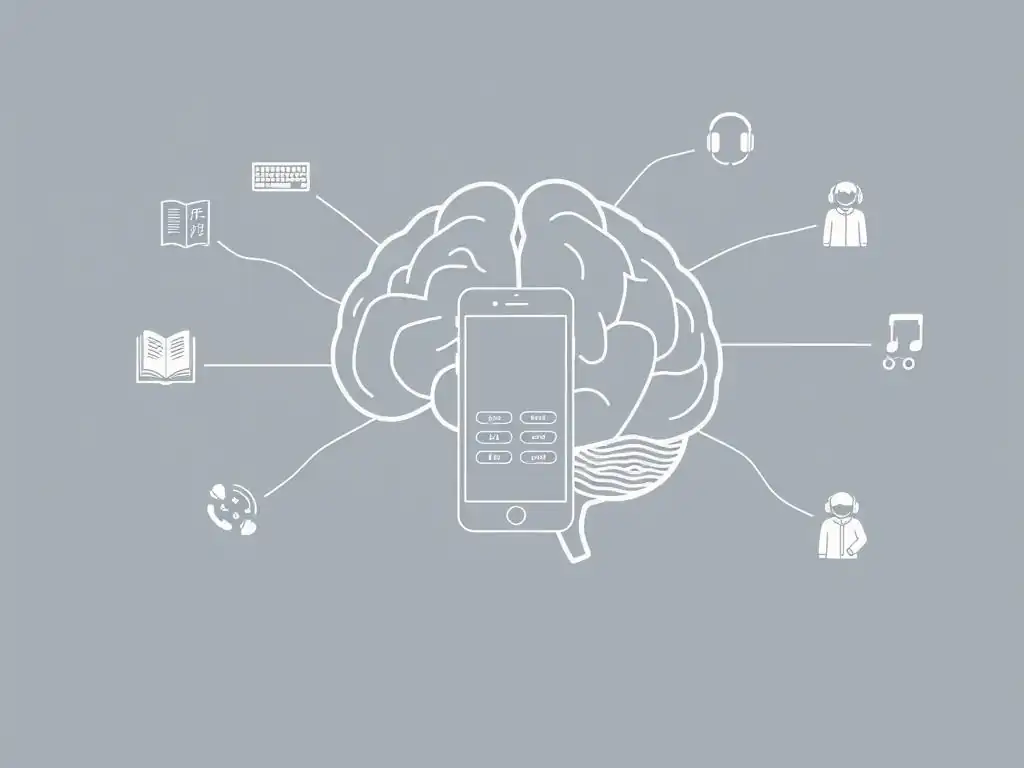
This section explores how to get the most out of your language learning journey, even if you're primarily using a language app like Duolingo. While apps like Duolingo offer structured lessons and gamified learning, they often fall short when it comes to real-world application and nuanced understanding. To truly master a language, a multi-faceted approach is crucial. Think of language apps as a fantastic foundation – but building a strong, fluent ability requires more than just digital exercises. This section will delve into supplementing your app-based learning with practical strategies to accelerate your progress and achieve fluency.
Supplementing Language Apps with Real-World Practice: Conversation Partners and Immersion
Simply completing lessons on Duolingo, or a similar app, won't magically grant you fluency. Active use of the language is paramount. One highly effective method is finding conversation partners. This could involve joining online language exchange groups, connecting with native speakers through language learning platforms, or even finding a language partner within your local community. The key is consistent, interactive practice. Even short, regular conversations are far more beneficial than sporadic, longer sessions.
Regular conversation helps you develop fluency, improve pronunciation, and learn colloquialisms not found in textbooks or app lessons. Imagine trying to learn to play the guitar solely by reading instruction manuals – you'd miss the crucial element of practice. Language learning is similar; active application is essential for skill development.
Furthermore, consider opportunities for immersion, even if it's just for a short time. Watching movies or TV shows in your target language (with subtitles initially), listening to podcasts, or reading books and articles can significantly enhance your comprehension and vocabulary. Immersion isn't just about travelling abroad; it's about actively surrounding yourself with the language in your daily life.
Utilizing Additional Resources: Language Exchange Websites and Online Tutors
Beyond conversation partners, numerous online resources can supplement your app-based learning. Language exchange websites are platforms connecting learners of different languages, fostering mutual learning and practice. These websites often provide structured activities, facilitating conversations and cultural exchange. This provides a low-pressure environment to practice speaking and listening skills, interacting with diverse individuals.
Another valuable resource is online tutoring. A tutor can provide personalized feedback, address specific weaknesses, and offer tailored learning strategies. Individualized instruction often proves more effective than solely relying on app-based lessons, particularly for tackling complex grammatical concepts or overcoming pronunciation challenges. The personalized approach allows for a more efficient learning path, focusing on areas requiring the most attention. Consider this a form of targeted, high-impact learning to accelerate your progress.
Think of it this way: language apps provide the building blocks; tutors and language exchange websites provide the scaffolding and expert guidance to build a strong, stable linguistic structure.
Setting Realistic Goals and Tracking Progress: Effective Language Learning Strategies
Effective language learning requires a strategic approach. Setting realistic, achievable goals is crucial. Instead of aiming for fluency overnight, focus on smaller, manageable milestones. For example, aim to learn 10 new vocabulary words per week, or practice speaking for 15 minutes daily. Breaking down the learning process into smaller, achievable steps helps maintain motivation and prevents feeling overwhelmed.
Tracking progress is equally important. Use a journal, spreadsheet, or even a simple language learning app to monitor your achievements. Note down new vocabulary words learned, grammar concepts grasped, and the frequency of practice sessions. Visualizing your progress motivates you to continue and provides a sense of accomplishment, reinforcing positive learning habits. This data-driven approach helps you identify areas needing more attention and celebrate your successes.
Remember, consistency is key. Even short, regular practice sessions are more effective than infrequent, marathon study sessions. Integrate language learning into your daily routine, making it a consistent habit rather than an occasional activity. This consistent engagement is a critical factor in mastering a new language. The best language learning app is only as good as the effort you put into it.
The Verdict: Is a Single App Enough for Language Fluency?

Reaching fluency in a new language is a significant undertaking, demanding dedication and a multifaceted approach. While apps like Duolingo offer valuable tools and structured lessons, relying solely on a single app, even a highly-rated one like Duolingo, often falls short of achieving true fluency. The gamified approach and bite-sized lessons are excellent for beginners, providing a low-barrier entry point to vocabulary and basic grammar.
However, they typically lack the depth and breadth necessary for mastering complex grammatical structures, nuanced vocabulary, and authentic conversational skills. Think of it like trying to build a house using only one tool – you might manage the foundation, but constructing the walls, roof, and interior requires a more comprehensive toolkit. Many successful language learners utilize a blended learning approach, integrating various resources to maximize their progress.
The best language learning app, therefore, is often part of a larger strategy, not the entire solution. This is especially true for those aiming for advanced proficiency beyond basic communication.
Combining Resources for Optimal Results: A Holistic Approach to Language Acquisition
A holistic approach to language learning goes beyond simply downloading an app. To truly master a language, consider incorporating several complementary methods:
- Language learning apps: These provide structured lessons, vocabulary building, and gamified practice, ideal for consistent, incremental progress. Duolingo is a popular choice, but exploring others like Memrise or Babbel can offer varied approaches and cater to different learning styles.
- Language exchange partners: Practicing speaking with native speakers is crucial for improving pronunciation, fluency, and conversational skills. Websites and apps facilitate connecting with language partners for both written and spoken practice.
- Immersive experiences: Immersing yourself in the target language through movies, music, books, and podcasts accelerates learning and provides context for vocabulary and grammar. This exposure to authentic language use is invaluable.
- Formal classes or tutors: Structured classes provide a systematic learning environment with feedback from instructors and interaction with peers. One-on-one tutoring offers personalized instruction tailored to individual needs and learning pace.
- Flashcards and spaced repetition systems: These tools are effective for memorizing vocabulary and grammatical rules, especially when integrated with spaced repetition software (SRS) like Anki.
The optimal combination of these resources will vary depending on individual learning styles, goals, and available time. The key is to create a personalized learning plan that leverages the strengths of each method.
Choosing the Right Tools for Your Needs: A Personalized Language Learning Plan
Tailoring your language learning strategy is paramount. Consider these factors:
| Factor | Considerations | Example |
|---|---|---|
| Learning Style | Visual, auditory, kinesthetic? Choose resources that align with your preferences. | Visual learners might prioritize videos; auditory learners, podcasts. |
| Time Commitment | How much time can you realistically dedicate each day or week? | 15 minutes daily is more sustainable than 2 hours once a week. |
| Learning Goals | Basic conversational skills, professional fluency, or academic proficiency? | Different approaches are needed for different levels of fluency. |
| Budget | Free apps, paid subscriptions, or tutoring costs? | Balance cost with effectiveness. |
| Resources Available | Access to internet, language exchange partners, or formal classes? | Consider your location and the resources available in your community. |
By carefully considering these factors, you can craft a personalized learning plan that maximizes your efficiency and success. Remember that flexibility is key – adapt your approach as needed to maintain motivation and momentum. Experimenting with different methods and tools is a vital part of finding what truly works best for you.
Long-Term Commitment and Consistency: The Key to Success in Language Learning
Ultimately, the most crucial element for language acquisition is sustained effort and consistency. Learning a language is a marathon, not a sprint. Short bursts of intense study followed by long periods of inactivity will yield limited results. Instead, aim for regular, even if shorter, study sessions. Consistency builds momentum, reinforcing what you've learned and preventing knowledge gaps from developing.
The key is not to prioritize what's on your schedule, but to schedule your priorities.
– Stephen Covey
This quote encapsulates the importance of making language learning a non-negotiable part of your routine. Integrate it into your daily life, just as you would exercise or eat healthy meals. Set realistic goals, track your progress, and celebrate your achievements along the way. Remember that setbacks are normal; the key is to learn from them and keep moving forward. The journey to fluency is rewarding, but requires patience, persistence, and a commitment to continuous learning. The "best language learning app" is only one piece of this larger puzzle.
Frequently Asked Questions about Choosing the Best Language Learning App
This section addresses common queries regarding the selection of effective language learning applications, helping you navigate the options available and make an informed decision about which app best suits your needs and learning style. Choosing the right app can significantly impact your language acquisition journey. Let's dive into some frequently asked questions.
What are the best language learning apps for beginners?
Many apps cater to beginners, but their effectiveness varies. The "best" app depends on individual learning preferences. Some prioritize gamification, others focus on conversational skills, and still others emphasize grammar. For absolute beginners, apps with clear pronunciation guides, simple vocabulary introductions, and engaging, repetitive exercises are crucial.
Consider these factors when choosing a beginner-friendly app:
- Structured curriculum: Look for apps that gradually introduce new vocabulary and grammar concepts, building a solid foundation. Avoid apps that overwhelm beginners with too much information at once.
- Interactive exercises: Apps with a variety of interactive exercises – such as fill-in-the-blank, multiple-choice, and speaking activities – provide diverse learning experiences and reinforce knowledge.
- Progress tracking: Regular progress reports can boost motivation and help identify areas needing improvement. A clear pathway showing your advancement is essential for maintaining momentum.
- Beginner-specific content: Some apps offer separate beginner courses or pathways, ensuring that the material is appropriately paced and challenging.
For instance, some apps known for their beginner-friendly interfaces and gradual learning curves include [App Name A], focusing on [App A's strong point, e.g., visual learning], and [App Name B], which excels in [App B's strong point, e.g., pronunciation exercises]. However, the ultimate "best" app will depend on your personal learning style and preferences. Experimenting with a few free trials is highly recommended.
How much does a good language learning app cost?
The cost of language learning apps varies greatly. Some offer completely free services with limited features, while others offer premium subscriptions with access to a wider range of content and features. The price of a "good" app isn't necessarily indicative of its quality. Many excellent apps offer a blend of free and paid features.
A subscription might unlock:
- Unlimited lessons: Free versions often restrict the number of lessons or exercises available per day or week.
- Offline access: Download lessons for learning on the go, without an internet connection.
- Personalized learning plans: Adaptive learning algorithms tailor the content to your specific needs and progress.
- Advanced features: This could include things like speech recognition improvements, more detailed grammar explanations, and access to a larger vocabulary database.
The cost typically ranges from [Price Range A] to [Price Range B] per month or year, depending on the app and the features included. Carefully evaluate the features offered at each price point to determine whether the investment aligns with your learning goals and budget. Many apps offer free trials, allowing you to explore the features before committing to a subscription.
Are there free alternatives to paid language learning apps?
Yes, several free language learning apps provide valuable resources for learners. While they may have limitations compared to their paid counterparts, they can be effective tools, especially for beginners or those on a budget.
However, free apps often come with limitations such as:
- Limited content: The amount of available vocabulary, grammar lessons, and exercises may be restricted.
- Advertisements: Many free apps rely on advertising revenue, which can be distracting.
- Fewer features: They may lack advanced features like personalized learning plans, offline access, or detailed progress tracking.
Examples of free options include [App Name C] and [App Name D], although their effectiveness might be lower than paid alternatives due to the limitations mentioned above. It's essential to understand these limitations and manage expectations when using free language learning apps. Consider these free alternatives as supplementary tools rather than complete replacements for comprehensive paid apps. They can be particularly useful for supplementing learning from other sources or for focusing on specific aspects of the language, such as vocabulary building.
How can I choose the best language learning app for my needs?
Choosing the best language learning app hinges on understanding your individual learning style, goals, and resources. There's no one-size-fits-all solution when it comes to language acquisition. Consider these crucial factors:
First, define your learning goals. Are you aiming for conversational fluency, professional proficiency, or simply basic comprehension for travel? A casual learner might find a gamified app like Duolingo sufficient, whereas someone aiming for professional certification will likely require a more comprehensive program with structured lessons and personalized feedback.
Second, assess your learning style. Do you prefer visual, auditory, or kinesthetic learning? Some apps excel at visual aids (e.g., flashcards, interactive diagrams), others prioritize audio exercises and pronunciation practice, while some incorporate physical activities or real-world simulations. For example, apps focusing on spaced repetition systems (SRS) might be ideal for those who benefit from consistent, incremental review.
Third, consider your budget and time commitment. Many apps offer free versions with limited features, while premium subscriptions unlock more content and personalized support. Evaluate how much time you realistically have to dedicate to studying each day or week. An app demanding a significant time investment might not be suitable if your schedule is already packed. Remember that consistency is key; choosing an app that aligns with your available time is crucial for long-term success.
Finally, read reviews and compare features. Before committing to a particular app, explore user reviews on app stores and compare the features offered by different platforms. Look for apps with features that cater to your specific needs, such as personalized learning paths, interactive exercises, community forums, and progress tracking tools.
Don't hesitate to try out free trials or freemium versions to get a feel for the app's interface and teaching methodology before investing in a full subscription. Remember, the "best" app is the one that best fits your individual needs and learning preferences. Finding the right fit can significantly impact your language learning journey and overall success.
Frequently Asked Questions
Is Duolingo the best language learning app?
Duolingo is a great free option for beginners, offering a gamified approach to learning basic vocabulary and grammar. However, it might not be sufficient for fluency. Consider supplementing it with other resources.
What are the limitations of using only language learning apps?
Apps often lack immersive experiences and personalized feedback. They may also oversimplify complex grammatical structures, hindering true comprehension and conversational skills.
Besides Duolingo, what are some other good language learning apps?
Other popular options include Memrise, Babbel, and Rosetta Stone, each with its strengths and weaknesses. Consider your learning style and budget when choosing.
How can I maximize my language learning with apps?
Consistent use is key. Supplement app learning with real-life practice, such as watching movies, listening to music, or engaging in conversations with native speakers.
Are language learning apps worth it?
Absolutely! Apps provide convenient and accessible ways to learn a language, particularly for initial vocabulary and grammar acquisition. But remember to combine them with other learning methods for optimal results.
Final Reflection: The Ongoing Quest for Linguistic Fluency
The convenience of language learning apps like Duolingo is undeniable, yet mastering a language requires far more than gamified vocabulary and grammar exercises. The truth, as this article has explored, lies in a multifaceted approach that integrates technology with real-world interaction and dedicated self-discipline. While apps offer a valuable starting point, they are merely tools; their effectiveness hinges entirely on the learner's commitment and strategic application.
The impact of readily available language learning technology is profound, reshaping how we approach cultural exchange and global communication. This accessibility, however, also underscores the importance of critical engagement. We must move beyond the illusion of effortless fluency and embrace the challenges inherent in true language acquisition. The limits of my language mean the limits of my world.
- Ludwig Wittgenstein. This quote highlights the transformative power of language learning, extending far beyond simple communication to encompass a broader understanding of different perspectives and cultures.
You, the reader, now hold the key to unlocking your linguistic potential. Don't let the allure of quick fixes overshadow the rewarding journey of genuine language learning. Embrace the blend of technological tools and immersive experiences, setting realistic goals and celebrating each milestone along the way. The path to fluency is not a sprint, but a marathon, and your dedication will ultimately determine your success. Begin your journey today, and discover the world waiting for you beyond the confines of your native tongue.
Unlock Your Language Learning Potential!
Thanks for exploring the world of language learning with us! We hope you gained valuable insights. Now it's time to take the next step towards fluency.
- Focus your efforts: This week, dedicate time to improving a specific language skill, such as grammar, pronunciation, or vocabulary. This focused approach will yield the best results.
- Share your key learning: What surprised you most? Let's discuss it in the comments below! Sharing your thoughts helps everyone learn.
- Inspire a friend: Encourage a friend to start their own language learning journey. Learning together can be more fun and motivating!
What language skill will you prioritize this week to accelerate your progress?