
Kids' Room Organization Hacks: Keep Kids' Rooms Tidy & Organized

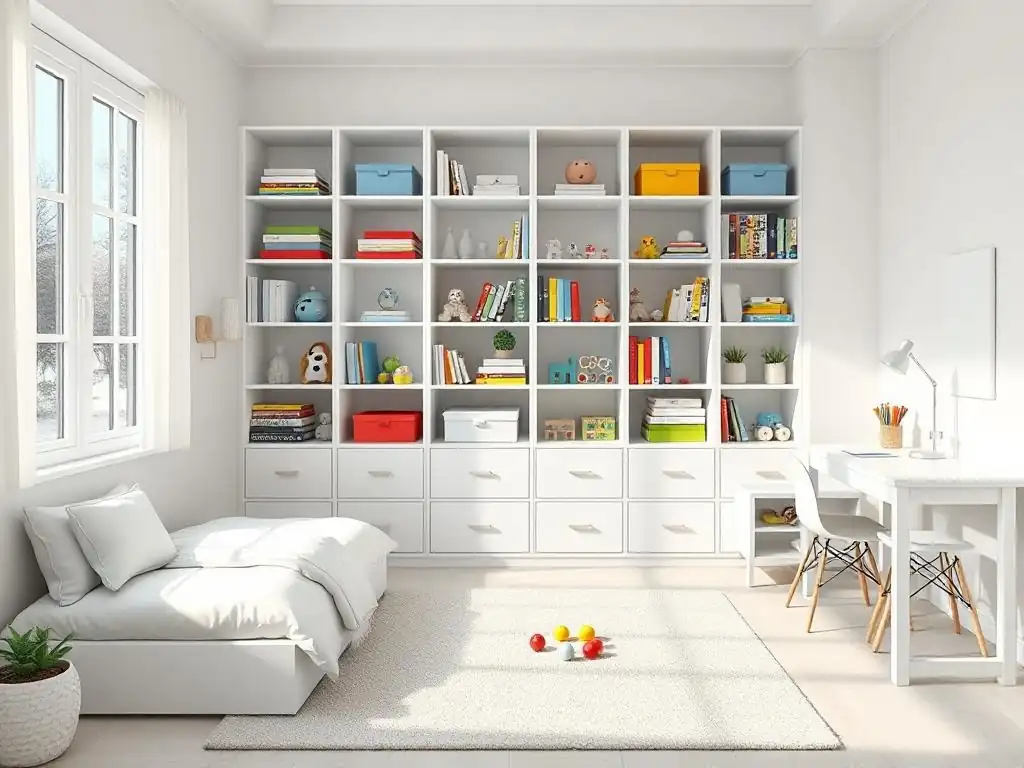
Welcome to UltimateLifeHacks, your go-to resource for practical tips and tricks to conquer daily life! Are you overwhelmed by the chaos of kids' rooms? We understand the struggle. Discover ingenious strategies to organize kids' rooms efficiently, transforming cluttered spaces into havens of calm and order. Dive in and unlock the secrets to a more productive and peaceful home life—starting with our expert guide on tackling those toy-filled spaces.
- Conquer Clutter: Effective Strategies to Organize Kids' Rooms Efficiently
- Smart Storage Solutions for Kids' Room Organization
- Maintaining a Tidy Kids' Room: Practical Tips & Tricks
- Kid-Friendly Organization: Age-Appropriate Strategies
- Optimizing Kids' Room Layout for Efficient Organization
- The Ultimate Guide to Efficient Kids' Room Organization: Key Takeaways
- Frequently Asked Questions
- Final Reflection: The Enduring Power of Organized Spaces
- Unleash the Magic of a Tidy Kids' Room!
Conquer Clutter: Effective Strategies to Organize Kids' Rooms Efficiently
Organizing a child's room can feel like a Sisyphean task, a never-ending battle against overflowing toy bins and scattered clothes. But with the right strategies and a little bit of planning, maintaining a tidy and organized kids' room is entirely achievable. This article provides practical, efficient, and fun methods to conquer clutter and transform chaotic spaces into havens of calm.
We'll explore effective decluttering techniques, innovative toy storage solutions, and clever clothing organization systems specifically designed to address the unique challenges of organizing children's belongings. By implementing these strategies, you can not only achieve a tidier space but also foster a sense of responsibility and independence in your children, teaching them valuable organizational skills that will benefit them throughout their lives. Learning to efficiently organize kids' rooms is a crucial step in creating a more peaceful and productive home environment for everyone.
Decluttering Your Child's Space: A Step-by-Step Guide
Tackling a cluttered kids' room requires a systematic approach. Don't try to do it all at once! Break the process down into manageable steps for a less overwhelming experience. Here's a step-by-step guide:
- Empty the Room: Completely empty the room of all toys, clothes, books, and other items. This allows you to see the space clearly and assess the volume of belongings. Think of it as a fresh start! 🎉
- Sort and Categorize: Once everything is out, sort the items into four distinct categories:
- Keep: Items your child regularly uses and loves.
- Donate/Sell: Items in good condition that your child no longer uses.
- Trash: Broken, damaged, or unusable items.
- Storage: Items that are seasonal or not used frequently.
- Involve Your Child: Get your child involved in the sorting process. This teaches them about decluttering and helps them make decisions about what to keep and what to let go. Make it fun with a reward system! 🎁
- Purge Strategically: Be honest about what your child truly needs and uses. Remember, less is often more, especially in a child's room.
- Clean Thoroughly: Once you've decluttered, thoroughly clean the room. This is a great opportunity to wash walls, vacuum carpets, and wipe down surfaces. A clean space feels instantly more organized! ✨
Toy Organization Systems: From Bins to Shelves
Effective toy organization hinges on choosing the right storage solutions. Consider your child's age, the types of toys they have, and the available space in their room. Here are some ideas:
- Clear Storage Bins: These allow for easy visibility of contents, making it easier for children to find what they need and put things away. Labeling the bins with pictures or words can also be helpful.
- Open Shelving: Open shelves offer a similar advantage to bins, but they also allow for a more decorative display of toys. Consider using shelf dividers to keep things neat.
- Toy Chests: These are great for larger toys or items that need to be protected.
- Hanging Organizers: Over-the-door or closet hanging organizers can be used to store smaller toys, games, or craft supplies.
- Utilize Vertical Space: Don't forget to utilize vertical space! Tall, narrow shelves or towers can maximize storage in a small room.
Clothing Organization for Kids: Maximizing Closet Space
Organizing a child's clothing can be challenging, especially as they grow quickly. Here are some tips to maximize closet space and keep clothes neat:
- Seasonal Rotation: Store out-of-season clothing in bins or storage bags to free up closet space.
- Folding Techniques: Learn efficient folding techniques like the KonMari method to maximize space and keep clothes neatly stacked.
- Drawer Organizers: Drawer dividers keep clothes separated and prevent piles from becoming messy.
- Hanging Organizers: Use hanging organizers to store folded clothes, shoes, or accessories.
- Label Everything: Clearly label drawers and shelves to help your child (and you!) easily find what they need.
Remember, consistency is key! Once you've implemented these organization hacks, encourage your child to maintain the system. With a little effort and the right strategies, you can create a kids' room that's both organized and enjoyable for everyone. 🏡
Creative Storage Solutions for Small Kids' Rooms
Organizing a small child's room efficiently requires thinking outside the box. Traditional storage solutions often take up valuable floor space, leaving little room for play. The key is to maximize vertical space and utilize unconventional areas. Let's explore some creative storage solutions perfect for small spaces:
One excellent strategy is to utilize wall space. Instead of bulky wardrobes, consider installing open shelving units. These not only provide ample storage but also allow children to easily access their belongings. Remember to use colorful bins and baskets to categorize toys and clothes, making it easier for kids to participate in the tidying process. This encourages a sense of ownership and responsibility, making the "organize kids' rooms efficiently" goal a shared one. Furthermore, open shelving allows for a visual display of toys, preventing items from getting lost at the back of a closet.
Another space-saving marvel is the use of under-bed storage. Instead of letting that space go unused, invest in pull-out drawers or rolling storage containers that fit snugly beneath the bed. This is a fantastic place to store out-of-season clothes, bulky toys, or extra bedding. Consider clear storage containers to easily see what's inside, simplifying the process of finding specific items. This not only maximizes storage space but also keeps the floor clear, contributing significantly to a more organized and spacious-feeling room.
Don't forget about the often-overlooked vertical space above the closet rod. This area can hold lightweight items like hats, scarves, or even neatly folded blankets in fabric storage bags. Hanging organizers can also be a game-changer, providing additional space for shoes, accessories, and even small toys. Remember to choose lightweight organizers to avoid putting excessive strain on the closet rod. This strategy cleverly utilizes otherwise wasted space, directly impacting how to organize kids' rooms efficiently.
Finally, consider repurposing furniture. An old trunk can serve as a coffee table with additional storage, while ottomans with built-in storage can function as both seating and storage for toys or books. These multi-functional pieces contribute to a more organized space without sacrificing comfort or style. Creative repurposing is a cost-effective way to enhance storage capacity and enhance your child's room's aesthetic appeal, making the entire organization process more enjoyable for everyone involved. This holistic approach to "organize kids' rooms efficiently" focuses not only on practicality but also on creating a pleasant and functional environment for your child.
Smart Storage Solutions for Kids' Room Organization
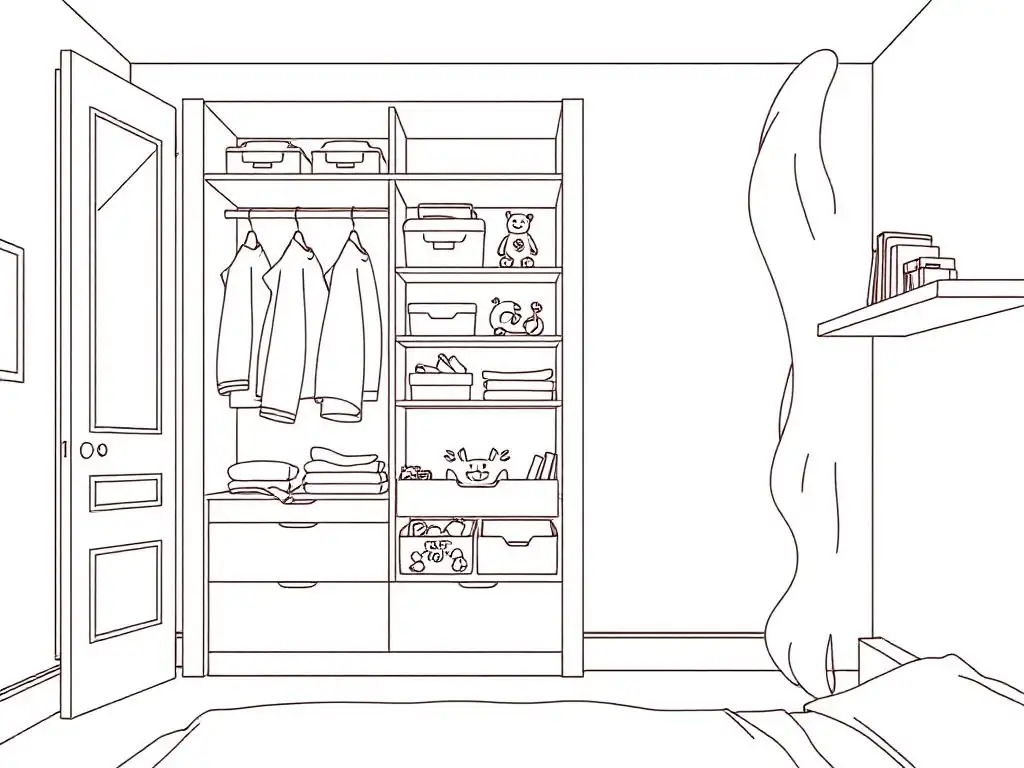
This section focuses on practical and innovative storage solutions to efficiently organize kids' rooms, tackling the common challenge of clutter and maximizing available space. We'll explore various strategies to help you effectively manage your children's belongings and maintain a tidy environment. Efficient organization of kids' rooms isn't just about tidiness; it's about fostering independence and creating a calm, productive space for learning and play. The key is to utilize every inch of space creatively and strategically. This will improve the overall efficiency of your kids’ room management.
Utilizing Vertical Space: Shelves, Hooks, and Wall Organizers
Vertical space is often underutilized in kids' rooms. By strategically using shelves, hooks, and wall organizers, you can significantly increase storage capacity without taking up valuable floor space. This is crucial for efficiently organizing kids' rooms, especially in smaller spaces.
Think about it: a single shelf can hold dozens of books, stuffed animals, or games. Multiple shelves, strategically placed at varying heights, can cater to different age groups and storage needs. For younger children, lower shelves are ideal for easy access to their favorite toys and books. Higher shelves can store items less frequently used.
Wall-mounted hooks are another fantastic way to utilize vertical space. These are perfect for hanging backpacks, coats, hats, and even small toy bags. They keep frequently used items readily accessible and off the floor, contributing significantly to a cleaner, more organized room. Consider using colorful hooks to make them visually appealing to children, encouraging them to participate in keeping their room tidy.
Wall organizers, particularly those with multiple compartments and pockets, are also excellent for storing smaller items like art supplies, stationery, and hair accessories. These can be hung on doors or walls, freeing up drawer space for larger items. The key is to choose organizers with clear labels or compartments, making it easy for children to find and put away their things. This helps instill good organizational habits from a young age, teaching them how to organize kids' rooms efficiently.
The space under a bed is often a wasted opportunity for storage. However, with a bit of creativity and planning, this hidden area can be transformed into a valuable storage solution. This is a particularly effective strategy for organizing kids' rooms efficiently, as it keeps clutter out of sight and maintains a clean, uncluttered floor area.
One popular option is to use under-bed storage bins. These come in various sizes and materials, making them adaptable to different storage needs. Clear bins allow you to easily see the contents, making it easier for children to find what they need. Labeling the bins further enhances organization and encourages children to participate in putting things away.
Another option is to utilize rolling storage containers. These offer the advantage of easy accessibility, allowing for simple retrieval and storage of items without having to lift heavy bins. They are also ideal for storing heavier items like seasonal clothing or extra blankets.
For a more customized solution, consider building custom drawers or shelves that slide smoothly under the bed. This can provide a more integrated and aesthetically pleasing storage solution, creating a more seamless look within the room’s overall design. This approach allows for a more tailored organization strategy, depending on the specific needs and the size of the under-bed space. Remember that maximizing this often-overlooked space is key to organizing kids’ rooms efficiently.
Clever Storage for Toys: Baskets, Bins, and Drawers
Organizing toys efficiently is a significant part of keeping a child's room tidy. Using baskets, bins, and drawers of varying sizes allows for categorization and easy access, making playtime less chaotic and cleanup significantly easier. This is key to teaching children how to organize kids' rooms efficiently and independently.
Baskets are a versatile and attractive storage option. They come in a variety of materials, colors, and sizes, allowing you to customize the look and functionality to suit your child's preferences and the room's décor. Wicker baskets, fabric baskets, and even decorative boxes can be used to store plush toys, building blocks, or craft supplies.
Bins, especially clear plastic bins, are ideal for storing smaller items like Lego bricks, action figures, or small vehicles. Clear bins allow for easy identification of contents, making it easier for children to find what they need. Labeling the bins with pictures or words further enhances organization and promotes independence.
Drawers offer a more contained storage solution, ideal for items that need to be kept dust-free or protected from damage. Dressers, chests of drawers, and even under-bed storage drawers can be used to store clothes, books, or other larger items. Consider using drawer dividers to further organize the contents and maximize space within each drawer. This detailed approach will help you to organize kids’ rooms efficiently.
Repurposing Everyday Items for Kids' Room Organization
Repurposing everyday items is a fantastic way to organize a child's room efficiently and affordably. This approach not only reduces clutter but also adds a creative touch to the space. Instead of buying expensive storage solutions, consider transforming items you already own. For example, old fabric baskets can be repurposed to hold toys, books, or clothes. A simple coat of paint can revitalize their appearance and match the room's décor. Think about using sturdy cardboard boxes; cover them with colorful wrapping paper or fabric to create stylish storage containers for building blocks, art supplies, or even shoes.
Another clever idea is to use empty, clean jars and cans (after removing labels carefully) for storing smaller items like crayons, pencils, or craft supplies. These can be arranged on shelves or a desk, adding a touch of vintage charm while keeping things organized. Even old shoe boxes can be stacked and labeled to create a system for storing smaller toys or games. Consider decorating these boxes with your child's favorite characters or designs to make the process of tidying up more engaging for them.
Remember to prioritize safety when repurposing items. Ensure that any containers used for storage are sturdy enough to hold their contents and don't pose a hazard to your child. Sharp edges should be sanded down, and any potential choking hazards should be removed before using them as storage solutions.
This thoughtful approach to repurposing will not only help you organize your child's room efficiently but will also teach them valuable lessons about resourcefulness and environmental responsibility. The key is to be creative and think outside the box – literally! You might be surprised at the storage potential hidden in everyday items you already have.
Maintaining a Tidy Kids' Room: Practical Tips & Tricks
This section focuses on practical strategies to maintain a consistently organized kids' room, addressing common challenges and offering actionable solutions for parents seeking to efficiently organize their children's spaces. We'll explore techniques that go beyond simple tidying, delving into the creation of sustainable organizational systems. The goal? To establish long-term habits that minimize clutter and maximize space utilization, ultimately saving you time and stress in the long run. Efficiently organizing kids' rooms isn't about perfection; it's about creating manageable systems.
Involving Kids in the Organization Process: Making it Fun
Getting kids involved is crucial for long-term success in maintaining a tidy room. Instead of viewing cleaning as a chore, frame it as a game or a collaborative project. For younger children (ages 3-5), use visual aids like colorful bins labeled with pictures of toys. Make sorting a fun activity by setting a timer and seeing how quickly they can put things away. Reward systems, like stickers or small privileges, can also incentivize participation.
For older children (ages 6-12), involve them in the decision-making process. Let them choose storage solutions that they find appealing, fostering a sense of ownership and responsibility. Consider a points system where completing chores earns points redeemable for privileges or desired items. Remember, the key is to make the process enjoyable and rewarding, transforming a dreaded task into a positive experience. This approach significantly contributes to efficiently organizing kids' rooms and establishing lasting habits.
Establishing a Cleaning Routine: Consistency is Key
Consistency is paramount when it comes to maintaining an organized kids' room. A regular cleaning routine, even if short, is far more effective than sporadic deep cleans. Establish a daily routine, such as making the bed and putting away clothes immediately after getting dressed. A weekly routine could include tidying up toys, changing bedsheets, and dusting. For older children, assigning specific cleaning tasks on a rotating schedule can promote responsibility and teamwork.
A visual schedule, perhaps a colorful chart, can help younger children understand the routine and track their progress. Remember to adjust the routine according to your child's age and developmental stage. Flexibility is key; sometimes, life gets in the way. The goal isn't perfection, but consistent effort towards maintaining order. This consistent approach to organizing kids' rooms efficiently fosters positive habits and minimizes the build-up of clutter.
Setting Clear Expectations: Age-Appropriate Responsibilities
Setting clear and age-appropriate expectations is essential for successfully organizing kids' rooms efficiently. Avoid overwhelming your child with too many tasks at once. Start with a few simple responsibilities and gradually increase the complexity as they mature. For toddlers, this might involve putting toys away in designated bins. For older children, it might involve vacuuming, dusting, or even laundry.
Clearly communicate these expectations, using positive reinforcement and providing guidance when necessary. Visual aids, like checklists or charts, can help children understand their responsibilities and track their progress. Regularly review and adjust expectations as your child grows and develops new skills. Remember, consistency and positive feedback are key to building responsibility and fostering independent organizational skills. This approach to efficiently organizing kids’ rooms promotes self-reliance and reduces parental burden.
Reward Systems for Maintaining a Clean Room
Implementing a robust reward system is crucial for encouraging children to maintain a tidy room. It's not just about bribery; it's about fostering a sense of responsibility and ownership. The key is to create a system that's fair, consistent, and motivating for your child. Avoid overly complex systems; simplicity is key to success. A simple chart, for example, can be highly effective.
One effective strategy is a sticker chart. Each day the child keeps their room tidy, they earn a sticker. After accumulating a certain number of stickers (e.g., five, seven, or ten, depending on the child's age and ability), they receive a predetermined reward. This reward could be something small, like an extra 30 minutes of screen time or a special treat. The reward should be something your child genuinely values. Avoid using privileges they already routinely enjoy as rewards—the reward must hold value to motivate them.
Another approach involves a points system. Each task completed (making the bed, putting away toys, tidying clothes) earns a specific number of points. These points can then be exchanged for larger rewards, such as a new toy, a trip to the park, or a family outing. This system offers more flexibility and allows you to tailor the point values based on the difficulty of each task. For instance, cleaning up a particularly messy play area might earn more points than making the bed.
Remember to involve your child in the creation of the reward system. Let them choose their rewards and participate in setting the goals. This gives them a sense of ownership and increases the likelihood of their cooperation. Regularly review the system to ensure it remains motivating and adjust it as your child's abilities and preferences change. Consistency is key; always follow through with the promised rewards to maintain trust and build positive habits.
Positive reinforcement is far more effective than punishment in establishing long-term tidy room habits. Celebrate successes and offer encouragement to maintain motivation. A consistent reward system can significantly improve your child’s organizational skills and help them develop a sense of responsibility. Remember to adapt the system to your child's age and developmental stage, focusing on positive reinforcement and collaboration.
Kid-Friendly Organization: Age-Appropriate Strategies
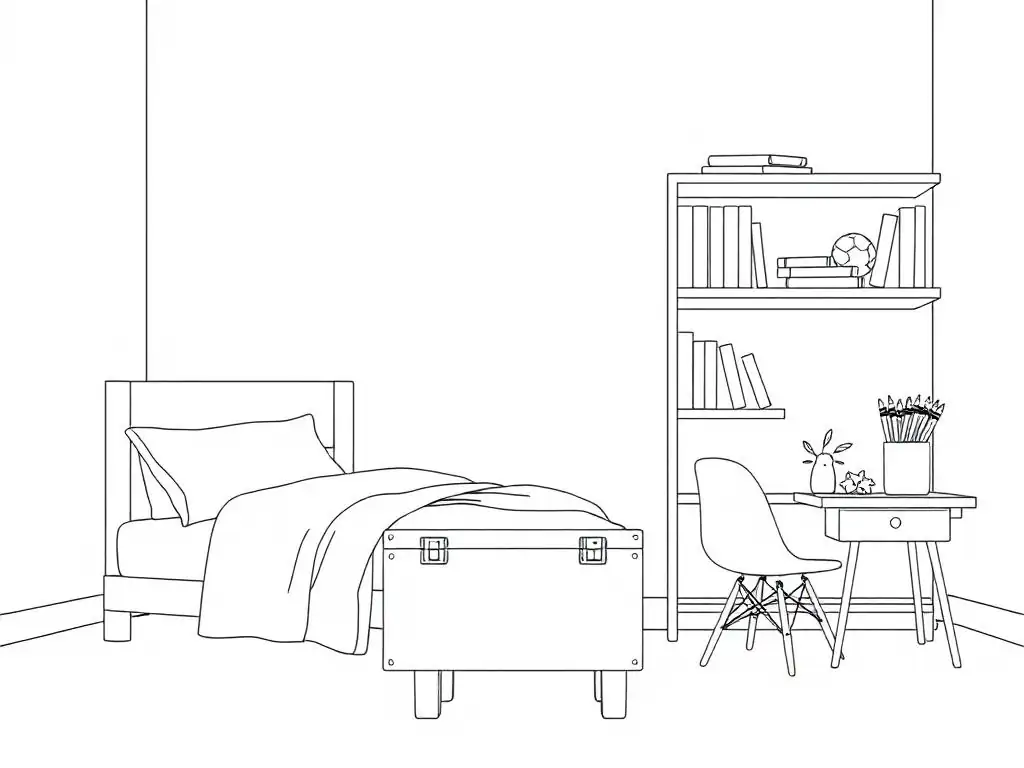
Organizing a child's room efficiently hinges on understanding their developmental stage. What works for a toddler won't necessarily work for a teenager. Adapting your organizational strategies to their age and abilities is crucial for long-term success and fosters a sense of responsibility. This section focuses on age-appropriate approaches to organizing kids' rooms efficiently, ensuring a tidy space that supports their growth and development. We'll explore practical solutions for different age groups, considering their cognitive abilities and physical limitations. Remember, the goal is not just a clean room, but a space that promotes independence and self-sufficiency.
Organizing for Toddlers: Simple and Safe Solutions
Toddlers are all about exploration and sensory experiences. Their rooms should be safe, accessible, and stimulating. Focus on simple, low-level storage solutions that are easy for them to access and put away (with your supervision, of course! ).
- Low shelves and bins: Utilize low, open shelves and labeled storage bins for toys. Clear, transparent bins allow toddlers to see what's inside, encouraging them to participate in the cleanup process. Consider color-coding bins for easier identification.
- Toy rotation: Keep only a limited number of toys accessible at any given time. Rotate toys regularly to maintain interest and prevent overwhelming clutter. Store the remaining toys in clearly labeled containers.
- Designated play areas: Create specific areas for different activities, such as a reading nook, a building block area, and a dress-up corner. This helps to contain the mess and makes cleanup easier.
- Safety first: Ensure all storage solutions are sturdy and safe. Avoid using small parts that could be choking hazards. Secure heavy items to the wall to prevent tipping.
Remember, consistency is key. Involve your toddler in the organization process, even if it's just putting a few toys away. Positive reinforcement and praise go a long way in establishing good habits. Make it fun! Turn cleanup into a game or sing a cleanup song.
Organizing for Preschoolers: Engaging and Fun Methods
Preschoolers are developing their independence and fine motor skills. Organization strategies should encourage participation and make the process enjoyable.
- Theme-based organization: Organize toys by theme (e.g., animals, vehicles, building blocks). This makes it easier for preschoolers to identify and categorize their belongings.
- Picture labels: Use pictures instead of words to label bins and shelves. This helps preschoolers understand where things belong, even if they can't read yet.
- Open shelving and clear containers: Continue using open shelving and clear containers to maintain visibility and encourage participation in cleanup.
- Interactive storage: Utilize fun and colorful storage solutions like toy chests or fabric bins. Involve your preschooler in choosing the storage containers to increase their engagement.
- Designated spaces for art supplies: Provide a dedicated area for art supplies with easy-to-clean surfaces. Consider using a caddy or rolling cart to keep supplies organized and easily accessible.
By making organization fun and engaging, you'll instill positive habits early on.
Organizing for School-Aged Children: Independence and Responsibility
School-aged children are capable of taking on more responsibility for their belongings. Organization strategies should focus on teaching them organizational skills and fostering independence.
| Task | Storage Solution | Responsibility Level |
|---|---|---|
| Clothes | Dresser drawers, labeled bins | High |
| School supplies | Desk organizer, pencil case | High |
| Books | Bookshelves, labeled bins | Medium |
| Toys | Storage bins, toy chests | Medium |
| Games | Shelves, labeled boxes | Medium |
- Visual organization systems: Use visual cues such as color-coding or labeling to help children quickly find and put away their belongings.
- Designated spaces for homework: Create a dedicated homework station with all the necessary supplies within easy reach.
- Regular purging: Encourage children to regularly declutter their belongings. This helps to prevent overwhelming clutter and teaches them the importance of letting go of things they no longer need or use.
- Involve them in the planning: Let your child participate in the decision-making process. Ask for their input on storage solutions and organization methods. This will increase their sense of ownership and responsibility.
By empowering children to manage their own spaces, you're teaching valuable life skills that will benefit them for years to come. Remember to adjust your strategies as your child grows and their needs evolve. Efficiently organizing kids' rooms is an ongoing process, but with the right approach, it can be a rewarding experience for both parents and children.
Organizing for Teenagers: Stylish and Functional Storage
Teenage years bring a unique set of organizational challenges. No longer content with brightly colored bins and cartoon characters, teenagers crave stylish and functional storage solutions that reflect their evolving personalities and independence. The key to successfully organizing a teenager's room lies in collaboration and respecting their personal aesthetic. Instead of imposing a rigid system, work with your teen to create a space they're proud of and motivated to maintain.
One effective strategy is to incorporate stylish storage solutions that double as décor. Think woven baskets, decorative boxes, and sleek storage ottomans. These items can hold clothes, books, and other belongings while contributing to the overall look of the room. Consider their interests when choosing these items – a sports-themed storage bin for a basketball enthusiast, or a chic jewelry box for a fashion-conscious teen. Involving them in the selection process fosters a sense of ownership and responsibility.
Another crucial aspect is providing adequate storage for their growing collection of clothes. A freestanding wardrobe might be a good option, allowing them to organize clothes by type and season. Alternatively, installing shelving units with fabric drawers or baskets provides a more flexible and adaptable solution. Remember to label shelves and drawers clearly to maintain order. Utilize vertical space efficiently by stacking shelves or using hanging organizers for shoes and accessories.
Don't underestimate the power of clear containers. These are essential for organizing smaller items like school supplies, makeup, and electronics accessories. Clear containers allow for easy identification of contents, preventing the frustration of rummaging through cluttered drawers. Stackable containers maximize space utilization and maintain a neat, uniform look. Consider labeling these containers with simple, clear labels or using a labeling system your teenager understands and will maintain.
Finally, designate specific areas for different activities. A dedicated study area with a desk and organized drawers for school supplies can significantly improve focus and productivity. Similarly, a designated space for hobbies or creative pursuits can help keep those materials contained and easily accessible. This zoning approach prevents clutter from spreading throughout the room and promotes a sense of order and calm. Remember, open communication and collaboration are essential to achieving a long-term solution that works for both you and your teenager, resulting in a more efficiently organized room.
Optimizing Kids' Room Layout for Efficient Organization
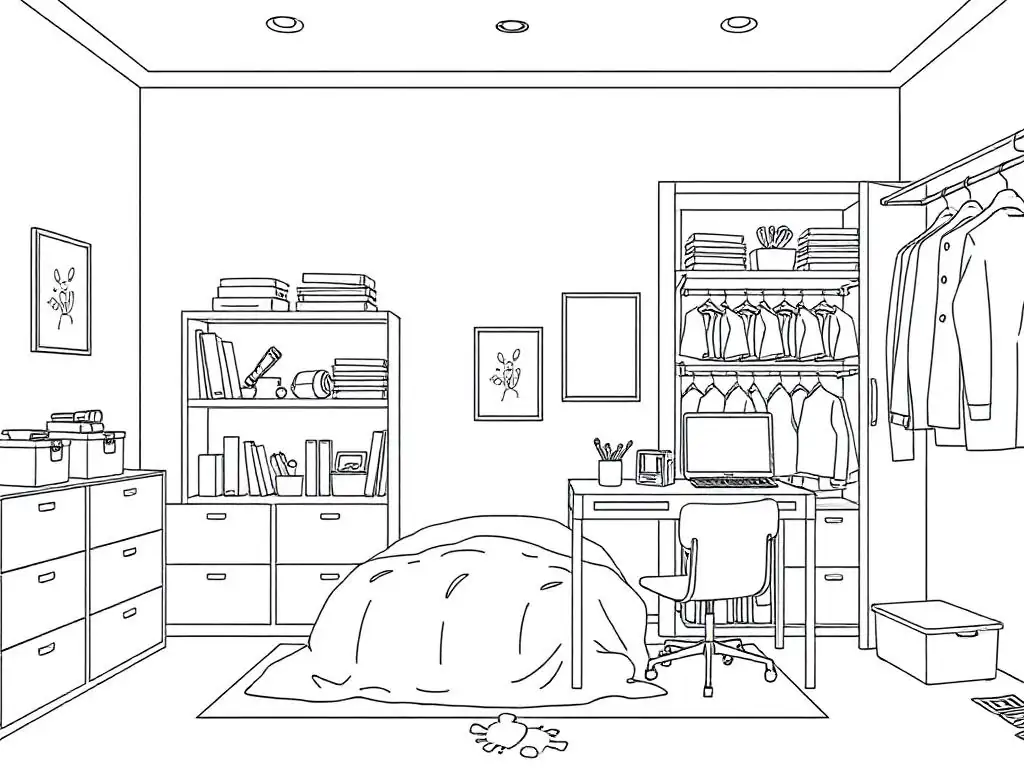
Efficiently organizing a kid's room starts with a well-planned layout. This isn't just about aesthetics; it's about maximizing space and creating a functional environment that encourages tidiness. A poorly designed layout can lead to clutter and frustration, making organization an uphill battle. By strategically arranging furniture and designating specific zones, you can significantly improve the room's organization and your child's ability to maintain it. This section focuses on practical strategies to achieve this, using real-world examples and data-driven insights where possible. Remember, the goal is to organize kids' rooms efficiently.
Furniture Arrangement for Maximum Space
The placement of furniture drastically impacts a room's functionality. Avoid pushing furniture against walls if possible. This often creates wasted space and makes the room feel smaller. Instead, consider these strategies:
- Strategic Furniture Placement: Think about traffic flow. Leave ample space for easy movement around beds, desks, and dressers. A good rule of thumb is to maintain at least 3 feet between major furniture pieces. This allows for easy access and prevents a cramped feeling.
- Maximize Vertical Space: Utilize wall space with shelves and tall storage units. This frees up floor space and provides additional storage capacity. Consider using vertical organizers for toys, books, and clothes, maximizing storage within a limited footprint.
- Multifunctional Furniture: Invest in furniture that serves multiple purposes. For example, a bed with built-in drawers provides extra storage space without adding extra furniture. A storage ottoman can serve as seating and a hidden storage solution for blankets, pillows, or toys.
- Room Size Considerations: A small room requires a different approach than a large one. In smaller rooms, prioritize multifunctional furniture and avoid overcrowding the space. In larger rooms, zoning becomes more important to create distinct areas for different activities. Data shows that children in well-organized rooms tend to be more focused and less stressed.
Creating Zones for Different Activities
Dividing the room into distinct zones for different activities helps to streamline the organization process. Instead of a chaotic jumble, your child will have dedicated areas for specific tasks. This can significantly improve their ability to keep their room tidy.
- Sleeping Zone: This is the area around the bed. Keep it clutter-free to promote restful sleep. A nightstand with a small lamp and a few essential items is ideal.
- Playing Zone: Designate a specific area for toys and games. This could be a corner with a rug, a play table, or even a designated shelf system for easily accessible toys. Consider using labelled storage bins to categorize toys and encourage your child to put them away.
- Learning Zone: If your child has a desk, create a dedicated learning zone. Keep this area clear of clutter to promote focus. Provide ample storage for school supplies and books.
- Storage Zone: This is the area for closets, dressers, and other storage solutions. A well-organized storage zone is crucial for maintaining a tidy room. Labeling shelves and containers helps your child maintain order.
Choosing the Right Furniture for Easy Organization
The type of furniture you choose significantly impacts your ability to organize kids' rooms efficiently. Here are some essential considerations:
- Open Shelving vs. Closed Storage: Open shelving makes items easily accessible but can lead to clutter if not carefully managed. Closed storage, such as drawers and cabinets, hides clutter but can make it harder to find things. A balance of both is often ideal.
- Storage Bins and Containers: Use clear, labelled bins and containers to categorize toys, clothes, and other items. This makes it easy for children to put things away and find what they need. Color-coded bins can add a fun element to organization.
- Under-Bed Storage: Utilize the space under the bed with rolling storage containers or drawers. This is a great way to maximize storage without taking up valuable floor space.
- Wall-Mounted Organizers: Wall-mounted organizers can be used to store books, toys, and other items, freeing up floor space. These are especially useful in smaller rooms. Consider the weight capacity before mounting anything on the wall. Remember safety first! 🧸
By implementing these strategies, you can create a kid's room that is not only visually appealing but also highly functional and easy to maintain. The key is to create a system that works for your child and encourages them to participate in the organization process. The result will be a much cleaner and more organized space for everyone to enjoy!
Lighting and its Impact on Room Organization
Proper lighting is often overlooked when discussing efficient organization, but it plays a surprisingly significant role in a child's room, directly impacting tidiness and the ease of finding things. Poor lighting creates shadows and makes it difficult to see clutter, leading to a perception of a more disorganized space than might actually exist. This can discourage children from tidying up, as they may not even realize the extent of the mess. Conversely, well-lit rooms encourage a sense of order and make it easier to locate items, promoting a more organized environment.
Consider the different types of lighting needed for different tasks. A bright overhead light is beneficial for general cleaning and putting away toys, while a softer bedside lamp can encourage relaxation and reading before bed, contributing to a calmer, more organized bedtime routine. Task lighting, such as a desk lamp for homework, is crucial for focused work and helps keep the desk area organized by providing sufficient illumination to easily see and put away materials. Natural light, when possible, should be maximized through strategically placed windows and sheer curtains that allow light to enter without creating glare.
Investing in adjustable lighting solutions allows for customization based on the time of day and the activity taking place. Dimmer switches are a great addition, allowing for the adjustment of light intensity to suit the mood and task at hand. For example, a brighter setting during playtime might encourage more active engagement and easier cleanup afterward, compared to a softer setting during bedtime routines which can promote a sense of calm and order, making it easier to maintain a tidy space.
Furthermore, strategically placed nightlights can help children navigate their rooms safely at night, reducing the likelihood of tripping over toys or causing a mess in the dark. The right lighting truly transforms a child's room from a potential chaotic space into a more organized and functional area.
This improved visibility directly contributes to more efficient organization and a more peaceful environment. Don't underestimate the power of good lighting in your quest to organize kids' rooms efficiently!
The Ultimate Guide to Efficient Kids' Room Organization: Key Takeaways
This section distills the core principles for effectively organizing a child's room, focusing on strategies that promote long-term tidiness and minimize the ongoing effort required for maintenance. Efficient organization isn't just about decluttering; it's about creating systems that work with your child's developmental stage and daily routines. The goal is to establish habits that make tidying up a seamless part of their day, rather than a dreaded chore.
Putting it All Together: A Comprehensive Approach
Organizing a child's room efficiently requires a holistic approach. It's not enough to simply shove things into drawers; you need a system that accounts for every item and caters to your child's age and abilities. Consider the following steps for a comprehensive organization strategy:
- Declutter ruthlessly: This is the crucial first step. Go through every toy, book, and piece of clothing. Discard anything broken, outdated, or no longer used. Involve your child in this process to teach them the importance of letting go of things they no longer need. Be prepared to let go of sentimental items that are simply taking up space. A good rule of thumb is to donate or discard anything that hasn't been used in the past six months.
- Zone your space: Divide the room into functional zones: a play area, a sleeping area, a storage area, and potentially a study area. This visual separation helps to maintain order and makes it easier for your child to find things. For younger children, consider using visual cues, such as labeled bins or boxes.
- Optimize storage: Choose storage solutions appropriate for your child's age and the types of items you're storing. Low shelves and drawers are ideal for younger children, allowing them to access their belongings independently. Utilize vertical space with tall, narrow shelves or wall-mounted organizers. Clear, labeled containers are essential for easy identification and organization.
- Establish a cleaning routine: Involve your child in establishing a daily or weekly cleaning routine. Start small, with tasks they can easily manage, such as putting away toys after playtime. Gradually introduce more complex tasks as they develop. A visual checklist can be a helpful tool for younger children. The key is consistency; even a few minutes of daily tidying can prevent a room from becoming overwhelmingly cluttered.
- Regular maintenance: Regularly review and adjust your organizational system to accommodate your child's changing needs and interests. This prevents the system from becoming outdated and ineffective.
Long-Term Maintenance: Tips for Sustaining Organization
Maintaining an organized kids' room requires ongoing effort, but it doesn't need to be a constant battle. Here are some strategies to help sustain the organization over time:
- Regular Purges: Schedule regular decluttering sessions (e.g., every three months) to remove items that are no longer used or needed. This prevents clutter from accumulating and overwhelming the space.
- Designated "Donation" Box: Keep a designated box for items to be donated, making it easy to regularly remove unwanted items.
- Family Involvement: Involve the whole family in maintaining the organization. This shared responsibility can make the process less burdensome.
- Reward System (Optional): For younger children, consider a simple reward system to encourage participation in cleaning and tidying. However, focus on teaching responsibility, not just rewarding completion.
- Age-Appropriate Expectations: Remember to adjust expectations based on your child's age and developmental stage. Perfection isn't the goal; progress is.
Adapting Strategies to Changing Needs
As children grow, their needs and preferences change, requiring adjustments to the organization system. What worked for a toddler may not work for a teenager. Here's how to adapt your strategies:
- Toddlers (0-3 years): Focus on simple, accessible storage solutions, with labeled bins for toys and clothes. Prioritize safety and easy access.
- Preschoolers (3-5 years): Introduce age-appropriate cleaning tasks, like putting away toys. Use visual aids, such as picture charts, to guide them.
- School-aged children (5-12 years): Increase responsibility by assigning them specific cleaning tasks and encouraging independent organization. Utilize shelves and drawers that allow for more complex organization.
- Teenagers (13+ years): Allow more autonomy in organizing their space. Provide guidance and support, but let them take ownership of their belongings and their organization system. Consider providing more sophisticated storage solutions, such as modular shelving or closet organizers. This fosters independence and responsibility. Remember to regularly check in and provide support as needed. Open communication is key.
Remember, organizing a child's room efficiently is an ongoing process, not a one-time project. By implementing these strategies and adapting them to your child's evolving needs, you can create a space that is both organized and conducive to their growth and development. This will help you effectively Organize kids' rooms efficiently.
Resources for Further Help with Kids' Room Organization
Organizing a child's room can be a continuous process, requiring adjustments as they grow and their needs evolve. Sometimes, you need extra support or specialized advice. Fortunately, numerous resources are available to assist parents in maintaining a tidy and organized space for their children.
One excellent avenue for further help is seeking advice from professional organizers specializing in children's spaces. These professionals possess the expertise and experience to assess your child's room, understand your specific challenges, and develop a customized organization plan. They can offer practical solutions tailored to your family's needs, going beyond simple decluttering to create efficient storage solutions and systems that are sustainable in the long run.
They can also help you teach your children organizational skills, making the process more effective and empowering for the entire family. Remember to check reviews and qualifications before hiring a professional organizer to ensure a good fit for your family.
Beyond professional help, online communities and forums dedicated to parenting and home organization can offer invaluable support. These platforms connect parents facing similar challenges, providing a space to share tips, tricks, and experiences. Reading through other parents' struggles and successes can inspire creative solutions and offer reassurance that you're not alone in navigating the complexities of kids' room organization.
Many online forums even offer dedicated threads on specific organization techniques, like implementing a capsule wardrobe for children or maximizing vertical space in smaller rooms. Active participation in these communities can be a great way to learn and connect with others.
Finally, consider exploring books and online resources dedicated to children's room organization. Many books offer comprehensive guides, step-by-step instructions, and practical strategies for decluttering, creating efficient storage, and maintaining a tidy environment. These resources can provide a structured approach to the process, offering clear guidance and actionable steps to follow.
Look for books and articles that address age-appropriate organization methods, as what works for a toddler will likely differ from what works for a teenager. Remember to evaluate the credibility of online resources before implementing any suggestions. Look for information from reputable sources, such as parenting websites or articles from professional organizers.
Frequently Asked Questions
How can I get my kids involved in organizing their rooms?
Make it a game! Use timers, reward systems, or even let them choose their own storage solutions. Positive reinforcement is key.
What are the best storage solutions for a child's room?
Consider multi-functional furniture like beds with built-in storage, ottomans with hidden compartments, and labeled bins and baskets. Vertical space is your friend!
My child has too many toys. How can I declutter effectively?
Have a regular purge of toys they no longer play with. Donate, sell, or pass them on to younger siblings or friends. Involve your child in the decision-making process.
How can I maintain a tidy kids' room long-term?
Establish a daily routine for tidying up, even if it's just for 5-10 minutes. Make it a habit, not a chore. Consistency is crucial.
What if my child resists organizing their room?
Try to understand the underlying reasons for their resistance. Offer choices, make it fun, and focus on the benefits of a tidy space (more playtime, easier to find things).
Final Reflection: The Enduring Power of Organized Spaces
The ability to organize a child's room efficiently isn't just about tidiness; it's about fostering independence, creativity, and a sense of calm in a child's life. A well-organized space directly impacts a child's ability to focus, learn, and play effectively, contributing significantly to their overall well-being. This is more crucial than ever in our fast-paced, often chaotic world.
The impact of a thoughtfully organized environment extends far beyond the physical space itself. It teaches valuable life skills, from responsibility and self-sufficiency to problem-solving and time management. These are lessons that ripple outwards, shaping a child's approach to other areas of their life. As Maria Montessori famously said, The greatest sign of success for a teacher is to be able to say, 'The children are now working as if I did not exist.'
This sentiment applies equally to the creation of a child-friendly, organized space – a space where children can thrive independently.
Consider the impact of a clutter-free environment on your own child. Imagine the ease with which they can find their favorite toy, the sense of accomplishment they feel after tidying their room, and the peace of mind that comes from knowing where everything belongs. Take the time to implement even one or two of the organization hacks discussed in this article. You'll not only create a more functional space, but you'll also be investing in your child's future success and well-being. Start small, celebrate successes, and watch the positive transformation unfold.
Unleash the Magic of a Tidy Kids' Room!
Thank you for reading our organization tips! We hope you found some practical advice to help you transform your child's room from chaotic to calm. Ready to get started?
- Start with one simple change today! Choose one tip from the article – even a small adjustment can make a big difference. This is the key to creating a more organized space.
- Share your experiences with us in the comments below! Let's build a supportive community of parents working together to conquer kids' room clutter. We love hearing your stories and offering encouragement.
- Consider taking before-and-after photos. You might be amazed by the transformation, and seeing your progress visually can be incredibly motivating.
So, what's the first step you'll take to create a peaceful and organized haven for your child?