
The Best Language Learning Apps for Beginners

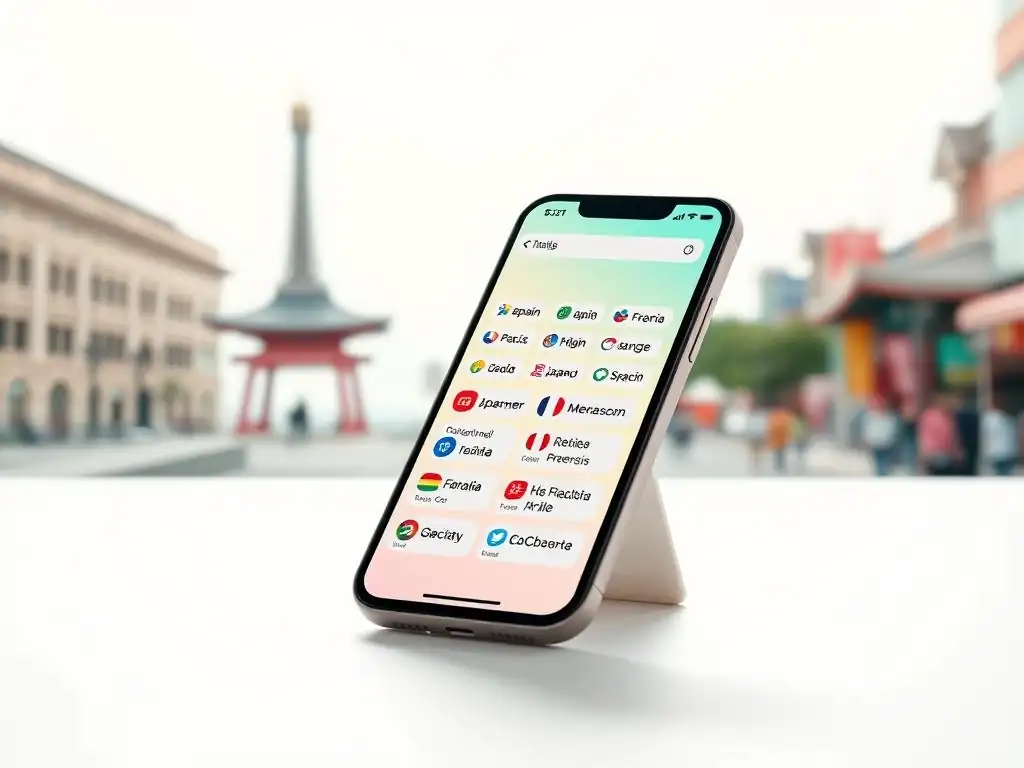
Ready to unlock your potential and conquer new challenges? At UltimateLifeHacks, we're dedicated to helping you streamline your life and achieve peak productivity. Discover how to maximize your time and energy with our practical tips and tricks. This article dives headfirst into the world of language learning, revealing the Best language learning app beginners can use to effortlessly master a new language. Intrigued? Let's get started!
- Choosing the Right Language Learning App for Beginners: Key Considerations
-
Top 5 Best Language Learning Apps for Beginners in 2024
- Duolingo: Fun and Engaging Language Learning for Beginners
- Babbel: Structured Lessons and Personalized Learning Paths for Beginners
- Rosetta Stone: Immersive Language Learning Experience for Beginners
- Memrise: Mnemonics and Gamification for Effective Language Acquisition
- Drops: Fast and Fun Language Learning App for Beginners
- Beyond the Apps: Tips for Successful Language Learning
- Frequently Asked Questions about Language Learning Apps for Beginners
- Conclusion: Finding the Perfect Language Learning App for Your Needs
- Frequently Asked Questions
- Final Reflection: Unlocking Global Connection Through Language Learning
- Unlock Your Language Learning Journey Today!
Choosing the Right Language Learning App for Beginners: Key Considerations
Learning a new language can feel daunting, especially for beginners. With so many language learning apps flooding the market, finding the perfect one can seem impossible. This article cuts through the noise, providing a comprehensive guide to selecting the best language learning app for your needs, focusing specifically on the unique challenges and opportunities faced by those just starting their language journey. We'll explore key factors to consider, compare budget-friendly and premium options, and delve into the crucial differences between free and paid apps.
By the end, you'll be equipped to make an informed decision and embark on your language learning adventure with confidence. This guide is specifically tailored for those searching for the "best language learning app beginners" can rely on. We'll focus on apps that prioritize ease of use, effective teaching methodologies, and engaging content designed for absolute beginners.
Factors to Consider When Selecting a Beginner Language App
Choosing the right language learning app requires careful consideration of several key factors. It's not just about finding an app with a pretty interface; the effectiveness of the app hinges on its alignment with your learning style and goals. Let's examine some crucial aspects:
- Learning Methodology: Different apps employ various teaching methods. Some focus on spaced repetition systems (SRS), others prioritize immersion, and still others blend different approaches. Consider whether you learn best through visual aids, auditory exercises, interactive games, or a combination thereof. Apps utilizing gamification often prove particularly motivating for beginners.
- Content Relevance: The app's curriculum should cater to beginners. Look for apps that start with the absolute basics, gradually introducing new vocabulary and grammar concepts. Avoid apps that assume prior language knowledge. The content should be engaging and relatable, making learning enjoyable.
- User Interface (UI) and User Experience (UX): A user-friendly interface is paramount, especially for beginners. The app should be intuitive and easy to navigate. A cluttered or confusing interface can quickly lead to frustration and abandonment. A smooth user experience ensures a positive learning journey.
- Progress Tracking and Feedback: Regular feedback and progress tracking are essential for maintaining motivation. The app should provide clear indicators of your progress, allowing you to monitor your learning journey and celebrate your achievements. This positive reinforcement significantly impacts motivation and consistency.
- Community Features: Some apps offer community features such as forums or social learning components. Interacting with other learners can enhance your learning experience and provide support. However, this feature is not essential for all learners.
The world of language learning apps offers a wide spectrum of pricing models, ranging from completely free to premium subscriptions with substantial costs. The choice between budget-friendly and premium options depends heavily on your individual needs and budget constraints.
Budget-friendly apps often offer a limited selection of features and content, sometimes including ads. However, they can be an excellent starting point to test the waters and gauge your commitment to language learning before investing in a premium subscription. They often provide a basic foundation in grammar and vocabulary.
Premium apps, on the other hand, typically provide a more comprehensive and structured learning experience. They often include features such as personalized learning paths, extensive vocabulary lists, interactive exercises, and progress tracking tools. They usually lack ads and may offer offline access to learning materials. The investment in a premium app often translates to a more focused and effective learning experience.
Free vs. Paid Language Learning Apps: A Detailed Comparison
The decision between free and paid language learning apps is a crucial one, significantly influencing the quality and depth of your learning experience. Both options have their own sets of advantages and disadvantages.
| Feature | Free Apps | Paid Apps |
|---|---|---|
| Cost | Free (often with ads) | Subscription fee (monthly or annual) |
| Content | Limited vocabulary and grammar | Extensive vocabulary and grammar, often including cultural insights |
| Features | Basic exercises and lessons | Advanced features (e.g., personalized learning, speech recognition) |
| Advertisements | Usually contains ads | Typically ad-free |
| Offline Access | Often limited or unavailable | Usually available |
| Customer Support | Limited or nonexistent | Usually more responsive and comprehensive |
Choosing between a free and paid app should depend on your learning goals, available resources, and personal preferences. Free apps can serve as a great introduction, allowing you to explore the world of language learning apps without any financial commitment. However, paid apps offer a more comprehensive and often more effective learning experience, especially in the long term. The best choice depends entirely on your individual circumstances and learning style.
Ease of Use and User Interface for Beginners
Choosing a language learning app as a beginner can be overwhelming. The sheer number of options available can feel daunting. Therefore, prioritizing ease of use and a user-friendly interface is paramount. A clunky or confusing app will quickly lead to frustration and abandonment, even if it boasts impressive features.
The best apps for beginners prioritize intuitive navigation and a clean, uncluttered design. Look for apps with clear instructions, simple menus, and a logical flow to the lessons. Avoid apps that require extensive technical knowledge or a steep learning curve just to understand the app itself! Remember, you're learning a language, not mastering complex software.
Consider the overall aesthetic appeal. A visually appealing app can make the learning process more enjoyable and engaging. Think bright, clear fonts, pleasing colors, and a layout that's easy on the eyes. Many apps incorporate gamification elements – progress bars, badges, and rewards – to enhance motivation and provide visual feedback on your learning journey.
These visual cues are particularly helpful for beginners who need the extra encouragement. The best language learning apps for beginners understand that a positive user experience is just as crucial as the learning content itself. A well-designed interface can significantly impact your motivation and persistence in your language learning goals.
Ultimately, a user-friendly app should feel like a supportive companion, not a frustrating obstacle, on your language learning path. This positive reinforcement is a key factor in long-term success. A poorly designed app, on the other hand, might feel like a chore rather than a fun, engaging experience.
Top 5 Best Language Learning Apps for Beginners in 2024
This section dives deep into the top language learning apps perfect for those just starting their language journey. We'll analyze their strengths, weaknesses, pricing, and features, focusing on what makes them ideal for beginners. We'll also touch upon their effectiveness for specific languages, providing a nuanced perspective on the best app for your language learning goals. Remember, finding the best app is subjective; the ideal choice depends on individual learning styles and preferred features.
Duolingo: Fun and Engaging Language Learning for Beginners
Duolingo's gamified approach makes learning a new language feel less like a chore and more like a game. Its bite-sized lessons, points system, and progress tracking keep users motivated. This is particularly beneficial for beginners who might otherwise feel overwhelmed by traditional learning methods. The app's intuitive interface and simple design further contribute to its beginner-friendliness. The focus is on building a basic vocabulary and understanding fundamental grammar concepts.
Duolingo's Strengths and Weaknesses for Beginners
Strengths:
- Gamification: The points system, streaks, and leaderboards provide motivation and a sense of accomplishment. This is crucial for beginners who need encouragement to stay consistent.
- Accessibility: The app is available on various platforms (iOS, Android, web), offering flexibility in learning.
- Free Version: Duolingo offers a generous free version, allowing beginners to explore the app before committing to a paid subscription.
- Intuitive Interface: The design is straightforward and easy to navigate, even for tech-novices.
Weaknesses:
- Oversimplification: Some users find the lessons too simplistic and lacking in depth. Grammar explanations can be lacking, relying more on repetition than comprehensive understanding.
- Limited Real-World Application: While effective for vocabulary building, the app might not prepare beginners for real-life conversations as effectively as other methods.
- Repetitive Nature: The repetitive nature of lessons can become tedious for some learners.
Duolingo Pricing and Features: A Comprehensive Overview
Duolingo offers both a free and a paid subscription (Duolingo Plus). The free version provides access to the core lessons and features, while Duolingo Plus removes ads, offers unlimited hearts (lives in the game), provides offline access, and unlocks personalized learning paths. The price varies depending on the subscription length but generally falls within the affordable range for most users. The additional features of Duolingo Plus can definitely enhance the learning experience, especially for beginners who want more focused learning and uninterrupted progress.
Duolingo for Specific Languages: Spanish, French
Duolingo boasts a wide range of languages. For Spanish and French, beginners will find a comprehensive curriculum covering basic grammar, vocabulary, and pronunciation. The app's strength lies in its ability to build a solid foundation in these commonly learned languages. However, beginners should supplement Duolingo with other resources to gain a deeper understanding of grammar nuances and improve conversational fluency. The app excels at building a basic conversational ability, but mastering the subtleties of the languages requires additional effort.
Babbel: Structured Lessons and Personalized Learning Paths for Beginners
Babbel takes a more structured approach to language learning, offering comprehensive courses designed by linguists. The focus is on practical application, aiming to equip beginners with the skills needed for real-world communication. Babbel's personalized learning paths adapt to individual learning styles and paces, making it an effective tool for beginners with varying levels of commitment.
Babbel's Strengths and Weaknesses for Beginners
Strengths:
- Structured Curriculum: Lessons are well-organized and follow a logical progression, making learning more efficient.
- Real-World Context: Babbel emphasizes practical application, preparing beginners for real-life conversations.
- Personalized Learning: The adaptive learning technology adjusts to the learner's progress, ensuring a customized experience.
- Speech Recognition: The app's speech recognition technology provides immediate feedback on pronunciation, improving accuracy.
Weaknesses:
- Pricing: Babbel's subscription is more expensive compared to Duolingo.
- Less Gamified: The lack of a gamified approach might be less engaging for some beginners who thrive on rewards and challenges.
- Limited Free Content: The free version offers limited access, encouraging users to subscribe sooner.
Babbel Pricing and Features: A Comprehensive Overview
Babbel follows a subscription model, with various plans offering different durations and features. The subscription typically unlocks all the courses and features, including personalized learning paths, speech recognition technology, and progress tracking. The pricing is generally higher than Duolingo but reflects the more structured and comprehensive nature of the lessons. Consider your budget and desired level of structure when comparing Babbel and Duolingo.
Babbel for Specific Languages: German, Italian
Babbel provides high-quality courses in German and Italian, focusing on practical communication skills. Beginners will appreciate the structured approach and focus on real-world scenarios. The app excels at building a solid foundation in these languages, but supplementary resources might be needed for advanced grammar and cultural understanding. The focus on practical application makes Babbel an excellent choice for beginners who want to quickly start using their new language in real-life situations.
Rosetta Stone: Immersive Language Learning Experience for Beginners
Rosetta Stone boasts a long-standing reputation as a leading language learning platform. Its approach centers on immersion, prioritizing practical conversational skills from the outset. Beginners are immediately thrust into realistic scenarios, using images and context clues to decipher meaning, rather than relying heavily on direct translation. This method encourages intuitive language acquisition, mirroring how children naturally learn their mother tongue.
The program's strength lies in its ability to build a solid foundation in listening and speaking, crucial for early-stage learners. The structured lessons progress gradually, introducing new vocabulary and grammar concepts at a manageable pace. However, it's important to note that the emphasis on immersion might feel overwhelming for some absolute beginners who prefer a more structured, grammar-focused approach. The lack of explicit grammar explanations can be a drawback for learners who thrive on understanding the underlying rules of the language.
Rosetta Stone's Strengths and Weaknesses for Beginners
Strengths:
- Immersive learning: Rosetta Stone excels at creating an immersive environment, promoting natural language acquisition.
- Focus on speaking and listening: The program prioritizes practical conversational skills, vital for beginners.
- Structured lessons: The lessons are carefully sequenced, ensuring a gradual progression of learning.
- Visually engaging: The use of images and contextual clues makes learning more engaging and intuitive.
Weaknesses:
- Lack of explicit grammar explanations: The absence of detailed grammar rules might frustrate some learners.
- Limited writing practice: The focus on speaking and listening might leave some beginners wanting more writing exercises.
- Can be expensive: Rosetta Stone's subscription model can be more costly than some alternative apps.
- Limited feedback: While it provides some feedback, more detailed explanations and corrections could be beneficial.
Rosetta Stone Pricing and Features: A Comprehensive Overview
Rosetta Stone offers various subscription options, typically ranging from monthly to annual plans. The price varies depending on the chosen plan and the number of languages included. Generally, longer-term subscriptions offer better value. Key features include interactive lessons, speech recognition technology to assess pronunciation, progress tracking, and access to a mobile app for learning on the go.
Specific features might differ slightly depending on the language chosen. [Specific pricing details pending - requires access to current Rosetta Stone website pricing]. The app generally includes a comprehensive vocabulary and grammar curriculum, although the grammar is implicitly taught through context rather than explicit instruction.
Rosetta Stone for Specific Languages: Mandarin, Portuguese
Rosetta Stone supports a wide array of languages, including Mandarin Chinese and Portuguese. For Mandarin, the program tackles the complexities of tones and characters through a combination of audio and visual aids. The emphasis is on practical communication, focusing on everyday conversational phrases and situations.
Similarly, for Portuguese, Rosetta Stone provides an immersive experience tailored to the specific nuances of Brazilian Portuguese or European Portuguese (depending on the chosen version), focusing on pronunciation and common expressions. The level of detail and features for each language may differ slightly, but the core methodology remains consistent across all offerings. [Specific details on curriculum differences for Mandarin and Portuguese pending - requires access to Rosetta Stone's language-specific course outlines].
Memrise: Mnemonics and Gamification for Effective Language Acquisition
Memrise uses a unique approach to language learning, combining mnemonics, flashcards, and gamification to create an engaging and effective learning experience. It leverages the power of memory techniques to help users retain vocabulary and grammar more efficiently. The app presents information in a fun and interactive way, using images, videos, and games to keep learners motivated. This gamified approach is particularly beneficial for beginners, who may find traditional methods less engaging. However, the reliance on memorization might not be sufficient for developing a deep understanding of grammar and fluency in conversation.
Memrise's Strengths and Weaknesses for Beginners
Strengths:
- Gamified learning: Memrise's interactive and fun approach keeps learners motivated.
- Effective mnemonics: The use of memory techniques aids in vocabulary retention.
- Wide range of languages: Memrise supports a vast number of languages.
- Affordable pricing: Memrise offers competitive subscription plans compared to other apps.
Weaknesses:
- Limited grammar instruction: Grammar is often taught implicitly, which might not suit all learners.
- Over-reliance on memorization: The focus on memorization might not fully develop conversational fluency.
- Can be repetitive: The repetitive nature of flashcards can become monotonous for some users.
- Limited speaking practice: While some versions include speaking exercises, they might not be as comprehensive as in other apps.
Memrise Pricing and Features: A Comprehensive Overview
Memrise offers both free and paid subscription options. The free version provides access to a limited number of courses and features, while the paid version unlocks all courses and offers additional functionalities such as offline access and personalized learning plans. [Specific pricing details pending – requires access to the current Memrise website pricing]. Features generally include flashcards, spaced repetition systems (SRS), progress tracking, and a leaderboard to encourage competition amongst users. The app also often includes user-created content, which can add diversity to the learning experience but may also vary in quality.
Memrise for Specific Languages: Japanese, Korean
Memrise offers extensive courses for both Japanese and Korean, catering to beginners with structured learning paths. For Japanese, the app tackles the complexities of the writing system (hiragana, katakana, kanji) through a combination of flashcards and mnemonics. The focus is on building vocabulary and understanding basic grammar through repetitive practice. Similarly, for Korean, Memrise helps learners master the Korean alphabet (Hangul) and build a foundational vocabulary.
The app utilizes spaced repetition to reinforce learning and improve retention. While both courses offer a good starting point, learners seeking more in-depth grammar explanations might need to supplement Memrise with other resources. [Specific details on curriculum differences for Japanese and Korean pending - requires access to Memrise's language-specific course outlines].
Drops: Fast and Fun Language Learning App for Beginners
Drops is a visually appealing language learning app designed for beginners who prefer short, focused learning sessions. Its unique approach uses images and minimal text, making it ideal for visual learners and those with limited time. The app focuses on vocabulary acquisition, employing a gamified system that keeps users engaged.
Instead of lengthy grammar explanations, Drops prioritizes memorization through spaced repetition, a technique proven to enhance retention. New words are introduced through engaging visuals and intuitive swipe-based interactions, making the learning process feel more like a game than a chore. The app's emphasis on visual learning and quick sessions makes it perfect for busy individuals who want to incorporate language learning into their daily routines without significant time commitments.
Many users praise Drops for its ease of use and its ability to build a foundational vocabulary relatively quickly. The app cleverly uses mnemonics and visual associations, which can be incredibly helpful for remembering new words and their meanings, especially for beginners who might struggle with rote memorization.
Drops' Strengths and Weaknesses for Beginners
Strengths:
- Visual Learning: Drops excels in its use of visuals. The emphasis on images and minimal text caters perfectly to visual learners and makes learning more engaging and less daunting for beginners.
- Short, Focused Sessions: The app's design encourages short, 5-minute learning bursts, making it easy to incorporate language learning into even the busiest schedules. This is a huge advantage for beginners who might struggle to commit to longer study periods.
- Gamified Approach: The game-like interface, with its rewards and progress tracking, keeps users motivated and encourages consistent engagement. This gamification is particularly effective for beginners who need that extra push to stay on track.
- Spaced Repetition System (SRS): Drops utilizes SRS, a proven method for improving memory retention. By revisiting learned words at increasing intervals, the app ensures that new vocabulary sticks.
- Wide Range of Languages: Drops supports a wide variety of languages, offering a diverse range of learning options for beginners.
Weaknesses:
- Limited Grammar Focus: Drops primarily focuses on vocabulary, neglecting grammar instruction. While vocabulary is crucial, a solid understanding of grammar is equally important for fluency. Beginners might need to supplement Drops with other resources to learn grammar.
- Lack of Pronunciation Practice: While some words offer audio pronunciations, the app doesn't provide comprehensive pronunciation training. This is a significant drawback, as proper pronunciation is essential for effective communication.
- Subscription Model: Drops operates on a freemium model, meaning that access to the full range of features and languages requires a paid subscription. This can be a barrier for some users.
- Repetitive Nature: The highly visual and simplistic approach, while effective for vocabulary building, can become repetitive for some users over time.
Drops Pricing and Features: A Comprehensive Overview
Drops offers a free version with limited access to languages and features. The free version allows users to sample the app's functionality, but to unlock the full potential, a paid subscription is necessary. The paid subscription unlocks all languages, removes daily usage limits, and provides access to additional features such as personalized learning paths and offline access. The exact pricing varies depending on the subscription length (monthly, yearly) and may change over time.
However, it's generally considered reasonably priced compared to other comprehensive language learning apps. The paid version offers significant advantages for users who are serious about learning a new language and require a more comprehensive learning experience. The subscription model ensures that the app remains financially sustainable while providing ongoing updates and improvements.
Drops for Specific Languages: Russian, Arabic
Drops offers both Russian and Arabic amongst its many supported languages. However, the learning experience may vary slightly depending on the language's complexity and the availability of resources. For example, the Cyrillic alphabet used in Russian might present a steeper learning curve for some beginners compared to the Latin alphabet.
Similarly, Arabic's unique writing system and grammar structure require a different approach to learning. While Drops' core methodology remains consistent across all languages, users should expect a slightly different learning curve for languages with more complex grammatical structures or different writing systems. Despite these differences, Drops aims to provide an engaging and accessible learning experience for beginners in both Russian and Arabic, focusing on building vocabulary through its visual learning approach.
The availability of audio pronunciations is crucial for both languages, given the nuances of their sounds. Users should check the app's current offerings to ensure that the desired language and features are available.
Beyond the Apps: Tips for Successful Language Learning

This section moves beyond the specific features of language learning apps and delves into broader strategies crucial for effective language acquisition. Even the best language learning app for beginners will only be as effective as the learner's commitment and approach. Remember, an app is a tool; your dedication and methodology are the engine driving your progress.
Supplementing Language Learning Apps with Other Resources
Relying solely on a language learning app, even a top-rated one, can limit your progress. A well-rounded approach incorporates diverse resources to cater to different learning styles and reinforce what you learn in the app. Consider these supplementary methods:
- Language exchange partners: Connecting with native speakers, either online or in person, provides invaluable opportunities for conversational practice and cultural immersion. This allows you to actively apply the vocabulary and grammar learned through your app. The feedback you receive is priceless.
- Podcasts and audiobooks: Passive listening, while seemingly less active than app-based learning, significantly improves comprehension and exposes you to natural speech patterns. Start with beginner-level materials and gradually increase the difficulty.
- YouTube channels and language learning videos: Visual aids can enhance understanding, particularly for visual learners. Many YouTube channels offer engaging lessons, vocabulary building exercises, and cultural insights.
- Language learning textbooks and workbooks: These provide structured learning, often complementing the app's more interactive approach. They offer a deeper dive into grammar rules and vocabulary, offering a solid foundation for your language journey.
- Flashcards and spaced repetition systems (SRS): These reinforce vocabulary memorization, a critical component of language learning. Many apps integrate SRS, but standalone tools can further enhance retention.
Creating a Personalized Language Learning Plan
A structured plan is key to consistent progress. Don't just jump into using the app randomly; design a learning schedule tailored to your lifestyle and learning preferences. Consider these elements:
- Set realistic goals: Don't try to learn everything at once. Start with achievable, short-term goals, such as learning 10 new words a day or completing one lesson in your app each evening. Celebrate your milestones! 🎉
- Schedule dedicated learning time: Treat language learning like any other important appointment. Block out specific times in your day or week for study, ensuring consistency is maintained. Even 15-20 minutes daily is more effective than sporadic, longer sessions.
- Track your progress: Monitor your learning journey to identify areas needing more attention and to stay motivated. Use a journal, spreadsheet, or even the app's built-in tracking features to gauge your achievements.
- Vary your learning activities: Avoid monotony by switching between different learning resources and activities. Combine app lessons with podcasts, language exchange sessions, and other supplemental materials to keep things interesting and engaging. This prevents burnout and maintains motivation.
- Regularly review previously learned material: Spaced repetition is crucial for long-term retention. Regularly revisit past lessons and vocabulary to reinforce your knowledge and prevent forgetting.
The Importance of Consistent Practice and Immersion
Consistency is paramount. Even the best language learning app won't work magic if you only use it sporadically. Think of language learning as a marathon, not a sprint. Here's how to build consistency:
- Make it a habit: Integrate language learning into your daily routine. Make it a non-negotiable part of your day, just like brushing your teeth or having breakfast.
- Find a language learning buddy: Learning with a friend or partner provides accountability and motivation. You can support each other, share tips, and practice together.
- Reward yourself: Celebrate your successes, no matter how small. Rewarding yourself for reaching milestones keeps you motivated and engaged in the learning process.
- Embrace mistakes: Don't be afraid to make mistakes. They are a natural part of the learning process. Learn from them and move on. Remember, fluency comes with time and consistent effort.
- Immerse yourself in the language: Surround yourself with the language as much as possible. Watch movies and TV shows, listen to music, and read books in your target language. This passive immersion complements active learning and accelerates your progress. This is a key aspect of successfully using any best language learning app for beginners.
Setting Realistic Goals and Expectations for Beginners
Learning a new language is a marathon, not a sprint. Beginners often fall into the trap of setting overly ambitious goals, leading to frustration and eventual abandonment of their language learning journey. Instead of aiming for fluency in a month, focus on smaller, achievable milestones. For example, instead of aiming to perfectly conjugate all verb tenses, start with mastering the present tense of common verbs. This approach fosters a sense of accomplishment and keeps motivation high. Celebrate each small victory—reaching a certain vocabulary milestone, holding a simple conversation, or understanding a short video—to reinforce positive learning habits.
Remember that progress isn't always linear. There will be days when you feel incredibly proficient, and others where you struggle. This is perfectly normal. Don't let setbacks discourage you; instead, view them as opportunities for learning and refinement.
Adjust your goals as needed, and don't be afraid to take breaks when you feel overwhelmed. Consistency is key, but burnout is detrimental. A balanced approach, incorporating regular practice sessions with periods of rest, will yield far better results in the long run than intense, unsustainable bursts of activity.
Think of it like building a strong foundation—it takes time, but it ensures a sturdy structure that can withstand challenges. By setting realistic expectations and celebrating your progress along the way, you’ll not only learn a new language more effectively but also develop a healthy and sustainable learning habit. This approach is crucial for "best language learning app beginners" looking to develop a long-term relationship with their language learning.
Frequently Asked Questions about Language Learning Apps for Beginners

This section addresses common queries regarding language learning apps, specifically focusing on the needs and challenges faced by absolute beginners. We'll delve into the effectiveness of these apps, optimal daily study time, and recommendations for choosing the right app to kickstart your language learning journey.
Which Language Learning App is Best for Absolute Beginners?
Choosing the best language learning app truly depends on individual learning styles and preferences. However, several apps stand out for their beginner-friendliness. Many prioritize intuitive interfaces and structured lesson plans, gradually introducing new vocabulary and grammar concepts. Look for apps that offer:
- Clear pronunciation guides: Audio is crucial for beginners. Apps with native speaker audio and clear phonetic transcriptions are essential for accurate pronunciation from the start.
- Gamified learning: Points, badges, and leaderboards can boost motivation, especially in the initial stages when consistency is key. The fun factor significantly improves engagement.
- Interactive exercises: Passive learning isn't effective. Apps with varied exercises – such as quizzes, fill-in-the-blank activities, and speech recognition – reinforce learning and provide immediate feedback.
- Progress tracking: Seeing your progress visually motivates continued effort. Apps that track your learning journey, highlighting achievements and areas for improvement, are invaluable.
For example, some popular apps known for their beginner-friendly features include Duolingo (renowned for its gamified approach and vast language selection), Babbel (focused on practical vocabulary and grammar), and Memrise (utilizing flashcards and mnemonics for memorization). Remember to try out free trials or freemium versions before committing to a paid subscription to find the app that best suits your learning style.
Are Language Learning Apps Effective?
The effectiveness of language learning apps hinges on several factors, including the app itself, your learning approach, and your overall commitment. While apps alone won't magically make you fluent, they can be highly effective tools when used correctly. Studies show that consistent use of language learning apps leads to demonstrable improvements in vocabulary, grammar, and conversational skills. 1
Several factors contribute to their success:
- Accessibility: Apps offer anytime, anywhere learning, making it easier to incorporate language study into your daily routine. This consistent exposure is crucial for language acquisition.
- Structured learning: Many apps provide structured lesson plans, guiding beginners through the fundamentals in a logical sequence. This avoids overwhelming learners with too much information at once.
- Immediate feedback: Apps provide instant feedback on exercises, allowing learners to identify and correct mistakes immediately. This rapid feedback loop is vital for effective learning.
- Personalized learning: Some apps adapt to individual learning styles and paces, optimizing the learning experience for each user. This tailored approach maximizes efficiency.
However, it's important to note that language learning apps are most effective when combined with other learning methods, such as speaking practice with native speakers or immersion in the target language's culture. They're a fantastic supplement, but not a standalone solution for fluency.
How Much Time Should I Dedicate to Language Learning Daily?
The optimal daily study time depends on individual learning styles, goals, and available time. However, consistency is far more important than the sheer number of hours spent. Even 15-30 minutes of focused, daily practice can yield significant results over time. Trying to cram several hours into one day is often less effective than shorter, more frequent sessions.
Here's a suggested approach:
| Daily Time Commitment | Benefits | Potential Drawbacks |
|---|---|---|
| 15-30 minutes | Builds consistency, establishes a routine | May feel too short for substantial progress |
| 45-60 minutes | Allows for more in-depth learning | May require more significant time commitment |
| Over 60 minutes | Potentially faster progress, deeper immersion | Risk of burnout, diminishing returns after a point |
Remember to listen to your body and adjust your study schedule accordingly. It's better to maintain a consistent, manageable routine than to burn out from trying to do too much too soon. Prioritize quality over quantity; focused learning is more effective than passively engaging with the app for extended periods. Regular, short bursts of focused learning are far more effective than infrequent, lengthy sessions.
1 [Specific study referencing the effectiveness of language learning apps pending]
Can I Learn a Language Fluently Using Only an App?
While language learning apps offer a fantastic starting point and can significantly boost your vocabulary and conversational skills, achieving fluency solely through an app is unlikely for most learners. Think of apps as powerful tools in your language-learning toolbox, but not the entire toolbox itself. Fluency requires a multifaceted approach that integrates various learning methods.
Apps excel at providing structured lessons, vocabulary building exercises, and pronunciation practice. They offer convenient accessibility, allowing you to learn at your own pace and in short bursts throughout the day. Many incorporate gamification techniques, keeping you motivated and engaged. However, apps often lack the crucial element of real-life interaction and cultural immersion.
True fluency involves understanding nuances in language, interpreting context, and adapting to different communication styles – aspects that apps often struggle to replicate effectively. The immersive experience of speaking with native speakers, understanding cultural contexts, and navigating real-world conversations is irreplaceable. This is where activities like language exchange programs, conversation classes, and immersion trips become vital complements to app-based learning.
Consider the analogy of learning to play a musical instrument. An app might teach you the chords and scales, but mastering the instrument requires practice, feedback from a teacher, and performance opportunities. Similarly, mastering a language requires more than just app-based lessons. Therefore, while apps are invaluable tools, they should be combined with other learning methods to achieve true fluency. Think of them as a strong foundation upon which you build a more comprehensive language acquisition strategy. Supplementing your app-based learning with real-world interactions is key to unlocking true fluency.
Conclusion: Finding the Perfect Language Learning App for Your Needs
Choosing the right language learning app can significantly impact your success. There's no single "best" app, as individual needs and learning styles vary greatly. This section will help you navigate the options and select the app that best suits your unique journey. Remember, consistency and engagement are key to mastering any new language. The best app is the one you'll actually use regularly.
Choosing the Right App Based on Your Learning Style and Goals
Do you prefer visual learning, auditory learning, or a kinesthetic approach? Different apps cater to different preferences. Some apps heavily emphasize vocabulary acquisition through flashcards and spaced repetition systems (SRS), like Anki's methodology. Others prioritize conversational practice with AI tutors or real-life language partners. Consider your learning style carefully.
For example, if you're a visual learner, an app with rich multimedia content – images, videos, and interactive exercises – might be ideal. If you thrive on structured lessons and clear progression, an app with a well-defined curriculum might be a better fit. Conversely, if you prefer a more flexible and immersive approach, an app that emphasizes spontaneous conversation and real-world scenarios might be more engaging.
Think about your goals too. Are you learning for travel, professional advancement, or personal enrichment? Your objectives will influence your app choice. If you need to prepare for a specific exam, look for an app aligned with the exam's content and format. If your goal is fluency in everyday conversation, an app focusing on practical communication skills will be more beneficial.
| Learning Style | Suitable App Features | Example App Focus (Illustrative) |
|---|---|---|
| Visual Learner | Images, videos, interactive diagrams, colorful UI | Apps with rich multimedia content |
| Auditory Learner | Audio lessons, pronunciation practice, podcasts | Apps emphasizing pronunciation & listening skills |
| Kinesthetic Learner | Hands-on activities, role-playing, writing exercises | Apps with interactive games & real-world scenarios |
| Structured Learner | Clear curriculum, graded lessons, progress tracking | Apps with structured lesson plans |
| Flexible Learner | Customizable learning paths, diverse content options | Apps offering personalized learning paths |
Remember to leverage free trials or freemium versions to test different apps before committing to a paid subscription. This allows you to experience the app's features and determine if it aligns with your learning style and goals before investing your time and money.
Maximizing Your Language Learning Success with the Right Tools and Strategies
Even with the best language learning app, success requires more than just downloading the software. Here are some key strategies to maximize your learning experience:
- Consistency is Key: Dedicate even just 15-30 minutes daily to your studies. Regular, shorter sessions are often more effective than infrequent, longer ones. Think of it as a daily fitness routine for your brain! 💪
- Active Recall: Don't just passively consume information. Actively test yourself frequently. Use flashcards, quizzes, and practice exercises within the app to strengthen your memory and recall.
- Immerse Yourself: Surround yourself with the language you're learning. Watch movies or TV shows with subtitles, listen to music, and try to find opportunities to use the language in real-life conversations, even if it's just with yourself! 🗣️
- Set Realistic Goals: Avoid overwhelming yourself with overly ambitious targets. Start small and gradually increase the difficulty as you progress. Celebrate your achievements along the way! 🎉
- Find a Language Partner: Connecting with a native speaker, either online or in person, can significantly accelerate your progress. Practicing speaking with someone provides invaluable feedback and boosts your confidence.
- Don't Be Afraid to Make Mistakes: Mistakes are a natural part of the learning process. Embrace them as opportunities to learn and improve. The more you practice, the more fluent you'll become.
By combining the right language learning app with effective learning strategies, you'll be well on your way to achieving your language learning goals. Remember, the journey is as important as the destination – enjoy the process!
Frequently Asked Questions
What makes a language learning app good for beginners?
A good app for beginners should have simple interfaces, clear explanations, and lots of repetition. It should also focus on basic vocabulary and grammar, building a solid foundation before moving to more complex topics.
Is there one single "best" app for everyone?
No, the best app depends on your learning style and goals. Some prefer gamified learning, while others prefer more traditional methods. Experiment to find what works best for you.
Are these apps effective for learning a language fluently?
While apps can be a great supplement to other learning methods, they are rarely sufficient on their own for fluency. Consistent effort and interaction with native speakers are crucial.
How much time should I dedicate daily to a language learning app?
Even short, consistent sessions (15-30 minutes) are more effective than infrequent, long ones. Consistency is key to progress.
Are these apps free, or do they all require subscriptions?
Some apps offer free versions with limited features, while others require a paid subscription for full access. Check the app's details to see the pricing model.
Final Reflection: Unlocking Global Connection Through Language Learning
The quest for effective language acquisition is more relevant today than ever before, in a world increasingly interconnected yet often divided by linguistic barriers. Mastering a new language isn't just about memorizing vocabulary; it's about unlocking access to new cultures, perspectives, and opportunities. It's about building bridges, fostering understanding, and enriching your life in profound ways.
The impact of language learning apps on the global landscape is undeniable. They've democratized access to education, making language acquisition achievable for millions who previously lacked resources or opportunities. The limits of my language mean the limits of my world.
- Ludwig Wittgenstein. This quote perfectly encapsulates the transformative power of learning a new language, expanding our horizons far beyond the confines of our native tongue. The ease of access provided by these apps has fostered a global community of learners, connecting people across borders and cultures in a way that was unimaginable just a few decades ago.
Now, consider your own journey. Which language has always captivated you? What doors would opening that linguistic gateway unlock for you – personally, professionally, or creatively? Take a moment to reflect on the possibilities. Download an app, dedicate even just fifteen minutes a day, and begin your adventure. You might be surprised at how quickly you progress, and even more surprised by the enriching experiences that await you on the other side of the language barrier. Embrace the challenge, and unlock your world.
Unlock Your Language Learning Journey Today!
Thank you for exploring the world of language learning with us! We hope you've found the perfect app to begin your multilingual adventure. Now it's time to put your knowledge into practice.
- Download your chosen app and start your first lesson today. Even 15 minutes a day can make a significant difference!
- Share your language learning goals and chosen app with friends; find a language partner for extra motivation and accountability.
- Supplement your app learning by exploring free online resources like podcasts and YouTube channels to further immerse yourself in the language.
Ready to embark on this exciting journey and become fluent in a new language? What word will you learn first?