
Stop Scrolling, Start Living: How to Tame Your Social Media Addiction


Feeling overwhelmed by endless scrolling and wishing for more time in your day? At UltimateLifeHacks, we understand. This is why we're diving deep into the crucial topic of Quit social media addiction now, offering practical strategies and actionable steps to reclaim your time and boost your productivity. Discover how to break free from the digital grip and unlock a more fulfilling, efficient life. Let's explore how to transform your digital habits into a powerful tool for success. Read on to learn how to regain control and start truly living.
- Understanding Your Social Media Addiction: The First Step to Quitting
-
Practical Strategies to Reduce Social Media Use and Quit Social Media Addiction Now
- Setting Realistic Goals: Start Small, Achieve Big
- Time Blocking and Scheduling: Reclaiming Your Time
- Deleting Apps and Limiting Access: Removing Temptation
- Utilizing App Blockers and Productivity Tools: External Support for Quitting Social Media
- Finding Healthy Alternatives: Replacing the Habit with Positive Activities
-
Rebuilding Your Life After Quitting Social Media: A Guide to Digital Detox
- Reconnecting with Real-Life Relationships: Strengthening Bonds Beyond the Screen
- Rediscovering Hobbies and Interests: Finding Fulfillment Offline
- Practicing Mindfulness and Self-Care: Cultivating Inner Peace
- Managing Withdrawal Symptoms: Coping with the Transition
- Maintaining Long-Term Change: Preventing Relapse and Quitting Social Media for Good
-
Overcoming Social Media Addiction: Long-Term Strategies for Success
- Building a Support System: Finding Accountability and Encouragement
- Seeking Professional Help: When to Consult a Therapist
- Developing Healthy Digital Habits: A Sustainable Approach to Technology Use
- The Benefits of a Digital Detox: Improved Mental and Physical Wellbeing
- Celebrating Your Success: Acknowledging Your Progress in Quitting Social Media Addiction Now
-
Maintaining a Healthy Relationship with Social Media
- Setting Boundaries and Sticking to Them: Avoiding Overuse
- Mindful Social Media Consumption: Being Present and Intentional
- Utilizing Social Media Positively: Connecting with Purpose
- Protecting Your Mental Health: Prioritizing Wellbeing Over Social Media
- Quitting Social Media Addiction Now: A Journey, Not a Destination
- Frequently Asked Questions
- Final Reflection: Reclaiming Your Time, Reclaiming Your Life
- Rediscover Your Real Life: Take Control of Your Time
Feeling trapped in a cycle of endless scrolling? Spending hours each day passively consuming content on social media platforms, despite knowing it's unproductive and even detrimental to your well-being? You're not alone. Millions struggle with social media addiction, a modern-day challenge that impacts productivity, mental health, and overall life satisfaction. This article serves as your guide to understanding and overcoming this digital distraction, offering practical strategies to reclaim your time and mental energy.
We'll explore the psychology behind the addiction, identify your personal triggers, and provide actionable steps to help you quit social media addiction now and start living a more fulfilling life. This guide focuses on practical, evidence-based techniques to help you take control of your digital habits and prioritize what truly matters. Let's embark on this journey towards a more balanced and productive you. 🎉
Are you constantly checking your phone, even when you know there's nothing new? Do you feel anxious or restless when you're unable to access social media? These are just some of the telltale signs of social media dependence. Let's delve deeper into the common indicators:
- Excessive Time Spent: Do you find yourself spending significantly more time on social media than you intended? Tracking your screen time can be a revealing first step. Many smartphones offer built-in tools to monitor app usage. A healthy starting point might be limiting your daily usage to [specific time limit pending research on average social media usage]. Anything exceeding that could indicate a problem.
- Withdrawal Symptoms: Feeling irritable, anxious, or even experiencing physical symptoms like headaches when you're prevented from using social media are clear signs of dependence. This mirrors the withdrawal experienced with other addictive substances.
- Neglecting Responsibilities: Is your social media use interfering with your work, studies, relationships, or other important aspects of your life? Prioritizing social media over crucial commitments is a significant red flag.
- Unsuccessful Attempts to Quit: Have you tried to cut back on social media use but found yourself unable to stick to your goals? This persistent inability to control your usage is a key indicator of addiction.
- Impact on Mental Health: Does excessive social media use contribute to feelings of inadequacy, low self-esteem, anxiety, or depression? The curated perfection often presented on social media can negatively impact mental well-being. Be mindful of how you feel after using social media.
Identifying Your Triggers: What Makes You Scroll?
Understanding why you reach for your phone is crucial to breaking the cycle. Identifying your triggers – the specific situations, emotions, or thoughts that lead to excessive social media use – is a powerful tool for self-control. Consider these common triggers:
- Boredom: Is social media your go-to activity when you're feeling bored or have downtime? Finding alternative, more engaging activities is key.
- Stress or Anxiety: Do you use social media as a coping mechanism to escape from stress or anxiety? Explore healthier stress-management techniques like exercise, mindfulness, or talking to a trusted friend.
- Loneliness or Isolation: Do you turn to social media to connect with others when you're feeling lonely? Consider actively engaging in real-life social interactions.
- Low Self-Esteem: Are you constantly comparing yourself to others on social media, leading to feelings of inadequacy? Focus on building self-esteem through self-compassion and positive self-talk.
- Fear of Missing Out (FOMO): Do you feel a constant need to stay updated on what others are doing, fearing you'll miss out on something important? Recognize that social media often presents a highly curated and unrealistic view of reality.
Social media platforms are designed to be addictive. They exploit psychological principles to keep users engaged for as long as possible. Understanding these mechanisms is crucial for developing effective strategies to overcome addiction:
- Variable Rewards: The unpredictable nature of notifications and updates triggers the release of dopamine, a neurotransmitter associated with pleasure and reward. This intermittent reinforcement makes checking social media highly reinforcing.
- Social Validation: Likes, comments, and shares provide a sense of social validation and belonging, further reinforcing the addictive behavior.
- Escape and Avoidance: Social media can serve as a form of escape from negative emotions or stressful situations. This temporary relief can become a habitual coping mechanism.
- Habit Formation: Repeated actions, even if initially conscious, eventually become ingrained habits, making it difficult to break free from the cycle.
- Confirmation Bias: Social media algorithms often reinforce existing beliefs and preferences, creating echo chambers that can further solidify addictive behaviors. The constant stream of information tailored to your interests makes it difficult to disengage.
This section details actionable steps to curtail excessive social media consumption and ultimately, quit social media addiction now. We'll move beyond simply acknowledging the problem and delve into concrete strategies for reclaiming your time and mental well-being. Remember, the journey to digital detox is a marathon, not a sprint. Consistency and self-compassion are key.
Setting Realistic Goals: Start Small, Achieve Big
Quitting social media cold turkey is often unrealistic and can lead to relapse. Instead, focus on setting achievable, incremental goals. Instead of aiming for complete abstinence immediately, consider reducing your daily usage gradually. For instance, if you currently spend four hours a day on social media, aim to reduce it by 30 minutes per week. This gradual approach fosters sustainable change and prevents feelings of overwhelm.
Here's a sample plan:
| Week | Daily Social Media Time Goal (minutes) | Actionable Steps | Success Metric |
|---|---|---|---|
| 1 | 210 (3.5 hours) | Uninstall one less-used app. Limit checking others to twice a day. | Track time spent using a time-tracking app. |
| 2 | 180 (3 hours) | Set specific times for checking social media. Avoid using it before bed. | Compare this week's usage to last week's. |
| 3 | 150 (2.5 hours) | Replace social media time with a hobby or activity you enjoy. | Note any increase in free time and improved mood. |
| 4 | 120 (2 hours) | Deactivate notifications for non-essential apps. | Monitor your overall well-being and stress levels. |
Remember to celebrate your milestones! 🎉 Each small victory contributes to your overall progress and reinforces positive behavior. Adjust your goals as needed; what works for one person might not work for another. The key is finding a sustainable rhythm that fits your lifestyle and helps you quit social media addiction now.
Time Blocking and Scheduling: Reclaiming Your Time
Time blocking is a powerful productivity technique that can be incredibly effective in managing social media consumption. Instead of passively letting social media consume your time, actively allocate specific time slots for it. Treat social media like any other appointment – schedule it, and stick to it.
For example, you might schedule 30 minutes in the afternoon to check your feeds. Once that time is up, close the apps and move on to other tasks. This structured approach helps you regain control over your time and prevents aimless scrolling that can easily consume hours.
Consider using a digital calendar or planner to schedule these blocks. The visual representation can serve as a powerful reminder, helping you stay accountable and resist the urge to check social media outside your designated times. You’ll find you have significantly more free time to pursue more fulfilling activities. This is a vital step in your journey to quit social media addiction now.
Deleting Apps and Limiting Access: Removing Temptation
One of the most effective ways to quit social media addiction now is to remove the temptation entirely. Deleting social media apps from your phone minimizes impulsive checking. Out of sight, out of mind, as they say. This strategy is particularly effective for those who find themselves constantly reaching for their phones out of habit.
If complete deletion feels too drastic, consider limiting access. You can use parental control apps or website blockers to restrict your access during specific times or for certain periods. This creates a controlled environment that makes it harder to succumb to the allure of endless scrolling. This controlled approach can be a bridge to eventually quitting social media addiction now entirely. Think of it as a gradual weaning process, allowing you to adjust to a life less consumed by social media.
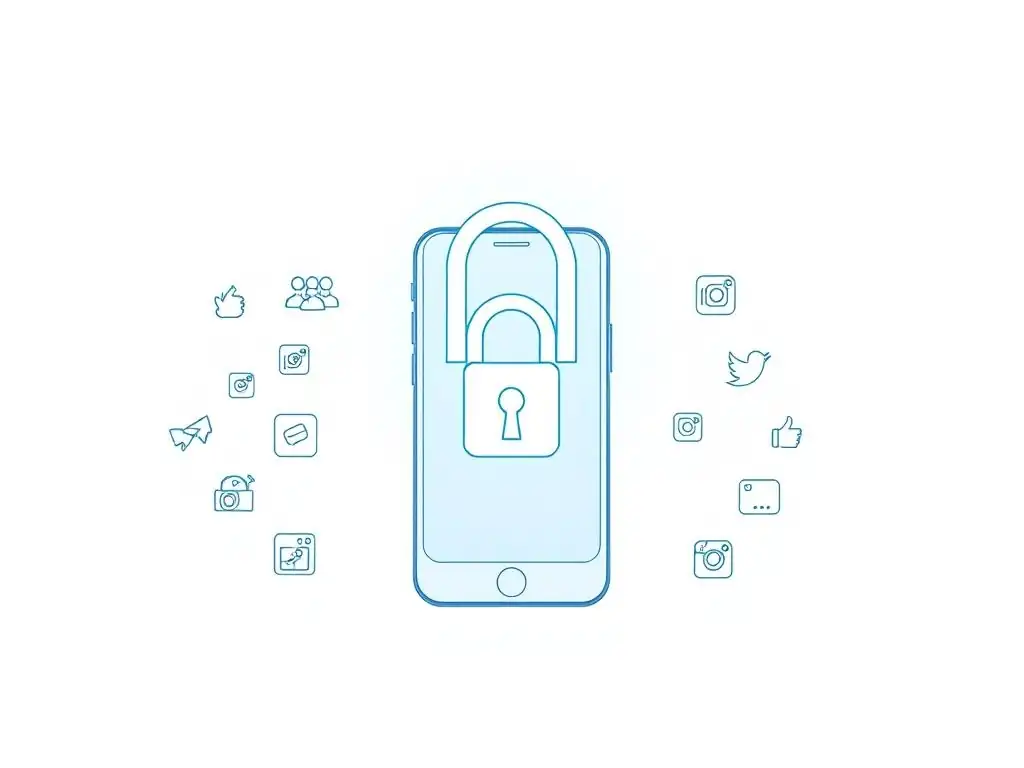
Overcoming social media addiction often requires more than willpower alone. Many find significant success by leveraging technology designed to curb their usage. App blockers, for instance, offer a powerful external mechanism to limit access to distracting platforms. These tools work by restricting access to specific apps during pre-defined periods, preventing impulsive checking and scrolling.
The effectiveness varies depending on the app and your level of commitment; some apps allow for temporary overrides, while others are more stringent. Choosing an app that aligns with your self-discipline level is key. For example, some users might start with an app offering short, scheduled breaks from social media, gradually increasing the duration of restricted time as their control improves. Others might opt for a more rigid, "cold-turkey" approach, completely blocking access for extended periods.
Beyond app blockers, productivity tools can indirectly aid in quitting social media addiction by promoting focus and efficiency. These tools often incorporate features like website blockers, timer functions (like the Pomodoro Technique), and task management systems. By organizing your day and prioritizing tasks, you create less mental space for aimless social media browsing.
The sense of accomplishment from completing tasks can also be a powerful antidote to the fleeting dopamine rush associated with social media engagement. Consider using a to-do list app to plan your day and track your progress; the satisfaction of checking items off your list can be surprisingly motivating and help redirect your attention away from unproductive scrolling. Moreover, some productivity tools offer integration with app blockers, creating a comprehensive system for managing your digital distractions.
Finding Healthy Alternatives: Replacing the Habit with Positive Activities
Quitting social media addiction isn't just about stopping a negative behavior; it's about replacing it with positive ones. The void left by constant social media engagement needs to be filled constructively, otherwise, the urge to relapse is significantly higher. Identifying healthy alternatives tailored to your interests is crucial for long-term success. Consider exploring hobbies you've neglected, such as reading, painting, playing a musical instrument, or engaging in outdoor activities like hiking or cycling. These activities offer a sense of accomplishment and personal growth, providing a more fulfilling alternative to the passive consumption of social media.
Furthermore, focusing on strengthening social connections offline is vital. Schedule time for face-to-face interactions with friends and family. Genuine human connection provides a deeper sense of belonging and fulfillment than fleeting online interactions. Joining a club or group based on your interests can also expand your social circle and provide opportunities for meaningful engagement.
This could involve anything from a book club to a sports team, a volunteering organization, or a local community group. Remember, the goal is to cultivate authentic relationships and find joy in real-world experiences. Replacing the superficial connections of social media with genuine human interaction is a key step towards a healthier and more fulfilling life, free from the grip of social media addiction. The key is to experiment and find activities that genuinely resonate with you and bring you a sense of satisfaction and purpose.
Quitting social media is a significant step towards reclaiming your time and mental well-being. But it's not just about quitting social media addiction now; it's about rebuilding your life in a healthier, more fulfilling way. This section provides a roadmap for navigating this transition and embracing a life less ordinary, a life less dictated by the endless scroll. The initial days might feel strange, even unsettling, but with conscious effort and a positive mindset, you can successfully navigate this digital detox and reap the rewards. Remember, the goal isn't just to stop scrolling, but to start living.
Reconnecting with Real-Life Relationships: Strengthening Bonds Beyond the Screen
The digital world often replaces real-world interactions. After quitting social media, you might find yourself with more time – and a newfound desire – to connect with people in person. This is a crucial aspect of rebuilding your life after digital detox. Instead of passively observing others' lives online, actively participate in your own.
Consider scheduling regular meetups with friends and family. A simple coffee date, a walk in the park, or a home-cooked meal together can strengthen bonds far more effectively than any online interaction. Think about quality time, not quantity. Deep conversations, shared experiences, and genuine connection are what truly matter. Make a conscious effort to engage in active listening, showing genuine interest in their lives and sharing your own experiences authentically.
Here's a simple plan to get started:
- Week 1: Reach out to 3 people you haven't spoken to in a while. Schedule a brief phone call or text.
- Week 2: Plan one in-person meeting with a close friend or family member.
- Week 3: Join a local club or group based on your interests. This provides opportunities for new connections.
- Week 4: Reflect on your interactions. Note what felt fulfilling and what you could improve upon next time.
Remember, rebuilding relationships takes time and effort. Be patient with yourself and others, and enjoy the process of strengthening your real-life connections. This is a crucial step in overcoming social media addiction and building a more fulfilling life. The feeling of genuine human connection is far more rewarding than any fleeting dopamine hit from a social media notification.
Rediscovering Hobbies and Interests: Finding Fulfillment Offline
Social media often consumes vast amounts of time that could be dedicated to personal growth and exploration. Now that you're free from the constant scroll, it's time to rediscover those passions you might have neglected. This process of rediscovering hobbies and interests is a key component of quitting social media addiction now and creating a more balanced and enriching life.
Perhaps you always wanted to learn to paint, play a musical instrument, or write a novel. Now is your chance! Dust off that old guitar, sign up for a painting class, or start writing that story you've been dreaming about. The possibilities are endless. Think back to what you enjoyed doing before social media consumed your free time.
Consider this structured approach:
| Hobby Category | Specific Examples | Time Commitment (per week) | Potential Benefits |
|---|---|---|---|
| Creative Arts | Painting, writing, music, photography | 2-3 hours | Stress reduction, self-expression, skill development |
| Physical Activity | Hiking, yoga, running, team sports | 3-4 hours | Improved fitness, stress relief, social interaction |
| Intellectual Pursuits | Reading, learning a new language, coding | 1-2 hours | Cognitive enhancement, knowledge expansion |
Don't be afraid to experiment and try new things. The key is to find activities that bring you joy and a sense of accomplishment. This newfound sense of purpose will contribute significantly to your overall well-being and help you maintain a healthy lifestyle free from the grip of social media addiction.
Practicing Mindfulness and Self-Care: Cultivating Inner Peace
Quitting social media is a journey of self-discovery, and a vital part of that journey is prioritizing self-care and cultivating mindfulness. The constant stimulation of social media can leave you feeling depleted and anxious. By disconnecting, you create space for introspection and self-compassion.
Mindfulness practices, such as meditation or deep breathing exercises, can help you reconnect with your inner self and manage stress effectively. Even dedicating just 10-15 minutes each day to mindfulness can have a profound impact on your mental and emotional well-being. This is an essential step in quitting social media addiction now and building a more resilient and peaceful state of mind.
Here are some simple techniques to incorporate into your daily routine:
- Deep Breathing: Practice deep, slow breaths throughout the day, focusing on the sensation of the breath entering and leaving your body.
- Mindful Walking: Pay close attention to the feeling of your feet on the ground as you walk, noticing the sights, sounds, and smells around you.
- Body Scan Meditation: Bring your awareness to different parts of your body, noticing any sensations without judgment.
- Nature Connection: Spend time in nature, observing the natural world around you.
By prioritizing self-care and incorporating mindfulness practices, you'll not only overcome social media addiction but also foster a stronger sense of self-awareness and inner peace. This is a crucial part of rebuilding your life and creating a more balanced and sustainable lifestyle. Remember, taking care of your mental health is not selfish; it's essential.
Managing Withdrawal Symptoms: Coping with the Transition
Quitting social media, especially after heavy use, can trigger withdrawal symptoms similar to those experienced when quitting other addictive substances. These symptoms aren't necessarily physical, but they can be intensely uncomfortable and can significantly impact your daily life. Understanding these symptoms is the first step in effectively managing them and successfully quitting social media for good.
Many individuals report feeling anxious, restless, and irritable in the initial days and weeks after quitting. This is often due to the sudden absence of the dopamine rush associated with social media engagement. The constant stream of notifications and updates creates a cycle of reward and anticipation that the brain becomes accustomed to. When this cycle is disrupted, the brain seeks to restore it, leading to these unpleasant feelings. It's crucial to acknowledge these feelings as a normal part of the withdrawal process, rather than a sign of failure.
Another common symptom is an increased feeling of boredom. Social media provides a constant source of stimulation and entertainment, filling otherwise empty moments. Without it, individuals may find themselves struggling to occupy their time productively. This is where proactive planning becomes essential. Replace your social media time with activities that genuinely engage you and provide a sense of accomplishment. This might involve pursuing hobbies, spending time in nature, connecting with loved ones face-to-face, or engaging in creative pursuits.
The urge to check social media can be surprisingly powerful. These cravings can strike at any time, often when you are feeling stressed, bored, or lonely. To mitigate this, it's helpful to identify your triggers and develop coping mechanisms. For example, if you find yourself reaching for your phone when feeling stressed, try practicing mindfulness techniques, deep breathing exercises, or engaging in a physical activity like a brisk walk instead.
Remember that these cravings are temporary and will diminish over time. The initial discomfort is a sign that your brain is readjusting, not that you're failing. Be patient and persistent. The rewards of a social media-free life far outweigh the temporary discomfort of withdrawal.
Successfully quitting social media is a journey, not a destination. Even after overcoming the initial withdrawal symptoms, the temptation to relapse can linger. Developing strategies to prevent relapse is crucial for maintaining long-term change and achieving a truly social media-free life.
One of the most effective strategies is to build a strong support system. Share your goals with friends and family who can offer encouragement and accountability. Surround yourself with people who understand your decision and support your efforts to break free from social media's grip. Having a supportive network can make a significant difference during challenging moments. Consider joining support groups or online communities dedicated to digital detox. Sharing your experiences and learning from others can be incredibly beneficial.
Another important element is finding healthy ways to manage stress and boredom. Social media often serves as a coping mechanism for these emotions. Developing alternative, healthier coping strategies is essential. This might involve regular exercise, meditation, spending time in nature, pursuing hobbies, or engaging in creative activities. Identify activities that genuinely bring you joy and satisfaction and make them a regular part of your routine.
Furthermore, it's crucial to cultivate self-awareness and identify your personal triggers. Understanding what situations or emotions lead you to crave social media is vital in preventing relapse. Once you identify these triggers, you can develop proactive strategies to manage them. This might involve removing social media apps from your phone, setting time limits on internet usage, or using website blockers.
Finally, remember that setbacks are a normal part of the process. If you do experience a relapse, don't beat yourself up about it. Instead, use it as an opportunity to learn and adjust your strategies. Analyze what led to the relapse and make the necessary changes to prevent it from happening again.
The key is to remain committed to your goals and keep moving forward. Quitting social media addiction is a process that requires patience, perseverance, and self-compassion. With consistent effort and the right strategies, you can successfully break free from its grip and reclaim your time, focus, and mental well-being. 🎉
Quitting social media addiction now requires more than just deleting apps; it demands a holistic approach focusing on long-term behavioral change. This isn't about a quick fix, but a sustained effort to reclaim your time and mental well-being. Success hinges on understanding the underlying reasons for your addiction and proactively implementing strategies to counter its pull. Many find that identifying triggers, like stress or boredom, is the first crucial step.
By recognizing these patterns, you can develop coping mechanisms that don't involve reaching for your phone. This might include mindfulness exercises, engaging in hobbies, or spending time in nature. Remember, the goal isn't to eliminate all technology, but to cultivate a healthy relationship with it.
Building a Support System: Finding Accountability and Encouragement
One of the most effective ways to quit social media addiction now is to build a strong support system. Surrounding yourself with people who understand your struggle and offer encouragement is invaluable. This could involve confiding in close friends or family members, joining a support group (either online or in-person) focused on digital well-being, or even finding an accountability partner who shares your goals. Sharing your progress and challenges with others can provide motivation and prevent you from relapsing.
Consider scheduling regular check-ins with your support system to discuss your successes and address any setbacks. Remember, you're not alone in this journey. The collective strength of a supportive community can significantly increase your chances of long-term success. Data shows that individuals with strong support networks are significantly more likely to achieve their goals, including quitting addictive behaviors.
Seeking Professional Help: When to Consult a Therapist
While many can successfully manage social media addiction independently, seeking professional help is crucial if self-help methods prove insufficient. A therapist can provide personalized strategies tailored to your specific needs and challenges. They can help you identify underlying mental health issues that might be contributing to your addiction, such as anxiety or depression. Furthermore, they can equip you with coping mechanisms and techniques to manage cravings and triggers more effectively.
Professional guidance can be especially beneficial if you've tried other methods without success or if your addiction is significantly impacting your daily life and relationships. Don't hesitate to seek professional help; it's a sign of strength, not weakness. Consider this a proactive investment in your mental health and overall well-being. Therapy offers a structured approach, providing a safe space to explore the root causes of your addiction and develop sustainable solutions.
Developing Healthy Digital Habits: A Sustainable Approach to Technology Use
Quitting social media addiction now doesn't mean completely abandoning technology; it's about developing healthy digital habits. This involves consciously managing your screen time and creating boundaries around your technology use. Start by tracking your current usage to identify peak times and triggers. Then, gradually reduce your usage by setting time limits for each app or platform. Explore productivity apps that help you monitor and manage your screen time. Consider implementing "digital detox" periods throughout the day or week, where you completely disconnect from technology. Prioritize activities that nurture your well-being, such as spending time in nature, pursuing hobbies, or connecting with loved ones face-to-face. Remember, technology is a tool; it shouldn't control your life. By intentionally shaping your relationship with technology, you can create a sustainable balance that supports your overall well-being and productivity. This approach, combined with consistent effort, increases your chances of successfully managing your digital consumption long-term.
The Benefits of a Digital Detox: Improved Mental and Physical Wellbeing

Embarking on a journey to quit social media addiction now offers profound benefits for your mental and physical wellbeing. Stepping away from the constant stream of curated perfection and relentless comparisons can lead to a significant improvement in your mental health. Studies have shown a strong correlation between excessive social media use and increased anxiety and depression. 1 By disconnecting, you create space for self-reflection, allowing you to identify and address negative thought patterns and emotional triggers, often exacerbated by social media's addictive nature. You'll find yourself with more time for activities that genuinely nourish your soul – hobbies, spending time with loved ones, pursuing personal interests, or simply enjoying quiet moments of reflection. This shift can lead to reduced stress levels, improved sleep quality, and a greater sense of overall contentment.
Furthermore, a digital detox positively impacts your physical health. The sedentary nature of prolonged social media use contributes to a lack of physical activity, often leading to weight gain and other health problems. By freeing up time, you can prioritize exercise and healthy eating habits. You'll also likely find that you're less exposed to harmful comparisons that negatively impact your body image and self-esteem.
The reduction in screen time means less strain on your eyes, reducing the risk of headaches and eye fatigue. The improved sleep resulting from reduced screen time further contributes to a healthier immune system and increased energy levels throughout the day. Quitting social media addiction now is an investment in your long-term physical and mental health, leading to a more balanced and fulfilling life.
Quitting social media addiction now isn't a sprint; it's a marathon. Acknowledging and celebrating your progress along the way is crucial for maintaining motivation and preventing relapse. Each day you resist the urge to check your feeds is a victory. Each week you spend engaging in alternative, more fulfilling activities is a milestone. Don't underestimate the significance of these small wins.
Consider keeping a journal to track your progress. Note down your accomplishments, however small they may seem. Did you resist the temptation to scroll for an entire afternoon? Did you successfully replace social media time with a walk in nature? Did you have a meaningful conversation with a friend instead of checking your phone? Record these successes and reflect on how they made you feel. This positive reinforcement will strengthen your resolve and build your confidence.
Reward yourself for reaching significant milestones. This doesn't necessarily mean indulging in unhealthy habits; instead, celebrate with activities that align with your newfound healthier lifestyle. Treat yourself to a relaxing bath, read a good book, enjoy a healthy meal, or spend quality time with loved ones.
These rewards serve as positive reinforcement, further solidifying your commitment to a life free from social media addiction. Remember, celebrating your successes keeps you motivated and reminds you of the positive changes you're making in your life. You've already made significant progress; continue to celebrate your journey to a healthier, more fulfilling existence, free from the grip of social media.
1 [Specific citation needed: Study demonstrating correlation between social media use and anxiety/depression]
This section explores strategies for cultivating a healthier relationship with social media, moving beyond mere abstinence and focusing on mindful engagement. Quitting social media cold turkey isn't always feasible or desirable; many find value in connecting with friends, family, and communities online. The key is to reclaim control and prevent social media from dominating your life. We'll examine practical techniques to achieve a more balanced and intentional approach to online interaction. This is crucial for anyone looking to quit social media addiction now, or at least significantly reduce its negative impact.
Setting Boundaries and Sticking to Them: Avoiding Overuse
One of the most effective ways to manage social media consumption is to establish clear boundaries and resolutely adhere to them. This involves setting specific time limits for daily usage. Consider using built-in features like screen time trackers on your phone or dedicated apps that help monitor and restrict your access. For example, you might allocate only 30 minutes in the evening for checking updates, or perhaps schedule specific times during the day for engaging with specific platforms.
The effectiveness of these boundaries hinges on their consistency. It's easy to slip back into old habits, so it's vital to hold yourself accountable. Try techniques like turning off notifications for social media apps, removing them from your phone's home screen, or even temporarily uninstalling them during periods when you need to focus. Consider using website blockers during work hours to eliminate the temptation to check updates.
Remember, quitting social media addiction now involves consistent effort. Track your usage, adjust your boundaries as needed, and celebrate your successes. Don't get discouraged by occasional lapses; view them as learning opportunities to reinforce your commitment to a healthier relationship with social media.
Mindful social media use shifts the focus from passive scrolling to active engagement. Instead of mindlessly consuming content, aim for intentionality. Ask yourself: What am I hoping to achieve by using social media right now? Are you genuinely connecting with someone, seeking information, or simply seeking a distraction?
When you're scrolling through your feed, actively select what you consume. Unfollow accounts that trigger negative emotions or waste your time. Prioritize engaging with content that aligns with your values and interests. This conscious selection process can significantly reduce the time spent on social media and enhance the overall quality of your experience. This mindful approach is vital for anyone seeking to quit social media addiction now and replace it with more meaningful activities.
Social media, despite its potential drawbacks, can be a powerful tool for positive connections and personal growth. Reframe your use to focus on its benefits. For instance, utilize platforms to connect with like-minded individuals, join online communities related to your hobbies or professional interests, or engage in meaningful conversations.
Consider using social media to support your personal and professional goals. Follow industry leaders, participate in online courses or workshops, or use relevant hashtags to connect with opportunities. By focusing on the positive aspects, you can transform social media from a time-waster into a valuable resource that contributes to your personal and professional development. This positive re-framing is an important step in quitting social media addiction now and utilizing technology in a more constructive way. Remember, the goal isn't necessarily to completely eliminate social media from your life, but to integrate it thoughtfully into a well-balanced and fulfilling existence.
Social media, while offering connection and information, can significantly impact mental wellbeing. Constant exposure to curated, often unrealistic, portrayals of others' lives can fuel feelings of inadequacy, anxiety, and depression. The relentless stream of notifications and the pressure to maintain an online persona can lead to chronic stress and burnout. Prioritizing your mental health means recognizing these potential negative effects and actively mitigating them.
This involves setting boundaries, such as limiting your daily screen time and scheduling specific times for social media engagement instead of passively scrolling throughout the day. Consider replacing mindless scrolling with activities that promote relaxation and self-care, such as meditation, exercise, spending time in nature, or engaging in hobbies. Remember that your self-worth is not determined by likes, comments, or follower counts. Actively challenge negative self-talk triggered by social media comparisons and focus on cultivating self-compassion and positive self-perception.
Seeking professional support from a therapist or counselor is a valuable step if you're struggling to manage the negative impacts of social media on your mental health. Remember, your mental wellbeing is paramount, and disconnecting from social media, even temporarily, can be a powerful act of self-care. Many find that a break allows them to reconnect with themselves and their priorities, fostering a healthier perspective.
Quitting social media addiction isn't a switch you flip; it's a process requiring gradual change and consistent effort. Think of it as a marathon, not a sprint. Start by identifying your triggers and patterns of usage. Do you reach for your phone first thing in the morning? Do you scroll endlessly before bed? Understanding your habits is the first step to breaking them. Then, gradually reduce your usage.
Start by limiting your time on each platform, perhaps by using built-in time-tracking features or dedicated apps. Next, consider deleting apps from your phone and accessing social media only through a web browser, making it less convenient. Replace the time you previously spent on social media with alternative activities that bring you joy and fulfillment. This could involve anything from reading to exercising to pursuing a creative hobby. Celebrate your small victories along the way. Acknowledge each day you successfully resist the urge to scroll, and reward yourself for your progress.
Don't be discouraged by occasional setbacks; they're a normal part of the process. Remember that self-compassion and patience are key to long-term success. Consider joining support groups or connecting with others who are also working on reducing their social media use. Sharing your experiences and challenges can provide valuable encouragement and accountability. Ultimately, the goal isn't necessarily to completely eliminate social media from your life, but to cultivate a healthier, more balanced relationship with it, one that serves your overall wellbeing rather than detracting from it. This journey is about reclaiming your time, attention, and mental peace.
Frequently Asked Questions
If you find yourself spending excessive amounts of time on social media, neglecting other important aspects of your life, or experiencing withdrawal symptoms when you try to cut back, you might have an addiction. Consider seeking professional help if it's significantly impacting your well-being.
Start by identifying your triggers and limiting your daily usage. Gradually reduce the time you spend on each platform and replace social media with healthier activities. Consider deleting apps from your phone for easier control.
Yes, it's absolutely possible! Many people successfully quit social media entirely and report feeling more present, focused, and happier. It might require commitment and strategy, but it's achievable.
What can I do to avoid relapsing?
Develop healthy coping mechanisms for boredom or loneliness, the common triggers for relapse. Find alternative ways to connect with people and fill your time, such as pursuing hobbies or spending time in nature. Remember your reasons for quitting.
Focus on the positive benefits of quitting, such as improved mental health, increased productivity, and stronger relationships. Celebrate your milestones and don't be afraid to seek support from friends, family, or a therapist. Remember your goals and the positive changes you're experiencing.
Final Reflection: Reclaiming Your Time, Reclaiming Your Life
The relentless scroll has become a modern-day siren song, luring us away from genuine connection and self-discovery. The pervasive nature of social media addiction isn't just a personal struggle; it's a societal challenge demanding our attention and proactive solutions. We've explored the insidious mechanisms of these platforms, the impact on mental health, and practical strategies for breaking free. But the journey to digital wellness is ongoing, and its importance cannot be overstated.
The shift away from constant connectivity is more than just a trend; it's a fundamental re-evaluation of our relationship with technology. It's about reclaiming our time, our focus, and our sense of self. The quiet moments, once filled with the noise of notifications, are now opportunities for introspection and growth. As the poet Mary Oliver wisely wrote, Tell me, what is it you plan to do with your one wild and precious life?
This question becomes even more poignant when considering the time we spend passively consuming content, rather than actively engaging with our own lives.
You hold the power to rewrite your narrative. This isn't about abandoning technology entirely, but about cultivating a healthier, more intentional relationship with it. Start small: set boundaries, delete distracting apps, and replace mindless scrolling with activities that nourish your soul. Embrace the discomfort of disconnection; it's in those spaces that true connection and self-discovery bloom. Take back control of your attention, your time, and your life. Start today.
Rediscover Your Real Life: Take Control of Your Time
Thank you for exploring healthier ways to manage your social media use. You've gained valuable insights into breaking free from constant scrolling and reclaiming your precious time. Now, let's put that knowledge into action.
- Commit to a Social Media Detox: Choose one day this week to completely disconnect from all social media platforms. Observe how much more present and focused you feel.
- Share your experience: Tell a friend about your detox day and encourage them to join you next time! Sharing your journey can inspire others and provide mutual support.
- Explore alternative activities: Identify three new activities you enjoy—reading, hiking, painting, spending time in nature, or anything else that brings you joy—and schedule them during the time you usually spend on social media.
What small step will you take today to create a more balanced relationship with technology and social media?