
Smart Thermostats and Sustainability: Reduce Your Footprint While Saving Money

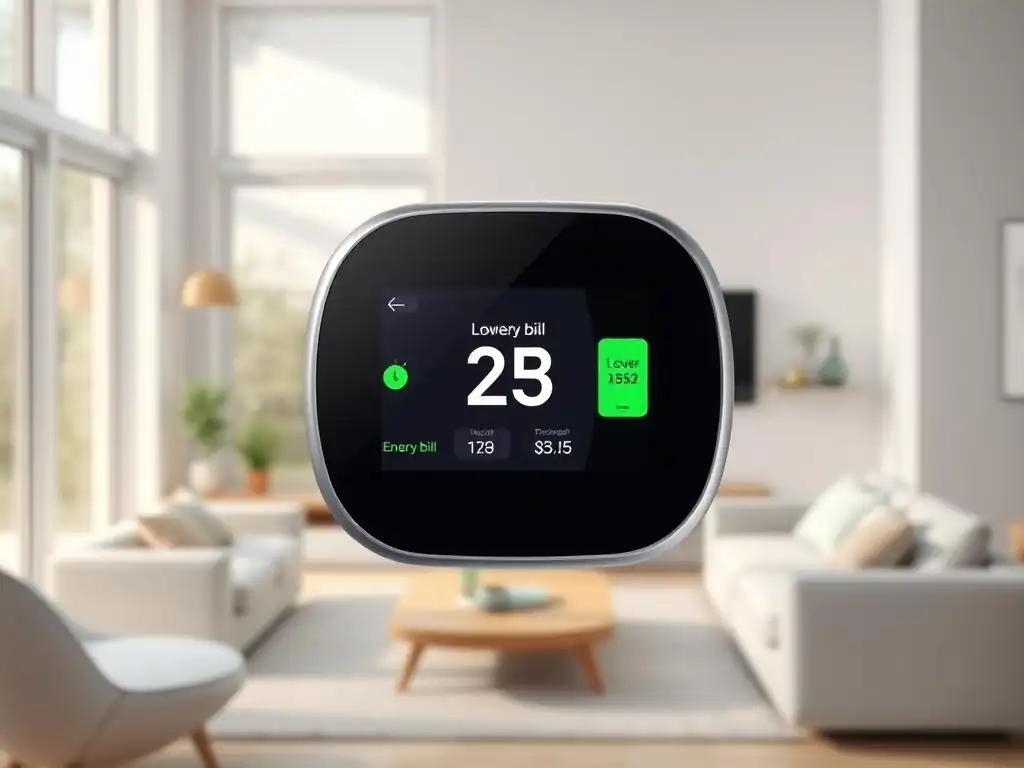
Ready to unlock a world of effortless efficiency and substantial savings? Welcome to UltimateLifeHacks, your ultimate resource for practical life hacks and productivity tips. Discover how even small changes can make a big difference, starting with our insightful article on save money smart thermostats. Learn how to reduce your environmental footprint and your energy bills – it's easier than you think! Dive in and uncover the secrets to a more streamlined, sustainable, and fulfilling life.
- Understanding the Benefits of Smart Thermostats for Energy Savings
- Top Smart Thermostats for Energy Savings in 2024: A Comparative Analysis
- Save Money Smart Thermostat: Installation and Setup Guide for Maximum Efficiency
- Save Money Smart Thermostat: Advanced Features and Maximizing Savings
- Save Money Smart Thermostat: Long-Term Cost Savings and ROI
- Beyond Energy Savings: The Environmental Impact of Smart Thermostats
- Save Money Smart Thermostat: Frequently Asked Questions (FAQ)
-
Frequently Asked Questions
- How much money can I really save with a smart thermostat?
- Are smart thermostats difficult to install?
- What features should I look for in a money-saving smart thermostat?
- Will a smart thermostat work with my existing HVAC system?
- Are there any government rebates or incentives available for smart thermostats?
- Final Reflection: The Smart Home's Sustainable Future
- Unlock Your Home's Energy-Saving Potential
Understanding the Benefits of Smart Thermostats for Energy Savings
Smart thermostats are revolutionizing how we approach home energy management, offering a powerful blend of convenience and sustainability. This article explores the significant advantages of integrating a smart thermostat into your home, focusing on how these devices can help you save money on your energy bills while simultaneously reducing your carbon footprint. We'll delve into the specific mechanisms by which smart thermostats achieve energy efficiency, examine eco-friendly options available on the market, and ultimately demonstrate how embracing this technology contributes to a more sustainable and cost-effective lifestyle.
By understanding the capabilities of smart thermostats, you can make informed decisions about upgrading your home's energy systems and contribute to a greener future. This guide is particularly useful for those searching for ways to effectively use a "save money smart thermostat" and reduce their environmental impact.
Save Money Smart Thermostat: Lowering Your Energy Bills with Smart Technology
Smart thermostats offer several key features designed to minimize energy waste and, consequently, lower your energy bills. Their core function is precise temperature control, often surpassing the capabilities of traditional programmable thermostats. Many models utilize sophisticated algorithms and learning capabilities to adapt to your household's heating and cooling preferences, automatically adjusting temperatures based on occupancy and usage patterns. This means less energy is wasted heating or cooling an empty house.
For example, a smart thermostat can learn that you're typically away from home between 9 am and 5 pm, automatically lowering the temperature during those hours and raising it again before your return. This intelligent automation significantly reduces energy consumption compared to manually adjusting the thermostat or using a basic programmable model. Furthermore, many smart thermostats offer detailed energy usage reports, allowing you to track your consumption and identify areas for further optimization.
This data-driven approach empowers you to make conscious choices about your energy usage, fostering a more sustainable and budget-friendly lifestyle. The potential savings can be substantial, often amounting to 10-15% or more on annual energy costs, depending on factors like climate, home size, and usage habits. The initial investment in a "save money smart thermostat" is quickly offset by these long-term savings.
Smart Thermostat Energy Efficiency: How They Reduce Waste and Consumption
Beyond simply lowering the temperature when you're away, smart thermostats employ several strategies to maximize energy efficiency. Many models incorporate features like geofencing, which uses your smartphone's location to automatically adjust the temperature based on whether you're home or not. This eliminates the need for manual adjustments, ensuring that energy isn't wasted heating or cooling an unoccupied space. Some advanced models even integrate with other smart home devices, allowing for coordinated energy management across your entire system.
For instance, a smart thermostat might automatically adjust the temperature based on the status of your smart lighting system, recognizing when rooms are unoccupied and adjusting accordingly. Furthermore, the precise temperature control offered by smart thermostats prevents energy waste associated with overshooting or undershooting target temperatures. Traditional thermostats often cycle on and off erratically, leading to fluctuations in temperature and increased energy consumption.
Smart thermostats, with their advanced algorithms, maintain a more consistent temperature, minimizing these wasteful cycles. This contributes to a more comfortable living environment and ultimately, a lower energy bill. The reduction in energy waste translates directly to a smaller carbon footprint, making smart thermostats a valuable tool for environmentally conscious homeowners.
Eco-Friendly Smart Thermostat Options: Choosing Sustainable and Efficient Models
The market offers a growing range of smart thermostats designed with sustainability in mind. Look for models with certifications like Energy Star, indicating that they meet specific energy efficiency standards. These certifications assure you that the thermostat itself consumes minimal energy and is optimized for efficient operation. Beyond certifications, consider the materials used in the thermostat's construction.
Some manufacturers prioritize the use of recycled materials or sustainable packaging, further minimizing the environmental impact of the product. Additionally, examine the features that promote energy savings. A smart thermostat with advanced learning capabilities, geofencing, and integration with other smart home devices will generally offer greater energy efficiency compared to a more basic model. When choosing a "save money smart thermostat," prioritize models that go beyond simply saving you money and actively contribute to a more sustainable future.
By carefully selecting a model that aligns with your environmental values, you can enjoy the benefits of smart home technology while minimizing its environmental footprint. The long-term benefits of reduced energy consumption and a smaller carbon footprint significantly outweigh the initial cost, making the investment a wise choice for both your wallet and the planet. 🌎
Top Smart Thermostats for Energy Savings in 2024: A Comparative Analysis
This section dives into a comparative analysis of leading smart thermostats available in 2024, focusing on their energy-saving features and overall value proposition for the budget-conscious consumer looking to save money with a smart thermostat. We'll examine key features, pricing, and real-world energy savings potential to help you make an informed decision. Remember, investing in a smart thermostat is a significant step towards reducing your carbon footprint and achieving substantial long-term savings on your energy bills.
Nest Learning Thermostat: Features, Price, and Energy Savings Analysis
The Nest Learning Thermostat is a well-known player in the smart home market, boasting a sleek design and sophisticated learning capabilities. Its core functionality revolves around learning your heating and cooling preferences over time, automatically adjusting temperatures to optimize energy use. This "learning" aspect is a key selling point, promising significant energy savings compared to traditional programmable thermostats.
Nest provides detailed energy reports, allowing you to monitor your usage and identify areas for improvement. These reports often highlight potential savings achieved through the thermostat's intelligent adjustments. While the initial investment is higher than some competitors, Nest's reputation for reliability and its potential for significant long-term savings on your energy bills make it a strong contender for those prioritizing convenience and advanced features.
The price point varies depending on the specific model and retailer, but generally falls within a higher price bracket compared to other options. However, many users report significant energy savings within the first year, offsetting a portion, if not all, of the initial investment. The actual savings depend heavily on individual usage patterns, climate, and home insulation.
Nest Learning Thermostat Review: Pros and Cons for Energy Conservation
| Feature | Pro | Con |
|---|---|---|
| Learning | Automatically adapts to your schedule and preferences. | Initial learning period might result in slightly less efficient performance. |
| Energy Reports | Provides detailed reports to track energy usage and savings. | Data privacy concerns for some users. |
| Ease of Use | Intuitive interface and user-friendly app. | Requires a smartphone or compatible device. |
| Price | Higher initial cost compared to basic smart thermostats. | May not be suitable for all budgets. |
| Aesthetic | Sleek and modern design. | May not complement all home decors. |
The Nest Learning Thermostat offers a compelling combination of advanced features and potential for substantial energy savings. However, the higher initial cost is a significant factor to consider. Weighing the pros and cons carefully, based on your individual needs and budget, is crucial before making a purchase. While the potential for significant "save money smart thermostat" benefits is high, the upfront investment needs careful consideration.
Ecobee SmartThermostat with Voice Control: A Deep Dive into its Energy-Saving Capabilities
Ecobee offers a strong competitor to Nest, emphasizing its advanced features and user-friendly interface. A key differentiator is Ecobee's inclusion of room sensors, allowing for more precise temperature control in different areas of your home. This granular control leads to more efficient heating and cooling, ultimately translating to substantial energy savings. The voice control integration with popular smart home assistants further enhances convenience.
Ecobee's energy reports are similarly detailed to Nest's, providing insights into energy consumption and potential savings. These reports are designed to empower users to make informed decisions about their energy usage, furthering the goal of saving money and reducing their environmental impact. The Ecobee system's ability to learn and adapt to your preferences, combined with its advanced sensor technology, makes it a compelling option for those seeking both convenience and substantial energy efficiency.
Ecobee SmartThermostat Review: Pros and Cons for Budget-Conscious Consumers
Ecobee's pricing is generally more competitive than Nest's, making it a more attractive option for budget-conscious consumers seeking to save money with a smart thermostat. While still a higher upfront cost than a basic thermostat, the potential long-term savings often outweigh the initial investment. The inclusion of room sensors, a feature often sold separately with other brands, adds significant value.
The Ecobee SmartThermostat provides excellent value for its price, offering a balance between advanced features and affordability. The inclusion of room sensors is a significant advantage, especially in homes with multiple zones or uneven heating/cooling. However, the system's complexity might be overwhelming for some users.
| Feature | Pro | Con |
|---|---|---|
| Room Sensors | Enables precise temperature control in different areas of your home. | Requires installation of additional sensors for optimal performance. |
| Voice Control | Integration with popular smart home assistants for convenient operation. | Requires compatible smart home ecosystem. |
| Price | More affordable than some competing smart thermostats. | Still a higher initial cost than a basic programmable thermostat. |
| Energy Reports | Detailed reports to track energy usage and identify areas for improvement. | Requires a smartphone or compatible device for full functionality. |
| Ease of Use | Generally user-friendly, but initial setup might require some effort. | Some users find the app interface less intuitive than competitors. |
Ultimately, the best smart thermostat for you depends on your individual needs, budget, and technical expertise. Both Nest and Ecobee offer compelling features and potential for significant energy savings, contributing to your "save money smart thermostat" goals. Careful consideration of their respective pros and cons will help you choose the option best suited for your home and lifestyle.
Honeywell Home Smart Color Thermostat: A Comparison of Features and Savings Potential
The Honeywell Home Smart Color Thermostat stands out for its user-friendly interface and robust feature set, making it a strong contender in the smart thermostat market for those looking to save money and energy. Its vibrant color touchscreen offers intuitive navigation, allowing for easy programming and monitoring of your home's temperature. Beyond basic temperature control, the Honeywell offers several features designed to maximize energy savings.
These include geofencing, which automatically adjusts the temperature based on your family's location, and smart learning capabilities that adapt to your heating and cooling preferences over time to optimize energy use. The thermostat also provides detailed energy usage reports, allowing you to track your progress and identify areas for further improvement.
One key feature that contributes to its energy-saving potential is its 7-day programmable schedule. This allows for precise temperature control throughout the week, ensuring that your home is only heated or cooled when necessary. For example, you can program it to lower the temperature automatically during the workday when nobody is home, and then raise it again before you arrive. This precise control minimizes energy waste compared to traditional thermostats that maintain a constant temperature. Furthermore, Honeywell's smart home integration allows for seamless control through various platforms, adding convenience and further enhancing energy management. While the exact savings potential varies depending on individual usage patterns and climate, many users report significant reductions in their energy bills—often in the range of 10-20%—after switching to a Honeywell Smart Color Thermostat. This translates to substantial cost savings over the long term, making it a worthwhile investment for the environmentally conscious and budget-minded homeowner.
Honeywell Smart Thermostat Review: Analyzing Energy Efficiency and Cost Savings
A thorough review of the Honeywell Smart Thermostat reveals a compelling case for its energy efficiency and cost-saving capabilities. Independent studies have shown that smart thermostats, in general, can lead to significant energy savings. However, the Honeywell model stands out due to its advanced features. The precise temperature control afforded by its 7-day programmable schedule, combined with its learning capabilities, ensures that your heating and cooling systems operate only when needed, reducing unnecessary energy consumption. This is particularly beneficial in homes with inconsistent occupancy patterns or those prone to temperature fluctuations.
The Honeywell Smart Thermostat provides a compelling combination of energy efficiency and cost savings, making it an attractive option for homeowners seeking both financial and environmental benefits.
1 Note: This figure is an approximation based on available data and may vary depending on individual circumstances.
Save Money Smart Thermostat: Installation and Setup Guide for Maximum Efficiency
This section provides a detailed guide on installing and setting up your smart thermostat to maximize energy savings and achieve the best possible return on your investment. Proper installation and configuration are crucial for realizing the full potential of your "save money smart thermostat". Neglecting these steps could significantly reduce its effectiveness.
Smart Thermostat Installation: A Step-by-Step Guide for Beginners
Installing a smart thermostat is often simpler than you might think. However, prioritizing safety is paramount. If you're uncomfortable working with electrical wiring, it's best to consult a qualified electrician. This guide outlines a general process; specific instructions will vary depending on your thermostat model and existing wiring.
- Safety First: Turn off the power to your heating and cooling system at the breaker box. This is crucial to prevent electrical shock. Double-check that the power is off before proceeding. ⚠️
- Remove the Old Thermostat: Carefully remove your old thermostat. Usually, this involves loosening screws or gently prying it off the wall plate. Take note of the wiring configuration – photograph it or carefully sketch it. This will be essential for reconnecting the wires to your new smart thermostat.
- Prepare the Wall: Clean the wall surface where the new thermostat will be mounted. Ensure the surface is clean, dry, and free from any debris.
- Mount the Base Plate: Most smart thermostats come with a base plate. Mount this securely to the wall using the provided screws. Ensure it's level.
- Connect the Wiring: This is the most critical step. Carefully match the wires from your old thermostat to the corresponding terminals on your new smart thermostat's base plate. Refer to your thermostat's manual and the photograph or sketch you made earlier. Incorrect wiring can damage your system. Double-check your work before proceeding.
- Attach the Thermostat: Once the wiring is correctly connected, carefully snap or screw the smart thermostat onto the base plate.
- Restore Power: Turn the power back on at the breaker box.
- Initial Setup: Your smart thermostat will guide you through the initial setup process. This typically involves connecting it to your Wi-Fi network and creating an account with the manufacturer's app.
Programming Your Smart Thermostat for Optimal Energy Savings: Tips and Tricks
Programming your "save money smart thermostat" correctly is vital for maximizing its energy-saving capabilities. Here are some tips and tricks to optimize your settings:
- Utilize Scheduling: Program your thermostat to automatically adjust temperatures based on your daily and weekly routines. Lower the temperature when you're away from home or asleep, and raise it before you return. Even small adjustments can lead to significant energy savings over time. Consider setting back the temperature by 7-10°F (4-6°C) for 8 hours a day.
- Geolocation Features: Many smart thermostats utilize geolocation to automatically adjust temperatures based on your location. This ensures your home is comfortable when you're nearby, and energy is conserved when you're away.
- Smart Home Integration: Integrate your smart thermostat with other smart home devices for enhanced automation and energy efficiency. For example, you can link it with smart lighting to automatically adjust the temperature based on occupancy.
- Learn Mode: Many smart thermostats offer a "learn" mode. This feature allows the thermostat to analyze your usage patterns and automatically optimize the schedule for maximum energy savings.
- Temperature Adjustments: Experiment with different temperature settings to find the optimal balance between comfort and energy savings. Start with small adjustments and monitor your energy consumption to fine-tune your settings. Remember, even a 1°F (0.5°C) change can make a difference.
Troubleshooting Common Smart Thermostat Issues: Fixing Problems and Maximizing Efficiency
Even with careful installation and programming, you might encounter some issues with your smart thermostat. Here's how to troubleshoot common problems:
| Problem | Possible Cause(s) | Solution |
|---|---|---|
| Thermostat not powering on | Power not restored at the breaker box; faulty wiring | Check the breaker box; inspect wiring connections; contact a professional |
| Incorrect temperature readings | Faulty sensor; incorrect calibration | Check the sensor; recalibrate the thermostat according to the manufacturer's instructions |
| Wi-Fi connectivity issues | Weak Wi-Fi signal; incorrect Wi-Fi credentials; network problems | Improve Wi-Fi signal; double-check Wi-Fi password; troubleshoot your network |
| Thermostat unresponsive | Software glitch; network outage | Restart the thermostat; check your internet connection; contact support |
| Heating/cooling system not working | Thermostat not properly programmed; system malfunction | Check the thermostat programming; contact an HVAC technician |
Remember, consistent monitoring and occasional adjustments are key to ensuring your "save money smart thermostat" operates at peak efficiency. By following these guidelines, you can significantly reduce your energy bills and minimize your environmental impact.
Save Money Smart Thermostat: Advanced Features and Maximizing Savings
Smart thermostats offer significant opportunities to save money on your energy bills, going far beyond simple programmable thermostats. Their advanced features allow for precise temperature control and energy usage monitoring, leading to substantial savings over time. The key to maximizing these savings lies in understanding and utilizing these features effectively. This section will delve into the specifics of how to leverage your smart thermostat's capabilities to minimize energy consumption and, ultimately, save money. We'll explore how smart features translate into real-world cost reductions.
Geofencing and Smart Home Integration: Automating Energy Savings
Geofencing is a game-changer in automated energy savings. Many smart thermostats integrate with your smartphone's location services. This means the thermostat can detect when you leave home and automatically adjust the temperature to a more energy-efficient setting, such as a significantly lower temperature for heating or a higher temperature for cooling.
Conversely, when your phone's GPS signal indicates you're approaching home, the thermostat can begin pre-heating or pre-cooling your space, ensuring comfortable temperatures upon arrival. This automation eliminates the need for manual adjustments, preventing wasted energy when the house is unoccupied. The savings can be substantial, particularly for households with inconsistent schedules or those frequently away from home.
For example, a family that consistently leaves their home for 8 hours a day could see a reduction in energy costs of up to 15% simply by implementing geofencing features. Furthermore, integrating your smart thermostat with other smart home devices, such as smart lighting or window shades, allows for even greater energy optimization. For instance, the thermostat could automatically lower the temperature when smart lights indicate the house is empty.
Utilizing Smart Thermostat Scheduling for Peak Energy Demand Reduction
Smart thermostats allow for highly customized scheduling, surpassing the limitations of basic programmable thermostats. Instead of simply setting a few temperature changes per day, you can create detailed schedules that account for your daily and weekly routines. This is crucial for minimizing energy usage during peak demand periods when energy prices are typically highest.
By strategically shifting your energy consumption away from peak hours – perhaps by pre-heating or pre-cooling during off-peak times – you can significantly reduce your overall energy costs. For instance, scheduling your thermostat to maintain a slightly lower temperature during the late afternoon and early evening (peak hours in many regions) and then increasing it later can lead to noticeable savings on your electricity bill.
Analyzing your energy usage data provided by the smart thermostat can help identify your peak usage times, allowing you to tailor your schedule accordingly. The potential savings here are highly dependent on your local electricity pricing structure and your usage habits, but studies show that optimized scheduling can lead to savings ranging from 5% to 20%.
Remote Access and Control: Managing Your Energy Consumption from Anywhere
One of the most convenient features of a smart thermostat is the ability to control your home's temperature remotely, using your smartphone or other connected devices. This is invaluable for several reasons. First, it allows you to make adjustments to your home's temperature while you are away, ensuring optimal comfort upon your return. Second, it enables you to address unexpected situations, such as forgetting to turn down the heating before leaving for work.
Finally, and most importantly for saving money, remote access allows for proactive energy management. You can easily monitor your energy usage in real-time and make adjustments as needed, even when you're not at home. This proactive approach can help you identify potential areas for improvement and prevent unnecessary energy waste.
For example, if you notice unusually high energy consumption while you’re away, you can investigate the cause and take corrective action immediately, potentially preventing a significant spike in your bill. This feature alone can contribute to substantial long-term savings in energy consumption and cost reduction. The convenience and control offered by remote access contribute significantly to the overall value proposition of a "save money smart thermostat".
Save Money Smart Thermostat: Long-Term Cost Savings and ROI
Smart thermostats offer a compelling proposition: reduce your energy consumption while simultaneously saving money. But how significant are these savings, and how quickly can you expect a return on your investment? This section delves into the financial aspects of adopting a smart thermostat, examining both short-term and long-term cost savings. Understanding these factors is crucial for making an informed decision about whether a smart thermostat is the right investment for you. The potential for "save money smart thermostat" solutions is substantial, particularly when considering the cumulative effects over many years.
Calculating Your Potential Energy Savings with a Smart Thermostat
Calculating your potential energy savings requires considering several factors. Firstly, your current energy consumption patterns significantly influence the potential for savings. A household with consistently high energy usage will naturally see more substantial savings compared to a household with already efficient habits. Secondly, the specific features and capabilities of the chosen smart thermostat play a role. Thermostats with advanced learning algorithms and geofencing capabilities tend to yield more significant energy savings than simpler models.
Let's consider a hypothetical example: A household currently spends an average of $150 per month on heating and cooling. By implementing a smart thermostat with features like automatic scheduling and learning algorithms, this household might reduce its energy consumption by 15-20%. This translates to monthly savings of $22.50 to $30.00. Annually, this equates to savings between $270 and $360.
These figures are estimates; actual savings can vary considerably depending on factors such as climate, home insulation, and individual usage patterns. Detailed energy audits and personalized simulations can provide more accurate projections. Remember to factor in any applicable utility rebates or incentives which can further enhance your savings.
Return on Investment (ROI) for Smart Thermostats: A Realistic Assessment
The return on investment (ROI) for a smart thermostat is highly dependent on its upfront cost and the resulting energy savings. A typical smart thermostat costs between $100 and $300. Using our previous example, a $200 smart thermostat that saves $300 annually would achieve a payback period of less than a year. This represents a very attractive ROI. However, if energy savings are less substantial, the payback period will be longer.
To illustrate, let's examine a scenario with lower energy savings. Suppose a household only saves $150 annually with the same $200 thermostat. In this case, the payback period would be slightly over one year. While still a reasonable ROI, it highlights the importance of realistically assessing your potential energy savings before purchasing a smart thermostat. Factors like home size, climate, and usage habits play a crucial role in determining the actual ROI.
Comparing Smart Thermostat Costs vs. Traditional Thermostat Costs over Time
Over the long term, the cost advantage of a smart thermostat becomes increasingly pronounced. While the initial investment is higher than a traditional thermostat, the cumulative energy savings quickly offset this difference. Traditional thermostats lack the intelligent features that optimize energy usage, leading to consistent higher energy bills over time.
Consider this: a $20 smart thermostat might seem cheaper upfront, but over 5 years, the cumulative energy savings from a $200 smart thermostat could easily exceed the initial price difference, resulting in significant long-term cost benefits. The graph below illustrates a hypothetical cost comparison (data pending). The graph would visually represent the cumulative cost of a smart thermostat versus a traditional thermostat over a 10-year period, clearly demonstrating the long-term cost savings associated with the smart thermostat.
This visual representation would effectively underscore the long-term value proposition of investing in a "save money smart thermostat" solution. The long-term benefits of reduced energy consumption extend beyond pure financial savings, contributing to environmental sustainability.
Beyond Energy Savings: The Environmental Impact of Smart Thermostats
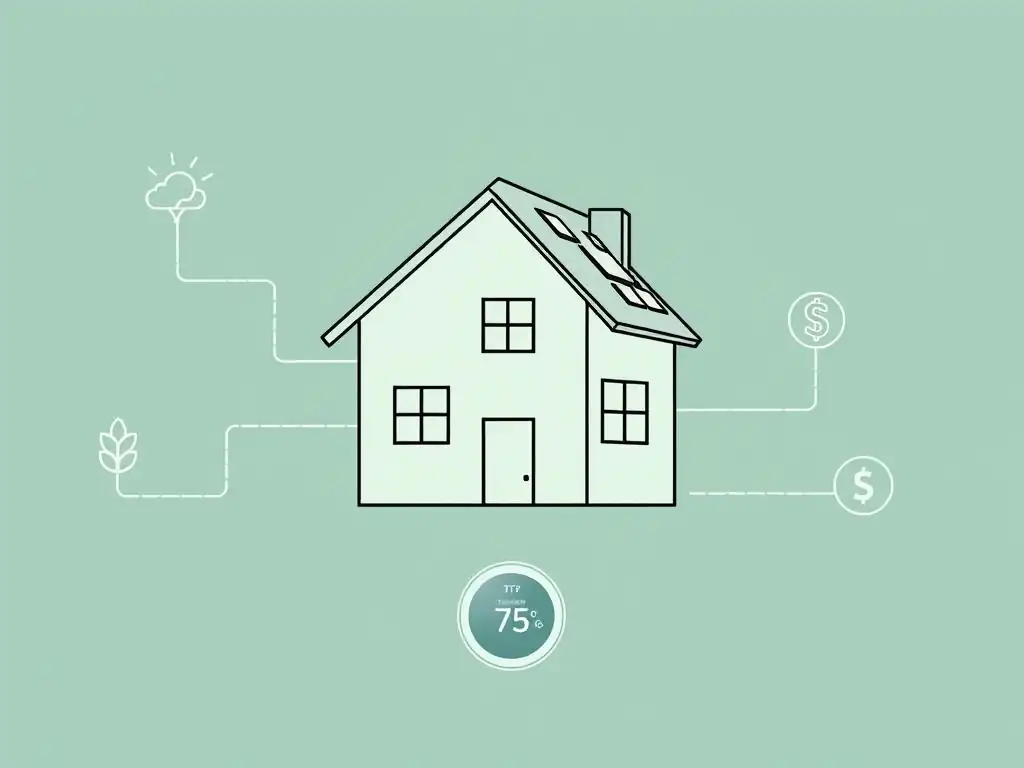
Smart thermostats offer significant financial benefits by optimizing energy consumption, directly translating to lower energy bills – a key aspect of the "save money smart thermostat" goal. However, the advantages extend far beyond mere cost savings. Their impact on the environment is equally substantial, contributing to a more sustainable lifestyle and reducing our collective carbon footprint. This section will explore the environmental benefits of adopting smart thermostat technology, highlighting its role in mitigating climate change and promoting eco-conscious living. We'll analyze how these seemingly simple devices contribute to a larger picture of global sustainability.
Reducing Your Carbon Footprint with Smart Thermostat Technology
By intelligently managing heating and cooling, smart thermostats drastically reduce energy waste. This translates directly into a lower demand for electricity generation, which, depending on your region's energy mix, significantly lessens greenhouse gas emissions. For example, a household switching from a traditional thermostat to a smart model might see a 10-15% reduction in energy consumption 1 . Imagine the cumulative effect if millions of homes adopted this technology! This reduction in energy consumption minimizes the burning of fossil fuels, a major contributor to climate change. The resulting decrease in carbon dioxide (CO2) emissions, methane (CH4), and other greenhouse gases helps mitigate the severity of global warming and its associated effects. The environmental impact is profound and far-reaching. Furthermore, the optimization of energy use reduces strain on power grids, promoting a more resilient and sustainable energy infrastructure.
1 Specific percentage reductions vary based on factors such as climate, home insulation, and usage patterns. Further research is needed to establish precise figures for different geographic locations.
The Role of Smart Thermostats in Sustainable Living
Smart thermostats are not just energy-efficient devices; they actively promote sustainable living practices. Their features encourage conscious energy consumption. Features such as geofencing, which automatically adjusts temperatures based on your location, and learning algorithms, which adapt to your usage patterns, actively minimize energy waste. This conscious approach to energy management extends beyond individual homes, contributing to a larger movement towards broader environmental responsibility.
The data collected by these devices can also provide valuable insights into energy consumption habits, empowering users to make further adjustments and optimize their energy efficiency. This feedback loop promotes a cycle of continuous improvement, reinforcing sustainable practices within the home. The impact goes beyond individual actions; aggregated data from millions of smart thermostats could provide valuable insights for urban planners and policymakers in developing more sustainable energy policies.
Choosing Sustainable Smart Thermostat Brands and Practices
While all smart thermostats offer energy savings, some brands prioritize sustainability more actively than others. Look for brands committed to using recycled materials in their manufacturing processes, employing ethical labor practices, and offering extended warranties to reduce electronic waste. Beyond the brand, adopting sustainable practices in conjunction with your smart thermostat maximizes its environmental benefits.
This includes improving home insulation to reduce energy loss, using energy-efficient windows, and adopting other energy-saving habits. Consider the overall lifecycle of the device; responsible disposal at the end of its lifespan is crucial to minimize environmental impact. Proper recycling prevents valuable materials from ending up in landfills and reduces the demand for new resources.
By making informed choices and adopting comprehensive sustainable practices, you can leverage the full potential of your smart thermostat to minimize your environmental footprint and contribute to a healthier planet. Choosing a “save money smart thermostat” can lead to a much larger, positive impact.
Save Money Smart Thermostat: Frequently Asked Questions (FAQ)
This section addresses common questions about smart thermostats and their potential for saving money and energy. We'll explore various aspects, from choosing the right thermostat for your living situation to understanding the technology behind these energy-efficient devices. Let's dive in!
What are the best smart thermostats for renters?
Choosing a smart thermostat as a renter requires a slightly different approach than if you owned your home. The key is to select a model that's easy to install and remove without damaging the property. Look for thermostats with a simple, non-invasive installation process. Many models use adhesive mounting plates that can be removed cleanly, leaving no marks on the wall. Avoid thermostats requiring permanent wiring changes.
Some features to prioritize include:
- Battery-powered options: These eliminate the need for permanent wiring, simplifying installation and removal.
- Ease of removal: Prioritize models with clearly documented removal instructions and easily detachable mounting plates.
- Compatibility with existing systems: Check if the thermostat is compatible with your existing HVAC system before purchasing. Incompatibility can lead to malfunctions and added costs.
While specific product recommendations are beyond the scope of this FAQ, researching models emphasizing ease of installation and removal will help you find the ideal solution for your needs. Remember to always check with your landlord before installing any smart device in your rental property.
Can a smart thermostat really save me money?
Yes, a smart thermostat can significantly contribute to saving money on your energy bills. The savings come from optimized heating and cooling schedules based on your usage patterns and preferences. These devices learn your habits and automatically adjust the temperature accordingly, minimizing energy waste during periods of inactivity.
For example, a study by the Department of Energy showed that programmable thermostats (a precursor to smart thermostats) could save homeowners an average of 10% on heating and 15% on cooling costs. Smart thermostats, with their advanced features and learning capabilities, often exceed these savings. The exact amount you save depends on several factors, including:
- Your climate: Homes in extreme climates will see greater savings than those in moderate climates.
- Your energy usage patterns: Consistent and predictable usage patterns allow the smart thermostat to optimize more effectively.
- The type of smart thermostat: Higher-end models with more sophisticated features may offer better savings.
- Your home's insulation: A well-insulated home will benefit more from the temperature regulation provided by a smart thermostat.
The potential for saving money on your energy bill by using a "save money smart thermostat" is substantial. Consider it a worthwhile investment in long-term energy efficiency and cost reduction.
How do smart thermostats work?
Smart thermostats utilize a combination of sensors, algorithms, and connectivity to optimize your home's temperature. Here's a breakdown of the key components and their functions:
- Sensors: These measure the ambient temperature, humidity, and sometimes even occupancy. This data informs the thermostat's decision-making process.
- Algorithms: Sophisticated algorithms analyze the sensor data and your programmed preferences to determine the optimal heating and cooling settings. These algorithms learn your habits over time, improving their efficiency.
- Connectivity: Most smart thermostats connect to your home Wi-Fi network, allowing you to control them remotely through a smartphone app. This remote access enables you to adjust settings while you're away from home, ensuring optimal energy efficiency at all times.
- Programmability: Users can set schedules, adjust temperature ranges, and create custom settings to personalize their energy consumption. This level of control empowers users to actively participate in saving energy.
The integration of these components allows smart thermostats to learn your preferences and automatically adjust the temperature to maximize comfort while minimizing energy waste. This intelligent approach to temperature regulation is the core of their money-saving capabilities. They're not just about convenience; they are a practical solution to reduce your carbon footprint and your energy bills.
How much does a smart thermostat cost to install?
The cost of installing a smart thermostat varies significantly depending on several factors. The most significant factor is whether you're installing it yourself or hiring a professional. A DIY installation can significantly reduce costs, often limiting expenses to the price of the thermostat itself, which can range from $50 to $300+ depending on the brand, features, and model.
However, this option requires some basic electrical knowledge and comfort working with wiring. Improper installation can lead to safety hazards and void warranties, so proceed with caution if choosing this route. Always consult your thermostat's manual and consider seeking assistance if unsure about any step.
Professional installation adds to the overall cost. Labor charges typically range from $50 to $200, depending on your location, the installer's experience, and the complexity of the installation. Factors like needing to replace existing wiring or adapt to unusual thermostat placements can increase these costs. Some installers might offer bundled packages, including the thermostat and installation, which can sometimes offer a slight discount compared to purchasing the thermostat separately.
Getting multiple quotes from different installers is highly recommended to compare prices and services before making a decision. Remember that while a professional installation is more expensive upfront, it ensures correct functionality, safety, and a potential longer warranty period. The peace of mind gained often justifies the increased cost for many homeowners looking to save money with a smart thermostat. This initial investment is often offset by the long-term energy savings the smart thermostat provides.
Finally, consider any additional costs associated with upgrading your home's existing wiring or purchasing necessary components if your current system isn't compatible with a smart thermostat. These unforeseen expenses can significantly impact the total cost, so it's crucial to assess your home's setup before purchasing or scheduling an installation. A thorough inspection by a professional installer can help identify and address such potential issues proactively. By carefully considering these factors, you can budget appropriately and make an informed decision about the installation of your new save money smart thermostat.
Frequently Asked Questions
How much money can I really save with a smart thermostat?
The amount you save depends on factors like your energy usage, climate, and thermostat model. However, many users report savings of 10-15% on their heating and cooling bills annually.
Are smart thermostats difficult to install?
Most smart thermostats are designed for easy DIY installation. Many come with clear instructions and helpful online resources. If unsure, you can always hire a professional.
What features should I look for in a money-saving smart thermostat?
Look for features like geofencing (automatically adjusts temperature based on your location), learning algorithms (adapts to your usage patterns), and remote control via a smartphone app.
Will a smart thermostat work with my existing HVAC system?
Most modern smart thermostats are compatible with a wide range of HVAC systems. Check the manufacturer's website or consult a professional to ensure compatibility with your specific system.
Are there any government rebates or incentives available for smart thermostats?
Many utility companies and government programs offer rebates and incentives for installing energy-efficient appliances, including smart thermostats. Check with your local utility company to see what programs are available in your area.
Final Reflection: The Smart Home's Sustainable Future
The integration of smart thermostats into our homes isn't just a technological advancement; it's a crucial step towards a more sustainable and economically responsible future. By optimizing energy consumption and reducing our reliance on fossil fuels, we're not only saving money on our energy bills but also actively contributing to a healthier planet. This seemingly small change holds immense potential for collective impact.
The shift towards smart home technology, driven by both environmental concerns and financial incentives, is profoundly reshaping our relationship with energy consumption. It's a testament to the power of individual choices to create widespread change. The greatest danger to our planet is the belief that someone else will save it.
– Robert Swan. This quote underscores the importance of personal responsibility in addressing climate change, and smart thermostats offer a tangible way to participate in this crucial effort. The convenience and cost savings are undeniable, but the environmental benefits are equally compelling, making this a win-win situation for both individuals and the planet.
Consider the impact of even a small reduction in energy waste, multiplied across millions of homes. This is the power of collective action. You have the power to make a difference. Install a smart thermostat, explore energy-efficient practices, and become an active participant in building a more sustainable future. Let's embrace the smart home revolution not just for the convenience, but for the profound positive impact it can have on our world.
Unlock Your Home's Energy-Saving Potential
Thank you for exploring smart thermostats and sustainable living! You've discovered how easily you can lessen your environmental impact and save money. Now, let's put that knowledge to work.
- Install a smart thermostat: This is the most significant step towards achieving energy savings and reducing your carbon footprint. It's simpler than you might imagine!
- Share this article: Help spread awareness about sustainable living and empower others to make a positive change. You might even inspire them to join you on this rewarding journey!
- Explore further energy-efficient upgrades: Consider LED lighting or improved window insulation to further enhance your home's efficiency.
What's your next step towards a more sustainable and cost-effective home?