
Transform Your Sound: Discover the Best Online Music Production Software Courses


Ready to unlock your full potential and transform your workflow? UltimateLifeHacks is your destination for practical tips and game-changing strategies to conquer your daily routine. We're diving deep into the world of online learning today, specifically tackling the crucial question: which online music production course reviews are truly worth your time? Discover the secrets to finding the perfect course to supercharge your musical journey – let's get started!
- Finding the Right Online Music Production Course: A Comprehensive Guide
- Top Online Music Production Software Course Reviews: 2024 Edition
- Mastering Specific Skills: Focus Areas in Online Music Production Courses
- Maximizing Your Learning: Tips for Success in Online Music Production Courses
- Beyond the Course: Essential Tools and Resources for Music Production
-
Frequently Asked Questions
- What makes your online music production course reviews different?
- Are all the reviewed courses suitable for beginners?
- How do you select the courses you review?
- What software programs are covered in the reviewed courses?
- Can I find reviews for courses focusing on specific genres of music production?
- Final Reflection: The Ever-Evolving Soundscape of Online Music Production
- Unleash Your Inner Maestro: Start Your Music Production Journey Today!
Finding the Right Online Music Production Course: A Comprehensive Guide
Producing high-quality music is no longer limited to expensive studios and years of formal training. The digital revolution has democratized music creation, making it accessible to anyone with a computer and the right online resources. This comprehensive guide will help you navigate the world of online music production courses, focusing on finding the perfect fit for your skill level and preferred Digital Audio Workstation (DAW).
We'll explore different course options, highlighting key features and benefits to help you make an informed decision and improve your music production skills significantly, ultimately boosting your creative workflow and potentially even launching your music career. Choosing the right online music production course is a crucial first step in your journey towards mastering the art of music creation.
This guide aims to provide you with the necessary tools and information to confidently select a course that aligns with your goals and aspirations, making your online learning experience both productive and enjoyable. We'll delve into specific DAWs and cater our recommendations to various experience levels, ensuring you find the perfect path to musical excellence.
Understanding Your Skill Level: Beginner, Intermediate, or Advanced?
Before diving into specific courses, it's crucial to honestly assess your current music production skills. Are you completely new to the world of DAWs and audio engineering? Do you have some experience but want to refine your techniques? Or are you a seasoned producer looking to master advanced techniques and workflows?
Your skill level will heavily influence the type of course you should choose. Beginner courses typically focus on fundamental concepts like audio interfaces, MIDI controllers, basic mixing and mastering, and navigating the DAW's interface. Intermediate courses build upon this foundation, introducing more advanced techniques such as sound design, arrangement, and advanced mixing and mastering. Advanced courses cater to experienced producers, often delving into specialized areas like audio restoration, advanced plugin usage, and mastering for specific genres.
Choosing the right course based on your skill level ensures you're not overwhelmed by overly complex information or bored by repetitive material. A proper fit maximizes your learning efficiency and enjoyment.
Choosing the Right DAW: Ableton Live, Logic Pro X, FL Studio, Pro Tools
The Digital Audio Workstation (DAW) is the heart of any music production workflow. Each DAW offers a unique interface, feature set, and workflow, catering to different production styles and preferences. Popular choices include Ableton Live, Logic Pro X, FL Studio, and Pro Tools. Choosing the right DAW is a personal decision, often influenced by genre preferences and previous experience. Many online courses focus on specific DAWs, making it essential to consider your preferred software before selecting a course.
Ableton Live Online Courses
Ableton Live is renowned for its intuitive workflow and powerful features, making it a popular choice among electronic music producers. Online courses for Ableton Live often cover various aspects of the software, including its session view, arrangement view, MIDI sequencing, and advanced sound design techniques. Many courses also incorporate real-world projects and assignments to reinforce learning and build a practical skillset. The best Ableton Live online courses provide detailed explanations, clear instructions, and personalized feedback to help students master the software's capabilities.
Logic Pro X Online Tutorials
Logic Pro X, a powerful and versatile DAW developed by Apple, is a favorite among Mac users. Online tutorials for Logic Pro X range from beginner-level introductions to advanced techniques in mixing, mastering, and sound design. Many courses emphasize the software's powerful MIDI editor, its extensive library of instruments and effects, and its seamless integration with other Apple products. High-quality Logic Pro X courses often include downloadable project files and comprehensive documentation to enhance the learning experience.
FL Studio Online Courses
FL Studio, known for its intuitive interface and powerful features, is a popular choice among hip-hop, electronic, and trap producers. Online courses often focus on its unique piano roll editor, its extensive plugin library, and its advanced automation capabilities. Many courses also cover the creation of unique sounds using FL Studio's built-in synthesizers and samplers. Effective FL Studio courses usually incorporate practical exercises and real-world projects to reinforce learning and develop essential production skills.
Pro Tools Online Training
Pro Tools, an industry-standard DAW used in professional recording studios worldwide, is a powerful and versatile tool for music production and audio post-production. Online training for Pro Tools often covers advanced mixing and mastering techniques, audio editing, and the use of professional-grade plugins. Courses typically cater to those with some prior experience, focusing on refining existing skills and mastering the software's advanced features. Effective Pro Tools online training should provide practical, real-world examples and incorporate professional industry standards.
Budget Considerations: Free vs. Paid Courses
Choosing between free and paid online music production courses significantly impacts your learning experience and overall investment. Free courses, often found on platforms like YouTube or offered by individual instructors, provide a valuable entry point. They allow you to explore different aspects of music production without any financial commitment, perfect for beginners testing the waters or those exploring specific software features.
However, free courses typically lack the structured curriculum, personalized feedback, and comprehensive support found in paid options. The quality can also vary greatly, with some offering excellent introductory material while others may lack depth or professional polish. Furthermore, free courses might not provide certifications or readily available community support, limiting your ability to showcase your skills or network with other aspiring producers.
Paid online music production courses, on the other hand, generally offer a more structured and in-depth learning experience. These courses often include comprehensive video tutorials, downloadable resources, personalized feedback from instructors, and access to a dedicated online community. The structured curriculum typically follows a progressive learning path, ensuring you master fundamental concepts before moving on to advanced techniques. Many paid courses also offer certification upon completion, which can be a valuable asset when seeking employment or collaborating with other musicians.
The higher cost reflects the increased level of support, detailed curriculum, and professional quality of instruction. However, the investment can be substantial, so carefully consider your budget and the course's value proposition before enrolling. Look for detailed course outlines, student reviews, and money-back guarantees to ensure a worthwhile investment in your music production journey. Remember to weigh the long-term benefits of a structured, supported learning experience against the immediate cost.
The potential return on investment, in terms of improved skills and career prospects, can far outweigh the initial expense for many aspiring producers. Think of it as an investment in your future career as a music producer. 💰
Top Online Music Production Software Course Reviews: 2024 Edition
This section dives deep into reviews of online music production software courses available in 2024, focusing on three major platforms: Coursera, Udemy, and Skillshare. We'll analyze course content, instructor expertise, student feedback, and overall value to help you choose the perfect fit for your musical journey. This detailed analysis will assist you in your search for the best online music production course.
Coursera Music Production Courses
Coursera offers a range of music production courses, often affiliated with prestigious universities and institutions. This often translates to a more rigorous and academically-focused approach compared to other platforms. However, this structured approach might not be ideal for all learners.
Many Coursera courses focus on specific Digital Audio Workstations (DAWs) like Ableton Live, Logic Pro X, or Pro Tools. Some courses delve into music theory fundamentals, crucial for composing and arranging. Others concentrate on sound design, mixing, and mastering techniques.
The quality of instruction varies depending on the university or instructor. Look for courses with high student ratings and reviews that emphasize practical application and real-world projects. Expect a higher price point than other platforms, reflecting the academic rigor and often-included certificates.
A significant advantage of Coursera is the potential for earning industry-recognized certificates upon course completion. These certificates can boost your resume and demonstrate your skills to potential employers. However, be aware that some courses may require prior music theory knowledge. Always check the course prerequisites before enrolling.
Udemy Music Production Courses
Udemy boasts a vast library of music production courses, covering a wide spectrum of DAWs, genres, and skill levels. This makes it a great option for beginners and experienced producers alike. The sheer volume of choices, however, can be overwhelming.
The pricing model on Udemy is often characterized by significant sales and discounts, making courses surprisingly affordable. However, the quality can vary considerably. Thoroughly read student reviews and examine the course curriculum before purchasing. Look for courses with up-to-date information and instructors with proven experience in the music industry.
Udemy courses frequently offer practical exercises, projects, and downloadable resources. This hands-on approach is beneficial for those who prefer learning by doing. Many instructors provide ongoing support through Q&A forums and direct communication. However, the lack of formal accreditation might be a disadvantage for those seeking official certification. The sheer number of courses necessitates careful selection to avoid low-quality offerings.
Skillshare positions itself as a platform for creative learning, and its music production classes reflect this focus. While not as academically rigorous as Coursera, Skillshare courses often emphasize creativity and practical application. Many classes focus on specific music genres or production techniques, catering to niche interests.
Skillshare’s subscription model offers access to a wide range of classes for a monthly fee. This can be cost-effective if you plan to take multiple courses. However, the lack of individual course purchases might be a drawback for learners seeking a single, focused course.
The instructors on Skillshare are often working professionals in the music industry, sharing real-world techniques and insights. The classes generally emphasize a project-based approach, encouraging students to create their own music and develop their unique style. While certificates aren't typically offered, the practical experience gained can be invaluable. The community aspect of Skillshare also fosters collaboration and peer learning. However, the lack of structured curriculum in some courses might require more self-discipline from the learner. Careful selection based on instructor credentials and student reviews is crucial for maximizing the learning experience.
Masterclass Music Production Courses
Masterclass has emerged as a significant player in the online education space, offering courses taught by renowned experts in various fields. Their music production courses, while not as comprehensive as dedicated music production schools, provide valuable insights from industry giants. These courses often focus on a specific aspect of music production, offering a deep dive into a particular skill or technique rather than a broad overview.
For example, a course might concentrate solely on mixing techniques, taught by a Grammy-winning mixing engineer. This focused approach can be incredibly beneficial for students seeking to hone a specific skill, allowing them to learn from the best in the business and implement those techniques directly into their workflow. However, the lack of a broader curriculum might leave students needing to supplement their Masterclass education with other resources to gain a more holistic understanding of music production.
The high production value and engaging teaching style are definite pluses, but the price point is considerably higher than many other online options. Ultimately, the value proposition hinges on the specific instructor and the targeted skill being taught; a course focusing on a critical skillset a producer lacks could be a very worthwhile investment, whereas a more general course might offer less overall value compared to more comprehensive programs. Careful consideration of the course content and instructor credentials is key before committing to a Masterclass music production course.
Choosing Between Subscription and One-Time Purchases
The decision between a subscription-based online music production course and a one-time purchase often comes down to individual learning styles, budget, and the desired depth of learning. Subscription models, like those offered by some platforms, provide ongoing access to a library of courses and resources, potentially offering greater flexibility and value over time. This is particularly appealing for students who prefer a more gradual learning pace and wish to explore various aspects of music production at their own rhythm. They can dip in and out of different modules as needed, revisiting concepts as their understanding progresses.
However, the ongoing cost can be a significant barrier, and the sheer volume of content might feel overwhelming to some learners. In contrast, one-time purchases offer a fixed cost and a more focused learning experience. These courses typically cover a specific topic or software in depth, providing a more structured learning path. This concentrated approach can be highly effective for students who prefer a clear, concise curriculum and want to master a particular skill quickly.
However, the lack of ongoing access to updates and supplementary materials might limit the long-term value. Ultimately, the best option depends on individual learning preferences and financial constraints. Consider what aspects of music production you want to focus on, your preferred learning style, and your budget before deciding between a subscription or a one-time purchase. A careful evaluation of the course content and the long-term value proposition is crucial to making an informed decision.
Mastering Specific Skills: Focus Areas in Online Music Production Courses
This section delves into the specific skill sets typically covered in comprehensive online music production courses. Choosing a course often hinges on your current skill level and desired specialization. Understanding the core components – mixing and mastering, sound design, and music theory – will help you make an informed decision when selecting an "online music production course."
Mixing and Mastering Online Courses
Mixing and mastering are critical post-production stages that transform individual tracks into a cohesive and polished final product. High-quality mixing and mastering are essential for professional-sounding music, regardless of genre. Many online courses dedicate significant time to these crucial aspects. Expect to learn about:
- EQ (Equalization): Adjusting the frequency balance of individual tracks to create clarity and avoid muddiness. You'll learn about parametric EQs, graphic EQs, and how to effectively sculpt the tonal characteristics of instruments and vocals. For example, you'll learn to cut harsh frequencies in vocals and boost the low-end of a bass guitar for a powerful sound.
- Compression: Controlling the dynamic range of audio signals to create a more consistent and impactful sound. Different compressor types (e.g., optical, FET, VCA) and their applications will be explored. Understanding compression ratios, attack, and release times is crucial for achieving a professional sound.
- Reverb and Delay: Adding depth and space to your mixes using reverb and delay effects. Learning to use these effects appropriately is crucial for creating a realistic and immersive listening experience. You'll explore different reverb algorithms (plate, hall, room) and delay types (tape, digital).
- Automation: Automating mixer parameters (faders, panning, effects sends) over time to create dynamic and interesting mixes. This allows for subtle shifts and builds within your tracks. Many courses will use DAW-specific automation techniques.
- Mastering Techniques: The final stage of production, mastering focuses on optimizing the overall loudness, clarity, and dynamic range of the entire mix. This often involves using specialized mastering plugins and techniques to prepare your music for distribution. Expect to learn about loudness metering and mastering chains.
The best online music production course reviews often highlight the depth and quality of instruction in these areas. A strong course will provide practical exercises and real-world examples to solidify your understanding. 🎧
Sound Design Online Courses
Sound design is the art of creating and manipulating sounds to achieve specific artistic effects. This is especially critical in electronic music genres but also plays a vital role in other styles. Top-tier "online music production course" reviews often emphasize the quality of sound design instruction. Key areas covered usually include:
- Synthesizer Programming: Learning to create unique sounds using virtual synthesizers (VSTs). This involves understanding oscillators, filters, envelopes, LFOs (low-frequency oscillators), and effects. You'll learn to design basses, leads, pads, and other instrumental sounds from scratch.
- Sampling and Manipulation: Taking existing audio samples and transforming them into new sounds using techniques like time-stretching, pitch-shifting, granular synthesis, and looping. This is a cornerstone of many genres, allowing for unique sonic textures.
- Effects Processing: Utilizing a wide range of audio effects (reverb, delay, distortion, modulation) to shape and enhance sounds. Understanding how different effects interact and can be creatively combined is essential.
- Sound Libraries and Resources: Many courses introduce students to valuable resources for finding and utilizing high-quality sound libraries and samples. Knowing where to find these resources is essential for efficient workflow.
- Creative Sound Design Techniques: Courses often explore advanced techniques like spectral manipulation, wavetable synthesis, and other specialized methods for creating unique and experimental sounds.
Music Theory Online Courses
While not strictly a production skill, a solid foundation in music theory significantly enhances your creative process and compositional abilities. Many online music production courses integrate music theory into their curriculum, recognizing its importance in developing well-structured and compelling music. These sections typically cover:
- Scales and Modes: Understanding different musical scales (major, minor, pentatonic) and modes (ionian, dorian, phrygian, etc.) to create melodies and harmonies.
- Chord Progressions: Learning common and less-common chord progressions to construct compelling song structures. This includes understanding chord relationships and how they create specific moods and emotions.
- Rhythm and Meter: Understanding different rhythmic patterns and time signatures to create dynamic and engaging musical arrangements.
- Melody and Harmony: Developing skills in creating memorable melodies and building harmonious arrangements.
- Song Structure and Form: Learning about common song structures (verse-chorus, bridge, etc.) and how to effectively organize musical ideas.
A strong understanding of these fundamental musical concepts will greatly improve your ability to create professional-sounding music. Look for online music production course reviews that emphasize the integration of music theory within their curriculum. The best courses seamlessly blend theoretical knowledge with practical application, ensuring a well-rounded learning experience.
Music Composition Online Courses
Many online music production courses delve into the art of music composition, providing students with the theoretical and practical skills needed to craft compelling melodies, harmonies, and rhythms. These courses often cover various compositional techniques, from basic music theory principles like scales, chords, and key signatures to advanced concepts such as counterpoint, orchestration, and form. A strong online course will not only teach the rules but also encourage experimentation and creative expression.
Students can expect to learn how to use software like Logic Pro X, Ableton Live, or Sibelius to notate and arrange their compositions. Furthermore, effective courses will offer feedback on student work, helping them refine their compositional skills and develop their unique musical voice. Some courses might focus on specific genres, like film scoring or game music composition, providing specialized instruction tailored to those fields.
The best online music composition courses will go beyond simple technical instruction, fostering a deeper understanding of musical structure and the emotional impact of music. They often incorporate exercises and projects designed to challenge students and push them to explore their creativity, ultimately leading to the creation of original and engaging musical pieces. The quality of instruction and the level of personalized feedback are crucial factors to consider when choosing an online music composition course.
Beat Making Online Courses
Beat making online courses cater to aspiring producers and musicians interested in crafting compelling rhythms and backing tracks. These courses typically focus on the practical application of Digital Audio Workstations (DAWs) like FL Studio, Ableton Live, or Logic Pro X, teaching students how to program drums, create basslines, and design unique rhythmic patterns. A comprehensive beat-making course will cover a range of topics, including rhythm theory, sound design, sampling techniques, and mixing and mastering basics tailored to electronic music production. Students will learn to utilize various plugins and virtual instruments to create diverse and engaging beats, experimenting with different genres and styles.
Many courses incorporate real-world examples and case studies, showing students how professional producers create their beats. Effective courses also emphasize the importance of creativity and self-expression, encouraging students to develop their own unique sound and style. The best online beat-making courses often include projects and assignments that allow students to apply what they've learned, building a portfolio of their original beats.
The curriculum should encompass not just the technical aspects of beat making but also the business side, covering topics such as copyright, licensing, and collaboration. Understanding these aspects is crucial for success in the competitive music industry. Look for courses that offer a balance of theoretical knowledge and practical application, providing students with the tools and skills they need to create professional-quality beats.
Maximizing Your Learning: Tips for Success in Online Music Production Courses
This section focuses on maximizing your learning experience within online music production courses. Success isn't just about choosing the right course; it's about actively engaging with the material and optimizing your learning environment. We'll explore strategies to boost your productivity and ensure you get the most out of your investment in these valuable online music production course reviews.
Time Management Strategies for Online Learners
Effective time management is crucial for online learners. The flexibility of online courses can be a double-edged sword; without discipline, procrastination can easily derail your progress. Here's a breakdown of effective strategies:
- Schedule Dedicated Study Time: Treat your online music production course like any other important appointment. Block out specific times in your schedule dedicated solely to learning. Consistency is key – even short, focused sessions are more effective than sporadic, lengthy ones. Try scheduling 30-60 minutes daily, rather than cramming multiple hours on weekends.
- Break Down Large Tasks: Large projects, like composing a full track, can feel overwhelming. Break them into smaller, manageable steps. For example, focus on individual elements – drums first, then bassline, then melody – making each step a smaller, achievable goal. This approach minimizes feelings of being overwhelmed and increases your sense of accomplishment.
- Utilize Time-Blocking Techniques: Time-blocking involves allocating specific time slots for different activities. This helps you prioritize tasks and avoid context switching, which can significantly reduce productivity. Experiment with different time-blocking methods to find what works best for your learning style and schedule.
- Minimize Distractions: Identify your biggest distractions – social media, email, household chores – and actively minimize them during your study time. Turn off notifications, use website blockers, or find a quiet workspace to enhance your focus. A clutter-free environment often translates to a clutter-free mind.
Creating a Productive Home Studio Setup
Your home studio environment significantly impacts your learning and creative flow. A well-organized and inspiring space can dramatically improve your productivity and enjoyment. Consider these aspects:
- Ergonomics: Invest in a comfortable chair and monitor setup to avoid physical strain during long sessions. Proper posture is essential for preventing back pain and maintaining focus. Consider using a stand-up desk for added variety and health benefits.
- Sound Treatment: While professional soundproofing might be expensive, simple sound-absorbing materials can significantly improve your listening experience and reduce unwanted noise. Consider using acoustic panels or strategically placed furniture to minimize echoes and reflections.
- Organization: Keep your workspace tidy and organized. A cluttered desk can lead to a cluttered mind, hindering your creative process. Use cable management solutions and designated storage for your equipment and materials.
- Inspiration: Surround yourself with things that inspire you. Posters, artwork, or even plants can create a more positive and motivating atmosphere. Personalize your space to reflect your creativity and passion for music production.
Finding a Supportive Online Community
Learning in isolation can be challenging. Connecting with other students and instructors fosters collaboration, motivation, and a sense of community. This is especially important for online learners:
- Engage in Online Forums: Actively participate in online forums or discussion boards associated with your course. Asking questions, sharing your work, and engaging with others' projects can enhance your learning and provide valuable feedback.
- Seek Mentorship: Consider connecting with experienced music producers who can offer guidance and support. Many online platforms offer mentorship opportunities, enabling you to learn from professionals and gain valuable insights.
- Collaborate on Projects: Working on projects with fellow students can be a rewarding experience. Collaboration fosters creativity, problem-solving skills, and a deeper understanding of music production techniques.
- Attend Virtual Workshops and Webinars: Many online music production courses offer supplementary workshops and webinars. Attending these events provides additional learning opportunities and a chance to network with other students and instructors. These events often provide a more interactive learning experience than standard course materials, and allow for more in-depth "Online music production course reviews" from other learners.
Tracking Your Progress and Setting Realistic Goals
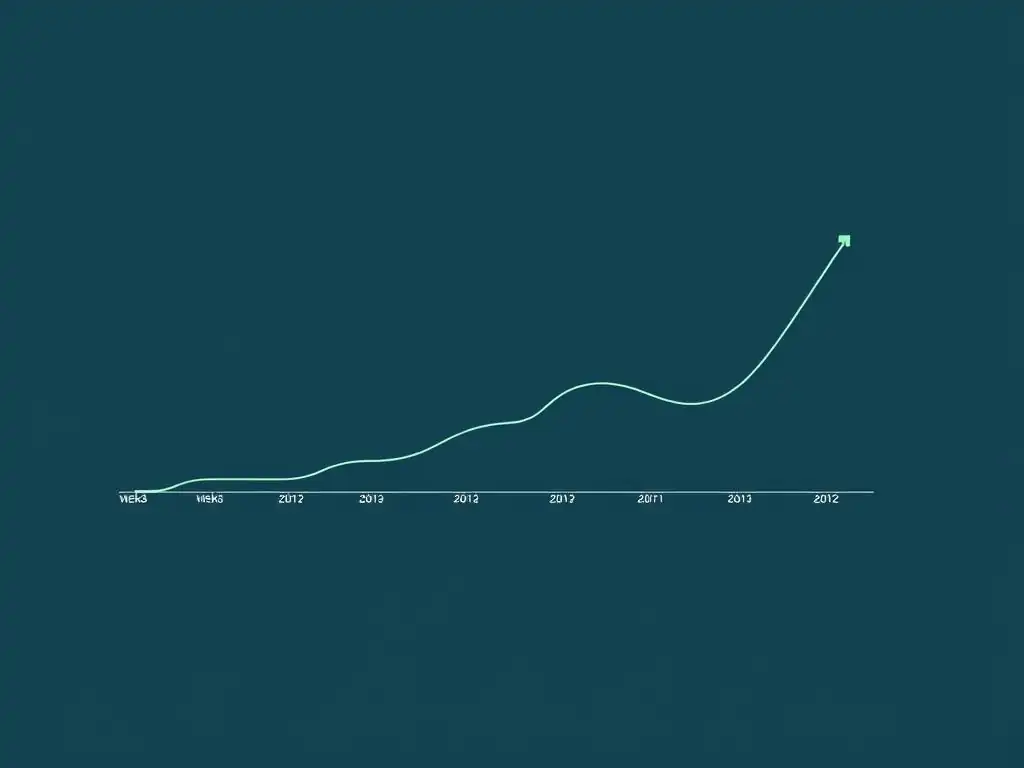
Effective progress tracking is crucial for success in any online course, especially one as involved as music production. Don't just passively consume the material; actively monitor your learning journey. Many online learning platforms offer built-in progress trackers, showing completion percentages for modules and assignments. However, these often lack the nuance needed for truly understanding your skill development.
Consider supplementing the platform's tools with a personal progress journal. This could be a simple notebook or a dedicated digital document. Within this journal, document not just what you've completed (e.g., "Finished Module 3: Mixing Techniques"), but also your observations and challenges. Did you struggle with a particular concept? What techniques did you find particularly helpful? What areas require further practice? Regularly reflecting on these questions helps identify areas needing more attention and fosters a deeper understanding.
Setting realistic goals is equally important. Instead of aiming for unrealistic perfection from the start, break down the course material into smaller, manageable milestones. For example, instead of aiming to "master mixing," set a goal like "successfully mix a simple three-instrument track within two weeks." This approach makes the learning process feel less overwhelming and encourages consistent progress.
Remember to celebrate your accomplishments along the way; this positive reinforcement will keep you motivated. Regularly review and adjust your goals as you progress, ensuring they remain challenging yet achievable. This iterative process allows for adaptation and prevents discouragement. Remember, consistent effort, even in small increments, leads to significant skill improvement over time.
Turning Your Skills into a Career
Completing an online music production course is a fantastic achievement, but turning your newfound skills into a career requires a proactive approach. The course itself provides the foundation; building a career necessitates strategic planning and consistent effort. Consider these steps to leverage your skills for professional success:
First, build a strong portfolio. Throughout the course, actively create projects that showcase your abilities. Don't just complete assignments; create original tracks, remixes, or sound design pieces that demonstrate your unique style and proficiency. These projects will serve as tangible evidence of your skills when applying for jobs or seeking clients. Consider diversifying your portfolio to showcase a range of skills – from audio engineering to music composition – to increase your marketability.
Next, network effectively. Connect with other music producers, both online and offline. Attend industry events, participate in online forums, and reach out to professionals whose work you admire. Building relationships within the industry can lead to valuable collaborations, mentorship opportunities, and potential job leads. Online platforms dedicated to music production often have vibrant communities where you can connect with fellow producers and professionals.
Finally, market your services. Create a professional website or online profile to showcase your portfolio and highlight your skills. Utilize social media platforms to promote your work and connect with potential clients. Consider offering your services on freelance platforms or reaching out directly to artists and bands who might need your skills. Consistent self-promotion is key to attracting clients and building a successful career in music production. Remember, building a career takes time and dedication; consistent effort and strategic planning are essential for long-term success.
Beyond the Course: Essential Tools and Resources for Music Production
Once you've completed your online music production course and are brimming with newfound knowledge, it's time to equip yourself with the right tools to truly unleash your creative potential. This section dives into the essential software, hardware, and collaborative platforms that will elevate your music production workflow. We'll explore top-rated plugins, essential hardware upgrades, and the best online spaces to collaborate with other musicians. This information complements your online music production course reviews and helps you transition from student to producer.
Best Plugins and VSTs for Music Production
Plugins and Virtual Studio Technologies (VSTs) are the digital workhorses of modern music production. They add effects, synthesize sounds, and provide a vast array of creative possibilities beyond what your DAW (Digital Audio Workstation) offers natively. Choosing the right plugins can significantly impact your sound quality and workflow efficiency. Here’s a breakdown of categories and examples:
- Synthesizers (Synths): These are crucial for creating unique soundscapes. Popular choices include:
- Native Instruments Massive: Known for its powerful sound design capabilities and versatile modulation options.
- Serum: A highly customizable wavetable synthesizer, popular for its intuitive interface and vast sound library.
- Arturia V Collection: A comprehensive suite of emulated vintage synthesizers, offering a wide range of classic sounds.
- Effects Processors: These plugins manipulate the sound of your instruments and vocals. Key categories include:
- Reverb: Adds depth and space to your audio (e.g., ValhallaRoom, Lexicon PCM Native).
- Delay: Creates rhythmic echoes and textural effects (e.g., Eventide Space, Soundtoys EchoBoy).
- EQ (Equalization): Shapes the frequency balance of your audio, enhancing clarity and presence (e.g., FabFilter Pro-Q 3, Waves Q10).
- Compression: Controls the dynamic range of your audio, making it louder and more consistent (e.g., Waves CLA-76, Universal Audio LA-2A).
- Mastering Plugins: These are used in the final stages of production to optimize the overall sound of your track.
- iZotope Ozone: A comprehensive mastering suite offering a wide range of tools for polishing your mixes.
- Brainworx bx_digital V3: A powerful and versatile mastering plugin known for its precision and ease of use.
Remember, starting with a few high-quality plugins across different categories is more effective than accumulating numerous mediocre ones. Focus on mastering the capabilities of your chosen plugins before expanding your collection.
Essential Hardware for Music Production
While software is the backbone of digital music production, the right hardware can significantly enhance your workflow and creative process. Consider these essential hardware upgrades based on your budget and needs:
| Hardware Category | Examples | Benefits |
|---|---|---|
| Audio Interface | Focusrite Scarlett, Universal Audio Apollo | Improved audio quality, low latency monitoring, multiple inputs/outputs |
| Studio Monitors | Yamaha HS Series, KRK Rokit | Accurate sound reproduction for critical listening and mixing |
| Headphones | Beyerdynamic DT 770 Pro, Audio-Technica ATH-M50x | Comfortable and accurate monitoring for mixing and composing |
| MIDI Keyboard Controller | Akai MPK Mini, Native Instruments Komplete Kontrol | Intuitive control over virtual instruments and DAW parameters |
| Microphone | Shure SM7B, Neumann U 87 Ai | High-quality recording of vocals and instruments (depending on your budget) |
Investing in quality hardware, even incrementally, makes a tangible difference in the overall sound and professionalism of your productions. Prioritize the audio interface and studio monitors for the most significant impact on your mixes.
Top Online Music Collaboration Platforms
Collaboration is key in the music industry. Online platforms facilitate seamless teamwork, regardless of geographical location. Here are some popular choices:
- BandLab: A free, browser-based DAW with integrated collaboration features. Ideal for beginners and smaller projects.
- Soundtrap: Another browser-based DAW with collaborative capabilities, offering a more polished interface than BandLab. Suitable for both beginners and experienced users.
- Splice Sounds: A platform that allows for sample sharing and collaboration, facilitating the creation of unique sounds and musical ideas.
Choosing the right platform depends on your specific needs and preferences. Consider factors like ease of use, features, and the overall community of users. Effective collaboration hinges not only on the platform but also on clear communication and a shared vision among collaborators. Remember to always respect intellectual property rights when collaborating on musical projects. 🎼
Frequently Asked Questions
What makes your online music production course reviews different?
Our reviews focus on practical application and real-world results. We go beyond marketing hype, analyzing course content, instructor expertise, and student feedback to provide you with an unbiased perspective. We prioritize courses that deliver tangible skills.
Are all the reviewed courses suitable for beginners?
No. While some courses cater specifically to beginners, others assume a base level of musical knowledge or software familiarity. We clearly indicate the skill level required for each course in our reviews to help you choose the right fit.
How do you select the courses you review?
We select courses based on a combination of factors: popularity, student ratings, curriculum depth, instructor credentials, and overall value for money. Our goal is to highlight high-quality and effective online music production courses.
What software programs are covered in the reviewed courses?
Our reviews cover courses that teach a wide variety of Digital Audio Workstations (DAWs), including but not limited to Ableton Live, Logic Pro X, Pro Tools, FL Studio, and GarageBand. Specific software is detailed in each individual course review.
Can I find reviews for courses focusing on specific genres of music production?
Yes. While many courses offer a general approach, some specialize in genres like electronic music, hip-hop, or pop. We categorize and filter our reviews to help you find courses tailored to your preferred musical style.
Final Reflection: The Ever-Evolving Soundscape of Online Music Production
The democratization of music production through online courses is not just a trend; it's a revolution. Access to high-quality instruction and powerful software has empowered a new generation of musicians, blurring the lines between professional studios and bedroom setups. This shift has fundamentally altered the landscape of music creation, making it more accessible and diverse than ever before.
The impact of readily available online music production courses is profound. It's not just about learning software; it's about fostering creativity, building community, and providing pathways to professional careers. The future of music is in the hands of those who dare to create it,
a sentiment echoed by countless aspiring artists finding their voice through these online platforms. This accessibility has led to a surge in innovative sounds and styles, pushing the boundaries of musical expression in exciting and unpredictable ways. The sheer volume of diverse voices now contributing to the global soundscape is a testament to the power of online learning.
You now hold the key to unlocking your musical potential. Don't just passively consume music; actively create it. Explore the courses highlighted in this article, find the one that resonates with your style and aspirations, and embark on your journey of sonic exploration. The world awaits your unique sound – dare to share it.
Unleash Your Inner Maestro: Start Your Music Production Journey Today!
Thank you for exploring our online music production software courses! We hope you've found the perfect program to bring your musical ideas to life. Now it's time to turn inspiration into action.
- Enroll in your chosen course now: Take the leap and sign up for the course that most excites you. Don't miss this opportunity to develop your musical skills!
- Share your musical aspirations: Let us know which course you selected and what you're most eager to learn in the comments below. Connecting with fellow musicians is a great way to find inspiration and support.
- Challenge yourself with a small project: Even a short, 30-second track is a powerful way to build your skills and confidence. Set a timer and start composing!
Ready to craft your next musical masterpiece? What exciting sounds will you create?