
Your Essential DIY Arsenal: The Basic Home Repair Tools You Can't Live Without

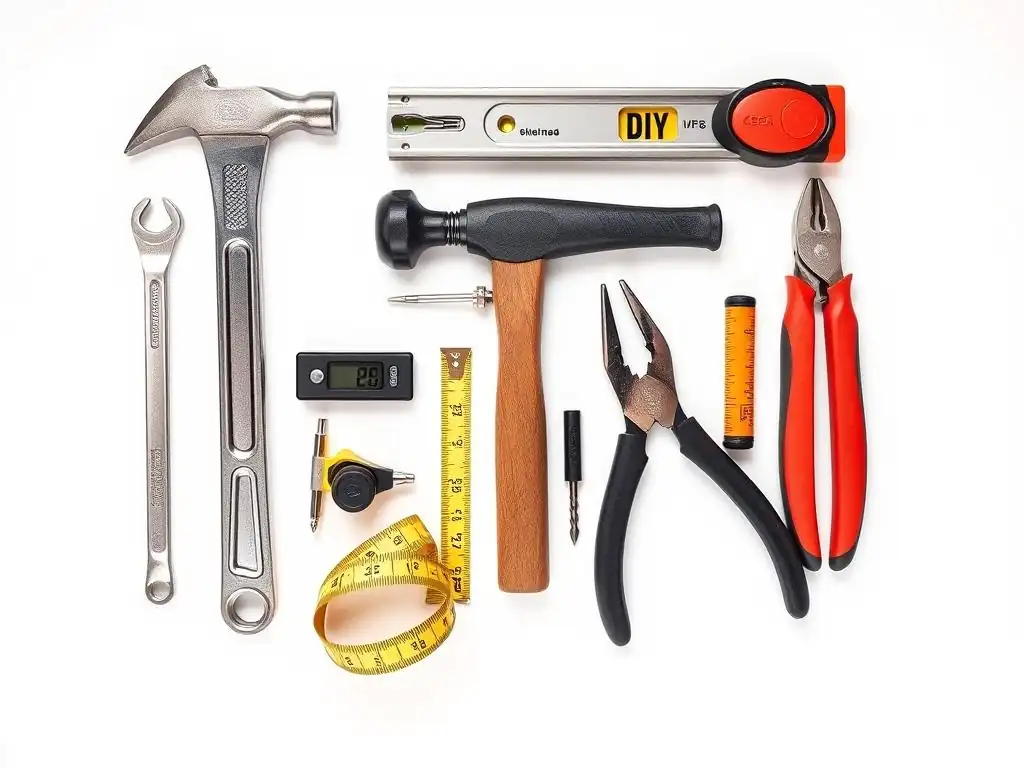
Ready to conquer your to-do list and reclaim your precious time? Welcome to UltimateLifeHacks, your ultimate resource for practical tips and tricks to streamline your life. We're diving deep into the world of Household Hacks, and today's focus is on something every homeowner needs: Essential DIY home repair tools. Discover the must-have tools that will empower you to tackle those nagging repairs and projects – are you ready to unlock your inner handyman or handywoman? Let's get started!
- Building Your Essential DIY Home Repair Tool Kit: The Must-Haves
- Beyond the Basics: Expanding Your DIY Home Repair Tool Collection
- Maintaining Your DIY Home Repair Tools: Care and Storage
- Advanced DIY Home Repair Tools: Stepping Up Your Game (Optional Section)
- Frequently Asked Questions
- Final Reflection: Empowering Yourself Through DIY Home Repair
- Unlock Your Inner Handyman: Start Building Today!
Building Your Essential DIY Home Repair Tool Kit: The Must-Haves
Embarking on even the simplest home repair project can feel daunting without the right tools. This guide will equip you with the knowledge to assemble a basic yet powerful DIY arsenal, empowering you to tackle common household repairs with confidence and efficiency. We'll explore the essential tools every homeowner should have on hand, focusing on practicality and versatility to maximize your DIY potential and minimize those frustrating calls to a handyman.
Building your own toolkit not only saves you money in the long run but also fosters a sense of accomplishment and self-reliance. Mastering these fundamental tools is the first step towards conquering those pesky home maintenance tasks and transforming your DIY aspirations into reality. This comprehensive guide, focusing on Essential DIY home repair tools, will ensure you're prepared for almost any household challenge.
The Ultimate Screwdriver Set: Phillips, Flathead, and Beyond
A comprehensive screwdriver set is the cornerstone of any DIY toolkit. Forget the single, worn-out screwdriver lurking in your junk drawer! Investing in a quality set with a variety of sizes and head types is crucial for tackling a wide range of projects. You absolutely need both Phillips and flathead screwdrivers, in various sizes. Think small, medium, and large for each type. But don't stop there! Consider adding specialized screwdrivers like Torx, security bits (those with tamper-resistant designs), and even a magnetic bit holder to simplify your work.
A good quality set will feature durable, comfortable handles that prevent slippage and reduce hand fatigue during extended use. Look for screwdrivers with hardened steel tips to prevent stripping screws, a common frustration for DIY enthusiasts. Furthermore, consider a ratchet screwdriver for increased speed and efficiency, especially when dealing with numerous screws. Investing in a good set now will save you time and frustration in the future.
Hammer Time: Choosing the Right Hammer for the Job
While a claw hammer might be the first thing that springs to mind, the ideal hammer selection depends on the type of DIY projects you anticipate. A 16-ounce claw hammer is a versatile workhorse, perfect for general carpentry, demolition, and driving nails. However, for more delicate tasks, a smaller hammer (around 8-12 ounces) provides more control and reduces the risk of damage. For specialized jobs, like installing trim or working with softer materials, a rubber mallet is an invaluable addition to your arsenal. It prevents damage to the surface being struck, making it ideal for projects requiring precision.
Beyond the hammer's weight, consider the handle. Fiberglass handles offer excellent durability and shock absorption, protecting your hands from jarring impacts. Wooden handles, while traditional, may require more maintenance and aren't as resistant to breakage. Remember, a well-balanced hammer significantly improves accuracy and reduces fatigue, leading to better results and a more enjoyable DIY experience.
Measuring Up: Essential Measuring Tools for Accurate Repairs
Accurate measurements are paramount for successful DIY projects. A reliable tape measure is an absolute necessity, ideally one at least 25 feet long. Look for a tape measure with a locking mechanism to keep the measurement in place and a robust casing to withstand wear and tear. Beyond a tape measure, a level is crucial for ensuring that shelves, pictures, and other wall-mounted items are perfectly straight. A spirit level with multiple vials, offering both horizontal and vertical alignment, is highly recommended.
For more precise measurements, particularly in smaller-scale projects, a metal ruler is a valuable addition. Its rigidity and clear markings ensure accurate readings. Finally, for projects involving angles, a protractor can be incredibly useful. These measuring tools, combined, guarantee the precision necessary for professional-looking results, minimizing errors and rework. Investing in durable, high-quality measuring tools will pay off in the long run, ensuring your DIY projects look great and last.
Cutting-Edge Tools: Saws, Blades, and Utility Knives
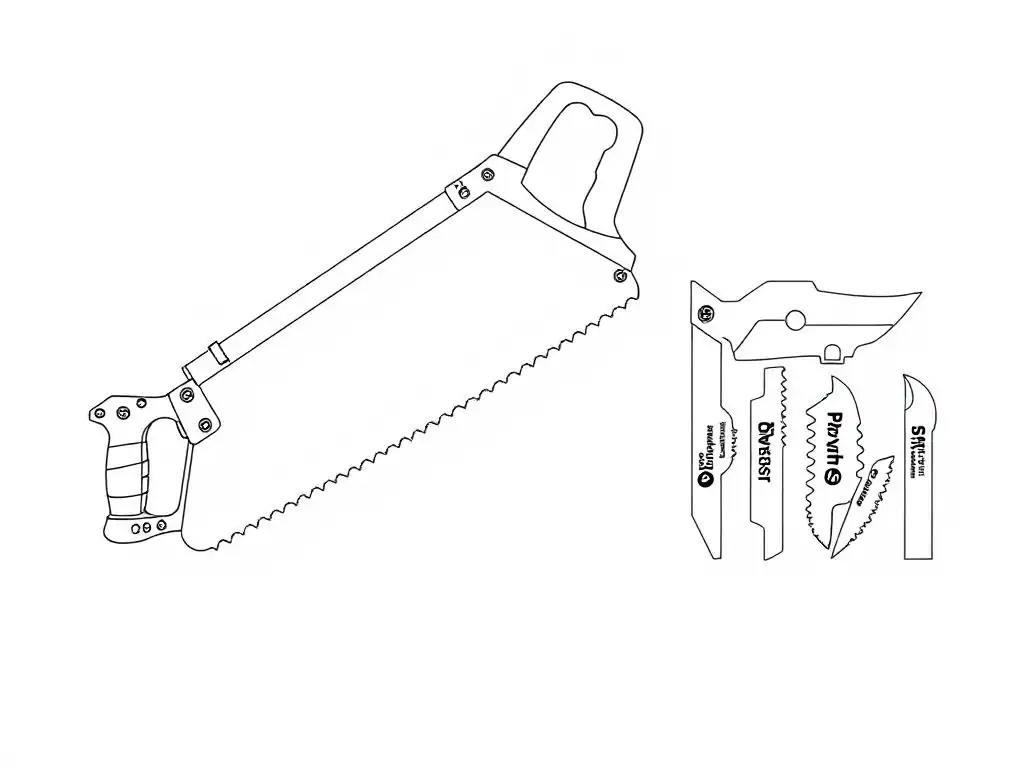
Having the right cutting tools is paramount for any successful DIY project. A good saw allows for precise cuts in various materials, while utility knives are indispensable for smaller, more delicate tasks. Let's explore the essential cutting tools for your home repair arsenal.
First, consider the types of saws you'll need. A hand saw is a versatile option for general woodworking, offering good control for straight cuts. However, for more intricate work or cutting thicker materials, a hacksaw with its fine-toothed blade proves invaluable. Its ability to cut through metal makes it a crucial tool for plumbing or electrical repairs. Don't underestimate the power of a coping saw, perfect for curved cuts in wood and other softer materials.
For faster, cleaner cuts in wood, a jigsaw is an excellent power tool investment, allowing for both straight and curved cuts with precision. Remember to always wear appropriate safety gear, including eye protection and gloves, when using any saw. Proper blade selection is also crucial; choose blades appropriate for the material you're cutting to avoid damage to the saw or the material itself. For example, a wood-cutting blade should not be used on metal.
Beyond saws, utility knives are essential for a multitude of tasks. From opening boxes and cutting cardboard to trimming excess materials or scoring lines for clean breaks, a sharp utility knife is a constant companion for any DIY enthusiast. Invest in a good quality knife with replaceable blades for optimal performance and safety.
Always remember to retract the blade when not in use to prevent accidental cuts. Keep a selection of blades on hand, as different blade types are suited for different materials. For example, a heavier-duty blade might be suitable for cutting through thicker materials like plastic pipes, while a finer blade is better for more delicate tasks like cutting drywall tape.
Wrenching Success: Essential Wrenches for Every DIYer
Wrenches are fundamental tools for any home repair project, allowing you to tighten and loosen nuts and bolts. Having a variety of wrenches ensures you can handle a wide range of tasks. A well-stocked wrench collection should include several types, each suited for specific applications.
The adjustable wrench is a versatile and essential tool. Its adjustable jaw allows it to fit a wide range of nut and bolt sizes, making it a go-to for many situations. However, remember that its gripping power might not be as strong as other wrench types, so use caution when working with larger or tighter fasteners. For more precise work and stronger grip, consider a set of combination wrenches. These wrenches feature both an open-ended and a box-end design.
The open-end allows for easy access in tight spaces, while the box-end provides a better grip and prevents rounding off nuts and bolts. A complete set should include wrenches in a range of sizes, typically measured in millimeters or inches, depending on your preference and the common sizes of fasteners in your home. For specialized tasks, such as working with pipes, a pipe wrench is indispensable. Its design allows for a powerful grip on cylindrical objects, making it perfect for plumbing repairs. Finally, don't forget socket wrenches.
These are particularly useful when dealing with numerous bolts of the same size, as the socket can be quickly changed without adjusting the wrench. A socket wrench set, often including a ratchet handle, significantly speeds up the work, especially for assembling or disassembling furniture or appliances. Remember to always choose the right size wrench for the job to avoid damaging the fasteners or the wrench itself. Using the wrong size can strip the bolt head or break the wrench.
Beyond the Basics: Expanding Your DIY Home Repair Tool Collection
This section delves into essential DIY home repair tools that go beyond the absolute basics, significantly enhancing your ability to tackle a wider range of home improvement projects. Mastering these tools will elevate your DIY game and save you money on costly professional repairs. We'll explore the versatility and importance of specific tools, providing you with the knowledge to make informed purchasing decisions. Remember, investing in quality tools is an investment in your home and your time.
Pliers: A Multi-Purpose Tool for Every Situation
Pliers are incredibly versatile and represent an essential addition to your essential DIY home repair tools arsenal. They are not a single tool, but a family of tools, each designed for specific tasks. Understanding the differences is crucial for effective DIY.
Several types of pliers are indispensable:
- Needle-nose pliers: Ideal for reaching tight spaces and gripping small objects. Their slender jaws allow for precise work in delicate situations, like working with electronics or jewelry.
- Lineman's pliers: These heavy-duty pliers are perfect for cutting wire, bending metal, and gripping larger objects. Their robust construction makes them suitable for tougher jobs.
- Slip-joint pliers: These adjustable pliers offer a wide range of gripping capacities, making them incredibly adaptable to various sizes of nuts, bolts, and pipes. Their adjustable jaws are a significant advantage.
- Locking pliers (e.g., Vise-Grips): These pliers provide a secure, vice-like grip, often used for holding parts in place during repairs or for tightening stubborn fasteners. They are invaluable for tasks requiring significant holding power.
Choosing the right pliers depends on the tasks you anticipate. For general home repairs, a set including needle-nose, slip-joint, and locking pliers is a great starting point. Lineman's pliers might be necessary for more specialized electrical work or plumbing repairs. Remember to check the quality of the pliers; a sturdy, well-made pair will last for years. Investing in a good quality set is a key step in building your collection of essential DIY home repair tools.
Leveling the Playing Field: Spirit Levels for Precise Work
Accurate leveling is crucial for many home repair and improvement projects, from hanging pictures to installing shelves and tiling. A spirit level, also known as a bubble level, is an indispensable tool for ensuring surfaces are perfectly level or plumb (vertical). But not all spirit levels are created equal.
Several factors determine the quality and usefulness of a spirit level:
- Length: Longer levels offer greater accuracy over longer distances. A 24-inch level is a good general-purpose size, while shorter levels are useful for smaller projects.
- Number of vials: Levels with multiple vials (for level, plumb, and 45-degree angles) offer increased versatility.
- Material: Aluminum levels are lightweight and durable, while magnetic levels are particularly handy for working with metal.
- Accuracy: The accuracy of the level's vials is critical for precise work. Look for levels with high-quality vials that are clearly visible.
Having a reliable spirit level, as part of your essential DIY home repair tools, will prevent costly mistakes and ensure a professional finish to your projects. Consider purchasing at least one 24-inch level with multiple vials for maximum versatility. Accurate leveling is an often overlooked but incredibly important aspect of successful DIY projects.
Drilling Down to Success: Choosing the Right Drill Bits and Drills
Drills are among the most versatile tools in any DIY arsenal. However, the effectiveness of a drill depends heavily on choosing the right drill bits for the job. Different materials require different bit types. Selecting the right drill is also crucial.
Consider these factors when choosing drill bits and drills:
| Drill Bit Type | Material Suited For | Description |
|---|---|---|
| Wood Drill Bits | Wood, Soft Plastics | Typically have a pointed tip for starting holes and spiral flutes for chip removal. |
| Metal Drill Bits | Metal, Hard Plastics | Often have a more robust design and are made from high-speed steel. |
| Masonry Drill Bits | Brick, Concrete, Stone | Feature carbide tips for drilling into hard materials. |
| Self-Centering Drill Bits | Metal, Wood, Plastic | Have a point that creates a pilot hole to start the larger drill bit accurately. |
Choosing the right drill depends on the tasks you intend to perform:
- Cordless Drill: Ideal for most household tasks, offering portability and convenience.
- Corded Drill: Provides more power for heavy-duty applications.
- Hammer Drill: Essential for drilling into masonry materials.
Having a versatile collection of drill bits, and a drill suitable for your needs, is paramount when assembling your collection of essential DIY home repair tools. Remember that safety is key; always wear appropriate safety glasses and ensure the drill is properly secured before operation. Investing in good quality bits and a reliable drill is a long-term investment in successful DIY projects.
Powering Up Your DIY: Essential Power Tools for Home Repairs
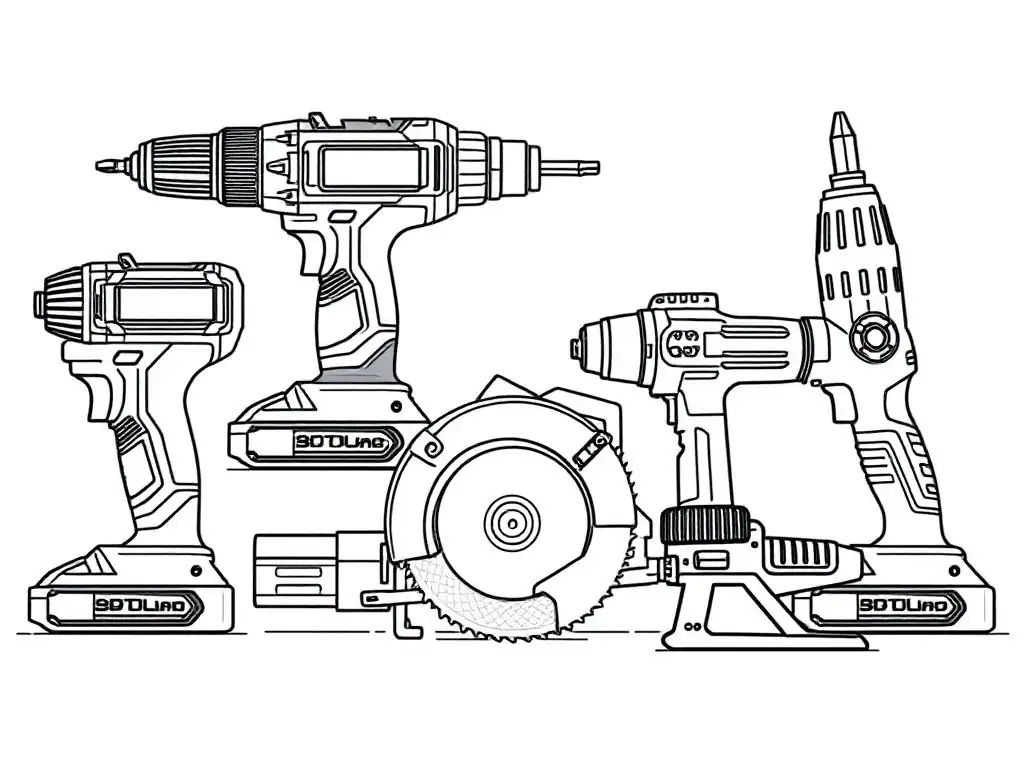
Having a basic set of hand tools is crucial for tackling minor home repairs, but to truly elevate your DIY capabilities, you'll need to incorporate some power tools. These tools significantly reduce the time and effort required for many tasks, making even complex projects manageable. Let's explore some essential power tools every homeowner should consider adding to their arsenal.
One of the most versatile power tools is a drill/driver. This single tool can handle a wide range of tasks, from drilling pilot holes for screws to driving screws and even mixing paint with the right attachments. Look for a cordless model with a variable speed setting for optimal control.
A good quality drill/driver is an investment that will pay for itself many times over. Consider the battery life and torque when making your selection; higher torque is better for tougher jobs. Remember, different drill bits are needed for different materials, so building up a collection of these is also crucial.
Next on the list is a circular saw. This is invaluable for cutting wood, plywood, and other sheet materials with precision and speed. It's a must-have for any woodworking project, from building shelves to creating custom frames. Safety is paramount when using a circular saw, so always ensure the blade is sharp and properly secured, and always wear appropriate safety gear (more on that later!). Choosing a saw with a laser guide can dramatically improve accuracy.
For more intricate cuts and shaping, a jigsaw is a valuable addition. Its ability to cut curves and intricate shapes makes it perfect for projects requiring detailed work. Again, blade selection is crucial for different materials, and a good quality jigsaw will offer variable speed control for better precision. Consider the size of the jigsaw and its ability to handle larger projects.
Finally, a multi-tool is a fantastic addition, offering a range of functions in a single compact tool. These tools often include oscillating blades for cutting various materials, sanding attachments, and scraping tools. They are incredibly useful for detailed work and tight spaces where larger tools might not fit. Many models offer a wide range of accessories, significantly increasing their versatility.
Essential Safety Gear: Protecting Yourself During Home Repairs
DIY projects can be rewarding, but safety should always be the top priority. Failing to prioritize safety can lead to serious injuries, turning a fun project into a costly and painful experience. Investing in proper safety gear is not an optional extra; it's a necessity.
The most fundamental piece of safety equipment is safety glasses. These protect your eyes from flying debris, dust, and chemicals, preventing potential blindness or eye injuries. Choose glasses that fit comfortably and offer good peripheral vision. Consider a face shield for added protection when working with power tools that produce significant debris.
Next, you'll need work gloves. These protect your hands from cuts, scrapes, splinters, and chemical burns. Different gloves are suited to different tasks; leather gloves are great for rough work, while nitrile gloves offer better chemical resistance. Always choose gloves appropriate for the specific task.
For many projects, particularly those involving power tools, hearing protection is essential. Prolonged exposure to loud noises can lead to permanent hearing damage. Earmuffs provide better protection than earplugs, especially in noisy environments. Consider investing in high-quality hearing protection that fits comfortably and effectively reduces noise levels.
Finally, appropriate respiratory protection is crucial when working with dust, fumes, or chemicals. A dust mask is suitable for dust, but a respirator is needed when working with more hazardous materials. Choose a respirator with the appropriate filter for the specific hazard. Always read the instructions carefully and ensure proper fit for effective protection. Remember, your health is priceless. Don't compromise on safety!
Maintaining Your DIY Home Repair Tools: Care and Storage
Proper maintenance of your essential DIY home repair tools is crucial for their longevity and your safety. Neglecting this aspect can lead to damaged tools, inefficient work, and even injuries. Investing a little time in cleaning, storing, and sharpening your tools will significantly extend their lifespan and improve the quality of your DIY projects. This section details how to keep your essential DIY home repair tools in peak condition.
Cleaning and Lubrication: Keeping Your Tools in Top Condition
Regular cleaning is paramount for preventing rust, corrosion, and the build-up of debris that can hinder performance. After each use, wipe down your tools with a clean cloth, removing any dirt, dust, paint, or other residue. For stubborn grime, consider using a degreaser specifically designed for tools. Remember to always wear appropriate safety gear, such as gloves, during this process.
For tools with moving parts, such as screwdrivers, pliers, and wrenches, lubrication is key. A light application of a high-quality lubricant, like WD-40 or a specialized tool lubricant, will reduce friction, prevent wear and tear, and ensure smooth operation. Apply a small amount to the moving parts and work them gently to distribute the lubricant evenly. Avoid over-lubrication, as excess lubricant can attract dust and debris.
Here's a quick checklist for cleaning and lubricating your tools:
- [ ] Wipe down all tools with a clean cloth after each use.
- [ ] Use a degreaser for stubborn dirt and grime. 🧼
- [ ] Lubricate moving parts with a suitable lubricant. ⚙️
- [ ] Allow lubricant to penetrate before wiping off excess.
- [ ] Store tools in a dry place to prevent rust.
Proper Storage: Organization for Easy Access and Longevity
Proper storage is just as vital as cleaning and lubrication. A disorganized tool collection can lead to frustration, wasted time searching for the right tool, and even damage to the tools themselves. Invest in a sturdy tool chest, cabinet, or wall-mounted organizer to keep your tools organized and protected.
Consider categorizing your tools for easier retrieval. Group similar tools together – screwdrivers in one section, wrenches in another, and so on. Labeling containers or drawers can further enhance organization. Ensure your storage area is dry and well-ventilated to prevent rust and corrosion.
The following table summarizes ideal storage solutions for different tool types:
| Tool Type | Storage Recommendation |
|---|---|
| Hand tools (screwdrivers, pliers) | Tool chest drawers, pegboard |
| Power tools (drills, saws) | Dedicated tool cabinet, shelves |
| Measuring tools (tape measure, level) | Hanging organizer, tool bag |
| Sharpening tools (stones, hones) | Dedicated case or drawer, separate from other tools |
Tool Sharpening Techniques: Maintaining Cutting Edge Performance
Sharp tools are safer and more efficient. Dull tools require more force to use, increasing the risk of injury and potentially damaging the material you're working with. Regular sharpening is essential, especially for cutting tools like knives, chisels, and saws.
The sharpening method depends on the tool type. For knives and chisels, you can use sharpening stones, honing steel, or electric sharpeners. Saws require a saw file or specialized saw sharpening tools. Always refer to the manufacturer's instructions for specific sharpening recommendations.
Remember to maintain a consistent angle during sharpening to ensure an even edge. Practice makes perfect, so don't be discouraged if your first attempts aren't flawless. A few practice sessions will improve your technique and lead to perfectly sharpened tools, enhancing your DIY projects significantly. Investing in a good quality sharpening stone is a worthwhile investment for maintaining your essential DIY home repair tools.
Advanced DIY Home Repair Tools: Stepping Up Your Game (Optional Section)
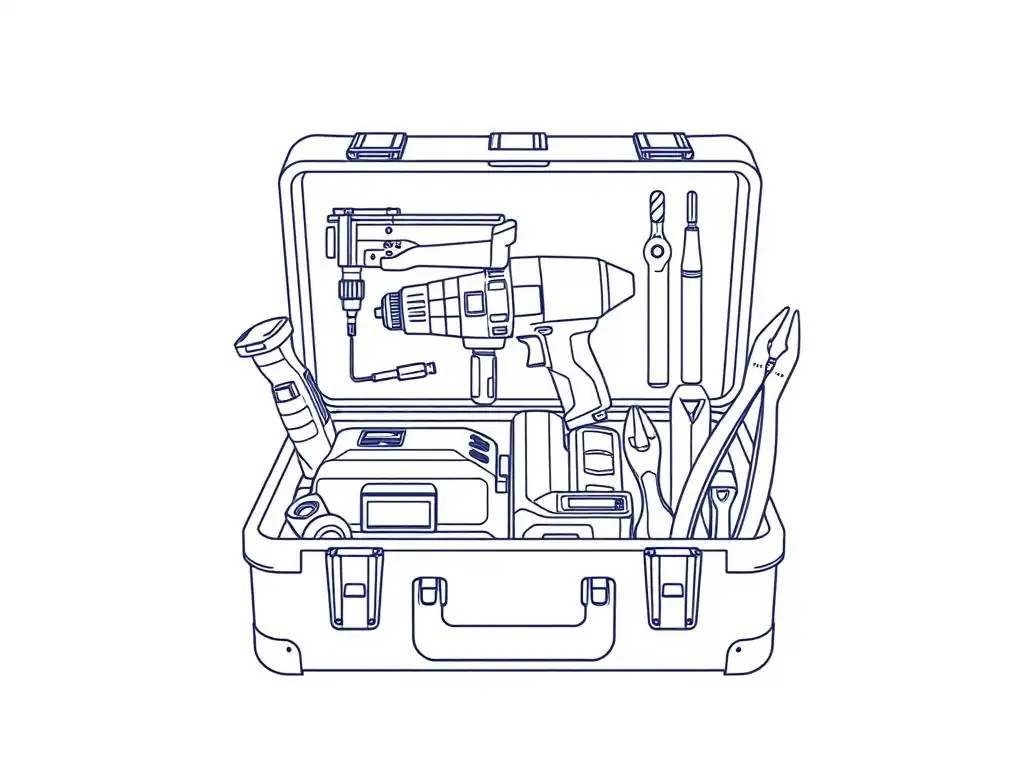
This section explores tools that go beyond basic home repairs, allowing you to tackle more complex projects and significantly enhance your DIY capabilities. While not strictly essential, these advanced tools can save you money on professional services and provide a greater sense of accomplishment. Investing in them should be considered after you've mastered the basics and feel confident tackling more ambitious projects. Remember, safety should always be your top priority, regardless of your tool selection. Always consult manuals and online resources for proper usage and safety precautions before attempting any repairs.
Advanced Soldering Equipment
Soldering is a valuable skill for electronics repair, jewelry making, and various other DIY projects. Basic soldering irons are sufficient for simple tasks, but advanced projects require more specialized equipment. This includes:
- Temperature-Controlled Soldering Stations: Unlike basic irons, these stations offer precise temperature control, crucial for delicate components and different solder types. This prevents overheating and damage to sensitive electronics. The ability to adjust the temperature based on the material being soldered is key to avoiding "cold joints" and ensuring a strong, reliable bond. A digital display allows for precise setting and monitoring.
- High-Quality Solder: Using high-quality solder with the correct alloy is critical for a strong and reliable connection. Lead-free solder is generally preferred for environmental reasons, but it requires a higher temperature for melting. Different solder types exist, each suited for specific applications and materials.
- Solder Suckers/Wicks: These tools remove excess solder, essential for clean and efficient soldering. Solder wick is a braided copper mesh that absorbs molten solder when heated. Solder suckers are small pumps that remove excess solder with a vacuum. Both are invaluable for correcting mistakes or preparing for a new solder joint.
- Magnifying Glass/Microscope: For intricate electronics work, magnification tools are invaluable for precise soldering and inspection. A simple magnifying glass might suffice for some tasks, but a microscope provides significantly greater detail for the most complex repairs.
Specialized Plumbing Tools
Beyond basic wrenches and pliers, advanced plumbing projects require specialized tools for efficient and effective repairs. These tools can significantly reduce repair time and prevent further damage.
| Tool | Description | Typical Use Cases |
|---|---|---|
| Pipe Threader | Creates threads on pipes for connecting fittings. | Installing new pipes, repairing threaded joints |
| Pipe Cutter | Cuts pipes cleanly and precisely, avoiding damage to the surrounding area. | Replacing damaged sections of pipe, creating custom lengths. |
| Drain Auger/Snake | Cleans blockages in drains and pipes. | Clearing clogged drains, removing obstructions from sewer lines. |
| Plumbing Camera/Inspection Camera | A small camera on a flexible cable used to inspect pipes and drains for blockages or damage. | Diagnosing plumbing problems, locating leaks, checking for root intrusion. |
| Torque Wrench | Applies a precise amount of torque to fittings, preventing over-tightening and damage. | Ensuring proper tightening of fittings, avoiding leaks and pipe damage. |
Automotive Repair Tools
While basic hand tools are useful for minor automotive repairs, more involved projects demand specialized equipment. This is where safety and precision become paramount, requiring investment in high-quality tools.
- Socket Sets with Metric and Standard Sizes: Cars use a mix of metric and standard fasteners, necessitating a comprehensive set. A quality socket set with various sizes and drive types is an essential investment.
- Torque Wrench (Automotive Specific): This is crucial for tightening bolts to the manufacturer's specified torque, preventing damage to engine components or suspension parts.
- Impact Wrench: This power tool significantly speeds up the process of removing stubborn bolts and nuts. Essential for working on suspension components or other parts with heavily tightened fasteners.
- Wheel Chocks and Jack Stands: Safety is paramount when working under a vehicle. These tools ensure the vehicle remains stable and prevents accidents.
Remember, investing in high-quality tools is a worthwhile investment for the long term. While the initial cost might seem high, the savings on professional repair services and the satisfaction of completing challenging DIY projects far outweigh the expense. Always prioritize safety and consult relevant resources before undertaking any complex repair.
Frequently Asked Questions
What are the most essential DIY home repair tools?
A basic set should include a hammer, screwdriver set (Phillips and flathead), adjustable wrench, measuring tape, and pliers. These cover a wide range of common repairs.
How can I save money on buying these tools?
Consider purchasing individual tools instead of expensive sets initially. You can also look for sales and discounts at hardware stores or online retailers. Used tools in good condition can also be a great option.
Where is the best place to store my DIY tools?
A well-organized toolbox or a dedicated workshop area is ideal. Ensure tools are easily accessible and stored properly to prevent damage and rust.
What are some essential safety precautions when using DIY tools?
Always wear appropriate safety glasses and work gloves. Read the instructions carefully before using any power tool and ensure the work area is well-lit and clear of obstructions.
Beyond the basics, what other tools are helpful to have for more advanced DIY projects?
Depending on your interests, consider adding a drill, level, saw, and stud finder to your collection. These will expand your capabilities for more complex projects.
Final Reflection: Empowering Yourself Through DIY Home Repair
The ability to tackle basic home repairs isn't just a handy skill; it's a cornerstone of self-sufficiency and empowerment in today's world. Knowing how to fix a leaky faucet or replace a broken light switch translates directly to cost savings, increased independence, and a greater sense of control over your living space. This knowledge empowers you to take charge of your home environment, rather than being at the mercy of expensive contractors for every minor issue.
The impact of DIY home repair extends far beyond the individual level. It fosters a sense of community, as neighbors share tips and tools, and it encourages a more sustainable approach to home maintenance. The best things in life are the things you make yourself.
This sentiment rings true not only for crafting but also for the satisfaction derived from fixing something yourself, fostering a deeper appreciation for the objects and spaces we inhabit. It's a connection to a simpler time, a reminder of the resourcefulness and ingenuity that can be found within each of us.
Now, consider your own toolkit. What's missing? What small repair have you been putting off? I encourage you to take this knowledge and turn it into action. Start small, perhaps with a simple project like tightening loose screws or replacing a burned-out lightbulb. With each successful repair, your confidence will grow, and your home will become a testament to your resourcefulness and capability. Embrace the challenge, and discover the rewarding world of DIY home repair.
Unlock Your Inner Handyman: Start Building Today!
Thanks for exploring essential tools for conquering those pesky home repairs! You're now equipped to tackle everyday fixes with confidence. Ready to put your new skills to the test?
- Tackle that leaky faucet or wobbly shelf: Start with a small home repair project you've been putting off. Even a small success builds momentum.
- Share your favorite home repair tip or tool in the comments below! Let's build a community of DIY enthusiasts.
- Browse our other articles for even more helpful advice on home improvement and life hacks.
So, what small repair will you tackle today?