
Unlock Your Financial Potential: The Smart Way to Automate Your Investments


Ready to reclaim your time and supercharge your financial future? At UltimateLifeHacks, we deliver practical strategies to simplify your life and boost your productivity. Discover how you can automate investments and save money, unlocking a level of financial freedom you never thought possible. Dive into our latest article on "Automate Investments Save Money" and learn the secrets to effortlessly building wealth – it's easier than you think!
- Understanding the Power of Automated Investing: Save Time and Money
- Choosing the Right Automated Investment Platform for Your Needs
-
Step-by-Step Guide to Automating Your Investments
- Setting Up Your Automated Investment Account: A Practical Tutorial
- Choosing Your Investment Strategy: Conservative, Moderate, or Aggressive Approaches
- Linking Your Bank Account for Seamless Transfers: Security and Verification Processes
- Scheduling Regular Contributions: Weekly, Bi-weekly, or Monthly Investments
-
Optimizing Your Automated Investment Strategy for Maximum Returns
- Rebalancing Your Portfolio Automatically: Maintaining Your Asset Allocation
- Tax-Efficient Investing Strategies with Automated Platforms: Minimizing Tax Liability
- Adjusting Your Investment Plan Based on Life Changes: Marriage, Job Change, or Retirement Planning
- Using Automated Tools to Track Your Investment Performance: Monitoring Your Progress
-
Advanced Techniques for Automated Investment Success
- Dollar-Cost Averaging (DCA) and its Benefits: Minimizing Market Volatility Risk
- Tax-Loss Harvesting Automation: Reducing Your Tax Bill Efficiently
- Harnessing the Power of AI in Automated Investing: Personalized Portfolio Management
- Integrating Automated Investing with Other Financial Tools: Budgeting Apps and Financial Planning Software
-
Frequently Asked Questions (FAQs) about Automated Investing
- Is Automated Investing Safe? Security Measures and Risk Management
- What are the potential downsides of automated investing? Limitations and Considerations
- How much money do I need to start automating my investments? Minimum Investment Requirements
- Can I customize my automated investment strategy? Flexibility and Personalization Options
- Conclusion: Embrace Automation for a Secure Financial Future
- Frequently Asked Questions
- Final Reflection: The Power of Automated Investing in a Changing World
- Ignite Your Investment Journey: Take Control Today!
Understanding the Power of Automated Investing: Save Time and Money
Automating your investments is no longer a futuristic concept; it's a readily available tool that can significantly impact your financial well-being. This article delves into the practical strategies and psychological benefits of automating your investment process, showing you how to effortlessly build wealth and secure your financial future. We'll explore how automating your investments can not only save you valuable time but also cultivate consistent saving habits, ultimately leading to significant long-term financial gains.
By the end, you'll understand how to leverage technology to achieve your financial goals and unlock your full financial potential, all while minimizing the effort required. This guide is specifically designed to help you effectively utilize "automate investments save money" strategies, empowering you to take control of your financial destiny.
Why Automate Your Investments? Time Savings and Financial Freedom
Let's face it: managing investments manually is time-consuming. It requires constant monitoring of market fluctuations, meticulous record-keeping, and the discipline to consistently contribute. Automating your investments eliminates these burdens. Imagine the time you could reclaim by freeing yourself from the daily grind of manual investment management. That time could be spent pursuing hobbies, strengthening relationships, or simply relaxing—all while your investments grow steadily.
But the benefits extend far beyond mere time savings. Automated investing fosters financial freedom by removing the emotional aspect of decision-making. Market volatility can trigger impulsive actions, leading to poor investment choices. Automation removes this emotional element, ensuring consistent contributions regardless of market fluctuations. This consistent approach is key to long-term success. This disciplined approach to saving and investing is crucial in building wealth over time. Think of it as setting up a system that works for you, even when you aren't actively managing it. It's like having a personal financial assistant working 24/7.
The Psychology of Automated Savings: Building Consistent Investment Habits
The human brain is wired for instant gratification. This often leads to procrastination and inconsistent saving habits. Automated investing cleverly sidesteps this psychological hurdle. By setting up automatic transfers from your checking account to your investment account, you're essentially "paying yourself first." This removes the temptation to spend money that's already earmarked for investment, ensuring consistent contributions.
This consistent contribution is a cornerstone of successful investing. The power of compounding returns is maximized when investments are made regularly, regardless of market conditions. Small, consistent contributions add up over time, leading to substantial growth. It's a testament to the principle that consistency trumps sporadic large investments. Think of it like this: small, consistent drops of water eventually fill a bucket. Similarly, consistent investment contributions, even small ones, lead to significant wealth accumulation over the years.
Setting Realistic Financial Goals: How Much Should You Automate?
Determining the appropriate amount to automate depends on your individual financial circumstances, goals, and risk tolerance. Before automating, clearly define your financial objectives. Are you saving for retirement, a down payment on a house, or your child's education? Setting specific, measurable, achievable, relevant, and time-bound (SMART) goals provides a clear roadmap for your investment strategy.
Once you have defined your goals, you can determine the appropriate investment amount. A common guideline is to automate a percentage of your income, starting with a manageable amount and gradually increasing it as your income grows. For example, you might start by automating 10% of your income and gradually increase it to 15% or even 20% over time. Remember, consistency is key. It is better to start small and consistently increase your contributions than to start large and struggle to maintain the high contribution rate.
Consider consulting a financial advisor for personalized guidance tailored to your specific financial situation. They can help you develop a comprehensive plan that aligns with your goals and risk tolerance. Remember, a well-defined plan is the foundation of successful automated investing.
Choosing the Right Automated Investment Platform for Your Needs
Automating your investments is a powerful step towards achieving your financial goals, but selecting the right platform is crucial. The market offers a variety of options, each with its own strengths and weaknesses. Understanding these differences is key to finding the best fit for your individual needs and risk tolerance. This section will help you navigate the choices, ultimately helping you automate investments save money and build a robust financial future.
Robo-Advisors vs. Traditional Brokers: A Comparative Analysis
The landscape of automated investing primarily features two main players: robo-advisors and traditional brokerage firms offering automated features. Understanding their core differences is paramount to making an informed decision.
Robo-Advisors: Pros and Cons of Automated Portfolio Management
Robo-advisors are digital platforms that manage your investments algorithmically. They typically use questionnaires to assess your risk tolerance and financial goals, then create and manage a diversified portfolio based on your answers.
Pros:
- Low cost: Robo-advisors generally charge lower fees than traditional brokers, often based on a percentage of assets under management (AUM). This directly contributes to helping you automate investments save money.
- Accessibility: They are incredibly user-friendly, making investing accessible to beginners. The onboarding process is typically streamlined and straightforward.
- Diversification: Robo-advisors automatically diversify your portfolio across various asset classes, minimizing risk.
- Convenience: The entire process, from account setup to portfolio rebalancing, is handled online, saving you significant time and effort.
Cons:
- Limited customization: While some offer varying levels of customization, robo-advisors generally offer less control over individual investments compared to traditional brokers.
- Lack of personalized advice: Although algorithms are sophisticated, they cannot replace the personalized advice of a human financial advisor.
- Potential for algorithm limitations: The performance of a robo-advisor is entirely dependent on the effectiveness of its algorithms. Changes in market conditions could affect performance unpredictably.
Traditional Brokers with Automated Features: Features and Fees Compared
Many traditional brokerage firms now offer automated investment features, blending the personalized service of a traditional broker with the convenience of automation.
These features can include:
- Automated portfolio rebalancing: The system automatically adjusts your portfolio to maintain your desired asset allocation.
- Automated investing plans: These plans allow you to automatically invest a set amount of money at regular intervals (e.g., dollar-cost averaging).
- Tax-loss harvesting: Some platforms offer automated tax-loss harvesting to minimize your tax liability.
Comparison: Traditional brokers with automated features typically charge higher fees than robo-advisors, but often provide more control and personalized service. The fees can vary significantly depending on the broker and the specific services used. A careful comparison of fee structures is essential before making a decision. Consider the trade-off between cost savings and the level of control and personalization you desire.
Factors to Consider When Selecting an Automated Investment Platform: Fees, Investment Options, Security
Choosing the right platform requires careful consideration of several key factors:
- Fees: Pay close attention to all fees charged, including management fees, account minimums, and transaction fees. Compare fees across different platforms to find the most cost-effective option. Lower fees directly contribute to helping you automate investments save money.
- Investment Options: Consider the range of investment options offered. Some platforms offer access to a wider variety of assets (e.g., ETFs, mutual funds, individual stocks) than others. Ensure the available options align with your investment strategy and risk tolerance.
- Security: Security is paramount. Choose a platform with robust security measures to protect your investments and personal information. Look for platforms with encryption, two-factor authentication, and other security features. Check for regulatory compliance and strong reputations.
- Customer Support: Consider the quality and availability of customer support. Having access to reliable support can be crucial if you encounter any issues or have questions about your investments.
Remember, automating your investments is a significant financial decision. Thorough research and careful consideration of your individual needs are essential to selecting the platform that best aligns with your goals and helps you automate investments save money. Don't hesitate to seek professional financial advice if needed.
Diversification Strategies with Automated Investing: Minimizing Risk and Maximizing Returns
Diversification is a cornerstone of sound investment strategy, and automated investing platforms offer sophisticated tools to help you achieve it effectively. The goal is to spread your investments across different asset classes (stocks, bonds, real estate, etc.) and sectors to reduce the impact of any single investment's poor performance. This minimizes your overall portfolio risk while aiming for maximized returns. Automated platforms often achieve this through algorithms that dynamically adjust your portfolio based on pre-set risk tolerances and market conditions.
Many platforms offer pre-built portfolios designed for various risk profiles, from conservative (heavy in bonds) to aggressive (predominantly stocks). These portfolios are typically diversified across multiple sectors and geographies, minimizing your exposure to any single company or market downturn. For example, a conservative portfolio might allocate 70% to bonds and 30% to stocks, spread across various sectors like technology, healthcare, and consumer goods, and perhaps even include international exposure to reduce geographic risk. An aggressive portfolio, on the other hand, might reverse these proportions, investing more heavily in stocks with a wider range of sectors and international diversification.
Beyond pre-built portfolios, some advanced platforms allow for more customized diversification strategies. You might be able to specify your desired allocation to different asset classes, sectors, or even individual stocks within certain parameters. This level of control gives you more agency over your investment strategy, although it requires a deeper understanding of financial markets. Remember, even with customized portfolios, maintaining proper diversification remains crucial to mitigating risk. Avoid over-concentrating your investments in a single asset class or sector, as this significantly increases your vulnerability to market fluctuations.
The benefit of using automated platforms for diversification is their ability to continuously rebalance your portfolio. Market conditions change constantly, and some investments will outperform others. Rebalancing involves selling off assets that have grown beyond their target allocation and buying assets that have fallen below their target. This ensures your portfolio maintains its intended risk profile and diversification over time.
Manual rebalancing can be time-consuming and requires continuous monitoring, whereas automated platforms handle this automatically, saving you significant time and effort while maintaining optimal diversification. This automated rebalancing is a key factor in "automate investments save money," as it reduces the need for constant manual adjustments and potentially costly trading fees.
Step-by-Step Guide to Automating Your Investments
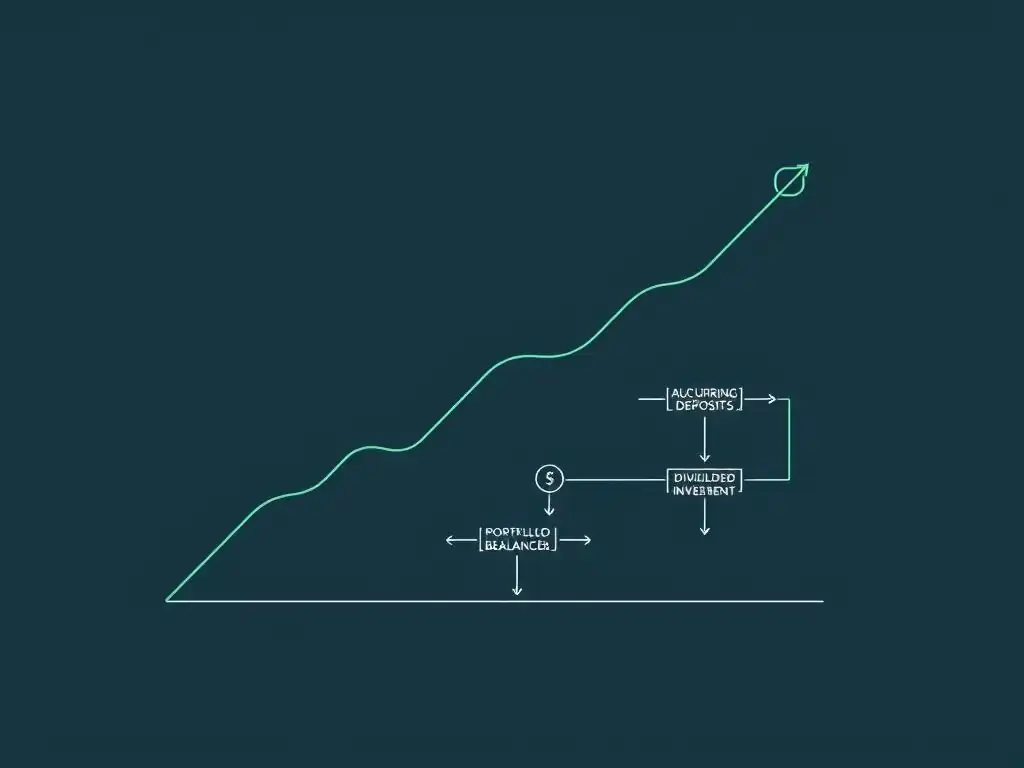
This section provides a practical, step-by-step guide to automating your investments, helping you to effectively automate investments save money. We'll cover the process from account setup to scheduling regular contributions, ensuring a smooth and secure investment journey. Remember, automating your investments is a powerful tool for building wealth and achieving your financial goals. Consistent, automated contributions mitigate the risk of procrastination and ensure you stay on track.
Setting Up Your Automated Investment Account: A Practical Tutorial
Before you can automate your investments, you need to open an appropriate account. Most brokerage firms offer automated investment options, often integrated directly into their online platforms. The process typically involves:
- Choosing a Brokerage: Research different brokerage firms, comparing fees, investment options, and user-friendliness. Consider factors like account minimums and the availability of automated investment features. Some platforms cater specifically to beginners, offering simplified interfaces and educational resources. Others offer more advanced tools for experienced investors.
- Account Application: Once you've chosen a brokerage, complete the online application process. This usually involves providing personal information, tax details, and answering questions about your investment experience and risk tolerance. Accuracy is crucial; errors can delay the process.
- Funding Your Account: After your account is approved, you'll need to fund it. Most brokerages offer various funding methods, including electronic transfers from your bank account. Ensure you understand any associated fees or processing times.
- Selecting Investment Vehicles: Decide on the types of investments you want to automate. This might include index funds, ETFs, mutual funds, or individual stocks. Your choice will depend on your investment strategy and risk tolerance. Remember to diversify your portfolio to minimize risk. Consider consulting a financial advisor for personalized guidance.
Choosing Your Investment Strategy: Conservative, Moderate, or Aggressive Approaches
Your investment strategy dictates the level of risk you're willing to take. This directly impacts your potential returns and the volatility of your portfolio.
- Conservative: This strategy prioritizes capital preservation over high returns. It typically involves investing in low-risk assets like bonds and money market accounts. This is suitable for those nearing retirement or with a low risk tolerance. Expect lower returns but greater security.
- Moderate: This strategy balances risk and return. It involves a mix of stocks and bonds, aiming for steady growth over the long term. This approach is suitable for most investors with a medium risk tolerance. It offers a balance between potential gains and capital preservation.
- Aggressive: This strategy prioritizes high growth potential, accepting higher risk. It typically involves investing heavily in stocks, potentially including more volatile sectors. This is suitable for younger investors with a long time horizon and a high risk tolerance. Expect higher potential returns but also greater potential losses.
The choice depends on your individual circumstances, financial goals, and time horizon. It's crucial to choose a strategy aligned with your risk profile and comfort level. Consider seeking professional advice if you're unsure which approach is best for you.
Linking Your Bank Account for Seamless Transfers: Security and Verification Processes
Linking your bank account is crucial for automated investment contributions. Most brokerages use secure encryption protocols (like SSL) to protect your financial information. However, it's essential to understand the security measures involved:
- Two-Factor Authentication (2FA): Ensure your brokerage uses 2FA, adding an extra layer of security to your account. This typically involves a code sent to your phone or email to confirm transactions.
- Regular Account Monitoring: Regularly review your account statements for any unauthorized activity. Report any suspicious transactions immediately to your brokerage and your bank.
- Strong Passwords: Use strong, unique passwords for all your online accounts, including your brokerage and bank accounts. Avoid using easily guessed passwords or reusing passwords across multiple platforms.
The verification process usually involves providing your bank account details and confirming a small test transaction. This confirms that the account is yours and allows the brokerage to initiate automated transfers.
Scheduling Regular Contributions: Weekly, Bi-weekly, or Monthly Investments
Once your account is set up and linked, you can schedule regular contributions. Most platforms offer flexibility in choosing the frequency and amount of your contributions.
- Frequency: Consider your income and spending habits when choosing the frequency (weekly, bi-weekly, or monthly). Regular, smaller contributions can be less disruptive to your budget than infrequent, larger ones.
- Amount: Determine an amount you can comfortably contribute without compromising your other financial obligations. Start small and gradually increase your contributions as your income grows.
- Dollar-Cost Averaging: Automating your investments allows you to easily implement dollar-cost averaging, a strategy that involves investing a fixed amount at regular intervals, regardless of market fluctuations. This helps to reduce the impact of market volatility and minimizes the risk of investing a large sum at a market peak. This is a key benefit of automating investments save money by mitigating risk and maximizing your returns over the long term.
Automating your investments is a significant step towards achieving your financial goals. By following these steps and consistently contributing, you'll be well on your way to building long-term wealth. Remember to review your investment strategy periodically and adjust it as needed to align with your changing circumstances and financial goals.
Optimizing Your Automated Investment Strategy for Maximum Returns
Automating your investments is a fantastic first step towards building wealth, but optimizing that automation is key to maximizing your returns and achieving your financial goals. It's not a "set it and forget it" scenario; regular review and strategic adjustments are crucial. This section dives into specific strategies to refine your automated investment approach and ensure you're on track to meet your long-term objectives. The core concept here is proactive management, even within an automated system. This is crucial for achieving the goal of "automate investments save money."
Rebalancing Your Portfolio Automatically: Maintaining Your Asset Allocation
Maintaining your desired asset allocation is paramount for managing risk and maximizing returns over the long term. Market fluctuations naturally cause your portfolio to drift from its target allocation. For example, if you've allocated 60% to stocks and 40% to bonds, a bull market might increase your stock holdings beyond 60%, potentially increasing your risk. Conversely, a bear market might reduce your stock allocation, potentially limiting your growth potential.
Many automated investment platforms offer automatic rebalancing features. This functionality periodically adjusts your portfolio, buying or selling assets to bring it back in line with your target allocation. This automated rebalancing helps to maintain your risk profile and prevent emotional decision-making during market volatility. It’s a simple yet powerful tool to consistently achieve your investment strategy, a key element of "automate investments save money."
The frequency of rebalancing depends on your risk tolerance and investment goals. Some investors rebalance annually, while others do it quarterly or even semi-annually. The optimal frequency is a personal choice, but the crucial point is to have a defined strategy and let automation execute it consistently.
Tax-Efficient Investing Strategies with Automated Platforms: Minimizing Tax Liability
Tax efficiency is a critical factor often overlooked in investment strategies. While automating your investments simplifies the process, it doesn't automatically optimize for tax efficiency. Understanding and leveraging tax-advantaged accounts and strategies is crucial to maximizing your after-tax returns.
Automated investment platforms often integrate tax-loss harvesting – a strategy that involves selling losing investments to offset capital gains taxes. This can significantly reduce your tax burden over time. However, the specific implementation varies between platforms. Some platforms might automatically harvest losses, while others require manual intervention or offer different levels of automation.
Understanding the tax implications of your chosen investments is also crucial. For instance, some investments, like dividend-paying stocks, might generate taxable income, while others, like growth stocks, might have tax implications only upon sale. Using tax-advantaged accounts like 401(k)s and IRAs can dramatically reduce your overall tax liability, a significant aspect of effectively implementing "automate investments save money." Always consult a financial advisor to ensure your strategy aligns with your specific circumstances and tax bracket.
Adjusting Your Investment Plan Based on Life Changes: Marriage, Job Change, or Retirement Planning
Your investment strategy shouldn't remain static throughout your life. Significant life events, such as marriage, a job change, or approaching retirement, necessitate adjustments to your investment plan. While automation streamlines the process, these life changes often require proactive intervention to ensure your goals are still attainable.
For example, getting married might necessitate adjusting your investment goals to account for shared financial responsibilities and potentially larger purchases like a house. A job change could alter your income and risk tolerance, requiring adjustments to your investment portfolio. Approaching retirement necessitates shifting your focus from growth to preservation of capital and income generation.
Many automated platforms allow for relatively easy adjustments to your investment strategy. You can often modify your risk tolerance, target allocation, and contribution amounts with a few clicks. However, it's essential to understand the implications of these adjustments and ensure they align with your evolving financial goals. Regularly reviewing and adapting your automated investment plan based on life changes is a key component of the long-term success of "automate investments save money." Proactive planning, even within an automated system, ensures your financial future remains secure and aligned with your current needs.
Using Automated Tools to Track Your Investment Performance: Monitoring Your Progress
Tracking your investment performance is crucial for making informed decisions and ensuring your automated strategy aligns with your financial goals. Manually monitoring numerous accounts across different platforms can be incredibly time-consuming and prone to errors. Fortunately, several automated tools streamline this process, providing a comprehensive overview of your portfolio's health. These tools often integrate directly with your brokerage accounts, automatically pulling data and generating reports.
This automated tracking goes beyond simply showing your current balance. Many platforms offer sophisticated analytics, including visualizations of your portfolio's asset allocation, historical performance charts, and even projections based on different market scenarios. You can easily see at a glance if your investments are performing as expected and identify areas needing adjustment. For example, you might notice one particular sector underperforming consistently, prompting you to rebalance your portfolio or explore alternative investment avenues. This level of insight allows for proactive adjustments, potentially mitigating losses and maximizing gains.
The ability to set custom alerts is another significant benefit. Automated tools can notify you via email or mobile app if your portfolio dips below a predetermined threshold, or if a specific investment reaches a target profit level. This real-time monitoring minimizes the risk of missing crucial market shifts, allowing for timely interventions. This proactive approach is particularly valuable for investors who lack the time for constant manual monitoring but still want to remain engaged in the performance of their investments. The peace of mind offered by these automated alerts is invaluable for many users.
Beyond individual account tracking, some advanced tools provide aggregated views across multiple accounts, giving you a holistic picture of your entire financial landscape. This consolidated view is particularly helpful for those with diverse investment strategies, encompassing stocks, bonds, mutual funds, and other asset classes. Seeing the overall performance across all your accounts offers a comprehensive understanding of your overall financial health, simplifying decision-making and promoting a more strategic approach to wealth management.
The ability to compare performance across different investment vehicles allows for more informed adjustments and optimization of your overall strategy over time. This comprehensive view helps you truly automate investments and save money through informed, data-driven decisions.
Advanced Techniques for Automated Investment Success

This section delves into sophisticated strategies to elevate your automated investment game, maximizing returns and minimizing risks. We'll explore techniques beyond basic automated transfers, focusing on how to truly automate investments save money and optimize your financial future. These strategies require a bit more setup but offer significant long-term advantages.
Dollar-Cost Averaging (DCA) and its Benefits: Minimizing Market Volatility Risk
Dollar-cost averaging (DCA) is a powerful investment strategy that mitigates the risk associated with market volatility. Instead of investing a lump sum at once, DCA involves investing a fixed amount of money at regular intervals, regardless of market fluctuations. This approach smooths out the purchase price of your investments, reducing the impact of buying high and selling low.
Imagine investing $500 monthly into a stock market index fund. During periods of market downturn, you'll purchase more shares at lower prices. Conversely, during market highs, you'll acquire fewer shares. Over time, your average cost per share is likely to be lower than if you had invested the entire lump sum at a single point in time.
The benefits are significant, especially for long-term investors. DCA reduces emotional decision-making, a common pitfall for many investors who panic-sell during market corrections. By automating your DCA contributions, you eliminate the temptation to time the market, a notoriously difficult task even for seasoned professionals. This automated approach ensures consistent investment regardless of market sentiment, contributing to long-term growth and minimizing the risk of significant losses due to market timing errors. The key is consistency; automated systems ensure you remain disciplined. This automated approach to automate investments save money by leveraging the power of consistent, regular contributions.
Tax-Loss Harvesting Automation: Reducing Your Tax Bill Efficiently
Tax-loss harvesting (TLH) is a powerful strategy to reduce your overall tax liability. It involves selling investments that have decreased in value, realizing a capital loss that can be used to offset capital gains or up to $3,000 of ordinary income annually. However, manually tracking and executing TLH can be time-consuming and complex. Fortunately, some automated investment platforms now offer automated tax-loss harvesting features.
These platforms intelligently identify and sell losing investments to offset gains, maximizing your tax savings without requiring manual intervention. This automation is particularly beneficial for investors with diverse portfolios containing many different assets. The complexity of manually tracking losses across multiple accounts is significantly reduced, freeing up your time and ensuring you don't miss out on valuable tax optimization opportunities. By automating this process, you’re actively working to automate investments save money by reducing your tax burden.
Consider the example of an investor with both winning and losing positions. An automated TLH system could identify and sell the losing investments to minimize the taxable gains, potentially saving hundreds or even thousands of dollars in taxes. This translates directly to more money in your pocket, illustrating the tangible benefits of automated tax-loss harvesting.
Harnessing the Power of AI in Automated Investing: Personalized Portfolio Management
Artificial intelligence (AI) is rapidly transforming the financial landscape, offering increasingly sophisticated tools for automated investing. AI-powered robo-advisors use algorithms to analyze market data, assess risk tolerance, and construct personalized investment portfolios tailored to individual investor needs and goals.
These platforms go beyond simple automated transfers, offering dynamic portfolio adjustments based on real-time market conditions and individual investor performance. AI can identify optimal asset allocations, rebalance portfolios automatically, and even adjust investment strategies in response to unexpected market events. This level of personalized management is a significant step beyond traditional automated investing, offering a more sophisticated and responsive approach to wealth management. The potential for AI to automate investments save money and optimize returns is immense, continually evolving with advancements in machine learning and data analysis.
Furthermore, AI can assist with other financial planning aspects, such as retirement planning and tax optimization, creating a holistic automated financial management system. While some concerns remain about the reliance on algorithms, the potential benefits of AI-powered automated investing are undeniable, promising greater efficiency and potentially higher returns for investors willing to embrace this technological advancement. The future of automated investing is undoubtedly intertwined with the continued development and integration of AI.
Integrating Automated Investing with Other Financial Tools: Budgeting Apps and Financial Planning Software
Automating your investments is a powerful step towards financial freedom, but its effectiveness is significantly amplified when integrated with other key financial management tools. Seamlessly connecting your automated investing platform with budgeting apps and financial planning software creates a holistic view of your finances, allowing for more informed decision-making and optimized resource allocation. This integrated approach enhances your ability to "automate investments save money" by ensuring your investment strategy aligns perfectly with your overall financial goals.
For example, many budgeting apps allow you to directly link your investment accounts, providing a real-time overview of your asset allocation and overall net worth. This transparency is crucial for tracking progress towards your financial targets, whether it's saving for a down payment on a house, funding your children's education, or building a comfortable retirement nest egg. By visualizing the impact of your automated investments within the context of your broader budget, you gain a clearer understanding of how your investment strategy contributes to your overall financial well-being.
Furthermore, integrating your automated investing with financial planning software can streamline the process of tax optimization and retirement planning. Sophisticated financial planning software can analyze your investment portfolio in conjunction with your income, expenses, and tax liabilities to project future financial scenarios. This allows you to fine-tune your investment strategy to maximize returns while minimizing tax burdens. The software can even suggest adjustments to your investment allocation based on your risk tolerance and projected retirement needs, further refining your automated investment plan.
The synergy between automated investing and other financial tools goes beyond simple data aggregation. It fosters a proactive and dynamic approach to financial management. For instance, if your budgeting app reveals an unexpected surge in expenses, you might temporarily adjust your automated investment contributions to ensure you maintain sufficient emergency funds. Conversely, if your financial planning software indicates that you're on track to exceed your retirement savings goals, you might increase your investment contributions or explore alternative investment opportunities.
This adaptive approach ensures that your automated investment strategy remains flexible and responsive to changes in your financial circumstances. This flexibility is key to effectively automating investments and saving money over the long term. The power of this integrated approach cannot be overstated; it transforms passive investing into an active and strategic component of your overall financial health.
Frequently Asked Questions (FAQs) about Automated Investing
This section addresses common concerns and questions surrounding automated investing, helping you understand the process better and make informed decisions about automating your own financial future. We'll explore safety, potential downsides, and minimum investment requirements, empowering you to confidently take control of your financial well-being. The goal is to demystify automated investing and show how it can truly help you automate investments save money.
Is Automated Investing Safe? Security Measures and Risk Management
Automated investing, while convenient, does involve inherent risks. However, reputable platforms employ robust security measures to mitigate these risks. Think of it like online banking – the system is designed to protect your money, but individual vigilance remains crucial.
Several key factors contribute to the safety of automated investing:
- Encryption and Data Security: Leading platforms use advanced encryption technologies (like SSL/TLS) to protect your personal and financial data from unauthorized access. This ensures your information remains confidential and secure during transmission and storage. Look for platforms that explicitly state their security protocols and certifications.
- Regulatory Compliance: Many platforms are subject to strict regulatory oversight, meaning they must adhere to specific rules and guidelines designed to protect investors. This often includes regular audits and compliance checks.
- Fraud Prevention Measures: Reputable platforms implement various fraud detection and prevention systems to identify and prevent suspicious activities. This might include two-factor authentication, real-time monitoring, and anomaly detection algorithms.
- Diversification Strategies: Automated investing platforms often incorporate diversification strategies, spreading your investments across different asset classes to reduce the overall risk. This helps cushion against losses in any single investment.
However, it's crucial to remember that no investment is entirely risk-free. Market fluctuations are inevitable, and even with automation, the value of your investments can go down as well as up. Thoroughly research any platform before entrusting your funds, and consider your personal risk tolerance before automating your investments. Understanding your investment goals and the level of risk you're comfortable with is paramount to successful automated investing, allowing you to automate investments save money while managing potential losses.
What are the potential downsides of automated investing? Limitations and Considerations
While automated investing offers significant advantages, it's essential to acknowledge potential limitations. Understanding these downsides will help you make informed choices and manage your expectations effectively.
- Lack of Personalization: While algorithms can adapt to some degree, they may not fully capture your unique financial situation and goals. Highly personalized investment strategies might require human intervention.
- Algorithm Dependence: Your investment success depends on the algorithms used by the platform. While generally robust, algorithms can be imperfect and prone to errors, especially in rapidly changing market conditions.
- Hidden Fees: Some platforms may have hidden fees or complex fee structures that can eat into your returns. Carefully review all fees before committing to a platform.
- Limited Control: Automated investing relinquishes a degree of direct control over your investments. While this can be beneficial for many, some investors prefer a more hands-on approach.
- Technological Dependence: Automated investing relies heavily on technology. System outages or technical glitches can temporarily disrupt your investment activities.
Considering these limitations is crucial for managing expectations and ensuring your automated investment strategy aligns with your overall financial goals. Remember that even with careful planning, there's no guarantee of profit, but a well-structured approach can certainly help you automate investments save money.
How much money do I need to start automating my investments? Minimum Investment Requirements
The minimum investment amount required to start automating your investments varies significantly depending on the platform you choose. Some platforms may have relatively low minimums, perhaps as little as $100 or $500, while others may require significantly higher initial investments, sometimes in the thousands of dollars.
Factors influencing minimum investment requirements include:
- Platform Type: Robo-advisors generally have lower minimums than traditional brokerage accounts offering automated investment services.
- Investment Options: The range of investment options offered also plays a role. Platforms offering a wider variety of investment products often have higher minimums.
- Account Type: The type of account you open (e.g., individual retirement account (IRA) vs. taxable brokerage account) may also affect the minimum investment requirements.
Before selecting a platform, carefully review its minimum investment requirements to ensure they align with your current financial situation. Start small if necessary, and gradually increase your investment amount as your financial capacity grows. This incremental approach can help you comfortably automate investments save money and build a solid financial foundation. Remember to always check the specific requirements of the platform you are considering.
Can I customize my automated investment strategy? Flexibility and Personalization Options
Yes, absolutely! While the beauty of automated investing lies in its simplicity, most reputable platforms offer a significant degree of customization to tailor the strategy to your specific financial goals and risk tolerance. This isn't a one-size-fits-all solution. You shouldn't expect to simply set it and forget it without having some control.
For example, many platforms allow you to choose from a range of investment portfolios, each with a different asset allocation. This allocation typically reflects a balance between stocks (higher risk, higher potential return) and bonds (lower risk, lower potential return). You can select a portfolio that aligns with your investment timeline and risk appetite – are you investing for retirement in 30 years, or for a down payment on a house in 5? This choice dramatically impacts the level of risk you're willing to take.
Furthermore, you can often specify your investment goals. Are you saving for retirement, a down payment, or your child's education? Defining your objective helps the platform fine-tune the investment strategy. Some platforms even offer the ability to adjust your investment frequency. Do you prefer to invest weekly, bi-weekly, or monthly? This level of control allows you to align your automated investments with your cash flow.
Beyond asset allocation and investment frequency, some advanced platforms permit you to select specific stocks, bonds, or even exchange-traded funds (ETFs) within your portfolio, offering a more hands-on approach while still benefiting from the automation of regular contributions. However, it's crucial to understand the implications of these choices on your overall risk profile. Don't hesitate to utilize the educational resources many platforms provide to understand the nuances of portfolio construction and risk management.
Remember, the goal is to automate your investments to save money and reach your financial goals, not to unnecessarily complicate the process. The key is finding the right balance between automation and personalization.
Conclusion: Embrace Automation for a Secure Financial Future

Automating your investments isn't just a convenient life hack; it's a strategic move towards securing your financial future. By consistently contributing to your investment accounts without manual intervention, you eliminate the risk of procrastination and inconsistent investing, two common pitfalls that hinder long-term growth. This automated approach allows you to leverage the power of compounding interest more effectively, potentially maximizing your returns over time.
Think of it as setting your financial autopilot—you establish the course, and the system diligently navigates it for you, ensuring consistent progress. The peace of mind gained from knowing your financial future is on track, managed efficiently and consistently, is invaluable. This automated system frees up valuable mental energy, allowing you to focus on other aspects of your life while your investments steadily grow.
Remember, consistently automating your investments, even with small amounts, can significantly impact your long-term financial well-being. The key is consistency and starting early. The sooner you begin, the more time your money has to grow, illustrating the powerful impact of compounding.
Start Automating Your Investments Today: Take Control of Your Financial Wellness
Taking the first step towards automating your investments is easier than you might think. Many brokerage platforms offer automated investing features, allowing you to schedule recurring contributions directly from your bank account. The process usually involves linking your accounts, setting your contribution amount, and selecting your investment strategy. Some platforms even offer robo-advisors—algorithms that manage your portfolio based on your risk tolerance and financial goals.
This removes the complexities of individual stock picking and portfolio management, making it ideal for beginners or those short on time. Consider your risk tolerance carefully before automating. Are you comfortable with potential fluctuations in the market? If not, a more conservative approach might be appropriate.
Remember, automating your investments doesn't mean setting it and forgetting it. Regularly reviewing your portfolio and adjusting your strategy as needed is crucial to ensure it aligns with your evolving financial goals and risk tolerance. This proactive approach will help you stay on track and achieve your financial aspirations. The benefits of automating investments extend beyond financial gains; it cultivates a disciplined approach to saving and investing, fostering a sense of financial control and empowerment.
Additional Resources for Automated Investing Success: [Link to relevant articles/resources]
While this article provides a solid foundation for understanding and implementing automated investing, further exploration can enhance your knowledge and refine your strategy. [Specific information pending: List of relevant internal links to articles on topics such as choosing the right brokerage platform, understanding different investment strategies, risk management in automated investing, and tax implications of automated investing]. You can also supplement this information with research from reputable financial websites and books dedicated to investment strategies. Remember to always seek professional financial advice tailored to your specific circumstances before making any significant investment decisions.
Understanding the nuances of automated investing and adapting your approach as needed is crucial for long-term success. This proactive approach to financial planning will empower you to build a secure financial future with confidence and ease. The journey towards financial wellness is a continuous process, and embracing automation is a significant step in the right direction.
Don't hesitate to seek out additional resources and guidance to optimize your automated investing strategy and achieve your financial goals. Remember that consistent effort and a well-informed approach are key to maximizing the benefits of automating your investments and achieving your financial aspirations. 🚀
Frequently Asked Questions
What is automated investing?
Automated investing uses technology to regularly invest your money according to a pre-defined plan. This removes the need for manual trades, saving you time and potentially improving returns through consistent contributions.
How does automating investments save money?
Automation helps you stick to a disciplined savings plan, avoiding impulsive spending. Consistent investing, even with small amounts, benefits from compound interest over time, leading to significant long-term growth. It also often lowers fees compared to manual trading.
Is automated investing safe?
Automated investing platforms utilize robust security measures to protect your funds. However, it's crucial to choose a reputable platform and understand the associated risks before investing any money. Diversification is key to mitigating risk.
What are the benefits of automating my investments with UltimateLifeHacks?
Automating your investments simplifies your financial life, allowing you to focus on other priorities. It promotes consistent savings habits and can lead to faster wealth accumulation. UltimateLifeHacks provides insights to help you choose the right strategy for your goals.
How do I get started with automated investing?
Begin by researching different automated investing platforms and selecting one that aligns with your needs and risk tolerance. Then, set up your account, define your investment goals, and schedule regular contributions. Start small and gradually increase your investment amount as you become more comfortable.
Final Reflection: The Power of Automated Investing in a Changing World
The ability to automate your investments is no longer a luxury; it's a necessity in today's volatile financial landscape. Successfully navigating the complexities of the market requires strategic planning and consistent action, and automation provides the perfect tool to achieve both. This isn't just about saving money; it's about securing your financial future and building a life of greater freedom and opportunity.
The impact of automated investing extends far beyond individual finances; it's reshaping the very fabric of how we approach wealth creation. It's democratizing access to sophisticated investment strategies, allowing individuals to participate in the market regardless of their level of financial expertise. This shift is empowering, fostering a sense of control and agency over one's financial destiny. The best time to plant a tree was 20 years ago. The second best time is today.
This proverb perfectly encapsulates the urgency and long-term benefits of starting – and automating – your investment journey now.
You hold the key to unlocking your own financial potential. Don't let fear or inertia hold you back. Take the time to research different automated investment platforms, understand your risk tolerance, and create a plan that aligns with your goals. Start small, stay consistent, and watch your financial future blossom. The journey may have its challenges, but the rewards of financial freedom and security are well worth the effort. Begin your automated investment journey today – your future self will thank you.
Ignite Your Investment Journey: Take Control Today!
Thank you for exploring the possibilities of automated investing! You've gained valuable insights into simplifying your financial future, and now it's time to put that knowledge into action.
Here's how to begin building your automated investment strategy:
- Prioritize setting up your automated investment plan: This is the most impactful first step. Even small, regular contributions make a significant difference over time.
- Research different investment platforms: Compare features and choose a platform that suits your needs and comfort level. Consider factors like fees, investment options, and user-friendliness.
- Share your experience: Let's build a supportive community! Tell us (and others) which platform you're using and how it's working for you.
What's the first step you'll take towards automating your investments today?