
UltimateLifeHacks: Are Your Kids Safe Online? A Parent’s Guide to Cyber Protection


Welcome to UltimateLifeHacks, your destination for practical tips and tricks to master your daily life! Are you concerned about your children's online safety? In today's digital world, navigating the internet safely is crucial. Discover essential strategies and actionable advice in our comprehensive Kids' online safety guide for parents, a must-read for every parent seeking peace of mind in the digital age. Dive in and learn how to protect your family online – your journey to a more secure and efficient digital life starts here!
- Understanding the Online Risks Facing Children Today
- Essential Steps for Securing Your Child's Online World
- Educating Your Children About Online Safety
- Protecting Your Child's Digital Footprint
- Staying Updated on Emerging Online Threats
- Creating a Safe and Positive Online Experience for Your Kids
-
Frequently Asked Questions
- What are the biggest online dangers for kids?
- How can I monitor my child's online activity without invading their privacy?
- What age is appropriate to give a child their first phone or social media account?
- My child has been cyberbullied. What should I do?
- How can I teach my kids about online safety?
- Final Reflection: Navigating the Digital Frontier with Our Children
- Unlock Your Child's Safer Digital World
Understanding the Online Risks Facing Children Today
The digital age presents incredible opportunities for learning and connection, but it also exposes children to a range of unseen dangers. As parents, we strive to protect our kids from physical harm, but the online world presents a unique set of challenges requiring a proactive and informed approach.
This comprehensive guide, focusing on "Kids' online safety guide parents," will equip you with the knowledge and strategies to navigate the complexities of online safety and ensure your children's well-being in the digital realm. We'll explore the prevalent threats children face online, offering practical tips and actionable steps to mitigate these risks and foster a safer digital environment for your family.
Ignoring online safety can have devastating consequences; understanding these risks is the first step towards building a strong defense. This guide provides a practical framework for parents to confidently guide their children through the digital landscape, empowering them to use technology safely and responsibly.
The Dangers of Cyberbullying and Online Harassment
Cyberbullying, a pervasive issue in the digital age, can inflict significant emotional distress on children. Unlike traditional bullying, cyberbullying extends beyond school hours, following children into their homes and impacting their sense of safety and security. The anonymity afforded by the internet often emboldens perpetrators, leading to relentless harassment and emotional abuse.
Forms of cyberbullying range from hurtful messages and public shaming on social media platforms to the creation and dissemination of embarrassing photos or videos. The constant accessibility of digital devices exacerbates the problem, making it difficult for children to escape the relentless negativity. The impact of cyberbullying can be profound, leading to anxiety, depression, low self-esteem, and in extreme cases, even suicidal thoughts.
Early detection and intervention are crucial; parents should actively monitor their children's online activity, fostering open communication and creating a supportive environment where children feel comfortable disclosing instances of cyberbullying. Educating children about responsible online behavior, including the importance of reporting abusive content and blocking harassing users, is also essential. Remember, proactive measures are key to preventing and addressing this serious threat.
Exposure to Inappropriate Content: Pornography and Violence
The internet's vast expanse contains a significant amount of inappropriate content, including pornography and graphic violence, readily accessible to children. Accidental exposure is a major concern, as children may stumble upon such material while browsing or playing online games. The potential impact of this exposure can be significant, leading to distorted perceptions of sexuality, body image issues, and desensitization to violence.
Furthermore, exposure to violent content can contribute to aggressive behavior and anxiety. Parents should implement robust parental controls on devices, utilizing filtering software and age-appropriate settings to restrict access to inappropriate websites and content. Open and age-appropriate conversations about online safety are crucial, allowing parents to educate their children about the potential dangers of inappropriate content and empowering them to report anything that makes them uncomfortable.
Regular monitoring of children's online activity, coupled with ongoing education, is essential in mitigating the risks associated with exposure to harmful content. Remember, prevention is always better than cure. Proactive measures can significantly minimize the chances of your child encountering inappropriate material online.
Online Predators and Grooming Tactics
Online predators pose a significant threat to children's safety. These individuals often employ sophisticated grooming tactics to gain the trust of children, often posing as peers or individuals with shared interests. The grooming process can be subtle and insidious, slowly building a relationship with the child before exploiting them. Predators may use social media platforms, online games, or chat rooms to target victims, employing manipulative techniques to isolate children from their support systems and gain their confidence.
Recognizing the signs of grooming is crucial for parents. These can include excessive online communication with strangers, secretive online behavior, receiving gifts or money from unknown individuals, or exhibiting sudden changes in mood or behavior. Parents should maintain open communication with their children, fostering an environment where they feel comfortable discussing their online interactions. Educating children about the dangers of talking to strangers online, sharing personal information, and meeting online contacts in person is paramount.
Regularly reviewing children's online activity and monitoring their social media profiles can also help identify potential risks. Remember, vigilance and proactive measures are essential in protecting children from online predators. Your awareness and open communication are your strongest defenses.
Privacy Concerns and Data Breaches Affecting Children
Children are particularly vulnerable to privacy violations online. Unlike adults, they often lack the understanding of the implications of sharing personal information, making them easy targets for malicious actors. Data breaches targeting children's information can have long-term consequences, from identity theft to online harassment. Consider the recent case of [Specific data breach affecting children pending] – a stark reminder of the potential harm. This breach exposed the personal information of thousands of children, including their names, addresses, and even medical records. The long-term impact on these children's lives, including potential financial and emotional repercussions, is significant.
The ease with which children can share personal information on social media platforms and online gaming communities further exacerbates this problem. Many platforms have minimum age requirements, yet enforcement is often lax, leaving young children exposed to risks they cannot fully comprehend. Parents need to be vigilant in monitoring their children's online activity and educating them about the importance of privacy.
This includes explaining the dangers of sharing personal information like their full name, address, phone number, school name, and photos that could reveal their location. Even seemingly innocuous details, when pieced together, can create a comprehensive profile vulnerable to exploitation.
Furthermore, the sophisticated nature of data collection practices by many online services often goes unnoticed by parents. Many apps and websites collect vast amounts of data about children's behavior, preferences, and online activity, often without explicit parental consent or a clear understanding of how this data is used and protected. Understanding the privacy policies of these services is crucial for parents, but the complex language and technical details often make it a daunting task.
Advocacy groups and consumer protection agencies are working to improve transparency and accountability in this area, but the onus also falls on parents to be informed and proactive in protecting their children's privacy. The consequences of neglecting this crucial aspect of online safety can be severe and long-lasting. Teaching children about digital citizenship and responsible online behavior is paramount in mitigating these risks.
Essential Steps for Securing Your Child's Online World
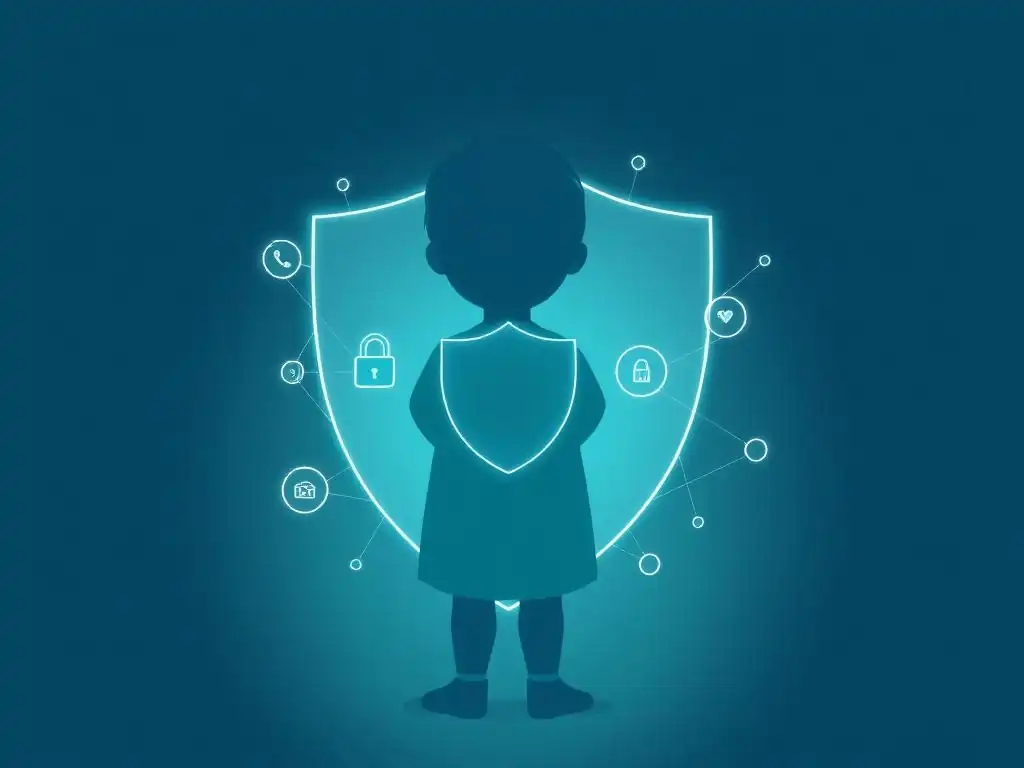
This section details crucial steps parents can take to bolster their children's online safety. We'll move beyond general advice and delve into actionable strategies for creating a safer digital environment for your kids. Remember, proactive measures are key to mitigating risks associated with online predators, cyberbullying, and inappropriate content. This guide focuses on practical applications rather than theoretical discussions. Implementing these steps will significantly enhance your child's online safety and peace of mind. Let's get started building a robust digital defense for your family.
Setting Strong Passwords and Password Management for Kids
Teaching children about password security is paramount. Simply telling them "use a strong password" isn't sufficient. They need practical strategies and tools to create and manage secure credentials. For younger children, consider using a password manager with a simplified interface. These tools often incorporate visual cues and easy-to-understand instructions. For older children, teach them the importance of password complexity:
- Length: Passwords should be at least 12 characters long.
- Variety: Incorporate uppercase and lowercase letters, numbers, and symbols.
- Uniqueness: Avoid reusing passwords across different accounts.
- Regular Changes: Encourage them to change passwords periodically, especially if they suspect a breach.
For kids who struggle with remembering complex passwords, a password manager is a valuable tool. However, ensure the password manager itself uses strong encryption and has robust security features. Discuss the importance of never sharing passwords with anyone, even friends. Explain the potential consequences of password compromise, such as account hijacking and identity theft. Reinforce these lessons regularly to ensure they become ingrained habits. This proactive approach is vital to preventing many online security risks.
Parental Control Software and Apps: A Comprehensive Overview
Parental control software offers a multifaceted approach to safeguarding children online. These tools allow parents to monitor website access, filter inappropriate content, and limit screen time. The market offers a wide range of options, from basic web filters to sophisticated systems with GPS tracking and social media monitoring capabilities. Choosing the right software depends on your child's age, online activities, and your comfort level with technology.
Consider the following aspects when evaluating parental control software:
| Feature | Importance | Example |
|---|---|---|
| Web Filtering | Blocks access to inappropriate websites and content. | Blocking adult websites, gambling sites |
| App Monitoring | Tracks app usage and restricts access to specific apps. | Limiting time spent on social media |
| Screen Time Limits | Sets daily or weekly limits on device usage. | Setting time limits for gaming |
| Location Tracking (GPS) | Provides real-time location information for mobile devices. | Knowing child's location |
| Content Filtering | Screens messages, emails, and other online communications for inappropriate language or content. | Preventing cyberbullying |
Remember to discuss the use of parental controls openly with your children. Explain that these measures are implemented to protect them, not to invade their privacy. Transparency builds trust and encourages cooperation. Regularly review and adjust the settings as your child grows and their online activities evolve. This ensures the software remains effective and relevant.
Monitoring Your Child's Online Activity: Striking a Balance Between Privacy and Protection
Monitoring a child's online activity requires a delicate balance. While parental oversight is crucial, respecting their privacy is equally important. Open communication is key. Regularly talk to your children about their online experiences, their friends, and any concerns they might have. Encourage them to come to you if they encounter anything upsetting or inappropriate online.
Avoid covert surveillance. Instead, establish clear expectations regarding online behavior and responsible digital citizenship. Use monitoring tools strategically, focusing on potential risks rather than constant tracking. For example, periodically review their browsing history or social media activity, but avoid constant scrutiny.
Focus on identifying potential red flags, such as signs of cyberbullying or exposure to harmful content. This approach prioritizes open dialogue and trust-building, fostering a healthy and secure online environment. Remember, the goal is to empower your children to navigate the digital world safely and responsibly, not to control their every move. This approach promotes a more positive and productive relationship with technology.
Open Communication: Talking to Your Kids About Online Safety
Open communication is the cornerstone of effective online safety for children. It's not a one-time conversation, but an ongoing dialogue that adapts as your child grows and their online experiences evolve. Starting these conversations early, even before your child has significant online access, is crucial. Begin by explaining the basics of the internet: that it's a vast space with wonderful opportunities for learning and connection, but also potential risks. Use age-appropriate language; a five-year-old will understand different concepts than a teenager.
For younger children, focus on simple rules like not talking to strangers online, never sharing personal information (address, phone number, school name), and always asking a parent before visiting a new website or downloading an app. Use relatable examples they can grasp. For instance, explain that just like they shouldn't accept candy from strangers in the street, they shouldn't accept friend requests or engage with unfamiliar people online. Make it clear that you're there to help and that they can always come to you with any questions or concerns, without fear of judgment.
As your children get older, the conversations need to become more nuanced. Discuss topics like cyberbullying, online predators, inappropriate content, and the importance of responsible social media use. Explain the concept of online privacy and the potential consequences of sharing sensitive information.
Emphasize the importance of critical thinking – encouraging them to question the information they encounter online and to verify its authenticity. Role-playing scenarios can be incredibly helpful; practice how to respond to different online situations, such as receiving a threatening message or encountering inappropriate content. This proactive approach helps them develop the skills to navigate the online world safely and responsibly.
Remember, creating a safe online environment isn't just about setting rules; it's about building trust and fostering a relationship where your child feels comfortable coming to you with any issues. Regularly check in with them, not just to monitor their online activity, but to engage in open discussions about their experiences. Ask them about their online friends, the websites they visit, and the apps they use. Show genuine interest in their digital lives, demonstrating that you value their online experiences while also prioritizing their safety.
This open and ongoing communication is your best defense against the potential dangers of the internet. The goal isn't to instill fear, but to empower your children with the knowledge and confidence to navigate the online world safely and responsibly. This empowers them to make informed decisions and seek help when needed.
Educating Your Children About Online Safety
This section focuses on proactive strategies for educating children about online safety, emphasizing age-appropriate approaches and practical techniques. A comprehensive understanding of online risks is crucial for fostering responsible digital citizenship. The goal is to equip children with the knowledge and skills to navigate the digital world safely and confidently. Ignoring this crucial aspect leaves your children vulnerable to a wide range of online threats.
Age-Appropriate Online Safety Lessons for Kids
Teaching online safety isn't a one-size-fits-all approach. The lessons need to evolve as your children grow and their online experiences become more complex. Here's a breakdown of age-appropriate strategies:
- Preschool (Ages 3-5): Focus on basic concepts like not talking to strangers online and understanding that not everything they see online is true. Use simple stories and games to illustrate these points. Supervise all online activity closely.
- Early Elementary (Ages 6-8): Introduce the concepts of passwords and privacy. Explain that they shouldn't share personal information like their address, phone number, or school name online. Teach them to ask a trusted adult before downloading apps or clicking on links.
- Late Elementary/Middle School (Ages 9-12): Discuss cyberbullying, online predators, and the importance of responsible social media use. Teach them about responsible sharing of photos and videos. Emphasize the permanence of online content and the potential consequences of inappropriate posts. Explain the dangers of sharing passwords.
- High School (Ages 13-18): Cover more advanced topics like online privacy settings, data security, and phishing scams. Discuss the legal implications of online actions, including copyright infringement and online harassment. Encourage critical thinking about online information and the importance of verifying sources. Explain the potential consequences of sexting and online relationships.
Implementing these age-appropriate lessons requires consistent reinforcement and open communication. Regular conversations about online safety should be part of your family's routine. This ongoing dialogue creates a safe space for children to ask questions and share concerns without fear of judgment. Remember, consistency is key!
Identifying and Reporting Online Threats: Empowering Your Children
Equipping children with the ability to identify and report online threats is paramount. This involves more than just knowing what constitutes a threat; it's about empowering them to act responsibly when they encounter something concerning.
Here’s how to empower your kids:
- Teach them to recognize red flags: This includes unsolicited messages from strangers, inappropriate content, cyberbullying, and attempts to obtain personal information. Use real-world examples to illustrate these scenarios.
- Establish clear reporting procedures: Explain who they can talk to if they encounter something upsetting or concerning online. This should include you, another trusted adult, or a designated online safety resource.
- Role-playing scenarios: Practice different scenarios with your children, such as receiving a suspicious email or encountering cyberbullying. This helps them develop the confidence to handle challenging situations effectively.
- Show them how to report: Teach them how to report inappropriate content or behavior on different platforms, such as social media sites, gaming platforms, and search engines. The reporting mechanisms vary, so it's important to guide them through the specific steps for each platform.
Remember, open communication is crucial. Children are more likely to report threats if they feel comfortable talking to you about their online experiences. Create a safe and supportive environment where they feel comfortable sharing their concerns without fear of reprisal. A proactive approach to reporting online threats is crucial for their safety and well-being.
Critical thinking is a vital skill for safe online navigation. It empowers children to evaluate information, identify misinformation, and make informed decisions about their online activities. Simply blocking certain websites or platforms isn't enough; children need the tools to navigate the digital world independently and safely.
Here's how to foster critical thinking skills:
- Source Verification: Teach your children to question the source of online information. Encourage them to check multiple sources and look for evidence of bias or misinformation. Discuss the difference between reliable and unreliable sources.
- Fact-Checking: Encourage children to verify information they encounter online, especially before sharing it with others. Teach them to use fact-checking websites and resources to confirm the accuracy of information.
- Evaluating Images and Videos: Teach your children to be skeptical of images and videos they see online. Discuss the possibility of manipulation and the importance of verifying the authenticity of online content.
- Understanding Online Privacy: Explain the importance of protecting personal information online. Teach your children to be wary of phishing scams and other attempts to steal their data. Explain the concept of digital footprints and the long-term consequences of online actions.
By fostering these critical thinking skills, you equip your children with the ability to navigate the digital world safely and responsibly. This empowers them to make informed decisions, resist manipulation, and protect themselves from online threats. Remember that this is an ongoing process; consistent reinforcement and open communication are key to building their critical thinking skills.
Building Resilience Against Cyberbullying and Online Harassment
Cyberbullying and online harassment are unfortunately prevalent issues affecting children and teens. Equipping your children with the resilience to cope with these challenges is crucial for their well-being. This goes beyond simply teaching them to avoid bullies; it's about fostering a strong sense of self-worth and providing them with effective coping mechanisms.
One key strategy is to open a dialogue about online negativity. Don't shy away from discussing difficult topics. Ask your children about their online experiences, encouraging them to share both positive and negative interactions. Create a safe space where they feel comfortable expressing their feelings without judgment. This open communication fosters trust and allows you to identify potential problems early on.
Emphasize the importance of self-esteem. Children with strong self-esteem are better equipped to handle negative online interactions. Help them identify their strengths and celebrate their accomplishments, both online and offline. Encourage participation in activities they enjoy, fostering confidence and a positive self-image. This intrinsic self-worth acts as a buffer against the negativity they might encounter online.
Teaching them to recognize and report cyberbullying is equally important. Explain what constitutes cyberbullying, including name-calling, spreading rumors, threats, and exclusion from online groups. Provide clear instructions on how to report such incidents to appropriate authorities – whether it's a school official, a social media platform, or even the police, depending on the severity. Emphasize that reporting is not tattling; it's a vital step in protecting themselves and others.
Furthermore, teach them to ignore and block bullies. Explain that engaging with bullies often only escalates the situation. Show them how to block users on different platforms and how to filter unwanted messages. Encourage them to save evidence of the harassment, screenshots for example, as this can be crucial if they need to report it later. Remember to emphasize the importance of not responding emotionally; a calm and measured response is far more effective.
Finally, remember that resilience is built over time. It's an ongoing process of learning and adapting. Regularly check in with your children about their online experiences, reinforcing the importance of seeking help when needed.
Encourage them to talk to you, a trusted friend, a teacher, or a counselor if they are struggling to cope with online harassment. Your support and understanding are invaluable in helping them navigate these challenges and build the resilience needed to thrive in the digital world. Remember, a proactive and supportive approach is key to shielding your children from the harmful effects of cyberbullying and online harassment.
Protecting Your Child's Digital Footprint

Protecting your child's digital footprint requires proactive measures and ongoing vigilance. It's not just about preventing immediate threats; it's about cultivating responsible digital citizenship from a young age. This involves understanding the long-term implications of online activity and how it can impact their future opportunities. Think of their digital footprint as a constantly growing online resume – what kind of impression do you want it to make?
Social media presents unique challenges for kids' online safety. Many platforms have age restrictions, but enforcement is often lax. Even if your child isn't technically old enough for a platform, peer pressure can lead to secret accounts. Open communication is key. Instead of outright banning social media, consider a collaborative approach. Discuss the risks associated with posting personal information, engaging with strangers, and cyberbullying. Explore age-appropriate platforms with stricter privacy controls, and remember that consistent monitoring is crucial, even on seemingly "safe" platforms.
Consider setting clear guidelines together, perhaps creating a family media contract. This contract could outline acceptable online behaviors, consequences for violating the rules, and a schedule for social media use. Involve your child in the process; this fosters a sense of responsibility and ownership. Regularly review their profiles and activity, not to spy, but to offer guidance and support. Remember, it’s about building trust and open communication, not creating a climate of fear and secrecy. This approach is far more effective in ensuring their online safety.
Understanding Online Privacy Settings and Their Importance
Privacy settings are often overlooked, but they are fundamental to your child's online safety. Each platform has its own settings, and understanding them is crucial. Default settings are rarely the most secure. Take the time to learn how to adjust privacy settings on popular platforms like YouTube, TikTok, Instagram, and Snapchat. Focus on restricting who can see their posts, messages, and profile information. The goal is to limit exposure to strangers and unwanted attention. Teach your child the importance of these settings and how to actively manage them.
Think of it like this: would you leave your front door unlocked all the time? Privacy settings are the digital equivalent of locks and security systems. They act as the first line of defense against unwanted access and potential harm. Regularly review and update these settings as platforms evolve and your child's online presence grows. The time invested in learning and implementing strong privacy settings is an investment in your child's long-term safety and well-being.
The Risks of Oversharing Personal Information Online
Oversharing personal information online is a significant risk for children. This includes everything from their full name and address to their school name, birthday, and even seemingly innocuous details like their favorite sports team or pet's name. This information can be used by predators, bullies, or even identity thieves. Teach your child to be mindful of what they share, both on their profiles and in direct messages. Explain how seemingly harmless information can be pieced together to create a complete picture of their life, increasing their vulnerability.
Educate your child about the potential consequences of oversharing. For example, sharing their location can make them a target for physical harm. Posting photos of their home can provide valuable information to potential burglars. Even seemingly innocent details can be used to target them with phishing scams or other online threats.
Emphasize the importance of keeping personal information private and avoiding sharing anything that could identify their location or compromise their safety. Regularly reinforce these lessons and make it a family conversation, not just a one-time lecture. This ongoing dialogue is vital for ensuring your child understands and practices safe online habits.
Strategies for Protecting Your Child's Digital Identity
Protecting your child's digital identity requires a multi-pronged approach, combining proactive measures with ongoing vigilance. It's not a one-time fix, but rather a continuous process of education and adaptation as technology evolves. One crucial aspect is understanding the data your child shares online. Many children unknowingly provide personal information on social media platforms, gaming sites, and educational apps.
This information, if compromised, can be used for identity theft, online harassment, or even more serious crimes. Therefore, open communication is paramount. Talk to your children about the importance of privacy and the risks associated with sharing personal details like their full name, address, phone number, school name, and even their birthday. Explain that even seemingly innocuous information can be pieced together by malicious actors to create a complete profile.
Another effective strategy involves setting strong passwords and encouraging the use of unique passwords for different accounts. Avoid using easily guessable passwords like birthdays or pet names. Instead, promote the use of complex passwords incorporating uppercase and lowercase letters, numbers, and symbols. Password managers can be helpful tools for managing numerous passwords, especially as your child gets older and uses more online services.
Regularly reviewing and updating passwords is equally important. Consider implementing multi-factor authentication (MFA) wherever possible. MFA adds an extra layer of security, requiring a second form of verification beyond a password, such as a code sent to a phone or email. This significantly reduces the risk of unauthorized access, even if a password is compromised.
Finally, teach your children about phishing scams and the importance of verifying the authenticity of emails and websites before clicking on links or providing personal information. Emphasize that legitimate organizations will never ask for sensitive information via email or unsolicited messages. Regularly reviewing your child's online activity and engaging in open conversations about their digital experiences is key to maintaining a safe online environment.
Staying Updated on Emerging Online Threats
Staying informed about the ever-evolving landscape of online threats is crucial for protecting your children. The digital world changes rapidly, with new platforms, apps, and scams emerging constantly. What was safe last year might be a significant risk today. Proactive vigilance is key to maintaining your children's online safety. Ignoring the potential dangers, even for a short time, can leave children vulnerable to exploitation or harmful content. This section will outline practical strategies for staying ahead of the curve and ensuring your children's continued protection in the digital realm.
Following Cybersecurity News and Updates Relevant to Children
Staying updated on cybersecurity news specifically tailored to children's online safety is paramount. Many reputable organizations and news outlets publish regular reports and articles on emerging threats targeting young people. These resources often highlight new trends in online grooming, cyberbullying, inappropriate content exposure, and other online dangers. For example, reports might detail the latest tactics used in online scams targeting children or analyze the rise of specific harmful apps or online games. Actively seeking out such information allows parents to proactively address potential risks before they impact their children.
Consider subscribing to newsletters from organizations dedicated to online child safety; many offer free resources and updates. Regularly reviewing these updates will equip you with the knowledge to guide your children through the digital world safely. Remember, informed parents are better equipped to protect their children. It's not just about reacting to problems; it's about anticipating them.
Utilizing Resources and Tools for Parental Online Safety
Numerous resources and tools are available to assist parents in monitoring and managing their children's online activity. Parental control apps, for instance, allow you to filter inappropriate content, track online behavior, and set time limits for device usage. These apps provide varying levels of control, ranging from basic web filtering to more comprehensive monitoring capabilities. Some examples include [Specific app names pending] which offer features such as app blocking, website filtering, screen time management, and location tracking.
Remember to carefully review the privacy policies of any app before installation. Beyond apps, consider using family-friendly search engines and browsers designed to filter out inappropriate results. These tools can significantly reduce exposure to harmful content.
Additionally, open communication with your children about their online experiences is vital. Regularly checking their devices and engaging in conversations about their online activities can build trust and provide opportunities to address any concerns proactively. This proactive approach, combined with the utilization of appropriate tools, creates a stronger defense against online threats.
Participating in Online Safety Workshops and Training Programs
Proactive participation in online safety workshops and training programs can provide invaluable insights and practical strategies for protecting your children. Many organizations offer such programs, providing in-depth information on current threats and best practices for parental supervision. These workshops often incorporate interactive elements and real-life case studies, making the learning process engaging and effective.
Participation can significantly enhance your understanding of the complexities of online safety and equip you with the skills to address emerging threats effectively. These programs often cover topics such as identifying online predators, recognizing signs of cyberbullying, and managing children's social media presence. Look for workshops offered by schools, community centers, libraries, and reputable organizations focused on digital safety.
The knowledge gained from these programs can be instrumental in fostering a safe and positive online experience for your children. Investing time in such training is an investment in your children's safety and well-being in the digital age. Consider it a crucial part of your parental toolkit for navigating the online world.
Staying Informed on the Latest Online Scams and Threats Targeting Children
Staying informed about the ever-evolving landscape of online threats is crucial for protecting children. Cybercriminals constantly devise new methods to exploit vulnerabilities, and what worked last year might be ineffective today. Therefore, proactive vigilance is paramount. This requires more than just setting up parental controls; it necessitates continuous learning and adaptation.
One effective strategy is to regularly check reputable sources for updates on emerging online threats. Organizations like the National Center for Missing and Exploited Children (NCMEC) and the Federal Trade Commission (FTC) publish regular reports and advisories detailing the latest scams and tactics used to target children. These reports often include real-world examples, helping parents understand the specific techniques employed by cybercriminals.
For example, a recent report might highlight a new type of phishing scam disguised as a popular gaming app or a social media trend. Understanding these specific examples allows parents to better educate their children and identify potential threats.
Beyond official reports, staying active in online parenting communities and forums can provide valuable insights. Other parents often share firsthand experiences and tips on dealing with emerging threats. This peer-to-peer knowledge sharing can be incredibly helpful, especially when dealing with rapidly evolving trends. However, it's crucial to critically evaluate the information gathered from these sources, ensuring it aligns with advice from established authorities. Always verify information from unknown sources before acting on it.
Furthermore, keeping abreast of news reports related to online child safety can also be beneficial. Major news outlets frequently cover significant cybercrime incidents, offering valuable context and insights into the types of threats currently prevalent. By understanding the broader trends and patterns of online threats, parents can better anticipate potential risks and take proactive steps to mitigate them.
This proactive approach, combining official resources, peer-to-peer learning, and news coverage, creates a comprehensive strategy for staying informed and protecting children online. Remember, staying vigilant is not a one-time task, but an ongoing commitment to ensuring children's safety in the digital world. The ever-changing nature of online threats necessitates continuous learning and adaptation.
Creating a Safe and Positive Online Experience for Your Kids
This section focuses on proactively shaping your children's online environment to minimize risks and maximize benefits. A safe online experience isn't just about blocking harmful content; it's about cultivating responsible digital citizenship. We'll explore practical strategies to achieve this.
Fostering Responsible Technology Use Habits
Establishing healthy technology habits from a young age is crucial for kids' online safety. This isn't about restricting access entirely, but rather about guiding their usage. Consider these steps:
- Age-Appropriate Content: Start with age-appropriate apps and websites. Utilize parental control features offered by many devices and platforms to filter inappropriate content and limit screen time. Remember to regularly review and adjust these settings as your child grows and their needs change. For younger children, supervised access is paramount.
- Scheduled Tech Time: Implementing a structured schedule for technology use can prevent overuse and encourage a healthy balance with other activities. This might involve designated times for online games, social media, or educational apps, balanced with time for offline pursuits like reading, playing outdoors, and family time.
- Digital Citizenship Education: Teach your children about responsible online behavior, including respecting others online, avoiding sharing personal information, and recognizing and reporting cyberbullying. Use age-appropriate resources and engage in open conversations about online etiquette. This proactive approach helps them navigate the digital world responsibly and safely.
- Regular Monitoring (with Transparency): Regularly check their online activity, but be transparent about it. Explain that you're doing it to ensure their safety and well-being, not to invade their privacy. This builds trust and encourages open communication. The level of monitoring should adapt to their age and maturity level. For teenagers, focusing on open dialogue and trust-building is more effective than constant surveillance.
Encouraging Open Dialogue and Trust Between Parents and Children
Open communication is the cornerstone of effective online safety for kids. Children are more likely to seek help if they feel comfortable talking to you about their online experiences.
- Create a Safe Space for Conversation: Make it clear that they can talk to you about anything they encounter online, without fear of judgment or punishment. Regularly initiate conversations about their online activities, even if it's just casual small talk. Ask them about their favorite games, websites, or social media interactions.
- Active Listening: When your child does share something, actively listen without interrupting or minimizing their concerns. Validate their feelings, even if you don't fully understand the situation. Showing empathy and understanding is key to building trust.
- Educate Yourself: Stay informed about the latest online trends, platforms, and potential risks. Understanding the digital landscape your child inhabits allows you to engage in more meaningful conversations and offer relevant guidance. Familiarize yourself with the apps and websites they use.
- Lead by Example: Model responsible online behavior yourself. Children learn by observing, so demonstrate respectful communication, responsible social media usage, and a healthy balance between online and offline activities.
Building a Supportive and Understanding Family Environment
A supportive family environment is vital in mitigating the risks associated with online activity. When children feel safe and loved, they're more likely to share their concerns and seek help when needed.
- Family Time and Activities: Prioritize quality family time, engaging in activities that don't involve screens. This helps create a strong bond and provides opportunities for open communication. This balance is crucial for preventing technology overuse and promoting well-rounded development.
- Positive Reinforcement: Praise and reward responsible online behavior. Celebrate their achievements and acknowledge their efforts to stay safe online. Positive reinforcement encourages continued responsible behavior.
- Consistency and Patience: Maintaining consistent rules and expectations is essential, but remember to be patient. Teaching children about online safety is an ongoing process that requires consistent effort and understanding. Adjust your approach as they grow and mature.
- Seeking Professional Help: Don't hesitate to seek professional help if you're struggling to manage your child's online behavior or if they're experiencing cyberbullying or other online harms. A therapist or counselor can provide valuable support and guidance. Remember, you are not alone in navigating this complex digital landscape.
This comprehensive approach to kids' online safety empowers parents to create a positive and secure digital environment for their children, fostering responsible technology use and building strong family bonds. Remember, a proactive and loving approach is the most effective way to ensure your children's well-being in the digital world.
Seeking Professional Help When Needed: Child Online Protection Resources
Navigating the complexities of online safety for children can be overwhelming, and parents shouldn't hesitate to seek professional guidance when needed. Many resources are available to help parents understand the risks and implement effective strategies. These resources can provide expert advice, tailored support, and access to cutting-edge tools and techniques for child online protection. They often offer workshops, webinars, and individual consultations, allowing parents to address their specific concerns and learn practical strategies for managing their children's online activities.
One crucial aspect of seeking professional help is understanding the nuances of different age groups and their unique vulnerabilities. A resource specializing in child online safety will be able to provide age-appropriate advice, recognizing that the risks and challenges differ significantly between a pre-teen navigating social media and a teenager exploring online gaming communities. They can help parents set appropriate boundaries, monitor online activity effectively without violating children's privacy, and educate children about the dangers of online predators, cyberbullying, and inappropriate content.
Furthermore, professional resources can provide invaluable assistance in dealing with specific incidents. If your child has experienced cyberbullying, online harassment, or exposure to harmful content, a professional can offer support and guidance on how to address the situation, report the incident to the appropriate authorities, and help your child cope with the emotional aftermath. They can also provide crucial advice on preserving evidence and navigating the complexities of legal procedures if necessary. Remember, seeking professional help isn't a sign of failure; it's a sign of proactive parenting and a commitment to your child's well-being in the digital age.
Don't underestimate the value of expert guidance in protecting your child's online safety. The peace of mind it provides is invaluable. Utilizing these resources empowers parents to be informed and effective guardians of their children's digital lives, ensuring a safer and more positive online experience.
Frequently Asked Questions
What are the biggest online dangers for kids?
Kids face risks like cyberbullying, exposure to inappropriate content, and online predators. Protecting them requires vigilance and proactive measures.
How can I monitor my child's online activity without invading their privacy?
Use parental control software to filter content, track their online time, and monitor their social media activity. Open communication is key; talk to your kids about online safety.
There's no single right answer; it depends on maturity level and your family's values. Consider a later age and focus on teaching responsible digital citizenship first.
My child has been cyberbullied. What should I do?
Document everything, including screenshots and dates. Talk to your child, offer support, and report the bullying to the platform and possibly the school or authorities.
How can I teach my kids about online safety?
Start early with age-appropriate conversations about online dangers. Teach them about stranger danger, responsible sharing, and the importance of reporting inappropriate content. Regularly review safety rules together.
The digital world is no longer a separate realm; it's inextricably woven into the fabric of our children's lives. The potential for connection and learning is immense, but so are the inherent risks. Ignoring these risks is not an option; proactive engagement and informed parenting are crucial for ensuring our children's safety and well-being in this ever-evolving landscape.
The impact of technology on childhood is profound and multifaceted. It shapes their social interactions, their access to information, and even their self-perception. The greatest gift we can give our children is the gift of safety,
a sentiment that resonates deeply in the context of online protection. This isn't about stifling exploration or limiting their access to the wonders of the internet; it's about equipping them with the knowledge and skills to navigate it safely and responsibly, fostering a balance between connection and caution. We must remain vigilant, adapting our strategies as technology advances and new challenges emerge.
You, as a parent, hold the key to unlocking a safer digital experience for your children. This isn't a one-time task; it's an ongoing conversation, a continuous learning process for both you and your child. Take the time to implement the strategies discussed in this guide, to talk openly with your children about online safety, and to remain informed about the latest threats.
Remember, your involvement is not just about protection; it's about empowering your children to become responsible digital citizens, prepared to thrive in a world increasingly defined by technology. Let's work together to build a safer online world for our children, one conversation, one precaution, one informed decision at a time.
Unlock Your Child's Safer Digital World
Thank you for learning more about online child safety! You've gained valuable knowledge to confidently navigate the digital world. Now, let's put it into action:
- Take at least one concrete step to improve your child's online safety. Even small changes, such as adjusting privacy settings or installing parental controls, can make a significant difference.
- Share this information with other parents. A quick social media post or email can raise awareness and create a safer online community.
- Join our online forum (link to be added later) to connect with other parents, share experiences, and learn together.
Ready to build a safer digital future for your children? What's one small change you can make today to enhance your family's online security?