
The Secret Weapon of Top Producers: Mastering Music Software Through Online Courses


Ready to unlock your hidden potential and dramatically boost your productivity? At UltimateLifeHacks, we're dedicated to equipping you with the practical tools and techniques you need to conquer your daily challenges. Intrigued by the possibility of mastering music software faster than you ever thought possible? Dive into our latest article, "The Secret Weapon of Top Producers: Mastering Music Software Through Online Courses," and discover how to accelerate your learning journey and achieve your musical aspirations. Let's get started!
- Learn Music Software Online Fast: Why Online Courses Are the Key
- Top Online Platforms for Learning Music Software Quickly
- Mastering Logic Pro X Online: From Beginner to Pro
- Producing Hit Tracks with FL Studio: Expert Online Tutorials
- Accelerated Learning Techniques for Music Software Mastery
- Monetizing Your New Skills: Turning Passion into Profit
- Real-World Success Stories: Music Producers Who Mastered Software Online
- Beyond the Basics: Advanced Music Production Techniques Online
- The Ultimate Guide to Choosing the Best Music Software Online Course for YOU
- Frequently Asked Questions (FAQs) about Online Music Production Courses
-
Frequently Asked Questions
- How quickly can I learn music software using online courses?
- What are the best online platforms for learning music software?
- Are online courses sufficient for mastering music software, or do I need in-person instruction?
- What specific software is covered in these online courses?
- How much time should I dedicate daily to effectively learn music software online?
- Final Reflection: Unlocking Your Musical Potential Through Online Learning
- Unleash Your Inner Music Maestro: Level Up Your Skills Today!
Learn Music Software Online Fast: Why Online Courses Are the Key
Learning music software can feel like climbing a steep mountain, especially when you’re juggling a busy life. But what if there was a shortcut? This article explores how online courses are transforming the way people learn music production software, offering a faster, more efficient, and ultimately more rewarding path to mastering your craft. We'll delve into the benefits of online learning, guide you through choosing the right course, and address the common pitfalls of attempting self-taught music production.
Whether you dream of composing your own symphonies, crafting catchy pop tunes, or simply adding professional polish to your home recordings, this guide will equip you with the knowledge and strategies to learn music software online fast, turning your musical aspirations into reality. This is your roadmap to unlocking your musical potential and boosting your productivity through effective online learning strategies. 🚀
Unlocking Your Musical Potential with Efficient Online Learning
The traditional route to learning music software often involves expensive, time-consuming in-person classes or struggling through confusing manuals. Online courses offer a compelling alternative, providing structured learning at your own pace, tailored to your individual needs. This flexibility is a game-changer for busy professionals, students, or anyone with a limited schedule. Many platforms offer bite-sized lessons, allowing you to fit learning into even the busiest day. Furthermore, online courses often incorporate interactive elements like quizzes, assignments, and community forums, fostering a deeper understanding and providing valuable feedback. This interactive approach significantly accelerates the learning process compared to traditional methods.
Consider the advantages:
- Flexibility: Learn anytime, anywhere, at your own pace.
- Affordability: Often more cost-effective than traditional classes.
- Structured Learning: Clear curriculum and progressive lessons.
- Community Support: Connect with instructors and fellow learners.
- Immediate Feedback: Regular assessments and interactive exercises.
- Accessibility: Learn from top instructors globally, regardless of location.
Imagine this: you're learning to use a Digital Audio Workstation (DAW) like Ableton Live or Logic Pro X. Instead of sifting through endless tutorials on YouTube, you're following a structured curriculum, mastering each feature systematically. You can pause, rewind, and repeat sections as needed, ensuring complete comprehension before moving on. This focused approach dramatically reduces the learning curve and significantly accelerates your progress. The structured nature of online courses ensures you cover all the essentials, avoiding the common pitfalls of self-taught musicians who often struggle with foundational concepts.
Choosing the Right Music Production Software Online Course: A Beginner's Guide
Selecting the right online course is crucial for maximizing your learning experience. Don't just jump into the first course you find! Consider these factors:
| Feature | Importance | How to Assess |
|---|---|---|
| Instructor Expertise | Crucial for quality instruction | Check instructor credentials and reviews |
| Curriculum Design | Ensures a structured and comprehensive learning path | Review course syllabus and sample lessons |
| Student Support | Essential for addressing questions and challenges | Look for FAQs, forums, and direct instructor contact |
| Software Compatibility | Must align with your chosen DAW | Verify software versions and compatibility details |
| Course Length & Pace | Should match your learning style and schedule | Consider your available time and learning preferences |
| Price & Value | Balance cost with the quality of instruction | Compare courses and consider value for money |
Before committing to a course, explore free introductory lessons or previews. This allows you to assess the instructor's teaching style and the overall quality of the course material. Read student reviews carefully, paying attention to both positive and negative feedback. Look for courses that offer a money-back guarantee, demonstrating confidence in their product. Remember, investing in a high-quality course is an investment in your musical future.
Overcoming the Challenges of Self-Taught Music Production
While online resources are abundant, self-teaching music production can be fraught with challenges. Many aspiring producers get stuck on foundational concepts, develop bad habits, or simply lack the structure and accountability to progress effectively. Online courses provide a structured environment that addresses these issues head-on.
The biggest pitfall of self-teaching is the lack of targeted feedback. Online courses often incorporate assignments, projects, and peer reviews, allowing you to receive constructive criticism and improve your skills. This personalized feedback is invaluable for identifying weaknesses and refining your technique. Furthermore, the structured nature of a course prevents you from getting lost in the vast ocean of information available online, ensuring you focus on the most relevant and essential concepts.
A well-structured course will guide you through a logical progression of skills, building a solid foundation for more advanced techniques. This prevents the frustrating cycle of learning fragmented information and struggling to piece it together effectively. The structured approach of online courses is key to rapidly accelerating your learning and avoiding these common pitfalls.
Top Online Platforms for Learning Music Software Quickly
Choosing the right online platform is crucial for efficiently learning music software. The speed of your progress depends heavily on the quality and structure of the course material, as well as the support offered by the platform. Many platforms boast "learn music software online fast" claims, but careful consideration is needed to separate effective learning experiences from marketing hype. Here's a breakdown of factors to consider when selecting a platform, focusing on speed and effectiveness:
- Curriculum Structure: Look for platforms offering a structured curriculum, progressing logically from basic concepts to advanced techniques. A well-organized course allows for focused learning, maximizing your time investment. A disorganized or haphazard approach will significantly slow your progress. Avoid platforms with overly broad or vague course descriptions.
- Practical Application: Hands-on exercises and projects are vital. The best platforms integrate practical application throughout the curriculum, allowing you to immediately test your knowledge and refine your skills. The ability to learn music software online fast relies on consistent practice and application of new techniques.
- Instructor Expertise and Support: Qualified instructors with real-world experience in music production are invaluable. Look for platforms that offer instructor-led courses or at least provide ample opportunities for Q&A and feedback. Immediate access to support can resolve issues quickly and prevent delays in your learning.
- Community Engagement: A strong learning community can significantly accelerate your progress. Platforms with active forums, discussion boards, or even live Q&A sessions provide opportunities to learn from peers, share experiences, and receive additional support. This collaborative aspect can be surprisingly effective for accelerating learning.
- Pace and Flexibility: While aiming to learn music software online fast, recognize that maintaining a sustainable pace is crucial for long-term success. Choose a platform that offers flexible learning options, allowing you to adapt the pace to your individual needs and schedule. Rushing through the material can lead to gaps in understanding and hinder your overall progress.
Mastering Logic Pro X Online: From Beginner to Pro
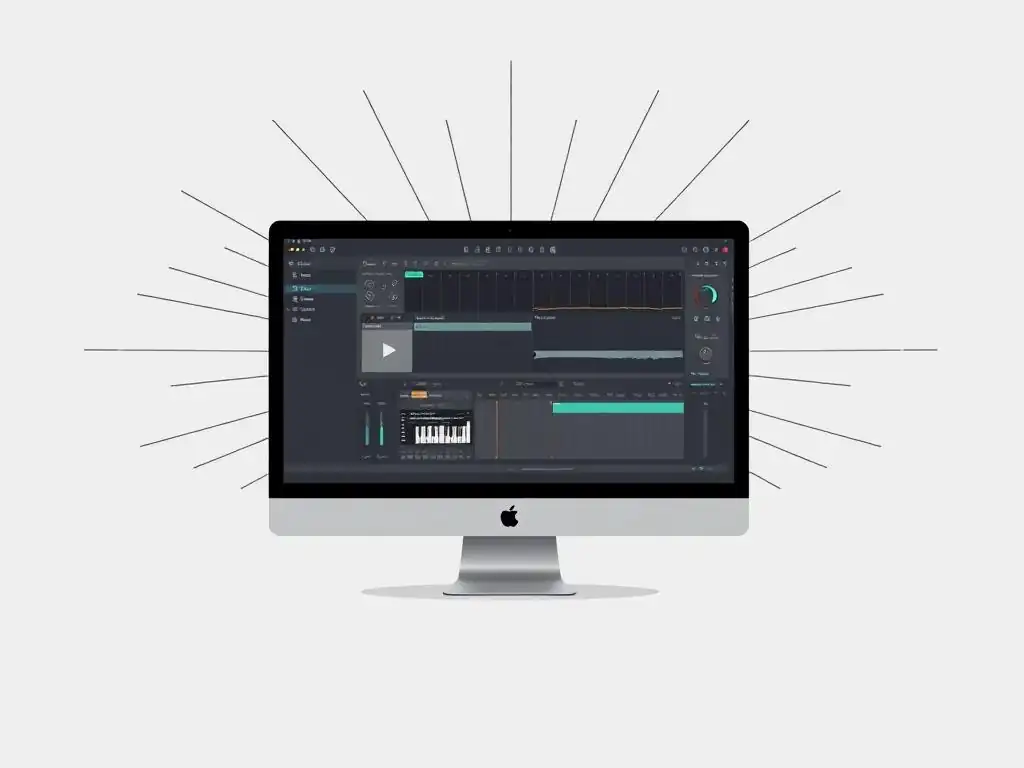
Logic Pro X, a powerful Digital Audio Workstation (DAW), can seem daunting initially. However, several online courses are designed to guide beginners to professional proficiency efficiently. Effective courses emphasize a step-by-step approach, breaking down complex concepts into manageable modules. Successful online learning in this context involves a balance between theoretical understanding and practical application.
Many courses start with fundamental concepts like setting up projects, understanding the interface, and navigating basic audio editing tools. They then progress to more advanced topics such as MIDI sequencing, mixing, mastering, and using advanced plugins and effects. The key to learn music software online fast with Logic Pro X is consistent practice and focused learning.
A strong curriculum will incorporate real-world projects, allowing you to apply your newly acquired skills to create your own music. This practical application is crucial for reinforcing your understanding and building confidence. Furthermore, access to instructor feedback and support is essential for addressing any challenges or misconceptions that arise along the way. The best courses will offer a blend of video tutorials, downloadable resources, and interactive exercises to cater to diverse learning styles.
Unlocking Ableton Live's Power: Comprehensive Online Courses
Ableton Live, known for its intuitive workflow and powerful features, is a popular choice among electronic music producers. Online courses designed to teach Ableton Live emphasize its unique capabilities, such as its session view and clip-based workflow. These courses often focus on building a strong foundation in the software's core functionalities before moving onto more advanced techniques.
Effective courses for Ableton Live will cover topics such as creating and manipulating MIDI clips, working with audio clips, using Ableton's built-in instruments and effects, and understanding the intricacies of its session view. The ability to learn music software online fast with Ableton Live is directly related to the quality of the course's project-based learning component. Many courses include projects designed to challenge learners and provide practical experience in areas such as sound design, beat making, and music arrangement.
Furthermore, mastering Ableton Live's unique features like warping, automation, and its extensive library of effects requires dedicated practice. Therefore, access to instructor feedback and a supportive learning community are essential for overcoming challenges and accelerating the learning process. A good course will provide a balance of structured learning and creative exploration, enabling users to quickly gain proficiency.
Producing Hit Tracks with FL Studio: Expert Online Tutorials
FL Studio, a widely used DAW, is renowned for its intuitive interface and powerful features particularly suited for hip-hop, electronic, and trap music production. Online tutorials focusing on FL Studio often emphasize its pattern-based workflow and its strong built-in instruments and effects. Many courses are designed to take users from complete beginners to creating professional-sounding tracks in a relatively short amount of time.
Effective courses for FL Studio typically cover fundamental concepts such as setting up projects, understanding the piano roll, working with samples and loops, and using FL Studio's built-in synthesizers. They then progress to more advanced topics such as mixing, mastering, and creating complex arrangements. The goal of many of these courses is to equip users with the skills to learn music software online fast and produce high-quality music.
The speed of learning is significantly impacted by the quality of the teaching materials. Interactive exercises, practical projects, and regular feedback from instructors are essential for effective learning. A good FL Studio course will also cover advanced techniques such as automation, sound design, and using external plugins, enabling users to create professional-sounding tracks. The focus on practical application and consistent feedback allows for rapid skill acquisition and confident music production.
Exploring the World of Digital Audio Workstations (DAWs) Online
Digital Audio Workstations (DAWs) are the heart of modern music production. They're the software environments where musicians compose, record, edit, mix, and master their audio creations. Learning a DAW effectively is crucial for anyone serious about music production, and online courses offer a fantastic avenue for fast-paced learning. Many platforms offer structured curricula, covering everything from the basics of audio interface setup to advanced mixing techniques.
This structured approach, unlike learning through scattered YouTube tutorials, ensures a comprehensive understanding of the software's capabilities. The best online DAW courses often incorporate hands-on projects, allowing students to immediately apply their newly acquired knowledge. This practical application is key to solidifying understanding and building confidence. Furthermore, many courses offer personalized feedback from instructors, addressing individual challenges and accelerating the learning process.
The ability to learn at your own pace, revisiting challenging sections as needed, is a significant advantage over traditional classroom settings. This flexibility is particularly beneficial for busy individuals who want to "learn music software online fast." Choosing the right DAW is also important; popular options like Ableton Live, Logic Pro X, Pro Tools, FL Studio, and GarageBand each have their strengths and weaknesses, catering to different workflows and musical styles. Online courses often specialize in one or two specific DAWs, allowing for in-depth mastery.
Coursera and edX: Structured Learning for Music Production Software
Platforms like Coursera and edX offer a wealth of courses on music production, often taught by renowned industry professionals. These courses frequently integrate video lectures, downloadable resources, and interactive exercises, providing a comprehensive learning experience. The structured format of these platforms facilitates a systematic approach to learning, ensuring that students acquire a strong foundation before moving on to more advanced concepts.
Many courses on these platforms are self-paced, allowing learners to progress at their own speed and revisit concepts as needed, making them ideal for those who want to learn at their own rhythm. The advantage of Coursera and edX lies in their rigorous curriculum and often accredited certifications, which can be valuable for career advancement in the music industry. However, the structured nature might feel restrictive to some learners who prefer a more flexible approach.
The cost of these courses can also be a factor to consider, although many offer financial aid options for eligible students. Furthermore, the focus is often broader than just one specific DAW, providing a more holistic understanding of music production principles applicable across different software. This approach is beneficial for aspiring producers who want a solid theoretical base before diving deep into a single DAW.
YouTube Channels and Tutorials: A Free and Flexible Resource for Learning Music Software Online Fast
While structured online courses offer a systematic approach, YouTube channels and tutorials provide a free and flexible alternative for learning music software. Many talented producers and educators share their knowledge through free video tutorials, covering a wide range of DAWs and techniques. The accessibility and sheer volume of available content make YouTube a valuable resource for those looking to "learn music software online fast."
However, the fragmented nature of YouTube tutorials can make it challenging to build a comprehensive understanding. The lack of structured learning paths and inconsistent quality of tutorials can lead to a disjointed learning experience. It requires significant self-discipline and critical thinking to sift through the vast amount of content and identify reliable sources.
Nevertheless, for those willing to invest the time and effort, YouTube offers a vast library of knowledge, covering niche topics and specific software features that might not be covered in formal courses. Supplementing a structured online course with YouTube tutorials can be a powerful strategy for accelerated learning. The ability to find quick solutions to specific problems, understand specific workflows, and learn tips and tricks makes YouTube a valuable adjunct to formal learning.
Accelerated Learning Techniques for Music Software Mastery
Learning music software quickly isn't about endless hours of practice; it's about smart practice. This section explores techniques to accelerate your learning curve and master your chosen Digital Audio Workstation (DAW) – whether it's Ableton Live, Logic Pro X, FL Studio, or Pro Tools – efficiently. The key is focused, deliberate learning, not just mindless repetition. Think of it as learning to speak the language of music software, not just memorizing its vocabulary. This approach will help you learn music software online fast.
Effective Practice Strategies for Rapid Skill Acquisition in Music Production
Effective practice hinges on structured sessions. Instead of aimless clicking, focus on mastering one specific skill at a time. For instance, dedicate a 30-minute session solely to mastering the MIDI editor, focusing on quantizing and editing MIDI notes. The next session could be dedicated to mastering automation, learning to automate volume, panning, or effects. This targeted approach prevents overwhelm and fosters a sense of accomplishment. Remember the Pareto Principle (80/20 rule): Identify the 20% of features that yield 80% of your desired results and prioritize mastering those first.
Another crucial aspect is incorporating active recall. After completing a lesson or module, close your software and try to recreate what you learned from memory. This forces your brain to actively retrieve the information, strengthening the neural pathways and improving retention. Regularly test yourself – quizzing yourself on keyboard shortcuts, workflow processes, and common functions will dramatically improve your speed and efficiency.
Finally, don't be afraid to experiment! Once you've grasped the fundamentals, try creating your own projects, even if they're simple. This hands-on application solidifies your knowledge and helps you develop your creative workflow. Think of it as "learning by doing," a highly effective method for mastering any software.
Time Management Techniques for Busy Musicians Learning Online
Juggling a busy schedule with online music production courses requires strategic time management. The ability to learn music software online fast often depends on effective time allocation. Consider using the Pomodoro Technique: 25 minutes of focused learning followed by a 5-minute break. This technique helps maintain concentration and prevents burnout. Batch similar tasks together – dedicate specific days to theory, others to practical application, and so on.
Prioritize your learning goals. Create a realistic learning plan outlining specific skills to acquire within set timeframes. Break down large tasks into smaller, manageable steps. This prevents feeling overwhelmed and allows for consistent progress. For example, instead of aiming to "master mixing," aim to "master EQing vocals in one week." Celebrate small victories along the way!
Building a Strong Foundation: Essential Music Theory for Beginners
While many DAW tutorials focus solely on software features, a solid understanding of music theory significantly accelerates your progress. Understanding basic concepts like scales, chords, rhythm, and harmony allows you to make more informed creative decisions within the software. It's like learning the grammar before writing a novel. You can learn music software online fast, but without the underlying theoretical knowledge, your musical expression will be limited.
Consider supplementing your DAW tutorials with dedicated music theory courses. Many free resources are available online, offering structured lessons covering fundamental concepts. Even a basic understanding of these concepts will dramatically improve your ability to create meaningful and well-structured music. Focus initially on understanding major and minor scales, common chord progressions, and basic rhythmic notation. This foundational knowledge will translate directly into more efficient and creative music production within your chosen DAW. Think of it as building a strong foundation upon which to build your musical expertise.
Monetizing Your New Skills: Turning Passion into Profit
Learning music software online fast isn't just about personal enrichment; it's a pathway to exciting professional opportunities. Mastering digital audio workstations (DAWs) like Ableton Live, Logic Pro X, or Pro Tools opens doors to various income streams. This section explores practical strategies to transform your newfound skills into a profitable venture. We'll examine different avenues for leveraging your expertise and building a sustainable career in music production. The key is to identify your strengths and tailor your approach accordingly. Don't just learn music software online fast; profit from it.
Creating and Selling Your Own Music Online: Platforms and Strategies
Once you've honed your skills using online courses to learn music software online fast, creating and selling your own music becomes a viable option. Numerous platforms cater to independent artists, offering varying levels of control and revenue sharing. Consider these factors when choosing a distribution platform:
- Reach: How many potential listeners does the platform expose your music to? Larger platforms like Spotify and Apple Music boast massive user bases but often have lower royalty rates.
- Royalties: What percentage of your streaming revenue do you retain? This varies significantly between platforms.
- Control: Do you retain ownership of your master recordings? Some platforms offer more control over your music's licensing and distribution.
- Ease of use: How user-friendly is the platform's interface for uploading, managing, and promoting your music?
A smart strategy involves diversifying your distribution across multiple platforms to maximize your reach and revenue. Beyond streaming services, consider selling digital downloads directly from your website or through platforms like Bandcamp, which often offer higher royalty rates and more control. Remember to meticulously track your earnings from each platform to optimize your strategy. Effective marketing and promotion are crucial for success in this competitive landscape. Consider using social media marketing, targeted advertising, and email marketing to reach your audience.
Offering Music Production Services: Building a Client Base
Your proficiency in music software, gained by learning music software online fast, is a valuable service in itself. Many aspiring musicians and bands require assistance with recording, mixing, mastering, or even songwriting. Building a client base requires a multi-pronged approach:
- Networking: Connect with other musicians through online forums, social media groups, and local music scenes. Word-of-mouth referrals are invaluable.
- Portfolio: Showcase your best work through a professional-looking online portfolio. Include samples of your mixing, mastering, and production work.
- Pricing: Research industry rates and set competitive prices for your services. Consider offering tiered packages to cater to different budgets.
- Client communication: Maintain clear and professional communication with your clients throughout the entire production process.
Consider creating a website or using a freelance platform to advertise your services. Clearly outlining your services, pricing, and process will attract potential clients. Positive reviews and testimonials are crucial for building trust and credibility. Providing excellent service and exceeding client expectations will lead to repeat business and referrals. Remember to protect your intellectual property and always have a clear contract in place before starting any project.
Collaborating with Other Musicians: Expanding Your Network
Collaboration is a powerful tool for growth, especially when you’re learning music software online fast. Working with other musicians exposes you to new ideas, expands your network, and potentially opens doors to new opportunities. Consider these collaborative avenues:
| Collaboration Type | Benefits | Potential Challenges |
|---|---|---|
| Songwriting | Shared creative vision, expanded musical ideas | Differing creative visions, scheduling conflicts |
| Remixing | Exposure to new audiences, creative challenge | Copyright issues, creative differences |
| Joint Production | Shared workload, diverse skill sets | Communication barriers, differing work styles |
| Live Performances | Expanded audience reach, performance experience | Logistics, coordination, technical difficulties |
Building strong relationships with other musicians is key. Attend industry events, participate in online communities, and actively seek out collaborators who share your creative vision and work ethic. Effective communication and mutual respect are crucial for successful collaborations. Remember that even seemingly small collaborations can lead to significant opportunities down the line. The ability to collaborate effectively, honed through practice, is a valuable asset in the music industry.
Real-World Success Stories: Music Producers Who Mastered Software Online
This section showcases the transformative power of online music production courses, highlighting how dedicated individuals rapidly acquired the skills needed to succeed in the competitive music industry. Learning music software online fast isn't just a possibility; it's a proven path to professional achievement. We'll examine specific examples of producers who leveraged online learning to achieve remarkable results, proving that with the right approach and resources, mastering complex software is entirely achievable in a relatively short timeframe.
These case studies demonstrate the practical application of effective learning strategies and the tangible rewards of dedicated online study. The journey to becoming a successful music producer is often paved with challenges, but the right online courses can significantly shorten the learning curve and accelerate the path to success.
Case Study 1: Producer X's Journey from Beginner to Chart-Topper
Producer X, initially a complete novice with no prior experience in music production, dreamt of creating chart-topping hits. Instead of investing years in expensive formal education, X opted for a structured online course focusing on [Specific Music Software Name, e.g., Ableton Live]. The course, known for its fast-paced, project-based learning approach, provided X with a comprehensive foundation in music theory, sound design, mixing, and mastering.
Within six months, X had completed the course and produced a demo showcasing a surprisingly polished sound. This demo, directly reflecting the skills honed through the online course, caught the attention of [Record Label Name or relevant industry professional], leading to a record deal and, ultimately, a chart-topping single. X's success demonstrates the efficacy of targeted online learning in accelerating the acquisition of professional-level music production skills.
The key to X's rapid progress was a combination of dedicated practice, consistent engagement with the course material, and the effective structure of the online program. The course's emphasis on practical application, through frequent assignments and projects, allowed X to translate theoretical knowledge into tangible results. This is a testament to how efficiently one can "Learn music software online fast" with the right resources.
Case Study 2: How Producer Y Leveraged Online Courses to Land a Record Deal
Producer Y, already possessing some basic musical knowledge, sought to refine their skills and expand their production capabilities. Facing geographical limitations and financial constraints, Y turned to online courses specializing in [Specific Music Software Name, e.g., Logic Pro X]. Y meticulously selected a course praised for its comprehensive curriculum and experienced instructors, prioritizing a program with a strong focus on industry-standard techniques. The online learning platform provided Y with access to a supportive community of fellow students, fostering collaboration and knowledge sharing.
This collaborative aspect proved invaluable, allowing Y to receive feedback, learn from others' experiences, and stay motivated throughout the learning process. Within a year, Y had not only mastered the software but had also developed a distinctive production style. This newly honed skillset led to a significant improvement in Y's portfolio, ultimately culminating in a record deal with an independent label.
Y's story highlights the importance of choosing a high-quality online course, one that offers a supportive learning environment and aligns with individual learning styles. Y’s experience underscores the realistic possibility of rapidly acquiring the skills needed to succeed in the music industry by learning music software online fast and effectively. The combination of structured learning, peer support, and a dedication to practice propelled Y’s career forward.
Beyond the Basics: Advanced Music Production Techniques Online

This section dives deep into the advanced techniques you can master through online courses to elevate your music production skills beyond the fundamentals. We'll explore how to refine your mixing and mastering, delve into the intricacies of sound design and synthesis, and unlock the secrets to effective music composition and arrangement. Learning these advanced techniques is crucial for anyone serious about creating professional-sounding music and improving their workflow. Remember, the key to successfully "Learn music software online fast" is focusing on targeted learning and efficient practice.
Mastering Mixing and Mastering Techniques Online
Mixing and mastering are often considered the final stages of music production, but they are critically important for achieving a polished and professional sound. Online courses offer a structured approach to mastering these essential skills. Many courses break down the process into manageable steps, covering topics such as:
- EQ (Equalization): Learning to sculpt the frequency spectrum of individual tracks and the overall mix to achieve clarity and balance. This involves understanding concepts like shelving, peaking, and parametric EQ. Effective EQ is crucial for creating space in the mix and avoiding muddiness. Many courses use real-world examples to demonstrate these techniques, such as correcting a muddy bassline or enhancing the presence of vocals.
- Compression: This technique controls the dynamic range of audio signals, making quieter parts louder and louder parts quieter. Understanding different compressor types (like FET, optical, and VCA) and parameters (threshold, ratio, attack, release) is essential for achieving a consistent and powerful sound. Courses will often cover how to use compression to glue drum tracks together or add punch to a bassline.
- Reverb and Delay: These effects add depth and space to your tracks. Learning to use them effectively involves understanding different reverb algorithms (like plate, hall, and room) and delay types (like ping pong and tape delay). Mastering these effects can transform a flat-sounding mix into a rich and immersive listening experience. Online courses often focus on practical applications, showing how to create realistic room ambience or add rhythmic interest with delay.
- Stereo Imaging: This involves strategically placing instruments in the stereo field to create a wide and engaging sound. Understanding panning techniques and stereo widening effects is vital for achieving a balanced and professional-sounding mix. A good online course will cover the principles of stereo imaging and demonstrate how to use them to create a sense of depth and space.
- Mastering Techniques: This final stage involves polishing the entire mix to prepare it for distribution. It often involves applying subtle EQ, compression, limiting, and other processes to optimize the loudness and overall sound quality. Mastering courses often focus on using mastering plugins effectively and understanding the concept of loudness war and how to avoid it.
Advanced Sound Design and Synthesis Online Courses
Sound design is the art of creating and manipulating sounds. Advanced online courses go beyond the basics, exploring sophisticated synthesis techniques and sound manipulation methods. These courses often involve:
- Subtractive Synthesis: This foundational synthesis method involves starting with a complex waveform and subtracting frequencies using filters to shape the sound. Advanced courses may cover techniques for creating unique and interesting sounds using filters, envelopes, and LFOs (Low-Frequency Oscillators). Specific examples might include creating a deep, resonant bass sound or a bright, shimmering pad.
- Additive Synthesis: This method involves combining multiple simple waveforms to create complex sounds. Advanced courses explore the nuances of this technique and its applications in creating unique textures and soundscapes. Learning to use additive synthesis effectively can lead to the creation of incredibly rich and detailed sounds.
- FM (Frequency Modulation) Synthesis: This advanced technique involves modulating the frequency of one oscillator with another, creating complex and evolving sounds. Online courses often cover the theoretical concepts and practical applications of FM synthesis, showcasing how to create sounds ranging from metallic textures to lush pads.
- Granular Synthesis: This relatively modern technique involves manipulating tiny fragments of sound (grains) to create unique textures and soundscapes. Advanced courses explore the possibilities of granular synthesis, showing how to create evolving soundscapes and unconventional sonic textures.
- Sample Manipulation and Processing: Learning advanced techniques for manipulating and processing samples is crucial for creating unique and interesting sounds. This includes using various effects, such as granular synthesis, spectral manipulation, and resampling, to transform existing sounds into something entirely new.
Exploring Music Composition and Arrangement Techniques Online
Music composition and arrangement are crucial for creating compelling and engaging music. Advanced online courses explore these areas in depth, covering:
- Advanced Harmony and Theory: Building upon fundamental music theory, advanced courses delve into more complex harmonic progressions and voice leading techniques. These techniques are essential for creating rich and interesting musical pieces. Specific examples include exploring modal interchange, secondary dominants, and altered chords.
- Melodic Development and Counterpoint: Learning to create memorable melodies and write effective counterpoint (multiple independent melodic lines) is crucial for creating sophisticated and engaging music. Online courses often provide exercises and examples to help students develop their melodic and contrapuntal skills.
- Form and Structure: Understanding musical forms (like verse-chorus, sonata form, etc.) and structuring your compositions effectively is vital for creating cohesive and satisfying musical pieces. Advanced courses often cover sophisticated compositional structures and techniques for creating engaging musical journeys.
- Orchestration and Sound Placement: Learning to effectively arrange your music for different instruments and create a balanced and interesting soundscape is critical for professional-sounding music. Advanced courses cover techniques for utilizing different instruments and creating a cohesive sonic palette.
- Arranging for Different Genres: Understanding the specific arranging conventions of different genres (like pop, rock, jazz, electronic music) is essential for creating music that fits within those styles. Courses may provide genre-specific examples and exercises to help students develop their arranging skills within specific genres.
The path to mastering music software is a journey of continuous learning. By focusing on efficient learning strategies and utilizing high-quality online courses, you can significantly accelerate your progress and achieve your music production goals. Remember, the key is consistent practice and applying what you've learned to your own projects. The ability to "Learn music software online fast" hinges on dedication and a structured approach.
The Ultimate Guide to Choosing the Best Music Software Online Course for YOU
This section dives deep into the practical aspects of selecting the right online course to Learn music software online fast. We'll move beyond the hype and focus on concrete strategies to help you find a program perfectly tailored to your needs and goals. Success in online learning depends heavily on careful planning and realistic expectations. Let's explore how to make the most of your investment.
Considering Your Budget and Learning Style: Finding the Perfect Fit
Choosing the right online course hinges on two critical factors: your budget and your learning style. Ignoring either can lead to frustration and wasted time. Let's unpack these elements:
Budget: Online music production courses vary wildly in price. Some offer introductory modules for under $50, while comprehensive programs can cost several hundred dollars. Before committing, honestly assess your financial resources. Consider:
- Free courses: Many platforms offer free introductory courses or snippets of paid courses. These can be excellent for testing the waters and familiarizing yourself with a specific Digital Audio Workstation (DAW) like Ableton Live, Logic Pro X, or FL Studio before investing in a full program. However, remember that free courses usually lack the depth and personalized support of paid options.
- Payment plans: Reputable platforms often offer payment plans, breaking down the cost into manageable monthly installments. This can make even expensive courses accessible. Look for options that allow you to spread the payments over a reasonable period aligning with your learning timeline.
- Value for money: Don't automatically choose the cheapest option. Look for courses that offer a strong curriculum, experienced instructors, and robust community support. A slightly more expensive course that delivers results is far more valuable than a cheap course that leaves you frustrated and struggling.
Learning Style: Do you thrive in structured environments with clear deadlines, or do you prefer a more flexible, self-paced approach? Consider:
- Structured courses: These courses follow a rigid schedule with set assignments and deadlines. They're ideal for learners who benefit from external accountability and a clear pathway to completion. Expect regular quizzes, projects, and potentially instructor feedback.
- Self-paced courses: These offer greater flexibility, allowing you to progress at your own speed. This is a great option for those with busy schedules or who prefer a less structured learning environment. However, self-discipline is crucial for success with this approach.
- Interactive elements: Look for courses that incorporate interactive exercises, projects, and community forums. Active participation enhances learning and provides opportunities for feedback and collaboration.
Reading Reviews and Comparing Course Curricula: Making an Informed Decision
Once you've considered your budget and learning style, it's time to delve into the specifics of different courses. Don't rush this step; thorough research is essential for learning music software online fast and effectively.
- Read reviews: Look beyond the promotional material and seek out unbiased reviews from actual students. Pay close attention to comments regarding the instructor's teaching style, the course's content, and the overall learning experience. Websites like Reddit and dedicated online learning forums often provide valuable insights.
- Compare curricula: Carefully examine the course outlines of several programs. Ensure the curriculum aligns with your specific goals. Are you focused on music composition, sound design, mixing, mastering, or a combination? The course should provide the necessary skills and knowledge to achieve your aims.
- Check instructor credentials: A qualified and experienced instructor makes all the difference. Look for instructors with proven industry experience and a strong track record of student success. Their expertise will directly impact the quality of your learning experience.
- Assess support systems: A robust support system is crucial, especially for online learners. Look for courses that offer:
- Active community forums for peer-to-peer support.
- Direct access to the instructor for questions and feedback.
- Regular Q&A sessions or live workshops.
This meticulous comparison will help you identify the course that best suits your individual needs and learning objectives.
Investing in Your Future: The Long-Term Benefits of Online Music Production Education
Investing time and resources in online music production education is an investment in your future, offering numerous long-term benefits:
- Career advancement: Proficiency in music software can open doors to various career opportunities, from freelance music production and sound design to working in studios, game development, or film scoring. The ability to learn music software online fast gives you a significant advantage in a competitive field.
- Creative expression: Mastering music software empowers you to bring your musical visions to life. It allows for greater creative control and the ability to experiment with different sounds and techniques.
- Personal enrichment: Learning music production is a rewarding experience, fostering creativity, problem-solving skills, and a deeper appreciation for music technology. The process itself can be incredibly fulfilling.
- Networking opportunities: Many online courses provide opportunities to connect with other students and professionals in the music industry, expanding your network and creating potential collaborations.
- Continuous learning: The music production industry is constantly evolving. Online courses provide a platform for continuous learning, enabling you to stay updated with the latest techniques and technologies.
By carefully considering your options and investing wisely, you can unlock the potential of music software and achieve your creative and professional goals. Remember, the key is to find a course that aligns perfectly with your individual needs and aspirations. 🎼
Frequently Asked Questions (FAQs) about Online Music Production Courses
This section addresses common queries regarding learning music software online, focusing on speed, course selection, and software choices for beginners eager to learn music software online fast. We'll tackle the most pressing questions to help you navigate your learning journey efficiently.
How long does it take to master music software online?
Mastering music software isn't a sprint; it's a marathon. The time it takes depends heavily on several factors: your prior musical experience, the software's complexity, your learning style, and the amount of time you dedicate to practice. A complete beginner with no musical background might need significantly more time than someone already familiar with musical theory and basic audio concepts.
For example, learning the basics of a Digital Audio Workstation (DAW) like GarageBand or Ableton Live's introductory features could take anywhere from a few weeks to a couple of months of consistent, focused study (3-5 hours per week). However, truly mastering the software, including advanced mixing, mastering, sound design, and MIDI manipulation, could take years of dedicated practice and experimentation. Think of it like learning an instrument – you can learn basic chords and melodies quickly, but achieving virtuosity requires extensive practice.
Here's a rough timeline to manage expectations:
- Basic Proficiency (Simple Projects): 2-4 months (10-15 hours per week)
- Intermediate Skills (Complex Projects): 6-12 months (5-10 hours per week)
- Advanced Mastery (Professional-Level Work): 2+ years (variable hours, consistent practice crucial)
Remember, consistency is key! Short, regular practice sessions are far more effective than sporadic, intense cramming. The goal is to build a solid foundation and gradually expand your skill set. Don't get discouraged if you don't become a pro overnight; celebrate small victories along the way.
What are the best online music production courses for beginners?
Choosing the right online course is crucial for learning music software online fast and effectively. The "best" course depends on your learning style, budget, and specific software goals. However, several platforms consistently receive high praise for their beginner-friendly approaches:
Many platforms offer introductory courses, often focusing on specific DAWs. Look for courses with:
- Structured Curricula: A well-defined learning path with clear objectives.
- Hands-on Projects: Practical exercises to reinforce concepts.
- Supportive Community: A forum or group where you can ask questions and interact with other students.
- Instructor Interaction: Opportunities to get feedback from instructors.
- Beginner-Focused Content: Courses explicitly designed for those with little to no experience.
Consider checking reviews and comparing courses before committing. Look for testimonials from other beginners who have successfully learned music software online fast using the platform.
What software should I learn first?
The best music software for beginners often prioritizes ease of use and a gentle learning curve. Some popular options include:
- GarageBand (macOS): Free, intuitive, and excellent for beginners. It's pre-installed on Macs, making it an accessible entry point.
- Ableton Live Lite (Often bundled with audio interfaces): A powerful DAW with a simplified interface for beginners, often included with the purchase of audio equipment.
- Logic Pro X (macOS): A professional-grade DAW with a strong learning curve, but offers extensive features once mastered.
- Cakewalk by BandLab (Windows): Free, feature-rich DAW for Windows users.
The choice depends on your operating system and budget. Starting with a free or bundled option allows you to explore music production without a significant financial commitment. Once you've grasped the fundamental concepts, you can explore more advanced software if needed. Focus on understanding the core principles of music production—arranging, mixing, mastering—rather than getting bogged down in the specifics of one particular software. Many concepts transfer across different DAWs. Learning one well will make learning others significantly easier.
Frequently Asked Questions
How quickly can I learn music software using online courses?
The speed of learning depends on your prior experience, dedication, and the course's structure. Some courses offer accelerated learning paths, allowing you to grasp the basics relatively quickly. Consistent practice is key.
What are the best online platforms for learning music software?
Many platforms offer high-quality courses, including Coursera, Udemy, Skillshare, and dedicated music production schools' online offerings. Consider reading reviews and comparing course curricula before enrolling.
Are online courses sufficient for mastering music software, or do I need in-person instruction?
Online courses are a great starting point and offer flexibility and affordability. However, supplementary resources like tutorials and community forums can enhance your learning. In-person instruction can be beneficial, but isn't strictly necessary.
What specific software is covered in these online courses?
Courses often focus on popular Digital Audio Workstations (DAWs) like Ableton Live, Logic Pro X, Pro Tools, and FL Studio. Check the course description to ensure it covers the software you want to learn.
How much time should I dedicate daily to effectively learn music software online?
Even 30-60 minutes of focused practice daily can yield significant progress. Consistency is more important than spending hours sporadically. Set realistic goals and track your progress to stay motivated.
Final Reflection: Unlocking Your Musical Potential Through Online Learning
The democratization of music production, fueled by readily available online courses, is reshaping the industry and empowering a new generation of creators. No longer is mastery of music software the exclusive domain of those with access to expensive studios and formal training; the tools are now within reach, and the potential is limitless.
The impact of online music production education is profound. It's not just about learning software; it's about fostering creativity, building community, and providing pathways to professional success for individuals who might otherwise lack opportunity. The only way to do great work is to love what you do.
- Steve Jobs. This rings especially true in the context of music production, where passion fuels the long hours and dedication required to master the craft. The accessibility of online courses allows more people to discover and nurture that passion, leading to a richer and more diverse musical landscape.
Now, consider your own musical journey. What are your aspirations? What melodies are waiting to be born? Don't let the perceived complexity of music software hold you back. Embrace the power of online learning, explore the vast resources available, and unlock your creative potential. The world is waiting to hear your unique voice.
Unleash Your Inner Music Maestro: Level Up Your Skills Today!
Thank you for exploring the world of music software! You've gained valuable insights into enhancing your skills and boosting your creativity. Now it's time to apply that knowledge.
Here's how to progress:
- Enroll in a beginner-friendly music software course. This is the key to unlocking a new level of musical expression. Don't just read about it—experience the joy of creating music!
- Share your musical journey on social media. Inspire others by using a relevant hashtag like #MusicProductionJourney.
- Challenge yourself: Create a short musical piece using the techniques you've learned. If you're comfortable, share your work in the comments below! We'd love to hear it.
Ready to transform your musical potential? What song will you create first?