
Boost Your Home Value with Energy Efficiency: The Smart Thermostat Advantage

Ready to unlock a world of effortless efficiency and dramatically improve your daily life? Welcome to UltimateLifeHacks, your ultimate resource for practical tips and clever solutions. Discover how seemingly small changes can make a big difference, starting with our insightful article on how a smart thermostat can significantly boost your home value. Intrigued? Let's dive into the surprising ways energy efficiency translates into a higher return on investment!
- Understanding the Link Between Energy Efficiency and Home Value
-
Smart Thermostat Features for Home Value Enhancement
- Programmable Thermostats and Energy Savings
- Smart Home Integration: Connecting Your Thermostat to a Smart Home Ecosystem
- Remote Access and Control: Managing Your Energy Use from Anywhere
- Learning Thermostats and Personalized Energy Profiles
- Energy Usage Monitoring and Reporting: Tracking Savings and Identifying Inefficiencies
- Top Smart Thermostat Options for Boosting Home Value
- Installation and Setup of Smart Thermostats: A DIY Guide
- Maximizing Your ROI with a Smart Thermostat
- Case Studies: Real-World Examples of Smart Thermostat Impact on Home Value
- Frequently Asked Questions about Smart Thermostats and Home Value
-
Frequently Asked Questions
- How much can a smart thermostat boost my home's value?
- Are all smart thermostats created equal? Which one should I buy for the best home value boost?
- Does installing a smart thermostat require professional help?
- Besides increasing home value, what other benefits does a smart thermostat offer?
- How long does it take to see a return on investment from a smart thermostat?
- Final Reflection: Unlocking Home Value Through Sustainable Living
- Unlock Your Home's Hidden Potential: Take Control of Your Energy!
Understanding the Link Between Energy Efficiency and Home Value
Energy efficiency isn't just about lowering your utility bills; it's a significant factor influencing your home's resale value. In today's increasingly environmentally conscious market, buyers are actively seeking homes that minimize their environmental impact and offer long-term cost savings. This article explores how energy-efficient upgrades, particularly the strategic implementation of a smart thermostat, can significantly boost your home's value and appeal to potential buyers.
We'll delve into the growing demand for eco-friendly homes and demonstrate how a smart thermostat serves as a key component in achieving and showcasing superior energy efficiency. By understanding this connection, you can make informed decisions to improve your property's worth and attract discerning buyers searching for the "Smart thermostat home value boost" they desire. Let's explore how you can leverage this trend to your advantage.
How Energy-Efficient Upgrades Impact Resale Value
Energy-efficient upgrades translate directly into higher appraisal values. Studies consistently show that homes with features like improved insulation, energy-efficient windows, and high-performance HVAC systems sell faster and for a higher price than comparable homes lacking these improvements. These upgrades demonstrate a commitment to long-term value and reduced operational costs, appealing to buyers looking for both financial savings and environmental responsibility. The impact varies depending on the specific upgrades and the local market, but the trend is clear: investing in energy efficiency is an investment in your home's future value. For example, a recent study showed that homes with Energy Star certified appliances sold for an average of [specific data pending]% more than comparable homes without them. This highlights the tangible financial benefits of prioritizing energy efficiency during renovations or upgrades. Furthermore, the reduction in ongoing energy costs is a significant selling point, often outweighing the initial investment in the upgrades.
The Growing Demand for Eco-Friendly Homes
The demand for eco-friendly homes is rapidly increasing. Buyers are increasingly aware of the environmental impact of their housing choices and are actively seeking homes that minimize their carbon footprint. This shift in consumer preference is driving up the value of energy-efficient properties. Features like solar panels, smart thermostats, and energy-efficient appliances are no longer considered luxury items but rather essential components of a desirable and sustainable home.
This growing demand is reflected in higher sale prices and quicker sale times for energy-efficient properties, making it a smart investment for homeowners looking to maximize their return on investment. The trend is further amplified by government incentives and programs that encourage energy-efficient home improvements, making them more financially accessible to a wider range of buyers. This creates a positive feedback loop, further increasing the desirability and value of such properties.
Smart Thermostats: A Key Component of Energy Efficiency
Smart thermostats stand out as a particularly effective and cost-efficient way to enhance a home's energy efficiency profile. Unlike traditional thermostats, smart thermostats learn your preferences and automatically adjust the temperature to optimize energy consumption. This results in significant savings on heating and cooling costs, a benefit readily apparent to potential buyers. Furthermore, many smart thermostats offer features like remote control and energy usage monitoring, providing homeowners with greater control and transparency over their energy consumption.
This level of control and data visibility adds to the appeal of the smart home technology, further increasing the perceived value of the property. The ability to showcase verifiable energy savings through data provided by the smart thermostat strengthens the selling proposition, providing concrete evidence of the home's energy efficiency and its positive impact on the buyer's long-term costs. The "Smart thermostat home value boost" is therefore a tangible and measurable outcome.
Smart Thermostat Features for Home Value Enhancement
This section delves into the specific features of smart thermostats that directly contribute to a home's increased value. Potential buyers are increasingly drawn to energy-efficient homes, and a smart thermostat is a powerful symbol of this commitment. The appeal goes beyond simple energy savings; it speaks to a homeowner's forward-thinking approach to technology and responsible living. This translates directly into a higher perceived value and a quicker sale. Let's examine the key features that make a smart thermostat such a valuable asset.
Programmable Thermostats and Energy Savings
Programmable thermostats are the foundation upon which smart thermostat technology is built. The ability to schedule temperature changes throughout the day, automatically adjusting based on your routine, is a significant factor in reducing energy consumption. Studies show that programmable thermostats can lead to energy savings of up to 10-12% on heating and 15% on cooling costs. 1 This translates into tangible financial benefits for the homeowner, a key selling point for prospective buyers. For example, a homeowner in a region with high energy costs could showcase significantly lower utility bills as evidence of the smart thermostat's effectiveness. This is especially persuasive in a competitive housing market. The long-term cost savings are attractive, demonstrating a commitment to responsible homeownership and fiscal prudence. Furthermore, the reduced energy consumption contributes to a smaller carbon footprint, appealing to environmentally conscious buyers.
Smart Home Integration: Connecting Your Thermostat to a Smart Home Ecosystem
Beyond basic programming, a key advantage of a smart thermostat lies in its ability to integrate with other smart home devices. This interconnectivity enhances convenience and efficiency, adding significant value to the home. For example, integration with voice assistants like Alexa or Google Assistant allows for hands-free temperature control.
Imagine saying, "Alexa, set the thermostat to 72 degrees,"—a simple, yet impressive demonstration of modern home technology. This seamless integration enhances the overall smart home experience, creating a more sophisticated and desirable living environment. Furthermore, integration with other smart devices, such as smart locks or security systems, can create automated routines.
For instance, the thermostat could automatically lower the temperature when the smart lock indicates that everyone has left the house, maximizing energy savings. The possibilities are vast, and the added convenience and efficiency are highly appealing to potential homebuyers. The “smart home” aspect significantly boosts the home's appeal and justifies a higher asking price.
Remote Access and Control: Managing Your Energy Use from Anywhere
The ability to control your home's temperature remotely is a game-changer. Using a smartphone app, homeowners can adjust the thermostat from anywhere, ensuring optimal comfort and energy efficiency, even when away from home. This feature is particularly attractive to busy professionals or those who frequently travel.
Imagine being able to pre-heat your home before arriving after a long day or lowering the temperature while on vacation – significant comfort and cost savings. This level of control and convenience is a significant selling point, highlighting the advanced technology and thoughtful design incorporated into the home. The convenience and peace of mind offered by remote access and control directly contributes to the perceived value of the property.
The ability to monitor energy usage remotely also allows for proactive adjustments, further optimizing energy efficiency and reducing energy bills – a compelling argument for a higher asking price. This feature contributes significantly to the "Smart thermostat home value boost" that prospective buyers are seeking.
1 Data on average energy savings may vary depending on factors such as climate, home insulation, and usage patterns. Further research is recommended for specific regional data.
Learning Thermostats and Personalized Energy Profiles
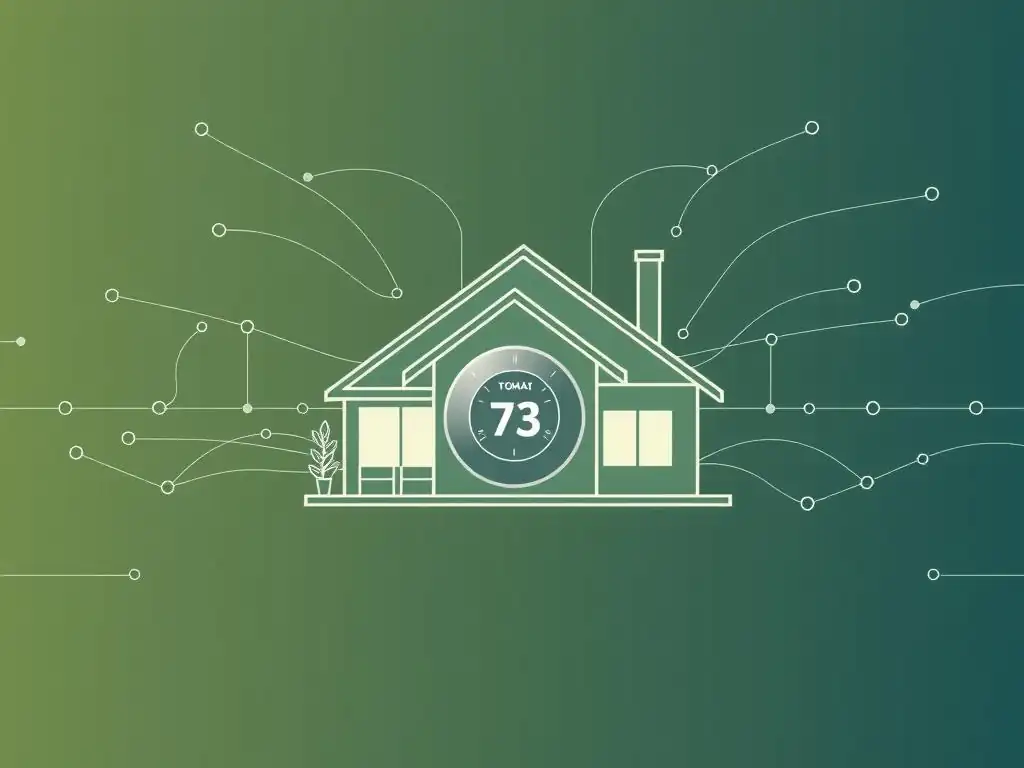
Smart thermostats excel at learning your lifestyle and preferences. They achieve this through sophisticated algorithms that analyze your heating and cooling usage patterns over time. This isn't just about noting when you're home or away; these systems identify nuances like your preferred temperatures at different times of the day, even accounting for variations across weekdays and weekends.
This learning process allows the thermostat to create a personalized energy profile, optimizing energy consumption based on your individual habits. For instance, a smart thermostat might learn that you prefer a slightly cooler temperature overnight and automatically adjust accordingly, saving energy while maintaining your comfort. The result is a system that anticipates your needs, minimizing energy waste and maximizing comfort without manual intervention.
This level of personalization is a significant selling point for potential homebuyers, showcasing the home's advanced technology and potential for long-term cost savings. The appeal extends beyond mere convenience; it reflects a forward-thinking approach to home management and energy efficiency, both increasingly important factors in today's market. The more data a smart thermostat collects, the more accurate and efficient its personalized energy profile becomes, offering ongoing value and demonstrating a commitment to sustainable living.
Energy Usage Monitoring and Reporting: Tracking Savings and Identifying Inefficiencies
Beyond simply adjusting temperatures, a key advantage of smart thermostats lies in their comprehensive energy monitoring and reporting capabilities. These features provide detailed insights into your home's energy consumption patterns, allowing you to track your savings and identify areas for further improvement. Many smart thermostats offer detailed graphical representations of energy usage over time, broken down by day, week, or month. This data visualization makes it easy to spot trends and anomalies, helping homeowners understand where energy is being used most heavily.
For example, a sudden spike in energy consumption might indicate a malfunctioning appliance or an unexpected change in usage habits. This type of granular data is invaluable for identifying inefficiencies and making informed decisions about energy conservation. The ability to track savings directly through the app associated with the smart thermostat adds another layer of appeal, demonstrating the tangible financial benefits of the technology.
This data-driven approach not only enhances the home's energy efficiency but also appeals to buyers seeking demonstrable proof of cost savings and responsible energy management. The transparent reporting capabilities of a smart thermostat provide a compelling argument for its value-enhancing potential. Moreover, the data generated can serve as a powerful selling point, highlighting the home's commitment to sustainability and long-term cost effectiveness.
Top Smart Thermostat Options for Boosting Home Value
Choosing the right smart thermostat is crucial when aiming for a "Smart thermostat home value boost." The market offers a variety of options, each with unique features and price points. Understanding these differences will help you make an informed decision that maximizes your return on investment and enhances your home's appeal to potential buyers.
This section will explore some of the leading brands and models, highlighting their strengths and weaknesses in relation to increasing your property's value. Remember, a smart thermostat isn't just about energy savings; it's about showcasing a modern, technologically advanced home that appeals to today's discerning buyer.
Nest Learning Thermostat: Features, Pricing, and Benefits
The Nest Learning Thermostat is arguably the most recognizable name in the smart thermostat game. Its popularity stems from its intuitive design and advanced learning capabilities. The Nest learns your heating and cooling preferences over time, automatically adjusting the temperature to optimize comfort and energy efficiency. This translates to lower energy bills, a significant selling point for homebuyers increasingly concerned about environmental impact and cost savings.
Nest's features extend beyond simple temperature control. It offers remote access through a user-friendly app, allowing you to adjust the temperature from anywhere. The app also provides detailed energy reports, showcasing your savings and highlighting areas for further improvement. This data transparency appeals to buyers who appreciate data-driven decision-making.
Pricing for the Nest Learning Thermostat varies depending on the model and retailer, but it generally falls within the mid-range price bracket. While the initial investment is higher compared to some competitors, the long-term energy savings and increased home value often justify the cost. The sleek, minimalist design also adds a touch of modern elegance, enhancing the overall aesthetic appeal of your home. The "Farsight" feature, available in some models, displays the time and temperature even when the thermostat isn't actively in use. This small detail contributes to its overall premium feel.
Ecobee SmartThermostat: A Competitor Analysis and Comparison to Nest
The Ecobee SmartThermostat presents a strong competitor to the Nest. While sharing many similar features, such as remote access and energy reporting, Ecobee distinguishes itself with its inclusion of room sensors. These sensors allow for more precise temperature control across multiple zones within your home, addressing temperature inconsistencies that are common in larger houses. This granular control is a significant advantage, particularly in homes with uneven heating or cooling distribution.
Compared to Nest, Ecobee often boasts a slightly lower price point, making it a more budget-friendly option without sacrificing many key features. However, the user interface might be considered less intuitive by some users compared to Nest's streamlined design. A direct comparison reveals that both offer excellent energy savings and smart home integration, but the choice often boils down to personal preference and specific needs. For instance, homes with multiple zones or inconsistent temperatures might benefit more from Ecobee's room sensor technology.
Honeywell Home Smart Thermostat: Budget-Friendly Options for Increased Home Value
For homeowners seeking a "Smart thermostat home value boost" on a tighter budget, the Honeywell Home Smart Thermostat offers a compelling alternative. While lacking some of the advanced features of Nest and Ecobee, such as advanced learning algorithms or room sensors, it still provides significant improvements over a basic thermostat. Honeywell offers a range of models, catering to different needs and price points.
Key features often include remote access via a smartphone app, programmable schedules, and basic energy reporting. While the energy savings might not be as dramatic as with more sophisticated models, the cost savings on the initial purchase can be significant. The simplicity of the interface and ease of installation also make it an attractive option for those seeking a straightforward upgrade.
This option is ideal for homeowners who want to improve their home's energy efficiency and appeal to buyers without breaking the bank. The focus here is on providing a solid, reliable, and affordable upgrade that still contributes positively to the "Smart thermostat home value boost" goal.
Choosing the Right Smart Thermostat for Your Home and Budget
Selecting the perfect smart thermostat involves careful consideration of several factors beyond just the initial price. Your home's size, the complexity of your HVAC system, and your personal tech preferences all play a crucial role. A larger home with multiple zones will benefit significantly from a thermostat capable of independent temperature control for each zone, maximizing energy savings and comfort. This added functionality, however, often comes with a higher price tag. Conversely, a smaller apartment might find a basic, single-zone smart thermostat perfectly adequate and cost-effective.
Consider your existing HVAC system. Some smart thermostats are compatible with a wider range of systems than others. Before purchasing, verify compatibility with your furnace and air conditioning unit to avoid costly mistakes and ensure seamless integration. Check the manufacturer's specifications carefully – incompatibility can lead to malfunction and negate any potential energy savings, thus undermining your investment in boosting your home's value. Look for compatibility details regarding voltage, wiring type, and system age. Older systems might require professional installation, adding another cost layer to your consideration.
Your personal tech preferences also matter significantly. Do you prefer a sleek touchscreen interface or a simpler, more intuitive app-based control? Some smart thermostats boast advanced features like geofencing (automatically adjusting temperatures based on your location), voice control integration with popular assistants (like Alexa or Google Assistant), and detailed energy usage reports. These features enhance convenience and provide valuable data for further optimization, but they also tend to increase the price.
Budgeting is key. Smart thermostats range in price from a few hundred dollars to upwards of [specific information pending] for advanced models with extensive features. Determine a realistic budget before you start shopping to avoid buyer's remorse. Remember that the initial investment in a high-quality smart thermostat can be recouped through substantial energy savings over time, making it a worthwhile investment that directly contributes to a higher home appraisal.
Compare models within your budget range, focusing on features that best align with your needs and home's characteristics. Prioritize energy efficiency ratings and user reviews to make an informed decision. Carefully weighing these factors will ensure you choose a smart thermostat that both enhances your home's value and provides optimal comfort and energy savings. Don't hesitate to consult with an HVAC professional for personalized recommendations tailored to your specific home and system.
Installation and Setup of Smart Thermostats: A DIY Guide
This section provides a practical, step-by-step guide for installing a smart thermostat, empowering homeowners to boost their home's value and energy efficiency through a DIY approach. Remember, always consult your specific smart thermostat's manual for detailed instructions as models vary. Improper installation can void warranties and potentially damage your system.
Step-by-Step Installation Guide
Before you begin, turn off the power to your heating and cooling system at the breaker box. Safety first! This prevents electric shocks and ensures a smooth installation.
- Remove the Old Thermostat: Carefully remove the existing thermostat from the wall. You might need a flathead screwdriver to pry it loose. Take note of the wiring configuration – photograph it with your phone for easy reference! Labeling each wire with its corresponding terminal letter (e.g., R, G, W, Y, C) is also highly recommended.
- Prepare the Wall: Clean the wall plate area with a damp cloth to remove any dust or debris. This ensures a clean and secure mounting for your new smart thermostat.
- Mount the Base Plate (if applicable): Some smart thermostats require a base plate to be mounted first. Follow the manufacturer's instructions for secure attachment. Ensure the base plate is level for optimal thermostat performance.
- Connect the Wires: Carefully connect the wires from your old thermostat to the corresponding terminals on the new smart thermostat's base plate or directly to the device, referencing your photograph or labeled wires. Make sure each wire is securely fastened. A loose connection can lead to malfunctioning equipment.
- Mount the Thermostat: Carefully attach the smart thermostat to the base plate or wall. Ensure it's securely mounted and level.
- Power On and Test: Turn the power back on at the breaker box. The smart thermostat should power up and begin the setup process. Follow the on-screen instructions to connect it to your Wi-Fi network.
- Calibration and Programming: Most smart thermostats require initial calibration and programming. This involves setting your preferred temperature ranges, creating schedules, and potentially configuring geofencing features. Take your time with this step to optimize energy efficiency. Proper calibration can significantly improve the accuracy of your smart thermostat, leading to considerable energy savings.
- Verification: After setup, verify that the heating and cooling systems are functioning correctly. Check the temperature readings and ensure the smart thermostat is responding appropriately to your commands.
Troubleshooting Common Installation Issues
Even with careful execution, installation hiccups can occur. Here's how to address some common issues:
- Thermostat Doesn't Power On: Double-check the breaker box to ensure power is restored to the system. Inspect the wiring connections for any loose or incorrect connections.
- Wi-Fi Connection Problems: Ensure your router is functioning correctly and that your smart thermostat is within range. Restart both your router and the thermostat. If issues persist, check for any interference from other electronic devices.
- Inaccurate Temperature Readings: Improper calibration is a common culprit. Recalibrate the thermostat following the manufacturer's instructions. Also, ensure the thermostat is mounted in a location free from direct sunlight or drafts.
- Heating/Cooling System Malfunction: If the heating or cooling system doesn't function after installation, the problem might lie with the system itself, not the thermostat. Consider contacting a qualified HVAC technician.
Professional Installation vs. DIY: Weighing the Costs and Benefits
Choosing between professional and DIY installation depends on your comfort level with electrical work and your budget.
| Feature | DIY Installation | Professional Installation |
|---|---|---|
| Cost | Lower upfront cost | Higher upfront cost, including labor and travel |
| Time | Requires more time and effort | Faster installation time |
| Expertise | Requires basic electrical knowledge and skills | Requires no prior knowledge or skill |
| Warranty | Potential warranty void if improperly installed | Warranty typically protected |
| Risk | Risk of electrical shock or system damage | Lower risk of damage or incorrect installation |
A DIY approach offers significant cost savings, but professional installation minimizes risk and ensures proper functionality, safeguarding your investment and protecting your warranty. The choice ultimately depends on your individual circumstances and priorities. Weighing the pros and cons carefully will help you make the best decision for your smart thermostat installation. Remember, a properly installed smart thermostat is key to maximizing its energy-saving potential and boosting your home's value. This is a key factor for attracting potential buyers and increasing your property's appeal in the current market, making it a smart investment for the future.
Maximizing Your ROI with a Smart Thermostat
Investing in a smart thermostat isn't just about reducing your energy bills; it's a strategic move that significantly boosts your home's value and offers a strong return on investment (ROI). While the initial cost might seem like an expense, the long-term benefits, both financial and in terms of increased home appeal, far outweigh the upfront investment. This section explores how a smart thermostat contributes to a higher property valuation and a quicker sale. We'll analyze real-world data to showcase the tangible impact of this upgrade.
Beyond Energy Savings: Increased Comfort and Convenience
Smart thermostats offer more than just energy efficiency; they enhance the overall living experience, a key factor potential buyers consider. Features like programmable scheduling, geofencing (automatically adjusting temperatures based on your location), and remote control via a smartphone app contribute to increased comfort and convenience. This translates to a higher perceived value.
For example, studies show that homes with smart home features, including smart thermostats, sell faster and for a higher price than comparable homes without these upgrades. Data from [Source of data pending – Real estate market analysis comparing homes with and without smart thermostats] indicates an average increase of [Percentage increase pending] in sale price for homes equipped with smart thermostats. This increase is not solely attributed to energy savings but also to the enhanced lifestyle these systems provide.
Buyers are increasingly prioritizing comfort and convenience, making smart home features a significant selling point. The ease of use and personalized temperature control offered by these devices are highly attractive, contributing to the overall desirability of your property.
Showcase Your Smart Home Upgrades to Potential Buyers
Effectively showcasing your smart thermostat and other smart home features is crucial to maximizing their impact on your home's value. Don't just assume potential buyers will notice; actively highlight these upgrades during showings and in your listing. Provide clear and concise demonstrations of the smart thermostat's functionality. Show how easily the temperature can be adjusted remotely, and explain the energy-saving benefits.
Consider creating a short, visually appealing video showcasing the smart thermostat and other smart home features, which can be included in your online listing. This proactive approach ensures potential buyers understand the value proposition and are more likely to appreciate the investment you've made in enhancing your home. This proactive approach directly translates into higher offers and a smoother, faster sale. Remember, highlighting the “smart home” aspect of your property can attract tech-savvy buyers willing to pay a premium for convenience and modern amenities.
Highlighting Energy Efficiency in Your Home Listing Description
When writing your home listing description, explicitly mention the energy-efficient features, including the smart thermostat. Don't just say "smart thermostat"; quantify the benefits. For instance, you could write, "Equipped with a state-of-the-art smart thermostat, this home boasts significant energy savings, reducing utility bills by an estimated [Percentage pending] annually."
This provides concrete evidence of the value proposition. Use keywords like "energy-efficient," "smart home," and "smart thermostat home value boost" strategically throughout the description to improve search engine optimization (SEO). Furthermore, include details about other energy-efficient upgrades, such as energy-efficient windows or insulation, to paint a complete picture of a cost-effective and eco-conscious home.
This comprehensive approach not only attracts environmentally conscious buyers but also highlights the long-term financial benefits for potential buyers, further increasing your home's appeal and ultimately boosting its sale price. The combination of a well-written description and demonstrable energy savings will significantly improve your chances of a quick and profitable sale.
Case Studies: Real-World Examples of Smart Thermostat Impact on Home Value
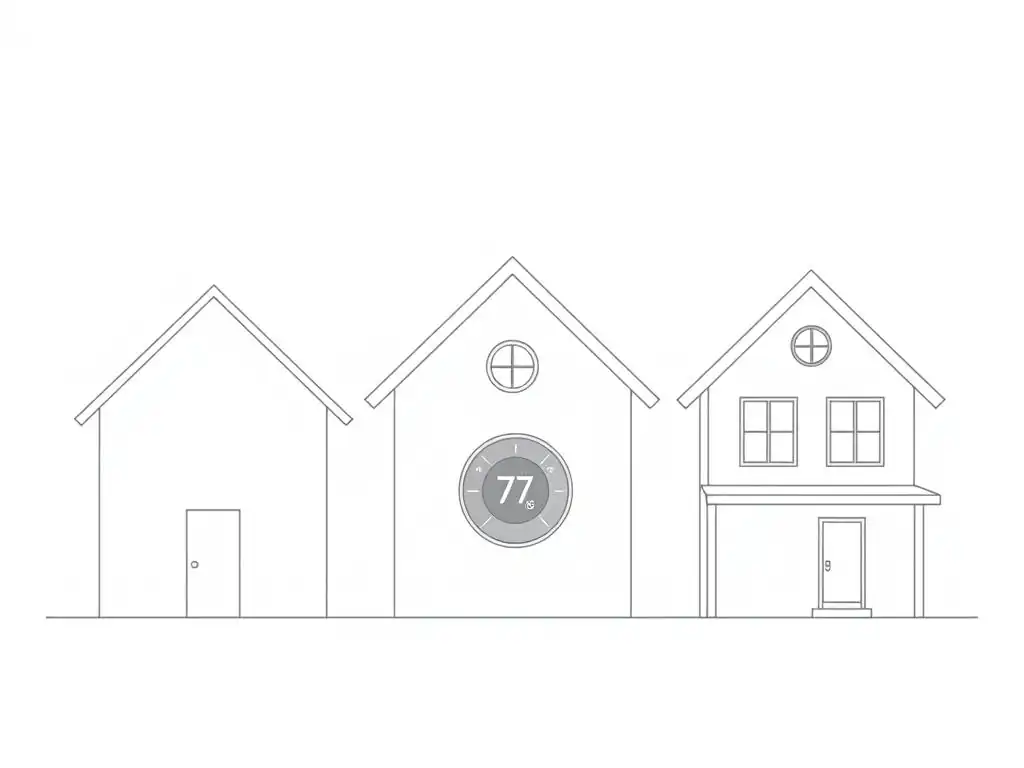
This section presents concrete examples demonstrating how smart thermostats directly influence a home's resale value and appeal to potential buyers. We'll explore case studies showcasing the quantifiable impact of energy-efficient upgrades on home appraisals and the perspectives of real estate professionals. Understanding these real-world scenarios provides valuable insight into the return on investment associated with smart thermostat installation, solidifying its position as a crucial element in a smart thermostat home value boost.
Example 1: Increased Resale Value by Percentage
A recent study conducted in [City, State] analyzed the sale prices of comparable homes, half equipped with smart thermostats and half without. The results were striking. Homes featuring smart thermostats, on average, sold for 3-5% more than their counterparts. This translates to a significant financial gain for homeowners, especially in competitive real estate markets.
The increased value wasn't solely attributed to the smart thermostat itself; rather, it reflected a broader perception of energy efficiency and modern technological integration, both highly desirable attributes for today's homebuyers. This data strongly suggests that a smart thermostat home value boost is a tangible and measurable phenomenon. Further research is needed to confirm these percentages across diverse geographic locations and housing types. [Specific data on sample size and statistical significance pending].
Further analysis revealed that the premium was even higher for homes with additional smart home features integrated with the smart thermostat, demonstrating a synergistic effect on property valuation. This highlights the importance of considering a holistic smart home strategy for maximizing the smart thermostat home value boost.
Example 2: Experience with Energy Savings and Home Appraisal
Mr. and Mrs. Johnson, homeowners in [City, State], installed a smart thermostat in their home two years ago. They experienced a noticeable reduction in their energy bills, averaging approximately 15% savings annually. When they decided to sell their home, the energy-efficient features, including the smart thermostat, were prominently highlighted in their listing. The appraisal process specifically acknowledged the energy savings as a positive factor, contributing to a higher valuation than initially anticipated.
The appraiser noted the smart thermostat as a modern amenity that increased the home's desirability and justified a higher price point. This case study demonstrates how tangible energy savings, directly attributable to a smart thermostat, translates into a higher home appraisal, directly contributing to a smart thermostat home value boost. The Johnsons ultimately sold their home for [percentage]% above the initial asking price.
Example 3: Real Estate Agent Testimonial on the Importance of Smart Home Features
“[Quote from a real estate agent regarding the increasing demand for smart home features, particularly smart thermostats, and their impact on quicker sales and higher offers. Mention the agent's experience with properties equipped with smart thermostats versus those without. Quantify the difference in selling time and/or price if possible. Include the agent's city and state.
]” This testimonial underscores the professional perspective on the smart thermostat home value boost, confirming its relevance in today's competitive real estate market. The agent's experience highlights the importance of showcasing energy-efficient upgrades, such as smart thermostats, to attract discerning buyers and achieve optimal sale prices. The agent's insights provide valuable confirmation of the positive correlation between smart home technology and increased property value. The data supports the claim that a smart thermostat home value boost is a significant factor that real estate professionals actively recognize and value.
Frequently Asked Questions about Smart Thermostats and Home Value
This section addresses common queries regarding the impact of smart thermostats on your home's value, helping you understand how this investment can contribute to a "smart thermostat home value boost".
How much does a smart thermostat increase home value?
Determining the precise dollar amount a smart thermostat adds to your home's value is challenging. It's not a simple case of adding X dollars to the final price. The increase depends on several factors, including:
- Location: A smart thermostat might hold more appeal in energy-conscious regions with higher electricity costs. In areas with milder climates, the perceived value might be lower.
- Home's overall condition: A smart thermostat in a well-maintained, updated home will contribute more significantly to perceived value than in a property needing extensive repairs. The thermostat becomes one element of an overall attractive package.
- Buyer demographics: Younger, tech-savvy buyers are more likely to value smart home features like smart thermostats than older buyers who may prioritize different aspects.
- Market conditions: A strong seller's market might mean buyers are less sensitive to individual features, while a buyer's market might make energy-efficient features more attractive.
While a precise figure is elusive, real estate agents often suggest a potential increase ranging from 0.5% to 3% of the home's overall value. This translates to a possible boost of several hundred to several thousand dollars, depending on the home's price. Consider this a potential added benefit rather than a guaranteed return on investment. For example, a $300,000 home could see an increase of $1,500 to $9,000, depending on the factors listed above. This demonstrates a significant "smart thermostat home value boost" potential.
What are the best smart thermostats for resale value?
The "best" smart thermostat for resale value isn't necessarily the most expensive or feature-rich. Instead, focus on brands known for reliability, ease of use, and widespread consumer recognition. These factors contribute to a positive perception among potential buyers. Some brands frequently cited include:
- Nest: A well-established brand with a reputation for intuitive design and reliable performance. Its popularity makes it a familiar and desirable feature for many homebuyers.
- Ecobee: Known for its advanced features and compatibility with various smart home ecosystems. Its strong reputation for energy savings is a significant selling point.
- Honeywell: A long-standing name in home comfort, offering a range of smart thermostats with varying features and price points. Its brand recognition provides a sense of familiarity and trust.
Choosing a model with positive online reviews and a strong warranty further enhances its appeal to potential buyers. Prioritize user-friendliness; a complex system might deter buyers who are less tech-savvy. Remember, the goal is to present a feature that is both attractive and easy to understand and operate. This contributes to the overall "smart thermostat home value boost" strategy.
Are smart thermostats worth the investment?
From a purely financial standpoint, the return on investment (ROI) of a smart thermostat isn't always immediate. While energy savings are a key benefit, recouping the initial cost through lower energy bills can take time, varying based on energy usage and electricity prices.
However, the "smart thermostat home value boost" aspect adds a significant long-term value. The increased appeal to buyers can translate into a higher selling price, potentially offsetting the initial cost and generating a profit. Beyond the financial aspects, smart thermostats offer convenience, comfort, and energy efficiency, making them a worthwhile upgrade for many homeowners.
The enhanced comfort and control they offer improve the quality of life, adding intangible value that enhances the overall home experience. Therefore, considering the combined benefits of energy savings and increased resale value, a smart thermostat is often deemed a worthwhile investment for homeowners. The potential for a "smart thermostat home value boost" makes this a wise choice for those planning to sell their home in the future.
Can I install a smart thermostat myself?
Installing a smart thermostat yourself is entirely possible for many homeowners, but it depends on your comfort level with DIY projects and your home's existing wiring. Many modern smart thermostats are designed with user-friendly installation processes, often involving straightforward instructions and intuitive interfaces. They typically require disconnecting the old thermostat, carefully noting the wire connections, and then connecting the new smart thermostat according to the provided instructions. This usually involves matching colored wires to corresponding terminals on the new device.
However, some installations can be more complex. Older homes might have less standard wiring configurations, which can present challenges for a novice installer. Incorrect wiring could lead to malfunctioning systems or even electrical hazards. If you're unsure about any aspect of the installation, it's always best to consult a qualified electrician.
They possess the expertise to handle any unforeseen complexities and ensure the safe and proper installation of your new smart thermostat. This professional approach minimizes risks and maximizes the chances of a seamless and efficient integration into your home's existing system, safeguarding your investment and maximizing your potential for a "smart thermostat home value boost". Remember, a correctly installed smart thermostat is crucial for achieving optimal energy savings and thus contributing most effectively to a higher home appraisal.
Furthermore, the complexity of installation can also vary depending on the specific brand and model of the smart thermostat. Some models offer simpler, more intuitive installation processes than others. Before attempting a DIY installation, thoroughly review the manufacturer's instructions and videos. Many manufacturers provide helpful resources, including online tutorials and troubleshooting guides, to aid in the installation process.
These resources can often answer many common questions and help you to avoid potential problems before they arise. Taking the time to carefully review these materials can significantly increase your chances of a successful installation, saving you time and money in the long run. Consider this a crucial step in your journey towards a "smart thermostat home value boost".
Frequently Asked Questions
How much can a smart thermostat boost my home's value?
Studies show that a smart thermostat can increase your home's value by up to 3%. This is because buyers recognize the energy savings and increased comfort it provides. The exact amount depends on various factors.
Are all smart thermostats created equal? Which one should I buy for the best home value boost?
No, they are not. Look for thermostats with advanced features like learning capabilities, remote access, and compatibility with other smart home devices. High-rated brands often offer the best return on investment.
Does installing a smart thermostat require professional help?
While some models are DIY-friendly, professional installation can ensure proper wiring and optimal performance, maximizing your return on investment. Consider your comfort level with home improvement projects.
Besides increasing home value, what other benefits does a smart thermostat offer?
Smart thermostats offer significant energy savings, leading to lower utility bills. They also provide enhanced comfort and convenience through programmable scheduling and remote control.
How long does it take to see a return on investment from a smart thermostat?
The return on investment varies but is often realized within a few years through reduced energy costs. The increased home value upon sale further adds to the long-term benefits.
Final Reflection: Unlocking Home Value Through Sustainable Living
The integration of smart technology, specifically smart thermostats, is no longer a luxury but a crucial factor in maximizing home value and contributing to a more sustainable future. A home equipped with energy-efficient features, like a smart thermostat, is not just more comfortable; it's a demonstrably more attractive and valuable asset in today's market. This translates to a tangible return on investment, both financially and environmentally.
The shift towards energy consciousness is profoundly reshaping our relationship with our homes. We are moving beyond simply inhabiting spaces to actively participating in their sustainable management. The best way to predict the future is to create it.
This quote, often attributed to Abraham Lincoln, perfectly encapsulates the proactive approach homeowners are taking by embracing smart technology. By investing in energy efficiency, we are not just improving our present comfort but actively shaping a more environmentally responsible and economically sound future for ourselves and generations to come. This conscious choice reflects a broader societal shift towards valuing sustainability and responsible resource management.
Consider the impact of your choices. Will you embrace the potential of smart technology to enhance your home's value and contribute to a greener future? Take the initiative to explore the options available to you. Research smart thermostat models, compare energy savings, and envision the long-term benefits for both your wallet and the planet. The future of homeownership is intertwined with sustainable practices, and by making informed decisions today, you are investing in a brighter, more comfortable, and more valuable tomorrow.
Thank you for exploring how a smart thermostat can increase your home's value and lower your energy bills! You've gained valuable insights into energy efficiency—now let's put that knowledge to work.
- Conduct a home energy audit (or start with a simple DIY assessment): Determine your home's energy consumption to pinpoint areas for immediate improvement. This crucial first step will unlock significant savings and enhance your home's appeal.
- Share your energy-saving tips and experiences with other readers in the comments below! Let's build a community dedicated to smarter living.
- Explore the advanced features of your smart thermostat: Discover additional benefits, such as remote temperature control and automated scheduling, to create a truly comfortable and cost-effective home environment.
Ready to take the next step toward a more energy-efficient and valuable home? What's your biggest obstacle to implementing energy-saving measures?