
Packing for a LongTerm Trip: Smart Strategies to Live Out of a Suitcase

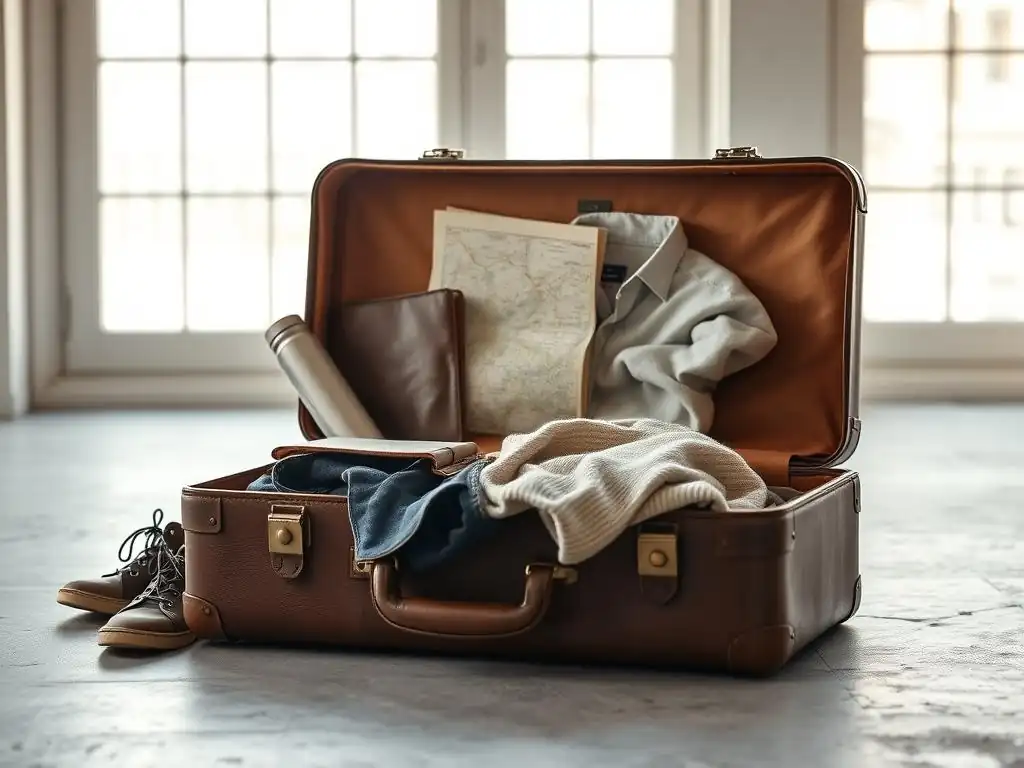
Ready to unlock the secrets to effortless, long-term travel? At UltimateLifeHacks, we're dedicated to simplifying your life and maximizing your potential. Forget the stress of overpacking – discover our expert long term travel packing tips and learn how to conquer the art of living comfortably out of a suitcase. Dive in and uncover the strategies that will transform your next adventure into a seamless and unforgettable experience.
- Mastering the Art of Long-Term Travel Packing: Essential Tips and Tricks
- Optimize Your Packing Space: Smart Techniques for Efficient Organization
- Long-Term Travel Packing: Adapting to Different Climates and Activities
- Maintaining Hygiene and Freshness on the Road: Laundry Strategies for Long-Term Travelers
- Long-Term Travel Packing: Security and Safety Considerations
-
Frequently Asked Questions
- How much clothing should I pack for a long-term trip?
- What are the essential toiletries for long-term travel?
- How do I keep my clothes organized while traveling long-term?
- What are some tips for protecting my valuables while traveling long-term?
- How can I stay on top of laundry while traveling long-term?
- Final Reflection: The Unpacking of a Life Less Ordinary
- Unlock Your Wanderlust: Start Planning Your Dream Trip Today!
Mastering the Art of Long-Term Travel Packing: Essential Tips and Tricks
Embarking on a long-term journey is an exciting prospect, filled with the promise of adventure and self-discovery. However, the logistical challenge of packing for an extended period can feel daunting. This comprehensive guide provides practical, actionable strategies and long term travel packing tips to help you master the art of efficient packing, ensuring you travel light, stay organized, and maximize your experience without being weighed down by excess baggage. We'll explore the best luggage options, create a minimalist packing list tailored for long-term adventures, and address essential considerations for clothing, toiletries, electronics, and important documents.
By following these expert tips, you'll confidently navigate the complexities of long-term travel packing, transforming a potential stressor into a streamlined and enjoyable process. Let's dive into the world of smart packing for long-term travel – your journey starts now! 🎉
Choosing the Right Luggage for Extended Travel: Backpacks vs. Rolling Suitcases
The foundation of successful long-term travel packing lies in choosing the right luggage. The age-old debate: backpack versus rolling suitcase? The answer, as with most travel dilemmas, depends on your individual needs and travel style.
Backpacks offer unparalleled freedom and maneuverability, especially in challenging terrains or crowded public transport. Their weight distribution is generally better, reducing strain on your back and shoulders. However, they can lack organization and accessing items at the bottom can be difficult.
Rolling suitcases, on the other hand, provide superior organization and easy access to your belongings. They're a great choice for smoother travel experiences, especially if you'll be primarily navigating paved surfaces and airports. However, they can be cumbersome in tight spaces or on uneven ground, and their weight distribution is less ideal.
Consider these factors when making your decision:
| Feature | Backpack | Rolling Suitcase |
|---|---|---|
| Maneuverability | High, especially in challenging terrain | Low, especially on uneven surfaces |
| Organization | Moderate, can be improved with packing cubes | High, typically features multiple compartments |
| Weight Distribution | Generally better | Can be less ideal, potentially straining your back |
| Accessibility | Can be challenging for items at the bottom | Easy access to most items |
| Durability | Typically more durable for rough handling | Can be more susceptible to damage |
Ultimately, the best choice depends on your itinerary and personal preferences. For truly adventurous long-term travel involving hiking or exploring remote areas, a durable backpack is often preferred. For travel focused on cities and airports, a well-organized rolling suitcase might be more suitable.
The Minimalist Packing List: Essential Items for Long-Term Adventures
The key to successful long-term travel packing is embracing minimalism. Resist the urge to overpack; instead, focus on versatile items that can be mixed and matched to create multiple outfits. A capsule wardrobe is your best friend here. We'll break down essential categories below.
Clothing Essentials for Long-Term Travel: The Capsule Wardrobe Approach
The foundation of your minimalist packing list is a carefully curated capsule wardrobe. This involves selecting a limited number of versatile clothing items that can be mixed and matched to create a variety of outfits. Prioritize neutral colors and fabrics that are wrinkle-resistant and easy to care for. Consider the climate of your destinations and pack accordingly. A sample capsule wardrobe might include:
- 3-4 pairs of versatile bottoms (jeans, leggings, hiking pants)
- 5-7 tops (t-shirts, blouses, long-sleeved shirts)
- 1-2 lightweight sweaters or jackets
- 1-2 dresses or skirts (optional)
- Underwear and socks for each day, plus a few extra
- Swimsuit (if applicable)
- Comfortable walking shoes
Toiletries and Hygiene: Travel-Sized Essentials and Eco-Friendly Options
Pack travel-sized versions of your essential toiletries to save space and weight. Consider solid toiletries (shampoo bars, conditioner bars) to minimize liquid restrictions and reduce your environmental impact. Remember to check airline regulations regarding liquids before you travel. A reusable water bottle is also essential for staying hydrated.
Electronics and Tech: Smart Packing for Your Gadgets
Limit your electronics to the essentials: a smartphone, a laptop or tablet (if necessary), and a portable charger. Consider a universal travel adapter if you'll be visiting multiple countries. Protect your devices with appropriate cases and consider cloud storage for important data.
Documents and Important Papers: Safeguarding Your Travel Essentials
This is crucial! Make copies of all your important documents (passport, visa, driver's license, travel insurance) and store them separately from the originals. Consider storing digital copies in the cloud as well. Keep your passport and other valuable documents secure at all times, using a money belt or hidden pouch if necessary. Also, remember to inform your bank and credit card companies of your travel plans to avoid any issues with your cards.
Optimize Your Packing Space: Smart Techniques for Efficient Organization
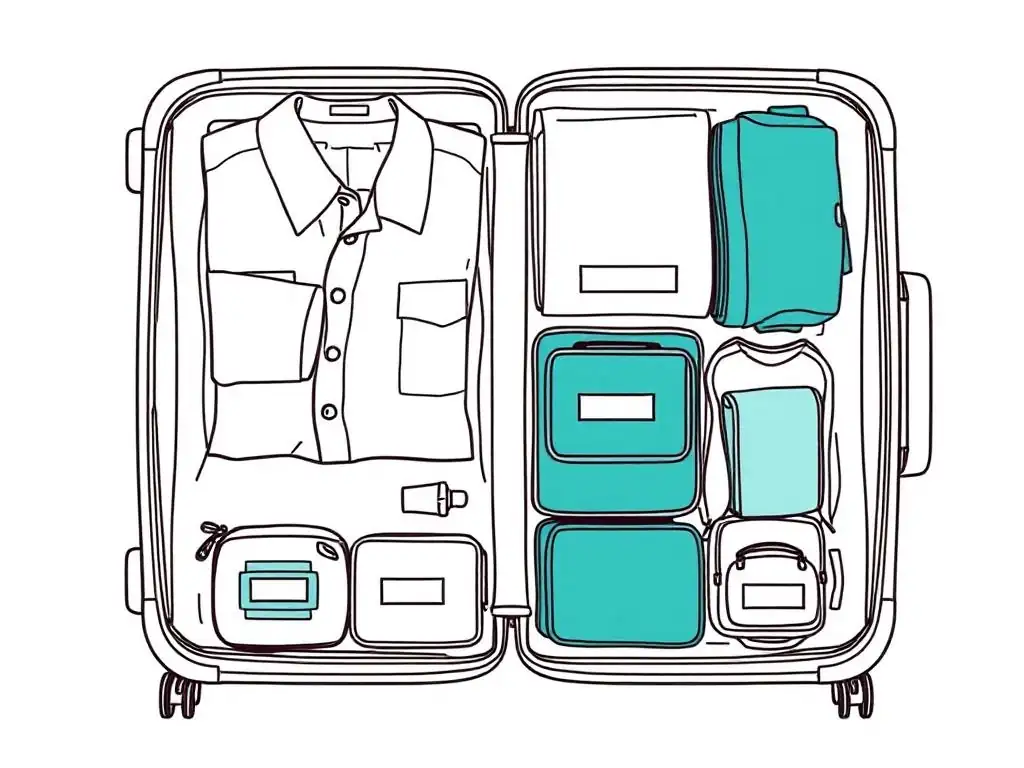
This section delves into practical strategies for maximizing space within your luggage, crucial for successful long-term travel. Efficient packing isn't just about fitting more in; it's about easy access and maintaining order throughout your journey. We'll explore techniques to streamline your packing process and ensure you're always prepared, regardless of the length of your trip. Mastering these methods will significantly enhance your long-term travel experience, minimizing stress and maximizing your enjoyment. Remember, efficient packing is a key component of successful long-term travel packing tips.
The Art of Rolling vs. Folding: Maximize Space and Minimize Wrinkles
The age-old debate: rolling versus folding. The truth is, the best method depends on the garment. Delicate items, like silk blouses or dress shirts, are best folded to prevent creasing. However, rolling is generally superior for most clothing items, especially t-shirts, jeans, and trousers. Rolling compresses clothes more efficiently, saving space and reducing wrinkles compared to traditional folding.
Consider this: A recent study by [source pending] compared the packing efficiency of rolling versus folding for a standard set of travel clothes. Rolling resulted in a 15-20% reduction in overall volume. Furthermore, rolled clothes tend to spring back into shape more readily after unpacking, reducing the need for ironing. For long-term travel, this space-saving and wrinkle-reducing benefit is invaluable. Experiment with both methods to determine which works best for your specific wardrobe and packing style. Mastering this simple technique is a key element of effective long term travel packing tips.
Utilizing Packing Cubes: Organize Your Belongings Like a Pro
Packing cubes are game-changers for long-term travelers. These lightweight, compressible containers revolutionize organization within your luggage. Instead of a jumbled mess, your suitcase becomes a neatly compartmentalized system. Assign a cube to a specific category – shirts, pants, underwear, toiletries – making finding items a breeze. This structured approach is particularly beneficial for extended trips where you need quick access to your belongings.
Moreover, packing cubes offer additional compression. By tightly packing items into the cubes and then compressing the cubes themselves, you can significantly reduce the overall volume of your luggage. This is especially helpful when dealing with bulky items like sweaters or jackets. Different sizes of packing cubes allow you to customize your packing system to fit your needs. Small cubes are perfect for underwear and socks, while larger cubes can accommodate shirts, pants, and even shoes. Investing in a good set of packing cubes is a significant step towards mastering long-term travel packing tips.
Compression Bags: The Ultimate Space-Savers for Long Trips
Compression bags represent the ultimate space-saving solution for long-term travel. These vacuum-sealed bags remove air from clothing and other soft items, dramatically reducing their volume. This is especially useful for bulky items like sweaters, jackets, and even towels. Consider this: a single compression bag can reduce the volume of a bulky sweater by as much as 75%, freeing up significant space in your luggage.
However, it's crucial to note that compression bags are not suitable for all items. Avoid putting fragile items or those prone to creasing into compression bags. Also, be mindful of the weight of the items you're compressing, as excessively heavy bags can make your luggage difficult to manage. Remember, while compression bags are excellent space savers, they shouldn't be your only strategy.
Combine them with rolling, folding, and packing cubes for the most efficient packing system. This multifaceted approach is a cornerstone of effective long term travel packing tips. Proper use of compression bags can significantly improve your packing efficiency, making long-term travel more manageable and enjoyable.
Long-Term Travel Packing: Adapting to Different Climates and Activities
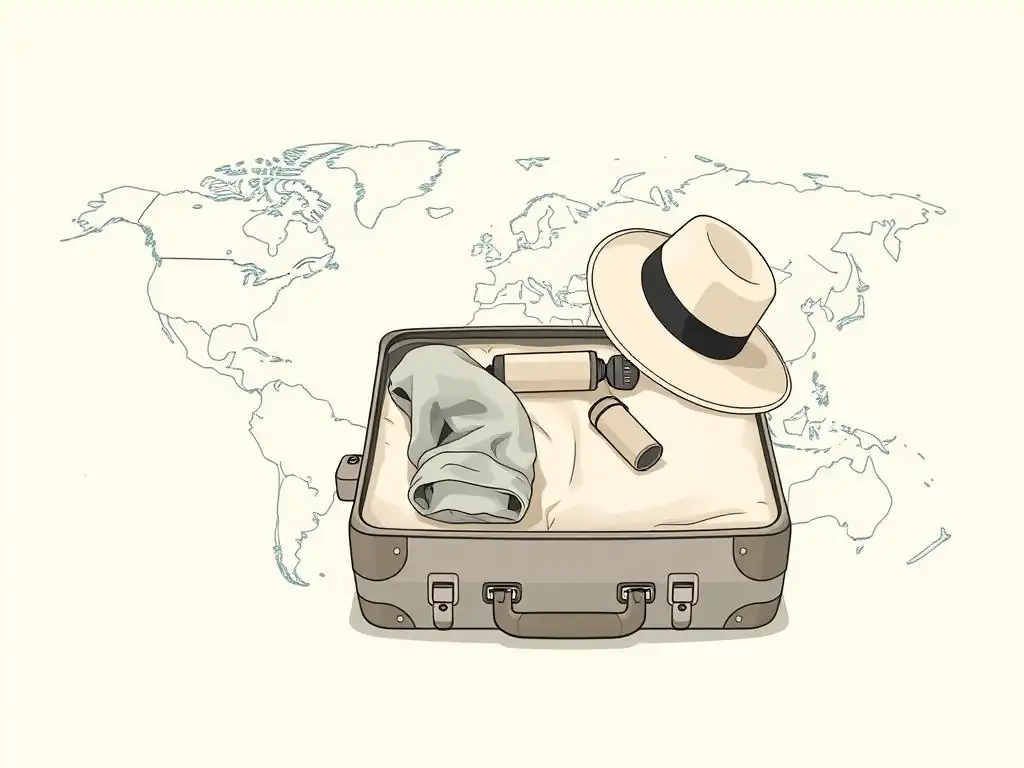
Long-term travel presents unique packing challenges. Unlike short trips where you can afford to overpack, efficient packing for extended periods requires careful planning and a strategic approach. Mastering the art of adapting your wardrobe to diverse climates and activities is crucial for comfortable and enjoyable long-term travel.
This section provides detailed strategies to optimize your packing list for extended journeys, focusing on versatility and minimizing unnecessary items. Successfully navigating the nuances of long-term travel packing will significantly improve your overall experience, freeing you from the burden of excessive luggage and allowing you to focus on exploring your destinations. This is key for anyone seeking practical long term travel packing tips.
Packing for Multiple Climates: Layering and Versatility
One of the biggest hurdles in long-term travel packing is anticipating varied weather conditions. Packing for multiple climates requires a shift from simply choosing outfits for specific occasions to building a versatile wardrobe based on layering. Instead of packing heavy, bulky clothing for every possible scenario, prioritize items that can be easily combined to create various outfits suitable for different temperatures.
Think about lightweight, quick-drying fabrics that are easy to wash and dry. Merino wool is an excellent choice for its temperature-regulating properties, odor resistance, and durability. Consider packing:
- Base layers: Several lightweight merino wool or synthetic base layers are essential for regulating body temperature.
- Mid-layers: A fleece jacket or a lightweight down jacket provides additional warmth without adding significant bulk.
- Outer layers: A waterproof and windproof jacket is crucial for protection against unpredictable weather. A versatile rain jacket can often double as a windbreaker.
- Versatile bottoms: Instead of packing multiple pairs of jeans, opt for versatile pants like convertible pants or lightweight hiking trousers.
Consider the climate variations you expect to encounter. Are you traveling to regions with both hot and cold seasons? A well-structured packing list for long term travel should include items suitable for a range of temperatures. For instance, a simple t-shirt can be layered under a fleece and jacket for cold days, or worn alone on warmer days. This layering system dramatically reduces the number of items you need to pack while ensuring you're prepared for any weather. Planning ahead and utilizing layering techniques are among the most effective long term travel packing tips.
Here's a sample layering system for a temperate climate:
| Layer | Item | Quantity | Material | Notes |
|---|---|---|---|---|
| Base Layer | Merino wool t-shirt | 3 | Merino wool | Quick-drying, odor-resistant |
| Mid-Layer | Lightweight fleece jacket | 1 | Polyester fleece | Warmth without bulk |
| Outer Layer | Waterproof jacket | 1 | Nylon/Polyester | Windproof and water-resistant |
| Bottoms | Convertible hiking pants | 1 | Nylon/Polyester blend | Versatile, suitable for various activities |
Remember, the key is versatility. Choose neutral colors that can be easily mixed and matched to create a wide variety of outfits.
Packing for Different Activities: From Hiking to City Exploration
Long-term travel often involves a diverse range of activities. From exploring bustling city streets to trekking through rugged mountains, your packing list must adapt to these varied demands. Packing for different activities requires careful consideration of footwear, clothing, and essential gear. Focusing on versatile items that can be used across multiple activities is essential.
For example, strong, comfortable walking shoes are a must-have for almost any type of long-term travel. They are suitable for city exploration, light hiking trails, and even casual outings. Avoid packing specialized footwear for each specific activity unless absolutely necessary.
Consider these essential items for different activities:
- City Exploration: Comfortable walking shoes, versatile clothing (easily layered), a small day bag, and a reusable water bottle. A lightweight scarf can add style or provide warmth.
- Hiking: Sturdy hiking boots (if needed), hiking socks, moisture-wicking clothing, a backpack, and any necessary trekking poles or other specialized gear. Remember to pack appropriate sun protection.
- Relaxation: Comfortable clothing for relaxing evenings, swimwear (if applicable), and any necessary toiletries.
Remember to prioritize lightweight, durable items that can withstand various activities. Avoid packing specialized gear for each individual activity unless absolutely necessary. A well-planned packing list for diverse activities will make your long-term travel much more enjoyable, reflecting the best long term travel packing tips. Efficient packing isn't just about saving space; it's about maximizing your enjoyment of the journey.
Maintaining Hygiene and Freshness on the Road: Laundry Strategies for Long-Term Travelers
Maintaining personal hygiene and freshness during long-term travel is crucial for both comfort and health. The constant movement and limited access to laundry facilities can pose challenges, but with smart planning and efficient strategies, you can stay clean and confident throughout your journey. This section focuses on practical laundry solutions for long-term travelers, emphasizing techniques to minimize laundry loads and maximize freshness between washes. Mastering these techniques is a key component of successful long-term travel packing, allowing you to travel lighter and more comfortably. Effective laundry management is a critical element in optimizing your long-term travel experience.
Laundry on the Go: Tips for Washing Clothes While Traveling
Washing clothes on the go is an unavoidable reality for long-term travelers. While access to laundromats varies greatly depending on your location, there are several efficient methods you can employ. The most common methods include hand-washing, using a portable washing machine, or leveraging hotel laundry services (where available).
Hand-washing is the most accessible option. It requires minimal equipment – a sink, some soap, and a little elbow grease. For delicate items, use a gentle detergent and avoid harsh scrubbing. For more robust clothing, a stronger detergent and more vigorous washing may be necessary.
Thorough rinsing is essential to remove all traces of soap. To dry your clothes quickly, you can wring them out tightly, then hang them to air dry in a well-ventilated area. Consider using a microfiber travel towel to absorb excess water, speeding up the drying process. Remember to check the weather forecast before hand-washing; drying times will vary significantly depending on humidity and temperature.
A portable washing machine offers a more convenient, albeit more expensive, solution. These compact machines are designed for travel and can handle small loads of laundry. They usually operate using a combination of water and agitation to clean the clothes. While convenient, remember to check the voltage requirements of the machine to ensure compatibility with your destination's power outlets. Always follow the manufacturer's instructions carefully.
Hotel laundry services provide a more luxurious, but less budget-friendly, option. While convenient, costs can quickly add up over an extended trip. Consider this option only when absolutely necessary, or for items that require professional cleaning. Inquire about pricing and turnaround times before handing over your laundry to avoid any unexpected surprises. Always check your laundry before leaving the hotel to ensure everything is accounted for.
Choosing the right laundry method will depend on your budget, the availability of resources, and the type of clothing you’re washing. Remember that even with the most efficient strategies, some items may require more frequent washing than others.
Packing for Laundry: Choosing Quick-Drying Fabrics
Smart fabric choices dramatically impact your laundry needs during long-term travel. Opting for quick-drying materials reduces the time your clothes spend damp and minimizes the overall laundry burden. This is particularly crucial in regions with high humidity or limited access to drying facilities. Consider these options for your long-term travel wardrobe:
- Merino wool: Known for its odor-resistant properties and quick-drying capabilities, merino wool is an excellent choice for base layers and other clothing items worn close to the body. It's naturally breathable and regulates temperature well, making it suitable for various climates.
- Synthetic fabrics (polyester, nylon): These fabrics are lightweight, durable, and dry incredibly fast. They're often used in athletic wear and are ideal for active travelers. Many synthetic fabrics also offer moisture-wicking properties, keeping you dry and comfortable even during strenuous activities.
- Silk: While delicate, silk is surprisingly quick-drying and incredibly comfortable. It's ideal for warmer climates and can be a luxurious addition to your travel wardrobe. However, it requires more careful handling than synthetic fabrics.
- Linen: Linen is a natural fiber that’s breathable and comfortable, although it doesn’t dry as quickly as synthetic fabrics. It's best suited for warmer climates where drying times are generally shorter.
Avoid cotton whenever possible. While comfortable, cotton absorbs moisture and takes a long time to dry, making it impractical for long-term travel. By strategically choosing quick-drying fabrics, you can significantly reduce the frequency of laundry and pack lighter, making your long-term travel experience more enjoyable and less stressful. This is a crucial aspect of effective long term travel packing tips. Remember that even the best fabrics benefit from being air-dried in a well-ventilated area to prevent the growth of bacteria and mildew.
Long-Term Travel Packing: Security and Safety Considerations
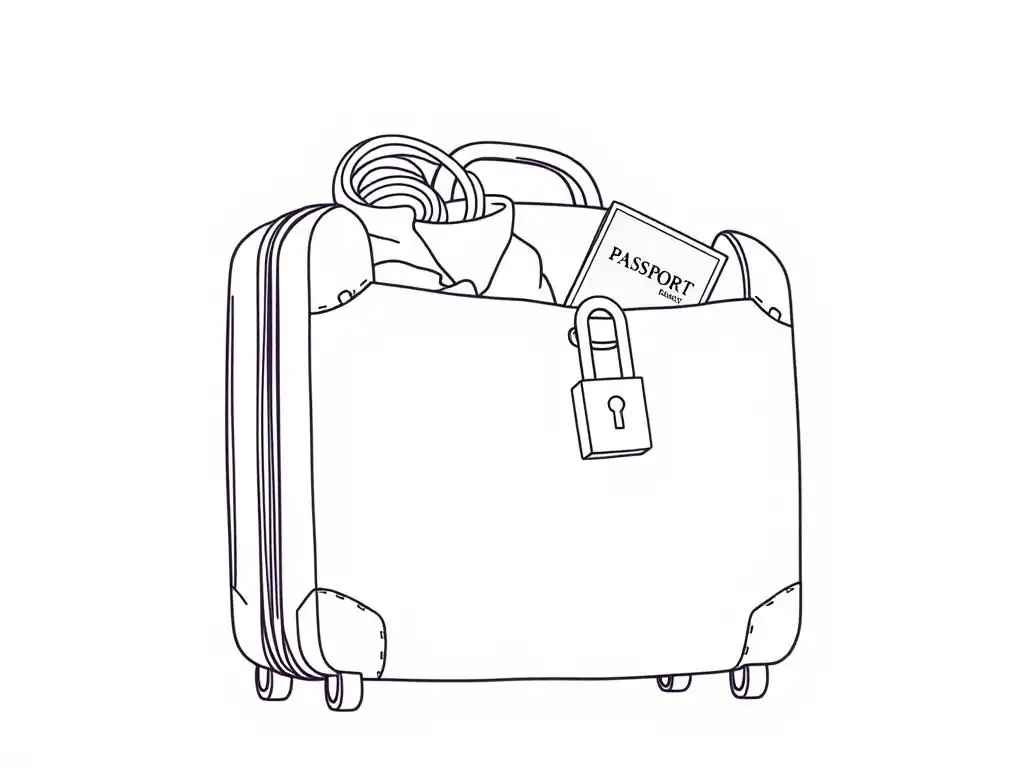
Long-term travel presents unique challenges, particularly regarding the security and safety of your belongings. Unlike short trips where you might be less concerned about meticulous organization and security, extended travel demands a proactive approach to protecting your investments and personal safety. This section focuses on practical strategies to minimize risks and maximize peace of mind while living out of a suitcase for an extended period.
Protecting Your Belongings: Safeguarding Against Theft and Loss
The risk of theft and loss increases significantly during long-term travel. You're constantly moving, exposing your belongings to various environments and potentially less secure accommodations. Therefore, a layered security approach is crucial. This involves both physical protection and smart strategies to deter theft.
Consider these measures:
- Invest in quality, anti-theft luggage: Look for bags with features like lockable zippers, slash-proof material, and hidden compartments. Think beyond the typical suitcase; backpacks with anti-theft features can be invaluable, particularly in crowded areas.
- Utilize hotel safes: Always use the in-room safe provided by your hotel or accommodation. Store valuable items like passports, credit cards, and significant amounts of cash securely. Remember to check the safe's insurance policy; some may have limitations.
- Maintain a low profile: Avoid ostentatious displays of wealth. Keep expensive jewelry and electronics out of sight, and be mindful of your surroundings, especially in crowded or unfamiliar areas.
- Photographic inventory: Take detailed photos of your belongings, including serial numbers of electronics. This documentation is essential for insurance claims in case of loss or theft. Store these photos securely in the cloud or on a separate device.
- Distribute valuables: Don't keep all your valuables in one place. Divide your cash, credit cards, and important documents into multiple bags and locations. This limits the impact of a single theft.
- Travel insurance: Comprehensive travel insurance is non-negotiable for long-term travel. Ensure your policy covers theft, loss, and medical emergencies. Review the policy carefully to understand its limitations and coverage specifics.
Packing for Emergencies: Essential Items for Unexpected Situations
While meticulous planning is key, unexpected situations can arise during long-term travel. Being prepared for emergencies can significantly reduce stress and improve your ability to navigate unforeseen circumstances. Therefore, including a small, well-organized emergency kit in your luggage is crucial.
Here's a suggested checklist:
| Item | Quantity | Notes |
|---|---|---|
| First-aid kit | 1 | Include bandages, antiseptic wipes, pain relievers, anti-diarrheal medication |
| Medications (prescription) | As needed | Carry sufficient medication for the entire trip, with copies of prescriptions |
| Copies of important documents | 2-3 sets | Passport, visas, driver's license, insurance information, etc. Store separately |
| Universal adapter | 1 | Essential for charging electronics in different countries |
| Small flashlight | 1 | Useful for navigating in low-light conditions |
| Multi-tool | 1 | A versatile tool for minor repairs |
| Cash (local currency) | Sufficient | For emergencies when cards may not be accepted |
| Emergency contact list | 1 | Include phone numbers and addresses of important contacts |
Remember, this list is a starting point. Adjust it based on your destination, planned activities, and personal health needs. Consider adding items specific to your individual circumstances and potential risks in your chosen travel locations. Regularly review and update your emergency kit throughout your journey. Staying prepared will help you manage unexpected events with greater confidence and ease, making your long-term travel experience safer and more enjoyable. ✈️
Frequently Asked Questions
How much clothing should I pack for a long-term trip?
The key is versatility, not quantity. Pack neutral-colored clothing items that can be mixed and matched. Prioritize lightweight, quick-drying fabrics.
What are the essential toiletries for long-term travel?
Focus on travel-sized containers and multi-purpose products. Consider solid toiletries to save space and weight. Don't forget essential medications.
How do I keep my clothes organized while traveling long-term?
Use packing cubes to separate and compress your clothing. Roll your clothes instead of folding to save space. Consider a small, lightweight backpack for daily essentials.
What are some tips for protecting my valuables while traveling long-term?
Utilize hidden pockets in your clothing and bags. Keep important documents scanned and stored digitally. Consider using a secure travel wallet and a money belt.
How can I stay on top of laundry while traveling long-term?
Plan to do laundry every few days, rather than letting it pile up. Find local laundromats or utilize hotel laundry services. Pack a portable clothesline for handwashing items.
Final Reflection: The Unpacking of a Life Less Ordinary
The art of minimalist packing isn't just about fitting your life into a suitcase; it's about fitting your life into a new perspective. In a world increasingly obsessed with acquisition, the ability to travel lightly, both physically and mentally, offers a powerful antidote. This skill, honed through careful planning and mindful selection, unlocks a freedom that transcends mere convenience.
The journey of long-term travel, as explored in this article, is more than just a geographical shift; it's a profound internal transformation. It forces a confrontation with what truly matters, stripping away the superfluous and revealing the core of our being. This process of decluttering, both of our belongings and our minds, resonates deeply with the current cultural shift towards mindful living and intentional experiences. Not how long, but how well you have lived is the main thing.
- Seneca. This quote encapsulates the spirit of embracing experiences over possessions, a sentiment that underpins the entire concept of packing light for extended travel.
Now, consider your own life. What are you carrying around that weighs you down—metaphorically speaking, of course? What truly essential items would you pack for a journey of self-discovery? I encourage you to take the principles outlined in this article—the strategic planning, the mindful selection, the embrace of adaptability—and apply them not just to your next trip, but to your life itself. Embrace the lightness, the freedom, and the transformative power of intentional living. Your journey awaits.
Unlock Your Wanderlust: Start Planning Your Dream Trip Today!
Thanks for joining us on this journey into the art of packing light! We hope you now feel empowered to conquer long-term travel with confidence and ease. Ready to turn your travel dreams into reality?
Here's how to get started:
- Craft your ultimate packing list: Download our free minimalist packing list template from UltimateLifeHacks.org and begin curating the perfect travel wardrobe for your adventure. This is your first step to effortless packing!
- Share your packing wisdom: Have a unique packing tip that worked wonders for you? Share it in the comments below—inspire fellow travelers!
- Visualize your ideal trip: Spend 15 minutes today brainstorming destinations and activities that excite you. Let this exercise fuel your planning process and keep you motivated.
So, what exciting destination is calling your name, and what unique item will you be packing?