
Natural Cleaning for Pet Owners: Safe and Effective Hacks for a Clean Home

Welcome to UltimateLifeHacks, your destination for practical tips and tricks designed to streamline your life! Are you tired of harsh chemicals and endless scrubbing? Discover the secrets to a sparkling clean home without compromising your pet's safety. Our latest Household Hacks article unveils amazing Petsafe natural cleaning hacks – simple, effective solutions that will leave your home fresh and your furry friends happy. Dive in and unlock the power of natural cleaning!
- Petsafe Natural Cleaning Hacks: Introduction to Safe Home Cleaning
- Essential Oils for Pet-Safe Cleaning: Aromatherapy and Hygiene
- DIY Pet-Safe Cleaning Solutions: Recipes for a Spotless Home
- Tackling Pet-Specific Cleaning Challenges: Stain and Odor Removal
- Maintaining a Clean Home with Pets: Prevention is Key
- Frequently Asked Questions
- Final Reflection: A Cleaner Home, A Healthier Pet, A Brighter Future
- Unlock a Cleaner, Fresher Home: Naturally!
Petsafe Natural Cleaning Hacks: Introduction to Safe Home Cleaning
Maintaining a clean and hygienic home is crucial, especially when you share it with beloved pets. The constant shedding, muddy paws, and occasional accidents can quickly lead to a build-up of dirt and odors. However, using harsh chemical cleaners can pose significant risks to your furry friends' health and well-being. This article explores a range of petsafe natural cleaning hacks, offering safe and effective solutions to keep your home sparkling clean without compromising your pet's safety.
We'll delve into the reasons why natural cleaning is the preferred choice for pet owners, guide you through identifying pet-safe ingredients, and provide practical, easy-to-follow cleaning methods. By the end, you'll have a comprehensive toolkit for creating a clean and healthy environment for both you and your pets, all while minimizing your environmental impact. Let's embark on this journey towards a cleaner, healthier, and more pet-friendly home!
Why Choose Natural Cleaning Products for Pet Owners?
Choosing natural cleaning products when you have pets is a decision rooted in both safety and responsibility. Traditional chemical cleaners often contain harsh ingredients like ammonia, bleach, and phosphates, which can be highly toxic to animals if ingested or even inhaled. These chemicals can irritate your pet's skin and respiratory system, leading to a range of health problems, from mild skin irritation to more severe respiratory issues. Furthermore, the lingering fumes from these cleaners can persist in your home, potentially causing long-term health complications for your pets.
On the other hand, natural cleaning products utilize plant-based ingredients and essential oils, minimizing the risk of harmful exposure. These alternatives are often biodegradable, gentler on the environment, and less likely to trigger allergic reactions in sensitive pets. The peace of mind knowing you're creating a safe and non-toxic environment for your furry companions is invaluable. Consider the following benefits of switching to natural cleaning:
- Reduced risk of poisoning: Natural cleaners significantly reduce the chance of accidental ingestion leading to poisoning.
- Improved air quality: Natural cleaners release fewer harmful fumes, improving the overall air quality in your home.
- Gentle on sensitive skin: Plant-based ingredients are less likely to irritate your pet's skin.
- Environmentally friendly: Biodegradable cleaners contribute to a more sustainable lifestyle.
Choosing natural cleaning isn't just about protecting your pets; it's about creating a healthier and more sustainable home for everyone.
Understanding Pet-Safe Ingredients: Avoiding Toxic Chemicals
Knowing which ingredients to avoid is just as crucial as knowing which ones to embrace when cleaning with pets around. Many common household cleaning products contain toxic chemicals that can be extremely harmful to animals. Here’s a list of ingredients to steer clear of:
| Toxic Ingredient | Potential Effects on Pets | Safer Alternatives |
|---|---|---|
| Bleach | Respiratory irritation, skin burns, poisoning | Baking soda, white vinegar |
| Ammonia | Respiratory irritation, eye irritation, poisoning | Hydrogen peroxide (3%), water |
| Phenol (Carbolic Acid) | Skin irritation, organ damage, poisoning | Tea tree oil (in diluted form – use cautiously) |
| Formaldehyde | Respiratory irritation, eye irritation, cancer risk | Natural enzyme cleaners |
| Pine-Sol | Respiratory irritation, skin irritation, poisoning | Essential oil blends (lemon, tea tree - diluted) |
Remember, even "pet-safe" products marketed for use around pets should be used cautiously and always kept out of reach. Always read labels carefully and follow dilution instructions. When in doubt, opt for a simpler, more natural solution. A little research can go a long way in ensuring a safe and healthy home for you and your beloved pets. Using natural ingredients empowers you to take control of your home's cleanliness while prioritizing the well-being of your furry friends.
Essential Oils for Pet-Safe Cleaning: Aromatherapy and Hygiene
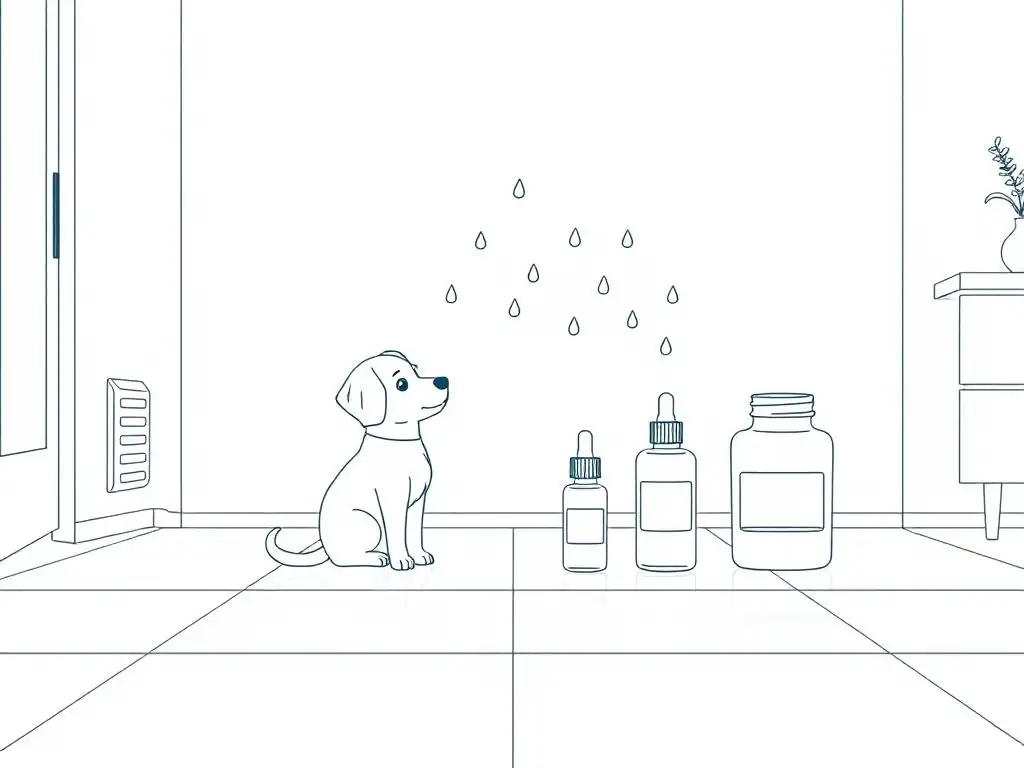
Essential oils offer a powerful and natural alternative to harsh chemical cleaners, providing both cleaning efficacy and pleasant aromas. However, it's crucial to select oils that are safe for pets, as some can be toxic if ingested or absorbed through the skin. This section focuses on three essential oils particularly suitable for pet-safe natural cleaning: lavender, tea tree, and peppermint.
Remember that dilution is key when using essential oils in cleaning solutions; always follow recommended dilutions to avoid harming your pets or damaging surfaces. The effectiveness of these oils also hinges on proper application and consistent use. Consider these oils as part of a holistic pet-safe cleaning strategy, rather than a standalone solution.
Lavender Oil: Calming Scents and Disinfectant Properties
Lavender oil is renowned for its calming properties, beneficial for both humans and animals. Beyond its soothing aroma, lavender possesses potent antimicrobial and disinfectant properties, making it an effective cleaner for various surfaces. Studies have shown its effectiveness against certain bacteria and fungi 1 . In a pet-friendly cleaning solution, lavender oil can be added to water to create a gentle all-purpose cleaner. For example, a solution of 10-15 drops of lavender essential oil per 16 ounces of water can be used to clean floors, countertops, and other non-porous surfaces. Remember to always test a small, inconspicuous area first to ensure it doesn't damage the surface. Its calming scent can also help create a more relaxed atmosphere in your home, beneficial for anxious pets. The gentle, floral scent is less likely to irritate sensitive noses compared to stronger, more pungent cleaning agents.
Tea Tree Oil: Powerful Cleaner with Cautionary Notes for Pets
Tea tree oil is a powerful natural cleaner known for its antifungal and antibacterial properties. However, caution is strongly advised when using tea tree oil around pets. While effective against many common household germs, it's toxic to cats and can cause skin irritation in dogs if not properly diluted. Therefore, its use in pet-safe cleaning should be approached with extreme care.
If using tea tree oil, extremely dilute it (far more than with lavender), or consider omitting it entirely in favor of safer alternatives. There's limited research on the long-term effects of tea tree oil exposure on pets, so erring on the side of caution is crucial. While it might be tempting to use it for its strong cleaning power, the risk to your pet's health outweighs the benefits.
Peppermint Oil: Refreshing and Repellent for Fleas and Ticks
Peppermint oil offers a refreshing scent and acts as a natural repellent for fleas and ticks. Its strong aroma can deter these pests, making it a valuable addition to your pet-safe cleaning arsenal. You can add a few drops of peppermint oil to your pet's bedding (ensure it is properly diluted and away from direct contact with your pet) or use it in a diluted spray for carpets and upholstery. Remember to always test a small area first to check for any adverse reactions or discoloration.
The refreshing scent also helps to leave your home smelling clean and fresh. However, like tea tree oil, ingestion can be harmful, so keep it out of reach of pets. Consider using it in areas where your pets don't directly interact, such as in hallways or less-used rooms. Always prioritize pet safety when incorporating essential oils into your cleaning routine.
1 Further research on the specific antimicrobial effects of lavender oil is needed to provide more precise data.
DIY Pet-Safe Cleaning Solutions: Recipes for a Spotless Home
This section provides you with simple, effective, and pet-safe recipes for homemade cleaning solutions. These recipes utilize readily available ingredients, minimizing exposure to harsh chemicals that can harm your furry friends. Remember to always test any new cleaning solution on a small, inconspicuous area first to ensure it doesn't damage your surfaces. Prioritizing petsafe natural cleaning hacks is crucial for a healthy home environment.
All-Purpose Natural Cleaner Recipe (Petsafe)
This versatile cleaner is perfect for tackling everyday messes on most hard surfaces. It's gentle enough for use around pets, yet powerful enough to cut through grease and grime.
This recipe requires:
- 2 cups of water
- 1/4 cup white vinegar (distilled is best)
- 1 tablespoon baking soda
- 10-15 drops of your favorite essential oil (optional – choose pet-safe oils like lavender or chamomile. Avoid citrus oils, which can be toxic to some pets).
Instructions:
- Combine water, vinegar, and baking soda in a spray bottle. The baking soda may fizz slightly – that's normal!
- Add essential oils (if using), and shake well to combine.
- Spray onto surfaces and wipe clean with a microfiber cloth.
Important Considerations: Always thoroughly rinse surfaces that come into contact with food after cleaning. This recipe is effective for countertops, floors (tile, linoleum), and other non-porous surfaces. Avoid using on wood furniture unless you've pre-tested it in an inconspicuous spot. Always supervise pets while cleaning and ensure the area is completely dry before allowing them back. This petsafe natural cleaning hack is a great all-around solution.
Effective Carpet and Upholstery Cleaner (Pet-Friendly)
Accidents happen, especially with pets! This recipe helps tackle those unexpected messes on carpets and upholstery without resorting to harsh chemicals.
Ingredients:
- 1 cup warm water
- 1/4 cup white vinegar
- 1 tablespoon borax (a natural cleaning agent)
- 1/2 teaspoon liquid dish soap (choose a fragrance-free option)
Instructions:
- Mix all ingredients thoroughly in a spray bottle.
- Test in an inconspicuous area before applying to the entire stain.
- Gently blot the stain with a clean cloth, working from the outside in to avoid spreading.
- Let it air dry completely. You may need to repeat the process for stubborn stains. A gentle scrubbing with a soft-bristled brush can also help.
Pro-Tip: For particularly stubborn pet stains, consider adding a few drops of hydrogen peroxide (3%) to the mixture. However, always test this addition in an inconspicuous area first, as it can bleach some fabrics. This petsafe natural cleaning hack is essential for pet owners. Remember to always let the area dry completely before allowing your pet back on the furniture.
Natural Glass and Surface Cleaner (Safe for Pets)
This simple recipe leaves your windows and mirrors sparkling clean without the harsh fumes of commercial cleaners. It's also safe for use on other smooth surfaces like chrome and stainless steel.
Ingredients:
- 2 cups water
- 1/4 cup white vinegar
- 1/4 cup rubbing alcohol (isopropyl alcohol)
Instructions:
- Combine all ingredients in a spray bottle.
- Shake well before each use.
- Spray onto surfaces and wipe clean with a clean microfiber cloth or newspaper (newspaper works surprisingly well! ).
Additional Tip: For streak-free results, use a squeegee after spraying and wiping. This method is particularly effective for large windows. This petsafe natural cleaning hack ensures a sparkling clean environment without harming your pets. This simple solution is both effective and environmentally friendly. Remember, always prioritize safety when cleaning around pets! 🐶🏠
Tackling Pet-Specific Cleaning Challenges: Stain and Odor Removal
Pet ownership brings immense joy, but it also introduces unique cleaning challenges. Dealing with pet stains and odors requires a dedicated approach, especially if you're committed to using natural, pet-safe cleaning solutions. This section focuses on effective, natural methods to tackle the most common pet-related messes, minimizing the use of harsh chemicals and ensuring a clean and healthy home environment for both you and your furry friend. Remember, prevention is key! Regular grooming and training can significantly reduce the frequency of accidents and the subsequent cleaning required.
Removing Pet Urine Stains and Odors Naturally
Pet urine, especially from cats and dogs, can leave behind stubborn stains and lingering odors. Traditional cleaners often contain harsh chemicals that can be harmful to pets and even damage certain surfaces. Fortunately, several natural remedies offer effective solutions.
One highly effective method involves a simple mixture of white vinegar and water. Mix equal parts white vinegar and water in a spray bottle. Liberally spray the affected area, ensuring the solution penetrates the fabric or carpet. Allow it to sit for 15-20 minutes before blotting with a clean cloth or paper towel. Repeat as necessary. Vinegar's acidity neutralizes the ammonia in urine, breaking down the odor-causing compounds.
For particularly stubborn stains, consider using a baking soda paste. Mix baking soda with enough water to create a thick paste. Apply the paste liberally to the stain and let it dry completely. Once dry, vacuum thoroughly to remove the baking soda. Baking soda absorbs odors and helps lift the stain. For heavily soiled areas, you may need to repeat this process.
Another option is using enzyme cleaners. While not strictly a "homemade" solution, enzyme cleaners are a natural alternative to harsh chemical cleaners. They contain enzymes that break down organic matter, such as urine, eliminating both the stain and the odor effectively. This is particularly useful for eliminating the lingering smell that traditional cleaning methods might miss. Always choose enzyme cleaners specifically formulated for pet stains and ensure they are safe for your pet's health.
Cleaning Pet Hair Effectively from Furniture and Carpets
Pet hair is a ubiquitous problem for pet owners. It clings to furniture, carpets, and even clothes! While regular vacuuming is crucial, specific techniques can enhance hair removal, leaving your surfaces cleaner and looking their best.
Using a rubber broom or squeegee is surprisingly effective for removing pet hair from upholstery and carpets. The rubber attracts the hair, making it easier to gather and dispose of. Simply rub the surface in the direction of the hair growth. This method is particularly helpful on delicate fabrics where aggressive vacuuming might damage the fibers.
A damp sponge or microfiber cloth can also work wonders. Lightly dampen the cloth and wipe the surface, collecting the pet hair. Microfiber's texture is excellent at trapping hair. This method is gentle yet effective, making it ideal for delicate furniture.
Don't forget the power of regular vacuuming. Choose a vacuum with strong suction and appropriate attachments for upholstery and carpets. Consider using a vacuum with a HEPA filter to trap allergens and pet dander, improving indoor air quality. Regular, thorough vacuuming is the cornerstone of effective pet hair removal. Remember to empty the vacuum canister frequently to maintain its suction power.
Dealing with Pet Accidents: A Step-by-Step Guide to Natural Cleaning
Accidents happen, especially with puppies or pets new to their environment. Having a quick, effective, and pet-safe cleaning procedure in place is essential. Here's a step-by-step guide using natural methods:
- Immediate Action: Quickly blot up as much of the accident as possible using paper towels or a clean cloth. Avoid rubbing, as this can spread the stain and damage the fabric.
- Natural Cleaning Solution: Prepare your chosen natural cleaner (vinegar and water, baking soda paste, or enzyme cleaner, as described above).
- Application: Liberally apply the solution to the affected area, ensuring it penetrates the material.
- Dwell Time: Allow the solution to sit for the recommended time (usually 15-20 minutes).
- Blot and Dry: Gently blot the area with a clean cloth or paper towels. Avoid rubbing. Allow the area to air dry completely.
- Odor Removal (if necessary): If a lingering odor remains, sprinkle baking soda over the area and let it sit for a few hours before vacuuming.
- Prevention: Identify the cause of the accident (e.g., inadequate potty training, medical issue) and take steps to prevent future occurrences. This might involve adjusting feeding schedules, increasing potty break frequency, or consulting a veterinarian.
Remember, consistency and quick action are key to effectively managing pet accidents and maintaining a clean, healthy, and pet-friendly home. Using natural cleaning methods ensures a safer environment for both you and your beloved pet, while still achieving excellent cleaning results. 🐶🏠
Maintaining a Clean Home with Pets: Prevention is Key
Maintaining a clean home with pets doesn't have to be a constant battle. A proactive approach, focusing on prevention, significantly reduces the time and effort spent on cleaning. This involves strategic planning and implementing simple, yet effective, habits. Think of it as a petsafe strategy for a cleaner, healthier home for both you and your furry friends.
Regular Grooming and Hygiene for Your Pet
Regular grooming is paramount in minimizing pet-related messes. This includes brushing your pet frequently to remove loose hair, preventing it from spreading around your home. The frequency depends on your pet's breed and coat type; long-haired breeds may require daily brushing, while short-haired breeds might need it only a few times a week. Regular bathing, using pet-safe shampoos, also helps to control shedding and minimize odors.
Consider trimming your pet's nails regularly to avoid scratching furniture and spreading dirt. A well-groomed pet is a cleaner pet, contributing significantly to a cleaner home. This simple act of preventative care drastically reduces the amount of cleaning required later. For example, a weekly brushing session for a long-haired cat can dramatically reduce the amount of hair you find on your furniture and floors.
This translates to less vacuuming and less time spent cleaning up pet hair. Consider adding a grooming schedule to your calendar to ensure consistency! 📅
Proactive Cleaning Habits for a Spotless Home (Petsafe)
Proactive cleaning is the cornerstone of a petsafe and efficient cleaning routine. This means addressing small messes immediately before they accumulate into larger, more challenging cleaning tasks. Wipe up spills immediately, clean up pet accidents promptly, and spot-clean soiled areas as soon as they occur. This prevents stains from setting and odors from lingering.
Regular vacuuming and sweeping, especially in high-traffic areas, also helps to prevent the buildup of pet hair and dander. Consider using a microfiber mop for quick and effective cleaning of floors. Microfiber's superior absorbency ensures that you capture more dirt and hair with each swipe.
Think of it like this: a quick 5-minute sweep each evening is much easier than a 30-minute deep clean on the weekend. This proactive approach minimizes the effort and time required for deep cleaning, resulting in a consistently clean home. Regular spot-cleaning also avoids the build-up of allergens, creating a healthier environment for you and your pets.
Choosing Pet-Friendly Cleaning Supplies (Petsafe)
Choosing the right cleaning supplies is crucial for maintaining a petsafe environment. Avoid harsh chemicals that can be toxic to your pets. Opt for natural, pet-safe cleaning products. Many commercially available cleaning products contain ingredients that can be harmful if ingested by pets. These can lead to skin irritation, respiratory problems, or even more serious health issues.
Consider using natural alternatives like vinegar, baking soda, and essential oils (ensure they are pet-safe!). Vinegar is a fantastic natural disinfectant and deodorizer. Baking soda is excellent for absorbing odors and cleaning carpets. When using essential oils, always dilute them properly and choose scents that are safe for pets.
For example, lavender and chamomile are generally considered safe for pets, but others can be toxic. Always thoroughly check the ingredients list of any cleaning product before use to ensure it does not contain any harmful substances for your furry friends. Remember, a clean home shouldn't come at the expense of your pet's health and well-being. Prioritize petsafe cleaning solutions for a truly harmonious home environment.
Frequently Asked Questions
What cleaning products are safe for my pets?
Many common household cleaners contain harsh chemicals that can be toxic to pets. Opt for natural, pet-safe alternatives like vinegar, baking soda, and enzymatic cleaners. Always check product labels carefully.
How can I naturally remove pet stains and odors?
A mixture of water and white vinegar is effective for removing many pet stains. For odors, sprinkle baking soda on the affected area, let it sit, then vacuum. Enzymatic cleaners are also excellent at breaking down pet odor-causing substances.
Are there natural ways to clean pet bedding?
Yes! You can wash most pet bedding in your washing machine using hot water and a pet-safe detergent. Add white vinegar to the rinse cycle to help eliminate odors. Air-drying is best to avoid harsh chemicals from the dryer.
How can I prevent pet hair from accumulating?
Regular brushing and vacuuming are crucial. Use a lint roller on furniture. Consider using microfiber cloths for cleaning surfaces as they attract hair effectively. Regularly cleaning your pet's bedding also helps reduce hair spread.
What are some natural ways to disinfect pet areas?
Diluted white vinegar can disinfect many surfaces. Boiling water can sanitize hard surfaces. Always ensure the area is thoroughly dried afterward. Remember to focus on regular cleaning to prevent build-up of bacteria and germs.
Final Reflection: A Cleaner Home, A Healthier Pet, A Brighter Future
The pursuit of a sparkling clean home shouldn't come at the cost of our furry friends' well-being. Natural cleaning methods offer a powerful alternative, proving that a healthy environment for our pets is achievable without resorting to harsh chemicals that can compromise their health and ours. This is more crucial than ever in a world increasingly aware of the impact of toxins on our lives.
The shift towards natural cleaning reflects a broader societal awakening to the interconnectedness of our health and the environment. We're moving away from a culture of quick fixes and embracing a more mindful approach to household care. This resonates deeply with me, as a pet owner myself, because it's about prioritizing the well-being of my companions and creating a truly safe haven for them. The best things in life are free. The second best are very, very expensive.
– Coco Chanel. While natural cleaning might require a bit more effort initially, the long-term benefits – a healthier home and happier pets – are priceless.
Consider the simple swaps you can make today. From swapping commercial cleaners for baking soda and vinegar solutions to opting for plant-based pet shampoos, every small change contributes to a larger, healthier picture. You have the power to create a safer, cleaner, and more loving environment for your beloved pets. Embrace the journey towards natural cleaning – your pets will thank you for it, and you'll feel the positive impact on your own well-being too.
Unlock a Cleaner, Fresher Home: Naturally!
Thank you for exploring our natural cleaning tips for pet owners! We hope you found some safe and effective ways to keep your home sparkling without harsh chemicals. Now it's time to put your newfound knowledge into practice!
- Try a new natural cleaning recipe this week: Choose your favorite from the article and give it a try. You'll be amazed by the results!
- Share your favorite pet-friendly cleaning tip with other readers in the comments below – let's build a community of clean-home champions!
- Next time you shop for cleaning supplies, consider replacing one of your regular products with a natural alternative. Small changes can make a big difference!
Ready to embrace a healthier, cleaner home for you and your furry friend? What's your biggest cleaning challenge, and how will you overcome it using natural methods?