
Get More Bang for Your Buck: The Ultimate Guide to Budget Travel

Ready to unlock the secrets to effortless travel without breaking the bank? UltimateLifeHacks is your gateway to a world of practical tips and tricks designed to maximize your adventures. Discover how to make your travel dreams a reality with our comprehensive guide on Budget travel tips and tricks, and learn how to get more bang for your buck on your next getaway. Let's explore the possibilities together!
- Mastering the Art of Budget Travel: Essential Tips and Tricks
- Accommodation Hacks: Saving Money on Hotels and Lodging
- Savvy Spending Strategies: Maximizing Your Travel Budget
- Transportation Tips: Getting Around on a Budget
- Packing Light: Minimizing Luggage Fees and Hassles
- Budget Travel Resources: Tools and Apps to Simplify Your Planning
-
Frequently Asked Questions
- How can I find cheap flights for my budget trip?
- What are some ways to save money on accommodation while traveling?
- How can I eat affordably while traveling on a budget?
- What are some tips for saving money on transportation while traveling?
- How can I plan a budget trip without sacrificing experiences?
- Final Reflection: The Enduring Allure of Meaningful Travel
- Unlock Your Wanderlust: Start Planning Your Budget Adventure!
Mastering the Art of Budget Travel: Essential Tips and Tricks
Budget travel doesn't mean sacrificing comfort or experiences; it's about maximizing your adventure while minimizing your expenses. This ultimate guide delves into practical strategies and clever techniques to help you explore the world without breaking the bank. We'll cover everything from meticulous pre-trip planning and savvy destination selection to on-the-ground money-saving hacks that will transform your travel experience.
Whether you're a seasoned backpacker or a first-time budget traveler, this comprehensive guide provides actionable "budget travel tips and tricks" to unlock unforgettable journeys without the hefty price tag. Get ready to discover how to stretch your travel budget further and create memories that will last a lifetime! 🎉
Planning Your Budget Trip: Setting Realistic Expectations and Goals
Before you even begin dreaming of exotic locales, a well-defined budget is paramount. This isn't just about knowing how much you can spend; it's about understanding how much you want to spend on different aspects of your trip. Setting realistic expectations is key to avoiding disappointment and overspending.
Start by listing your must-haves and your nice-to-haves. Must-haves might include flights, accommodation, and essential activities. Nice-to-haves could be fancy dinners, souvenirs, or optional tours. Prioritize your list to ensure you allocate funds effectively. Consider using a budgeting app or spreadsheet to track your spending and ensure you stay on track. A detailed breakdown, such as the example below, can be incredibly helpful:
| Expense Category | Estimated Cost | Actual Cost | Notes |
|---|---|---|---|
| Flights | $500 | $450 | Found a cheaper flight using a price comparison site! |
| Accommodation (Hostel) | $300 | $280 | Booked in advance for a better rate. |
| Food & Drink | $400 | $350 | Cooked some meals myself, ate at local eateries. |
| Activities & Entrance Fees | $200 | $180 | Took advantage of free activities. |
| Transportation | $100 | $90 | Used public transport instead of taxis. |
| Total | $1500 | $1350 | Saved $150! |
Remember to factor in unexpected expenses – a small emergency fund can prevent a minor setback from derailing your entire trip. Setting clear goals, from the number of days you'll travel to specific sights you want to see, helps to focus your planning and budgeting efforts. The more detailed your plan, the better prepared you'll be for a successful and affordable adventure.
Choosing Your Destination Wisely: Affordable Travel Destinations for Every Traveler
The destination itself significantly impacts your budget. Some regions are inherently more expensive than others. Consider factors like the time of year (off-season travel is often cheaper), the local currency exchange rate, and the overall cost of living. Researching affordable destinations is crucial for maximizing your budget.
For example, Southeast Asia consistently ranks as a budget-traveler's paradise, offering incredible value for money in terms of accommodation, food, and activities. Similarly, many Eastern European countries provide a rich cultural experience without the high price tag of Western Europe. South America also offers diverse and affordable options for adventurous travelers.
Remember to research visa requirements and any potential health concerns before booking your trip. Don't forget to factor in the cost of travel insurance – a crucial element of responsible travel planning, regardless of your budget. Choosing your destination strategically is a fundamental step in achieving a truly budget-friendly trip.
Finding Unbeatable Flight Deals: Strategies for Scoring Cheap Airfare
Securing cheap airfare is paramount for budget travel. It's the single biggest expense for many travelers, so even small savings can significantly impact your overall budget. Several strategies can help you find those elusive unbeatable flight deals. Being flexible with your travel dates is key.
Mid-week flights (Tuesdays and Wednesdays) are often cheaper than weekend flights, and flying during less popular times of the day can also lead to savings. Consider flying into smaller, less popular airports near your destination; they often have lower fares than major international hubs. Don't be afraid to explore alternative routes; sometimes a flight with a layover can be cheaper than a direct flight, even when considering the extra time.
Remember to factor in baggage fees; these can quickly add up, so pack light to avoid extra charges. Finally, consider using flight alerts and price tracking tools to monitor price changes and receive notifications when prices drop. This proactive approach can help you snag the best deals before they disappear.
Utilizing Flight Comparison Websites Effectively
Flight comparison websites are invaluable tools for finding cheap flights. However, to utilize them effectively, you need to understand their nuances. Simply entering your dates and destinations isn't enough. Experiment with different date ranges; even shifting your departure or return by a single day can sometimes result in significant price differences.
Be aware that prices can fluctuate based on the time of day you search. Some websites use cookies to track your searches and may inflate prices if they detect repeated searches for the same flight. Clearing your browser's cookies and using incognito mode can help mitigate this. Pay attention to the fine print; sometimes the cheapest flights come with restrictions, such as limited baggage allowance or non-refundable tickets.
Compare not only the price but also the overall value, considering baggage fees, change fees, and any other potential hidden costs. Finally, consider using multiple comparison websites simultaneously; different sites often display different results, and by comparing across several platforms, you increase your chances of finding the absolute best deal. Don't just settle for the first result you see.
Booking Flights During Off-Season and Shoulder Seasons
One of the most effective strategies for finding cheap flights is to travel during the off-season or shoulder seasons. The off-season is the period when tourist activity is at its lowest, typically during the winter months or during the rainy season in tropical destinations. During these times, airlines often reduce prices to attract customers.
Shoulder seasons are the periods between the peak and off-seasons; they offer a sweet spot where you can enjoy pleasant weather with fewer crowds and lower prices compared to peak season. For example, traveling to European destinations in the spring or fall is usually more affordable than during the summer months. Careful planning is essential, however, as some attractions may have limited hours or be closed entirely during the off-season.
Researching your destination's peak and off-seasons is crucial for leveraging this strategy effectively. Flexibility is key; if your travel dates are flexible, you can maximize your chances of finding a great deal during these less popular times.
Exploring Alternative Airports and Transportation Options
Consider flying into smaller, less-trafficked airports near your destination. Major international airports often have higher fares than smaller regional airports. While the journey from the smaller airport to your final destination may require additional travel time and expenses (e.g., bus or train), these additional costs can often be significantly less than the savings on the initial flight. This strategy works exceptionally well for those who are comfortable with a bit more travel time and are open to exploring alternative transportation options.
For instance, flying into a smaller airport near a major city and then taking a budget-friendly bus or train to your hotel can significantly reduce your overall travel expenses. Always weigh the costs and time involved in these alternative transportation options to ensure the overall savings outweigh the inconvenience. This strategic approach can be a game-changer for savvy budget travelers. ✈️
Accommodation Hacks: Saving Money on Hotels and Lodging
Finding the right accommodation can significantly impact your budget travel experience. Smart choices can free up funds for other adventures, while poor choices can quickly drain your resources. This section focuses on proven strategies to secure comfortable and affordable lodging, maximizing your budget travel experience. We'll explore various options and techniques to ensure you get the best value for your money.
Finding Affordable Hotels and Hostels: Utilizing Booking Platforms and Apps
The digital age offers incredible tools for finding budget-friendly accommodation. Booking platforms and apps are indispensable for savvy budget travelers. Instead of relying solely on hotel websites, leverage the competitive pricing offered by these platforms. Sites like Booking.com, Expedia, and Kayak allow you to compare prices across multiple hotels and hostels simultaneously.
Remember to be flexible with your dates. Mid-week stays (Tuesday-Thursday) are often cheaper than weekend stays. Also, consider traveling during the shoulder season (the periods before and after peak tourist seasons). You'll encounter fewer crowds and often find lower prices. For example, traveling to popular European destinations in the spring or autumn can drastically reduce accommodation costs compared to the peak summer months.
Many apps offer last-minute deals and flash sales. Actively monitoring these apps can lead to significant savings. Don't hesitate to utilize filters to specify your needs, such as proximity to public transport or specific amenities, while keeping your focus on price. Reading reviews carefully can help you avoid hidden fees or unexpected issues. Remember, a slightly lower rating might mean a smaller, less luxurious room, but it might still be perfectly suitable for your budget travel needs.
Exploring Alternative Accommodation Options: Airbnb, Couchsurfing, and Homestays
Beyond traditional hotels and hostels, alternative accommodation options offer unique and often budget-friendly choices. Airbnb provides a vast selection of apartments, houses, and rooms, often offering more space and local experiences than a typical hotel room for a comparable or even lower price. You can find everything from cozy studios to entire homes, depending on your needs and budget. Consider the total cost, including cleaning fees and Airbnb's service charges, when comparing prices.
Couchsurfing is a platform connecting travelers with locals willing to host them for free. While it requires a degree of trust and flexibility, it offers an unparalleled cultural immersion and a chance to make new friends. This option is ideal for budget-conscious travelers prioritizing authentic experiences over luxury. Remember that this option prioritizes cultural exchange and may not always offer the same level of privacy or amenities as other options.
Homestays offer a similar cultural exchange opportunity, often including meals and access to local knowledge. While sometimes slightly more expensive than Couchsurfing, they provide a more structured and comfortable experience. It's important to research thoroughly and check reviews before booking any homestay to ensure it aligns with your expectations.
Negotiating Prices and Securing Discounts: Tips for Getting the Best Deals
Don't be afraid to negotiate, especially when booking directly with smaller hotels or guesthouses. Politely inquire about potential discounts for longer stays or for booking multiple rooms. Mentioning you've found a lower price elsewhere can sometimes incentivize them to match or beat the offer. This is particularly effective if you’re booking outside of peak season.
Look for discounts offered through memberships or affiliations. Organizations like AAA (American Automobile Association) or student travel agencies often have partnerships with hotels offering member discounts. Always check for any applicable coupon codes or promotional offers before finalizing your booking. Many booking sites and hotels themselves occasionally run promotions, so always keep an eye out.
Finally, consider the overall value. While a cheaper hotel might seem attractive, factor in the cost of transportation to reach attractions and the potential lack of amenities. Sometimes, paying a slightly higher price for a hotel in a more convenient location can save you money on transportation and time. Prioritize the balance between cost and convenience to optimize your budget travel strategy.
Savvy Spending Strategies: Maximizing Your Travel Budget
This section delves into practical strategies to stretch your travel budget further, ensuring you get the most out of your trip without breaking the bank. We'll explore smart spending choices and techniques that can significantly impact your overall travel expenses. Budget travel doesn't mean sacrificing enjoyment; it's about making informed decisions to maximize your experience within your financial constraints. The key is to be mindful of your spending habits and prioritize experiences over unnecessary expenses. Remember, even small savings add up, creating a significant impact on your overall budget.
Eating Like a Local: Budget-Friendly Food and Dining Experiences
Savvy travelers understand that food can be a significant portion of travel costs. Embracing local cuisine is not only a delicious adventure but also a fantastic way to save money. By avoiding tourist traps and opting for authentic local eateries, you can significantly reduce your food expenses.
Exploring Local Markets and Street Food
Local markets are treasure troves of affordable and delicious food. They offer a chance to sample regional specialties at a fraction of the cost of restaurant meals. From fresh produce to exotic fruits and flavorful street food, markets provide a vibrant and authentic culinary experience.
For example, in many Southeast Asian countries, street food stalls offer incredible value, with delicious and filling meals costing only a few dollars. Don't be afraid to venture beyond your comfort zone and try new things – you might discover your new favorite dish! Remember to check reviews and choose stalls that look clean and busy, as this usually indicates good quality and fresh ingredients.
Cooking Your Own Meals: Utilizing Kitchen Facilities in Accommodation
Consider choosing accommodation with kitchen facilities. This allows you to prepare some of your own meals, dramatically reducing your food costs. Even simple meals like breakfast or lunch prepared in your accommodation can save you a considerable amount of money over the course of your trip.
Preparing simple sandwiches, salads, or pasta dishes can be quick, easy, and significantly cheaper than eating out for every meal. Planning your meals ahead of time can also help you avoid impulse purchases and stick to your budget. Look for accommodations that offer well-equipped kitchens, ensuring you have the tools you need to prepare your meals comfortably.
Budget travel doesn't mean sacrificing experiences. Many cities offer a wealth of free or low-cost activities that can be just as rewarding as expensive tourist attractions. By exploring these options, you can enrich your trip while staying within your budget. This often involves a little more research and planning, but the rewards are well worth the effort.
Utilizing Free Walking Tours and City Passes
Free walking tours are a fantastic way to get acquainted with a new city. These tours, often run by passionate locals, offer insightful commentary and a chance to discover hidden gems you might otherwise miss. While tips are appreciated, they are not mandatory, making these tours a budget-friendly option. Similarly, city passes, while often costing money, can provide significant value if you plan to visit multiple attractions. Compare the cost of the pass to the individual entry fees of attractions you plan to visit – it may be more economical to purchase a pass.
Exploring Parks, Museums, and Attractions with Free Admission Days
Many museums and attractions offer free admission days or evenings. Checking their websites in advance can save you significant money. Similarly, exploring local parks and green spaces is a free and enjoyable way to experience the city. These spaces often offer stunning views, opportunities for relaxation, and a chance to connect with the local community. Remember to check local event listings for free concerts, festivals, or other community events that might enhance your travel experience without adding to your expenses. Planning ahead and taking advantage of these free or low-cost opportunities can significantly enhance your budget travel experience.
Transportation Tips: Getting Around on a Budget
Budget travel doesn't mean sacrificing exploration; it means being smart about how you get around. Transportation costs can quickly eat into your travel funds, so strategic planning is key. This section focuses on minimizing transportation expenses while maximizing your sightseeing opportunities, providing you with the best budget travel tips and tricks for efficient and affordable travel.
Utilizing Public Transportation: Buses, Trains, and Subways
Public transportation is often the most economical way to navigate new cities and countries. Buses, trains, and subways usually offer significantly lower fares than taxis or ride-sharing services. However, effective utilization requires some planning.
Consider purchasing multi-day or multi-ride passes. These passes often provide substantial discounts compared to paying per ride. For example, a 7-day unlimited metro pass in many European cities can save you a considerable amount compared to individual tickets, especially if you plan on extensive use. Research the local transit systems before your trip – many cities have user-friendly websites and apps with route planners and fare information. Understanding the system beforehand will save you time and potential overspending on confusing single-ride tickets.
Don't underestimate the power of walking between stations or attractions. This not only saves money but also allows you to experience the local neighborhoods and discover hidden gems you might miss from a bus or train. Furthermore, walking is a great way to incorporate exercise into your travel routine, combating the sedentary nature of long journeys and helping you stay energized throughout your trip.
Exploring Alternative Transportation Methods: Walking, Cycling, and Ridesharing
Beyond public transport, consider alternative, budget-friendly options. Walking is free, healthy, and offers an intimate experience of your destination. For shorter distances, walking is often faster than waiting for and riding public transport. If your destination is particularly walkable, this can drastically reduce your overall transportation costs.
Cycling is another excellent option, particularly in cities with well-maintained bike paths. Many cities offer bike-sharing programs with affordable daily or hourly rates. This is a fantastic way to see more of the city at your own pace, offering a more immersive travel experience than other modes of transport.
Ridesharing services, while not always the cheapest option, can be cost-effective for groups or when traveling to areas not easily accessible by public transit. However, always compare prices with public transport options and consider splitting the fare with travel companions to reduce individual expenses. Look for promotional codes and discounts to further reduce the cost.
Planning Efficient Itineraries: Optimizing Your Travel Time and Expenses
Efficient itinerary planning is crucial for minimizing transportation costs. Group similar attractions together geographically to reduce the amount of backtracking and unnecessary travel. Utilize online mapping tools to plan routes and compare travel times and costs between different modes of transport.
Consider using a spreadsheet or travel planning app to meticulously track your daily itinerary, including transportation costs. This detailed approach will help you stay within your budget and allows you to adjust your plans as needed. For instance, if you find that a particular mode of transport is consistently more expensive than anticipated, you can switch to a more affordable alternative. Thorough planning is vital for effective budget travel, minimizing unexpected expenses and maximizing your travel experience. Remember, the best budget travel tips and tricks often involve thoughtful preparation and flexibility.
Packing Light: Minimizing Luggage Fees and Hassles
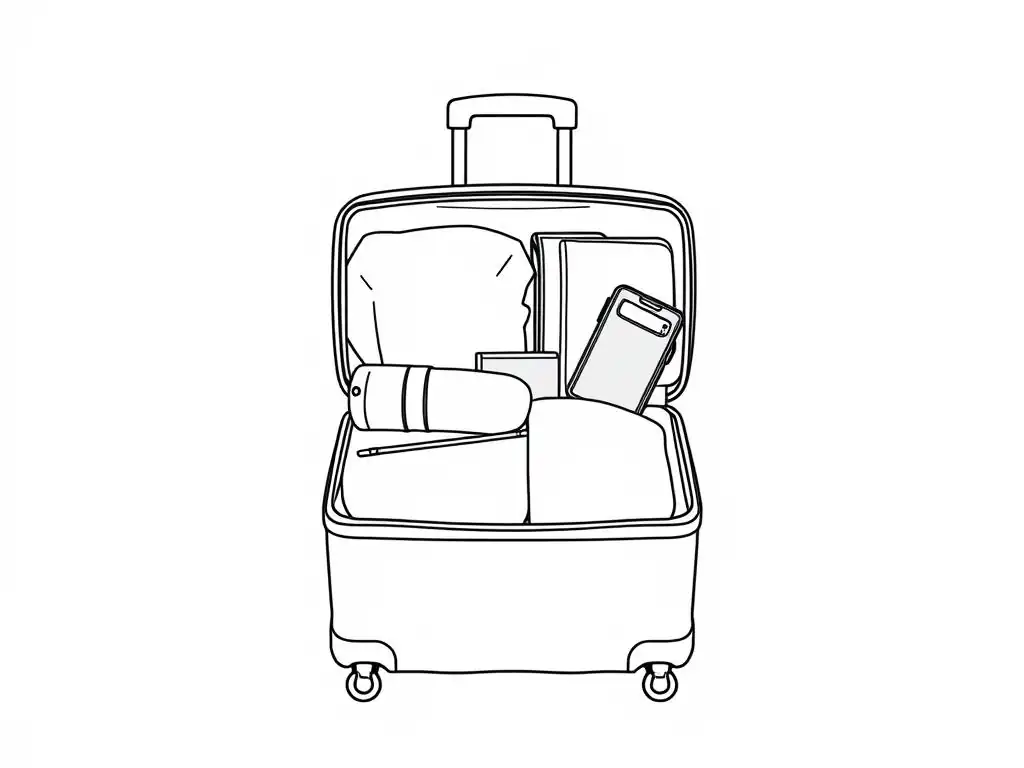
Budget travel isn't just about finding cheap flights and accommodations; it's also about minimizing extra costs associated with your journey. One significant expense often overlooked is baggage fees. Airlines increasingly charge hefty sums for checked luggage, significantly impacting your overall travel budget. Packing light is therefore a crucial budget travel tip and trick, allowing you to avoid these fees and enjoy a more streamlined travel experience.
The less you carry, the less you'll worry about lost luggage, and the easier it will be to navigate public transport and unfamiliar environments. This section will explore practical strategies to achieve this, focusing on maximizing space and minimizing the weight of your belongings. Remember, the goal is to travel efficiently and comfortably without sacrificing essential items.
Essential Packing List for Budget Travelers: Packing Light Without Compromising
Packing light doesn't mean sacrificing comfort or essentials. The key is strategic planning and selecting versatile items. Here's a sample packing list designed for budget-conscious travelers, emphasizing multi-functional clothing and minimizing redundancies:
- Clothing:
- 2-3 pairs of versatile pants or skirts (choose quick-drying fabrics)
- 4-5 versatile tops (mix and match easily)
- 1 lightweight sweater or jacket (layering is key)
- Underwear and socks (enough for each day, plus one extra pair)
- 1-2 pairs of comfortable walking shoes (broken in before your trip!)
- Swimsuit (if needed)
- Sleepwear (consider a versatile item that can double as loungewear)
- Toiletries:
- Travel-sized toiletries (check airline regulations for liquid limits)
- Reusable water bottle (to stay hydrated and avoid buying bottled water)
- Small first-aid kit (band-aids, pain relievers, antiseptic wipes)
- Other Essentials:
- Passport and visa (if required)
- Flight/train tickets (printed or digital copies)
- Credit cards and cash
- Phone and charger
- Universal adapter (if traveling internationally)
- Small backpack or day bag
- Reusable shopping bag (for groceries or souvenirs)
- A good book or e-reader 📖
This list can be adjusted based on the length of your trip and your specific needs. Remember to check the weather forecast before you go and pack accordingly. Prioritize items that can serve multiple purposes, reducing overall volume. For example, a sarong can be used as a scarf, beach cover-up, or even a makeshift curtain in a hostel dorm. Thinking creatively about your packing choices can dramatically reduce your luggage size and save you money on baggage fees.
Utilizing Packing Cubes and Compression Bags: Maximizing Space Efficiency
Even with a carefully curated packing list, maximizing space within your luggage is crucial for budget travelers. Packing cubes and compression bags are invaluable tools for this purpose. Packing cubes are fabric containers that compress clothing and keep items organized, preventing wrinkling and maximizing space utilization. Compression bags, on the other hand, use a vacuum or rolling method to remove air from clothing, significantly reducing their volume.
| Tool | Benefits | Considerations |
|---|---|---|
| Packing Cubes | Organization, wrinkle prevention, space optimization | Can add a slight amount of bulk if over-utilized |
| Compression Bags | Significant volume reduction, ideal for bulky items like sweaters 🧶 | May require a vacuum pump or significant effort to compress |
Using a combination of these methods can dramatically increase the amount you can pack while keeping your luggage organized and manageable. For example, you could use packing cubes for neatly organizing your clothing by category (tops, bottoms, etc. ), while reserving compression bags for bulky items like sweaters or jackets. This strategic approach to packing ensures that you make the most of the available space in your luggage, reducing the likelihood of exceeding weight limits and incurring additional fees. Remember, a well-organized bag is a happy bag! 😄
Budget Travel Resources: Tools and Apps to Simplify Your Planning
Planning a budget trip can feel overwhelming, but leveraging the right tools and apps can significantly streamline the process, saving you both time and money. This section explores essential resources to help you master the art of budget travel planning. Effective planning is key to maximizing your budget travel experience and minimizing unexpected expenses. Let's dive into the digital arsenal that will transform your next adventure.
The app market is saturated with options, but some stand out for their budget-travel-specific features. Choosing the right apps can save you significant hassle and money. Consider these categories:
- Booking & Accommodation: Several apps specialize in finding budget-friendly accommodations, often offering last-minute deals and unique options beyond traditional hotels. Look for apps that allow filtering by price, guest ratings, and location features. Many offer detailed maps and user reviews to help you make informed decisions. Some even integrate loyalty programs for further savings.
- Navigation & Transportation: Navigation apps are essential, especially in unfamiliar territories. Many offer offline maps, crucial for avoiding roaming charges. Some apps also integrate public transport schedules and fare information, allowing you to plan the most cost-effective routes. The ability to compare prices between different transport options is a valuable feature for budget travelers.
- Translation: If you're traveling internationally, a reliable translation app is invaluable. Instant translation of menus, signs, and conversations can significantly enhance your experience and prevent misunderstandings. Look for apps that support offline translation, as internet access isn't always guaranteed. Features such as image translation (pointing your camera at a sign for instant translation) are also incredibly useful.
Example App Combinations: A powerful combination might include a booking app like [App Name A] for accommodations, [App Name B] for navigation and public transport information, and [App Name C] for offline translation. This setup provides a comprehensive toolkit for navigating your trip efficiently and economically. Remember to check app reviews and compare features before committing to a specific set of apps to ensure they meet your needs and budget.
Reliable Websites for Finding Deals and Discounts: Flight, Accommodation, and Activities
While apps are convenient for on-the-go planning, websites often offer a broader range of options and detailed search filters. Navigating these websites effectively is key to finding the best budget travel deals.
- Flight Aggregators: These websites compare flight prices across multiple airlines, helping you find the best deals. Be sure to check different dates and airports (if feasible) to maximize your savings. Setting up price alerts can notify you of price drops, allowing you to snag a bargain. Consider using incognito mode to avoid inflated prices due to cookies tracking your search history.
- Accommodation Booking Platforms: Similar to flight aggregators, these websites compare prices for hotels, hostels, guesthouses, and vacation rentals. Using filters for price, amenities, and guest ratings allows you to find accommodations that perfectly fit your budget and preferences. Reading reviews from previous guests can help you avoid potential pitfalls and ensure a pleasant stay.
- Activity and Tour Booking Sites: Many websites specialize in booking tours, activities, and attractions. Often, booking in advance, especially during peak season, secures better prices and avoids long queues. Look for sites that offer discounts or package deals to combine multiple activities for a lower overall cost. Remember to check for cancellation policies in case your plans change.
Pro-Tip: Utilizing a combination of apps and websites for booking flights, accommodations, and activities can significantly enhance your chances of securing the best deals and maximizing your budget. Don't be afraid to compare prices across different platforms before making any bookings. Remember to carefully review booking terms and conditions before confirming any reservations. Happy and budget-friendly travels! 🎉
Frequently Asked Questions
How can I find cheap flights for my budget trip?
Use flight comparison websites like Google Flights or Skyscanner to compare prices from different airlines. Consider flying mid-week or during the off-season for better deals. Be flexible with your travel dates.
What are some ways to save money on accommodation while traveling?
Look into budget-friendly options like hostels, guesthouses, or Airbnb. Consider staying outside the city center for lower prices. Take advantage of free activities to reduce spending on entertainment.
How can I eat affordably while traveling on a budget?
Cook your own meals whenever possible, utilizing local markets for groceries. Take advantage of happy hour deals or lunch specials at restaurants. Look for street food for cheap and authentic culinary experiences.
What are some tips for saving money on transportation while traveling?
Utilize public transportation whenever available; it's often significantly cheaper than taxis or ride-sharing services. Consider walking or cycling for shorter distances. Look for discounted travel passes if you plan on extensive travel within a city.
How can I plan a budget trip without sacrificing experiences?
Prioritize your must-do activities and research free or low-cost options for sightseeing and entertainment. Look for deals and discounts online and take advantage of free walking tours. Remember that experiences, not just material possessions, create lasting memories.
Final Reflection: The Enduring Allure of Meaningful Travel
The pursuit of budget travel isn't just about saving money; it's about unlocking a richer, more authentic experience. In a world increasingly focused on material possessions, the ability to travel affordably allows us to prioritize experiences over extravagance, fostering a deeper connection with ourselves and the world around us.
The impact of mindful, budget-conscious travel extends far beyond the individual. It challenges the pervasive consumerism that often dictates our vacation choices, encouraging us to seek out unique and meaningful interactions instead of simply ticking off tourist traps. This shift in perspective is crucial for sustainable tourism, ensuring that our travels benefit both ourselves and the communities we visit. Not all those who wander are lost.
- J.R.R. Tolkien. This quote perfectly encapsulates the spirit of budget travel – the willingness to embrace the unexpected, to stray from the well-trodden path, and to discover the hidden gems that often lie beyond the reach of mass tourism.
Now, consider your own travel aspirations. What experiences truly resonate with you? What destinations have been calling your name? Don't let financial constraints dictate your dreams. Use the tips and tricks outlined in this guide to craft your own unique adventure, one that prioritizes authentic connection and mindful exploration over superficial luxury. Embrace the freedom of budget travel and discover the incredible world that awaits you, one unforgettable experience at a time.
Unlock Your Wanderlust: Start Planning Your Budget Adventure!
Thank you for exploring the world of budget travel with us! We hope you've discovered inspiring ways to see the globe without emptying your wallet. Now, let's turn those ideas into a reality.
- Book Your First Budget-Friendly Trip: Don't just dream it—do it! Use the tips and tricks from this guide to plan your next adventure. Consider a destination you've always longed to visit but thought was too expensive.
- Share Your Travel Dreams: Inspire others! Tell us (and your friends!) about your dream budget travel destination in the comments below. Let's build a community of resourceful travelers.
- Explore More Resources: Ready for more money-saving tips? Discover even more ways to maximize your money and time at UltimateLifeHacks.org. We offer guides on various topics, from budget-friendly cooking to smart shopping strategies.
What unexpected destination are you most excited to explore affordably?