
Avoid Overpacking Nightmares: The Essential Guide to Packing Light

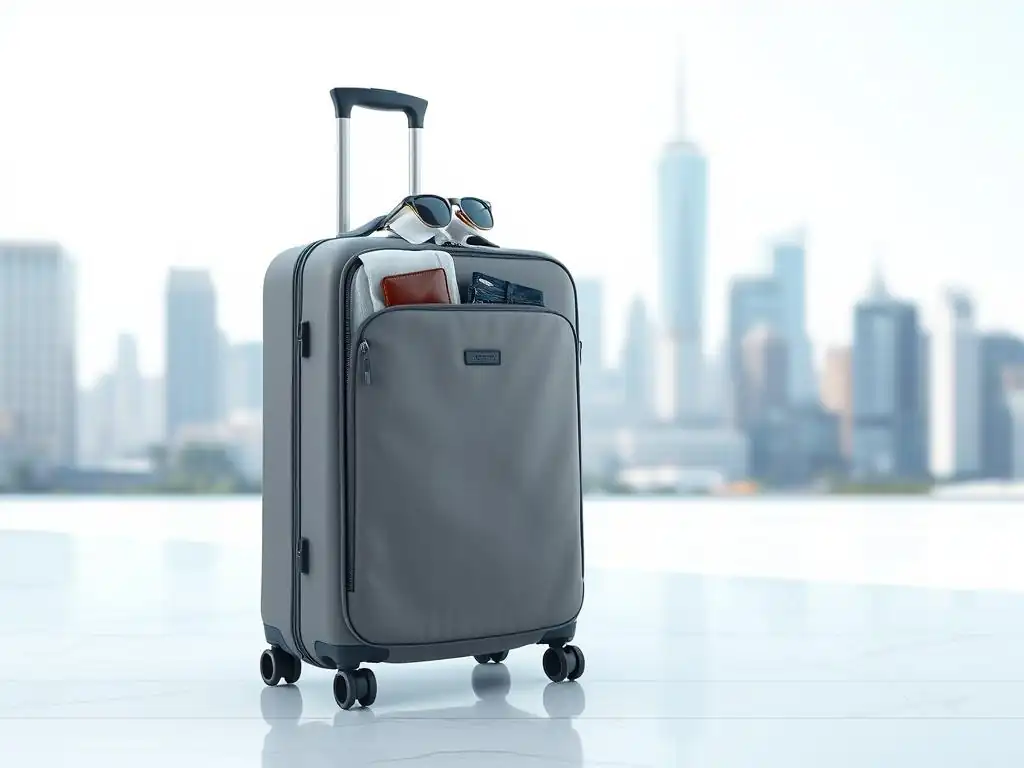
Tired of lugging around oversized suitcases? Discover the secret to stress-free travel with our UltimateLifeHacks Pack light travel essentials guide. Learn how to conquer overpacking nightmares and streamline your next adventure with practical tips and tricks that will transform the way you travel. Ready to experience the freedom of light luggage? Let's dive in!
-
Pack Light Travel Essentials Guide: Planning Your Minimalist Packing List
- Assessing Your Trip: Duration, Climate, and Activities for Efficient Packing
- Creating a Master Packing List: Categorizing Essentials for Light Travel
- Choosing Versatile Clothing Items: Maximizing Outfit Options with Minimal Clothes
- Packing Cubes and Compression Bags: Optimizing Space and Organization for Light Packing
- Mastering the Art of Light Packing: Techniques and Strategies
- Pack Light Travel Essentials Guide: Toiletries and Tech
- Pack Light Travel Essentials Guide: Shoes and Accessories
- Pack Light Travel Essentials Guide: Avoiding Overpacking Mistakes
- Pack Light Travel Essentials Guide: Post-Trip Review and Improvement
-
Frequently Asked Questions
- What are the biggest mistakes people make when packing for a trip?
- How can I choose the right-sized suitcase for packing light?
- What are some essential travel items I shouldn't leave behind?
- How can I save space when packing clothes?
- What are some tips for dealing with unexpected situations while traveling light?
- Final Reflection: The Liberating Power of Light Travel
- Unleash Your Travel Freedom: Pack Smart, Travel Light!
Pack Light Travel Essentials Guide: Planning Your Minimalist Packing List
Overwhelmed by the prospect of packing for your next trip? The struggle is real! Many travelers face the dreaded overpacking nightmare, lugging heavy suitcases that slow them down and sap their energy.
This comprehensive guide will transform your packing experience, teaching you how to master the art of packing light while ensuring you have everything you need. We'll explore practical strategies and create a customized packing list to help you travel with ease and efficiency, maximizing your enjoyment and minimizing the hassle. This guide focuses on creating a minimalist packing list tailored to your specific trip, covering everything from assessing your trip details to selecting versatile clothing items.
Say goodbye to airport baggage fees and hello to stress-free travel! Let's delve into the essentials for packing light and making your next adventure truly unforgettable. This guide will help you rank highly for "Pack light travel essentials guide" by providing a practical, step-by-step approach to minimalist packing.
Assessing Your Trip: Duration, Climate, and Activities for Efficient Packing
Before you even think about touching your suitcase, take some time to thoroughly assess your trip. This crucial first step will drastically impact the contents of your packing list. Consider these key factors:
- Trip Duration: A weekend getaway requires significantly less than a two-week backpacking adventure. Knowing the exact number of days will help you determine how many outfits you truly need.
- Climate and Weather: Research the expected weather conditions at your destination. Packing for a tropical beach vacation will differ vastly from packing for a snowy mountain retreat. Check daily forecasts closer to your departure date for the most accurate prediction.
- Planned Activities: Will you be hiking, attending formal events, relaxing on the beach, or exploring bustling cities? Your planned activities will dictate the types of clothing and gear you'll need. For example, hiking requires sturdy shoes and moisture-wicking clothing, whereas a formal event might necessitate a dress or suit.
By carefully considering these elements, you can avoid packing unnecessary items and create a truly efficient packing list. Remember, the more specific you are in this initial assessment, the easier it will be to pack light without compromising on essentials. This detailed planning stage is the cornerstone of successful minimalist packing. Consider using a simple spreadsheet or notebook to record this information for easy reference.
Creating a Master Packing List: Categorizing Essentials for Light Travel
With your trip details assessed, it's time to create a master packing list. Categorizing your essentials will make the packing process much smoother and help you avoid forgetting anything crucial. A well-organized list ensures you don't overpack. Here's a suggested categorization system:
| Category | Example Items | Considerations |
|---|---|---|
| Clothing | Shirts, pants, underwear, socks, outerwear, dress | Choose versatile items in neutral colors that can be mixed and matched. |
| Footwear | Shoes, sandals, socks | Pack only what you absolutely need, considering activities and weather. |
| Toiletries | Toothbrush, toothpaste, shampoo, conditioner, etc. | Use travel-sized containers to save space and comply with airline regulations. |
| Electronics | Phone, charger, adapter, camera | Consider consolidating chargers and using cloud storage to minimize devices. |
| Documents | Passport, visa, tickets, itinerary | Keep these items readily accessible and consider digital copies as backups. |
| Medications | Prescriptions, pain relievers, allergy medication | Pack these in their original containers and inform airline staff if needed. |
| Miscellaneous | Reusable water bottle, small backpack, snacks | Pack only the essentials. |
Remember to be ruthless in evaluating each item – do you really need it? This is where a minimalist approach truly shines. This structured approach helps ensure you pack only the absolute necessities, avoiding the common pitfall of overpacking.
Choosing Versatile Clothing Items: Maximizing Outfit Options with Minimal Clothes
The key to packing light lies in selecting versatile clothing items that can be mixed and matched to create multiple outfits. Think neutral colors, wrinkle-resistant fabrics, and clothing that can be dressed up or down.
- Neutral Colors: Stick to a color palette of blacks, grays, whites, and navy blues. These colors easily coordinate and minimize the number of items needed.
- Versatile Fabrics: Choose wrinkle-resistant materials like merino wool or quick-drying synthetics to avoid ironing and reduce packing volume.
- Layering: Pack layers to adapt to changing temperatures. A lightweight base layer, a mid-layer fleece, and a waterproof outer shell can handle various conditions.
By strategically selecting your clothing, you can significantly reduce the number of items you pack while still maintaining a wide range of outfit options. This is crucial for efficient and stylish travel. Consider using the "capsule wardrobe" concept to further refine your clothing choices.
Packing Cubes and Compression Bags: Optimizing Space and Organization for Light Packing
Packing cubes and compression bags are your secret weapons in the battle against overpacking. They're not just about squeezing more into your luggage; they're about creating a highly organized and efficient system that makes finding what you need a breeze, even when you're traveling light. Think of them as the ultimate space-saving and organizational tools for the minimalist traveler.
One of the key benefits of using packing cubes is the way they maximize space within your suitcase or backpack. By compressing clothing and other items, they eliminate wasted space caused by loose items shifting around. This is particularly important when packing light, as every inch counts. Instead of a jumbled mess, you'll have neatly organized compartments, making it easier to locate specific items without having to unpack everything. This saves valuable time and reduces stress, especially when you're rushing to catch a flight or train.
Compression bags take this a step further. These are essentially airtight bags that allow you to squeeze out excess air, significantly reducing the volume of your belongings. They're particularly useful for bulky items like sweaters, jackets, or even towels. While packing cubes primarily focus on organization, compression bags are all about maximizing space reduction. Using a combination of both—packing cubes within compression bags—is a highly effective strategy for truly minimizing luggage size.
Consider the material of your packing cubes and compression bags. Durable, water-resistant materials are a smart choice, offering extra protection against spills and moisture. Look for zippers that are robust and reliable, capable of withstanding the wear and tear of frequent travel. Investing in high-quality bags is a worthwhile expense, as they'll last for many trips, contributing to long-term cost savings and reduced environmental impact compared to constantly replacing cheaper options.
Finally, remember that even with packing cubes and compression bags, planning is key. Before you start packing, lay out everything you think you need and carefully consider each item's necessity. This pre-packing assessment will help you avoid bringing unnecessary items, making the process of packing light even more effective. By strategically using packing cubes and compression bags in combination with careful planning, you can achieve the perfect balance of organization and space optimization, ensuring a smooth and stress-free travel experience.
Mastering the Art of Light Packing: Techniques and Strategies
This section delves into the practical techniques and strategies for achieving the art of light packing. Mastering this skill isn't about sacrificing comfort; it's about strategic choices that maximize space and minimize weight. We'll explore methods to ensure your luggage remains manageable, no matter the length of your trip. This "Pack light travel essentials guide" will equip you with the knowledge to conquer overpacking anxieties and embrace the freedom of lighter travel.
Rolling vs. Folding: Which Method Saves Space and Prevents Wrinkles?
The age-old debate: rolling versus folding. Both methods have their proponents, but the optimal choice depends on the type of clothing and your personal preferences. For wrinkle-prone items like linen shirts or dress pants, folding often wins out. However, rolling is generally superior for saving space, especially with softer fabrics like t-shirts and jeans.
Rolling compresses clothing more efficiently, reducing air pockets and creating a more compact arrangement within your suitcase or backpack. This is particularly effective for maximizing space in carry-on luggage. However, rolling can sometimes create wrinkles, especially on delicate fabrics.
Folding, while potentially leading to more wrinkles, is often preferred for items that need to maintain a crisp, uncreased appearance. The structure of the fold helps to preserve the shape of the garment.
Here's a helpful table summarizing the pros and cons:
| Method | Pros | Cons | Best Suited For |
|---|---|---|---|
| Rolling | Space-saving, efficient packing | Can wrinkle some fabrics | T-shirts, jeans, sweaters, casual wear |
| Folding | Minimizes wrinkles, preserves garment shape | Less space-efficient | Dress shirts, pants, delicate fabrics |
Experiment with both techniques to determine which works best for your specific wardrobe and travel style. Consider using a combination of both methods for optimal results. For instance, roll your t-shirts and fold your dress pants.
Utilizing Every Inch of Space: Packing Cubes and Compression Strategies
Packing cubes are a game-changer for light packing. These versatile fabric containers compress clothing, keep items organized, and make unpacking a breeze. They allow you to maximize the space in your suitcase or backpack by eliminating air pockets and creating distinct compartments for different clothing categories.
Beyond packing cubes, compression strategies play a crucial role. This involves using compression bags or sacks to further reduce the volume of your belongings. These bags allow you to squeeze out excess air, significantly reducing the size of bulky items like sweaters or jackets.
Consider this example: A traveler packing for a week-long trip might use three packing cubes – one for shirts, one for pants, and one for underwear and socks. Bulky items like sweaters can be placed in compression bags before being added to a packing cube. This layered approach ensures efficient use of space and minimizes wrinkles. This strategy is especially valuable when adhering to strict carry-on size limitations. The ultimate goal is to achieve maximum density within your luggage, minimizing wasted space and maximizing your packing efficiency.
The Power of Multifunctional Items: Choosing Versatile Clothing and Accessories for Light Travel
The key to light packing lies in choosing versatile items that can be mixed and matched to create multiple outfits. This minimizes the number of items you need to bring while maintaining a diverse wardrobe. Think about neutral-colored clothing items that can be easily combined.
Consider the following:
- Neutral-colored clothing: Opt for clothing in neutral colors like black, gray, navy, or beige. These items can be easily mixed and matched to create a variety of outfits.
- Layering: Pack versatile layers that can be added or removed depending on the weather. A light jacket, a scarf, and a cardigan can significantly increase the number of outfits you can create.
- Multifunctional accessories: Choose accessories that serve multiple purposes. A scarf can be used as a neck warmer, a head wrap, or even a makeshift belt.
- Quick-drying fabrics: Opt for quick-drying fabrics to reduce the amount of laundry you need to do while traveling. This is especially important for longer trips.
By carefully selecting versatile clothing and accessories, you can significantly reduce the amount of luggage you need to carry. This "Pack light travel essentials guide" emphasizes strategic choices that allow you to travel lighter without compromising on style or comfort. Remember, the goal is to maximize the utility of each item you pack.
Pack Light Travel Essentials Guide: Toiletries and Tech
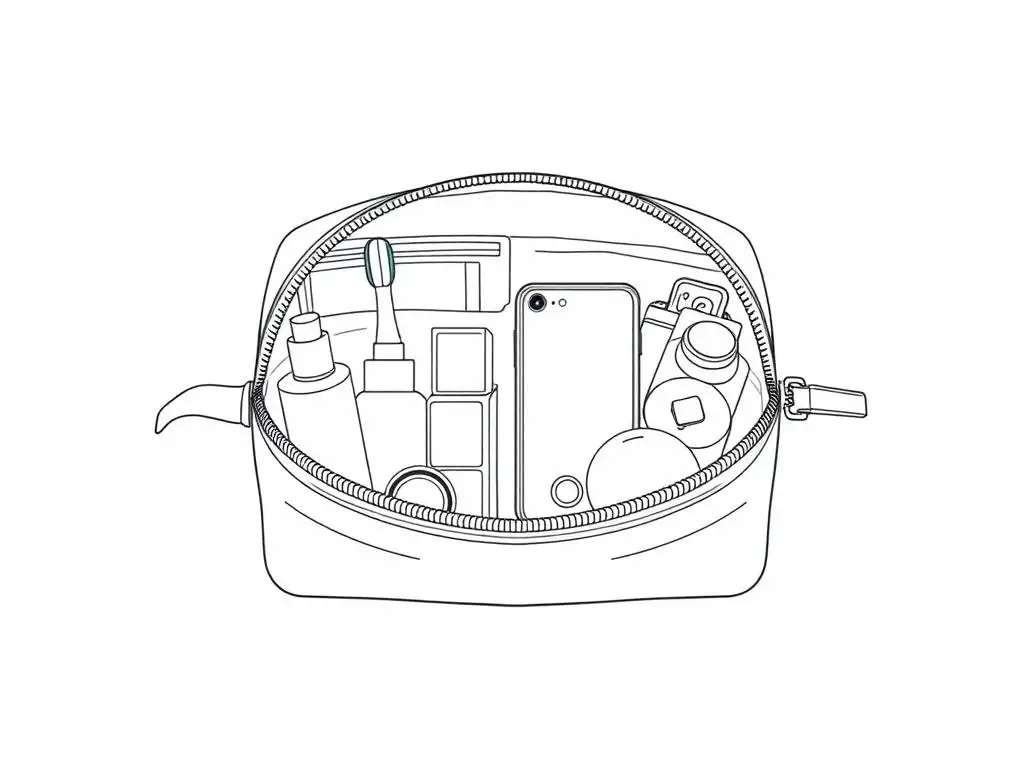
This section focuses on streamlining your packing list by carefully selecting essential toiletries and tech gadgets, ensuring you travel light without compromising comfort or connectivity. We'll explore strategies for minimizing bulk while maximizing functionality, helping you achieve the perfect balance for your next adventure. This guide will help you master the art of packing light, ultimately saving you time, money, and stress.
Travel-Sized Toiletries: Minimizing Bulk Without Sacrificing Hygiene
The bane of many a traveler's existence: bulky toiletries. Fortunately, with a little planning, you can significantly reduce their footprint. The key is to embrace travel-sized containers and multi-purpose products. Instead of packing full-sized bottles of shampoo, conditioner, and body wash, consider purchasing travel-sized versions or transferring your preferred products into reusable, leak-proof containers. Many brands offer convenient travel kits, pre-filled with essentials. Remember to check airline regulations regarding liquid limits before you leave. A good rule of thumb is to keep liquids under 3.4 ounces (100ml) per container.
Furthermore, consider consolidating products. A bar of soap can often replace both shampoo and body wash in a pinch, reducing the number of containers you need to pack. Solid shampoo and conditioner bars are also gaining popularity for their eco-friendliness and space-saving properties.
Don't forget to account for any specific skincare needs; however, try to limit yourself to only the absolute essentials. For example, instead of bringing multiple moisturizers, choose one that serves dual purposes, like a moisturizer with SPF. Planning ahead and making smart choices regarding your toiletries will significantly improve your packing efficiency and reduce the overall weight of your luggage.
Essential Tech and Gadgets: Selecting the Right Devices for Your Trip
Choosing the right tech can make or break your travel experience. While it's tempting to bring every gadget you own, focusing on the essentials will save you significant space and weight. For most trips, a smartphone will suffice as your primary device. Its capabilities far surpass those of previous generations, often incorporating cameras, GPS, and various apps that can replace dedicated devices. However, consider supplementing your phone with a portable charger, ensuring you never run out of battery power while exploring. A universal adapter is also a must-have if you're traveling internationally.
Consider your specific needs. If you're a photographer, a lightweight, compact camera might be justified. If you plan on working remotely, a lightweight laptop or tablet might be necessary. However, carefully weigh the benefits against the extra bulk and weight they'll add to your bag.
A tablet might be a good compromise between a full-sized laptop and a smartphone, providing sufficient processing power for many tasks while remaining relatively portable. Remember, the goal is to minimize the number of devices, optimizing for functionality and portability. Before leaving, ensure all devices are fully charged, and consider bringing extra batteries if needed. This thoughtful selection of tech will contribute significantly to your efficient packing strategy.
Packing Electronics Safely: Protecting Your Gadgets During Travel
Protecting your valuable electronics during travel is crucial. Invest in a good quality travel case or sleeve for each device, offering cushioning and protection against impacts and scratches. Consider using hard-shell cases for fragile items like tablets and laptops. For smaller items like smartphones and portable chargers, pouches or organizers will keep them safe and easily accessible. A dedicated electronics organizer can help keep everything neat and prevent tangled cords.
Furthermore, consider the environmental conditions you'll encounter during your trip. If you're traveling to a humid or rainy location, ensure your devices are adequately protected from moisture. Silicone waterproof bags can provide an extra layer of protection. Think about storing your electronics in your carry-on luggage rather than checked baggage to prevent potential damage from rough handling. By prioritizing the safety of your electronics, you minimize the risk of expensive replacements and ensure you can stay connected throughout your trip. This careful approach to electronics packing is an essential part of any successful pack-light strategy.
Pack Light Travel Essentials Guide: Shoes and Accessories
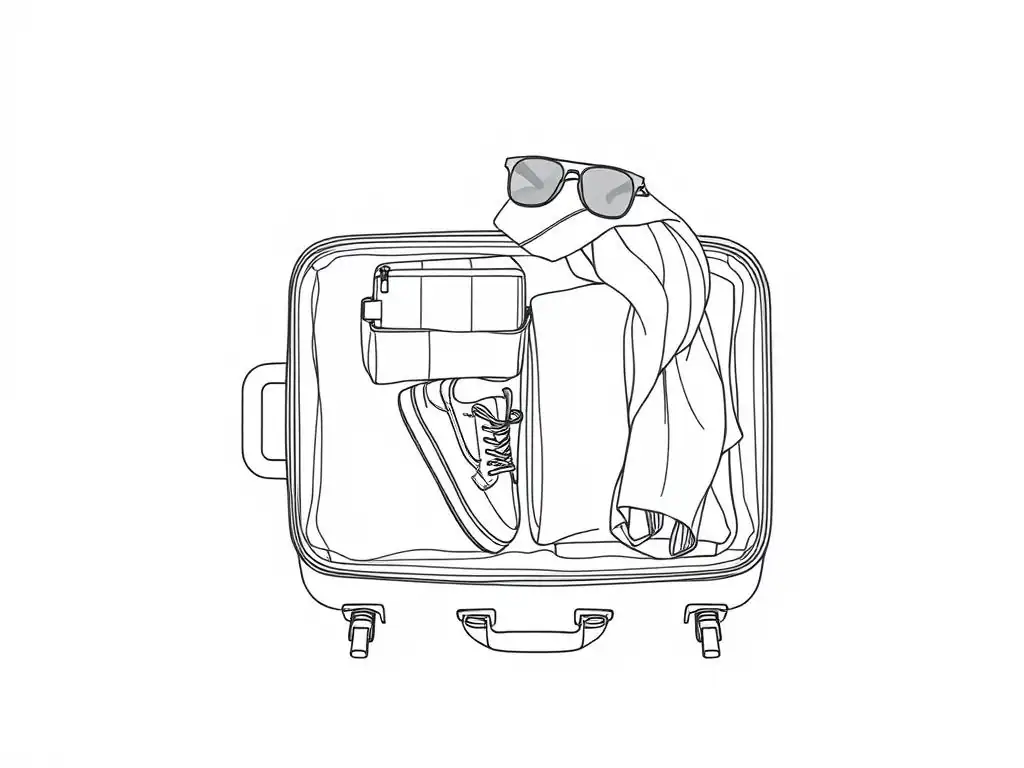
This section focuses on minimizing the bulk of shoes and accessories while ensuring you have everything you need for a comfortable and stylish trip. Overpacking in these categories is common, but with careful planning, you can significantly reduce your luggage weight and maximize your packing efficiency. This guide provides practical strategies to achieve that, focusing on the "pack light travel essentials guide" principle.
Choosing the Right Footwear: Versatile Shoes for Different Activities
The right footwear is crucial, yet often leads to overpacking. The key is versatility. Avoid packing specialized shoes for every single activity. Instead, prioritize shoes that can handle multiple situations.
Consider these points:
- One good pair of walking shoes: These are your workhorses. Choose comfortable, well-broken-in shoes with good support, suitable for sightseeing, exploring, and general walking. Avoid brand new shoes – blisters are the enemy of light travel! Look for lightweight materials like breathable mesh.
- One pair of dressier shoes (optional): If you anticipate formal events or nicer restaurants, pack one versatile pair. Consider loafers, elegant flats, or even stylish sneakers that can transition between casual and semi-formal settings. This is where versatility is key; avoid bringing both heels and flats if one pair can suffice.
- Sandals or flip-flops (optional, climate-dependent): These are useful for beaches, showers, or casual wear in warm climates. However, if your trip is primarily city-based or in cooler temperatures, skip them to save space.
Example: For a 10-day trip to a European city, a sturdy pair of walking shoes and a pair of comfortable, neutral-colored loafers would be sufficient for most travelers.
| Shoe Type | Necessity Level | Justification |
|---|---|---|
| Walking Shoes | High | Essential for comfort and support during daily activities. |
| Dress Shoes (Optional) | Medium | Necessary only if formal occasions are anticipated; versatile options are key. |
| Sandals/Flip-Flops | Low | Only pack if climate and planned activities warrant them. |
Remember, the weight of your shoes significantly impacts your overall luggage weight. Choosing lightweight, durable options is crucial for efficient packing. Consider the material and sole thickness when making your selection. Lightweight shoes mean more space for other essentials!
Smart Accessory Selection: Limiting Non-Essentials for Light Travel
Accessories can easily add unnecessary bulk. To pack light, be selective and strategic:
- Jewelry: Choose a few key pieces—a simple necklace, a pair of earrings, and perhaps a watch—instead of bringing your entire jewelry box. Prioritize items that complement your outfits.
- Belts: One or two versatile belts are usually sufficient. Choose neutral colors that match various outfits.
- Scarves: Scarves are great for adding warmth or style, but choose lightweight materials like silk or cotton to minimize bulk. One or two versatile scarves can replace multiple items.
- Bags: One small purse or cross-body bag is ideal for everyday use. Avoid bringing multiple bags unless absolutely necessary.
- Toiletries: These are often overlooked but contribute significantly to weight. Utilize travel-sized containers or solid toiletries to minimize space and weight. This relates directly to the overall "pack light travel essentials guide" concept.
Pro Tip: Roll your clothes to save space and minimize wrinkles. This also helps you to efficiently see what you're packing and to identify any unnecessary items.
Remember, the goal is to pack only what you truly need. Before packing each item, ask yourself: "Will I really use this?" If the answer is no, leave it behind. By following these guidelines, you can significantly reduce your luggage weight and enjoy a stress-free travel experience. This efficient packing strategy is a critical component of any successful "pack light travel essentials guide."
Pack Light Travel Essentials Guide: Avoiding Overpacking Mistakes
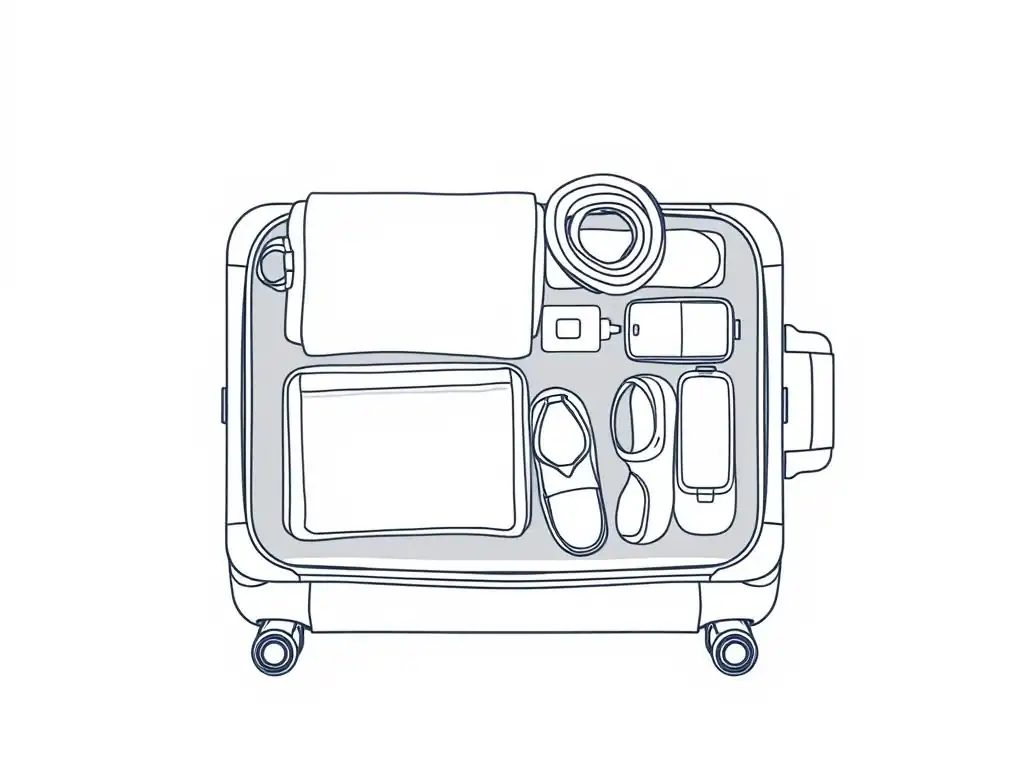
This section delves into the crucial aspects of packing light, focusing on common mistakes and offering practical solutions to streamline your travel experience. Mastering the art of packing light isn't just about fitting more into your suitcase; it's about maximizing your travel enjoyment and minimizing stress. This guide provides a practical, step-by-step approach to achieving this. We'll explore the often-misunderstood weight limits, the pitfalls of last-minute packing, and the undeniable importance of a well-structured packing checklist. By the end, you'll be equipped to conquer your packing anxieties and embrace the freedom of travel with minimal luggage.
The Weight Limit Deception: Understanding Airline Baggage Restrictions
Airlines often present a deceptively simple picture of baggage allowances. The stated weight limit rarely tells the whole story. Many factors contribute to exceeding baggage restrictions beyond simply the weight of your items. For example, the dimensions of your luggage are equally, if not more, important. A small, heavy suitcase might be acceptable, while a large, lightweight one might exceed size limits, leading to hefty fees.
Furthermore, the weight limit applies to each bag individually, not the total weight across all your luggage. If you have a checked bag and a carry-on, each must be within the specified limits. Different airlines have different policies, and even within a single airline, restrictions can vary by flight route and aircraft type.
Consider this example: Airline A states a 23kg limit for checked baggage. However, their website also specifies a maximum dimension of 158cm (length + width + height). A traveler might pack a 22kg suitcase, only to find it exceeds the size limit, resulting in extra charges. This highlights the importance of checking both weight and dimension restrictions before you pack.
It's crucial to check the specific baggage allowance details on your airline's website well in advance of your departure. Don't rely on past experiences or assumptions – airline policies change frequently. Weigh your luggage before arriving at the airport to avoid unexpected fees and delays. A simple luggage scale can save you significant stress and money.
Last-Minute Packing Pitfalls: Avoiding Impulse Packing Before Departure
The frantic rush of last-minute packing is a recipe for disaster. It leads to overpacking, forgotten essentials, and ultimately, a stressful start to your trip. Impulse packing, driven by anxiety and a lack of planning, often results in including items you don't actually need.
To avoid this, establish a packing schedule well in advance of your departure. Begin by creating your packing list (discussed in the next section). Then, allocate specific times for packing different categories of items. This structured approach minimizes last-minute stress and ensures you pack efficiently.
Here’s a sample schedule:
- One week before: Review your itinerary and identify necessary clothing and items based on activities and weather conditions.
- Three days before: Begin packing non-perishable items and toiletries.
- One day before: Pack clothing and other essentials, checking against your checklist.
- Day of departure: Final check and organization of your luggage.
Avoid the temptation to throw in "just in case" items. This is a major contributor to overpacking. If you're unsure if you need something, it's best to leave it behind. You can always purchase it at your destination if absolutely necessary. Remember, you can always buy more, but you can't magically remove excess weight from your luggage at the airport!
The Importance of a Packing Checklist: Ensuring You Don't Forget Essentials
A comprehensive packing checklist is the cornerstone of efficient packing. It ensures you don't forget essential items and helps prevent overpacking by providing a structured framework for your packing process. Creating a packing checklist tailored to your specific trip is crucial, but a basic framework can be adapted for various scenarios.
Here’s how to create your personalized packing checklist:
- Categorize: Divide your checklist into categories like clothing, toiletries, electronics, documents, and medications. This makes organization easier and less prone to error.
- Itemize: List every item you need within each category. Be specific! Instead of “clothes,” list “t-shirts (3),” “pants (2),” “socks (7),” etc. This level of detail prevents last-minute scrambling.
- Prioritize: Mark essential items with a star (*) or highlight them. This helps you focus on the most crucial items during packing and ensures you don't forget anything vital.
- Adapt & Reuse: Save your checklist and adapt it for future trips. You can easily modify it for different destinations and durations. This saves you time and effort in the long run.
Example Checklist Snippet:
| Category | Item | Quantity | Priority | Notes |
|---|---|---|---|---|
| Clothing | T-shirts | 3 | * | Pack breathable, quick-drying materials |
| Pants | 2 | * | Consider versatile, mix-and-match options | |
| Underwear | 7 | * | Enough for each day plus a spare | |
| Toiletries | Toothbrush | 1 | * | Travel-sized is recommended |
| Sunscreen | 1 | * | Check airline regulations on liquids |
By following these steps and utilizing a packing checklist, you can significantly reduce the risk of overpacking and ensure you're well-prepared for your journey. Remember, packing light is a skill that improves with practice. The more you pack light, the better you'll become at identifying what you truly need and what you can leave behind. This will lead to more enjoyable and stress-free travel experiences.
Pack Light Travel Essentials Guide: Post-Trip Review and Improvement
This section focuses on refining your packing strategy after a trip, transforming experience into future efficiency. Analyzing what you used and what remained untouched is crucial for mastering the art of packing light. This post-trip review is key to optimizing your packing list and avoiding overpacking nightmares in the future. Let's delve into how to effectively evaluate your packing and adapt your approach for smoother travels.
Evaluating Your Packing: Identifying What Worked and What Didn't
Immediately after returning from your trip, take some time to review your luggage. Don't just unpack haphazardly; this is an opportunity for valuable self-assessment. The goal is to identify the items you actually used and those that remained untouched, gathering data for future packing decisions.
Consider these questions while evaluating your packing:
- What clothes did I wear every day? These are your essential items. Prioritize them in your next packing list.
- What clothes did I wear only once or twice? These items might be unnecessary. Consider if they were truly essential or just impulse choices.
- Which toiletries did I use up completely? These are your must-haves. Replenish these before your next trip.
- Which toiletries remained mostly unused? These are candidates for removal or downsizing (travel-sized versions). Did you really need three different lotions?
- Were there any unexpected situations that required additional items? This helps you anticipate future needs and proactively include them in your packing list. For example, did you unexpectedly need a raincoat?
To make this process more structured, create a simple table:
| Item Category | Item | Used? (Yes/No) | Notes |
|---|---|---|---|
| Tops | T-shirt (white) | Yes | Wore every other day |
| Tops | T-shirt (blue) | No | Didn't need it, too similar to white one |
| Bottoms | Jeans | Yes | Essential |
| Bottoms | Dress pants | No | Didn't have any occasion to wear them |
| Toiletries | Toothpaste | Yes | Used completely, need to replace before next trip |
| Toiletries | Hairspray | No | Didn't use, will skip next time |
| Electronics | Phone Charger | Yes | Essential |
| Electronics | Laptop | No | Didn't need it for this specific trip |
This detailed analysis helps you understand your actual needs, leading to a more streamlined packing list. Remember, the goal is to pack light, not to bring everything "just in case." The "just in case" items often remain unused, adding unnecessary weight and bulk.
Refining Your Packing List: Adapting for Future Trips Based on Experience
Based on your post-trip evaluation, you can now refine your packing list for future adventures. This isn't just about removing unused items; it's about creating a dynamic, adaptable system.
Here's how to refine your packing list:
- Remove unnecessary items: Based on your "Used?" column in the table, eliminate items you didn't use or only used sparingly.
- Optimize your clothing choices: Choose versatile clothing items that can be mixed and matched for multiple outfits. Think about neutral colors and fabrics that are easy to care for.
- Consolidate toiletries: Use travel-sized containers or multi-purpose products to reduce the number of toiletries you need to pack.
- Prioritize essential items: Place your most important items at the top of your list. This ensures you don't forget them in the rush of packing.
- Add a "contingency" section: Include a small space for unexpected needs. This could include a small first-aid kit or a reusable shopping bag.
- Consider the climate and activities: Always tailor your packing list to the specific destination and planned activities. A beach vacation requires different items than a hiking trip.
By consistently reviewing and refining your packing list, you'll gradually develop a system that works perfectly for you, minimizing overpacking and maximizing your travel experience. Remember, less is often more when it comes to packing light. The less you carry, the more you'll enjoy your trip! This iterative process of packing, reviewing, and refining is crucial for mastering the art of light travel and achieving efficient packing for any trip. Enjoy the freedom of travel without the burden of excess luggage!
Frequently Asked Questions
What are the biggest mistakes people make when packing for a trip?
The biggest mistake is overpacking. People often bring too many clothes and shoes, assuming they'll need more than they actually do. Planning outfits in advance helps avoid this.
How can I choose the right-sized suitcase for packing light?
Consider the length of your trip and the climate. A smaller carry-on suitcase is ideal for short trips or warm destinations, minimizing the risk of overpacking. Larger checked bags are better for longer trips or those requiring bulkier items.
What are some essential travel items I shouldn't leave behind?
Passport and travel documents, phone and charger, wallet with essential cards, and basic medications are non-negotiable. Also consider packing a universal adapter if traveling internationally.
How can I save space when packing clothes?
Use packing cubes to compress clothing and keep items organized. Roll your clothes instead of folding them to save space and prevent wrinkles. Choose versatile clothing items that can be mixed and matched.
What are some tips for dealing with unexpected situations while traveling light?
Pack a small, versatile first-aid kit for minor injuries. Consider a travel-sized laundry detergent for washing clothes if needed. Remember to check the weather forecast and pack accordingly, but be prepared for unexpected changes.
Final Reflection: The Liberating Power of Light Travel
The art of packing light isn't just about fitting your belongings into a smaller bag; it's about reclaiming your freedom and embracing a more mindful approach to travel. In a world obsessed with accumulating possessions, the simple act of consciously choosing what to leave behind offers a profound shift in perspective, impacting not only our travel experiences but also our overall relationship with material things.
The impact of this minimalist travel philosophy extends far beyond the convenience of navigating airports and public transport. It fosters a deeper appreciation for the journey itself, allowing us to be more present in new environments and less burdened by the weight of our belongings. As the renowned travel writer Pico Iyer once said, The real voyage of discovery consists not in seeking new landscapes, but in having new eyes.
Packing light encourages us to cultivate those "new eyes," to see the world with fresh perspective, unencumbered by the distractions of excess.
Now, consider your next trip. Will you continue to wrestle with oversized suitcases, or will you embrace the liberating lightness of intentional packing? I invite you to challenge yourself to pack less, to prioritize experiences over possessions, and to discover the joy of traveling with only what you truly need. The journey awaits, and it's far more enjoyable when you're not weighed down by unnecessary baggage – both literally and figuratively.
Unleash Your Travel Freedom: Pack Smart, Travel Light!
Thanks for joining us on this journey to lighter luggage and stress-free travels! We hope you've discovered the joy of minimalist packing and the freedom it unlocks. Now it's time to put your newfound knowledge into practice.
- Master the art of packing cubes: This is your secret weapon for organized and efficient packing. Experiment with different folding techniques to maximize space and minimize wrinkles!
- Share your packing experiences: Let's build a community of savvy travelers. Share your favorite packing tips or biggest packing challenges in the comments below!
- Challenge yourself to pack lighter for your next trip: Aim to reduce your usual packing volume by 20%! You might be surprised at how much you can accomplish with a lighter bag.
Ready to ditch the extra baggage and embrace the adventure? What's the first thing you'll eliminate from your next packing list?