
Maximize Your Luggage Space: Clever Packing Tips and Tricks

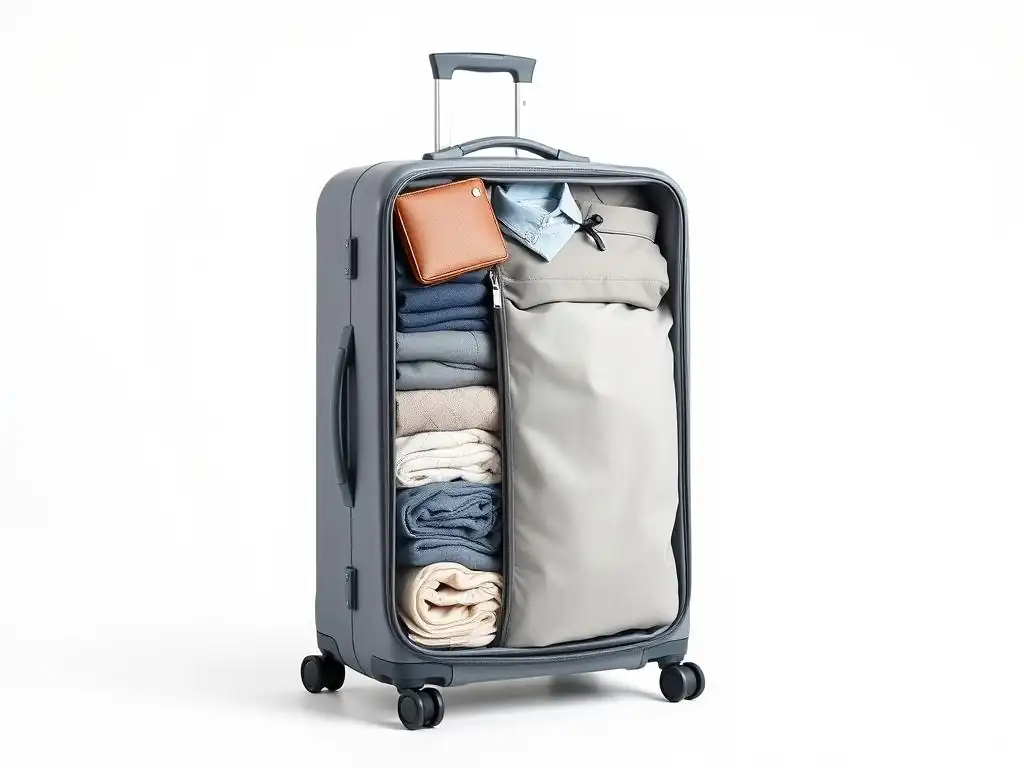
Ready to conquer travel chaos and finally pack like a pro? UltimateLifeHacks is your destination for practical advice that transforms everyday routines. Discover the secrets to efficient packing with our expert guide on "Pack luggage efficiently tips", where you'll learn how to maximize your luggage space and travel stress-free. Dive in and unlock the art of effortless packing – your perfectly organized suitcase awaits!
- Mastering Efficient Packing Techniques: A Guide to Optimized Luggage Space
- Smart Packing Strategies for Efficient Luggage Organization
- Advanced Techniques for Efficient Luggage Packing
- Travel-Sized Essentials: Smart Packing for Carry-On Luggage
- Beyond the Basics: Advanced Tips for Efficient Packing
- Frequently Asked Questions
- Final Reflection: The Art of Efficient Packing: A Journey Beyond the Suitcase
- Unlock Your Travel Potential: Pack Smarter, Travel Lighter!
Mastering Efficient Packing Techniques: A Guide to Optimized Luggage Space
Packing for a trip can often feel like a battle against limited space. Luggage restrictions, whether for airlines or personal vehicle constraints, frequently force travelers to make difficult choices about what to bring. This comprehensive guide will equip you with practical strategies and clever tips to maximize your luggage space, allowing you to pack efficiently and travel light without sacrificing essential items.
We'll explore proven techniques that will help you conquer the challenge of fitting everything you need into your suitcase, transforming the packing process from a stressful chore into a streamlined and efficient endeavor. This guide focuses on effective packing strategies to help you master efficient packing, ultimately saving you time and stress before, during, and after your travels.
We’ll address common packing problems and provide solutions that will significantly improve your packing efficiency, ensuring you're ready for any adventure. Learning to pack luggage efficiently is a crucial skill for any frequent traveler, and this guide will provide you with the tools you need to become a packing pro.
Essential Packing List: Prioritize Items for Efficient Luggage Space
Before you even think about rolling or folding, create a detailed packing list. This isn't just a random jotting down of items; it's a strategic prioritization exercise. Start by categorizing your items into essentials, necessities, and luxuries.
- Essentials: These are the absolute must-haves – passport, medications, wallet, phone charger. These go in first and should be easily accessible.
- Necessities: Clothes, toiletries, and other items you'll use daily. Prioritize versatile clothing items that can be mixed and matched. Consider the climate and activities planned for your trip to refine your selections.
- Luxuries: Items that are nice to have but not essential. These are the items you should carefully consider eliminating if space becomes an issue.
Creating a packing list helps you visualize what you need, minimizing impulse packing and ensuring you don’t overpack. Remember to check the weather forecast before you leave to adjust your clothing choices accordingly. A well-planned list dramatically improves your ability to pack luggage efficiently. Consider using a packing list app or spreadsheet to keep track of your items and their weight.
| Item Category | Example Items | Considerations |
|---|---|---|
| Essentials | Passport, Medications, Wallet | Pack these in a readily accessible place. |
| Necessities | Underwear, Shirts, Pants, Toiletries | Choose versatile items that can be mixed and matched. |
| Luxuries | Books, Extra shoes, Jewelry | Consider eliminating these if space is limited. |
The Art of Rolling vs. Folding: Which Method Saves More Space?
The age-old debate: rolling versus folding. The truth is, the best method depends on the item. Generally, rolling is more effective for softer items like t-shirts and underwear, as it compresses them and reduces wrinkles. Folding, however, works better for structured items like button-down shirts and trousers to maintain their shape.
- Rolling: Tightly roll each item, starting from one end and working your way to the other. This technique minimizes wrinkles and maximizes space, especially for softer fabrics. 👖👕
- Folding: Fold items neatly, especially those prone to wrinkling. Consider using the KonMari method, folding items into rectangles to maximize space utilization within your suitcase. 👔👚
Experiment with both methods to find the best approach for your specific wardrobe items. Remember to prioritize rolling for items that are less prone to wrinkling and folding for more delicate items. This combination of techniques allows for optimal space utilization.
Maximize Space with Compression Cubes and Packing Organizers
Compression cubes and packing organizers are game-changers for efficient packing. Compression cubes compress your clothes, saving significant space. Packing organizers (such as zippered pouches) help keep your belongings organized and easily accessible.
- Compression Cubes: These are fabric bags that you can zip up tightly, squeezing out excess air and reducing the volume of your clothing. They're particularly useful for bulky items like sweaters and jackets. They also help to separate clothes into categories, leading to more organized packing.
- Packing Organizers: These are usually zippered pouches or bags used to separate different types of items (underwear, socks, toiletries, etc.). This helps keep your luggage organized and makes it easier to find what you need.
Using both compression cubes and packing organizers creates a well-organized and space-efficient packing system. This improves your ability to pack luggage efficiently and easily locate what you need during your trip. Investing in these items is a worthwhile investment for frequent travelers.
Smart Packing Strategies for Efficient Luggage Organization
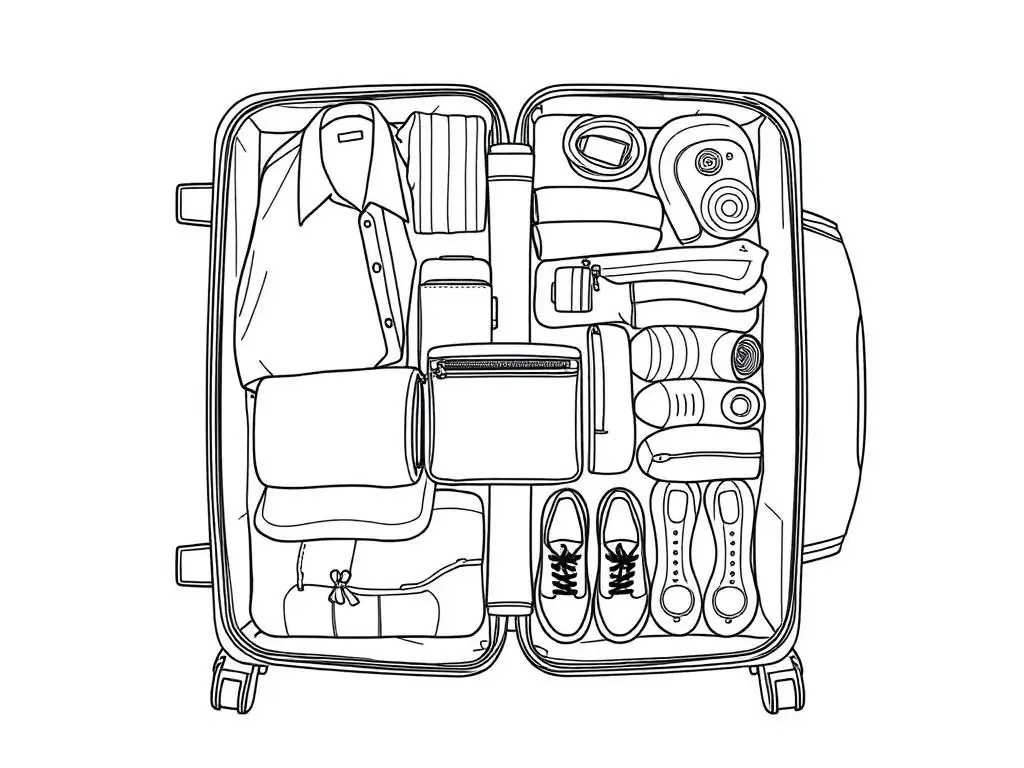
This section delves into effective strategies for organizing your luggage, ensuring you maximize space and minimize wrinkles. Efficient packing isn't just about cramming items in; it's about strategic placement and utilizing every available inch. Mastering these techniques will transform your packing experience, allowing you to travel lighter and more comfortably. We'll explore practical methods that go beyond the basics, focusing on techniques to help you efficiently pack luggage.
Packing Clothes Efficiently: Minimizing Wrinkles and Maximizing Space
Packing clothes efficiently is crucial for maximizing luggage space. The key is to minimize wrinkles and utilize compression techniques. Instead of loosely tossing clothes into your suitcase, consider these methods:
- Rolling vs. Folding: Rolling your clothes, particularly t-shirts and pants, saves significant space compared to folding. Tightly rolled items take up less room and are less prone to wrinkling. Experiment with different rolling techniques to find what works best for you.
- Compression Cubes: These are game-changers. Compression cubes are zippered fabric bags designed to squeeze out excess air, significantly reducing the volume of your clothes. They also help organize your belongings within your suitcase.
- Layering Techniques: Place heavier items at the bottom of your suitcase to provide a stable base. Layer lighter items on top. This prevents heavier items from crushing lighter, more delicate clothing.
- Strategic Item Placement: Consider the order in which you'll need your clothing. Place frequently accessed items at the top for easy access.
- Choosing the Right Fabrics: Opt for wrinkle-resistant fabrics whenever possible. These fabrics require less care and will look better even after being packed tightly.
Here's a sample packing list showing the space-saving potential of rolling vs. folding:
| Item | Packing Method | Approximate Space (inches³) |
|---|---|---|
| T-Shirt | Folded | 100 |
| T-Shirt | Rolled | 75 |
| Pair of Jeans | Folded | 200 |
| Pair of Jeans | Rolled | 150 |
The data clearly shows the space-saving advantages of rolling your clothes. Remember, efficient packing is about optimizing space and minimizing wrinkles, resulting in a smoother travel experience.
Strategic Packing of Shoes: Space-Saving Tips and Tricks for Footwear
Shoes often occupy a significant amount of space in your luggage. Employing smart strategies can drastically improve your luggage space optimization when packing shoes. Here are some effective techniques:
- Shoe Stuffing: Don't let the inside of your shoes go to waste! Stuff socks, underwear, or other small items inside to utilize this otherwise empty space. This helps maintain the shoe's shape and saves space elsewhere.
- Shoe Bags: Using dedicated shoe bags keeps your shoes separate from your clothes, preventing dirt and odors from transferring. Many shoe bags are also designed to be compact and space-saving.
- Packing Order: Place shoes at the bottom corners of your suitcase to provide a stable base and utilize the otherwise dead space.
- Choosing the Right Shoes: Travel light! Choose versatile shoes that can be worn for multiple occasions, reducing the overall number of shoes you need to pack.
By following these tips, you can significantly reduce the space your shoes consume, leaving more room for other essentials. Remember that every inch counts when it comes to efficient packing!
Utilizing Empty Spaces: Creative Packing Ideas for Efficient Luggage Space
Even with meticulous planning, empty spaces often remain. Don't let them go to waste! Here are some creative ideas to fill those gaps and maximize your luggage's capacity:
- Filling Gaps with Smaller Items: Use smaller, flexible items like belts, scarves, or rolled-up toiletries to fill any remaining gaps between larger items.
- Utilizing the Lid Space: The lid of your suitcase often has unused space. Utilize this space for flatter items like hats, sunglasses, or electronics.
- Using Packing Organizers: Packing organizers (like those sold specifically for travel) can help to fill irregular spaces and keep items organized.
- Flexible Packing: Don’t overpack! Leave some room for souvenirs or unexpected purchases you might make during your trip.
Mastering efficient packing is a skill that improves with practice. By implementing these strategies, you'll be well on your way to packing your luggage efficiently, allowing you to enjoy a more relaxed and organized travel experience. Remember, the goal is to utilize every cubic inch of space available, resulting in a lighter and more manageable suitcase.
Advanced Techniques for Efficient Luggage Packing
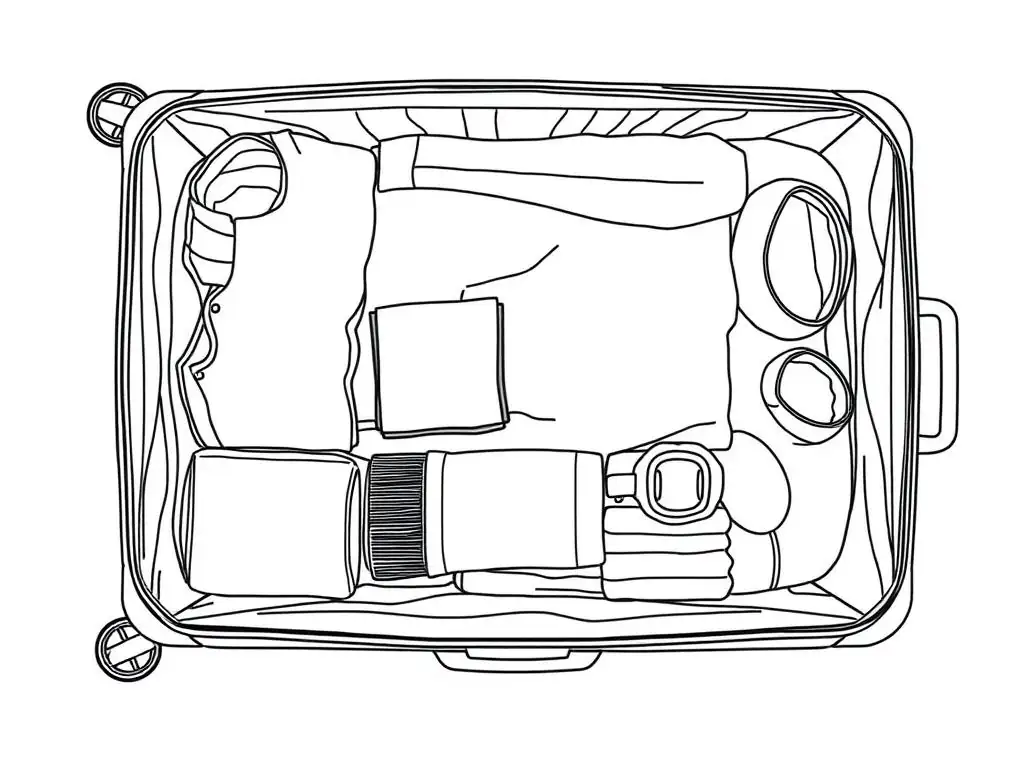
This section delves into more sophisticated strategies for maximizing your luggage space, going beyond the basics of rolling and layering. We'll explore techniques to handle specific items efficiently, ensuring both safety and space optimization. Mastering these techniques will transform your packing experience and allow you to travel lighter, smarter, and stress-free. The ultimate goal? Efficiently packing your luggage to achieve maximum capacity while minimizing the risk of damage.
Packing Fragile Items: Safe and Space-Saving Methods
Packing delicate items like glassware, ceramics, or electronics requires a strategic approach. Simply throwing them in can lead to damage. Instead, consider these space-saving and protective methods:
- Bubble Wrap and Packing Peanuts: These classic protective materials are still highly effective. Use them generously, especially around corners and edges. To save space, consider using reusable silicone packing pouches instead of traditional bubble wrap for certain items. They offer excellent protection and can be easily cleaned and reused for future trips.
- Clothing as Cushioning: Utilize soft clothing items like sweaters or t-shirts to cushion fragile items. Wrap them individually in clothing before placing them in a dedicated section of your suitcase. This dual-purpose method saves space and protects your belongings simultaneously.
- Strategic Placement: Place your most fragile items in the center of your suitcase, surrounded by softer items. Avoid placing them near the wheels or edges where they are most susceptible to impact.
- Hard-Sided Cases: For extra sensitive items, consider investing in hard-sided cases or containers. These provide superior protection from bumps and drops, especially during transit.
For example, if packing a delicate glass vase, wrap it individually in bubble wrap, then place it inside a soft clothing item before carefully placing it in the center of your luggage. This multi-layered approach minimizes the risk of breakage. Remember, meticulous packing is key when it comes to fragile items; a little extra time spent on protection will save you from potential headaches and expenses later.
Packing Liquids and Cosmetics: TSA Regulations and Space Optimization
Packing liquids and cosmetics requires careful attention to TSA regulations and space optimization strategies. Remember, TSA regulations limit the size of liquid containers to 3.4 ounces (100ml) and require them to be placed in a clear, quart-sized, resealable bag. Here's how to maximize space while remaining compliant:
- Travel-Sized Containers: Invest in reusable, leak-proof travel-sized containers. These allow you to decant larger quantities of your favorite products into smaller, TSA-compliant sizes. This reduces weight and frees up valuable space.
- Solid Alternatives: Consider switching to solid versions of your favorite products whenever possible. Solid shampoos, conditioners, and lotions take up less space and eliminate the risk of spills.
- Compression Bags: Use compression bags or travel pouches to remove excess air from your liquid containers, minimizing their overall volume. This is particularly useful for creams and lotions.
- Strategic Placement: Place your liquids bag in an easily accessible part of your luggage for quick retrieval during security checks. This saves time and avoids unnecessary stress.
For instance, instead of carrying a full-sized bottle of shampoo, transfer the required amount into a small, TSA-approved container. This simple change can save significant space and weight in your luggage. Always check the current TSA guidelines before packing to avoid any issues at the airport.
Efficiently Packing Electronics and Accessories: Protecting and Organizing
Electronics and accessories often take up significant space and are vulnerable to damage. Efficient packing requires both protection and organization:
- Protective Cases: Use individual cases or pouches for each electronic device. This protects them from scratches and impacts. Consider hard cases for particularly fragile items like tablets or laptops.
- Cable Organizers: Use cable organizers or small zip-lock bags to keep charging cables and other accessories neatly bundled. This prevents tangles and makes it easy to locate what you need.
- Electronics Packing Cubes: Packing cubes designed specifically for electronics provide extra padding and organization. These cubes often feature compartments for various accessories.
- Dedicated Compartment: Designate a specific section of your luggage for electronics. This helps keep them separate from other items and minimizes the risk of damage.
| Item | Protection Method | Space-Saving Tip |
|---|---|---|
| Laptop | Hard Case, padded sleeve | Use a slim laptop sleeve |
| Tablet | Padded case, bubble wrap | Place it in a dedicated compartment |
| Phone | Phone case, protective pouch | Use a phone case with built-in wallet |
| Charging Cables | Cable organizer, zip-lock bags | Wrap cables around a larger item |
| Headphones | Hard case, protective pouch | Use a small zip-lock bag |
Remember, the key to efficiently packing electronics is a combination of protection and organization. By employing these techniques, you can ensure your devices arrive safely at your destination while maximizing your luggage space. Properly protecting your valuable electronics is paramount for a smooth and enjoyable trip.
Travel-Sized Essentials: Smart Packing for Carry-On Luggage
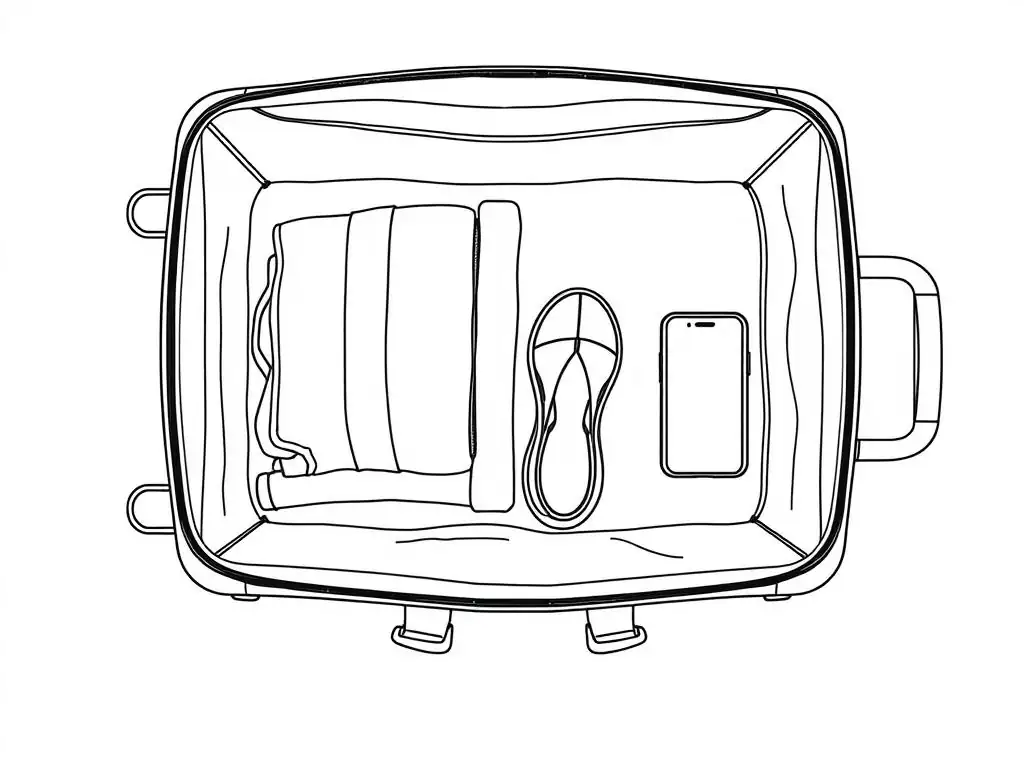
This section focuses on maximizing space and organization within your carry-on luggage, a crucial skill for efficient packing and stress-free travel. We'll explore strategies for packing essentials while minimizing bulk and maximizing space. Efficient packing for carry-on luggage is all about strategic choices and smart techniques.
Carry-On Luggage Packing Tips: Maximizing Space in Smaller Bags
Packing a carry-on efficiently requires a different approach than packing a checked bag. Space is at a premium, so every item must serve a purpose and be packed strategically. Here are some key tips:
- Roll, Don't Fold: Rolling your clothes instead of folding them saves significant space and minimizes wrinkles. Experiment with different rolling techniques – tight rolling is best for softer items, while looser rolling works well for thicker materials. This simple change can increase your packing capacity by 15-20%, based on anecdotal evidence from experienced travelers.
- Utilize Compression Cubes: Compression cubes are game-changers. These reusable fabric bags compress clothing, saving space and keeping your belongings organized. Consider purchasing a set of various sizes to cater to different clothing types. Using compression cubes can reduce the volume of your clothing by up to 50%, depending on the fabric and compression level.
- Wear Your Bulkiest Items: Wear your heaviest and bulkiest items, such as boots or a thick jacket, on the plane. This frees up valuable space in your carry-on for other necessities. This simple strategy can significantly reduce the overall volume of your luggage.
- Fill Empty Spaces: Stuff socks and underwear into shoes to maximize space and maintain the shape of your shoes. Smaller items like jewelry can be placed inside hats or other accessories. This method eliminates dead space and improves packing efficiency.
- Choose Versatile Clothing: Select clothing items that can be mixed and matched to create several different outfits. Neutral colors are your friend! A well-planned wardrobe minimizes the number of items you need to pack while ensuring you have enough options for each day of your trip.
Packing for Different Trip Durations: Adapting Strategies for Short and Long Journeys
The strategies for packing a carry-on differ depending on the length of your trip. For shorter trips, packing efficiently is even more critical. Here's how to adapt your approach:
- Short Trips (1-3 days): Focus on versatile clothing items that can be mixed and matched. Prioritize essentials and leave non-essential items behind. A capsule wardrobe is ideal for short trips – a carefully selected set of clothes that work well together. You can often fit everything you need into a small backpack or tote bag.
- Medium Trips (4-7 days): You'll need more items, but the principles of rolling, using compression cubes, and wearing bulky items remain crucial. Consider a slightly larger carry-on bag or a well-organized backpack. Careful planning and organization are key to efficient packing for this duration.
- Longer Trips (7+ days): While a carry-on alone might be challenging for extended trips, the strategies discussed still apply. You may need to strategically choose items that can be easily laundered, minimizing the number of clothes you need to bring. Efficient packing for longer trips often involves prioritizing versatile clothing and maximizing space creatively. Consider using packing lists to help you stay organized.
This detailed approach to packing ensures you make the most of your carry-on luggage space, no matter the length of your trip. Remember, efficient packing is about strategic choices and smart organization – not just about squeezing everything in! ✈️
Beyond the Basics: Advanced Tips for Efficient Packing
This section delves into advanced strategies for maximizing your luggage space, going beyond the typical packing tips. We'll explore techniques that significantly improve packing efficiency, allowing you to travel lighter and smarter. Remember, efficient packing isn't just about squeezing in more items; it's about optimizing your packing process for a smoother travel experience. This means considering the weight of your luggage, planning meticulously, and even thinking about how you unpack and repack for future trips.
Lightweight Luggage Choices: The Impact of Luggage Weight on Packing Efficiency
The weight of your luggage itself dramatically impacts your packing efficiency. A heavier suitcase means you're already carrying extra weight before you even add your clothes and belongings. This extra weight not only strains your back and shoulders but also limits how much you can realistically pack. Consider these factors:
- Material Matters: Hard-shell suitcases, while protective, are often heavier than soft-sided ones made from lightweight materials like nylon or ripstop fabric. A soft-sided suitcase allows for more compression and flexibility, making it easier to squeeze in extra items.
- Size and Weight Comparison: Before purchasing new luggage, carefully compare the weight of different suitcases in your desired size. Many manufacturers provide weight specifications online. Even a few pounds difference can significantly impact your overall packing capacity and travel experience. Aim for luggage that weighs less than 10% of your anticipated total packed weight. For example, if you plan to pack 20 pounds of items, your luggage should ideally weigh less than 2 pounds.
- Wheel System: A smooth-rolling wheel system is crucial for easy maneuverability, especially if you're traveling long distances. A poorly designed wheel system can add unexpected strain and frustration to your journey, indirectly impacting your packing efficiency by making the process more tiring.
The Importance of a Packing List: Planning Your Trip for Efficient Packing
A comprehensive packing list is the cornerstone of efficient packing. It's not just about jotting down items; it’s about a strategic planning process that eliminates packing anxiety and ensures you bring only what you need. Here's how to create an effective packing list:
- Categorize Items: Divide your list into categories like clothing, toiletries, electronics, documents, and medications. This structured approach helps you visualize your packing needs and prevents overlooking essential items.
- Consider the Climate: Check the weather forecast for your destination and pack accordingly. Overpacking for all weather scenarios is a common mistake that leads to inefficient packing.
- Coordinate Outfits: Plan your outfits in advance and list each item required for each day. This method minimizes packing duplicates and ensures you have coordinated clothing choices for every occasion.
- Quantity Control: Be realistic about how many items you'll actually need. Packing multiple similar items ("just in case") significantly reduces your packing efficiency. For example, instead of packing five pairs of socks, realistically assess how many you need based on the length of your trip and your washing capabilities.
- Digital Packing List Apps: Many apps are available to help with packing list creation and management, some even allowing you to share your list with others.
- Example Packing List:
| Category | Item | Quantity | Notes |
|---|---|---|---|
| Clothing | T-shirts | 3 | Lightweight, breathable fabrics |
| Pants | 2 | Versatile styles | |
| Underwear | 5 | ||
| Toiletries | Toothbrush | 1 | Travel-sized container |
| Sunscreen | 1 | SPF 30 or higher | |
| Electronics | Phone Charger | 1 | |
| Documents | Passport | 1 |
Post-Trip Organization: Unpacking and Repacking for Future Travels
Unpacking and repacking efficiently after a trip is often overlooked but crucial for future travels. A well-organized approach saves you time and effort in the long run.
- Immediate Unpacking: Upon returning home, immediately unpack your suitcase. This prevents items from getting lost or wrinkled and allows you to assess what you used and didn't use.
- Clean and Air Out: Clean your suitcase and allow it to air out completely before storing it. This prevents the buildup of odors and keeps your luggage fresh for the next trip.
- Laundering: Wash and dry all your clothes before putting them back into storage. This prevents unpleasant smells and ensures your items remain clean and ready for use.
- Repacking Strategy: Consider using packing cubes or compression sacks to organize your belongings for future trips. This makes repacking much faster and more efficient. Keep a separate bag for items you frequently use so they are readily accessible.
- Review and Refine: Review your packing list after each trip, noting any items you didn't use and adjusting your list accordingly. This iterative process continually improves your packing efficiency over time. This constant refinement is key to mastering efficient packing.
Frequently Asked Questions
How can I pack my luggage more efficiently?
To pack efficiently, use compression cubes to organize and compress clothing. Roll your clothes instead of folding them to save space and prevent wrinkles. Prioritize essential items and leave unnecessary items behind.
What are the best ways to save space in my suitcase?
Utilize every inch of space! Fill any gaps with smaller items like socks and underwear. Wear your bulkiest items (like boots) on the plane to free up suitcase space. Consider using a packing list to avoid overpacking.
What are some clever packing tricks for clothes?
Try the "rolling" method instead of folding to save space and minimize wrinkles. Use packing cubes to separate and compress clothing items. Layer lighter items on top of heavier items for better weight distribution.
How can I avoid overpacking when traveling?
Create a detailed packing list and stick to it. Consider the weather conditions and activities planned for your trip to determine what you really need. Choose versatile clothing items that can be mixed and matched.
What are the best ways to organize my toiletries for efficient packing?
Use travel-sized containers or reusable silicone bags for toiletries. Place toiletries in a waterproof bag to prevent leaks. Consider using solid toiletries to save weight and space.
Final Reflection: The Art of Efficient Packing: A Journey Beyond the Suitcase
The ability to pack efficiently isn't just about fitting more into your bag; it's about maximizing your travel experience. In a world increasingly focused on mindful consumption and streamlined living, the principles of efficient packing resonate deeply, offering a practical pathway to a less stressful and more enjoyable journey. This extends beyond simply fitting more clothes; it's about optimizing your time and energy, allowing you to fully embrace your destination.
The impact of efficient packing extends far beyond the confines of a suitcase. It reflects a broader cultural shift towards minimalism and intentionality. We're moving away from the excess of overpacking, embracing a more conscious approach to consumption. This resonates with the growing movement towards sustainable travel, minimizing waste and reducing our environmental footprint. Travel is about the journey, not the destination,
they say, but a well-packed bag certainly makes the journey smoother and more enjoyable, allowing you to focus on what truly matters.
Consider the lessons learned within these pages. Think about how you can apply these packing strategies not just to your next vacation, but to other areas of your life. Embrace the power of intentionality, the joy of streamlining, and the freedom that comes with less. Start small – perhaps with a single drawer or a weekend bag – and experience the transformative effect of mindful packing. Let the art of efficient packing become a metaphor for a more organized, intentional, and fulfilling life.
Unlock Your Travel Potential: Pack Smarter, Travel Lighter!
Thank you for exploring our clever packing strategies! We hope you've gained valuable insights to make your next trip smoother and less stressful. Now it's time to put your knowledge into practice.
- Master the art of rolling: This simple technique significantly saves space and minimizes wrinkles. Try it on your next trip!
- Share your packing tips: Tell us about your most successful packing hacks in the comments below! Let's build a community of savvy travelers.
- Challenge yourself: Can you pack for a week using half the space you normally need?
Ready to experience the freedom of lighter luggage?