
Pack Like a Pro: Essential Tips for Traveling Light and Staying Organized

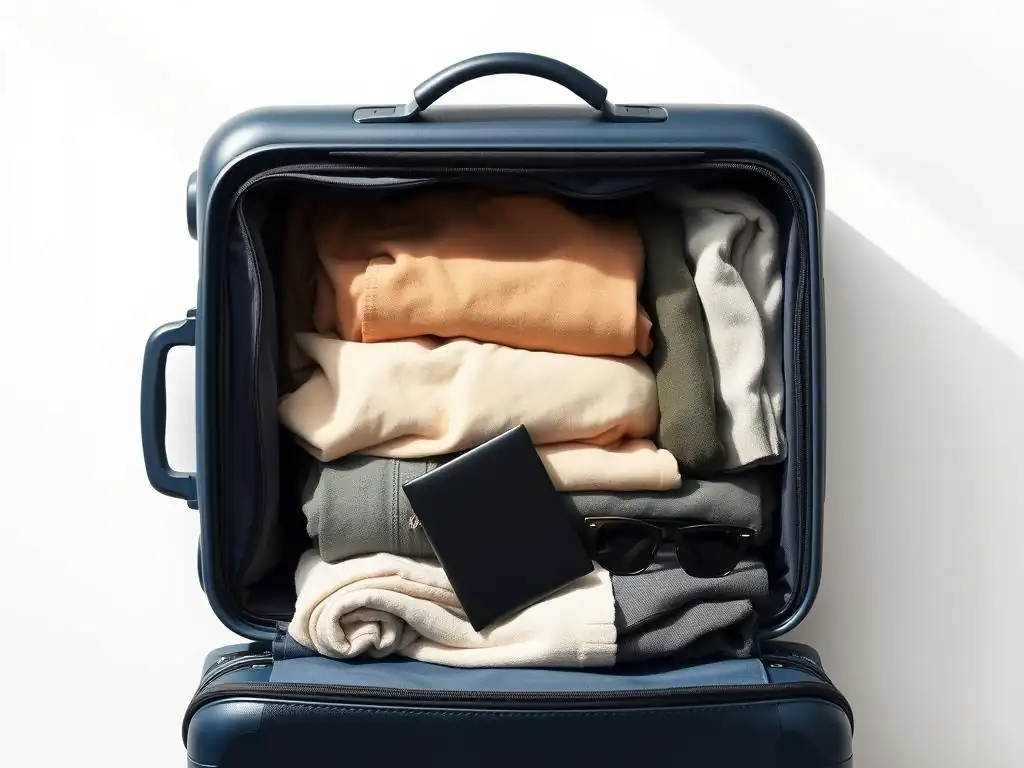
Ready to transform your travel experience? At UltimateLifeHacks, we're dedicated to helping you conquer daily challenges and unlock your peak productivity. Forget the stressful airport scramble and the agonizing overweight baggage fees – discover the secrets to travel light packing with our expert guide. Learn how to streamline your packing process, leaving behind the unnecessary while ensuring you're perfectly prepared for any adventure. Dive in and uncover the ultimate packing strategies to make your next trip effortlessly efficient!
- Mastering the Art of Light Packing: Travel Light Packing Tips for Any Trip
- Essential Items for Efficient Travel Packing: Travel Light Packing List
- Packing Techniques for Efficient Travel: Strategies for Light Packing
- Staying Organized While Traveling Light: Maintaining Order on the Go
- Advanced Light Packing Strategies for Experienced Travelers: Travel Light Tips for Professionals
- Frequently Asked Questions
- Final Reflection: The Liberating Power of Light Travel
- Unlock Effortless Travel: Pack Smarter Today!
Mastering the Art of Light Packing: Travel Light Packing Tips for Any Trip
Packing for a trip can often feel like a daunting task. Between choosing the right clothes for unpredictable weather, ensuring you have all your essential toiletries, and fitting everything into your luggage without exceeding weight limits, it's easy to feel overwhelmed. This comprehensive guide provides practical and effective travel light packing tips designed to streamline your packing process, minimize your luggage, and maximize your travel experience. We'll explore strategies for selecting the perfect luggage, utilizing space-saving techniques, and creating a packing list that ensures you have everything you need without unnecessary bulk.
Learn how to conquer the art of light packing and transform your travel preparation from a stressful chore into an efficient and enjoyable process. By the end of this article, you’ll be confident in your ability to pack light, stay organized, and focus on what truly matters – enjoying your trip! 🎉
Choosing the Right Luggage: Size Matters for Efficient Packing
The foundation of successful light packing lies in choosing the right luggage. A suitcase that's too large will tempt you to overpack, while one that's too small will leave you feeling restricted. The optimal size depends on the duration and type of your trip. Consider these factors:
- Trip Length: A weekend getaway requires significantly less luggage than a month-long backpacking adventure.
- Trip Type: A business trip will necessitate different items than a beach vacation.
- Mode of Transportation: If you're flying, check airline baggage restrictions carefully. For road trips or train journeys, you have more flexibility.
A well-chosen suitcase should be durable, lightweight, and have features that enhance organization, such as multiple compartments and zippered pockets. Consider investing in a high-quality carry-on suitcase if possible; this eliminates baggage fees and the hassle of waiting for checked luggage. Remember, the goal is to minimize the size of your luggage to naturally encourage you to pack only essential items. Think about the "one bag" challenge – can you really fit everything you need into just one carry-on? This is a great exercise to refine your packing skills and reduce the amount of luggage you need.
The Power of Packing Cubes: Maximizing Space and Organization
Packing cubes are often overlooked, but they're a game-changer for efficient packing. These versatile fabric containers compress clothing and help organize your belongings within your luggage. Using packing cubes offers several key advantages:
- Space Maximization: By compressing your clothes, packing cubes significantly increase the amount of space available in your suitcase. This allows you to pack more items within the same volume.
- Improved Organization: Packing cubes help you categorize your belongings, making it easier to find what you need quickly. Designate separate cubes for shirts, pants, underwear, etc.
- Protection: Packing cubes provide an extra layer of protection for your clothes, preventing wrinkles and keeping items organized even when your luggage is jostled during transit.
- Easy Access: Instead of rummaging through your entire suitcase, you can easily grab the packing cube containing the items you need.
Consider different sizes of packing cubes to accommodate various items. Larger cubes are perfect for bulky items like sweaters, while smaller cubes are ideal for underwear and socks. Experiment with different packing techniques to find what works best for you. Rolling your clothes instead of folding them can save space and minimize wrinkles. And remember, the less you pack, the less you need to organize!
Smart Clothing Choices: Packing Versatile Outfits for Every Occasion
Choosing the right clothes is paramount when aiming to travel light. The key isn't packing a single outfit for each day, but rather selecting versatile pieces that can be mixed and matched to create multiple looks. This approach significantly reduces the number of items you need to bring while ensuring you're appropriately dressed for any occasion. Consider your itinerary carefully. Are you planning on attending formal events, or will your days consist mostly of casual sightseeing?
This will help you determine the appropriate balance between formal and casual wear. For instance, a well-chosen blazer can elevate a simple pair of jeans and a t-shirt for a more polished look, effectively serving multiple purposes. Remember, the goal is to maximize your outfit options while minimizing the number of individual garments. Don't forget to consider layering options; a thin sweater or jacket can add warmth without taking up significant space.
Neutral Color Palettes: The Key to Mix-and-Match Outfits
Sticking to a neutral color palette is a game-changer when it comes to creating versatile outfits. Neutral colors like black, navy, gray, beige, and white are incredibly easy to coordinate. A black skirt, for example, can be paired with a white blouse for a daytime look, then dressed up with a different top and jewelry for an evening out. This approach dramatically reduces the need for numerous color-coordinated items.
While incorporating one or two pops of color can add personality, the foundation of your packing list should be built around neutral shades. This strategy allows you to create multiple outfits without worrying about clashing colors, saving you time and mental energy while packing and getting ready each day. Think about the versatility of a simple navy blazer; it can be worn with jeans, a skirt, or even a dress, creating a variety of looks.
Fabric Selection: Choosing Wrinkle-Resistant and Quick-Drying Materials
The type of fabric you choose significantly impacts your packing experience. Opting for wrinkle-resistant and quick-drying materials is crucial for light travelers. Wrinkled clothes not only look untidy but also take up more space in your luggage. Look for fabrics like linen blends, travel-friendly nylon, or performance fabrics commonly used in athletic wear.
These materials are designed to resist wrinkles, dry quickly after washing (a huge plus if you're hand-washing clothes on the go), and are often lightweight, saving you valuable space in your suitcase. Avoid fabrics like silk or cotton that are prone to wrinkling and take a long time to dry. Investing in high-quality wrinkle-resistant clothing might seem pricey upfront, but the long-term benefits of reduced laundry needs and easier packing more than justify the cost. This is especially true for those who frequently travel.
The Capsule Wardrobe Approach: Packing Less, Wearing More
The capsule wardrobe concept is perfectly suited for light packing. A capsule wardrobe involves selecting a limited number of versatile garments that can be mixed and matched to create a variety of outfits. This approach typically involves choosing a core palette of neutral colors and focusing on classic, timeless pieces that can be worn in multiple settings. Before you begin packing, create a detailed list of your planned activities and the appropriate attire for each.
Then, carefully select clothing items that fulfill multiple purposes. For example, a pair of versatile trousers can be worn for both daytime sightseeing and an evening dinner. The key is to be mindful of your choices and to avoid packing items that serve only one specific purpose.
This approach requires careful planning and consideration, but the resulting streamlined packing list and reduced luggage weight are well worth the effort. Remember, less is often more when it comes to travel packing. ✈️
Essential Items for Efficient Travel Packing: Travel Light Packing List
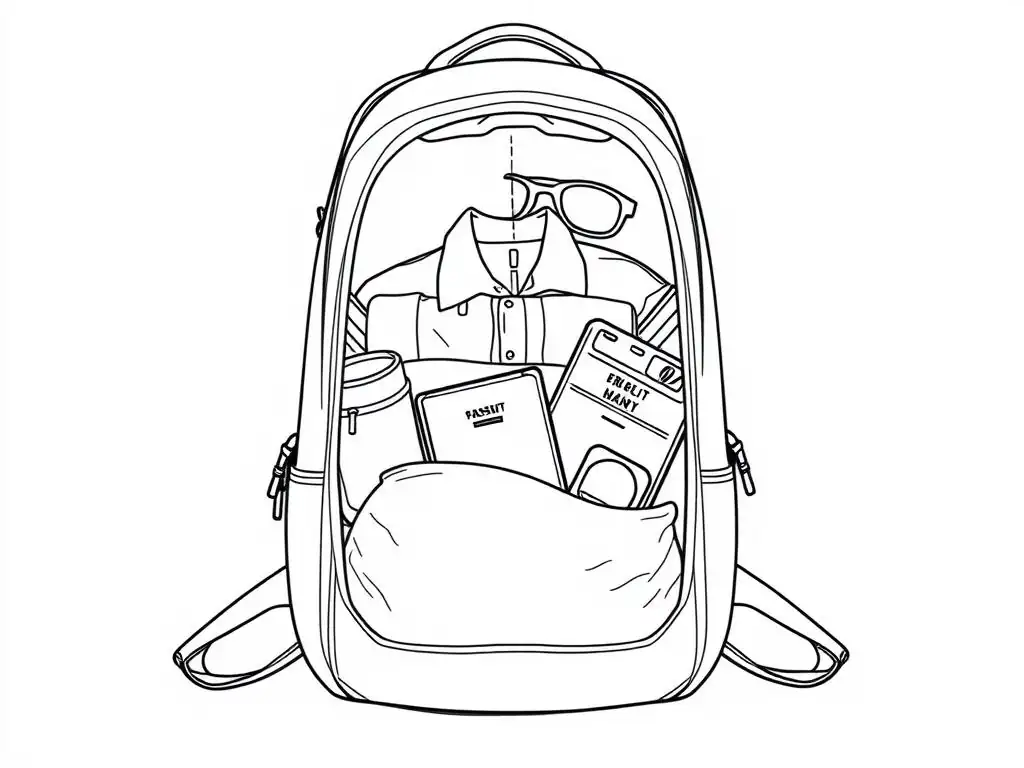
This section focuses on curating a truly essential packing list, minimizing items while maximizing functionality. The key to travel light packing tips is thoughtful selection, not ruthless elimination. We'll delve into specific categories to help you achieve that perfect balance between preparedness and portability. Remember, the goal isn't to pack less, but to pack smarter.
Toiletries: Travel-Sized Essentials and Smart Storage Solutions
Packing toiletries efficiently is crucial for minimizing weight and maximizing space. Forget bulky bottles; embrace travel-sized containers. Many brands offer miniature versions of their products, but you can also decant your favorite shampoos, conditioners, and lotions into reusable, leak-proof travel bottles. This allows you to take only what you need, preventing unnecessary weight.
Consider using a zip-lock bag or a dedicated toiletry bag to keep everything organized and prevent spills. A hanging toiletry bag is particularly useful in hotel bathrooms, as it keeps everything readily accessible and off the counter.
Here's a sample list of essential travel-sized toiletries:
| Item | Quantity | Notes |
|---|---|---|
| Toothbrush & Toothpaste | 1 | Consider a travel toothbrush with a cover. |
| Shampoo & Conditioner | 1 each | Decant into travel-sized bottles if needed. |
| Soap/Body Wash | 1 | A solid bar of soap takes up less space. |
| Deodorant | 1 | Travel-sized stick or roll-on. |
| Sunscreen | 1 | Crucial for sun protection, especially abroad. |
| Insect Repellent | 1 | Especially important in tropical climates. |
| Medications | As needed | Keep in their original containers. |
Remember to check airline regulations regarding liquid carry-on limits before you pack. Always prioritize essentials and leave behind anything you can easily purchase at your destination. This simple strategy contributes significantly to successfully implementing travel light packing tips.
Electronics: Minimizing Gadgets and Maximizing Battery Life
Electronics can quickly add bulk and weight to your luggage. Before you even consider what to pack, evaluate your needs. Do you really need your tablet and your laptop? Often, a smartphone can handle most travel-related tasks, saving you considerable space and weight.
If you must bring multiple devices, prioritize battery life. A portable power bank is invaluable for keeping your devices charged on the go, especially during long journeys. Consider using a universal travel adapter to avoid carrying multiple bulky adapters.
Here's a suggested approach:
- Prioritize: Smartphone (essential), portable charger (highly recommended), potentially a laptop or tablet (depending on your needs).
- Minimize: Avoid unnecessary chargers and cables.
- Consolidate: Use a single, well-organized tech bag to keep everything together.
Remember to check if your devices are compatible with the local power outlets at your destination to avoid unexpected complications. This careful approach to electronics is a cornerstone of effective travel light packing tips.
Documents and Important Papers: Digital Copies and Secure Storage
Carrying physical copies of important documents like passports, visas, tickets, and insurance information adds bulk and poses a security risk. Therefore, digital copies are highly recommended. Store these copies securely in a cloud storage service or on a password-protected device.
However, always keep a printed copy of your passport and other essential documents as a backup. Consider storing these in a waterproof bag within your carry-on luggage. This layered approach ensures you have access to your documents even if your electronics fail or are lost.
Remember:
- Digital copies should be stored in multiple locations (cloud and device).
- Physical copies should be kept separate from your digital copies.
- Keep a list of important contact numbers (hotel, airline, emergency contacts) readily accessible.
This thoughtful approach to document management is vital for a stress-free trip and another critical aspect of mastering travel light packing tips.
Medications and First-Aid: Packing Essentials for Health and Safety
Packing your medications and a basic first-aid kit is crucial for a smooth and safe trip, especially when traveling light. Overpacking unnecessary items can be avoided by careful planning and selection of essential items. Remember to always check with your doctor or pharmacist about any specific requirements or recommendations for your destination and health conditions.
Consider creating a comprehensive list of your regular medications well in advance of your trip. This will help ensure you don't forget anything. Include the generic and brand names, dosages, and frequency of administration. Keep this list separate from your packed medications, perhaps stored digitally on your phone or in a secure email, in case of loss or theft of your luggage. Carrying a copy with you, separate from your main supply, is also highly recommended. This is especially important for those with chronic conditions or allergies.
When packing your medications, remember to adhere to airline regulations regarding liquid medications. Many medications, particularly liquids and gels, must be in TSA-approved containers and stored in a clear quart-sized bag. Check the current regulations before your departure to avoid any delays or issues at security checkpoints. Always keep your medications in their original containers with labels clearly visible. This is essential for identification purposes and to avoid any potential misunderstandings.
Beyond prescriptions, a small, well-stocked first-aid kit is essential. Include essentials like bandages in various sizes, antiseptic wipes, pain relievers (such as ibuprofen or acetaminophen), anti-diarrheal medication, motion sickness remedies, and any personal items you might need, such as allergy medication. Remember to consider the climate and potential hazards of your destination when assembling your kit. For example, if you're hiking in a mountainous region, you might want to include blister treatment and insect repellent. A small pair of scissors can also prove surprisingly useful.
Don't forget to account for the duration of your trip. You'll need enough medication and supplies to last the entire journey, plus a few extra days in case of unexpected delays. Remember that some medications may require refrigeration; plan accordingly and consider using a portable cooler if necessary. By carefully planning and packing your medications and first-aid supplies, you'll be prepared for any health-related eventuality during your travels, ensuring a safer and more enjoyable trip. This proactive approach to health and safety is a key element of efficient and stress-free travel.
Packing Techniques for Efficient Travel: Strategies for Light Packing
This section delves into specific packing techniques to help you master the art of traveling light. We'll explore methods that not only reduce the volume of your luggage but also maintain organization and prevent wrinkling. Remember, the goal is to maximize space and minimize weight, making your travel experience smoother and more enjoyable. These techniques are crucial for achieving efficient packing and adhering to airline baggage restrictions, saving you both time and money.
The Rolling Method: Preventing Wrinkles and Saving Space
The rolling method is a game-changer for efficient packing. Instead of folding your clothes, you roll them tightly into compact cylinders. This technique significantly reduces wrinkles compared to traditional folding, saving you the hassle of ironing upon arrival. Furthermore, rolled clothes occupy less space than folded clothes, allowing you to fit more items into your bag.
Consider these points for optimal rolling:
- Start with the largest and least wrinkle-prone items: Begin with jeans, trousers, or large sweaters. These form the base of your rolled items and provide a sturdy foundation.
- Roll tightly: The tighter you roll, the more compact your clothes become. Practice makes perfect!
- Use compression sacks: For added space-saving, consider using compression sacks to further reduce the volume of your rolled clothing.
- Categorize your rolls: Group similar items together – e.g., all shirts together, all pants together – for easy access. This improves organization and reduces packing time.
For example, instead of folding five shirts, rolling them will create five compact cylinders, saving approximately 30-40% of space, depending on fabric type and rolling technique. This translates to fitting more items in your bag without exceeding weight limits. This method is particularly effective for soft fabrics like cotton and linen. Heavier materials like denim may require more effort to roll tightly.
Layering Technique: Optimizing Space and Outfit Combinations
The layering technique focuses on creating versatile outfits using a limited number of clothing items. This requires careful selection of clothing that can be mixed and matched to create multiple outfit combinations. The key is to choose neutral-colored base items that can be paired with a few colorful accessories.
Here's a practical approach:
- Neutral Base: Start with neutral-colored bottoms (e.g., black, navy, or grey pants or skirts) and tops (e.g., white, beige, or black shirts).
- Versatile Outerwear: Include a versatile jacket or cardigan that can be worn with multiple outfits.
- Colorful Accessories: Add a few scarves, belts, or jewelry to change the look of your outfits.
- Shoes: Pack only shoes that are essential and can be worn with multiple outfits.
For instance, three neutral-colored tops paired with two neutral bottoms, and accented with two scarves create approximately six distinct outfits. This reduces the number of clothing items you need to pack while maintaining variety in your wardrobe. This strategy is especially useful for longer trips where packing light is paramount. Careful planning and consideration of the climate and activities planned are essential for successful layering.
Strategic Placement of Heavier Items: Maintaining Luggage Balance
Properly distributing weight within your luggage is crucial for maintaining balance and preventing damage to your clothing. Heavier items should be placed strategically to ensure even weight distribution and prevent shifting during transit.
Consider these points:
- Bottom Layer: Place heavier items (shoes, toiletries, electronics) at the bottom of your bag, creating a stable base.
- Center of Gravity: Distribute weight evenly around the center of gravity to prevent tipping.
- Fragile Items Protection: Wrap fragile items (e.g., electronics) in bubble wrap or clothing to protect them from damage.
- Utilize Empty Spaces: Stuff socks and underwear into empty spaces to fill gaps and prevent items from shifting.
For example, placing your heaviest shoes at the bottom of your suitcase, surrounded by rolled-up clothing, provides a solid foundation. This prevents the bag from becoming top-heavy and reduces the chances of items being crushed or damaged during transit. This method not only protects your belongings but also prevents the suitcase from becoming unbalanced and difficult to carry. Efficient weight distribution is crucial for comfortable and safe travel.
Staying Organized While Traveling Light: Maintaining Order on the Go
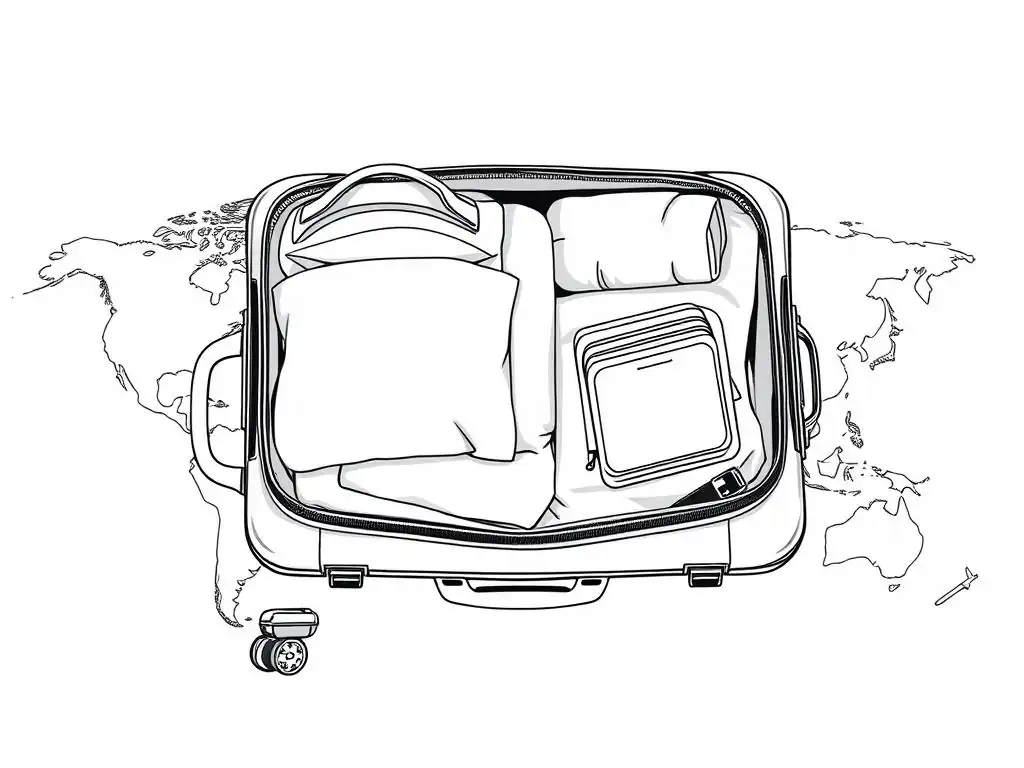
Traveling light doesn't mean traveling chaotically. The key to successful lightweight travel is strategic organization. Even with a minimal wardrobe, a disorganized bag can lead to frustration and wasted time searching for essentials. This section focuses on practical techniques to maintain order and easily access your belongings, even when you're on the move. We'll explore how to maximize space and minimize stress with clever packing strategies designed to keep your "travel light packing tips" in action.
Using Packing Cubes Effectively: Keeping Everything in its Place
Packing cubes are a game-changer for organized travel. These compressible fabric containers allow you to separate and compress clothing, toiletries, and other items, maximizing space and minimizing wrinkles. Think of them as mini-drawers within your suitcase.
Instead of tossing everything loosely into your bag, dedicate a specific cube to each category:
- Tops: Roll your shirts and t-shirts tightly to save space and prevent wrinkles. A single cube can easily hold a week's worth of tops.
- Bottoms: Fold trousers and jeans neatly, placing them in a separate cube. Consider using compression cubes for bulky items like jeans to save even more space.
- Underwear and Socks: These items can be rolled and placed in a smaller cube.
- Toiletries: Use a waterproof toiletry bag or a dedicated packing cube for toiletries to prevent spills and keep everything contained.
By using color-coded packing cubes, you can quickly identify the cube you need without unpacking your entire bag. This is especially helpful when you're in a hurry or short on time. This method significantly improves your efficiency, streamlining your unpacking and repacking process, which are crucial aspects of effective "travel light packing tips". For example, finding your socks becomes a matter of grabbing the correct cube, rather than rummaging through your entire bag.
Utilizing Travel-Sized Storage Bags: Organization for Smaller Items
Beyond packing cubes, smaller storage bags play a crucial role in keeping your travel essentials organized. These versatile bags are perfect for:
- Electronics: Keep chargers, headphones, and other small electronics neatly stored in a dedicated bag to prevent tangles and damage.
- Jewelry: Prevent necklaces from tangling by storing them in individual small pouches.
- Documents: Keep your passport, tickets, and other important documents safe and easily accessible in a separate zippered bag.
- Medications: Organize your medications in a clearly labeled bag for easy access and to ensure you don't forget anything.
Using clear plastic bags allows you to see the contents at a glance, further enhancing efficiency. Remember, the goal is to minimize the time spent searching for items, a key element of successful "travel light packing tips". Consider using labeled bags for even better organization. For instance, a bag labeled "Electronics" instantly communicates its contents.
Maintaining a Clean and Tidy Packing System: Tips for Smooth Travel
Maintaining a clean and tidy packing system is crucial for stress-free travel. Here are some additional tips to ensure your belongings remain organized throughout your trip:
- Pack strategically: Consider the activities planned for your trip when deciding what to pack. Avoid overpacking by focusing on versatile items that can be mixed and matched.
- Roll, don't fold: Rolling your clothes saves space and reduces wrinkles.
- Use compression bags: These bags remove excess air, significantly reducing the volume of your clothing and other items.
- Regularly tidy your bag: Take a few minutes each day to quickly reorganize your bag. This prevents things from becoming a jumbled mess.
- Utilize empty spaces: Stuff socks and underwear into shoes or other empty spaces to maximize space utilization.
By implementing these strategies, you'll transform your packing experience from a chaotic scramble into a streamlined, efficient process. Remember, the ultimate goal of "travel light packing tips" is not just to minimize the weight of your luggage, but also to maximize your enjoyment and minimize stress during your travels. A well-organized bag contributes significantly to a smoother and more enjoyable trip.
Advanced Light Packing Strategies for Experienced Travelers: Travel Light Tips for Professionals
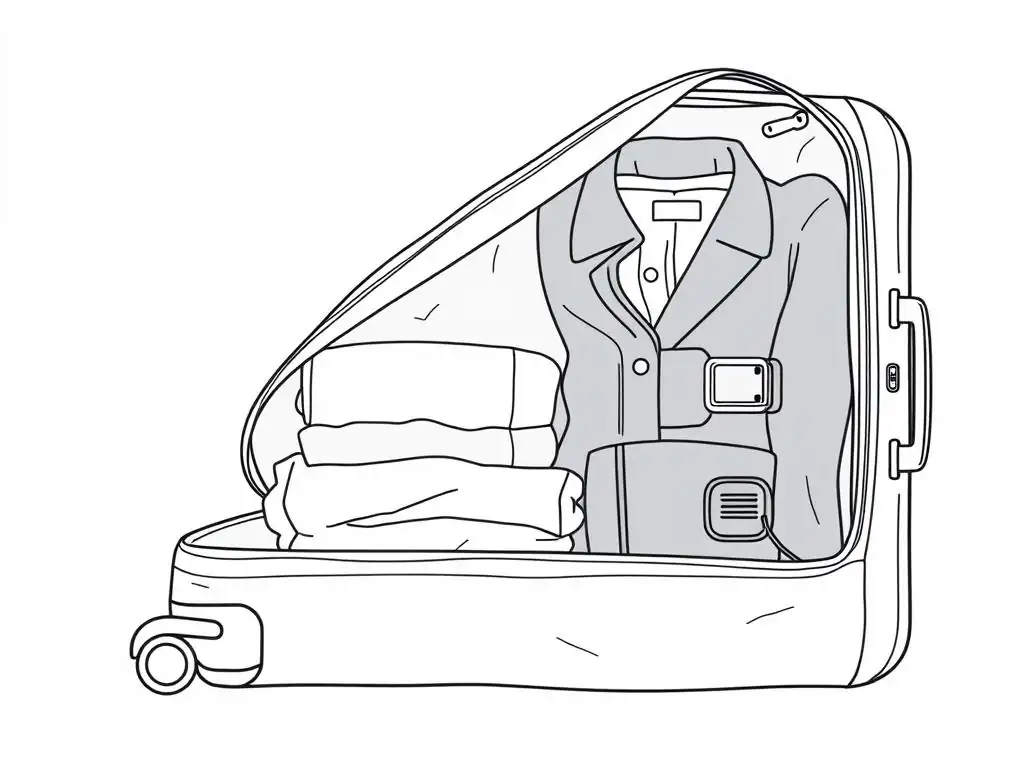
This section delves into sophisticated techniques for packing light, going beyond the basics and targeting seasoned travelers seeking to optimize their packing efficiency. We'll explore strategies that minimize baggage while maximizing comfort and functionality. Mastering these methods transforms packing from a chore into a streamlined process, freeing up time and energy for enjoying your trip. Efficient packing isn't just about saving space; it's about enhancing your overall travel experience.
Utilizing Laundry Services: Packing Less Clothing
One of the most effective ways to travel light is to leverage readily available laundry services. Instead of packing enough clothing for your entire trip, consider packing only enough for a few days, and then washing clothes along the way. This dramatically reduces the volume and weight of your luggage.
Many hotels offer laundry services, often at a reasonable price. Alternatively, numerous laundromats and self-service laundry facilities are available in most towns and cities. To make this strategy work effectively, choose clothing items made from quick-drying fabrics like merino wool or synthetic blends. These materials dry faster, even when air-dried, minimizing your waiting time.
Consider the following:
- Packing Cubes: These help keep your clean and dirty clothes separated, making laundry day more efficient.
- Travel-sized Laundry Detergent: Compact detergent pods or sheets minimize space and weight compared to larger bottles.
- Clothesline or Drying Rack: A lightweight, collapsible drying rack is a useful investment for travelers who prefer to air-dry their clothes.
By strategically utilizing laundry services, you can significantly reduce the number of clothes you need to pack, making your luggage lighter and easier to manage. This is a crucial aspect of mastering the art of light packing.
Packing Multi-Purpose Items: Reducing the Number of Items
The key to truly efficient packing is to maximize the versatility of each item. Instead of bringing multiple items with single uses, opt for items that serve multiple functions. This approach minimizes the overall number of items in your bag, directly impacting weight and space.
For example, instead of packing separate running shoes and walking shoes, consider a pair of versatile athletic shoes suitable for both activities. A sarong can be used as a scarf, beach cover-up, or even a makeshift pillow. Similarly, a multi-tool can replace several individual tools.
Here are some examples of multi-purpose items for your travel light packing list:
| Item | Uses |
|---|---|
| Lightweight Scarf | Scarf, head covering, blanket, makeshift bag strap |
| Convertible Pants | Pants, shorts, capris |
| Travel-sized First-Aid Kit | Contains bandages, antiseptic wipes, pain relievers, etc. |
| Universal Travel Adapter | Adapts to various outlet types, eliminating the need for multiple adapters |
This mindful approach to item selection streamlines your packing process and helps you achieve the goal of traveling light. Remember, each item you pack should justify its weight and volume based on its versatility.
The Minimalist Approach: Packing Only What's Absolutely Necessary
The most advanced light packing strategy involves adopting a truly minimalist approach. This requires a rigorous evaluation of every item you intend to pack, asking yourself: "Is this absolutely necessary for my trip?" If the answer is no, it stays home.
Before you even begin packing, make a detailed itinerary. This will help you identify your specific needs and eliminate unnecessary items. Consider the climate, planned activities, and the length of your stay. Packing for a week-long hiking trip requires different items than a weekend city break.
This process might feel challenging at first, but the rewards are significant. Traveling with minimal luggage reduces stress, improves mobility, and allows you to focus on experiencing your destination rather than worrying about your belongings. Embrace the freedom of moving lightly! The minimalist approach, while demanding initial self-discipline, is the ultimate travel light packing tip for professional travelers. It's about prioritizing experiences over possessions.
Frequently Asked Questions
What is the biggest advantage of traveling light?
Traveling light offers increased mobility and freedom. You'll spend less time waiting for baggage and more time exploring. It also reduces stress and fatigue associated with lugging heavy bags.
How can I determine what clothes to pack for a trip?
Create a packing list based on your itinerary and the weather forecast. Choose versatile clothing items that can be mixed and matched. Prioritize neutral colors to maximize outfit combinations.
What are some essential travel-sized toiletries I should bring?
Pack travel-sized versions of your everyday essentials: shampoo, conditioner, toothpaste, etc. Consider solid toiletries to save space and avoid liquid restrictions. Don't forget any necessary prescription medications.
How can I keep my packed items organized while traveling?
Use packing cubes to separate and compress clothing. Employ compression bags for bulky items like sweaters. Roll your clothes instead of folding them to save space and prevent wrinkles.
What should I do if I accidentally overpack?
Consider shipping some items ahead to your destination. You can also wear your bulkiest items on the plane or use a packing scale to monitor your bag's weight before heading to the airport.
Final Reflection: The Liberating Power of Light Travel
The ability to travel light isn't just about fitting more into your suitcase; it's about freeing yourself to truly experience the journey. In a world increasingly obsessed with accumulating possessions, embracing minimalist packing offers a powerful antidote, allowing for greater spontaneity, deeper immersion in new cultures, and a more sustainable approach to travel.
The impact of mindful packing extends far beyond the practical. It forces a crucial self-reflection on what truly matters, stripping away the unnecessary to reveal the core elements of a fulfilling experience. Not how long, but how well you have lived is the main thing.
- Seneca. This quote resonates deeply with the spirit of light travel; it's not about rushing through destinations, but about savoring each moment with intention and presence, unburdened by excessive luggage. The freedom gained allows for a more profound connection with the places visited and the people encountered.
Consider the weight you carry, both literally and figuratively. What unnecessary burdens are you holding onto in your own life? This article has provided practical tips for packing light, but the underlying principle – the power of intentional minimalism – can be applied to all aspects of your life. I invite you to reflect on this: what can you let go of to make space for more meaningful experiences? Embrace the liberating power of lightness, and embark on a journey – both physical and metaphorical – that is richer and more rewarding.
Unlock Effortless Travel: Pack Smarter Today!
Thanks for joining us on this journey to lighter, more organized travel! We hope you've discovered some helpful packing strategies. Now, let's put them into practice.
- Master the Art of Minimalist Packing: Take a few minutes to review your upcoming trip and eliminate unnecessary items from your packing list. You'll be amazed at how much lighter your bag becomes!
- Share Your Packing Success: Show us your perfectly packed bag (or your pre-trip decluttering triumph!) on social media using #UltimateLifeHacksTravel! Let's inspire each other!
- Challenge Yourself: This week, pack for your next trip using the tips you've learned. How much lighter will your luggage be?
Ready to experience the freedom of travel without the extra weight?