
Stop Wasting Space: The Foldable Backpacks That Expand Your Packing

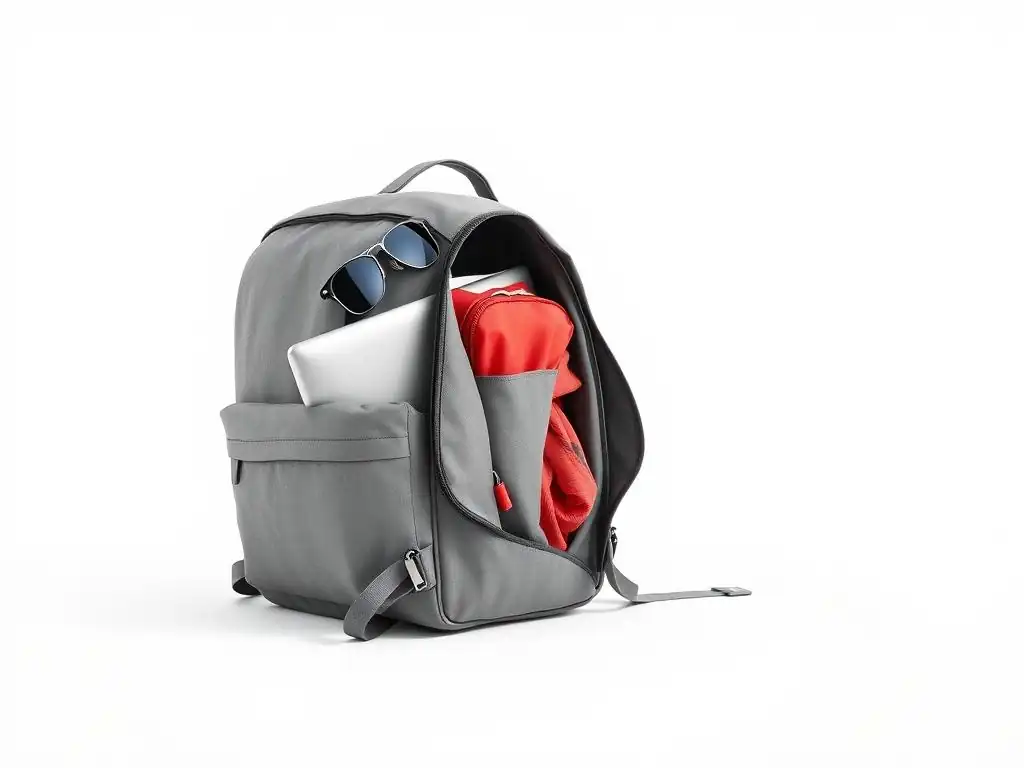
Ready to revolutionize your travel game and conquer packing woes? At UltimateLifeHacks, we're dedicated to providing you with the practical tools and clever strategies to streamline your life. Discover how foldable backpacks can dramatically expand your packing capacity and eliminate the stress of overstuffed luggage. Dive in and unlock the secret to effortless organization – you might be surprised at just how much you can fit!
- Understanding the Need for Expandable Backpacks
- Exploring the Benefits of Foldable Backpacks for Efficient Packing
-
Choosing the Right Foldable Backpack: Key Features to Consider
- Capacity and Dimensions: Finding the Perfect Size
- Material and Durability: Assessing the Backpack's Strength
- Compartments and Organization: Maximizing Internal Space
- Comfort and Ergonomics: Ensuring a Comfortable Carry
- Water Resistance: Protecting Your Belongings from the Elements
- Packability and Portability: The Essence of Foldable Backpacks
- Top Foldable Backpacks for Expanded Packing: A Detailed Review
- Maximizing Space in Your Foldable Backpack: Packing Tips and Tricks
- Foldable Backpacks vs. Traditional Backpacks: A Detailed Comparison
- Frequently Asked Questions
- Final Reflection: Unfolding the Potential of Compact Travel
- Unleash Your Packing Power: Conquer Clutter, Embrace Adventure!
Understanding the Need for Expandable Backpacks
Traveling light is a dream for many, but the reality often involves overstuffed bags and the frustration of exceeding airline weight limits. The desire to carry everything we might need clashes with the limitations of traditional luggage. This article delves into the practical advantages of foldable backpacks, specifically addressing how they solve common packing problems and ultimately expand your packing capabilities.
We'll explore the shortcomings of traditional backpacks, highlight space-saving alternatives for travelers and commuters, and finally showcase the versatile benefits of foldable backpacks as a superior solution for optimized packing. By the end, you'll understand why a foldable backpack might be the single most effective upgrade to your travel gear. This guide is designed to help you master efficient packing, saving you time, stress, and potentially even money on baggage fees!
The Limitations of Traditional Backpacks: Size and Capacity Issues
Traditional backpacks, while functional, often present significant limitations when it comes to packing efficiency. Their rigid structure and fixed volume mean that once packed, they are essentially at their maximum capacity. This can lead to several problems:
- Overpacking: The temptation to squeeze in "just one more thing" often results in an overloaded backpack, causing discomfort and potential damage to its structure.
- Inflexibility: If your trip plans change, or if you unexpectedly acquire souvenirs, you're stuck with a backpack that can't accommodate extra items.
- Space Inefficiency: Even when carefully packed, traditional backpacks often leave unused space due to the irregular shapes of items. This wasted space directly translates to lost potential for carrying more essentials or souvenirs.
- Weight Restrictions: Exceeding airline weight limits with a traditional backpack can lead to hefty fees, adding unexpected costs to your trip. 🧳
Consider this scenario: you meticulously pack for a weekend trip, only to find yourself needing to carry back more than you anticipated. A rigid backpack leaves you with no option but to carry extra items separately or risk overfilling your bag. This is where the versatility of a foldable backpack becomes invaluable.
Space-Saving Solutions for Travelers and Commuters
Before diving into the specifics of foldable backpacks, let's briefly explore other space-saving solutions often used by travelers and commuters. These include:
- Compression Cubes: These fabric containers help compress clothing and other soft items, maximizing space within a larger bag. However, they don't address the inherent size limitations of the bag itself.
- Packing Organizers: These help separate items and keep things tidy, but they don't increase the overall capacity of the bag.
- Vacuum-Sealed Bags: These remove air from clothing, reducing volume. But, they can be cumbersome to use and might not be suitable for all types of clothing.
While these methods offer some improvements, they are often insufficient to fully address the limitations of a fixed-size backpack. Foldable backpacks offer a more comprehensive solution, providing both organization and expandable capacity.
Foldable Backpacks: A Practical Solution for Optimized Packing
Foldable backpacks are designed to overcome the limitations of traditional backpacks by offering adjustable volume. They typically feature a lightweight, flexible design that allows them to expand significantly when needed, and then fold down to a compact size for easy storage when not in use. This adaptability makes them ideal for a wide range of situations:
- Travel: Pack light for the journey, then expand the backpack to accommodate souvenirs and purchases.
- Commuting: Carry all your essentials comfortably, with the ability to expand for unexpected items.
- Shopping: Use it as a convenient and spacious shopping bag.
- Emergency Preparedness: Keep a foldable backpack in your car for unexpected situations.
The ability to expand "on demand" is the key advantage. A foldable backpack allows you to efficiently utilize space without the constraints of a fixed volume, making it a truly superior solution for optimized packing and a significant upgrade for anyone who travels frequently or needs a versatile everyday bag. The added benefit of their compact folded size makes them ideal for storage, minimizing space consumed when not in use.
Exploring the Benefits of Foldable Backpacks for Efficient Packing
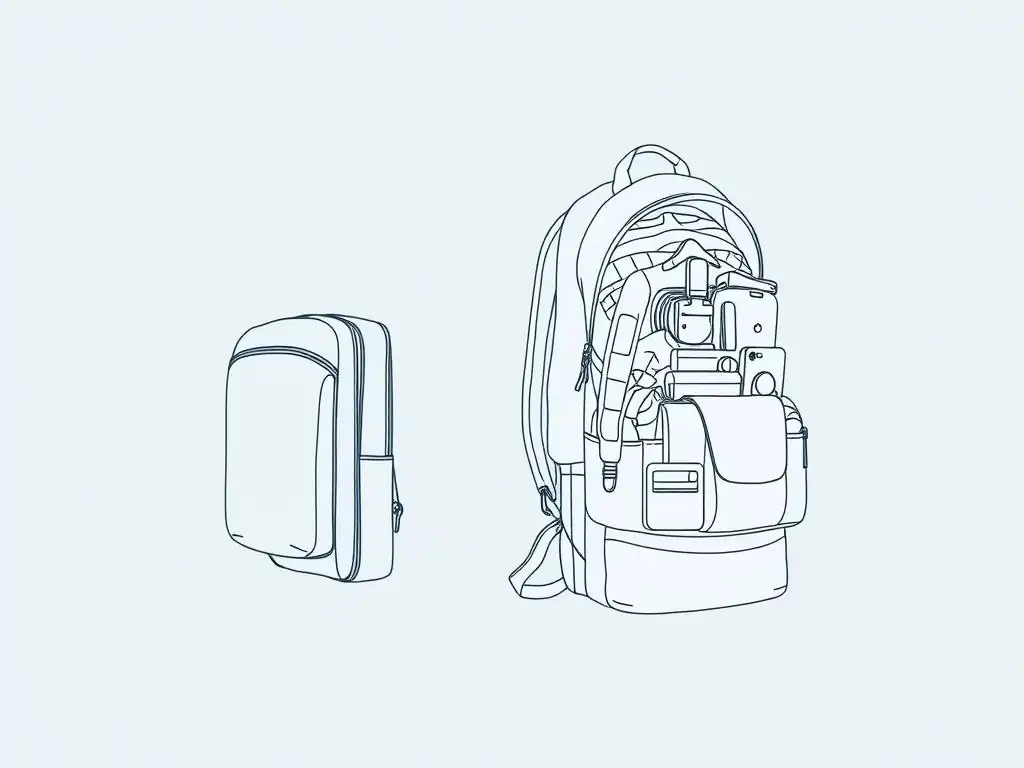
This section delves into the practical advantages of foldable backpacks, specifically focusing on how they enhance packing efficiency and address common travel challenges. We'll examine how these innovative backpacks overcome the limitations of traditional luggage, offering a superior solution for both frequent travelers and occasional adventurers seeking to maximize their packing capabilities while minimizing baggage weight and size. The key to understanding their value lies in appreciating their unique design features and the resulting benefits they provide. The term "foldable backpacks expand packing" perfectly encapsulates their core advantage.
Increased Packing Capacity Without the Bulk
Foldable backpacks cleverly solve the age-old problem of limited packing space. Unlike rigid backpacks that maintain a fixed size, foldable backpacks can expand significantly, offering a surprising amount of extra room when needed. This increased capacity is particularly beneficial for those who frequently travel with varying amounts of luggage or need to accommodate last-minute purchases.
Consider this scenario: you start your trip with a lightly packed bag, anticipating a minimalist adventure. However, you find yourself unexpectedly purchasing souvenirs or needing extra space for gifts. A traditional backpack would leave you struggling, but a foldable backpack effortlessly adapts, accommodating the extra items without compromising its portability.
This adaptability directly translates to improved packing efficiency. You can strategically pack heavier items at the bottom of the expanded backpack, distributing weight evenly and preventing strain. The expandable design allows for careful organization of items, preventing unnecessary wrinkles or damage. Many models even include internal compression straps to further maximize space and keep everything securely in place. This feature is a game-changer for those who struggle with overpacking or wish to maintain a neat, organized packing system.
Lightweight and Portable Design for Easy Travel
The lightweight nature of foldable backpacks is a crucial feature for enhancing travel convenience. Many models are constructed using lightweight yet durable ripstop nylon or similar materials, minimizing the overall weight of the backpack even when fully expanded. This is a significant advantage over heavier, traditional backpacks, especially during long journeys involving multiple modes of transportation. The reduced weight translates to less strain on your back and shoulders, improving comfort and reducing the risk of fatigue.
Moreover, the foldable design allows for easy storage when not in use. You can effortlessly fold the backpack into a compact size, easily fitting it into a suitcase, overhead compartment, or even a smaller day bag. This makes it an ideal travel companion for those who value portability and versatility.
Imagine arriving at your destination with a small, easily manageable package, only to expand it into a spacious backpack ready to handle your daily excursions. This seamless transition from compact storage to ample carrying capacity is what sets foldable backpacks apart. The ability to seamlessly transition between a compact package and a spacious backpack dramatically improves packing efficiency, particularly beneficial for those who appreciate minimizing luggage weight.
Durable Materials and Construction for Long-Lasting Use
Investing in a high-quality foldable backpack is an investment in long-term value. Reputable brands utilize durable materials and reinforced stitching to ensure longevity, even with frequent use and exposure to various weather conditions. Look for backpacks made from water-resistant or waterproof fabrics to protect your belongings from unexpected rain showers or spills. Reinforced stitching in high-stress areas, such as the shoulder straps and bottom panel, further contributes to the backpack's resilience and overall durability.
The durability of these backpacks directly impacts their value as an efficient packing solution. A sturdy, long-lasting backpack eliminates the need for frequent replacements, saving you both money and the inconvenience of searching for a suitable replacement. Choosing a well-constructed foldable backpack is a one-time investment that pays off in the long run, ensuring you have a reliable and efficient packing companion for many journeys to come. The longevity of these backpacks contributes to sustainable travel practices, reducing waste and minimizing environmental impact. This aspect aligns perfectly with the growing consumer focus on eco-friendly and sustainable products.
Versatile Designs Suitable for Various Activities
Foldable backpacks aren't just for casual day trips; their adaptability shines in diverse situations. Think about a weekend getaway – a foldable backpack easily transitions from carrying your essentials on the plane to serving as a daypack for exploring your destination. The compact folded size makes it perfect for slipping into a larger suitcase, eliminating the need for a separate, bulky carry-on. This versatility extends to more rugged activities.
Many foldable backpacks are constructed with durable, water-resistant materials, making them suitable for hiking or even short camping trips. The lightweight design minimizes fatigue during strenuous activities, while the expandable capacity allows you to carry everything you need, from water bottles and snacks to extra layers of clothing. Furthermore, the range of styles available caters to different preferences. Some foldable backpacks maintain a sleek, minimalist aesthetic perfect for urban environments, while others offer more technical features like multiple compartments and adjustable straps for outdoor adventures.
This inherent flexibility allows a single foldable backpack to effectively replace several specialized bags, streamlining your gear and simplifying your packing process, maximizing the potential of "foldable backpacks expand packing." The ability to easily switch between functions makes them an ideal choice for travelers who value both functionality and efficiency. Consider the convenience of having one bag that seamlessly adapts to business trips, weekend excursions, and even daily commutes – a true testament to their adaptability and value in maximizing packing space.
Choosing the Right Foldable Backpack: Key Features to Consider
Choosing the right foldable backpack can significantly impact your packing efficiency. While the convenience of a foldable design is undeniable, several key features must be considered to ensure you select a backpack that truly expands your packing capabilities and meets your specific needs. Ignoring these factors can lead to disappointment, with a backpack that's either too small, too flimsy, or lacks the organization needed for optimal packing. Let's delve into the crucial aspects to help you make an informed decision.
Capacity and Dimensions: Finding the Perfect Size
The advertised capacity of a foldable backpack, often measured in liters, is a crucial starting point. However, simply focusing on the maximum capacity can be misleading. Consider the packed dimensions. A backpack might boast a 40-liter capacity, but when folded, it might be incredibly small, while fully expanded, it might be bulky and unwieldy for everyday use. Think about your typical travel needs. Do you need a backpack for weekend getaways, longer trips, or simply as a daily carry-on?
For example, a backpack advertised as 20 liters might be perfect for a day trip, comfortably holding a laptop, a few books, and some essentials. However, the same 20-liter backpack might prove insufficient for a weekend trip requiring more clothing and toiletries. Therefore, carefully examine the dimensions – both expanded and folded – to determine if it aligns with your intended usage. Consider also the weight of the backpack itself; a heavier, more durable backpack might offset the benefits of increased capacity.
| Backpack Type | Approximate Capacity (Liters) | Ideal Use Case | Folded Dimensions (Approximate) | Expanded Dimensions (Approximate) |
|---|---|---|---|---|
| Small Foldable Daypack | 15-20 | Day trips, commutes, short errands | 10x15x5 cm | 30x40x20 cm |
| Medium Foldable Backpack | 25-35 | Weekend trips, short business trips | 15x20x7 cm | 40x50x25 cm |
| Large Foldable Backpack | 40-50 | Longer trips, extended travel, camping | 20x25x10 cm | 50x60x30 cm |
Note: These are approximate dimensions and may vary significantly based on the specific brand and model. Always check the manufacturer's specifications.
Material and Durability: Assessing the Backpack's Strength
The material used in constructing a foldable backpack is paramount to its longevity and ability to withstand the rigors of travel. Look for durable, water-resistant fabrics like ripstop nylon or polyester. These materials offer a balance of lightweight portability and strength, essential for a foldable backpack intended for frequent use. Avoid flimsy materials that might tear easily under stress or from the weight of your belongings. Pay close attention to the stitching; strong, reinforced stitching in high-stress areas is a sign of a well-made backpack.
Consider also the zippers. High-quality, durable zippers are crucial to ensure your belongings remain secure. Metal zippers are generally more durable than plastic ones, but they might add slightly to the overall weight. Examine the zipper pulls; are they easy to grip, even with gloves? A seemingly small detail like this can impact your overall user experience. Read reviews to gauge the real-world durability of the backpack under various conditions. A backpack designed for heavy use should show robust construction, capable of handling the weight and wear and tear of frequent packing and unpacking.
Compartments and Organization: Maximizing Internal Space
A well-organized foldable backpack can make a huge difference in packing efficiency. Look for backpacks with multiple compartments to separate different items. Dedicated compartments for laptops, tablets, and water bottles can help keep your belongings organized and prevent damage. Consider the presence of smaller pockets for smaller items like pens, keys, and phone chargers. These seemingly minor features add up to a significant improvement in overall packing organization.
The presence of compression straps can also greatly enhance packing efficiency. These straps allow you to compress your belongings, reducing the overall volume and maximizing the use of available space. This is especially valuable when packing clothes, enabling you to fit more into the backpack without compromising its structure or causing items to shift during travel. Think about your packing style; if you prefer a highly structured approach, a backpack with many compartments and organizational features might be ideal.
If you prefer a simpler approach, a backpack with fewer compartments but sturdy construction might suffice. The key is to find a balance that suits your individual packing needs and preferences. Remember, efficient packing is a personal journey, and the right foldable backpack is a crucial component of that journey.
Comfort and Ergonomics: Ensuring a Comfortable Carry
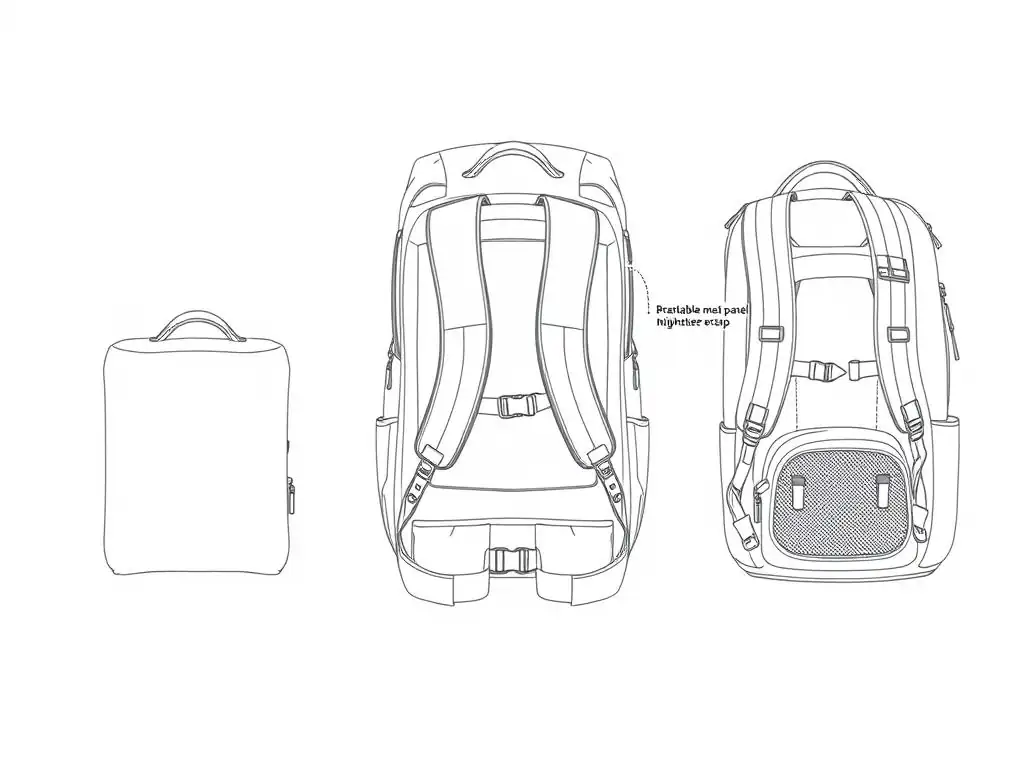
Choosing a foldable backpack shouldn't mean compromising comfort. Even when packed light, an uncomfortable backpack can quickly ruin a trip. Consider these ergonomic factors before making your purchase. Look for backpacks with padded shoulder straps, ideally adjustable to fit your torso length perfectly. This prevents strain on your shoulders and neck, especially during longer journeys or when carrying heavier loads.
A well-designed sternum strap is also crucial; it helps distribute weight evenly and prevents the pack from bouncing around as you move. Some high-quality foldable backpacks even incorporate adjustable hip belts, which further enhance weight distribution and reduce strain on your back. This is particularly important if you intend to use the backpack for travel or hiking, where you might be carrying more substantial items. Furthermore, breathable materials in the back panel are essential for preventing overheating and discomfort, especially in warmer climates. Look for mesh or ventilated panels that allow air circulation to keep your back cool and dry.
The overall design of the pack should also be considered. A contoured back panel can provide additional support and comfort, while a well-designed suspension system can help keep the pack stable and close to your body. Don't underestimate the importance of a comfortable carry – it significantly impacts your overall travel experience. Investing in a foldable backpack with superior ergonomics will make even the longest journeys feel more manageable. Remember to try on the backpack before purchasing, if possible, to ensure a perfect fit.
Water Resistance: Protecting Your Belongings from the Elements
Foldable backpacks, by their nature, are often lightweight and compact. This can sometimes mean that they are less durable and less water-resistant than traditional backpacks. However, many manufacturers are now incorporating water-resistant materials into their designs. Look for backpacks constructed from ripstop nylon or polyester, fabrics known for their durability and water-repellent properties.
Some high-end foldable backpacks even include a waterproof lining or a built-in rain cover for added protection against unexpected downpours. Consider the level of water resistance you need based on your typical travel conditions. If you frequently travel in rainy or humid climates, investing in a highly water-resistant backpack is a wise choice. Remember, however, that even water-resistant backpacks aren't completely waterproof.
For truly waterproof protection, you might want to consider using waterproof bags or dry sacks for your electronics and other sensitive items. Protecting your belongings from the elements is paramount. A little forethought in choosing a water-resistant foldable backpack can save you from potential headaches and losses. Think about your climate and typical travel conditions when making your selection.
Packability and Portability: The Essence of Foldable Backpacks
The core benefit of a foldable backpack lies in its ability to pack down small. When choosing a foldable backpack, pay close attention to its packed size and weight. A truly great foldable backpack should be incredibly compact when folded, easily fitting into a suitcase, carry-on bag, or even a larger purse. The weight of the backpack itself should also be minimal; you don't want to add significant weight to your luggage.
Consider the materials used; lightweight yet durable fabrics like ripstop nylon are ideal. Look for clever design features that facilitate compact packing, such as integrated compression straps or a roll-top closure. Check product descriptions and customer reviews to gauge the actual packed size and weight. Avoid relying solely on advertised dimensions, as these can sometimes be misleading.
Real-world experiences from other users provide valuable insights. The packability and portability of a foldable backpack are key factors that differentiate it from traditional backpacks. This feature is crucial for travelers who prioritize space optimization and convenience. A truly well-designed foldable backpack disappears when not needed, becoming a convenient and space-saving companion.
Top Foldable Backpacks for Expanded Packing: A Detailed Review
This section dives deep into the specifics of three top-performing foldable backpacks, analyzing their features and suitability for maximizing packing space. We'll explore how their expandable designs address the common challenges of limited luggage space, offering practical solutions for travelers and everyday users alike. Remember, choosing the right foldable backpack can significantly improve your packing efficiency and overall travel experience. The ability to expand packing capacity is a game-changer for those who frequently travel or need to carry a large amount of gear.
Backpack Model 1: The "AdventureReady" Expandable Backpack
The AdventureReady backpack boasts a unique expandable design that allows for significant volume increase. Its primary selling point is its robust construction, capable of handling heavy loads even when fully expanded. The material is a durable ripstop nylon, resistant to tears and abrasions, ensuring longevity even with frequent use. This model features multiple compartments, including a dedicated laptop sleeve, side pockets for water bottles, and a hidden zippered pocket for valuables.
Its expandable feature is cleverly integrated, using a zipper system that allows the backpack to increase in size by approximately 50%, transforming from a compact daypack to a sizable travel bag. The straps are padded and adjustable for comfortable carrying, even when fully loaded. Customer reviews highlight its exceptional durability and versatility, making it ideal for both short trips and longer adventures.
The AdventureReady also incorporates several thoughtful design elements. For example, the bottom of the backpack is reinforced to prevent wear and tear from rough surfaces. The zippers are heavy-duty and designed to withstand frequent use. Furthermore, the backpack's color scheme is understated, offering a variety of neutral colors to suit different preferences. While slightly heavier than some competitors when not expanded, this added weight contributes to its overall durability and load-bearing capacity. The AdventureReady is a premium choice for those prioritizing strength and longevity in a foldable backpack.
Backpack Model 2: The "CitySmart" Compact Foldable Backpack
The CitySmart prioritizes lightweight portability and compact folding. This model excels in its ability to fold down to an incredibly small size, easily fitting into a suitcase or even a larger handbag. While its expansion capacity is not as dramatic as the AdventureReady, it still offers a noticeable increase in volume, roughly 30%, making it perfect for day trips or carrying extra items when needed.
The material is a lightweight yet durable polyester, making it ideal for everyday use. It features a simpler design with fewer compartments than the AdventureReady, focusing on essential storage solutions. This streamlined approach keeps the weight down, making it exceptionally comfortable for urban environments.
Despite its compact nature, the CitySmart doesn't compromise on functionality. It includes a well-padded laptop sleeve, a main compartment with excellent organization, and small pockets for quick access to essentials. The expandable design is achieved through cleverly engineered side gussets that can be unzipped to increase the bag's capacity.
Customer reviews consistently praise its lightweight design and ease of use, particularly for commuters and city dwellers. The CitySmart is a perfect example of a foldable backpack that balances portability and practicality without sacrificing functionality. Its sleek design and versatility make it a stylish and practical choice for everyday use and short trips.
Backpack Model 3: The "EcoTrek" Sustainable Expandable Backpack
The EcoTrek is a standout choice for environmentally conscious travelers. This foldable backpack is made from recycled materials, demonstrating a commitment to sustainability without compromising on quality or functionality. Its expandable design utilizes a similar system to the CitySmart, increasing the capacity by around 40%.
This makes it suitable for a wide range of activities, from short hikes to weekend getaways. The material is a durable and water-resistant recycled polyester, offering excellent protection for your belongings. The backpack features a simple, yet effective design with a spacious main compartment, a dedicated laptop sleeve, and external pockets for water bottles and other essentials.
What sets the EcoTrek apart is its commitment to ethical and sustainable practices. The manufacturing process is designed to minimize environmental impact, and the materials used are chosen for their durability and recyclability. The EcoTrek is a testament to the fact that sustainable products can be both practical and stylish. Customer reviews often emphasize the backpack's eco-friendly features without sacrificing functionality or durability.
For consumers prioritizing sustainability, the EcoTrek provides a high-quality, expandable option that aligns with their values. The EcoTrek is a strong contender for those seeking a blend of functionality, sustainability, and expandable packing capabilities. It perfectly embodies the idea that responsible choices don't mean compromising on quality or performance.
Maximizing Space in Your Foldable Backpack: Packing Tips and Tricks
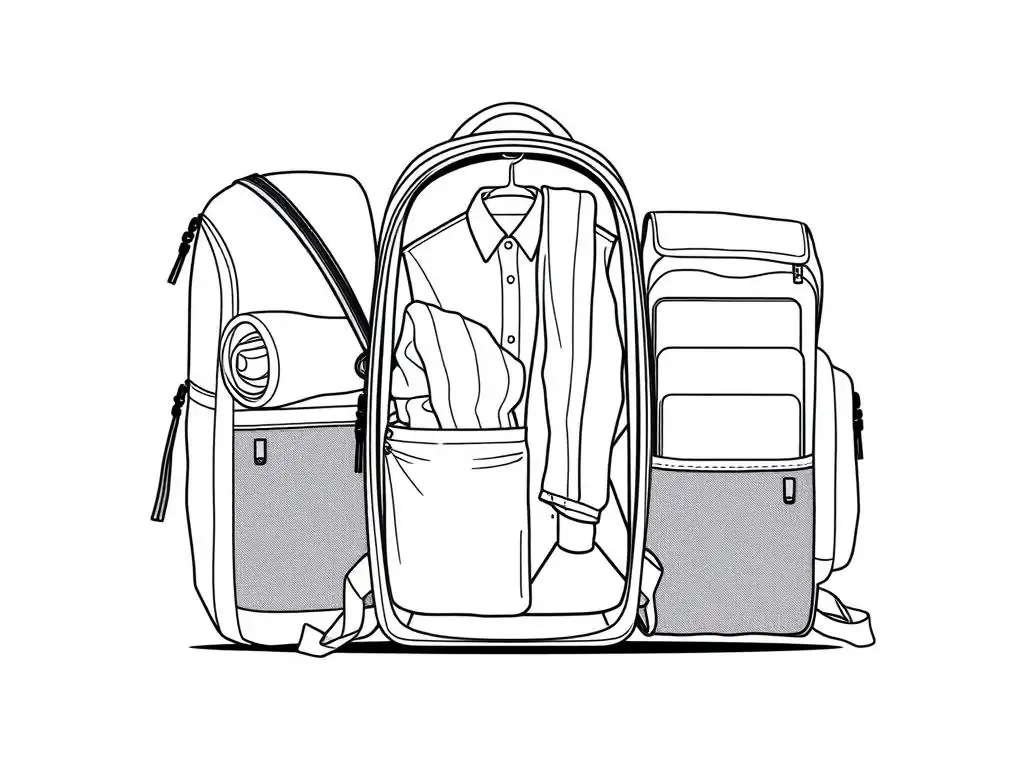
Foldable backpacks, while offering incredible expandability, still require strategic packing to truly maximize their capacity. Simply throwing items in won't cut it; you need a system. This section focuses on techniques to optimize your packing, transforming your foldable backpack from a convenient carrier into a space-saving marvel. Efficient packing isn't just about cramming; it's about intelligent organization. We'll explore methods to ensure you pack light yet carry everything you need, making the most of your foldable backpack's unique features. Remember, even the most expansive foldable backpack has its limits – smart packing is key to unlocking its full potential.
Efficient Packing Techniques for Foldable Backpacks
Efficient packing for foldable backpacks hinges on a few key principles: prioritization, compression, and organization. Start by ruthlessly evaluating your belongings. Do you really need that extra pair of shoes? Could you swap a bulky sweater for a lighter, more packable fleece? Prioritizing essentials helps eliminate unnecessary weight and bulk. Consider using a packing list checklist before you even begin packing. This helps visualize what you'll need and prevents overpacking. Next, employ compression techniques.
Rolling clothes instead of folding them (more on this later) significantly reduces volume. Utilizing compression cubes or packing organizers further minimizes space. Finally, strategically organize your items. Place heavier items at the bottom of the backpack, distributing weight evenly. Keep frequently accessed items easily reachable. Think of it like Tetris – you're trying to fit as many pieces as possible into the available space. A well-packed foldable backpack is a testament to efficient packing strategies.
Utilizing Compression Cubes and Packing Organizers
Compression cubes and packing organizers are your secret weapons in the battle against wasted space. These versatile tools help consolidate items, reduce wrinkles, and maintain order within your foldable backpack. Compression cubes, specifically designed to squeeze out excess air, are ideal for clothing, towels, and soft items. They significantly reduce the volume of these items, freeing up valuable space.
Packing organizers, on the other hand, compartmentalize your belongings, preventing items from shifting and creating unnecessary gaps. They're particularly useful for toiletries, electronics, and smaller items that are easily lost in the chaos of a regular backpack. Using a combination of both maximizes efficiency.
Imagine neatly organized cubes containing rolled-up clothes, nestled within the larger compartments of your packing organizer, all fitting snugly inside your expandable backpack. This system not only saves space but also makes unpacking a breeze. The time saved unpacking is a significant productivity gain, especially after a long journey.
Rolling vs. Folding Clothes: Which Method Saves More Space?
The age-old debate: rolling versus folding. When it comes to maximizing space in a foldable backpack, rolling your clothes is the clear winner. Folding creates rigid layers that occupy more space and are prone to wrinkles. Rolling, however, compresses the fabric, reducing its volume and minimizing wrinkles.
The cylindrical shape of rolled clothes also fits more efficiently into the backpack's contours, filling gaps and avoiding wasted space. While folding might seem quicker, the space-saving benefits of rolling far outweigh the minor time difference. The difference in space saved can be substantial, especially when packing multiple items. Consider this: a single rolled-up t-shirt will occupy significantly less space than its folded counterpart.
Multiply this effect across several garments, and the space savings become dramatic. Think of it as a small but significant productivity boost in terms of packing efficiency and space maximization within your foldable backpack. This simple switch can dramatically improve your packing game.
Strategic Packing for Different Trip Durations
Packing for a weekend getaway differs significantly from preparing for a month-long backpacking adventure. The key to maximizing space in your foldable backpack lies in adapting your packing strategy to the trip's duration. For shorter trips, prioritizing versatile clothing items is crucial. Think of items that can be mixed and matched to create multiple outfits.
A capsule wardrobe approach, where you select a limited number of coordinating colors and styles, is exceptionally effective. For instance, a neutral-colored base layer (like a black or gray t-shirt) can be paired with different colored shirts and pants to create several different outfit combinations, minimizing the amount of clothing you need to pack. Don't forget to consider the climate and activities planned; packing a lightweight, waterproof jacket is always a smart choice, regardless of the trip length.
Longer trips require a more nuanced approach. While versatility remains important, you'll need to account for potential laundry needs. Packing cubes become invaluable for organizing clothes and compressing them efficiently. These cubes help maintain order within the backpack, making it easier to find specific items.
Consider including a small, quick-drying laundry bag to separate dirty clothes and prevent them from contaminating clean items. For longer trips, it's wise to pack a few extra pairs of underwear and socks, as these are essential for hygiene and comfort. Remember to weigh the pros and cons of bringing a full-size toiletry bag versus using travel-sized containers to save space.
The added weight of a larger bag might be offset by the convenience of having full-size products, depending on your personal preferences and the length of the trip. Proper planning, including a detailed packing list tailored to the trip's duration and planned activities, is essential for optimizing space and ensuring you have everything you need. Remember to always weigh your bag before leaving to ensure you're not exceeding airline weight restrictions, if applicable.
Foldable Backpacks vs. Traditional Backpacks: A Detailed Comparison
This section delves into the key differences between foldable backpacks and their traditional counterparts, focusing on factors crucial for efficient packing and travel. We'll analyze size, weight, capacity, expandability, durability, and material differences to help you determine which type best suits your needs. Understanding these distinctions will empower you to make an informed decision and optimize your packing strategy. The choice between a foldable backpack and a traditional one significantly impacts your packing experience, influencing portability, storage capacity, and long-term value.
Size and Weight Comparison: Assessing Portability
Foldable backpacks excel in portability due to their unique design. When not in use, they collapse into remarkably compact sizes, easily fitting into a suitcase or even a larger tote bag. This is a stark contrast to traditional backpacks, which maintain a consistent size regardless of their contents. For example, a typical foldable backpack might compress to the size of a small paperback book (approximately 6 x 4 x 2 inches), while its expanded form might reach a volume of 25 liters. A comparable traditional backpack, even when empty, would occupy a significantly larger space.
The weight difference is also noteworthy. Foldable backpacks, constructed from lightweight, often ripstop nylon or polyester, are considerably lighter than their traditional counterparts. This reduced weight is particularly beneficial for travelers who prioritize minimizing their luggage's overall weight. A typical foldable backpack might weigh under a pound, while a comparable traditional backpack might weigh two to three pounds or more, even before packing any items. This weight saving can add up, especially on long trips or when carrying other luggage.
Capacity and Expandability: Analyzing Packing Potential
While initially appearing smaller, foldable backpacks often surprise with their packing capacity. Many models boast expandable features, allowing you to increase their volume as needed. This is achieved through zippered expansion panels or a cleverly designed, flexible construction. The expandability feature is a game-changer for travelers who need flexibility in their packing options.
For example, a foldable backpack with a 20-liter base capacity might expand to hold up to 30 liters, accommodating last-minute purchases or souvenirs. Traditional backpacks, on the other hand, offer a fixed capacity, limiting your packing options. Overpacking a traditional backpack can lead to discomfort and strain, while a foldable backpack's expansion allows for greater flexibility. This adaptability is particularly valuable for unpredictable travel situations.
Durability and Material Differences: Long-Term Value
The durability of foldable backpacks is a common concern. However, advancements in materials have significantly improved their resilience. Many are made from high-density ripstop nylon or polyester, offering excellent tear and water resistance. While they may not match the ruggedness of some heavy-duty traditional backpacks designed for extreme conditions, they are more than sufficient for everyday use and most travel scenarios. The choice of material is crucial; look for backpacks with reinforced stitching and durable zippers.
Traditional backpacks often utilize thicker, heavier materials, leading to increased durability but also increased weight and bulk. The long-term value of a foldable backpack depends on its quality. Investing in a well-made, reputable brand will ensure better durability and longevity. Regular inspection and proper care will further extend the lifespan of your foldable backpack. Consider the trade-off between weight and durability when making your decision. A foldable backpack might require more careful handling, but its convenience and portability often outweigh this minor drawback.
Price Point and Value for Money: Determining Cost-Effectiveness
Foldable backpacks generally occupy a mid-range price bracket, though this varies significantly depending on brand, materials, and features. You can find basic, lightweight foldable backpacks for under $20, while more durable, water-resistant models with extra compartments can cost upwards of $50. High-end foldable backpacks, boasting premium materials and advanced features like integrated USB charging ports or solar panels, might even exceed $100.
The cost-effectiveness hinges on how frequently you anticipate using the backpack and what features are essential to you. A budget-friendly option might suffice for occasional use, such as short trips or carrying groceries. However, if you plan to use it extensively for travel or daily commuting, investing in a more robust, durable model, even at a higher price point, could prove more cost-effective in the long run. Consider the potential for repairs or replacements – a cheaper backpack might need replacing sooner than a more expensive, high-quality one.
Think of it this way: a $20 backpack might seem like a bargain initially, but if it rips after a few uses, you'll end up spending more in the long run. A more expensive, durable model, while initially costing more, might last for years, making it a better value for money in the long term. The value proposition isn't just about the initial price tag; it's about the overall lifespan and utility of the backpack.
Therefore, carefully weigh the price against the expected frequency of use and the desired level of durability before making a purchase. Consider the total cost of ownership – including potential repairs or replacements – to get a clearer picture of the true value.
Frequently Asked Questions
What makes foldable backpacks ideal for travel?
Foldable backpacks are incredibly lightweight and compact, making them perfect for packing within a suitcase or storing away when not in use. Their expandable design allows you to increase capacity as needed, adapting to changing travel requirements.
How much can a foldable backpack typically hold?
Capacity varies greatly depending on the size and brand of the backpack. However, most can comfortably hold several days' worth of clothing and essentials, expanding to accommodate even more. Check the manufacturer's specifications for exact details.
Are foldable backpacks durable enough for everyday use?
While designed for portability, many foldable backpacks are surprisingly durable and made from ripstop nylon or other robust materials. They are suitable for everyday use, though heavy loads may stress them over time.
What are the benefits of a foldable backpack over a traditional backpack?
Foldable backpacks offer superior portability and packability, allowing for easy storage and transportation. Their expandable nature provides flexibility in packing capacity, unlike a traditional backpack with a fixed size.
Where can I find a good quality foldable backpack that expands packing?
Many reputable online retailers and outdoor gear stores sell foldable backpacks. Look for backpacks made from high-quality materials with good reviews, focusing on features like expandable compartments and comfortable straps to ensure a suitable fit and function for your needs.
Final Reflection: Unfolding the Potential of Compact Travel
The rise of foldable backpacks signifies more than just a convenient travel accessory; it represents a shift in our relationship with space, both physical and mental. We're increasingly seeking solutions that maximize efficiency and minimize clutter, reflecting a broader societal desire for streamlined living and sustainable practices. This need for optimized space extends beyond just travel, impacting how we approach our homes, our workspaces, and even our digital lives.
The impact of foldable backpacks extends beyond mere practicality; they symbolize a growing awareness of mindful consumption and resourcefulness. They challenge the ingrained notion that bigger is always better, encouraging us to reconsider our packing habits and prioritize only what truly matters. The best things in life are not things.
This simple statement encapsulates the spirit of efficient packing and the mindful approach to travel that foldable backpacks embody. The ability to pack light, to travel with less, frees us from the burden of excess and allows us to truly appreciate the journey itself.
Consider the space you occupy, both physically and mentally. What can you let go of to make room for what truly enriches your life? Embrace the compact potential of foldable backpacks as a metaphor for decluttering your life, both literally and figuratively. Start small, pack light on your next trip, and experience the freedom that comes with embracing minimalism. The journey to a more streamlined and fulfilling life begins with a single, thoughtfully packed bag.
Unleash Your Packing Power: Conquer Clutter, Embrace Adventure!
Thank you for exploring the world of expandable backpacks! We hope you now understand how easy it is to travel lighter and smarter. Ready to put this knowledge into practice?
- Invest in your next adventure: Choose a foldable backpack that perfectly suits your travel style and needs. Consider size, features, and material to find the ideal pack. This is your key to effortless packing!
- Share your packing triumph: Tell us (and others!) about your experience with foldable backpacks! Share your packing tips and tricks in the comments below – let's build a community of savvy travelers.
- Challenge your packing habits: Try packing minimally for your next trip, using the techniques we've discussed. You'll be amazed at how much space you save and how much more freely you can travel!
What innovative packing strategies will you use on your next journey?