
The Best Budgeting Apps for Tracking Credit Card Spending

Ready to conquer your finances and reclaim your time? At UltimateLifeHacks, we're dedicated to providing you with the practical tools and strategies you need to optimize your daily life. Discover how effortlessly managing your spending can transform your financial wellness – starting with our in-depth guide on the best budgeting apps for credit cards. Unlock the secrets to smart spending and financial freedom; the journey to a more efficient and fulfilling life begins here.
- Understanding the Need for Credit Card Spending Tracking Apps
-
Top 5 Best Budgeting Apps for Credit Card Management in 2024
- Mint: A Comprehensive Personal Finance App for Credit Card Tracking and Budgeting
- Personal Capital: Advanced Budgeting and Investment Tracking with Credit Card Integration
- YNAB (You Need A Budget): Zero-Based Budgeting for Credit Card Debt Reduction
- EveryDollar: A Simple Budgeting App for Credit Card Expense Monitoring
- Goodbudget: Envelope Budgeting System for Managing Credit Card Spending
- Choosing the Right Credit Card Budgeting App for Your Needs
- Comparing Budgeting App Features: Automated Categorization vs. Manual Input
- Considering Pricing Models: Free vs. Subscription-Based Budgeting Apps
- Data Security and Privacy in Credit Card Budgeting Apps: Important Considerations
- Maximizing Your Credit Card Budgeting App: Tips and Tricks
- Beyond Budgeting Apps: Additional Strategies for Credit Card Management
- Frequently Asked Questions
- Final Reflection: Mastering Your Financial Future Through Smart Budgeting
- Unlock Your Financial Freedom: Take Control of Your Spending Today!
Understanding the Need for Credit Card Spending Tracking Apps
Credit cards offer convenience and rewards, but their ease of use can easily lead to overspending and accumulating debt. Effectively managing credit card expenses is crucial for maintaining financial health and achieving long-term financial goals. This is where budgeting apps specifically designed for credit card spending tracking come into play.
These powerful tools offer a streamlined way to monitor transactions, identify spending patterns, and ultimately, gain control over your finances. In today's digital age, leveraging technology for financial management isn't just convenient; it's essential for navigating the complexities of personal finance and avoiding the pitfalls of credit card debt. This article will explore the best budgeting apps available, focusing on their features and capabilities to help you choose the perfect tool to optimize your credit card spending and improve your overall financial well-being.
We'll delve into why tracking is so important, the drawbacks of manual methods, and the key features to look for when selecting the right app for your needs. Let's get started!
Why Track Credit Card Spending? Avoiding Debt and Achieving Financial Goals
Tracking your credit card spending is paramount for several key reasons. Firstly, it provides a clear picture of your financial health. Many people underestimate their spending, leading to unexpected debt and financial stress. A budgeting app offers a detailed, real-time view of your expenses, allowing you to identify areas where you're overspending and make informed adjustments.
Secondly, consistent tracking helps you stay on budget and avoid accumulating high-interest debt. By setting spending limits and receiving alerts when approaching those limits, you gain better control over your finances, preventing impulsive purchases and fostering responsible spending habits. Thirdly, accurate tracking is essential for achieving your financial goals, whether it's saving for a down payment, paying off student loans, or investing for retirement. Knowing precisely where your money is going allows you to allocate funds strategically and make progress towards your objectives.
Finally, regular monitoring helps you identify potential fraudulent activity on your credit card. Quick detection of unusual transactions can save you from significant financial losses. In short, proactive credit card spending tracking empowers you to take control of your finances and build a secure financial future.
The Limitations of Manual Budgeting for Credit Card Expenses
While some individuals attempt to manage their credit card spending manually using spreadsheets or notebooks, this method has significant limitations. Manual tracking is often time-consuming and prone to errors. Manually entering every transaction from your credit card statement is tedious and can easily lead to omissions or inaccuracies.
This lack of precision can result in miscalculations and an inaccurate representation of your spending habits. Furthermore, manual tracking lacks the real-time insights and alerts provided by budgeting apps. You're only getting a snapshot of your spending at the end of the billing cycle, making it difficult to adjust your spending habits proactively.
Manual systems also lack the advanced features offered by many budgeting apps, such as spending categorization, personalized financial reports, and debt payoff planning tools. These advanced features are crucial for gaining a comprehensive understanding of your finances and making data-driven decisions. The inconvenience and limitations of manual budgeting ultimately make it an inefficient and unreliable method compared to the convenience and accuracy of dedicated budgeting apps.
Key Features to Look for in a Credit Card Budgeting App
Choosing the right budgeting app requires careful consideration of its features. Some key features to prioritize include: seamless integration with your credit card accounts for automatic transaction import; detailed categorization of expenses for insightful spending analysis; clear and intuitive dashboards providing a comprehensive overview of your finances; personalized budgeting tools allowing you to set spending limits and track progress towards financial goals; secure data encryption and robust privacy measures to protect your sensitive financial information; user-friendly interface with easy navigation and a positive user experience; availability across multiple devices (desktop, mobile) for convenient access; and robust reporting features, generating customizable reports for analysis and tracking financial progress.
Consider apps offering extra features like debt repayment planning, savings goals tracking, and investment tracking to further enhance your financial management capabilities. Choosing an app with these features will significantly improve your ability to track and manage your credit card spending effectively.
Top 5 Best Budgeting Apps for Credit Card Management in 2024
This section dives deep into the top contenders for best budgeting apps specifically designed to help you master your credit card spending. We'll examine their features, pros, and cons, empowering you to choose the perfect app to optimize your financial wellness. Finding the right app can significantly improve your credit score and overall financial health. Let's explore the options available to manage your credit card finances effectively.
Mint: A Comprehensive Personal Finance App for Credit Card Tracking and Budgeting
Mint is a popular choice for many, offering a robust suite of tools for managing various aspects of personal finance, including credit card spending. Its ease of use and comprehensive features make it a strong contender for the title of "best budgeting app credit cards."
Mint's Features for Credit Card Management: Automated Categorization, Spending Analysis, and Budgeting Tools
Mint excels at automating the tedious process of categorizing transactions. Simply link your credit cards, and Mint automatically sorts your spending into predefined categories like groceries, dining, entertainment, and transportation. This automated categorization allows for quick and easy spending analysis. You can easily visualize your spending patterns through charts and graphs, identifying areas where you might be overspending.
Furthermore, Mint provides budgeting tools to set spending limits for each category, helping you stay on track with your financial goals. This proactive approach to budgeting can prevent overspending and improve your financial discipline. The app also provides alerts when you approach your spending limits, acting as a helpful financial safeguard.
Mint's Pros and Cons: User-Friendliness, Data Security, and Limitations
Pros: Mint’s intuitive interface makes it incredibly user-friendly, even for those unfamiliar with budgeting apps. The automated features save considerable time and effort. The comprehensive reporting provides valuable insights into spending habits. Many users praise its free access to core features.
Cons: While generally secure, concerns about data security always exist with apps that handle sensitive financial information. Some users have reported occasional glitches or inaccuracies in transaction categorization. Advanced features may require a premium subscription. The sheer volume of features can feel overwhelming to some users.
Personal Capital: Advanced Budgeting and Investment Tracking with Credit Card Integration
Personal Capital distinguishes itself by offering advanced features beyond basic budgeting, seamlessly integrating credit card tracking with investment management. This makes it a powerful tool for those looking to holistically manage their finances. It's particularly useful for individuals interested in improving their financial literacy and long-term financial planning.
Personal Capital's Strengths: Net Worth Tracking, Investment Management, and Credit Card Insights
Personal Capital's strength lies in its ability to provide a comprehensive overview of your financial picture. Beyond credit card tracking, it offers net worth tracking, investment portfolio analysis, and retirement planning tools. The credit card features are integrated into this broader financial picture, giving you a clearer understanding of how your spending impacts your overall financial health. The detailed reporting and analysis tools provide deeper insights into spending patterns than many other apps. The app's investment tools are particularly appealing to users who actively manage investments.
Personal Capital's Weaknesses: Complexity for Beginners, Limited Free Features
The sheer number of features can feel overwhelming to beginners. The interface, while powerful, may require some time to master. Furthermore, many of the advanced features, including some of the credit card analysis tools, are only accessible with a paid subscription. This can be a significant drawback for users on a tight budget. While the free version offers basic functionality, it lacks the depth of analysis and features available in the paid version. This can limit its usefulness for users who require comprehensive credit card management tools.
YNAB (You Need A Budget): Zero-Based Budgeting for Credit Card Debt Reduction
YNAB, or You Need A Budget, is a popular budgeting app known for its unique zero-based budgeting approach. This method encourages users to allocate every dollar they earn to a specific category, ensuring that spending is intentional and aligned with financial goals. This is particularly powerful for managing credit card debt because it forces users to prioritize debt repayment within their overall budget.
Instead of simply tracking spending after the fact, YNAB helps users proactively plan how to use their income, minimizing the likelihood of overspending and accumulating more credit card debt. The app's emphasis on mindful spending and proactive planning makes it an excellent tool for those seeking to gain control over their finances and eliminate credit card balances.
The core principle is to assign every dollar a job, preventing unplanned spending that often leads to credit card debt accumulation. By visually representing income and expenses, YNAB provides a clear picture of your financial health and allows for informed decisions about credit card usage.
YNAB's Approach to Budgeting: Goal-Oriented, Zero-Based System for Credit Card Control
YNAB's zero-based budgeting system is its core strength. Unlike other apps that simply track spending, YNAB requires users to budget every dollar they receive. This forces conscious decision-making about spending and ensures that credit card payments are prioritized. The app provides tools to set goals, such as paying off credit card debt, and then guides users to allocate funds accordingly.
This goal-oriented approach, combined with the zero-based system, empowers users to actively manage their credit card spending and achieve financial goals more effectively. For example, a user could allocate a specific amount each month to their credit card minimum payment, and then additional funds to accelerate debt reduction. Progress towards these goals is clearly visualized within the app, providing motivation and accountability. The system encourages users to think strategically about their finances and make informed choices to reduce credit card debt.
YNAB's Cost and Value Proposition: Subscription Model vs. Free Alternatives
YNAB operates on a subscription model, offering a monthly or annual fee. While this might seem like a drawback compared to free budgeting apps, the value proposition lies in the comprehensive features and the powerful zero-based budgeting methodology. The structured approach and robust tools offered by YNAB justify the cost for many users who are serious about managing their finances and tackling credit card debt. While free alternatives exist, they often lack the depth of features and the structured approach that YNAB provides.
Ultimately, the decision of whether the cost is justified depends on individual needs and priorities. For those struggling with credit card debt and seeking a structured budgeting system, the investment in YNAB could prove invaluable in the long run. Many users find the structured approach and the support community alone to be worth the cost.
EveryDollar: A Simple Budgeting App for Credit Card Expense Monitoring
EveryDollar, developed by Dave Ramsey, offers a straightforward budgeting approach focusing on simplicity and ease of use. It's designed to help users track their income and expenses, providing a clear overview of their financial situation, especially concerning credit card spending. The app's intuitive interface and simple features make it accessible to beginners, while its basic functionalities are sufficient for many users.
EveryDollar emphasizes assigning every dollar to a specific category, helping users control their spending and avoid overspending on credit cards. The app allows for easy tracking of credit card payments and helps users understand where their money is going, providing valuable insights into their spending habits.
EveryDollar's Ease of Use and Features: Budgeting Templates, Expense Tracking, and Reporting
EveryDollar's strength lies in its user-friendly interface and straightforward features. The app provides easy-to-use budgeting templates, making it simple to set up a budget even for those with limited financial literacy. Expense tracking is streamlined, allowing users to quickly record transactions and categorize them.
Basic reporting features provide an overview of spending patterns, helping users identify areas where they might be overspending on their credit cards. The app’s simplicity is its biggest advantage: it avoids overwhelming users with complex features, focusing instead on the essentials of budgeting and credit card expense monitoring. The clean design and intuitive navigation make it a great option for those who prefer a minimalist approach to budgeting.
EveryDollar's Suitability for Beginners and Experienced Users
EveryDollar's simplicity makes it particularly well-suited for beginners. Its intuitive interface and straightforward features make it easy to learn and use, even for those with no prior budgeting experience. The app's focus on the basics of budgeting—tracking income and expenses, and assigning every dollar to a category—provides a solid foundation for developing good financial habits.
However, experienced users might find its features somewhat limited. While sufficient for basic budgeting and credit card expense monitoring, EveryDollar lacks some of the advanced features found in other budgeting apps, such as sophisticated reporting, goal-setting tools, and automated transaction categorization. Therefore, while a great starting point for beginners, more experienced users might find it lacks the depth and sophistication to meet their needs.
Goodbudget: Envelope Budgeting System for Managing Credit Card Spending
Goodbudget stands out as one of the best budgeting apps for credit card spending, primarily due to its unique approach to budgeting: the envelope system. This method, traditionally done with physical envelopes for cash, is cleverly translated into a digital format within the app. It allows users to allocate a specific amount of money to different categories, simulating the feeling of having a limited amount of cash for each expense.
This visual representation can be incredibly effective for those who find it challenging to stick to a budget. Goodbudget's intuitive interface makes it easy to track credit card spending against these pre-allocated amounts, providing immediate feedback on your spending habits and potential overspending. The app seamlessly integrates with various bank accounts and credit cards, automatically updating your balances and transactions.
This automation reduces the manual effort required for tracking, making it a truly practical tool for managing credit card debt and improving your financial health. Goodbudget's ability to clearly show where your money is going, especially credit card funds, is a significant advantage for those seeking better control over their finances. By visually representing your budget constraints, it encourages mindful spending and prevents impulsive purchases that often lead to increased credit card debt.
Goodbudget's Unique Approach: Digital Envelope System for Visual Budgeting
Goodbudget's core strength lies in its innovative adaptation of the traditional envelope budgeting system. Instead of physical envelopes, users create digital "envelopes" within the app, each representing a specific budget category (e.g., groceries, dining out, entertainment, credit card payments). Each envelope is assigned a pre-determined amount of money, reflecting the allocated budget for that category.
As you spend money using your credit card (or other payment methods linked to the app), you allocate those expenses to the corresponding digital envelope. This visual representation offers a clear, real-time snapshot of your spending against your budget for each category. The app provides alerts when you approach or exceed your allocated budget in a particular envelope, fostering mindful spending and preventing overspending.
This visual feedback loop is highly effective in promoting financial awareness and responsible credit card usage. The intuitive design of the digital envelopes makes the entire budgeting process remarkably simple and accessible, even for those unfamiliar with budgeting apps or complex financial tools. The system is especially helpful in managing credit card debt by clearly showing how much is available for credit card repayments and preventing overspending that would increase debt.
Goodbudget's Strengths and Weaknesses: Simplicity, Community Features, and Limitations
Goodbudget's simplicity is both a strength and a weakness. The ease of use makes it accessible to a wide range of users, regardless of their financial literacy level. The visual nature of the envelope system makes budgeting more intuitive and less daunting. The app also offers helpful community features, allowing users to connect and share budgeting tips and strategies.
This fosters a sense of community and support, which can be beneficial for those new to budgeting or struggling with their finances. However, Goodbudget's simplicity also means it lacks some advanced features found in other budgeting apps. For example, it may not offer as comprehensive reporting or forecasting capabilities as some competitors. The lack of sophisticated analytics might be a drawback for users seeking detailed financial insights.
Furthermore, while it integrates with some bank accounts and credit cards, the integration isn't as extensive as some other apps on the market. Despite these limitations, Goodbudget's user-friendly interface and effective envelope system make it a strong contender for managing credit card spending, particularly for users who prioritize simplicity and visual budgeting. The app remains a valuable tool for those seeking to gain control over their spending and reduce credit card debt. The balance between ease of use and functionality makes it a compelling option for many users.
Choosing the Right Credit Card Budgeting App for Your Needs
Selecting the best budgeting app for managing credit card spending hinges on understanding your individual needs and financial habits. Are you a meticulous tracker who enjoys detailed analysis, or do you prefer a simpler, more automated system? Your answer will significantly influence your app choice. Consider these key factors:
- Level of Detail: Some apps provide granular control, allowing you to categorize every transaction manually. This offers maximum accuracy but requires more time investment. Others utilize sophisticated algorithms for automated categorization, saving you time but potentially sacrificing precision. The best budgeting apps credit cards often offer a hybrid approach, combining automation with manual override options.
- Integration Capabilities: Seamless integration with your existing bank accounts and credit cards is crucial. Look for apps that support direct connections via APIs, minimizing manual data entry and ensuring up-to-date information. The best apps will also integrate with other financial tools you may use, such as investment platforms or tax preparation software.
- Reporting and Visualization: Effective budgeting requires clear insights. Choose an app that provides comprehensive reports and intuitive visualizations of your spending habits. Graphs, charts, and personalized summaries should make it easy to identify spending patterns, track progress towards financial goals, and adjust your budget accordingly. Look for apps that offer customizable reporting periods and allow you to export data for further analysis.
Comparing Budgeting App Features: Automated Categorization vs. Manual Input
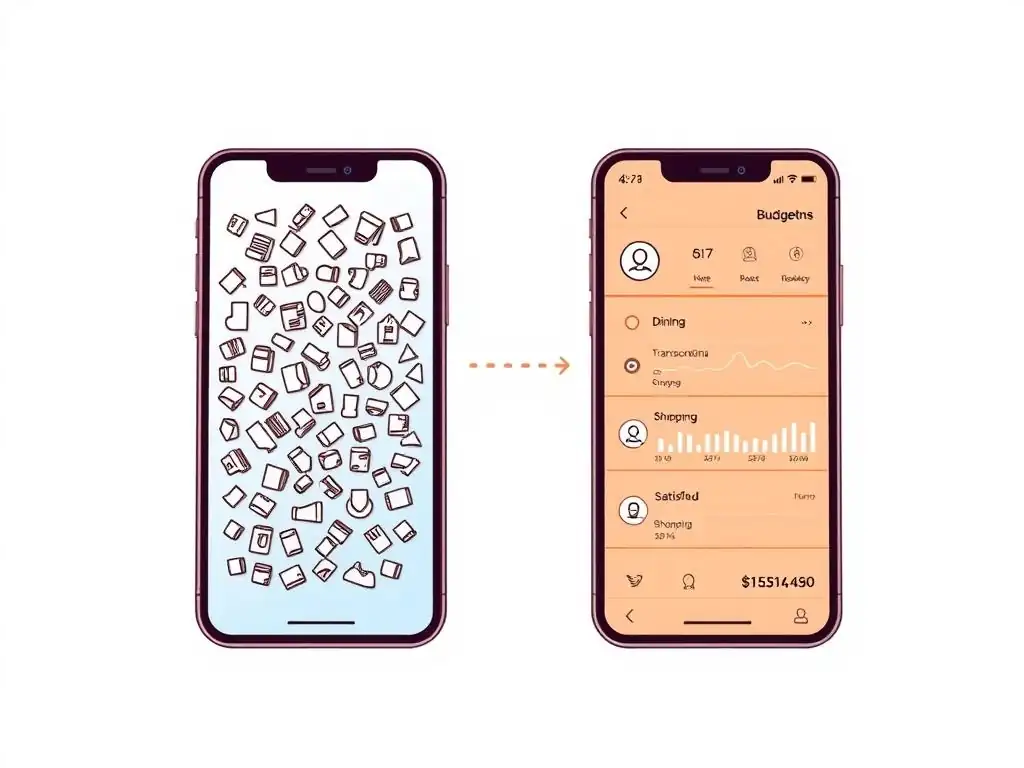
The core functionality of any budgeting app revolves around transaction categorization. This process dictates how your spending is organized and analyzed. Two primary approaches exist: automated categorization and manual input.
Automated Categorization:
Automated categorization leverages machine learning algorithms to automatically assign categories to your transactions. This is a significant time-saver, particularly for users with numerous transactions. However, accuracy can vary. The algorithm's effectiveness depends on the app's sophistication and the clarity of your transaction descriptions. Inaccurate categorization can lead to skewed budget analyses. Many top-rated apps offer a combination of automated categorization and manual overrides, allowing you to correct any mistakes. This hybrid model generally provides the best of both worlds: speed and accuracy.
Manual Input:
Manual input provides complete control over transaction categorization. While this approach is more time-consuming, it guarantees accuracy. It's particularly beneficial for users with complex spending patterns or those who require highly granular budget tracking. However, the effort required for manual entry can be a significant deterrent for many users. The best budgeting apps credit cards allow users to choose the level of automation that best suits their needs and preferences.
Considering Pricing Models: Free vs. Subscription-Based Budgeting Apps
Budgeting apps operate under various pricing models. Free apps often offer basic functionality but may lack advanced features or have limitations on data storage or the number of linked accounts. Subscription-based apps usually provide a wider range of features, enhanced data security, and superior customer support.
The choice between a free and subscription-based app depends on your budget and needs. If you require only basic budgeting capabilities, a free app might suffice. However, if you value advanced features like detailed reporting, personalized insights, and robust customer support, a subscription-based app may be a worthwhile investment. Carefully compare the features offered by both free and paid apps before making a decision. Remember, the best budgeting apps credit cards aren't necessarily the most expensive ones; they are the ones that best fit your individual requirements.
Consider these factors when evaluating pricing:
- Feature Set: Compare the features offered in the free version versus the paid subscription. Is the added functionality worth the cost?
- Data Limits: Free apps may limit the number of accounts you can link or the amount of data they can store.
- Customer Support: Paid apps generally offer better customer support channels and response times.
Data Security and Privacy in Credit Card Budgeting Apps: Important Considerations
When choosing a budgeting app, data security and privacy should be paramount. You're entrusting sensitive financial information to these apps, so it's essential to select one with robust security measures.
Look for apps that:
- Employ encryption: Data transmitted to and from the app should be encrypted to prevent unauthorized access.
- Comply with data privacy regulations: Ensure the app complies with relevant regulations like GDPR or CCPA.
- Have a transparent privacy policy: Carefully review the app's privacy policy to understand how your data is collected, used, and protected.
- Offer two-factor authentication: This adds an extra layer of security, making it more difficult for unauthorized users to access your account.
- Regularly update their security protocols: Choose an app that actively works to update its security measures to protect against emerging threats. The best budgeting apps credit cards prioritize security and transparency.
Choosing a budgeting app is a personal decision. Carefully consider your needs, preferences, and risk tolerance before making a selection. Remember, the goal is to find an app that simplifies your financial management and empowers you to achieve your financial goals.
Integration with Other Financial Accounts: Bank Accounts, Investment Accounts, etc.
Seamless integration with other financial accounts is a crucial feature when selecting a budgeting app for credit card spending. The best apps go beyond simply tracking your credit card transactions; they provide a holistic view of your entire financial picture. This comprehensive overview allows for better budgeting and informed financial decisions.
Consider apps that automatically import data from various sources, minimizing manual data entry and maximizing accuracy. Manually inputting transactions is tedious and prone to errors, significantly reducing the effectiveness of the budgeting process. Automatic syncing ensures your data is always up-to-date, providing a real-time snapshot of your financial health.
The level of integration varies significantly between apps. Some might only integrate with major banks, while others offer broader compatibility, including smaller credit unions and even investment accounts. This comprehensive approach allows users to track their net worth, understand their complete financial situation, and make more informed decisions about spending, saving, and investing. For example, an app that integrates with both your checking account and your credit card account can automatically categorize transactions, providing insights into where your money is going and helping you identify areas where you might be overspending.
Furthermore, the ability to link investment accounts offers a complete picture of your financial assets. This allows for a more nuanced understanding of your overall financial health, moving beyond simply managing credit card debt. Seeing your credit card spending in context with your savings and investments provides a more balanced perspective, crucial for long-term financial planning. The best apps will offer clear visualizations of this data, making it easy to understand your overall financial position at a glance.
This holistic approach to financial management is a significant advantage for users seeking to optimize their budgeting strategies. Look for apps that prioritize this comprehensive integration to improve your financial literacy and empower you to make well-informed decisions. The more integrated the app, the less time you'll spend manually inputting data and the more time you'll have to focus on achieving your financial goals.
Maximizing Your Credit Card Budgeting App: Tips and Tricks
This section delves into practical strategies to get the most out of your chosen budgeting app when managing credit card spending. Remember, the best budgeting app is the one you consistently use. These tips will help you maximize its potential and achieve your financial goals. We'll explore how to set realistic goals, leverage app features, and identify areas for spending reduction. Effective credit card management requires a proactive approach, and your budgeting app is your key tool.
Setting Realistic Budget Goals and Tracking Progress Regularly
Setting achievable budget goals is crucial for long-term success. Avoid overly ambitious targets that lead to discouragement. Start by analyzing your past credit card statements. Identify your average monthly spending in different categories (e.g., groceries, dining, entertainment). Use this data as a baseline to create realistic, incremental goals.
For example, if your average dining expense is $300, aim to reduce it by 10% in the first month ($30 reduction), then another 5% the following month. This gradual approach makes the process less daunting and more sustainable. Regular tracking is equally important. Most budgeting apps provide visual representations of your spending, often in the form of charts and graphs. Review these regularly (weekly or bi-weekly) to monitor your progress and make necessary adjustments. Early detection of overspending allows for timely corrective action, preventing larger problems down the line. Remember, consistency is key! 🏆
Utilizing Budgeting App Features for Effective Credit Card Management
Budgeting apps offer a range of features designed to streamline credit card management. Understanding and utilizing these features is essential for maximizing their effectiveness. Many apps allow for automatic categorization of transactions, saving you valuable time and effort. However, regularly review these categorizations for accuracy. Manual adjustments might be necessary, especially in the initial stages.
Some apps also offer features like setting spending limits for specific categories. This proactive approach helps prevent overspending in areas prone to impulsive purchases. Furthermore, many apps provide insightful reports and analytics, offering a comprehensive overview of your spending habits. Leverage these reports to identify trends and areas for improvement. For instance, you may discover that your subscription services account for a significant portion of your credit card spending, allowing you to make informed decisions about potential cancellations or downgrades. Don't underestimate the power of these built-in analytics; they are invaluable tools for informed financial decision-making.
Identifying and Reducing Unnecessary Credit Card Spending
Identifying and curbing unnecessary spending is a cornerstone of effective credit card management. Your budgeting app can play a vital role in this process. By analyzing your spending patterns, you can pinpoint areas where you're overspending. Look for recurring charges you may have forgotten about, or subscriptions you no longer use. These small, seemingly insignificant expenses can accumulate quickly, significantly impacting your monthly budget.
Consider using the app's budgeting features to allocate specific amounts to different categories. This helps you visualize your spending limits and prevents overspending. For instance, setting a weekly limit for online shopping or entertainment can help you stay within your budget. Remember, even small reductions in unnecessary spending can have a substantial impact over time. Consistent tracking and analysis, facilitated by your budgeting app, will empower you to make informed financial decisions and achieve your financial goals. This mindful approach to credit card spending empowers you to take control of your finances and build a healthier financial future. 🎉
Strategies for Paying Down Credit Card Debt Using Budgeting Apps
Budgeting apps are powerful tools, but they're only as effective as the strategies you employ alongside them. Successfully paying down credit card debt requires a multifaceted approach. Simply tracking spending isn't enough; you need a plan to actively reduce your balance. Here are some effective strategies to combine with your budgeting app:
One highly effective method is the avalanche method. This involves prioritizing the debt with the highest interest rate. By focusing your extra payments on this debt first, you'll save money on interest in the long run, ultimately paying off your debt faster and cheaper. Your budgeting app can help you visualize this by showing the interest accrued on each card, allowing for easy identification of the highest-interest debt. Remember to meticulously track every payment made within the app to maintain an accurate overview of your progress.
Another popular approach is the snowball method. Unlike the avalanche method, the snowball method focuses on paying off the smallest debt first, regardless of interest rate. The psychological benefit of quickly eliminating a debt, even a small one, can provide significant motivation to continue the process. This method is particularly useful for those who need a quick win to boost their confidence and stay committed to their debt reduction plan. Your budgeting app can be instrumental in this approach by enabling you to easily see which debt is smallest, and allowing you to set and track payments towards it.
Beyond these specific methods, remember the importance of consistent monitoring. Regular checks (weekly or bi-weekly) using your budgeting app will help you identify any unexpected spending patterns or potential overspending. This proactive approach allows for immediate adjustments to your budget, preventing further debt accumulation. Many budgeting apps offer notification features, alerting you when you approach your spending limits, providing an early warning system against potential overspending.
Finally, consider exploring debt consolidation. This strategy involves combining multiple debts into a single loan, often with a lower interest rate. While it doesn't directly involve your budgeting app for the consolidation process itself, your app can help you track the new, consolidated payment, ensuring you stay on track to become debt-free.
Careful consideration of the terms and conditions of the consolidation loan is essential before proceeding with this strategy. Remember to factor in any fees associated with debt consolidation when assessing its overall benefit. Your budgeting app can play a crucial role in accurately calculating the long-term cost savings.
Beyond Budgeting Apps: Additional Strategies for Credit Card Management
Budgeting apps are powerful tools, but they're only one piece of the puzzle when it comes to effectively managing your credit card spending and achieving financial wellness. Successfully navigating your credit card finances requires a holistic approach encompassing budgeting, mindful spending habits, and leveraging available rewards. This section explores strategies beyond app usage that can significantly improve your credit card management. Mastering these techniques, in conjunction with the best budgeting apps, will empower you to take control of your finances and build a strong credit history.
Creating a Realistic Budget and Sticking to It
A realistic budget is the cornerstone of effective credit card management. Simply downloading a budgeting app isn't enough; you need a concrete plan. This involves honestly assessing your income and expenses. Start by tracking your spending for at least a month to get a clear picture of where your money goes. Many find using a spreadsheet or a simple notebook helpful in tandem with their budgeting app. Don't forget to factor in irregular expenses like car repairs or holiday gifts.
Creating a budget isn't about deprivation; it's about prioritization. Identify your needs versus your wants. Categorize your expenses (housing, transportation, food, entertainment, etc.) and allocate a specific amount to each category. Regularly review and adjust your budget as needed.
Consider using the 50/30/20 rule as a guideline: 50% for needs, 30% for wants, and 20% for savings and debt repayment. This framework provides a solid foundation for building a sustainable financial plan. Remember, consistency is key. Regularly checking your budget against your actual spending helps you stay on track and identify areas for improvement. This proactive approach will prevent overspending and keep your credit card debt under control.
Developing Good Credit Card Habits and Avoiding Debt Traps
Beyond budgeting, cultivating positive credit card habits is essential for long-term financial health. This includes paying your bills on time, every time. Late payments significantly damage your credit score, leading to higher interest rates and limited access to credit in the future. Set up automatic payments to avoid this pitfall.
Also, try to pay more than the minimum payment each month. Paying only the minimum keeps you in a cycle of debt, accruing substantial interest charges over time. Aim to pay off your balance in full each month whenever possible. This eliminates interest charges entirely and prevents debt from accumulating.
Another crucial habit is to monitor your credit report regularly. This allows you to detect any errors or fraudulent activity promptly. You're entitled to a free credit report annually from each of the three major credit bureaus. Take advantage of this resource to maintain a healthy credit profile.
Avoid opening multiple credit cards simultaneously, as this can negatively impact your credit score. Instead, focus on managing the cards you already have responsibly. By diligently practicing these habits, you'll build a strong credit history and avoid the pitfalls of accumulating high-interest debt. This proactive approach will ensure your credit card remains a valuable financial tool rather than a burden.
Exploring Rewards Programs and Cashback Offers
Many credit cards offer rewards programs and cashback offers that can significantly benefit you. These programs can offset your spending and even provide opportunities to earn extra money. Before choosing a credit card, carefully compare the rewards programs offered by different issuers. Some cards offer cashback on specific categories, such as groceries or gas, while others provide points redeemable for travel or merchandise. Understanding the terms and conditions of each program is crucial to maximizing your rewards.
Consider your spending habits when selecting a rewards program. If you frequently dine out, a card offering cashback on restaurant purchases would be beneficial. If you travel frequently, a card with travel rewards might be a better fit. Remember that maximizing rewards requires responsible spending.
Avoid making purchases solely to earn rewards; focus on spending within your budget and using your card for purchases you would have made anyway. By strategically leveraging rewards programs, you can transform your everyday spending into valuable perks without compromising your financial stability. This smart approach allows you to gain extra value from your credit card usage, contributing to your overall financial wellness. Remember to always read the fine print to understand any limitations or restrictions on rewards redemption.
Frequently Asked Questions
What are the best budgeting apps for tracking credit card spending?
Several apps excel at tracking credit card spending. Popular choices include Mint, Personal Capital, and YNAB (You Need A Budget), each offering different features and approaches to budgeting. Consider your needs and preferences when choosing.
How do budgeting apps connect to my credit cards?
Most budgeting apps connect to your credit cards via secure APIs and read-only access. This allows the app to automatically import your transaction data without compromising your security. You'll typically need to provide your login credentials during setup.
Can budgeting apps help me pay down credit card debt?
Yes, many budgeting apps offer features to help you manage and pay down debt. These features often include debt tracking tools, payoff calculators, and strategies for prioritizing debt payments. They can significantly improve your financial awareness.
Are these budgeting apps safe and secure?
Reputable budgeting apps employ robust security measures to protect your financial data. Look for apps with strong security protocols and positive user reviews regarding data privacy. Always review the app's privacy policy before providing access to your financial accounts.
What are the key differences between free and paid budgeting apps?
Free apps often have limited features or display advertisements. Paid apps usually offer more advanced features, such as detailed reporting, unlimited accounts, and priority customer support. Evaluate whether the additional features justify the cost based on your needs.
Final Reflection: Mastering Your Financial Future Through Smart Budgeting
The ability to effectively manage credit card spending is no longer a luxury, but a necessity in today's complex financial landscape. The sheer volume of available credit, coupled with the ease of online transactions, can quickly lead to overwhelming debt if not carefully monitored. This article has explored several top-tier budgeting apps designed to help you regain control and build a healthier financial future.
The impact of readily available credit on personal finances is profound, shaping not only individual lifestyles but also broader societal trends. We've seen firsthand how these apps can empower individuals to make informed decisions, fostering a sense of financial responsibility and reducing the stress associated with debt. Financial freedom is not about how much money you make; it's about how you manage it.
This quote perfectly encapsulates the core message of this article: it's not about restricting spending, but about gaining control and making conscious choices.
Now, consider your own financial habits. Which aspects of your spending need the most attention? Which app, from those reviewed, resonates most with your personal style and needs? Take this opportunity to download a budgeting app, explore its features, and begin actively tracking your credit card spending. You have the power to shape your financial future; start today by embracing the tools available to you.
Unlock Your Financial Freedom: Take Control of Your Spending Today!
Thank you for exploring the best budgeting apps to manage your credit card spending! We hope you discovered helpful strategies to achieve your financial goals. Now, let's put that knowledge to work.
Here's your next step:
- Download your preferred budgeting app and begin tracking your spending immediately. Even a small amount of data offers valuable insights.
- Share this article with friends or family who might benefit from improved budgeting. Helping others reinforces good financial habits.
- Explore setting up automatic savings transfers within your chosen app—a surprisingly simple way to build a financial safety net!
Ready to build a more secure financial future? What small change will you make this week to better track your expenses?