
Beyond Spreadsheets: Discover the Best Budgeting Apps for Modern Life

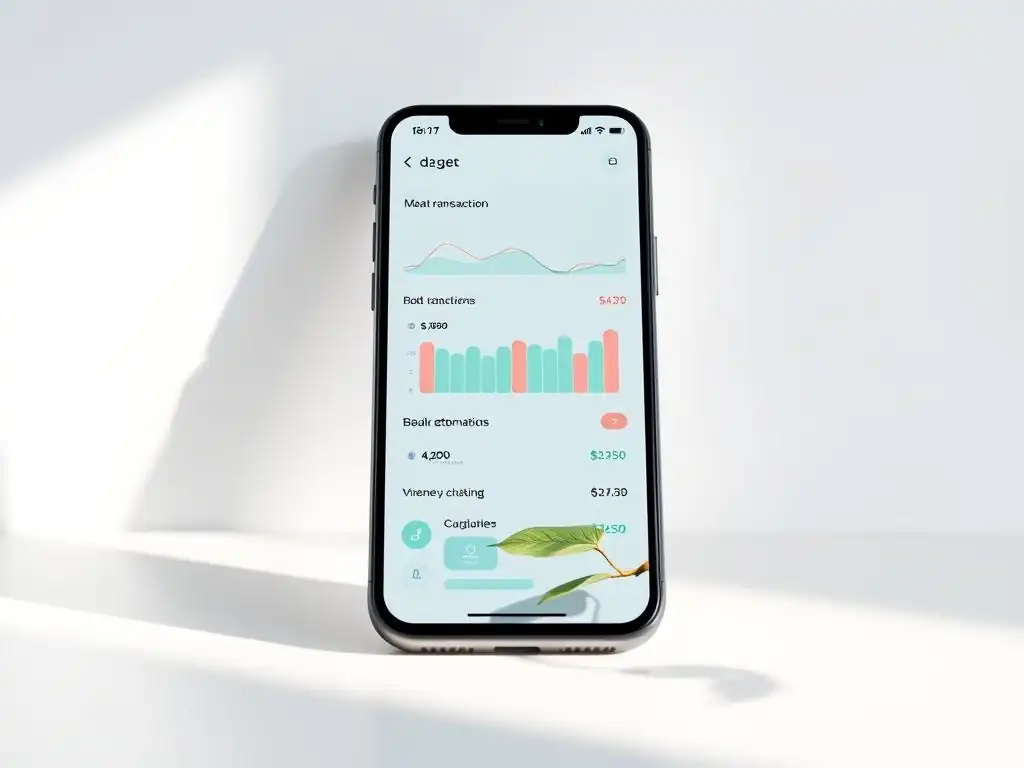
Welcome to UltimateLifeHacks, your destination for practical strategies to conquer daily life and unlock peak productivity! Are you tired of juggling spreadsheets and struggling to stay on top of your finances? Then you've come to the right place. This article dives deep into the world of budgeting apps, revealing the best budgeting apps for efficiency and helping you take control of your financial wellness. Discover how the right technology can transform your approach to money management, saving you time and stress while achieving your financial goals. Let's explore the future of budgeting – together!
- Why Ditch the Spreadsheet for Budgeting Apps? Improving Financial Efficiency
- Best Budgeting Apps for Efficiency: A Comparative Review
- Choosing the Best Budgeting App for Your Needs: A Practical Guide
-
Maximize Your Financial Efficiency: Tips for Using Budgeting Apps Effectively
- Setting Realistic Budgeting Goals and Tracking Progress: Achieving Financial Wellness
- Automating Your Finances for Effortless Budgeting: Leveraging App Features
- Staying Motivated and Consistent with Your Budgeting App: Long-Term Success
- Integrating Budgeting Apps into Your Daily Routine: Habit Formation
- Beyond Budgeting Apps: Additional Tools for Financial Wellness
- Conclusion: Embracing Technology for a Smarter Financial Future
-
Frequently Asked Questions
- What makes budgeting apps better than spreadsheets for managing finances?
- Which budgeting app is best for beginners?
- Are there budgeting apps specifically designed for couples?
- What security measures should I consider when choosing a budgeting app?
- Can budgeting apps help me reach specific financial goals?
- Final Reflection: Mastering Your Finances in the Digital Age
- Unlock Your Financial Freedom: Take Control of Your Budget Today!
Why Ditch the Spreadsheet for Budgeting Apps? Improving Financial Efficiency
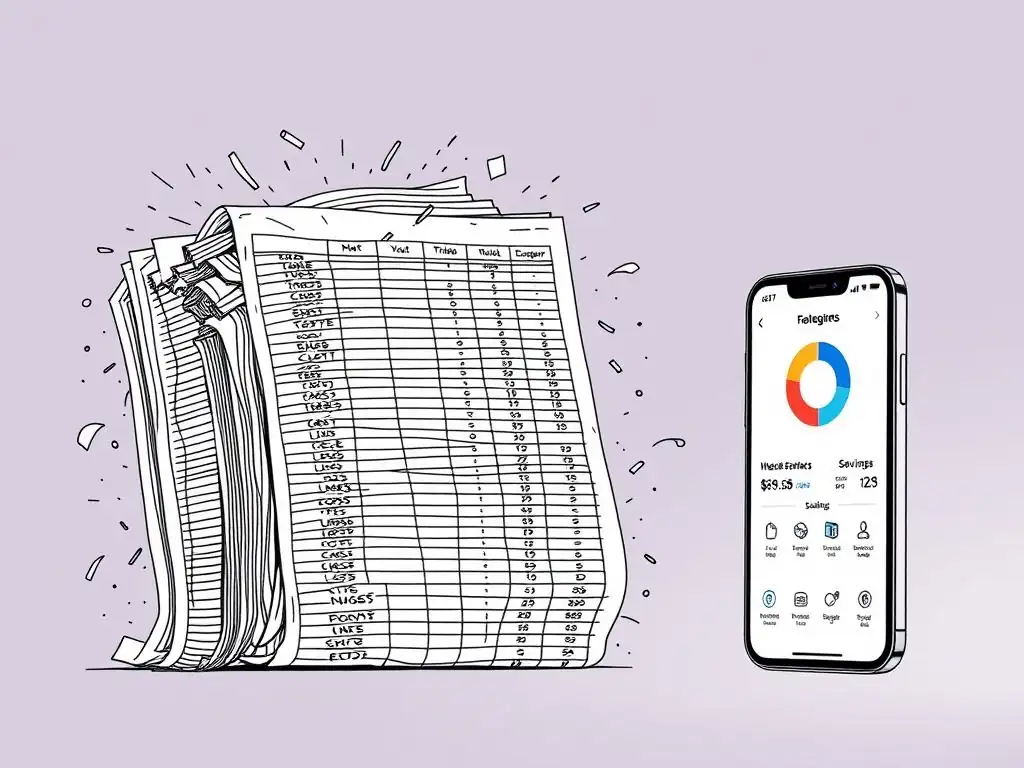
Spreadsheets were once the gold standard for personal finance management. However, in today's fast-paced digital world, relying solely on spreadsheets for budgeting can feel like using a quill pen in the age of the internet. This article explores why transitioning to budgeting apps offers significant advantages in terms of time savings, accuracy, and overall efficiency for managing your personal finances.
We'll delve into the limitations of traditional spreadsheet budgeting and highlight the key benefits of embracing modern budgeting software, ultimately helping you achieve better financial control and optimize your personal finances for maximum efficiency. Choosing the right budgeting app can significantly impact your financial wellness, streamlining your money management and giving you more time to focus on what truly matters.
This guide will help you navigate the landscape of available options to find the best budgeting apps for efficiency, specifically targeting those looking to improve their financial well-being through effective, tech-driven solutions. We'll be focusing on apps that maximize efficiency, making budgeting less of a chore and more of a powerful tool for achieving your financial goals.
The Limitations of Traditional Spreadsheet Budgeting
Traditional spreadsheet budgeting, while offering a degree of customization, often falls short in several crucial areas. The process itself can be incredibly time-consuming. Manually inputting transactions, calculating balances, and creating charts can eat into valuable time that could be spent on other important tasks. Furthermore, the risk of human error is significant.
A simple typo can lead to inaccurate budget projections and potentially flawed financial decisions. Maintaining consistency and updating the spreadsheet regularly requires discipline and attention to detail, something that can be challenging to maintain in the long run. Finally, spreadsheets lack the integration and automation features that many modern budgeting apps offer, limiting their overall efficiency and convenience. The lack of real-time updates, insightful visualizations, and automated features ultimately hinders the effectiveness of spreadsheet-based budgeting in achieving truly efficient financial management.
Time-Saving Benefits of Automated Budgeting Apps
Automated budgeting apps offer a significant advantage in terms of time saved. Many apps automatically import transactions from linked bank accounts and credit cards, eliminating the need for manual data entry. This automation dramatically reduces the time spent on data input, allowing users to focus on analyzing their spending habits and making informed financial decisions. Furthermore, features like automated bill reminders and categorization of expenses further streamline the budgeting process.
Imagine the time you'll save by not having to manually categorize every single transaction. These apps often provide features like scheduled reports and personalized financial insights, saving you even more time compared to the manual processes involved in spreadsheet budgeting. The overall efficiency gain translates to more free time, allowing for a better work-life balance and reducing the stress associated with managing personal finances. The time savings alone make transitioning to a budgeting app a worthwhile investment.
Enhanced Accuracy and Reduced Errors with Budgeting Software
The inherent risk of errors in manual spreadsheet budgeting is significantly reduced with budgeting apps. Automated transaction import and categorization minimizes the chances of typos and miscalculations. Many apps also offer features like fraud detection and alert systems, further enhancing security and accuracy. The software's built-in formulas and calculations ensure consistent and reliable financial data. This enhanced accuracy leads to more precise budget projections and informed financial planning.
No longer will you have to worry about inconsistencies or errors leading to inaccurate financial assessments. The real-time updates provided by many apps offer a dynamic view of your financial situation, allowing for proactive adjustments and better financial control. The improved accuracy and reduced errors associated with budgeting apps contribute significantly to a more efficient and reliable financial management system. This ultimately leads to better financial health and peace of mind.
Access to Real-Time Financial Data for Better Decision-Making
Spreadsheets, while offering a degree of customization, often lag in providing real-time updates. Manually inputting every transaction can be tedious and prone to human error, leading to inaccurate financial snapshots. This delay in information can significantly hinder your ability to make timely and informed financial decisions.
Imagine trying to track your spending for the month only to realize, three weeks in, that you've already exceeded your budget. With a budgeting app, however, you often have instant access to your current account balances, transaction history, and spending patterns. This real-time visibility allows for immediate adjustments to your spending habits, preventing overspending and promoting better financial control.
Many budgeting apps offer features like instant transaction categorization and automated budget allocation, further streamlining the process and reducing the risk of manual errors. This level of automation ensures that your financial data is consistently accurate and readily available, empowering you to make more effective decisions about your finances. For example, if you notice an unexpected surge in spending in a particular category, the app's real-time data lets you identify the cause and take corrective action promptly.
This proactive approach is far more efficient than the reactive approach often necessitated by the delayed information provided by spreadsheets. In essence, real-time data transforms your budgeting from a reactive exercise into a proactive strategy.
This shift dramatically improves your financial efficiency, allowing you to stay ahead of your finances rather than constantly playing catch-up. The ability to instantly see where your money is going and how much you have left is invaluable for achieving and maintaining financial stability.
Best Budgeting Apps for Efficiency: A Comparative Review
This section dives deep into a comparison of budgeting apps, focusing on their efficiency features and how they help users achieve their financial goals. We'll analyze top contenders, highlighting their strengths and weaknesses to help you choose the best budgeting app for your needs and boost your financial efficiency. The apps reviewed here are selected based on user reviews, feature sets, and overall effectiveness in helping users manage their finances more efficiently.
YNAB (You Need A Budget): Powerful Budgeting for Goal Setting and Control
YNAB is a popular budgeting app known for its powerful budgeting methodology and focus on goal setting. It promotes mindful spending and helps users proactively manage their finances rather than simply tracking expenses reactively. The core principle is to assign every dollar a job, ensuring that your money is working for you.
YNAB Features: Budgeting, Goal Tracking, Debt Management
YNAB offers a comprehensive suite of features designed for effective budget management. Its core functionality revolves around assigning every dollar to a specific category, making it easy to see where your money is going and identify areas for potential savings. The app excels at goal tracking, allowing users to set and monitor progress toward financial objectives, whether it's saving for a down payment, paying off debt, or building an emergency fund.
Debt management tools within YNAB are particularly robust, providing strategies and visualizations to accelerate debt reduction. Furthermore, the app provides detailed reports and insights to help users understand their spending habits and make informed financial decisions. It also offers a robust import functionality for easy integration with existing bank accounts.
YNAB Pricing and Value Proposition
YNAB operates on a subscription model, offering a monthly or annual fee. While this represents an upfront cost, many users believe the value proposition justifies the expense. The app's sophisticated features, excellent customer support, and proven methodology for achieving financial goals contribute to its perceived value. The cost is often seen as an investment in improving financial literacy and achieving long-term financial well-being, ultimately leading to greater efficiency in managing personal finances. The return on investment is seen in reduced stress, improved financial control, and faster progress towards financial objectives.
YNAB Pros and Cons: A Balanced Perspective
| Pros | Cons |
|---|---|
| Powerful budgeting methodology | Subscription-based pricing |
| Excellent goal-setting and tracking tools | Steeper learning curve than some other apps |
| Robust debt management features | Requires commitment and consistent usage |
| Strong community support | May not be ideal for users with very simple needs |
YNAB's structured approach might feel overwhelming initially, but its effectiveness in helping users gain control of their finances makes it a worthwhile option for those serious about improving their financial efficiency. The initial investment in learning the system pays off in the long run with better financial habits and results.
Mint: Free Budgeting App for Beginners and Simple Tracking
Mint is a widely used, free budgeting app that provides a user-friendly interface and basic budgeting features. It’s an excellent starting point for individuals new to budgeting or those who prefer a simpler, less intensive approach to financial management. Its ease of use and accessibility make it a popular choice for a broad range of users.
Mint Features: Expense Tracking, Budgeting, Credit Score Monitoring
Mint's primary function is expense tracking. It automatically categorizes transactions from linked bank accounts and credit cards, providing a clear overview of spending habits. It also offers basic budgeting tools, allowing users to set budget limits for different categories. A noteworthy feature is its integration with credit score monitoring, offering users insights into their credit health. This feature alone can be a significant driver of better financial management and efficiency in the long term, as proactive credit management is crucial for obtaining better loan terms and avoiding financial penalties.
Mint's Free vs. Premium Model: Which is Right for You?
While Mint offers a free version with core features, a premium version exists with additional capabilities. The free version is sufficient for basic budgeting and expense tracking, while the premium version may offer enhanced features such as more detailed reports or advanced financial planning tools. The choice depends on individual needs and budget. For many users, the free features are more than adequate for efficient personal finance management. The free version provides a great starting point for developing good financial habits and improving budgeting efficiency.
Mint Pros and Cons: A User-Friendly Option
| Pros | Cons |
|---|---|
| Free to use | Limited advanced features in the free version |
| User-friendly interface | Data security concerns (though addressed by Intuit) |
| Automatic transaction categorization | Can be less accurate in categorizing unusual transactions |
| Credit score monitoring | May not be suitable for users needing complex budgeting tools |
Mint's simplicity and free access make it an attractive option for many users. However, its limitations in advanced features might prompt users seeking more sophisticated budgeting tools to consider other apps, such as YNAB. The balance between ease of use and functionality is a key factor to consider when choosing between Mint and other options.
Personal Capital: Advanced Budgeting with Investment Tracking
Personal Capital stands out as a powerful budgeting app, particularly beneficial for users who actively manage their investments. It goes beyond simple expense tracking, offering a comprehensive view of your entire financial picture. The app seamlessly integrates with various financial accounts, automatically aggregating data from bank accounts, credit cards, investment accounts, and retirement plans.
This consolidated view allows for a holistic understanding of your financial health, making informed decisions significantly easier. The sophisticated reporting features provide valuable insights into spending habits, investment performance, and overall net worth, empowering users to make data-driven adjustments to their financial strategies. This detailed level of analysis is a key differentiator from many other budgeting apps on the market.
Its strength lies in its ability to connect the dots between spending and saving, offering a much clearer picture of your financial future. The ability to track your investment performance alongside your spending habits is a unique advantage for those aiming for long-term financial success.
Personal Capital Features: Budgeting, Investment Analysis, Retirement Planning
Personal Capital offers a robust suite of features designed to empower users with comprehensive financial management tools. Its budgeting capabilities allow for detailed expense categorization and tracking, providing a clear picture of where your money is going. Beyond budgeting, the app excels in investment analysis. It provides detailed portfolio performance reports, asset allocation analysis, and even retirement planning tools, including projections based on various factors and scenarios.
Users can easily monitor their investment returns, understand their risk tolerance, and adjust their investment strategies accordingly. The retirement planning tools are particularly helpful, offering personalized projections based on current savings, estimated future contributions, and anticipated retirement expenses. This level of detail empowers users to make informed decisions about their long-term financial security. The integrated dashboard gives users a single point of access to all their financial information, fostering a more efficient and informed approach to managing their finances.
Personal Capital's Free and Premium Tiers: A Detailed Comparison
Personal Capital operates on a freemium model, offering a free version with core features and a premium version with enhanced capabilities. The free version provides access to the core budgeting and investment tracking features, allowing users to monitor their spending and investment performance. However, the premium version unlocks advanced features such as personalized financial advisory services and more in-depth retirement planning tools.
While the free tier is excellent for basic budgeting and investment monitoring, the premium tier offers a more personalized and comprehensive financial planning experience. The key difference lies in the level of personalized guidance and support provided. The premium service offers access to certified financial advisors who can provide tailored advice based on individual circumstances and goals.
This personalized support can be invaluable for users seeking expert guidance in optimizing their financial strategies. The cost difference should be carefully weighed against the value of personalized financial advice and in-depth planning tools.
Personal Capital Pros and Cons: Suitable for Savvy Investors
Personal Capital is a powerful tool, but its suitability depends on the user's needs and financial sophistication.
Pros:
- Comprehensive financial overview.
- Detailed investment analysis.
- Robust retirement planning tools.
- User-friendly interface.
Cons:
- Premium features require a subscription.
- May be overwhelming for users with simpler financial needs.
- Requires linking multiple financial accounts.
EveryDollar: Easy-to-Use Budgeting App Focused on Zero-Based Budgeting
EveryDollar is a budgeting app designed with simplicity and ease of use in mind. It champions the zero-based budgeting method, a system where every dollar is assigned a specific purpose. This approach encourages mindful spending and helps users gain better control over their finances. The app's intuitive interface makes it accessible to users of all technical skill levels.
Its straightforward design avoids unnecessary complexities, focusing instead on providing a clear and efficient way to track expenses and allocate funds. The emphasis on simplicity makes it an excellent choice for beginners or those who prefer a less technical approach to budgeting. The core principle of assigning every dollar a purpose promotes financial accountability and helps users achieve their financial goals more effectively.
EveryDollar Features: Simple Budgeting, Expense Tracking, Debt Reduction Tools
EveryDollar’s features are centered around facilitating zero-based budgeting. The app allows users to easily categorize their income and expenses, ensuring all funds are allocated. It offers tools for tracking spending, identifying areas for potential savings, and setting up budgets for various categories. A key feature is its debt reduction tools, which assist users in strategically allocating funds toward paying down debt.
This focused approach to debt management can significantly accelerate the process of becoming debt-free. Furthermore, the app allows for easy monitoring of progress toward financial goals, providing regular updates and visual representations of budgeting success. This visual feedback system helps users stay motivated and on track to achieve their financial objectives.
EveryDollar Pricing and its Suitability for Different Users
EveryDollar operates on a subscription model, offering a monthly or annual fee for access to its features. The pricing is relatively affordable, making it an accessible option for a wide range of users. Its simplicity and ease of use make it particularly suitable for beginners, students, or those new to budgeting.
The app's focus on zero-based budgeting is beneficial for individuals seeking a structured and effective approach to managing their finances. However, its simplicity might be limiting for users with more complex financial needs or those requiring advanced features such as investment tracking or sophisticated financial analysis. The pricing structure should be considered in relation to the user’s financial goals and the level of functionality required.
EveryDollar Pros and Cons: A Great Option for Beginners
EveryDollar provides a straightforward and effective budgeting solution, particularly appealing to beginners.
Pros:
- Simple and intuitive interface.
- Promotes zero-based budgeting.
- Effective debt reduction tools.
- Affordable subscription model.
Cons:
- Lacks advanced features found in other apps.
- May not be suitable for users with complex financial needs.
- Relies heavily on manual data entry.
Choosing the Best Budgeting App for Your Needs: A Practical Guide
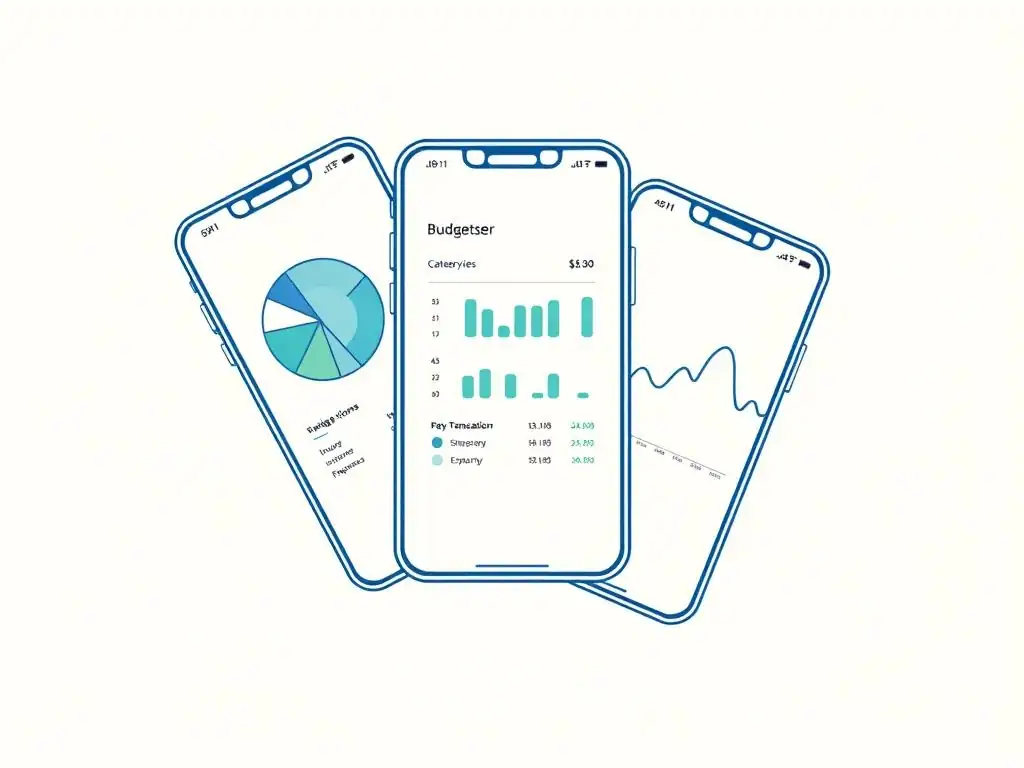
This section dives deep into the process of selecting the best budgeting app for efficiency, focusing on personalized needs and practical considerations. Choosing the right app isn't about finding the most popular one; it's about finding the one that best fits your unique financial situation and goals. We'll explore key factors to consider before even downloading an app, ensuring you make an informed decision leading to improved financial management and increased efficiency.
Assessing Your Budgeting Needs and Goals: What to Consider Before Choosing
Before you start browsing app stores, take a moment to reflect on your current financial habits and future aspirations. This self-assessment is crucial for selecting an app that truly enhances your budgeting journey. Ask yourself these critical questions:
- What are your primary budgeting goals? Are you aiming to pay off debt, save for a down payment, or simply gain better control of your spending? Different apps excel in different areas. For example, some prioritize debt reduction strategies while others focus on long-term savings goals. Understanding your primary objective will significantly narrow down your choices.
- What's your current level of financial literacy? Some budgeting apps offer extensive financial education resources and insights, while others focus on simplicity and ease of use. If you're new to budgeting, an app with built-in tutorials and guidance might be beneficial. However, experienced users may prefer apps with more advanced features and customization options.
- What's your preferred budgeting method? Do you prefer the 50/30/20 rule, the zero-based budget, or another method? Ensure the app aligns with your preferred approach. Some apps offer flexibility to adapt to various budgeting methodologies, while others adhere to a specific framework.
- How tech-savvy are you? Some apps boast intuitive interfaces, while others require a steeper learning curve. Consider your comfort level with technology and choose an app that suits your technical skills. Don't feel pressured to choose a complex app if a simpler one meets your needs.
Features to Prioritize When Selecting a Budgeting App: Key Considerations
Once you've assessed your needs, it's time to evaluate the features offered by different budgeting apps. Prioritize features that directly support your goals and align with your financial style. Here's a breakdown of key features to consider:
| Feature | Importance Level (High/Medium/Low) | Rationale |
|---|---|---|
| Account Linking | High | Automates transaction tracking, saving you significant time and effort. Look for apps that support various account types (checking, savings, credit cards). |
| Transaction Categorization | High | Crucial for accurate budgeting and financial analysis. Apps with robust categorization features (manual and automated) are highly beneficial. |
| Budgeting Tools | High | Choose apps offering flexible budgeting options (e.g., setting budgets by category, using envelopes, goal setting). |
| Reporting & Visualization | Medium | Clear and informative reports and charts help you visualize your spending patterns and track progress toward your goals. |
| Security & Privacy | High | Prioritize apps with robust security measures to protect your sensitive financial data. |
| Customer Support | Medium | Reliable customer support is essential, particularly if you encounter issues or need assistance. |
| Subscription Costs | Medium | Weigh the app's cost against its features and benefits. Free apps often have limitations, while paid apps usually offer more advanced features. |
Budgeting App Compatibility with Other Financial Tools: Seamless Integration
For maximum efficiency, consider how well the budgeting app integrates with other financial tools you use regularly. Seamless integration can significantly streamline your financial management process. Consider these points:
- Integration with Banking Apps: The ability to directly link your bank accounts is a huge time-saver. Look for apps with secure and reliable bank integrations.
- Compatibility with Investment Platforms: If you manage investments, check if the budgeting app integrates with your brokerage accounts to provide a holistic view of your finances.
- Data Export Capabilities: The option to export your budgeting data in various formats (CSV, Excel, etc.) is crucial for sharing information with financial advisors or using the data in other applications.
Choosing the right budgeting app is a crucial step towards achieving your financial goals. By carefully considering your needs, prioritizing key features, and evaluating compatibility, you can select an app that empowers you to effectively manage your finances and optimize your daily routines. Remember, the best app is the one that best works for you. 💰
Security and Privacy Concerns When Using Budgeting Apps: Data Protection
Choosing a budgeting app involves more than just user-friendliness and feature sets; it demands careful consideration of security and privacy. Your financial data is incredibly sensitive, and entrusting it to an app requires a thorough understanding of the app's security protocols and privacy policies. Many apps boast robust encryption methods, but understanding the specifics is crucial.
Look for apps that utilize end-to-end encryption, meaning only you can access your data, even the app developers cannot. This is paramount for preventing unauthorized access to your sensitive financial information. Furthermore, investigate whether the app employs multi-factor authentication (MFA).
MFA adds an extra layer of security, requiring multiple forms of verification before granting access, significantly reducing the risk of unauthorized logins, even if your password is compromised. Remember, a strong password is still your first line of defense. Avoid easily guessable passwords and utilize a password manager to generate and securely store complex passwords for each of your apps.
Beyond encryption and MFA, scrutinize the app's privacy policy. Understand precisely what data the app collects, how it's used, and with whom it might be shared. Many apps share anonymized data for aggregate analysis, which can be beneficial for improving the app's functionality. However, ensure you're comfortable with the level of data sharing and that your personal identifiable information (PII) remains protected. Transparency is key; a reputable app will openly disclose its data handling practices.
Be wary of apps with vague or overly broad privacy policies, as this may indicate a lack of commitment to user data protection. Regularly review the app's security updates and privacy policy changes to stay informed about any modifications that might affect your data's security and privacy. Staying vigilant is the best way to protect your financial information. Remember, security is an ongoing process, not a one-time decision.
Consider the reputation of the app developer. Research the company's history and track record regarding data security. Have there been any previous breaches or security incidents? Reading user reviews and app store ratings can also offer insights into user experiences related to security and privacy.
Look for mentions of data breaches or concerns about data handling. While no system is entirely invulnerable, choosing a well-established app with a proven track record of security can significantly reduce your risks. Ultimately, balancing the convenience of using a budgeting app with the security of your financial data is a critical decision that requires careful consideration and proactive measures. The best budgeting apps for efficiency are those that prioritize both functionality and security.
Maximize Your Financial Efficiency: Tips for Using Budgeting Apps Effectively
This section delves into practical strategies to maximize the efficiency of budgeting apps, transforming them from mere tools into powerful engines for achieving your financial goals. We'll explore how to leverage their features for optimal results, emphasizing the importance of realistic goal setting and consistent engagement. Mastering these techniques will significantly enhance your financial wellness and propel you towards a more secure financial future. The best budgeting apps for efficiency aren't just about tracking; they're about actively managing your finances.
Setting Realistic Budgeting Goals and Tracking Progress: Achieving Financial Wellness
Setting realistic budgeting goals is paramount to achieving financial wellness and avoiding burnout. Avoid the trap of overly ambitious targets that are difficult to sustain. Instead, begin with small, achievable goals. For example, instead of aiming to eliminate all debt in one year (a potentially daunting task), focus on reducing your debt by a manageable percentage, say 10%, within a specific timeframe. This incremental approach fosters a sense of accomplishment and encourages continued effort.
Tracking your progress is equally crucial. Most budgeting apps provide visual representations of your spending habits, allowing you to monitor your progress against your set goals. Regularly reviewing these reports – ideally weekly or bi-weekly – allows for timely adjustments to your budget. Notice trends in your spending? Are you consistently overspending in a particular category? Identify these patterns and make proactive changes to your budget accordingly. This iterative process of goal setting, tracking, and adjustment is essential for long-term financial success. Remember, the best budgeting apps for efficiency are those that best facilitate this feedback loop.
Automating Your Finances for Effortless Budgeting: Leveraging App Features
Many top budgeting apps offer automation features that significantly reduce the manual effort required for budgeting. These features can automate bill payments, transfer funds between accounts, and even categorize transactions automatically, saving you valuable time and minimizing the risk of human error. Explore the automation capabilities of your chosen app. For instance, setting up automatic transfers to your savings account each month can help you consistently build your emergency fund or contribute towards long-term financial goals.
Automating recurring expenses, such as subscriptions or utility bills, prevents late payments and associated fees. Moreover, some apps offer features that allow you to round up purchases and automatically transfer the difference to your savings account – a passive saving strategy that can accumulate substantial funds over time. Utilizing these automation tools transforms your budgeting app from a passive tracking tool to an active financial management system, dramatically improving your overall financial efficiency. The best budgeting apps for efficiency often excel in this area.
Staying Motivated and Consistent with Your Budgeting App: Long-Term Success
Maintaining consistent engagement with your budgeting app is crucial for long-term success. While initial enthusiasm is important, sustained motivation requires a strategic approach. Consider setting reminders on your phone or integrating your budgeting app into your daily routine. For example, review your budget first thing in the morning or before you go to bed. This regular interaction will keep your financial goals at the forefront of your mind.
Celebrate milestones! Achieving a significant financial goal, such as paying off a credit card or reaching a savings target, deserves recognition. Reward yourself appropriately, but ensure the reward doesn't undermine your progress. Consider linking rewards to your financial progress – for example, treating yourself to a nice dinner after consistently staying within your budget for three months.
Maintaining consistent engagement and celebrating successes will contribute significantly to your long-term use of your budgeting app and ultimately, your financial well-being. The best budgeting apps for efficiency are those that help you stay motivated and on track. Remember, consistency is key! 🎉
Integrating Budgeting Apps into Your Daily Routine: Habit Formation
Building a consistent budgeting habit is crucial for maximizing the benefits of budgeting apps. It's not enough to download an app and expect immediate financial transformation; consistent engagement is key. Think of it like exercise – you wouldn't expect to see results from a single workout. Similarly, sporadic use of a budgeting app won't yield significant improvements in your financial health.
One effective strategy is to integrate your budgeting app into your existing daily routine. For instance, if you already check your email first thing in the morning, add checking your budget as the next step. Or, if you unwind each evening by scrolling through social media, dedicate a few minutes beforehand to reviewing your daily spending and upcoming bills. The key is to create a natural flow, making the process feel less like a chore and more like a regular part of your day.
Consistency is paramount. Even if you only spend a few minutes each day inputting transactions or reviewing your budget, this small, regular effort will yield far better results than sporadic, lengthy sessions. Consider setting reminders on your phone or using a habit-tracking app to reinforce this new routine. The more consistent you are, the more effectively you will track your spending, identify areas for improvement, and achieve your financial goals. Remember, the goal is to make budgeting a seamless part of your daily life, not an added stress.
Several studies highlight the importance of habit formation in achieving long-term goals. For example, research by Phillippa Lally et al. demonstrated that it takes an average of 66 days to form a new habit. 1 This underscores the need for patience and persistence when integrating a budgeting app into your daily life. Don't get discouraged if you miss a day or two – simply get back on track and maintain your commitment to the process. The long-term benefits far outweigh any temporary setbacks.
Remember to celebrate your milestones along the way. Acknowledge your progress and reward yourself for sticking to your new routine. This positive reinforcement will help solidify the habit and keep you motivated. Whether it's a small treat or a larger reward, acknowledging your accomplishments will make the entire process more enjoyable and sustainable. The key to success is to make the process of using your budgeting app not just efficient, but also enjoyable and rewarding.
1 Lally, P., van Jaarsveld, C. H. M., Potts, H. W. W., & Wardle, J. (2010). How are habits formed: Modelling habit formation in the real world. European journal of social psychology, 40(6), 998-1009.
Beyond Budgeting Apps: Additional Tools for Financial Wellness
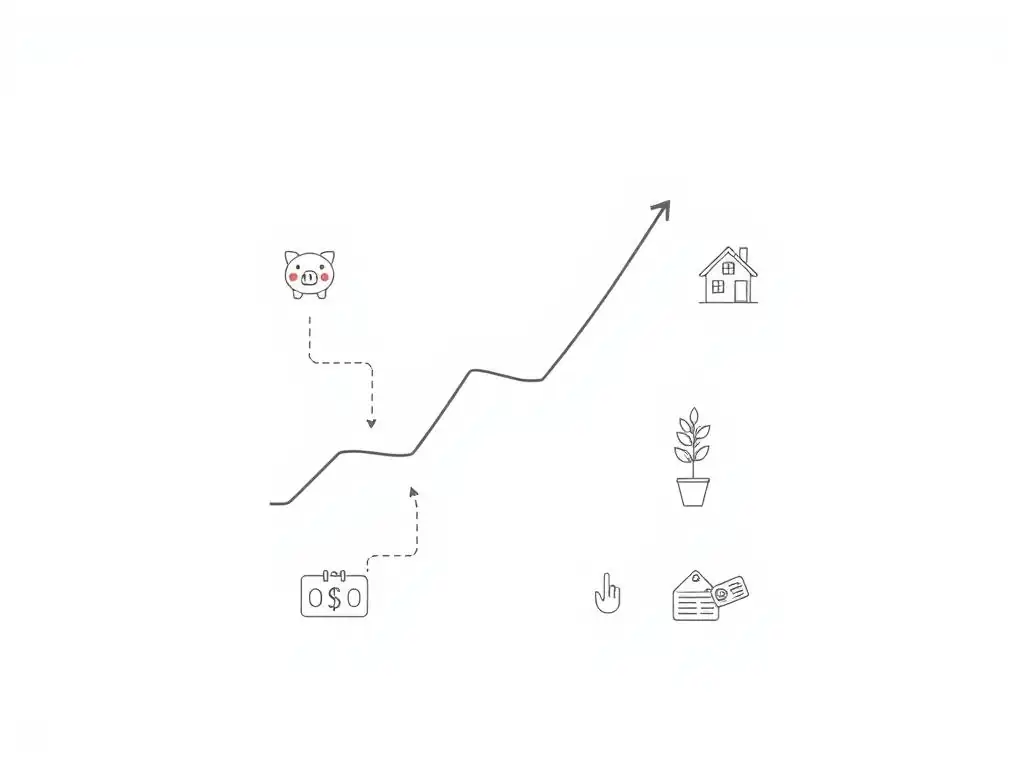
This section explores tools that, while not strictly budgeting apps, significantly contribute to achieving your financial wellness goals, complementing the functionality of the best budgeting apps for efficiency. These apps enhance your financial control and contribute to a more holistic approach to managing your money. Using these alongside a robust budgeting app allows for a more comprehensive and efficient financial management system.
Expense Tracking Apps to Complement Your Budget:
Expense tracking apps go hand-in-hand with budgeting. While some budgeting apps include tracking features, dedicated expense trackers often offer more granular detail and insightful visualizations. They help you understand where your money is going, providing crucial data to inform your budget adjustments. For example, you might discover that your daily coffee habit is significantly impacting your savings goals – information a simple budget might not highlight as clearly. Effective expense tracking is a cornerstone of efficient personal finance management; it empowers you to make informed decisions and track progress towards your financial objectives.
Several apps offer automatic transaction categorization, simplifying the tracking process. This automation saves valuable time, a key element in maximizing efficiency. Others provide insightful reports, such as spending breakdowns by category or merchant. This detailed analysis can reveal hidden spending patterns, allowing you to identify areas for improvement and optimize your spending habits. The best budgeting apps for efficiency often integrate with these expense trackers, creating a seamless workflow for comprehensive financial management. Consider the features offered, such as recurring expense identification and customizable reporting, when selecting an expense tracking app.
Investment Apps for Long-Term Financial Growth:
Investing is a crucial component of long-term financial wellness. While budgeting apps help you manage your current finances, investment apps assist in growing your wealth over time. They provide user-friendly interfaces for investing in stocks, bonds, mutual funds, and other assets. Many offer automated investing features (robo-advisors), ideal for beginners or those seeking a hands-off approach. These automated features are particularly beneficial for those aiming to improve their financial efficiency by streamlining their investment processes.
The best investment apps for efficiency often provide features like fractional share investing, allowing you to invest smaller amounts of money, making investing more accessible. They also typically offer educational resources, helping users understand investment strategies and risk management. Integrating these investment apps with your budgeting app can provide a complete picture of your financial health, allowing you to visualize both your current spending and your long-term investment growth.
This holistic view is vital for informed financial decision-making and achieving your financial goals efficiently. Remember to thoroughly research any investment strategy and consider your risk tolerance before committing your funds.
Debt Management Apps to Help You Pay Off Debt Faster:
Debt management apps are invaluable tools for those seeking to improve their financial efficiency by tackling outstanding debts. These apps help you strategize debt repayment, often employing methods like the debt snowball or debt avalanche methods. They allow you to input your debt information (principal, interest rate, minimum payment) and provide personalized repayment plans, helping you visualize your progress and stay motivated. The ability to track your progress efficiently is a key aspect of successfully managing debt.
Many debt management apps offer features such as budgeting integration, allowing you to allocate funds specifically for debt repayment. They also provide tools for calculating interest savings based on different repayment strategies. Efficient debt management directly impacts your overall financial health and well-being, freeing up resources for savings, investments, and other financial goals. The ability to prioritize debt repayment effectively contributes significantly to improving your financial efficiency. Choosing the right app can significantly accelerate your debt reduction journey and improve your overall financial well-being. Remember to consult with a financial advisor if you have complex debt situations.
Conclusion: Embracing Technology for a Smarter Financial Future
The journey to effective personal finance management doesn't have to be daunting. By leveraging the power of technology, specifically through the use of the best budgeting apps for efficiency, we can streamline processes, gain valuable insights, and ultimately achieve greater financial control. This shift from traditional methods like spreadsheets, while initially requiring a learning curve, offers significant long-term advantages.
The convenience, automation, and analytical capabilities provided by these apps represent a paradigm shift in how we approach budgeting and financial planning. No longer are we confined to static spreadsheets and manual calculations; instead, we have access to dynamic tools that adapt to our needs and provide real-time feedback. This empowers us to make more informed decisions, leading to improved financial health and reduced stress.
The Benefits of Seamless Financial Management: Improved Efficiency and Peace of Mind
Adopting a budgeting app can drastically improve your financial efficiency. Imagine effortlessly tracking expenses, categorizing transactions automatically, and generating insightful reports with a few taps on your smartphone. This level of automation frees up valuable time that can be spent on more productive activities or simply enjoying life.
The best budgeting apps for efficiency often integrate with bank accounts and credit cards, eliminating the need for manual data entry. This seamless integration minimizes the risk of human error and ensures the accuracy of your financial data. Furthermore, the ability to set budgets, track progress towards financial goals, and receive alerts for potential overspending provides a significant sense of control and peace of mind.
This proactive approach to financial management fosters a healthier relationship with money, reducing anxiety and promoting a more positive outlook. For example, identifying recurring unnecessary expenses through detailed reports can lead to significant savings over time. The ability to visualize spending patterns, identify areas for improvement, and track progress towards savings goals offers an unparalleled level of clarity and control.
Choosing the Right Budgeting App for a More Organized Financial Life: Final Thoughts
Selecting the best budgeting app is a personal journey. What works flawlessly for one person might not be ideal for another. Consider your individual needs and preferences when making your decision. Factors such as user-friendliness, available features (such as bill reminders, investment tracking, or debt management tools), integration capabilities, and security features should all be carefully evaluated.
Prioritize apps with strong security protocols to protect your sensitive financial data. Many apps offer free versions with limited features, allowing you to test their functionality before committing to a paid subscription. Remember that the ultimate goal is to find an app that simplifies your financial life, improves your efficiency, and empowers you to take control of your financial future.
Don't hesitate to explore different options and find the perfect fit for your unique financial needs. By embracing technology and adopting a smart approach to budgeting, you're investing in a more organized, efficient, and ultimately, more fulfilling financial life. The best budgeting apps for efficiency are more than just tools; they are your partners in achieving financial wellness.
Frequently Asked Questions
What makes budgeting apps better than spreadsheets for managing finances?
Budgeting apps offer automation, visualizations, and easy tracking features often lacking in spreadsheets. They simplify complex financial processes and provide insightful reports. This saves you time and effort compared to manually updating spreadsheets.
Which budgeting app is best for beginners?
Many apps cater to beginners, but Mint and Personal Capital stand out due to their user-friendly interfaces and intuitive setup processes. They offer basic features to get you started without being overwhelming.
Are there budgeting apps specifically designed for couples?
Yes, some apps excel at shared budgeting. Honeydue and Goodbudget are popular choices, allowing partners to collaborate seamlessly on tracking income, expenses, and goals. They offer features for joint account management.
What security measures should I consider when choosing a budgeting app?
Look for apps with robust encryption, two-factor authentication, and a strong privacy policy. Read reviews to assess the app's security track record and ensure your financial data is protected.
Can budgeting apps help me reach specific financial goals?
Absolutely! Most apps allow you to set financial goals, such as saving for a down payment or paying off debt. They then help you track your progress and adjust your budget accordingly to achieve your objectives more effectively.
Final Reflection: Mastering Your Finances in the Digital Age
The quest for financial efficiency is no longer a niche pursuit; it's a necessity in today's complex economic landscape. The sheer volume of financial information we navigate daily demands smarter, more streamlined solutions, and budgeting apps are rising to the challenge, offering powerful tools to take control of our spending and build a secure financial future.
The impact of these digital tools extends far beyond simple expense tracking; they are reshaping our relationship with money itself. They empower us to make informed decisions, fostering a sense of agency and control that was previously elusive. As the saying goes, A budget is telling your money where to go, instead of wondering where it went.
This simple truth, amplified by the intuitive interfaces and insightful analytics of modern budgeting apps, is transforming how individuals and families approach their finances, leading to greater financial literacy and improved well-being.
You now have the knowledge to choose the budgeting app that best suits your needs and lifestyle. Don't just passively consume this information; actively engage with it. Download a few apps from our list, experiment with their features, and find the one that empowers you to achieve your financial goals. Take control of your financial destiny today – your future self will thank you.
Unlock Your Financial Freedom: Take Control of Your Budget Today!
This guide will help you manage your finances more effectively. Ready to build a more secure financial future?
- Start using a budgeting app today: Don't delay in tracking your spending and planning your savings. Choose an app that suits your needs and begin using it immediately. Many excellent apps are available; explore a few to find the best fit.
- Share your budgeting experiences: What budgeting strategies have worked well for you, and what challenges are you facing? Sharing your experiences in the comments below will help others and provide valuable learning opportunities for you.
- Experiment with different budgeting methods: Once you've chosen a budgeting app, try various budgeting methods, such as the 50/30/20 rule or zero-based budgeting, to discover the most effective approach for achieving your financial goals.
What financial goal will you tackle first now that you have the tools to manage your budget effectively?