
Ditch the Spreadsheet: Budgeting Apps That Make Saving Simple

Ready to reclaim your time and finally master your finances? At UltimateLifeHacks, we're dedicated to simplifying your life, one practical tip at a time. Stop wrestling with spreadsheets – discover how the best budgeting apps for saving money can transform your relationship with your finances. Dive in and unlock the secrets to effortless budgeting and a more fulfilling life!
- Why You Need a Budgeting App in 2024
- Best Budgeting Apps for Saving Money: A Comparative Review
- Choosing the Right Budgeting App for Your Needs
- Maximizing Your Savings with Budgeting Apps: Practical Tips
- Frequently Asked Questions about Budgeting Apps
- Frequently Asked Questions
- Final Reflection: Unlocking Financial Freedom Through Digital Tools
- Unlock Your Financial Freedom: Start Budgeting Smarter Today!
Why You Need a Budgeting App in 2024
Navigating the complexities of personal finance in today's fast-paced world requires more than just good intentions; it demands efficient tools and strategies. While traditional budgeting methods like spreadsheets and pen-and-paper tracking might have served their purpose in the past, they often fall short in the face of modern financial demands.
This article explores the significant advantages of leveraging budgeting apps, specifically highlighting how these mobile tools can streamline your financial management, leading to improved savings and a more relaxed approach to your finances. We'll delve into the limitations of older methods, showcase the time-saving benefits of automation, and demonstrate how budgeting apps offer superior financial tracking and analysis capabilities, ultimately helping you achieve your financial goals faster and more effectively.
In short, we'll show you why ditching the spreadsheet in favor of a well-chosen budgeting app is one of the best financial decisions you can make in 2024. This is particularly relevant for those searching for the "Best budgeting apps for saving money".
The Limitations of Traditional Budgeting Methods (Spreadsheets, Pen & Paper)
Traditional budgeting methods, while seemingly straightforward, often present significant drawbacks. Spreadsheets, for example, require manual data entry, increasing the likelihood of human error. This manual process is also incredibly time-consuming. Updating transactions, categorizing expenses, and generating reports can quickly become a tedious and overwhelming task, especially as the number of transactions grows.
Furthermore, spreadsheets lack the real-time insights and automated features that budgeting apps offer. The lack of visual representation and automatic categorization can make it difficult to identify spending patterns and areas for improvement. Pen and paper methods, while seemingly simple, suffer from even more limitations. They are prone to loss or damage, lack the ability to easily track progress over time, and offer no analytical capabilities whatsoever.
The inconvenience and lack of efficiency often lead to inconsistent tracking and a less accurate picture of your finances. This can negatively impact your ability to save effectively and reach your financial goals. 📈
Time-Saving Benefits of Automated Budgeting Apps
One of the most significant advantages of budgeting apps is their automation capabilities. Unlike manual methods, budgeting apps automatically import transactions from linked bank accounts, credit cards, and other financial institutions. This eliminates the need for manual data entry, saving you valuable time and minimizing the risk of errors. Many apps also offer features like automated categorization, intelligently assigning transactions to pre-defined budget categories.
This automated process significantly reduces the time spent on manual data sorting and organization. Furthermore, budgeting apps often provide features such as scheduled bill reminders and automated savings goals, ensuring you stay on track with your financial commitments and meet your savings targets without needing to constantly monitor every detail. This automation frees up your time and mental energy, allowing you to focus on other aspects of your life. ⏰
Improved Financial Tracking and Analysis with Mobile Budgeting Tools
Beyond automation, budgeting apps provide powerful tools for tracking and analyzing your finances. Interactive charts and graphs provide a clear visual representation of your income, expenses, and savings progress. This visual data makes it easy to identify spending patterns, track progress towards financial goals, and make informed decisions about your spending habits. Many apps also offer detailed reports, allowing you to analyze your finances across different time periods, track your net worth, and identify areas where you can potentially save more money.
Advanced features such as personalized financial advice and goal-setting tools provide further support in optimizing your finances. This level of detailed analysis is simply not possible with traditional budgeting methods. The ability to gain actionable insights into your spending habits is crucial for effective saving and improving your overall financial wellness. 📊
Goal Setting and Achievement Features in Top Budgeting Apps
Many top budgeting apps understand that simply tracking expenses isn't enough; achieving financial goals requires motivation and a clear roadmap. That's why many incorporate robust goal-setting features. These features go beyond simply setting a savings target. They often allow for granular detail, such as specifying the timeframe for reaching a goal (e.g., saving $5,000 for a down payment in 12 months). This level of specificity helps users stay focused and motivated.
Furthermore, sophisticated budgeting apps offer progress tracking tools that visually represent your journey toward your financial objectives. Progress bars, charts, and graphs provide a clear picture of your savings rate and how close you are to achieving your goals. This visual representation provides positive reinforcement and encourages continued effort. Some apps even send personalized notifications or celebratory messages upon reaching milestones, adding a layer of gamification to encourage consistent saving habits.
The best budgeting apps for saving money also often incorporate features that allow you to break down large, daunting goals into smaller, more manageable steps. This approach makes the overall goal feel less overwhelming and increases the likelihood of success. For example, instead of focusing solely on the $5,000 down payment, the app might suggest saving $416.67 per month.
This breakdown makes the task seem less intimidating and more achievable. This "chunking" of goals is a powerful psychological tool that many successful budgeting apps leverage effectively. The ability to adjust goals and timelines as life circumstances change is also a key element of a well-designed goal-setting system within a budgeting app; life is dynamic, and your financial goals should reflect that.
Best Budgeting Apps for Saving Money: A Comparative Review
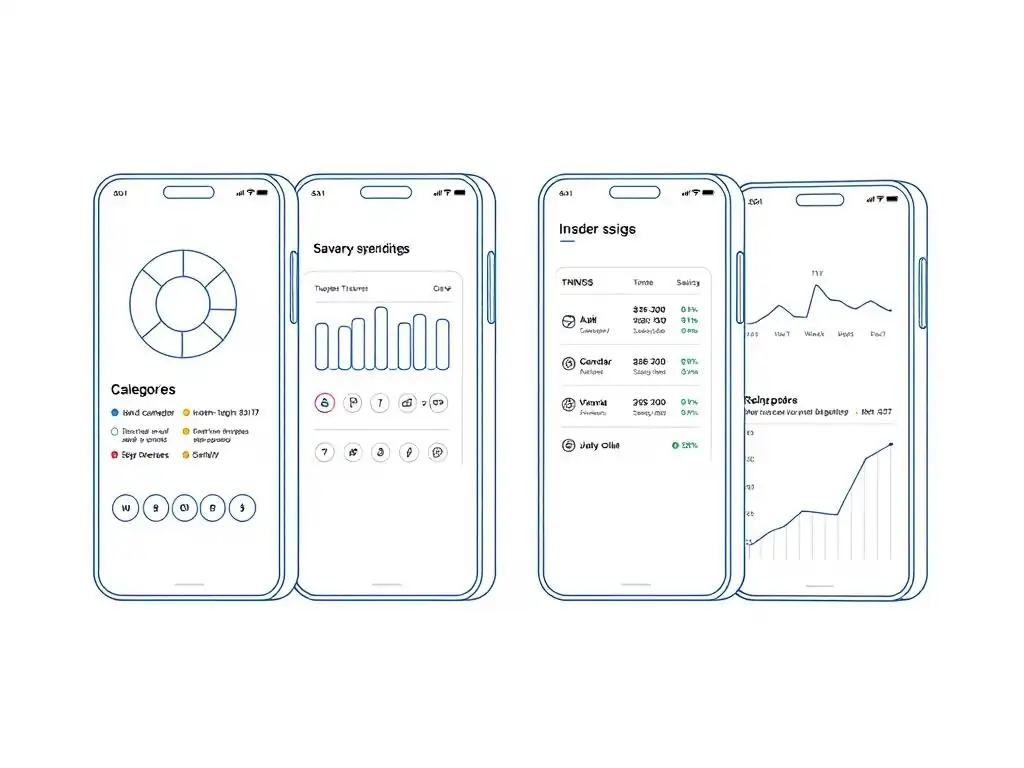
This section dives deep into two leading budgeting apps, comparing their features, pros, and cons to help you determine which best suits your needs and financial goals. We'll analyze how these apps help you achieve your savings objectives, focusing on their effectiveness in managing expenses and maximizing your budget. The ultimate aim is to find the best budgeting app for saving money that aligns perfectly with your personal financial management style.
Mint: A Comprehensive Personal Finance App for Beginners
Mint is a popular choice for those new to budgeting. Its intuitive interface and wide range of features make it an excellent entry point into the world of personal finance management. Many users praise its ease of use, making budgeting less daunting and more accessible. The app's comprehensive nature allows users to track various aspects of their finances in one convenient location.
Mint's Features: Budgeting, Bill Tracking, Credit Score Monitoring
Mint boasts a robust feature set designed for simplifying financial management. Key features include:
- Automated Transaction Categorization: Mint automatically categorizes transactions, saving you significant time and effort. This feature significantly reduces the manual work involved in tracking expenses, a common pain point for many users.
- Budgeting Tools: Set and track budgets across various categories, receiving alerts when approaching your limits. This proactive approach helps users stay within their budget and avoid overspending.
- Bill Tracking: Schedule and track bills to avoid late payments and associated fees. The app provides reminders, ensuring you never miss a due date.
- Credit Score Monitoring: Access your credit score and report for free, allowing you to monitor your financial health. This feature offers valuable insights into your creditworthiness and can help you identify potential areas for improvement.
- Investment Tracking: (For premium users) Track investments and monitor your portfolio's performance. This helps users gain a holistic view of their financial situation.
Mint's Pros and Cons: User-Friendliness vs. Data Privacy Concerns
Pros:
- Ease of Use: Mint's intuitive interface makes it incredibly user-friendly, even for those with limited financial literacy.
- Comprehensive Features: The app offers a wide range of features, consolidating various aspects of personal finance management into one platform.
- Free Version Available: A free version provides access to core features, making it accessible to a broader audience.
Cons:
- Data Privacy Concerns: As with many apps that require access to financial data, privacy concerns exist. While Mint employs security measures, users should carefully review their privacy policy.
- Limited Customization: While user-friendly, some users might find the level of customization limited compared to more advanced budgeting apps.
- Accuracy of Automated Categorization: Although generally accurate, the automated categorization might occasionally misclassify transactions, requiring manual correction.
Mint Affiliate Link (Example)
[Affiliate Link Placeholder]
YNAB (You Need A Budget): Zero-Based Budgeting for Maximum Control
YNAB (You Need A Budget) employs a zero-based budgeting approach, assigning every dollar a specific purpose. This method promotes mindful spending and can significantly improve financial control. Unlike Mint's more passive approach, YNAB actively engages users in the budgeting process, leading to a more proactive and deliberate approach to financial management.
YNAB's Unique Approach: Assigning Every Dollar a Purpose
YNAB's core principle is to give every dollar a job. This means that instead of simply tracking expenses, you proactively allocate your income to specific categories, ensuring that every dollar is accounted for. This proactive approach helps users gain a greater understanding of their spending habits and make more informed financial decisions. This method fosters a sense of control and empowers users to take charge of their finances.
YNAB's Pros and Cons: Steeper Learning Curve vs. Powerful Budgeting System
Pros:
- Powerful Budgeting System: YNAB's zero-based budgeting approach provides a high level of control and financial clarity.
- Mindful Spending: The system encourages mindful spending habits, leading to improved financial discipline.
- Strong Community Support: YNAB has a large and active community, offering support and resources to users.
Cons:
- Steeper Learning Curve: The zero-based budgeting method requires a more significant initial time investment to understand and implement effectively.
- Subscription-Based: Unlike Mint's free version, YNAB is a subscription-based service.
- Requires More Active Engagement: YNAB requires more active engagement from users compared to Mint's more automated approach.
YNAB Affiliate Link (Example)
[Affiliate Link Placeholder]
Personal Capital: Advanced Budgeting and Investment Tracking
Personal Capital stands out as a robust budgeting app, particularly appealing to users interested in comprehensive financial management beyond simple budgeting. It offers a holistic view of your finances, integrating investment tracking with budgeting tools. This makes it a powerful tool for those aiming to optimize both their immediate spending and long-term investment strategies.
The app's strength lies in its ability to consolidate data from various financial accounts, providing a single, unified dashboard for monitoring assets, debts, and net worth. This centralized view allows for a clearer understanding of your overall financial health, enabling more informed decision-making. Beyond basic budgeting features, Personal Capital shines with its advanced investment analysis capabilities, helping users track portfolio performance, identify potential risks, and make strategic adjustments.
Its retirement planning tools provide valuable projections, helping users visualize their financial future and adjust their savings accordingly. The app's sophisticated algorithms analyze your spending habits and provide personalized recommendations for improving your financial well-being. However, it's important to note that the depth and complexity of features may be overwhelming for users simply looking for a basic budgeting tool.
Personal Capital's Features: Retirement Planning, Investment Analysis, Budgeting Tools
Personal Capital's feature set is extensive, going beyond the typical budgeting app. Its retirement planning tools project your future retirement income based on your current savings, investment performance, and anticipated expenses. This feature provides a valuable visual representation of your progress toward retirement goals and allows for adjustments to your savings strategy as needed.
The investment analysis tools go beyond simple portfolio tracking; they provide detailed analysis of your investment holdings, including asset allocation, risk assessment, and performance benchmarks. This allows for a more nuanced understanding of your investment strategy and potential areas for improvement. The budgeting tools, while not as visually striking as some other apps, are powerful and comprehensive, allowing for detailed categorization of expenses, setting budgets, and monitoring spending against those budgets.
The app also offers features like fee analysis for investment accounts, helping users identify and potentially reduce unnecessary expenses. This level of detail and integration makes Personal Capital a compelling choice for users seeking sophisticated financial management. The integration with various financial institutions simplifies data aggregation, saving users significant time and effort in manually inputting financial information.
Personal Capital's Pros and Cons: Free vs. Premium Features, Investment Focus
Personal Capital offers a free version with access to many core features, including budgeting tools, net worth tracking, and basic investment performance analysis. However, the premium version unlocks additional features, including advanced investment analytics, personalized financial advice, and access to certified financial advisors. The free version is an excellent starting point for users wanting to explore the app's capabilities.
A significant advantage is the app's focus on investment tracking and analysis, which sets it apart from many other budgeting apps. This makes it particularly useful for users who are actively managing investments and wish to integrate this aspect with their budgeting. However, this investment focus may make it less user-friendly for those solely interested in basic budgeting and expense tracking.
The interface, while functional, might be perceived as less intuitive than some simpler budgeting apps. Moreover, the complexity of features may be overwhelming for less financially savvy users. Ultimately, the decision to use the free or premium version depends on individual needs and financial sophistication.
Personal Capital Affiliate Link (Example)
[Affiliate Link Placeholder]
PocketGuard: Simple Budgeting for Quick Wins
PocketGuard is designed for users who want a straightforward, user-friendly budgeting app without the complexity of advanced features. Its strength lies in its simplicity and ease of use, making it ideal for those new to budgeting or who prefer a quick and intuitive experience. The app's core function is to clearly show your available spending money after accounting for essential expenses and bills. This "In-Pocket" money is visually represented, providing a clear and immediate understanding of your remaining budget.
PocketGuard automatically categorizes transactions, simplifying the process of tracking expenses. The app also allows users to set budgets and receive alerts when approaching spending limits, promoting mindful spending habits. While not as feature-rich as some competitors, PocketGuard excels at providing a clear and concise overview of your finances, helping users make quick and informed spending decisions.
PocketGuard's Focus: Visualizing Spending and Available Funds
PocketGuard prioritizes visualization. The app's design focuses on making your financial data easily understandable at a glance. The "In-Pocket" money feature provides a clear visual representation of your available funds, removing the need for complex calculations or data interpretation. The spending visualization tools present your expenses in a clear and concise manner, allowing you to quickly identify areas where you might be overspending.
The app uses simple charts and graphs to illustrate spending patterns, making it easier to spot trends and make informed decisions. This focus on visual clarity makes PocketGuard particularly user-friendly, even for those with limited financial literacy. The simplicity of the interface ensures that users can quickly grasp their financial situation and make adjustments as needed.
PocketGuard's Pros and Cons: Ease of Use vs. Limited Features
PocketGuard's primary advantage is its ease of use and intuitive interface. The app is simple to set up and navigate, making it accessible to users of all technical skill levels. The clear visualization of spending and available funds promotes mindful spending and encourages better financial habits. However, its simplicity also means that PocketGuard lacks some of the more advanced features found in other budgeting apps.
For example, it doesn't offer detailed investment tracking or sophisticated financial analysis tools. The automatic categorization of transactions, while convenient, may not always be perfectly accurate, requiring occasional manual adjustments. Users seeking advanced features, such as detailed reporting or personalized financial advice, may find PocketGuard's capabilities limited. Therefore, the choice of PocketGuard depends on prioritizing ease of use and quick wins over comprehensive financial management capabilities.
PocketGuard Affiliate Link (Example)
[Affiliate Link Placeholder]
EveryDollar: Budgeting App Based on Dave Ramsey's Principles
EveryDollar is a budgeting app built around the principles of financial guru Dave Ramsey. Its core philosophy centers on zero-based budgeting, a method where you allocate every dollar of your income to a specific category, ensuring no money is left unallocated. This approach, while demanding initially, offers a high degree of control over your finances and can significantly accelerate debt reduction. The app's interface is designed to be intuitive, even for those unfamiliar with budgeting terminology or financial planning software.
It guides users through the process of creating a budget, tracking expenses, and monitoring progress towards their financial goals. The app’s simplicity makes it a good choice for beginners, offering a structured path to financial health. Ramsey's emphasis on eliminating debt is a central theme, making it particularly appealing to those struggling with high-interest payments.
The app's focus on intentional spending and mindful financial management aligns with Ramsey's overall approach to personal finance. This makes it a powerful tool for those who resonate with his teachings. Many users appreciate the clear, step-by-step approach, which breaks down complex financial concepts into easily digestible pieces.
EveryDollar's Features: Zero-Based Budgeting, Debt Reduction Tools
EveryDollar's standout feature is its unwavering commitment to zero-based budgeting. The app forces users to assign every dollar of their income, thus promoting conscious spending habits. This feature is further enhanced by robust expense tracking tools that allow users to categorize spending automatically or manually. The app offers insightful reports and visualizations that clearly illustrate where your money is going.
Beyond budgeting, EveryDollar provides powerful debt reduction tools. These tools help users create a debt snowball or debt avalanche plan, allowing them to strategically allocate funds to eliminate high-interest debt more quickly. The app also provides helpful resources and educational materials to support users in their financial journey, reinforcing the principles of zero-based budgeting and debt reduction.
These resources are integrated seamlessly into the app's workflow, providing ongoing support and guidance. Moreover, the app allows for easy collaboration; users can easily link accounts for joint budgeting and financial planning. This is especially helpful for couples or families working towards shared financial goals.
EveryDollar's Pros and Cons: Faith-Based Approach, Limited Investment Tools
EveryDollar's emphasis on Dave Ramsey's principles, which include a strong faith-based component, is both a pro and a con depending on the user's perspective. For those who align with Ramsey's philosophy, the app's values resonate deeply, providing a holistic approach to financial wellness. However, for others, the faith-based approach might feel intrusive or irrelevant. This is a crucial consideration when choosing a budgeting app.
On the plus side, the app's simplicity and ease of use are major advantages. Its intuitive interface makes budgeting accessible to those with limited financial literacy. The app's strong emphasis on debt reduction is also a considerable advantage, particularly for users burdened by debt.
However, a significant drawback is the limited support for investment tracking. While the app excels in budgeting and debt management, it lacks comprehensive features for tracking investments, making it less suitable for those with complex investment portfolios. This limitation might require users to supplement EveryDollar with another financial management tool.
EveryDollar Affiliate Link (Example)
[Placeholder for affiliate link - Specific information pending. This section would typically contain an affiliate link to EveryDollar, allowing the website to earn a commission from referrals.]
Choosing the Right Budgeting App for Your Needs
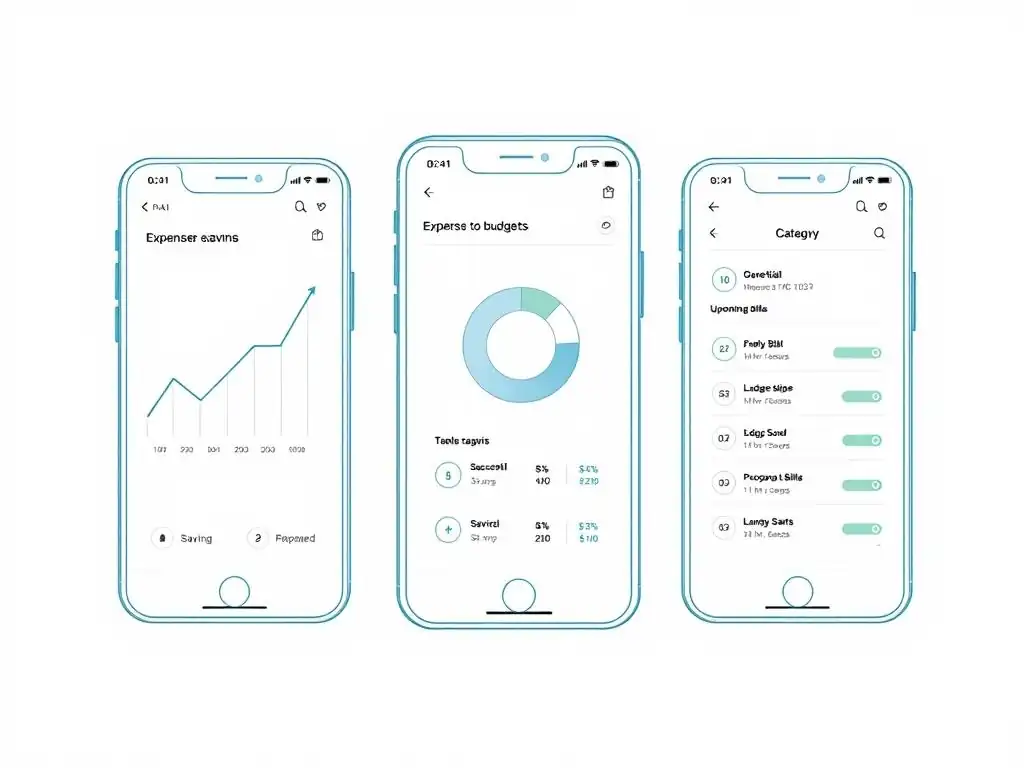
Finding the best budgeting apps for saving money isn't just about downloading the first one you see. A successful budgeting journey hinges on selecting an app that aligns perfectly with your financial personality and objectives. This requires careful consideration of several key factors, ensuring the app becomes a valuable tool rather than another source of frustration. Let's delve into the crucial aspects to help you make an informed decision.
Consider Your Financial Goals: Debt Reduction, Saving, Investing
Your financial goals directly influence the type of budgeting app that will serve you best. Are you primarily focused on aggressively paying down debt? Or are you aiming to build a substantial emergency fund or even start investing? Different apps excel in different areas.
For instance, apps designed for debt reduction often prioritize features like debt snowball or avalanche calculators, allowing you to strategically allocate funds to eliminate high-interest debts first. These apps may also offer detailed debt tracking and progress visualization tools to keep you motivated.
Conversely, apps geared towards saving might emphasize goal setting features, allowing you to create personalized savings targets (e.g., down payment on a house, vacation fund) and track your progress visually. They often incorporate automated savings tools, automatically transferring a set amount to your savings account each month.
Finally, some advanced budgeting apps integrate with investment platforms, providing a holistic view of your finances, including investments, savings, and debt. These apps may offer features like portfolio tracking, investment recommendations, or even robo-advisor integration. Choosing the right app depends entirely on your priority: Is it debt elimination, building savings, or growing your investments?
Evaluate App Features: Automated Tracking, Goal Setting, Reporting
Beyond your overarching financial goals, the specific features of a budgeting app significantly impact its usability and effectiveness. Consider the following functionalities:
- Automated Transaction Tracking: Many apps automatically categorize transactions from linked bank accounts and credit cards, saving you significant time and effort. This is a crucial feature for busy individuals. However, ensure the app's accuracy; manual adjustments might still be necessary.
- Goal Setting: Effective goal-setting tools are essential. Look for apps that allow you to set both short-term and long-term financial goals, providing visual progress tracking and reminders. The ability to break down large goals into smaller, manageable steps is particularly beneficial.
- Detailed Reporting and Analysis: Understanding your spending patterns is key. The best budgeting apps provide comprehensive reports, visualizing your spending across various categories, identifying areas for potential savings, and highlighting trends over time. Clear and concise reporting is crucial for informed financial decisions.
- Budgeting Method Compatibility: Different budgeting methods exist (e.g., 50/30/20 rule, zero-based budgeting). Ensure the app supports your preferred method or offers flexibility to adapt to your chosen approach. This is often overlooked but crucial for long-term success.
Remember, the "best" features depend on your individual needs and preferences. Prioritize those that align with your financial management style and goals.
Compare Pricing Models: Free vs. Paid Subscriptions, Value for Money
Many budgeting apps offer free versions, often with limited features. Paid subscriptions usually unlock more advanced functionalities, such as unlimited accounts, detailed reports, or premium customer support. Before committing to a paid subscription, carefully assess the value proposition. Does the enhanced functionality justify the cost based on your specific requirements?
Consider the following when comparing pricing:
| Feature | Free Version | Paid Version |
|---|---|---|
| Account Connections | Limited (e.g., one bank account) | Unlimited |
| Transaction Limits | Often capped | Usually unlimited |
| Report Generation | Basic reports only | Detailed reports, customizability, data export |
| Customer Support | Limited or no support | Priority support, often via multiple channels |
| Advanced Features | Fewer advanced features | Access to advanced tools and integrations |
Ultimately, the best budgeting app is the one that effectively helps you achieve your financial goals. Carefully weigh your needs, evaluate features, and compare pricing models to make an informed decision that empowers your financial journey. Don't forget to consider user reviews and testimonials to gain insights from other users' experiences. 💰
Read User Reviews and Testimonials: Gather Insights from Other Users
Before committing to a budgeting app, thoroughly investigate user reviews and testimonials. These offer invaluable insights into real-world experiences, often revealing aspects not highlighted in marketing materials. Look for reviews across multiple platforms – app stores, dedicated review websites, and even social media groups. Pay close attention to recurring themes. Do users consistently praise the app's ease of use, or do many complain about confusing interfaces? Are there frequent reports of glitches or bugs? Are users generally happy with the app's customer support responsiveness?
Consider the types of users leaving reviews. Reviews from users with similar financial situations or budgeting goals as yours will be particularly relevant. For example, if you're a freelancer, prioritize reviews from self-employed individuals who've used the app to track irregular income streams. If you're aiming to pay off debt aggressively, seek out reviews highlighting the app's debt-tracking capabilities and its effectiveness in helping users stay motivated.
Don't just focus on the positive reviews; negative reviews often reveal critical flaws or limitations that could frustrate you. A balanced perspective, considering both positive and negative feedback, will give you a much clearer picture of the app's strengths and weaknesses. Remember, a five-star rating doesn't always guarantee a perfect fit for your needs. Dig deeper to understand the why behind the ratings.
Analyzing user feedback can also help you gauge the app's long-term reliability. Do users report consistent updates and improvements from the developers? A consistently updated app suggests ongoing support and a commitment to improving the user experience.
Conversely, an app with infrequent updates or a lack of developer responsiveness to user concerns could signal future problems. The collective wisdom of numerous users can provide crucial information that you might not find in the app's official description. Ultimately, taking the time to carefully read and analyze user reviews and testimonials is a crucial step in selecting the "best budgeting apps for saving money" that truly meets your individual needs and expectations.
Maximizing Your Savings with Budgeting Apps: Practical Tips
This section dives into actionable strategies to leverage budgeting apps for optimal savings. We'll move beyond simply choosing an app and explore how to truly maximize their potential for improved financial wellness. Remember, the best budgeting app is only as good as your commitment to using it effectively.
Setting Realistic Budget Goals and Tracking Progress
Setting achievable budget goals is paramount. Avoid overly ambitious targets that lead to discouragement. Start small, perhaps by aiming to save 5% of your income for the first month. Once you've established this habit, gradually increase your savings percentage. Many budgeting apps allow you to set custom savings goals, often with visual progress trackers. This gamification aspect can significantly boost motivation.
For example, you might set a goal of saving $200 in the next month to cover an upcoming expense. The app will then visually represent your progress, showing how much you've saved so far and how much you have left to save. This constant visual reminder encourages consistent saving behavior. The key is to break down larger financial objectives into smaller, more manageable milestones.
Celebrating these small wins along the way is crucial for maintaining momentum and preventing burnout. Regularly review your progress—weekly or bi-weekly—to stay on track and adjust your budget if necessary. Don’t be afraid to revise your goals; flexibility is key to long-term success in saving money.
Tracking progress is just as important as setting goals. Most budgeting apps provide detailed reports and graphs, allowing you to monitor your spending habits across different categories. This data-driven approach provides valuable insights into your financial behavior, enabling you to identify areas where you can cut back and redirect funds towards your savings goals. Identifying and addressing overspending is crucial for effective budget management.
Automating Savings and Bill Payments
Automating your savings and bill payments is a game-changer for consistent financial management. Many budgeting apps integrate with your bank account, allowing you to schedule automatic transfers to your savings account each payday. This eliminates the need for manual transfers, reducing the risk of forgetting or delaying your savings contributions. This automated approach removes the friction associated with saving, making it a seamless part of your routine.
Beyond savings, automating bill payments ensures on-time payments, preventing late fees and damaging your credit score. Setting up automated payments for recurring bills like rent, utilities, and loan repayments frees up mental space and reduces the likelihood of missed payments. Furthermore, some budgeting apps offer bill negotiation features, helping you secure better deals with your service providers, leading to further cost savings. This proactive approach to managing bills is essential for maintaining a healthy financial standing. Think of automation as your personal finance assistant, consistently working in the background to ensure your financial health.
Utilizing Budgeting App Features for Effective Financial Management
Modern budgeting apps offer a plethora of features beyond basic expense tracking. Mastering these features is crucial for extracting maximum value. For instance, many apps provide detailed spending reports categorized by merchant, allowing you to pinpoint areas of overspending. This granular level of analysis offers invaluable insights into your spending habits.
Some apps even offer features like debt management tools, helping you create and track repayment plans. These tools can be particularly useful for managing multiple debts, allowing you to prioritize repayment strategies and visualize your progress towards becoming debt-free. Furthermore, some apps provide financial education resources, offering valuable insights into budgeting, saving, and investing.
These educational resources complement the app's core functionalities, empowering users to make informed financial decisions. Take advantage of all the features available; the more you utilize the app's functionalities, the more effective it will be in helping you achieve your financial goals. Remember, the ultimate goal is to use technology to simplify your financial life and achieve your financial aspirations.
Regularly Reviewing Your Budget and Making Adjustments as Needed
Regularly reviewing your budget is not just a one-time task; it's an ongoing process crucial for maximizing your savings. Think of your budget as a living document that adapts to your changing financial circumstances. Failing to review and adjust your budget can lead to overspending and derail your savings goals. Many budgeting apps facilitate this process by providing visual representations of your spending habits, making it easier to spot areas needing attention.
For example, you might start the year with a generous allocation for entertainment, only to find that after a few months, your actual spending is significantly lower. A budget review would reveal this discrepancy, allowing you to reallocate those funds towards other financial priorities, such as paying down debt or boosting your emergency fund. Conversely, unforeseen expenses, such as car repairs or medical bills, might necessitate adjustments to other budget categories. Perhaps you could temporarily reduce dining out or subscription services to compensate.
The frequency of your budget reviews depends on your personal preferences and financial situation. Some individuals prefer weekly reviews for tighter control, while others find monthly reviews sufficient. The key is consistency. Choose a schedule that you can realistically maintain and stick to it.
Don't let weeks or months go by without checking in with your finances. This proactive approach allows you to catch potential problems early and make timely adjustments, preventing minor issues from escalating into major financial headaches. Regular reviews also foster a greater awareness of your spending habits, empowering you to make more informed financial decisions in the future.
Remember, the goal is not to rigidly adhere to a pre-set budget, but to adapt and refine it as your life evolves. This dynamic approach to budgeting is key to its long-term success and will significantly improve your chances of achieving your savings objectives. Many budgeting apps send notifications or offer visual cues to alert you to potential overspending, making the review process even more efficient.
Frequently Asked Questions about Budgeting Apps
This section addresses common concerns and questions regarding the security, selection, and features of budgeting apps, helping you confidently navigate the world of personal finance apps and find the best budgeting app for saving money. We'll explore the critical aspects to consider before committing to a specific app.
Are budgeting apps secure?
Security is paramount when entrusting your financial data to a mobile application. Reputable budgeting apps employ robust security measures to protect your information. However, the level of security varies between providers. Look for apps that utilize encryption (both in transit and at rest), two-factor authentication (2FA), and regular security audits.
Many apps also adhere to strict data privacy regulations like GDPR and CCPA, offering transparency about their data handling practices. Reading user reviews and checking the app's privacy policy are crucial steps in assessing its security. Beware of apps with minimal security features or unclear privacy policies – your financial well-being depends on it! Consider these key aspects:
- Encryption: Does the app use end-to-end encryption to protect your data both while it's being transmitted and when it's stored?
- Two-Factor Authentication (2FA): Does the app offer 2FA? This adds an extra layer of security, making it much harder for unauthorized users to access your account.
- Privacy Policy Transparency: Is the app's privacy policy easily accessible and clearly explains how your data is collected, used, and protected?
- Security Audits: Has the app undergone independent security audits to verify its security practices? This is a strong indicator of commitment to security.
- Reputation: Check online reviews and forums to see what other users say about the app's security and reliability.
Remember, no system is completely impenetrable, but choosing an app with strong security features significantly reduces the risk.
How do I choose the best app for my needs?
Selecting the best budgeting app is subjective and depends heavily on your individual financial goals and preferences. There's no single "best" app for everyone. Consider these factors when making your decision:
- Your Financial Goals: Are you aiming to pay off debt, save for a down payment, or simply track your spending? Different apps cater to different goals. Some excel at debt tracking, while others prioritize saving.
- Ease of Use: How comfortable are you with technology? Some apps are incredibly intuitive, while others have steeper learning curves. Look for apps with user-friendly interfaces and clear instructions.
- Features: What features are essential to you? Do you need features like bill reminders, automated savings, investment tracking, or goal setting? Make a list of must-have features before you start your search.
- Integration with Other Apps: Does the app integrate with your bank accounts, credit cards, and other financial services? Automatic syncing can save you significant time and effort.
- Cost: Many budgeting apps offer free versions with limited features, while others charge subscription fees for premium functionalities. Determine your budget and choose an app that fits your financial constraints.
- Platform Compatibility: Ensure the app is compatible with your smartphone's operating system (iOS or Android).
| Feature | Importance (High/Medium/Low) | Notes |
|---|---|---|
| Ease of Use | High | Intuitive interface is crucial. |
| Security | High | Encryption and 2FA are essential. |
| Feature Set | Medium | Prioritize features relevant to your needs. |
| Integration | Medium | Automatic syncing saves time and effort. |
| Cost | Low | Free apps are often sufficient for basic needs. |
By carefully considering these factors, you can significantly improve your chances of finding a budgeting app that perfectly aligns with your needs and helps you achieve your financial goals.
What are the common features of budgeting apps?
Most budgeting apps share a core set of features designed to simplify financial management. These commonly include:
- Account Linking: Securely connect your bank accounts and credit cards to automatically import transaction data. This eliminates manual entry and ensures accurate tracking.
- Transaction Categorization: Automatically or manually categorize transactions to understand where your money is going. This is vital for identifying areas where you can cut back.
- Budgeting Tools: Set budgets for different categories (e.g., groceries, entertainment, transportation) and track your progress toward your goals. Visual representations, like charts and graphs, are often included.
- Spending Analysis: Gain insights into your spending habits with detailed reports and visualizations. Identify trends and areas for improvement.
- Goal Setting: Define financial goals (e.g., saving for a vacation, paying off debt) and track your progress. Many apps provide motivational tools and progress trackers.
- Bill Reminders: Set reminders for upcoming bills to avoid late payments and fees. This helps you stay organized and avoid unnecessary charges.
- Debt Tracking: Monitor your debts, track payments, and visualize your progress towards becoming debt-free. This feature is particularly valuable for users focused on debt reduction.
- Savings Goals: Set savings goals and track your progress. Some apps even offer automated savings features.
These core features, combined with user-friendly interfaces and robust security, make budgeting apps powerful tools for improving personal finances and achieving financial wellness. Remember to thoroughly research and compare different apps before choosing one that best suits your individual needs and preferences.
Can budgeting apps help me pay off debt faster?
Yes, absolutely! Budgeting apps are powerful tools that can significantly accelerate your debt repayment journey. Their effectiveness stems from several key features:
Firstly, enhanced visibility of your spending habits. Many apps categorize your transactions automatically, providing a clear picture of where your money is going. This transparency often reveals surprising spending patterns – those daily lattes or impulsive online purchases that add up over time. Identifying these areas allows you to consciously reduce unnecessary expenses and redirect those funds towards debt repayment. For example, if an app shows you're spending $150 a month on takeout, you can easily see the potential for freeing up that money to make a substantial dent in your credit card balance.
Secondly, goal-setting and debt tracking features. Many budgeting apps allow you to set specific financial goals, including debt repayment targets. They then track your progress, motivating you to stay on course and celebrate milestones along the way. This consistent monitoring and feedback loop is crucial for maintaining momentum and avoiding feelings of discouragement. Seeing the shrinking debt balance, often visually represented in charts and graphs within the app, provides a powerful psychological boost.
Thirdly, automation capabilities. Some advanced budgeting apps can automate debt payments, ensuring you consistently allocate funds towards your highest-interest debt first (a strategy known as the avalanche method) or the smallest debt first (the snowball method). This automation removes the mental burden of manually transferring funds, reducing the likelihood of missed payments and minimizing late fees. This automated approach ensures consistent progress even when life gets hectic.
Finally, integration with other financial accounts. Many budgeting apps seamlessly link to your bank accounts, credit cards, and loan accounts, providing a holistic view of your financial situation. This consolidated overview simplifies the budgeting process and gives you a complete picture of your income and expenses, making informed decisions about debt repayment much easier. This holistic approach minimizes errors and maximizes the efficacy of your debt reduction strategy. Using these features, you can develop a personalized debt repayment plan that works for your lifestyle and financial situation, ultimately helping you become debt-free faster.
Frequently Asked Questions
What are the benefits of using budgeting apps over spreadsheets?
Budgeting apps offer automation, real-time tracking, and user-friendly interfaces, unlike spreadsheets which require manual input and calculations. They often integrate with your bank accounts for seamless data entry.
Which budgeting app is best for beginners?
Many apps cater to beginners, but Mint and Personal Capital are popular choices due to their intuitive designs and easy setup. They provide clear visualizations of your spending habits.
How do budgeting apps help me save money?
These apps help you track your spending, identify areas where you can cut back, and set savings goals. They provide insights into your financial behavior, empowering you to make informed decisions.
Are my financial data safe with budgeting apps?
Reputable budgeting apps employ robust security measures to protect your data. However, always read the privacy policy and choose apps with strong reputations and positive user reviews.
Do all budgeting apps require a subscription fee?
No, many budgeting apps offer free versions with basic features. Paid subscriptions often unlock advanced features such as more detailed reporting, unlimited accounts, or priority customer support.
Final Reflection: Unlocking Financial Freedom Through Digital Tools
The relentless pursuit of financial stability is a universal human experience, and in today's digital age, budgeting apps offer a powerful pathway to achieving that goal. No longer are we chained to cumbersome spreadsheets; technology empowers us to take control of our finances with unprecedented ease and efficiency. This accessibility is transforming how we approach saving, making it less of a daunting task and more of a manageable, even enjoyable, journey.
The shift towards app-based budgeting represents a significant cultural change, moving away from the stigma often associated with personal finance management. It's no longer seen as something only for the financially savvy or the extremely disciplined. Instead, budgeting apps are democratizing financial literacy, making it accessible to everyone regardless of their background or prior experience. Financial freedom is not just about having money; it's about having the freedom to live life on your own terms.
This sentiment resonates deeply as more and more people embrace these tools to build a more secure financial future.
You now have the knowledge to choose the budgeting app that best suits your needs and embark on your personal journey towards financial wellness. Don't just passively read about these tools; actively explore them! Download a few, experiment with their features, and find the one that clicks with your personality and financial goals. Take control of your spending, track your progress, and witness the empowering feeling of building a brighter financial future, one smart budget decision at a time.
Unlock Your Financial Freedom: Start Budgeting Smarter Today!
Thank you for exploring smarter budgeting options! We hope you've discovered helpful tools to simplify your finances and build a more secure future. Now, let's put this knowledge into action.
- Download a budgeting app and start tracking your spending. This crucial first step puts you in control of your finances.
- Share this article with a friend. Working towards financial goals together can be incredibly motivating!
- Try a "no-spend" weekend. Use your new budgeting app to see how much you can save.
Ready to leave spreadsheets behind and embrace easier saving? What's your first budgeting goal?