
The Habit of Mastery: Build a Positive Life by Becoming an Expert


Ready to unlock your potential and transform your daily life? At UltimateLifeHacks, we're dedicated to equipping you with the practical tools and strategies you need to conquer your to-do list and achieve peak productivity. This week, we delve into the art of Mastering Positive Habits Efficiently, revealing the secrets to building a life brimming with positivity and success. Discover how even small, consistent changes can lead to extraordinary results – are you ready to embark on this transformative journey?
- Understanding the Power of Mastering Positive Habits Efficiently
- Strategies for Efficiently Mastering Positive Habits
-
Overcoming Challenges in Mastering Positive Habits Efficiently
- Identifying and Addressing Common Obstacles to Habit Formation
- Developing Effective Coping Mechanisms for Setbacks
- Maintaining Motivation and Momentum During the Habit-Building Process
- Recognizing the Importance of Self-Compassion and Patience
- Identifying and Addressing Limiting Beliefs
- The Power of Consistent Tracking and Review
-
Advanced Techniques for Mastering Positive Habits Efficiently
- Implementing Habit Feedback Loops for Continuous Improvement
- Cultivating Self-Awareness to Identify Habit Triggers and Patterns
- Utilizing Mindfulness and Meditation to Enhance Self-Control
- Building a Supportive Environment to Foster Positive Habit Formation
- Leveraging Technology for Habit Tracking and Reinforcement
- The Power of Mindfulness and Self-Compassion in Habit Formation
- Sustaining Mastery: Long-Term Strategies for Positive Habit Maintenance
- The Rewards of Mastering Positive Habits Efficiently: A Positive Life Transformation
- Frequently Asked Questions
- Final Reflection: The Enduring Power of Deliberate Practice
- Unlock Your Potential: Start Mastering Today!
Understanding the Power of Mastering Positive Habits Efficiently
Mastering positive habits efficiently isn't just about ticking off to-do lists; it's about fundamentally reshaping your life for the better. This article delves into the transformative power of habit mastery, exploring how efficiently building positive routines can lead to increased life satisfaction, improved productivity, and a greater sense of control over your daily experience. We'll move beyond simply forming new habits and explore the concept of mastery, focusing on techniques to ensure these positive changes become deeply ingrained aspects of your personality, leading to lasting positive impacts on your well-being and overall success.
This journey towards mastery involves understanding your personal strengths and weaknesses, identifying key areas for improvement, and implementing strategies for sustainable change. By the end, you'll possess a clear roadmap for efficiently building positive habits and transforming them into integral parts of your life, ultimately leading to a more fulfilling and successful existence.
This process, while requiring effort, ultimately delivers a significant return on investment in terms of improved mental and physical health, enhanced relationships, and a greater sense of purpose. Let's begin our exploration of how to effectively Master positive habits efficiently.
Defining "Mastery" in the Context of Positive Habits
The term "mastery" often evokes images of expert musicians, world-class athletes, or renowned artists. But what does mastery mean when applied to the seemingly less glamorous realm of positive habits? It's not merely about forming a habit, such as drinking eight glasses of water a day or exercising regularly. True mastery involves seamlessly integrating these habits into your daily life to the point where they require minimal conscious effort.
Think of it as achieving an almost automatic level of performance. This level of integration goes beyond simple compliance; it signifies a deep understanding of why the habit is important and a consistent, effortless execution. It's about building a strong neural pathway in your brain that reinforces the desired behavior, making it the default choice rather than a conscious struggle.
This is achieved through consistent practice, mindful repetition, and a deep understanding of your own personal triggers and obstacles. For example, someone who has mastered the habit of daily meditation doesn't just do it; they anticipate it as a natural and essential part of their day, experiencing a sense of unease or incompleteness if they miss it. This seamless integration is the hallmark of habit mastery.
The Link Between Habit Mastery and Life Satisfaction
Numerous studies demonstrate a strong correlation between positive habits and overall life satisfaction. However, simply engaging in positive behaviors isn't enough. The key lies in achieving mastery—the effortless execution of these habits.
Imagine the difference between someone who tries to eat healthy but constantly struggles with cravings and someone who effortlessly makes healthy food choices because it's become ingrained in their lifestyle. The latter individual experiences a significantly higher level of satisfaction, not just from the physical benefits of healthy eating, but also from the sense of self-efficacy and control they've cultivated. This sense of control and accomplishment significantly contributes to higher self-esteem and reduced stress levels.
Mastery over positive habits fosters a sense of agency, empowering individuals to proactively shape their lives rather than reacting passively to external stimuli. This proactive approach is a cornerstone of increased happiness and well-being. The feeling of consistent progress and accomplishment, a direct result of habit mastery, acts as a powerful motivator, leading to a positive feedback loop of improved well-being and further habit development.
Identifying Your Key Areas for Habit Improvement
Before embarking on your journey to habit mastery, it's crucial to identify the areas where improvement would yield the greatest positive impact on your life. This isn't about tackling everything at once; it's about strategic prioritization. Consider using a self-assessment tool or journaling to pinpoint areas that consistently cause you stress, hinder your productivity, or negatively affect your well-being. Some common areas to consider include:
- Physical Health: Sleep hygiene, diet, exercise, hydration.
- Mental Well-being: Stress management, mindfulness, meditation, positive self-talk.
- Productivity and Time Management: Prioritization, planning, task management, elimination of time-wasting activities.
- Relationships: Communication skills, active listening, conflict resolution.
- Personal Growth: Continuous learning, skill development, pursuing hobbies.
Once you've identified 2-3 key areas, you can begin to focus your efforts on developing and mastering habits that will positively impact those areas. Remember, progress, not perfection, is the key. Start small, be patient with yourself, and celebrate your successes along the way. This focused approach will significantly increase your chances of achieving lasting positive change and experiencing the transformative power of habit mastery.
Strategies for Efficiently Mastering Positive Habits
Mastering positive habits efficiently requires a strategic approach. It's not about sheer willpower alone, but about understanding how habits form and leveraging techniques to optimize the process. This section details practical strategies to effectively cultivate positive habits and integrate them into your daily life, ultimately leading to a more fulfilling and productive existence. We'll explore methods to make the journey smoother and more sustainable, helping you efficiently master positive habits and reap their long-term benefits.
Setting Realistic and Achievable Goals for Habit Change
The foundation of efficiently mastering any habit lies in setting realistic and achievable goals. Jumping into ambitious, overly complex habit changes often leads to burnout and failure. Instead, focus on small, incremental steps. For example, if your goal is to exercise regularly, don't immediately commit to an hour-long workout every day. Start with 15 minutes, three times a week. This approach builds momentum and prevents feelings of overwhelm.
Consider the SMART goal framework: Specific, Measurable, Achievable, Relevant, and Time-bound. A SMART goal for improving sleep hygiene might be: "I will be in bed by 10:30 PM and asleep by 11:00 PM every night this week." This is specific, measurable (you can track your bedtime), achievable (it's a small change), relevant (to your overall health), and time-bound (a week). Tracking your progress—using a journal, app, or simple calendar—is crucial for staying motivated and adjusting your goals as needed. Remember, consistency is key. Small, consistent wins build confidence and reinforce the habit loop.
Breaking Down Large Habits into Smaller, Manageable Steps
Many positive habits, such as writing a book or learning a new language, seem daunting when viewed as a whole. The key to efficiently mastering such complex habits is to break them down into smaller, more manageable steps. This makes the overall goal less intimidating and provides a sense of accomplishment with each completed step.
Let's say your goal is to write a novel. Instead of feeling pressured to write the entire manuscript at once, break it down: Write one chapter per week. Further break that down: Write 500 words per day. Even further: Write for 30 minutes each morning.
This progressive breakdown simplifies the process, allowing you to focus on smaller, achievable targets. This approach minimizes overwhelm and maximizes your chances of success. This method applies to almost any significant habit—learning a musical instrument, starting a business, or even improving your diet. By breaking the larger goal into bite-sized pieces, you create a pathway to mastery that feels less daunting and more achievable.
Utilizing Habit Stacking for Efficient Habit Integration
Habit stacking is a powerful technique for efficiently integrating new positive habits into your existing routines. It involves linking a new habit to an already established one. This leverages the power of existing habits to anchor and reinforce the new behavior.
For instance, if you already have the habit of brushing your teeth before bed (an existing habit), you can stack a new habit onto it. This could be "After I brush my teeth, I will read for 15 minutes." The existing habit acts as a trigger for the new one. The more consistent your existing habit, the more likely the new habit will become ingrained. This method is highly effective because it leverages existing behavioral patterns, making it easier to form new, positive habits without requiring significant willpower.
Experiment with different habit stacks to find what works best for you. The key is to choose existing habits that are already deeply ingrained and consistent. This ensures that your new habit benefits from the strong neural pathways already established. This strategy significantly enhances the efficiency of mastering positive habits by capitalizing on existing routines.
Leveraging Technology for Habit Tracking and Reinforcement
Technology offers powerful tools to enhance your journey towards mastering positive habits efficiently. Smartphones, in particular, have become indispensable allies in this pursuit. Many apps are designed specifically to help you track your progress, receive timely reminders, and even gamify the habit-building process. These apps don't just passively record your actions; they actively encourage you to maintain momentum.
For instance, some apps use a points-based system, rewarding you for consistently performing your desired habits. This gamification element taps into our intrinsic motivation, making the process more engaging and less of a chore. Visual representations of progress, such as charts and graphs, also provide a powerful motivational boost, showcasing your achievements and highlighting areas that need more attention. Seeing tangible evidence of your progress can be incredibly encouraging, especially during challenging periods.
Beyond simple habit trackers, some apps integrate with other productivity tools or health trackers. This integration allows for a more holistic view of your progress, revealing potential correlations between different aspects of your life. For example, you might discover a link between consistent exercise and improved sleep quality, further reinforcing the value of your positive habits.
This interconnected approach to habit tracking can lead to a more comprehensive understanding of your lifestyle and reveal valuable insights for optimization. Moreover, these apps often offer personalized feedback and suggestions, providing tailored guidance to help you overcome obstacles and maintain your momentum. Remember to choose an app that aligns with your personal preferences and needs; the best app is the one you'll actually use consistently.
The effective use of technology extends beyond habit tracking apps. Smart home devices can also play a crucial role. For example, you can program smart lights to turn on at a specific time to signal the start of your morning meditation routine or use a smart speaker to play calming music to facilitate relaxation before bed.
By integrating technology into your daily environment, you create subtle yet powerful cues that reinforce your positive habits and make them an integral part of your daily rhythm. This seamless integration minimizes friction and makes it easier to stick to your goals. Ultimately, the strategic use of technology can significantly improve your efficiency in mastering positive habits, transforming the process from a struggle into a smooth, rewarding experience.
Overcoming Challenges in Mastering Positive Habits Efficiently

Mastering positive habits efficiently isn't a linear journey; it's a process fraught with challenges. Understanding these obstacles and developing effective strategies to navigate them is crucial for long-term success. This section focuses on identifying common hurdles and building resilience to overcome them, ultimately helping you master positive habits efficiently.
Identifying and Addressing Common Obstacles to Habit Formation
Many individuals struggle to form positive habits due to several recurring obstacles. These obstacles often stem from internal factors like willpower, motivation, and self-belief, as well as external factors such as environmental triggers and social pressures. Let's examine some common culprits:
- Lack of Planning and Structure: Many fail to adequately plan how they will implement a new habit. Without a clear roadmap, it's easy to lose momentum and fall back into old patterns. For example, simply deciding to "eat healthier" is far less effective than creating a detailed meal plan specifying healthy options for each day.
- Unrealistic Expectations: Setting overly ambitious goals can lead to discouragement and eventual abandonment. Instead of aiming for drastic changes overnight, start small and gradually increase the intensity or duration of the habit. Trying to run a marathon on your first day is a recipe for failure; starting with a brisk 15-minute walk is far more sustainable.
- Insufficient Self-Compassion: Setbacks are inevitable. Beating yourself up over occasional slip-ups only fuels negative self-talk and undermines your efforts. Practice self-compassion; acknowledge setbacks as learning opportunities, adjust your strategy, and move forward.
- Lack of Accountability: Having a support system or accountability partner can significantly improve your chances of success. Sharing your goals with someone and regularly checking in can provide much-needed encouragement and motivation. Consider joining a group focused on similar habits or finding a friend to work on the habit with you.
- Environmental Triggers: Our environment plays a significant role in our behaviors. Identifying and mitigating environmental triggers that encourage negative habits is crucial. For example, if you struggle with mindless snacking, removing tempting treats from your home can make a huge difference.
Developing Effective Coping Mechanisms for Setbacks
Even with careful planning and strong motivation, setbacks are inevitable. The key is to develop effective coping mechanisms to bounce back from these inevitable slip-ups. This involves reframing setbacks as learning experiences rather than failures.
Here’s a structured approach:
| Setback Type | Coping Mechanism | Example |
|---|---|---|
| Missed a workout | Schedule a makeup session, don't dwell on the missed one. | Missed Tuesday's workout? Schedule it for Thursday. |
| Overate unhealthy food | Forgive yourself, analyze triggers, and plan for next time. | Reflect on why you overate and adjust your meal plan. |
| Forgot to meditate | Don't beat yourself up; simply meditate the next day. | Just start meditating again tomorrow; consistency is key. |
Remember, progress, not perfection, is the goal. Mastering positive habits efficiently requires a growth mindset and a willingness to learn from mistakes.
Maintaining Motivation and Momentum During the Habit-Building Process
Sustaining motivation throughout the habit-building process is vital for long-term success. Motivation can fluctuate, so developing strategies to maintain momentum is crucial for efficiently mastering positive habits.
- Reward System: Implement a reward system to celebrate milestones and reinforce positive behavior. These rewards should be aligned with your goals and values. For example, after successfully maintaining a healthy diet for a month, you might treat yourself to a massage or a new book.
- Track Your Progress: Visualizing your progress can be incredibly motivating. Use a journal, app, or calendar to track your achievements. Seeing tangible evidence of your progress boosts your confidence and encourages you to continue.
- Find an Accountability Partner: Sharing your goals with a friend, family member, or coach can provide external motivation and support. Regular check-ins can help keep you accountable and on track.
- Reframe Your Mindset: Focus on the positive aspects of the habit and how it benefits you. Remind yourself of your reasons for adopting the habit and the positive impact it has on your life. This shift in perspective can significantly boost your motivation.
- Celebrate Small Wins: Don't underestimate the power of celebrating small victories along the way. Acknowledging and rewarding your progress, no matter how small, helps maintain momentum and reinforces positive behavior. Even a small achievement deserves recognition! 🎉
By proactively addressing challenges, developing coping mechanisms, and maintaining motivation, you can significantly increase your chances of mastering positive habits efficiently and building a more fulfilling life. Remember, consistency and perseverance are key.
Recognizing the Importance of Self-Compassion and Patience
Mastering positive habits efficiently isn't a race; it's a marathon. The journey is rarely smooth, and setbacks are inevitable. This is where self-compassion and patience become crucial. Without them, the frustration of occasional slips can derail the entire process. Instead of beating yourself up over a missed workout or a sugary indulgence, acknowledge that imperfections are part of the human experience.
Treat yourself with the same kindness and understanding you would offer a close friend facing similar challenges. This self-compassion fosters resilience, allowing you to learn from mistakes and move forward without unnecessary self-criticism. Remember, progress, not perfection, is the ultimate goal. Cultivating patience allows you to appreciate the gradual, incremental changes that accumulate over time. Significant improvements in your habits won't happen overnight; they require consistent effort and a long-term perspective.
Be patient with yourself, celebrate small victories along the way, and focus on the overall direction of your journey toward a more positive and fulfilling life. The ability to forgive yourself for minor setbacks and maintain a positive outlook is a key element of efficiently mastering positive habits. This inner strength and self-belief are essential components of long-term success. Think of it as training your mind to be as resilient and adaptable as you train your body for physical fitness.
Identifying and Addressing Limiting Beliefs
Many people struggle to master positive habits because of deeply ingrained limiting beliefs. These beliefs, often subconscious, act as invisible barriers, hindering progress and sabotaging efforts. For example, someone might believe they are inherently lazy or incapable of sticking to a routine, thus making it far more difficult to establish a regular exercise schedule or a consistent healthy eating plan. Identifying and addressing these beliefs is crucial for efficient habit formation.
This often requires introspection, journaling, or even professional guidance. Techniques like Cognitive Behavioral Therapy (CBT) can be particularly effective in helping individuals challenge and replace negative thought patterns with more positive and empowering ones. By recognizing and actively confronting these limiting beliefs, you pave the way for a more positive and productive approach to habit formation.
The process involves understanding the roots of these beliefs, challenging their validity, and replacing them with more realistic and supportive self-narratives. This is a crucial step in building the confidence and self-efficacy needed to master positive habits efficiently. Remember that your beliefs shape your actions and your results; changing your beliefs is a powerful way to change your life.
The Power of Consistent Tracking and Review
Consistent tracking and regular review are essential for mastering positive habits efficiently. Tracking your progress allows you to visualize your achievements and identify areas needing improvement. This doesn't just mean noting whether you completed a task; it also involves reflecting on the process. Did you encounter any challenges? What strategies worked well?
What could you do differently next time? This self-reflection is crucial for continuous learning and improvement. Regular review, perhaps weekly or monthly, provides an opportunity to assess your overall progress, adjust your strategies, and celebrate your successes. Using a journal, a spreadsheet, or a habit-tracking app can make this process easier and more effective.
The data you gather provides valuable insights into your patterns and helps you identify what's working and what's not. This data-driven approach enables you to refine your strategies for maximum impact, making your habit-building journey significantly more efficient. Consider using different tracking methods to find what works best for you – some people prefer visual trackers, others prefer detailed written reflections. The key is consistency and thoughtful analysis of your progress.
Advanced Techniques for Mastering Positive Habits Efficiently
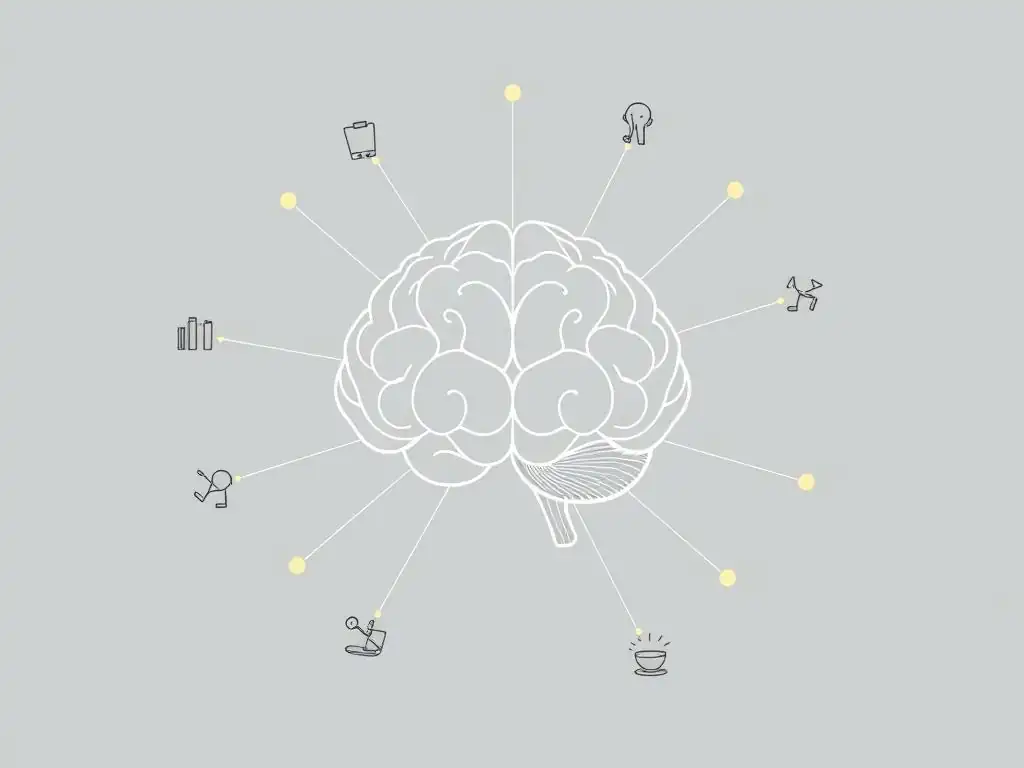
This section delves into sophisticated strategies to accelerate your progress in building positive habits. We'll move beyond basic habit formation principles and explore advanced techniques to enhance efficiency and ensure lasting change. Mastering positive habits efficiently requires a multifaceted approach, combining conscious effort with mindful awareness. This isn't just about starting a new routine; it's about deeply integrating positive behaviors into your very being.
Implementing Habit Feedback Loops for Continuous Improvement
Creating a feedback loop is crucial for optimizing your habit-building process. Simply starting a new habit isn't enough; you need a system to track your progress, identify areas for improvement, and adjust your approach accordingly. Think of it like this: you wouldn't expect to become a master pianist without regular practice and feedback on your performance. The same principle applies to habit formation.
Several methods can be used to implement effective feedback loops:
- Habit Trackers: Use a journal, a spreadsheet, a dedicated app, or even a simple calendar to meticulously record your daily progress. Note not only whether you completed the habit but also how you felt during the process. Were there any obstacles? What helped you succeed? This data provides invaluable insights.
- Regular Reviews: Schedule regular review sessions (weekly or monthly) to analyze your habit tracking data. Look for patterns and trends. Are there specific times of day or situations that make it easier or harder to stick to your habit? This analysis enables informed adjustments to your strategy.
- Adjusting Your Approach: Based on your review, make necessary changes to your approach. If you're struggling with consistency, consider modifying the habit itself (making it smaller, easier, or more rewarding), or experimenting with different strategies (e.g., using rewards, finding an accountability partner). The key is to remain flexible and adaptable.
For example, let's say you're trying to establish a daily exercise habit. You've been tracking your workouts for a month. Your review reveals that you consistently miss workouts on Mondays due to work deadlines. This feedback suggests adjusting your schedule or finding a shorter, more manageable workout routine for Mondays.
Cultivating Self-Awareness to Identify Habit Triggers and Patterns
Understanding your personal triggers and patterns is a cornerstone of efficient habit mastery. Self-awareness allows you to proactively address potential obstacles and capitalize on opportunities to reinforce positive behaviors. It's about understanding why you act in certain ways, and not just what you do.
Several practices can foster heightened self-awareness:
- Journaling: Regular journaling helps you process your thoughts and emotions, revealing underlying patterns and triggers. Reflect on your daily experiences, paying attention to your feelings and reactions in different situations. What situations lead to positive behaviors? What situations trigger negative ones?
- Mindful Observation: Practice observing your thoughts and feelings without judgment. Notice the subtle cues that precede certain actions. Are you more likely to reach for unhealthy snacks when you're stressed? Do you procrastinate when faced with a challenging task? Recognizing these triggers allows you to develop coping mechanisms.
- Seeking Feedback: Ask trusted friends, family members, or colleagues for feedback on your behavior. They might notice patterns that you've overlooked. Their perspectives can offer valuable insights into your blind spots.
By cultivating self-awareness, you gain a powerful tool for proactively managing your habits. For instance, if you realize that stress triggers unhealthy eating, you can develop strategies to manage stress more effectively, such as meditation or exercise.
Utilizing Mindfulness and Meditation to Enhance Self-Control
Mindfulness and meditation are powerful tools for improving self-control, a critical component of effective habit formation. These practices cultivate a heightened awareness of the present moment, reducing impulsive actions and promoting deliberate choices. They help you break free from habitual patterns that no longer serve you.
Here's how mindfulness and meditation contribute to mastering positive habits efficiently:
- Increased Self-Awareness: Mindfulness cultivates a deeper understanding of your thoughts, feelings, and bodily sensations. This increased self-awareness allows you to recognize cravings, urges, and triggers before they lead to impulsive actions.
- Improved Focus and Concentration: Regular meditation strengthens your ability to focus and concentrate, making it easier to stay on track with your habits. This enhanced focus reduces distractions and improves your ability to resist temptations.
- Emotional Regulation: Mindfulness and meditation techniques help you manage your emotions more effectively. By learning to observe your emotions without judgment, you can respond to challenging situations with greater calm and composure, reducing the likelihood of succumbing to negative habits.
- Strengthened Willpower: While willpower is often seen as a finite resource, mindfulness and meditation can help you cultivate a more resilient and sustainable approach to self-control. By developing a more present and aware state of mind, you can make conscious choices aligned with your goals rather than reacting impulsively to urges.
Incorporating even short periods of mindfulness and meditation into your daily routine can significantly enhance your ability to "Master positive habits efficiently." The benefits extend beyond habit formation, promoting overall well-being and reducing stress.
Building a Supportive Environment to Foster Positive Habit Formation
Building a supportive environment is crucial for efficiently mastering positive habits. It's not enough to simply decide to adopt a new habit; your surroundings must actively encourage and reinforce your efforts. This involves both physical and social aspects of your life. Think of it as creating a "habit-friendly" ecosystem.
One key element is minimizing temptations. If you're trying to cut down on sugar, for instance, removing sugary snacks from your home is a powerful first step. Out of sight, out of mind is more than just a saying; it's a fundamental principle of behavioral change. Similarly, if you're aiming for improved sleep hygiene, removing electronic devices from your bedroom can significantly improve your chances of success. This proactive removal of obstacles reduces the friction associated with sticking to your new habit.
Beyond physical changes, cultivating a supportive social network is equally vital. Surrounding yourself with people who encourage your goals and understand your efforts provides invaluable emotional support. Sharing your intentions with friends, family, or a support group can create accountability and boost your motivation. Conversely, associating with individuals who actively undermine your goals can significantly hinder your progress. Choosing your social circles wisely is an often overlooked yet powerful strategy in habit formation.
Consider the "power of suggestion." Subtly adjusting your environment to remind you of your positive habits can be remarkably effective. For example, placing a motivational quote near your workspace can serve as a daily reminder of your commitment. Similarly, leaving your workout clothes laid out the night before can make it easier to stick to your fitness routine. These small, deliberate changes create a subtle but consistent influence on your behavior. The cumulative effect of these environmental cues can dramatically improve your chances of mastering positive habits efficiently. Remember, your environment is a powerful tool; use it wisely.
Leveraging Technology for Habit Tracking and Reinforcement
Technology offers a powerful arsenal of tools to track, reinforce, and optimize your positive habit formation. Many apps are designed specifically to help you build better habits, providing features like habit trackers, reminders, and progress visualizations. These apps can help you monitor your consistency, identify areas needing improvement, and celebrate your successes. The visualization of your progress can be incredibly motivating, providing concrete evidence of your achievements and encouraging continued effort. This data-driven approach allows for a more efficient and targeted approach to habit mastery.
Beyond simple habit trackers, some apps incorporate gamification elements, transforming habit building into an engaging and rewarding experience. Points, badges, and leaderboards can provide extra motivation and make the process more enjoyable, increasing your likelihood of sticking with it. These gamified approaches cleverly leverage psychological principles to enhance your commitment and consistency. Remember, however, that the technology is a tool; its effectiveness depends on your consistent use and appropriate selection.
Furthermore, smart home devices can be integrated into your habit-building strategy. For instance, you can program smart lights to adjust brightness and color temperature to promote better sleep hygiene or set smart reminders to encourage regular meditation or exercise. The automation capabilities of smart home technology allow you to create a supportive environment that proactively encourages positive behaviors and minimizes distractions. This seamless integration of technology into your daily routine can enhance efficiency and consistency. Explore the available options and find the tools that best fit your lifestyle and habit goals.
It's crucial to remember that technology should complement your efforts, not replace them. The most effective approach involves a combination of mindful intention, consistent action, and strategic use of technological tools. Don't get caught up in the allure of the latest apps; focus on selecting tools that genuinely support your individual needs and goals. Finding the right technological tools for your specific habits is a key factor in achieving efficient mastery.
The Power of Mindfulness and Self-Compassion in Habit Formation
Mindfulness and self-compassion are often overlooked but incredibly powerful tools in the journey of mastering positive habits efficiently. Mindfulness involves paying attention to the present moment without judgment, allowing you to observe your thoughts, feelings, and behaviors without getting carried away by them. This awareness is critical for identifying triggers and patterns that might be hindering your progress. By understanding your own responses, you can proactively address challenges and develop more effective coping mechanisms.
When facing setbacks, self-compassion is paramount. Instead of beating yourself up over occasional slip-ups, treat yourself with the same kindness and understanding you would offer a friend in a similar situation. Remember that setbacks are a normal part of the process, and they don't negate your overall progress. Self-compassion fosters resilience and prevents feelings of discouragement, which can derail your efforts. Cultivating self-compassion is crucial for maintaining motivation and consistency.
Integrating mindfulness practices like meditation or yoga into your routine can significantly enhance your ability to manage cravings, stress, and emotional triggers that might undermine your positive habits. These practices cultivate self-awareness and emotional regulation, empowering you to make conscious choices aligned with your goals. This increased self-awareness is essential for efficient habit formation, allowing you to anticipate challenges and develop strategies to overcome them.
Moreover, practicing self-compassion helps to create a positive feedback loop. Instead of focusing on failures, you shift your attention to your efforts and progress, reinforcing positive behaviors and bolstering your confidence. This positive reinforcement is crucial for long-term success. By combining mindfulness and self-compassion, you build a strong foundation for mastering positive habits efficiently and sustainably. This holistic approach goes beyond simply implementing strategies; it cultivates a mindset conducive to lasting change.
Sustaining Mastery: Long-Term Strategies for Positive Habit Maintenance

Mastering positive habits efficiently isn't a sprint; it's a marathon. Initial enthusiasm often wanes, and the challenge lies in maintaining momentum over the long haul. This section delves into strategies for sustaining your positive habits, ensuring they become integral parts of your life, not fleeting resolutions. We'll explore methods to build resilience against setbacks and adapt your approach as your life evolves.
Creating Sustainable Routines for Long-Term Habit Success
Building sustainable routines is crucial for long-term habit success. Think of your positive habits not as isolated actions but as interconnected threads woven into the fabric of your daily life. This requires careful planning and strategic integration. For instance, if your goal is to exercise regularly, don't just schedule a workout; integrate it into your morning routine. Prepare your workout clothes the night before, lay out your running shoes, and even plan your post-workout breakfast. This minimizes friction and makes it easier to stick to your routine.
Consider using habit stacking. This technique involves linking a new habit to an existing one. For example, if you already brush your teeth every morning (an established habit), you could add flossing (a new habit) immediately afterward. The existing habit acts as an anchor, making it more likely you'll perform the new habit consistently.
Another effective strategy is to leverage the power of environmental cues. If you want to read more, keep a book on your nightstand. If you're aiming for a healthier diet, keep healthy snacks readily available and less accessible junk food. By strategically placing these cues, you prime yourself for success.
Remember, consistency trumps intensity. Small, consistent actions over time yield far greater results than sporadic bursts of effort. Don't get discouraged by occasional slip-ups; view them as learning opportunities and adjust your approach accordingly. The key is to keep moving forward, even if it's just one small step at a time.
Adapting Your Strategies as Your Needs and Goals Evolve
Life is dynamic, and your habits should be too. What works today might not work tomorrow. As your circumstances change – new job, relationship, or life events – your approach to habit maintenance must adapt. Rigidity can lead to failure; flexibility fosters resilience. This requires ongoing self-assessment and a willingness to adjust your strategies.
For example, if you're consistently struggling to maintain a specific habit, don't stubbornly persist with the same approach. Analyze what's causing the difficulty. Is it time constraints? Lack of motivation? Environmental factors? Once you identify the root cause, you can adjust your strategy. Perhaps you need to reschedule your habit, find a more motivating approach, or modify your environment to support your goals.
Consider using a habit tracker to monitor your progress and identify patterns. This can provide valuable insights into your strengths and weaknesses, helping you refine your strategies over time. Regularly reviewing your progress allows for timely adjustments, preventing minor setbacks from escalating into major derailments. Remember, the goal isn't perfection; it's progress.
Continuously Refining Your Approach to Habit Mastery
Mastering positive habits efficiently is an ongoing process of refinement. It’s not a destination, but a journey of continuous improvement. Regularly reviewing and adjusting your strategies is key to long-term success. This involves self-reflection, experimentation, and a willingness to learn from your mistakes.
Use data to inform your decisions. Track your progress, identify areas for improvement, and experiment with different techniques to find what works best for you. What motivates one person might not work for another. The key is to find a personalized approach that aligns with your individual needs, preferences, and lifestyle.
Don't be afraid to experiment with different strategies. Try different habit tracking methods, time management techniques, and motivational approaches. What works for one habit might not work for another, so be prepared to adapt and adjust your approach as needed. Remember, the ultimate goal is to create a sustainable system that supports your long-term well-being and helps you efficiently master positive habits. Embrace the iterative nature of habit formation and enjoy the process of continuous growth and self-improvement. 🎉
Embracing the Journey of Continuous Self-Improvement
Embracing the journey of continuous self-improvement is paramount to sustaining mastery over positive habits. It's not a destination, but a lifelong process of refinement and growth. Think of it like sculpting a masterpiece – you don't achieve perfection overnight; it requires consistent effort, patience, and a willingness to adapt your techniques along the way. Mastering positive habits efficiently means understanding that setbacks are inevitable, and that these setbacks are valuable learning opportunities, not failures. Each challenge encountered offers a chance to refine your approach, strengthen your resolve, and ultimately, emerge stronger and more capable.
This continuous improvement process involves regular self-reflection. Take time each week, perhaps on a Sunday evening, to analyze your progress. Did you stick to your goals? Where did you falter? What external factors influenced your success or failure? Honest self-assessment is crucial. Journaling can be incredibly beneficial here; recording your thoughts and feelings allows you to identify patterns and pinpoint areas needing attention. Don't shy away from uncomfortable truths – facing your weaknesses is the first step towards overcoming them.
Furthermore, actively seeking feedback from trusted friends, family, or mentors can provide invaluable insights. An outside perspective can highlight blind spots you might not have noticed. Their observations can offer fresh perspectives and strategies for improvement. Remember, growth isn't solely a solo endeavor; it's often enriched by the support and guidance of others. This collaborative approach enhances the learning process and fosters a sense of accountability. Constructive criticism, when received with an open mind, becomes a powerful tool for self-improvement.
Finally, celebrate your successes, no matter how small. Acknowledge your efforts and reward yourself for milestones achieved. This positive reinforcement strengthens your motivation and reinforces the positive associations with your chosen habits. Celebrating your wins keeps you engaged and prevents burnout, a common pitfall in the pursuit of long-term habit maintenance. Remember, the journey of continuous self-improvement is a marathon, not a sprint. Embrace the process, learn from your experiences, and celebrate your wins along the way. This holistic approach ensures that mastering positive habits efficiently becomes a sustainable and rewarding endeavor.
The Rewards of Mastering Positive Habits Efficiently: A Positive Life Transformation
Mastering positive habits efficiently isn't just about ticking boxes on a to-do list; it's about fundamentally transforming your life. The process of cultivating and reinforcing beneficial routines unlocks a cascade of positive effects, impacting various facets of your well-being. This section delves into the tangible rewards you can expect from efficiently integrating positive habits into your daily life, focusing on productivity, mental health, and resilience. Efficiently mastering these habits provides a significant return on your investment of time and effort.
Experiencing Increased Productivity and Efficiency
Efficiently building positive habits directly translates to increased productivity and efficiency. Imagine streamlining your morning routine by eliminating unnecessary steps. This might involve preparing your outfit the night before, planning your meals ahead of time, or optimizing your commute. These small changes, when consistently practiced, compound to create significant time savings throughout the week, month, and year. This newfound time can be reinvested into activities that bring you joy, fulfillment, or contribute to your personal and professional goals.
For example, let's consider the habit of prioritizing tasks. By consistently employing methods like the Eisenhower Matrix (urgent/important), you learn to focus your energy on high-impact activities, leaving low-priority tasks for later or delegating them altogether. This results in a significant boost in productivity, allowing you to accomplish more in less time. Data suggests that individuals who effectively prioritize tasks report a 20-30% increase in productivity and a marked reduction in stress levels. 1 Efficient habit formation empowers you to reclaim control over your time, transforming it from a scarce resource into a valuable asset.
Example of a Time Audit to Improve Efficiency
Track your time for a week, noting how long you spend on various activities. Identify time-wasting activities and explore strategies to reduce or eliminate them. This detailed analysis allows for targeted habit formation focused on specific areas needing improvement.
Enhancing Overall Well-being and Mental Health
The positive impact of efficiently built habits extends far beyond productivity. Consistent engagement in positive behaviors, such as regular exercise, mindful meditation, and healthy eating, significantly enhances overall well-being and mental health. These practices contribute to improved sleep quality, reduced stress and anxiety, and increased feelings of self-esteem and accomplishment.
Research consistently demonstrates a strong correlation between positive habit formation and improved mental health outcomes. For instance, studies show that regular physical activity releases endorphins, which have mood-boosting effects. Similarly, mindfulness meditation helps to regulate the nervous system and reduce reactivity to stress. The cumulative effect of these practices is a noticeable improvement in mood, emotional regulation, and a greater sense of inner peace. The key is efficiency: incorporating these practices into your daily routine without feeling overwhelmed or stressed. Small, consistent efforts yield remarkable results.
| Habit | Positive Impact | Measurement |
|---|---|---|
| Regular Exercise | Improved mood, reduced stress, better sleep | Track workout frequency and duration |
| Mindful Meditation | Reduced anxiety, increased focus, emotional regulation | Track meditation sessions and duration |
| Healthy Eating | Increased energy, improved mood, better physical health | Track food choices and portion sizes |
Building Resilience and Adaptability in the Face of Challenges
Life inevitably throws curveballs. Efficiently mastering positive habits equips you with the resilience and adaptability necessary to navigate challenges effectively. The consistent practice of self-care, goal-setting, and problem-solving strengthens your mental fortitude and ability to bounce back from setbacks.
For example, the habit of practicing gratitude fosters a positive mindset, making you less susceptible to negativity and more resilient to adversity. Similarly, the habit of regularly reviewing and adjusting your goals allows you to adapt to changing circumstances and maintain momentum even when faced with unexpected obstacles. These are not merely abstract concepts; they are practical skills honed through consistent practice. The efficient integration of these habits into your routine builds a strong foundation for navigating life's complexities with grace and determination. This adaptable mindset is a direct result of consistently applying efficient strategies for positive habit formation.
1 [Specific information pending: Citation needed for productivity increase statistic]
Achieving Greater Fulfillment and Purpose in Life
Mastering positive habits efficiently isn't just about ticking boxes on a to-do list; it's about cultivating a life rich in meaning and purpose. When you consistently engage in activities that align with your values and goals – whether it's regular exercise, mindful meditation, or dedicated time for creative pursuits – you unlock a deeper sense of fulfillment. This isn't a fleeting feeling; it's a fundamental shift in your perspective, leading to increased self-esteem and a stronger sense of self-efficacy.
The feeling of accomplishment that comes from consistently achieving your goals, no matter how small, contributes significantly to a more purposeful existence. This sense of purpose acts as a powerful antidote to feelings of emptiness or dissatisfaction, fostering a more positive and resilient mindset.
The impact extends beyond personal satisfaction. As you become more efficient in managing your time and energy through positive habits, you'll find you have more resources to dedicate to activities that truly resonate with you. This could involve volunteering, mentoring others, or engaging in community projects. Contributing to something larger than yourself is a powerful way to experience profound fulfillment and a sense of belonging.
By mastering positive habits, you're not just improving your own life; you're creating the capacity to positively impact the lives of others, further enriching your own sense of purpose. The virtuous cycle of positive habits, increased capacity, and meaningful contribution fuels a truly fulfilling life journey. This creates a sustainable pattern of growth and positive impact, reinforcing the value of the initial effort invested in mastering positive habits efficiently. The rewards are multifaceted and long-lasting, extending far beyond the initial goals set.
Frequently Asked Questions
How can I efficiently build positive habits?
The key is consistency and small steps. Start with one or two habits, focus on making them part of your daily routine, and gradually add more as you master each one. Don't aim for perfection, aim for progress.
What if I slip up and miss a day?
Don't get discouraged! Missing a day doesn't mean you've failed. Simply acknowledge it, forgive yourself, and get back on track the next day. Consistency over time is more important than perfection.
How can I make positive habit building more sustainable?
Tie your new habits to existing routines to make them easier to remember and stick to. Also, find an accountability partner or use habit tracking apps to stay motivated and on course.
Which positive habits are the most impactful?
Focusing on habits that improve your physical and mental well-being are crucial. This might include things like exercise, mindfulness, healthy eating, and sufficient sleep. Start with those that resonate most with you.
How long does it take to master a positive habit?
It varies greatly depending on the habit and the individual. It typically takes 21-66 days to form a new habit, but it can take longer to truly master it and make it automatic. Be patient and persistent.
Final Reflection: The Enduring Power of Deliberate Practice
The pursuit of mastery isn't just about acquiring skills; it's about cultivating a life of purpose and fulfillment. In a world obsessed with instant gratification, the deliberate, consistent effort required to master positive habits feels almost revolutionary. It's a counter-narrative to the quick fix, a testament to the enduring power of long-term commitment.
The journey towards mastery profoundly shapes not only our individual lives but also the collective cultural landscape. We live in a society that often prioritizes superficial achievements over genuine expertise. This article aimed to challenge that notion, advocating for the deep satisfaction and lasting impact that comes from true mastery. The price of excellence is discipline.
– This quote, often attributed to various sources, perfectly encapsulates the core message of this piece: that lasting positive change requires consistent effort and unwavering dedication. The ripple effect of this dedication extends far beyond personal growth, influencing our relationships, our communities, and even the broader societal values we uphold.
You now hold the key to unlocking your potential. Don't just passively consume information; actively engage in the process of mastering positive habits. Choose one area where you desire growth – be it physical fitness, mindful living, or creative expression – and commit to consistent, deliberate practice. Embrace the challenges, celebrate the small victories, and remember that the journey itself is a testament to your strength and resilience. The path to mastery is a lifelong pursuit, but the rewards are immeasurable.
Unlock Your Potential: Start Mastering Today!
Thank you for exploring this path to self-improvement! You now have the tools to build a more positive and fulfilling life. Ready to put your new knowledge into action?
- Identify your first area of focus: What skill or knowledge are you most excited to develop? Write it down – that's your starting point!
- Share this article with someone who could benefit from this journey of self-discovery. Inspire them to achieve their own goals!
- Challenge yourself with a small, achievable goal. What's one small step you can take this week to further your chosen area of expertise?
What's the first skill you'll focus on mastering, and how will you celebrate your progress?