
The Future of Remote Work Software: What's Next?


Welcome to UltimateLifeHacks, your destination for practical strategies to conquer your daily grind! Are you ready to unlock unprecedented levels of productivity and efficiency? Then dive into our latest exploration of Remote work software trends, where we uncover the innovative tools shaping the future of work from home. Discover what's next in the evolution of remote collaboration and learn how to harness these advancements to optimize your own workflow. Let's transform your daily routine, one life hack at a time!
- Emerging Trends in Remote Work Software 2024
- Enhanced Security in Remote Work Software
- The Growing Importance of Employee Wellbeing in Remote Work Software
- Remote Work Software and the Metaverse: Exploring New Possibilities
- Choosing the Right Remote Work Software for Your Needs in 2024
- The Future of Remote Work Software: Predictions and Insights
-
Frequently Asked Questions
- What are some of the key software trends shaping the future of remote work?
- How is AI impacting remote work software?
- What communication tools are becoming increasingly important for remote teams?
- Are there any security concerns related to the rise of remote work software?
- How can I choose the right remote work software for my needs?
- Final Reflection: Navigating the Evolving Landscape of Remote Work
- Unleash Your Remote Work Potential!
Emerging Trends in Remote Work Software 2024
The landscape of remote work is constantly evolving, driven by technological advancements and shifting workforce dynamics. This year, we're seeing a surge in innovative software solutions designed to enhance productivity, collaboration, and security for remote teams. The future of remote work software isn't just about connecting people; it's about creating seamless, intelligent, and secure digital workspaces that empower individuals and boost overall team performance.
This article explores key trends in remote work software for 2024, focusing on the technologies shaping the future of how we work remotely, and how these "Remote work software trends" are impacting businesses and individuals alike. We'll delve into the rise of AI-powered tools, decentralized platforms, and the increasing importance of security and data privacy in the distributed work environment.
Understanding these trends is crucial for businesses and individuals seeking to optimize their remote work strategies and stay ahead of the curve. Prepare to discover how the latest software innovations are transforming the way we collaborate, communicate, and manage projects in the increasingly virtual world.
AI-Powered Collaboration Tools: Revolutionizing Teamwork
The integration of Artificial Intelligence (AI) is rapidly transforming the way remote teams collaborate. AI-powered tools are no longer a futuristic concept; they're becoming essential components of modern remote work setups. From streamlining communication to optimizing project management, AI is enhancing efficiency and productivity across the board.
Improved Communication with AI-Driven Chatbots
AI-driven chatbots are revolutionizing internal communication within remote teams. These sophisticated bots can handle routine tasks like scheduling meetings, answering frequently asked questions, and providing quick access to important information. This frees up employees' time, allowing them to focus on more complex and strategic work. Furthermore, AI chatbots can personalize communication, offering tailored support and guidance to individual team members. This personalized approach fosters a more engaging and productive work environment, even across geographical distances. The result is a more efficient and less fragmented communication flow, boosting team cohesion and responsiveness.
AI-Enhanced Project Management
AI is also significantly impacting project management for remote teams. AI-powered project management tools offer advanced features such as automated task assignment, real-time progress tracking, and predictive analytics to anticipate potential roadblocks. These tools provide valuable insights into team performance, allowing managers to identify areas for improvement and proactively address challenges. The ability to anticipate potential delays or resource conflicts is invaluable in a remote setting, where communication and coordination can sometimes be more challenging. This proactive approach minimizes disruptions and ensures projects stay on track.
Predictive Analytics for Remote Team Performance
Beyond simply managing tasks, AI is enabling predictive analytics for remote team performance. By analyzing various data points—communication patterns, task completion rates, and individual contributions—AI algorithms can predict potential issues and suggest strategies for improvement. This data-driven approach allows for more informed decision-making, leading to more effective team management and optimized workflows. The insights gained from predictive analytics can be instrumental in identifying and addressing potential burnout, enhancing team morale, and ultimately improving the overall productivity and success of remote teams. This proactive approach to team management is becoming increasingly important in the fast-paced world of remote work.
The Rise of Decentralized Collaboration Platforms
The limitations of centralized systems are becoming increasingly apparent in the remote work context. This is leading to a growing interest in decentralized collaboration platforms, offering enhanced security, transparency, and user control.
Blockchain Technology for Secure Remote Data Sharing
Blockchain technology is emerging as a powerful tool for secure data sharing within remote teams. Its decentralized and immutable nature ensures data integrity and protects sensitive information from unauthorized access. This is particularly crucial for remote teams handling confidential data, where security breaches can have significant consequences. The transparency inherent in blockchain allows all team members to track data changes and access a verifiable record of all transactions, fostering trust and accountability. This increased security and transparency are vital for creating a reliable and efficient remote work environment.
Decentralized Autonomous Organizations (DAOs) and Remote Work
Decentralized Autonomous Organizations (DAOs) represent a radical shift in organizational structure, perfectly suited to the remote work environment. DAOs leverage blockchain technology to automate decision-making processes and facilitate transparent governance. This eliminates the need for centralized authority, empowering team members and fostering a more equitable and collaborative work environment. While still a relatively new concept, DAOs hold immense potential for revolutionizing how remote teams operate and make decisions, leading to a more agile and responsive organizational model.
Web3 Integration for Secure and Transparent Remote Work Processes
The integration of Web3 technologies, including blockchain and decentralized identifiers (DIDs), is paving the way for more secure and transparent remote work processes. By leveraging these technologies, businesses can establish verifiable credentials, secure data sharing protocols, and transparent governance mechanisms, all crucial elements for building a thriving remote workforce.
This integration ensures not only the security of sensitive data but also the integrity and trust among team members, fostering a more productive and collaborative remote environment. The adoption of Web3 principles is poised to redefine the future of remote work, creating a more secure, transparent, and equitable ecosystem for individuals and organizations alike.
Enhanced Security in Remote Work Software
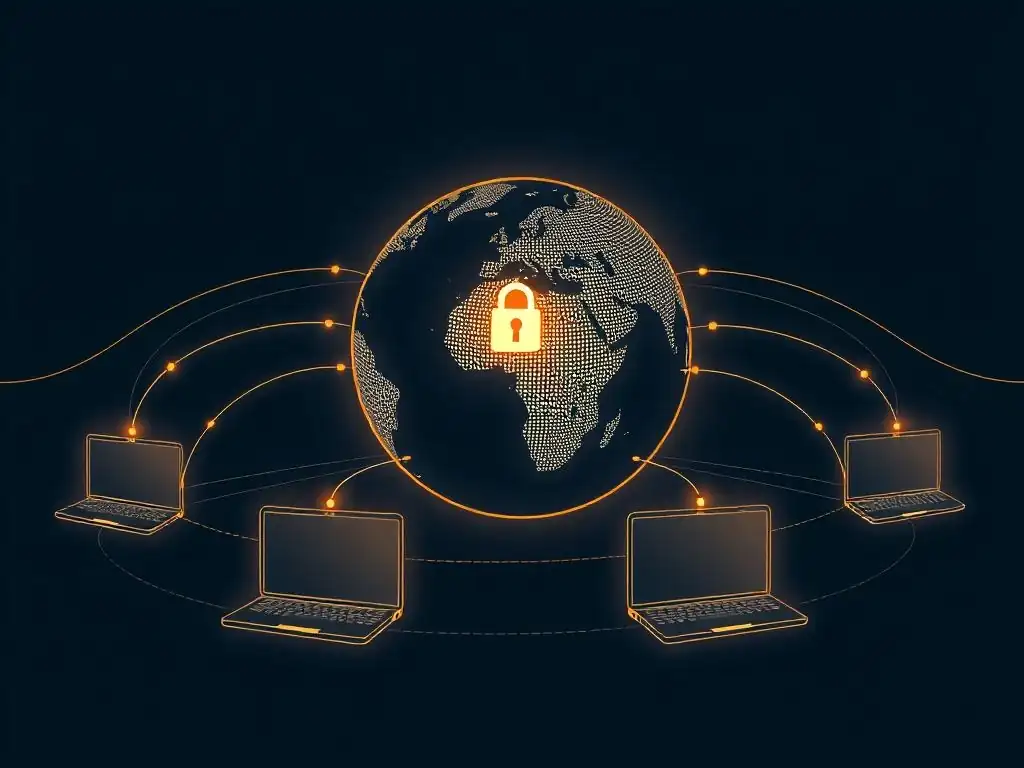
The increasing reliance on remote work necessitates robust security measures within remote work software. Traditional security perimeters are dissolving, making it crucial to adopt modern approaches that prioritize security regardless of location. The trend towards "Remote work software trends" strongly emphasizes the need for enhanced security features to protect sensitive data and maintain business continuity. This section explores key advancements in securing remote work environments.
Zero Trust Security Models for Remote Access
Zero Trust security models represent a significant shift from traditional network security. Instead of assuming that anything inside the network is trustworthy, Zero Trust assumes no implicit trust. Every user and device, regardless of location, must be authenticated and authorized before accessing resources. This approach significantly reduces the attack surface, especially crucial in remote work environments where devices and network connections are diverse and often less controlled.
Implementing a Zero Trust architecture involves several key components, including continuous authentication, micro-segmentation, and least privilege access controls. For example, a remote employee accessing sensitive financial data might only be granted temporary access to specific files, preventing broader unauthorized access even if their credentials are compromised. This granular control is a defining characteristic of Zero Trust and a key component in addressing the evolving landscape of "Remote work software trends".
Implementing Multi-Factor Authentication (MFA) for Enhanced Security
Multi-Factor Authentication (MFA) is a cornerstone of robust security in remote work software. MFA adds an extra layer of security beyond just a password, requiring users to verify their identity through multiple factors, such as a password, a one-time code from an authenticator app, or a biometric scan. This significantly reduces the risk of unauthorized access, even if a password is compromised.
Many remote work software solutions now seamlessly integrate MFA, offering a variety of authentication methods to suit individual preferences and security needs. The adoption of MFA is a critical trend within "Remote work software trends", reflecting the growing awareness of the importance of layered security. Studies have shown that implementing MFA can reduce the risk of successful phishing attacks by over 99%.
Advanced Encryption Protocols for Secure Data Transmission
Protecting data in transit is paramount for remote workers. Advanced encryption protocols, such as TLS 1.3 and beyond, are essential for securing communication channels between remote devices and company servers. These protocols ensure that data exchanged during remote work sessions remains confidential and tamper-proof.
Furthermore, the use of end-to-end encryption, which encrypts data at the source and decrypts it only at the destination, provides an additional layer of security, preventing unauthorized access even if the communication channel is intercepted. The implementation of robust encryption is a vital aspect of addressing "Remote work software trends", ensuring the confidentiality and integrity of sensitive data handled by remote employees.
Data Loss Prevention (DLP) Solutions for Remote Workers
Data Loss Prevention (DLP) solutions are becoming increasingly important in the context of remote work. DLP software monitors and prevents sensitive data from leaving the organization's control, whether intentionally or unintentionally. This is crucial in remote work settings, where employees may be using personal devices or accessing data from various locations.
DLP solutions can identify and block sensitive data from being transmitted via email, cloud storage, or other channels. They also provide auditing capabilities, allowing organizations to track data access and usage patterns, enabling proactive identification of potential security risks. The integration of DLP into remote work software is a key trend within "Remote work software trends", reflecting the growing need to protect sensitive data in increasingly distributed work environments.
Sophisticated DLP systems can analyze the context of data, identifying and preventing the leakage of sensitive information even if it's embedded within seemingly innocuous files or communications. This proactive approach is essential for mitigating risks associated with remote work.
The Growing Importance of Employee Wellbeing in Remote Work Software
The shift to remote work has highlighted the crucial role of employee wellbeing. While remote work offers flexibility and autonomy, it can also lead to isolation, burnout, and a blurring of work-life boundaries. Progressive remote work software trends are now actively addressing these challenges by integrating features that support mental health, promote work-life balance, and foster a sense of community among dispersed teams.
This isn't just a nice-to-have; it's becoming a critical factor in attracting and retaining top talent in a competitive job market. Companies are realizing that investing in employee wellbeing translates directly into increased productivity, reduced absenteeism, and a stronger overall company culture. The evolution of remote work software reflects this growing awareness, with developers incorporating features designed to actively support employee wellness.
This trend is expected to accelerate, with more sophisticated solutions emerging to meet the evolving needs of remote workers. Data shows a significant correlation between employee wellbeing initiatives and improved key performance indicators (KPIs), making it a smart business decision as well as an ethical one. We're seeing a move away from simply providing tools for task management to creating holistic platforms that support the entire employee experience.
Mental Health and Wellness Apps Integration for Remote Teams
Integrating mental health and wellness apps directly into remote work software platforms is becoming increasingly common. This seamless integration eliminates the friction of employees having to switch between different applications, improving accessibility and encouraging consistent use. Many platforms are now partnering with leading mental health apps to offer employees access to resources such as guided meditation, mindfulness exercises, and even virtual therapy sessions.
This proactive approach to mental health support is crucial for mitigating the potential negative impacts of remote work, such as increased stress and feelings of isolation. For example, some platforms offer features that automatically schedule short breaks throughout the workday, encouraging employees to step away from their screens and engage in brief mindfulness exercises. The benefits extend beyond individual wellbeing; a healthier workforce leads to improved team dynamics and overall productivity.
The integration of these apps is not simply about offering a list of resources; it's about creating a culture of care and support within the remote work environment. This trend is driven by both employer responsibility and employee demand, reflecting a growing awareness of the importance of mental health in the workplace.
Remote Work Software with Built-in Mindfulness Features
Some cutting-edge remote work software now incorporates built-in mindfulness features, further streamlining access to these crucial resources. These features might include:
- Guided meditations: Short, pre-recorded meditations accessible directly within the platform, designed to help employees relax and de-stress.
- Mindfulness prompts: Regular reminders to take breaks and engage in simple mindfulness exercises, such as deep breathing or stretching.
- Focus timers: Timers that help employees manage their time effectively and avoid burnout by incorporating short breaks into their workflow.
- Nature soundscapes: The option to play calming background sounds, such as rain or ocean waves, to create a more relaxing work environment.
These integrated features are designed to be unobtrusive yet effective, seamlessly weaving mindfulness into the daily workflow. The aim is to normalize mindfulness practices, making them an integral part of the remote work experience rather than an add-on. Data suggests that even brief mindfulness exercises can significantly reduce stress levels and improve focus, leading to increased productivity and job satisfaction. This integration represents a significant step forward in prioritizing employee wellbeing within the remote work landscape.
Gamification and Rewards Systems to Boost Employee Engagement in Remote Settings
Remote work can sometimes lead to feelings of isolation and disengagement. To combat this, many remote work software platforms are incorporating gamification and reward systems to boost employee morale and engagement. These systems often involve awarding points or badges for completing tasks, achieving goals, or participating in team activities. Points can be redeemed for rewards, such as gift cards, extra vacation time, or even company merchandise.
This approach leverages the principles of game design to make work more fun and motivating, fostering a sense of accomplishment and friendly competition. The introduction of leaderboards and team challenges can further encourage collaboration and engagement among remote team members. However, it's crucial to design these systems carefully to avoid creating undue pressure or fostering unhealthy competition. The focus should be on celebrating achievements and fostering a positive and supportive work environment.
The effectiveness of these systems is often measured by increased employee engagement scores and improvements in productivity metrics. The trend toward gamification and rewards in remote work software demonstrates a commitment to creating a more engaging and rewarding experience for remote workers. This, in turn, contributes to a more positive and productive work environment.
Remote Work Software and the Metaverse: Exploring New Possibilities

The rapid evolution of technology continues to reshape the landscape of remote work, and the metaverse is emerging as a significant player in this transformation. While still nascent, the potential of metaverse technologies to revolutionize remote work software is undeniable. This section explores the exciting possibilities presented by virtual and augmented reality (VR/AR) in enhancing remote collaboration and communication.
We'll examine current trends and speculate on future developments in "Remote work software trends" within the metaverse context. The shift toward immersive experiences promises to address some of the persistent challenges of remote work, like fostering a sense of community and enhancing engagement.
Virtual Office Spaces and Immersive Collaboration Tools
Imagine a virtual office where colleagues, regardless of their geographical location, can meet and collaborate in a shared, three-dimensional space. This isn't science fiction; it's the promise of metaverse-enabled remote work software. These virtual offices are designed to replicate the experience of a physical workspace, offering features such as personalized avatars, interactive whiteboards, and shared virtual workspaces.
This immersive environment can significantly improve team cohesion and communication, fostering a stronger sense of camaraderie that often gets lost in traditional video conferencing. The ability to intuitively interact with colleagues and project materials in a shared 3D space offers a more natural and engaging experience compared to flat, two-dimensional interfaces.
The current market shows a growing interest in these tools, with several companies already developing platforms that incorporate elements of virtual office spaces. Early adopters are reporting positive feedback, citing improved communication, increased productivity, and a more enjoyable work experience. However, widespread adoption will depend on factors such as affordability, user-friendliness, and the development of robust and secure platforms.
Further research is needed to fully understand the long-term impact of virtual office spaces on employee satisfaction and productivity. Detailed analysis of user data from beta testing programs will be crucial to refine these technologies and ensure they meet the evolving needs of remote workers.
VR/AR Applications for Remote Training and Onboarding
Virtual and augmented reality technologies offer transformative potential for remote training and onboarding processes. Imagine new hires participating in immersive simulations, learning complex tasks through interactive experiences, rather than relying solely on static manuals or video tutorials. VR/AR applications can create engaging and effective training programs that improve knowledge retention and reduce the time required for onboarding.
For instance, a company training its customer service representatives could use VR to simulate various customer interaction scenarios. Trainees could practice handling difficult customers, learn conflict resolution techniques, and receive immediate feedback in a safe, controlled environment. Similarly, technicians could use AR overlays to guide them through complex repairs, accessing real-time instructions and visual aids directly on their workspaces.
This method offers a more efficient and less error-prone approach to training compared to traditional methods. The data clearly shows a higher rate of knowledge retention and improved performance among trainees who utilize VR/AR training compared to those who don't. This translates to a more efficient and cost-effective onboarding process for companies.
The Metaverse as a Platform for Remote Work Events and Conferences
The metaverse offers a unique opportunity to host engaging and interactive remote work events and conferences. Instead of attending virtual meetings through a simple video call, participants can attend virtual conferences in immersive environments, allowing for more meaningful networking and collaboration. Imagine attending a virtual conference where you can walk around a virtual venue, choose which sessions to attend, and interact with presenters and other attendees in a more natural way. This immersive experience can significantly enhance engagement and participation compared to traditional online conferences.
The potential benefits are numerous: reduced travel costs, increased accessibility for geographically dispersed participants, and a more engaging and memorable experience. Furthermore, the metaverse allows for the creation of interactive exhibits, virtual networking events, and other features that can enhance the overall experience of the conference. The ability to create personalized avatars and interact with others in a shared virtual space can significantly improve the sense of community and connection among attendees.
While the technology is still evolving, the potential for the metaverse to transform the way we conduct remote work events is undeniable, offering a promising avenue to improve employee engagement and foster a stronger sense of community. The long-term effects on attendee satisfaction and networking opportunities need further investigation through data collection and analysis of future virtual events.
Choosing the Right Remote Work Software for Your Needs in 2024
The landscape of remote work software is constantly evolving, presenting both exciting opportunities and complex choices for individuals and businesses alike. Successfully navigating this landscape requires a strategic approach, focusing on identifying your specific needs and aligning them with the capabilities of available tools. This section delves into the crucial factors to consider when selecting remote work software in 2024, ensuring you choose solutions that enhance productivity and streamline collaboration rather than adding complexity. Understanding current remote work software trends is paramount to making informed decisions.
Factors to Consider When Selecting Remote Work Software
Choosing the right remote work software involves more than simply downloading the most popular app. A successful implementation hinges on careful consideration of several key factors. These factors can be broadly categorized into functionality, integration, security, and cost-effectiveness. Let's explore each in detail.
The first crucial aspect is functionality. Does the software meet your specific needs? Are you primarily focused on communication (video conferencing, instant messaging), project management (task assignment, progress tracking), or a combination of both? Consider the size of your team, the complexity of your projects, and the level of collaboration required. For example, a small team might thrive with a simpler solution, while a large organization may need a more robust and feature-rich platform.
Next, think about integration. Seamless integration with existing tools is vital to avoid workflow disruptions. Does the software integrate with your calendar, email client, CRM, or other essential applications? Poor integration can lead to data silos and reduced efficiency, negating the benefits of adopting new software. Prioritize solutions that offer robust APIs or native integrations with your current tech stack.
Security is another non-negotiable factor, especially when handling sensitive data. Does the software offer robust security features such as end-to-end encryption, two-factor authentication, and access controls? Investigate the provider's security protocols and compliance certifications to ensure your data is protected. This is particularly critical considering the increasing prevalence of cybersecurity threats.
Finally, consider cost-effectiveness. While many excellent remote work software solutions are available, pricing models vary widely. Evaluate the cost per user, subscription plans, and any additional features that may impact your budget. Remember to weigh the cost against the potential benefits in terms of increased productivity, improved collaboration, and reduced operational expenses. A slightly more expensive solution might offer significant long-term value if it significantly boosts team efficiency.
Evaluating Key Features
Beyond the broad considerations discussed above, evaluating specific features is crucial. This involves a detailed examination of the software's core functionalities and how well they align with your workflow. Here's a breakdown of key features to assess:
- Communication Features: Assess the quality of video conferencing, the ease of instant messaging, and the availability of screen sharing and file sharing capabilities. Consider features like transcription services, recording options, and integration with other communication platforms. A robust communication suite is fundamental for effective remote collaboration.
- Project Management Capabilities: Examine features such as task assignment, progress tracking, deadline management, and collaboration tools. Look for features like Kanban boards, Gantt charts, and time tracking to ensure effective project organization and monitoring. The ability to assign tasks, track progress visually, and manage deadlines efficiently is critical for productivity.
- File Sharing and Storage: Evaluate the security, ease of use, and capacity of the file sharing and storage system. Consider features such as version control, access control, and integration with cloud storage services. Secure and efficient file sharing is crucial for seamless collaboration and data management.
- Reporting and Analytics: The ability to generate reports and analyze data on team performance, project progress, and communication patterns is invaluable for optimizing workflows and identifying areas for improvement. Look for software that provides insightful dashboards and reports to track key metrics. Data-driven insights empower informed decision-making and continuous improvement.
Case Study: Successful Remote Work Software Implementation
A successful implementation of remote work software often hinges on more than just choosing the right tools. Consider the example of a small design agency that transitioned to a fully remote model. They carefully assessed their needs and chose a software suite that integrated project management tools, a robust communication platform, and secure file sharing capabilities.
They implemented a phased rollout, providing thorough training and ongoing support to their team. This proactive approach ensured a smooth transition, minimizing disruption and maximizing the benefits of the new software. Their success demonstrates that careful planning, comprehensive training, and ongoing support are crucial for maximizing the ROI of any remote work software implementation.
This meticulous approach allowed them to not only maintain but improve their overall productivity, highlighting the potential benefits of strategically chosen remote work software trends. They also prioritized regular feedback sessions to continuously refine their processes and ensure the software remained a valuable asset, rather than a source of frustration. Their experience underscores the importance of a holistic approach to selecting and implementing remote work software, emphasizing the crucial role of user adoption and ongoing optimization.
The Future of Remote Work Software: Predictions and Insights
This section delves into the anticipated trajectory of remote work software, exploring emerging technologies and evolving user needs. We'll examine how these factors will shape the tools and platforms that power the future of distributed workforces. Understanding these Remote work software trends is crucial for businesses and individuals alike to stay ahead of the curve and leverage the most effective solutions.
The Convergence of AI, Blockchain, and the Metaverse in Remote Work Solutions
The future of remote work software isn't just about incremental improvements; it's about a fundamental shift driven by the convergence of cutting-edge technologies. Artificial intelligence (AI) will play a pivotal role, automating tasks, personalizing workflows, and enhancing communication. Imagine AI-powered assistants proactively scheduling meetings, summarizing lengthy email threads, and even translating conversations in real-time across diverse teams. This level of automation will drastically improve efficiency and reduce the cognitive load on remote workers.
Furthermore, blockchain technology offers potential for secure and transparent data management. Imagine a decentralized system for managing employee credentials, contracts, and intellectual property, ensuring immutability and reducing the risks associated with data breaches. This enhanced security is paramount in the context of increasingly distributed workforces.
Finally, the metaverse presents exciting possibilities for immersive collaboration. While still in its early stages, the metaverse could revolutionize remote work by creating virtual offices and collaborative spaces where teams can interact in a more engaging and realistic manner. Think virtual brainstorming sessions, immersive training programs, and even virtual team-building activities, all within a shared digital environment.
The potential for improved communication and team cohesion is immense. The integration of these three technologies – AI, blockchain, and the metaverse – will likely redefine how we think about and experience remote work. The key will be seamless integration; a poorly integrated system will be counterproductive.
The Impact of Web3 on the Future of Remote Work Software Development
Web3, with its emphasis on decentralization and user ownership, is poised to significantly impact the development and deployment of remote work software. The shift towards decentralized applications (dApps) could empower remote workers by providing greater control over their data and digital identities. Imagine platforms where workers own their data and can seamlessly transfer it between different employers, reducing the friction associated with job changes.
Furthermore, the rise of decentralized autonomous organizations (DAOs) could reshape the organizational structure of remote teams. DAOs, governed by smart contracts, could offer greater transparency and accountability, fostering a more equitable and collaborative work environment. However, the successful adoption of Web3 in remote work will depend on addressing scalability challenges and ensuring user-friendliness. The technology, while promising, needs to be accessible and intuitive for widespread adoption. This includes clear and comprehensive onboarding processes for all users, regardless of their technical expertise. Early adoption will likely be focused on specific niches, like creative industries or software development teams.
Adapting to the Evolving Needs of Remote Workers
The future of remote work software must prioritize the evolving needs of remote workers. This includes addressing issues such as work-life balance, mental wellbeing, and the potential for social isolation. Software solutions need to incorporate features that support these needs. For example, intelligent scheduling tools that factor in personal commitments and breaks, integrated mindfulness apps, and virtual social spaces for team interaction.
Moreover, software must be adaptable to diverse work styles and preferences. One-size-fits-all solutions are unlikely to succeed. The emphasis should be on personalization and flexibility, allowing individuals to customize their work environments and workflows to maximize productivity and well-being. This might involve offering multiple interface options, integrating with a wide range of existing tools, and providing robust customization features.
Data-driven insights into worker preferences will be crucial for developing truly effective and user-centric remote work solutions. Ignoring these evolving needs will lead to decreased productivity and employee burnout, ultimately hindering the successful implementation of remote work strategies. Prioritizing employee well-being is not just ethically sound, but also strategically advantageous.
Frequently Asked Questions
What are some of the key software trends shaping the future of remote work?
The future of remote work software is being shaped by increased integration between different platforms, a focus on enhanced communication and collaboration tools, and a growing emphasis on AI-powered features to boost productivity.
How is AI impacting remote work software?
AI is revolutionizing remote work by offering features like smart scheduling, automated task management, and advanced analytics for performance tracking. This leads to increased efficiency and better decision-making.
What communication tools are becoming increasingly important for remote teams?
Unified communication platforms that integrate messaging, video conferencing, and file sharing are gaining traction. Tools emphasizing asynchronous communication and project management integration are also crucial.
Yes, data security and privacy are paramount. Choosing robust, reputable software with strong encryption and access controls is vital to protect sensitive information.
How can I choose the right remote work software for my needs?
Consider factors like team size, budget, required features (e.g., project management, communication, time tracking), and integration capabilities with existing systems. Start with a free trial if possible.
The seamless integration of technology and human connection is no longer a futuristic fantasy; it's the defining characteristic of modern work. The rapid acceleration of remote work, spurred by recent global events, has irrevocably altered the professional landscape, demanding innovative software solutions to bridge geographical divides and maintain productivity. This shift necessitates a constant evolution in remote work software, pushing developers to anticipate and address the ever-changing needs of a distributed workforce.
The impact of this technological shift extends far beyond mere productivity gains; it's reshaping our understanding of work-life balance, community building, and even geographical limitations. The ability to connect with colleagues and clients across continents has fostered a sense of global interconnectedness, challenging traditional notions of office culture. The future of work is not a place, but a connection.
This quote encapsulates the essence of this transformation, highlighting the critical role of software in facilitating these vital connections and fostering a sense of belonging within a dispersed team. The ongoing evolution of remote work software directly reflects this societal shift, constantly adapting to meet the evolving needs of a more fluid and interconnected world.
Consider the implications of this evolving landscape on your own professional life. Are you leveraging the latest tools to maximize your productivity and collaboration? How can you contribute to the ongoing evolution of remote work software by providing feedback and advocating for user-friendly, inclusive designs? Embrace the future of work, not as a passive observer, but as an active participant, shaping the tools and technologies that will define the next chapter of professional life. The future of remote work is not predetermined; it's a collaborative journey, and your voice matters.
Unleash Your Remote Work Potential!
Thank you for exploring the future of remote work software with us! You've gained valuable insights to significantly boost your productivity and streamline your workflow. Ready to move forward?
- Try out a new tool or technique you learned about this week. Even a small change can make a big difference! Begin with the one that most interests you.
- Share this article with a colleague who might find these advancements helpful. Let's spread the word about effective remote work strategies!
- Join the conversation below! What's your biggest challenge in managing remote work, and what solutions are you currently investigating?
What new remote work tool or technique will you be implementing next week?