
Silence the Noise: Expert Tips for a Tranquil and Productive Home Office

Welcome to UltimateLifeHacks, your destination for practical strategies to conquer daily chaos and unlock peak productivity. Are you dreaming of a serene and efficient home office? Discover how to transform your workspace into a haven of productivity with our expert advice on Quiet Home Office Productivity Tips. Learn the secrets to silencing distractions and maximizing your focus – your journey to a more productive and peaceful work-life begins here.
- Understanding the Impact of Noise on Home Office Productivity
-
Creating a Soundproof Haven: Acoustic Solutions for Your Home Office
- Soundproofing Your Walls: Comparing Acoustic Panels vs. Sound Dampening Paint
- Controlling Noise from Windows: The Effectiveness of Double-Glazed Windows and Heavy Curtains
- Managing Floor Noise: The Benefits of Rugs, Carpets, and Underlayment for Sound Absorption
- Dealing with Airborne Noise: The Role of Sound Absorbing Materials and Strategic Furniture Placement
- Technology to Enhance Quiet Home Office Productivity
- Lifestyle Adjustments for a Quieter, More Productive Workspace
- Choosing the Right Furniture for a Quiet Home Office
- Beyond the Physical: Mental Strategies for a Peaceful Home Office
- Maintaining a Quiet and Productive Home Office Long-Term
-
Frequently Asked Questions
- How can I create a quiet workspace in a busy home?
- What are some simple techniques to improve focus in a noisy environment?
- Which technology can help me achieve a more productive quiet home office?
- How can I minimize distractions from family members while working from home?
- What are some quick wins for boosting productivity in a quiet home office?
- Final Reflection: Finding Your Focus in the Digital Age
- Unleash Your Inner Calm: Design Your Dream Home Office Now!
Understanding the Impact of Noise on Home Office Productivity
Creating a productive home office environment is crucial for success, but often overlooked is the significant impact of noise. A quiet and peaceful workspace isn't just a luxury; it's a fundamental element for maximizing focus, minimizing stress, and ultimately, boosting your productivity. This article delves into practical strategies to silence the noise and transform your home office into a haven of tranquility and efficiency, directly addressing the challenges many face when attempting to achieve peak performance while working from home.
We'll explore the science behind noise pollution's effect on productivity, help you identify your specific noise culprits, and even quantify the potential cost of unchecked auditory distractions. By the end, you'll be equipped with actionable tips to significantly improve your quiet home office productivity tips and create a workspace optimized for success. Let's dive in and discover how to cultivate a more peaceful and productive home office environment.
The Science of Noise Pollution and Focus: How Distractions Disrupt Workflow
The impact of noise on concentration is well-documented. Studies consistently show that even seemingly low levels of background noise can significantly impair cognitive function. Our brains are wired to respond to unexpected sounds, triggering a "cocktail party effect"—a constant subconscious effort to filter and process auditory information.
This mental juggling act diverts cognitive resources away from the task at hand, leading to reduced focus, slower processing speeds, and increased error rates. The effect is particularly pronounced for tasks requiring deep concentration, such as writing, coding, or complex problem-solving. For example, research suggests that a mere 50dB of consistent background noise can decrease reading comprehension by up to 66% and reduce performance on complex tasks by as much as 40%.
This highlights the critical need for a quiet environment to optimize cognitive performance and unlock your full potential in your home office. The constant interruptions caused by unexpected noises directly translate to lost time and reduced efficiency. Creating a quiet workspace is not simply about comfort; it's a strategic investment in your productivity and mental well-being.
Identifying Your Biggest Noise Culprits: Traffic, Neighbors, Family Members
Pinpointing the sources of noise pollution in your home office is the first step towards silencing them. Common culprits often include:
- Traffic Noise: The constant hum of cars, horns, and sirens can be incredibly disruptive.
- Neighbor Noise: Loud conversations, construction, or pet sounds from neighboring apartments or houses can significantly impact your focus.
- Family Members: Household activities, children playing, or even conversations can easily derail your concentration.
- Household Appliances: The refrigerator hum, washing machine cycles, and other appliances can create a persistent background noise.
- Electronic Devices: Notifications from your phone, computer, or other devices can lead to constant interruptions.
To effectively address these issues, a careful assessment of your home office environment is crucial. Consider keeping a noise diary for a few days, noting the times and types of noise that most frequently interrupt your workflow. This will provide valuable insights into the specific noise sources you need to tackle. This detailed understanding will allow you to prioritize solutions based on the severity and frequency of each disturbance, paving the way for a more focused and productive workday.
Quantifying the Cost of Noise: Lost Productivity and Increased Stress in Your Home Office
The impact of noise on productivity isn't just qualitative; it has a tangible financial cost. Lost focus due to noise translates directly into reduced output, missed deadlines, and potentially lower-quality work. Consider the following:
| Noise Level (dB) | Estimated Productivity Loss (%) | Estimated Stress Increase (%) |
|---|---|---|
| 50-60 | 15-25 | 10-20 |
| 60-70 | 30-40 | 25-35 |
| 70+ | 40%+ | 40%+ |
(Note: These figures are estimates and may vary depending on individual sensitivity and task complexity. [Specific research data pending]).
Beyond lost productivity, constant noise contributes to increased stress levels. Chronic exposure to disruptive sounds can lead to elevated cortisol levels, fatigue, and even burnout. A stressed and fatigued worker is inevitably a less productive worker. The cumulative effect of noise pollution on both productivity and well-being underscores the importance of proactively addressing this issue to create a truly effective and healthy home office environment. Investing time and effort in noise reduction strategies is an investment in your overall health and professional success.
Creating a Soundproof Haven: Acoustic Solutions for Your Home Office
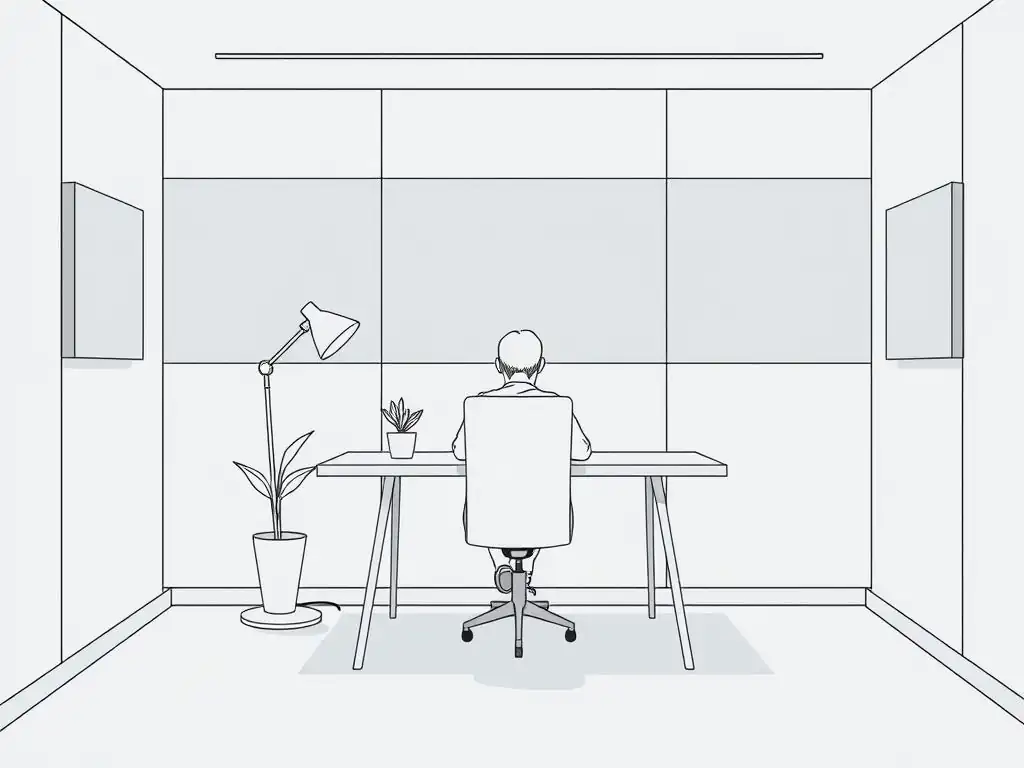
Creating a truly productive home office often hinges on one crucial factor: minimizing noise distractions. While complete silence might be unrealistic, significantly reducing ambient noise can dramatically boost focus and efficiency. This section explores practical, effective acoustic solutions to transform your workspace into a haven of quiet productivity, directly impacting your "Quiet home office productivity tips" strategy.
Soundproofing Your Walls: Comparing Acoustic Panels vs. Sound Dampening Paint
The walls of your home office are a major entry point for unwanted noise. Two popular solutions for tackling this are acoustic panels and sound dampening paint. Let's compare their effectiveness:
Acoustic panels are readily available in various materials (e.g., foam, fabric-wrapped) and designs. They are highly effective at absorbing sound waves, particularly mid-to-high frequencies – common sources of distracting noise like conversations and traffic. Their modular nature allows for customized placement, targeting specific noisy areas. Installation is generally straightforward, often involving adhesive strips. However, they can be more expensive than paint and might visually alter the aesthetic of your office, depending on the chosen style.
Sound dampening paint, on the other hand, offers a more subtle approach. This specialized paint contains additives that absorb sound, reducing echoes and reverberations within the room. It's a less visually intrusive option, seamlessly integrating with your existing décor. However, its sound absorption capabilities are generally less pronounced than dedicated acoustic panels, particularly for higher frequency noises. It's more effective at reducing echoes than blocking external noise. Furthermore, multiple coats may be needed for optimal results, increasing application time and cost.
Consider this table summarizing the key differences:
| Feature | Acoustic Panels | Sound Dampening Paint |
|---|---|---|
| Effectiveness | High, especially for mid-to-high frequencies | Moderate, better at reducing echoes and reverberations |
| Cost | Generally higher | Generally lower |
| Installation | Relatively easy, often adhesive | Requires painting skills, multiple coats possible |
| Visual Impact | More noticeable | Less noticeable |
| Maintenance | Minimal | Minimal |
Choosing between these methods often depends on your budget, aesthetic preferences, and the severity of the noise problem. For significant noise reduction, acoustic panels are generally superior. For a less intrusive solution offering moderate improvement, sound dampening paint might suffice. A combination of both approaches could provide the best results.
Controlling Noise from Windows: The Effectiveness of Double-Glazed Windows and Heavy Curtains
Windows are notorious for letting in unwanted sounds. Fortunately, several strategies can significantly reduce this noise transmission.
Double-glazed windows are a highly effective solution. The air gap between the two panes of glass acts as a sound insulator, significantly reducing noise penetration. The thicker the glass and the wider the gap, the better the sound insulation. This is a more permanent solution, requiring window replacement, but provides long-term benefits in terms of noise reduction and improved energy efficiency.
Heavy curtains, particularly those made of thick, dense materials like velvet or blackout fabric, offer a more affordable and temporary solution. These curtains create an additional barrier, absorbing and dampening sound waves before they reach your ears. While not as effective as double-glazed windows, they can provide noticeable improvements, especially when combined with other soundproofing measures. Remember to ensure a proper seal between the curtains and the window frame to maximize their effectiveness. Consider layering curtains for even better sound absorption.
Managing Floor Noise: The Benefits of Rugs, Carpets, and Underlayment for Sound Absorption
Floor noise, whether from footsteps, furniture, or sounds emanating from lower floors, can be a major distraction. Fortunately, several flooring solutions can effectively mitigate this issue.
Rugs and carpets are excellent sound absorbers, particularly those with thick piles. They absorb impact noise (the sound of things hitting the floor) and airborne noise (sounds traveling through the air). Larger rugs covering more of the floor area will provide better sound absorption.
Underlayment, placed beneath carpets or rugs, further enhances sound absorption. It provides an additional layer of cushioning, reducing the transmission of impact noise to lower floors or other rooms. Different types of underlayment offer varying levels of sound absorption, so choosing the right one is crucial. Consider underlayment with a higher density and thicker construction for optimal noise reduction.
Choosing the right combination of rugs, carpets, and underlayment can significantly reduce floor noise, contributing to a quieter and more productive home office environment. Remember to consider the overall aesthetic of your office when selecting flooring materials. The goal is to create a space that is both quiet and visually appealing, directly contributing to your overall "Quiet home office productivity tips" goal.
Dealing with Airborne Noise: The Role of Sound Absorbing Materials and Strategic Furniture Placement
Airborne noise, the kind that travels through the air, is a major culprit in disrupting home office tranquility. Addressing it requires a multi-pronged approach focusing on sound absorption and strategic furniture placement. Sound absorbing materials are crucial; they essentially trap sound waves, preventing them from bouncing around and creating echoes. The effectiveness of these materials depends on their density and thickness. Thicker, denser materials generally absorb more sound.
Consider the types of materials available. Acoustic panels, often made of foam or mineral wool, are a popular choice. They come in various shapes, sizes, and colors, allowing for aesthetic integration into your home office design. Remember that their effectiveness is often linked to their surface area. More panels, strategically placed, generally lead to better sound absorption. Don't underestimate the power of soft furnishings either. Thick carpets, heavy curtains, and upholstered furniture act as natural sound absorbers, contributing significantly to a quieter environment. Even strategically placed bookshelves can help diffuse sound waves.
Strategic furniture placement is just as vital. Avoid placing your desk directly against a wall that shares a boundary with a noisy area, as this will amplify the sound. Instead, try to position your desk away from such walls, using furniture to create a buffer zone. For example, a large bookcase or wardrobe placed between your desk and a noisy neighbor's wall can help to deflect and absorb some of the noise. Similarly, consider the placement of your computer and other electronic devices. These can emit a surprising amount of noise, especially if positioned directly next to your ears.
Think about the overall layout of your home office. Avoid hard surfaces that reflect sound. Consider replacing a hard floor with a carpet or rug, and opt for soft furnishings wherever possible. The goal is to create a space where sound is absorbed rather than reflected, leading to a significant reduction in ambient noise and improved focus.
Remember, a holistic approach combining sound-absorbing materials and clever furniture placement is key to achieving a truly quiet and productive home office. This investment in acoustic solutions will pay dividends in enhanced concentration and reduced stress levels. The difference between a noisy and a quiet workspace can be transformative for overall productivity.
Technology to Enhance Quiet Home Office Productivity
This section explores how leveraging technology can significantly contribute to a quieter, more productive home office environment. We'll delve into specific tools and strategies to effectively minimize distracting noises and create a sanctuary for focused work. Mastering these technological solutions is key to achieving optimal quiet home office productivity tips.
Noise-Cancelling Headphones: A Deep Dive into Top Models like Bose QuietComfort 45 and Sony WH-1000XM5
Noise-canceling headphones are a cornerstone of quiet home office productivity. They offer a powerful solution to external disturbances, allowing you to concentrate on tasks without the constant interruption of ambient noise. Let's examine two leading contenders: the Bose QuietComfort 45 and the Sony WH-1000XM5.
Both models excel at noise cancellation, utilizing advanced technology to significantly reduce low-frequency sounds like traffic and airplane engines, as well as higher-frequency noises such as conversations and keyboard clicks from nearby family members. However, they differ in several key aspects.
The Bose QuietComfort 45 prioritizes comfort and ease of use. They are known for their lightweight design and plush earcups, making them ideal for extended wear during long work sessions. The sound quality is excellent, providing a balanced and enjoyable listening experience even without noise cancellation engaged.
Conversely, the Sony WH-1000XM5 boasts superior noise cancellation performance in many independent tests. They offer a more sophisticated noise-canceling algorithm, effectively eliminating a wider range of frequencies. While slightly heavier than the Bose, they still offer a comfortable fit for most users. The sound quality is arguably richer and more detailed, with a slightly more pronounced bass response.
Choosing between the two depends on individual preferences. If comfort and ease of use are paramount, the Bose QuietComfort 45 is a strong choice. For superior noise cancellation and a richer audio experience, the Sony WH-1000XM5 is the better option. Both represent significant investments in quiet home office productivity tips, offering a substantial return in enhanced focus and reduced stress.
White Noise Machines and Ambient Soundscapes: Apps and Devices for Background Noise Masking
While noise-canceling headphones address external noise, white noise machines and ambient soundscapes offer a proactive approach to masking distracting sounds within your home office. These tools generate consistent, calming sounds that help to cover up less predictable interruptions like intermittent chatter or sudden noises.
Many dedicated white noise machines are available, offering a variety of sounds beyond simple white noise, including pink noise, brown noise, and nature sounds like rain or ocean waves. These devices are simple to use and offer adjustable volume levels to find the perfect balance for your workspace.
Alternatively, numerous smartphone apps provide a wide selection of ambient soundscapes and white noise generators. These apps often offer customizable features, allowing you to blend different sounds or adjust their intensity. The convenience of having these sounds readily available on your phone makes them a practical and accessible solution. Finding the right balance—not too loud to be distracting, but loud enough to mask other sounds—is key to maximizing productivity with this method. Experimentation is key to finding your preferred sound and volume level.
Utilizing Smart Home Technology for Noise Management: Smart Speaker Integration with Noise Monitoring
Smart home technology offers increasingly sophisticated solutions for managing noise levels in your home office. Integrating smart speakers with noise monitoring capabilities allows for proactive noise reduction. This technology is still evolving, but early iterations show promise.
Imagine a system where your smart speaker continuously monitors ambient noise levels. If the noise surpasses a pre-defined threshold (perhaps during a particularly noisy period of the day), the speaker automatically adjusts the volume of your ambient soundscape or white noise generator to compensate, maintaining a consistent level of quiet. Similarly, the system could trigger other smart home devices, like smart blinds or curtains, to further reduce external noise.
While this level of seamless integration is not yet ubiquitous, the potential for smart home devices to contribute to a quieter and more productive home office is significant. As technology advances, expect more sophisticated noise management solutions to emerge, further enhancing quiet home office productivity tips and overall work environment. This represents a promising frontier in creating a truly tranquil and productive workspace.
Lifestyle Adjustments for a Quieter, More Productive Workspace
This section focuses on practical lifestyle changes that directly impact the acoustic environment and overall productivity of your home office. Implementing these strategies can significantly reduce distractions and boost your focus, leading to a more tranquil and productive workday. We'll explore scheduling, workspace design, and mindfulness techniques to cultivate a quieter, more efficient workspace.
Optimizing Your Work Schedule: Finding the Quietest Times of Day for Deep Work
One of the most effective ways to enhance quiet home office productivity is to strategically schedule your workday. Identify the periods when household noise is typically at its lowest. For many, this might be early mornings before the rest of the household wakes or late evenings after everyone has settled down. Experiment with different time blocks to pinpoint your personal "quiet hours."
Consider using a noise monitoring app to track sound levels throughout the day. This data-driven approach helps you objectively determine the quietest periods. For example, you might discover that noise levels are consistently lower between 10 AM and 12 PM, making this an ideal time for deep work requiring intense concentration.
Beyond simply identifying quiet periods, consider time blocking. Allocate specific time slots for different tasks, prioritizing those demanding intense focus during your quietest hours. This approach ensures that your most crucial work gets done when distractions are minimized. For instance, dedicate your quietest two hours to writing that important report, rather than tackling less demanding emails.
Creating a Dedicated Workspace: Separating Your Home Office from High-Traffic Areas
Physical separation from high-traffic areas is crucial for minimizing distractions. Ideally, your home office should be located far from common areas like the kitchen, living room, and children's play areas. If this isn't feasible, consider implementing sound-dampening solutions. Thick curtains, rugs, and strategically placed bookshelves can absorb sound and create a more isolated workspace.
Think about the flow of traffic in your home. Is there a frequently used hallway near your office? If so, consider adding a door or soundproofing the wall adjacent to the hallway to reduce noise penetration. Even small adjustments can make a big difference.
The physical separation also contributes to a psychological shift. By creating a dedicated workspace, you mentally prepare yourself for work, signaling to your brain that it's time to focus. This mental separation is just as important as the physical one in achieving a quiet and productive environment. Consider adding plants to absorb sound and improve air quality, contributing to a more peaceful atmosphere.
Practicing Mindfulness and Stress Reduction Techniques: Meditation Apps and Techniques for Focus
Beyond environmental adjustments, cultivating inner peace is essential for quiet home office productivity. Stress and anxiety amplify the perception of noise, making even minor sounds feel overwhelming. Incorporating mindfulness practices can significantly improve your ability to filter out distractions and maintain focus.
Numerous meditation apps offer guided sessions designed to improve focus and reduce stress. These apps often include features like ambient soundscapes, which can help mask distracting noises. Even short, 5-10 minute meditation sessions can significantly improve concentration and reduce your reactivity to distractions.
Consider exploring different mindfulness techniques, such as deep breathing exercises or body scans. These techniques can help you center yourself and reduce the impact of external stimuli. The goal isn't to eliminate all noise, but to develop the mental resilience to remain focused despite ambient sounds. Regular practice enhances your ability to filter out distractions and maintain a calm, productive state of mind, transforming your home office into a sanctuary of quiet productivity.
Choosing the Right Furniture for a Quiet Home Office
Creating a serene and productive home office hinges significantly on the furniture you choose. The right pieces contribute not only to your comfort and efficiency but also to the overall quietude of your workspace. Poorly chosen furniture can be a major source of distraction – a creaky chair, a wobbly desk, or even just an uncomfortable posture can disrupt your focus and reduce your productivity. Selecting furniture strategically is a crucial step in implementing effective quiet home office productivity tips.
Ergonomic Chairs for Comfort and Focus: Top Ergonomic Chair Brands and Models
An ergonomic chair is the cornerstone of a comfortable and productive home office. Investing in a high-quality chair that supports your back and promotes good posture is paramount. Poor posture leads to discomfort, fatigue, and reduced concentration, directly impacting your ability to maintain a quiet and productive workflow. Consider these factors when choosing an ergonomic chair:
- Lumbar support: A chair with adjustable lumbar support is essential for maintaining the natural curve of your spine.
- Adjustability: Look for features like adjustable height, armrests, and backrest recline to customize the chair to your body.
- Material: Breathable fabrics like mesh can help prevent overheating and discomfort during long work sessions.
- Durability: Choose a chair built to last, capable of withstanding daily use.
While specific brand recommendations are constantly evolving based on new releases and reviews, some consistently well-regarded brands in the ergonomic chair market include Herman Miller, Steelcase, and Autonomous. Models within these brands often feature advanced ergonomic designs and customizable features to cater to diverse needs and body types. Remember that the "best" chair is highly dependent on individual preferences and body type, so prioritizing a test-sit (if possible) is strongly advised before purchasing.
Desk Organization and Cable Management: Minimizing Visual Clutter for a Calmer Workspace
A cluttered desk is a cluttered mind. Visual clutter is a significant distraction, contributing to a less peaceful and productive work environment. Effective desk organization and cable management are essential quiet home office productivity tips. A clean, organized workspace promotes a calmer atmosphere, improving focus and concentration.
Here are some strategies for minimizing visual clutter and improving cable management:
- Utilize drawers and organizers: Employ desk organizers, drawer dividers, and other storage solutions to keep items neatly arranged and out of sight.
- Vertical storage: Maximize vertical space by using stacked organizers and shelf units.
- Cable management solutions: Employ cable ties, sleeves, and clips to keep cords organized and prevent tangling. Consider a cable management tray or box to conceal unsightly wires.
- Declutter regularly: Make it a habit to declutter your desk at the end of each workday to start fresh the next day. A consistent decluttering routine is a crucial aspect of maintaining a quiet, productive workspace.
The Importance of Natural Light and Air Circulation: Boosting Mood and Productivity
Natural light and good air circulation significantly impact mood, energy levels, and overall productivity. A stuffy, dimly lit room can lead to fatigue and decreased concentration. Incorporating natural light and ensuring adequate ventilation are vital quiet home office productivity tips.
- Maximize natural light: Position your desk near a window to take advantage of natural light. This helps regulate your circadian rhythm and boosts alertness. Consider using sheer curtains to diffuse strong sunlight and prevent glare on your screen.
- Improve air circulation: Open windows regularly to allow fresh air to circulate. If natural ventilation is insufficient, consider using a desk fan or air purifier to improve air quality. Good ventilation reduces stuffiness and improves concentration. Regularly cleaning and dusting your workspace is also essential for maintaining good air quality. This will not only improve your breathing but also contribute to a cleaner, quieter environment. A clean workspace is a more peaceful workspace.
Beyond the Physical: Mental Strategies for a Peaceful Home Office
This section delves into the often-overlooked mental strategies crucial for achieving a quiet and productive home office. While physical modifications like soundproofing and decluttering are important, true tranquility stems from mastering your mental landscape. We'll explore techniques to manage your time effectively, communicate boundaries clearly, and prioritize tasks for optimal focus and reduced stress, all contributing to enhanced "quiet home office productivity tips".
Time Management Techniques for Minimizing Interruptions: Pomodoro Technique and Time Blocking
Effective time management is paramount for minimizing interruptions and maximizing productivity in a home office environment. Two highly effective techniques are the Pomodoro Technique and Time Blocking.
The Pomodoro Technique involves working in focused bursts of typically 25 minutes, followed by a 5-minute break. This structured approach helps maintain concentration and prevents burnout. After four Pomodoros, a longer break of 15-20 minutes is recommended. This cyclical pattern allows for short, regular rests that refresh the mind, preventing mental fatigue and improving the overall quality of work. Many individuals find that using a timer app enhances adherence to this technique.
Time Blocking, on the other hand, involves scheduling specific blocks of time for particular tasks in your day. This proactive approach helps anticipate potential interruptions and allocate sufficient time for each activity. By pre-planning your day, you create a framework that reduces the likelihood of unexpected disruptions derailing your workflow. For example, you might schedule a dedicated "focus block" from 9:00 AM to 11:00 AM for writing, followed by a block for email correspondence. This strategic planning significantly contributes to efficient use of your time and enhances "quiet home office productivity tips".
Communication Strategies to Reduce Noise from Family Members: Establishing Clear Boundaries
Maintaining a productive home office often necessitates clear communication with family members to minimize disruptions. Establishing firm boundaries is essential for creating a dedicated workspace free from interruptions. This isn't about isolating yourself; it's about fostering mutual respect and understanding.
One effective strategy is to create a visual cue, like a closed door or a "Do Not Disturb" sign, to signal when you need uninterrupted focus time. Clearly communicate these signals to your family members beforehand, explaining their significance in maintaining your productivity. This visual aid provides a non-verbal way to communicate your need for quiet, helping to avoid unnecessary interruptions.
Another crucial aspect is scheduling specific times for family interaction. Designating periods for family time helps prevent interruptions during focused work sessions. This proactive scheduling demonstrates respect for family needs while maintaining personal work boundaries. For example, you might schedule a family dinner break every evening or a dedicated playtime with the children after work hours. This demonstrates your commitment to family while also protecting your work time. This is a core component of effective "quiet home office productivity tips".
Prioritizing Tasks and Avoiding Multitasking: Improving Focus and Reducing Stress
Prioritizing tasks and avoiding multitasking are key components of a peaceful and productive home office. Multitasking, contrary to popular belief, often reduces overall efficiency and increases stress levels. Focusing on one task at a time allows for deeper concentration and higher-quality output.
Using methods like the Eisenhower Matrix (Urgent/Important) can help prioritize your tasks effectively. Categorizing tasks based on urgency and importance allows you to focus on high-priority items first, reducing stress caused by juggling numerous tasks. This method helps ensure that your time is spent on what truly matters, improving overall focus and reducing unnecessary mental clutter. Furthermore, breaking down large tasks into smaller, manageable chunks can make them less daunting and easier to tackle, maintaining momentum and minimizing stress related to overwhelming workloads. This is a vital element of "quiet home office productivity tips".
Maintaining a Quiet and Productive Home Office Long-Term
Creating a tranquil and productive home office isn't a one-time fix; it's an ongoing process requiring consistent effort and refinement. Think of it like tending a garden – you need regular care to ensure it thrives. This section focuses on the long-term strategies to maintain your quiet and productive workspace, maximizing your return on investment in time and resources. Consistent application of these strategies will significantly improve your "Quiet home office productivity tips" and overall well-being.
Regular Maintenance and Cleaning: Keeping Your Workspace Organized and Free from Distractions
A cluttered workspace equals a cluttered mind. Regular cleaning and organization are paramount to maintaining a peaceful and productive home office environment. This isn't just about aesthetics; a tidy space reduces visual distractions, allowing for better focus and concentration.
Consider implementing a daily cleaning routine, even if it's just for 5-10 minutes. This could involve:
- Tidying up papers and documents.
- Clearing your desk of unnecessary items.
- Organizing cables and chargers.
- Emptying the trash.
Weekly deep cleaning should also be incorporated. This might include:
- Dusting surfaces and electronics.
- Vacuuming or sweeping the floor.
- Wiping down windows and other surfaces.
- Organizing filing systems (both physical and digital).
A clean and organized workspace fosters a sense of calm and control, directly impacting your ability to concentrate and be productive. Think of it as preventative maintenance for your mental health and productivity. The time invested in regular cleaning far outweighs the time lost to distractions caused by a messy environment. This is a key element for effective "Quiet home office productivity tips."
Investing in High-Quality Equipment: Long-Term Cost Savings Through Enhanced Productivity
While initial investment might seem high, investing in high-quality equipment pays off significantly in the long run. This is particularly true regarding noise-canceling equipment and ergonomic furniture.
For example, investing in a high-quality noise-canceling headset can drastically reduce auditory distractions, allowing you to maintain focus even in a bustling household. Similarly, an ergonomic chair and desk setup minimizes physical discomfort, preventing interruptions caused by aches and pains. These seemingly small investments translate to increased productivity and reduced health issues, saving you money and time in the long run. This is a crucial aspect of implementing effective "Quiet home office productivity tips."
Consider the following:
| Equipment Category | Benefits | Long-Term Cost Savings |
|---|---|---|
| Noise-Canceling Headphones | Reduced auditory distractions, improved focus, better concentration | Reduced stress, increased productivity, potential health cost savings |
| Ergonomic Chair | Improved posture, reduced back pain, increased comfort and concentration | Reduced healthcare costs, increased work hours |
| High-Quality Microphone | Clearer communication during calls, minimizing misunderstandings and frustration | Improved efficiency in virtual meetings and collaborations |
These are just a few examples; assess your specific needs and prioritize investments that directly address your biggest productivity bottlenecks. Remember, the goal is not to spend excessively, but to strategically invest in equipment that enhances your long-term productivity and well-being.
Continuous Evaluation and Adjustment: Adapting Your Strategies for Optimal Results
Maintaining a productive home office is an iterative process. What works today might not work tomorrow. Regular evaluation and adjustment of your strategies are crucial for long-term success. This involves actively monitoring your productivity levels and identifying areas for improvement.
This might include:
- Tracking your daily work hours and identifying peak productivity times.
- Monitoring your energy levels throughout the day.
- Analyzing the effectiveness of your current noise-reduction strategies.
- Experimenting with different work schedules and routines.
Regular self-reflection, coupled with data analysis (if you track your work), enables you to identify areas for improvement. Perhaps you need to adjust your work schedule to align with your peak productivity times, or maybe you need to invest in additional noise-canceling solutions. The key is to remain flexible and adapt your strategies as needed to maintain a consistently quiet and productive home office environment. This continuous improvement approach is essential for long-term success in applying "Quiet home office productivity tips." Remember, the journey to a perfect home office is a continuous process of refinement and adaptation.
Frequently Asked Questions
How can I create a quiet workspace in a busy home?
Creating a dedicated workspace is crucial. Consider using noise-canceling headphones or employing white noise to mask distractions. Physical separation from high-traffic areas is also beneficial.
What are some simple techniques to improve focus in a noisy environment?
Time management techniques like the Pomodoro Technique can help. Prioritize tasks and eliminate distractions before starting work. Short breaks for mindfulness or stretching can also boost concentration.
Which technology can help me achieve a more productive quiet home office?
Noise-canceling headphones are a great start. Consider productivity apps that help you manage your time and tasks. A good quality microphone can help with virtual meetings, minimizing background noise.
How can I minimize distractions from family members while working from home?
Clearly communicate your work hours to your family. Use a visual cue like a "Do Not Disturb" sign. Schedule dedicated family time outside of your work hours to avoid conflicts.
What are some quick wins for boosting productivity in a quiet home office?
Start with organizing your workspace. Ensure you have all necessary materials readily available. Implement a consistent daily routine to establish a productive rhythm.
Final Reflection: Finding Your Focus in the Digital Age
The relentless hum of notifications and the constant influx of information threaten to drown out the quiet focus essential for productivity. In today's hyper-connected world, creating a tranquil home office isn't just a luxury—it's a necessity for maintaining mental well-being and achieving peak performance. The strategies outlined in this article—from strategic noise reduction to mindful workspace design—are more critical than ever in navigating the demands of modern life.
The pursuit of a quiet, productive workspace is a journey, not a destination. It's a continuous process of refinement and adaptation, reflecting our evolving needs and priorities. The key is not to prioritize what's on your schedule, but to schedule your priorities.
This quote, often attributed to Stephen Covey, perfectly encapsulates the importance of intentional design in creating a home office that truly supports your goals. The impact of a well-structured, peaceful environment extends far beyond increased productivity; it cultivates a sense of calm and control, positively influencing our overall mental health and work-life balance.
Now, consider your own workspace. What small adjustments can you make today to silence the noise and amplify your focus? Perhaps it's investing in noise-canceling headphones, decluttering your desk, or simply scheduling dedicated "focus time" free from distractions. Embrace the power of intentionality. By consciously crafting a sanctuary of calm amidst the chaos, you'll not only boost your productivity but also cultivate a deeper sense of peace and fulfillment in your work and life.
Unleash Your Inner Calm: Design Your Dream Home Office Now!
Thank you for exploring ways to create a tranquil and productive home office! We hope you found valuable advice on minimizing distractions and maximizing focus. Ready to put this knowledge into practice?
- Transform your workspace today: Begin with a simple change—decluttering your desk, adding a plant, or adjusting the lighting—and immediately feel the difference. This is the first step toward a more peaceful and productive work environment.
- Share your tips for creating a calming workspace: Tell us about your favorite home office productivity trick in the comments below! Let's build a supportive community of like-minded individuals.
- Enhance your workspace: Consider investing in noise-canceling headphones or a calming essential oil diffuser to improve focus and relaxation.
What small change will you implement today to cultivate a more peaceful and productive home office?