
DIY Plumbing: Conquer Clogged Drains Like a Pro (Even If You're a Beginner)

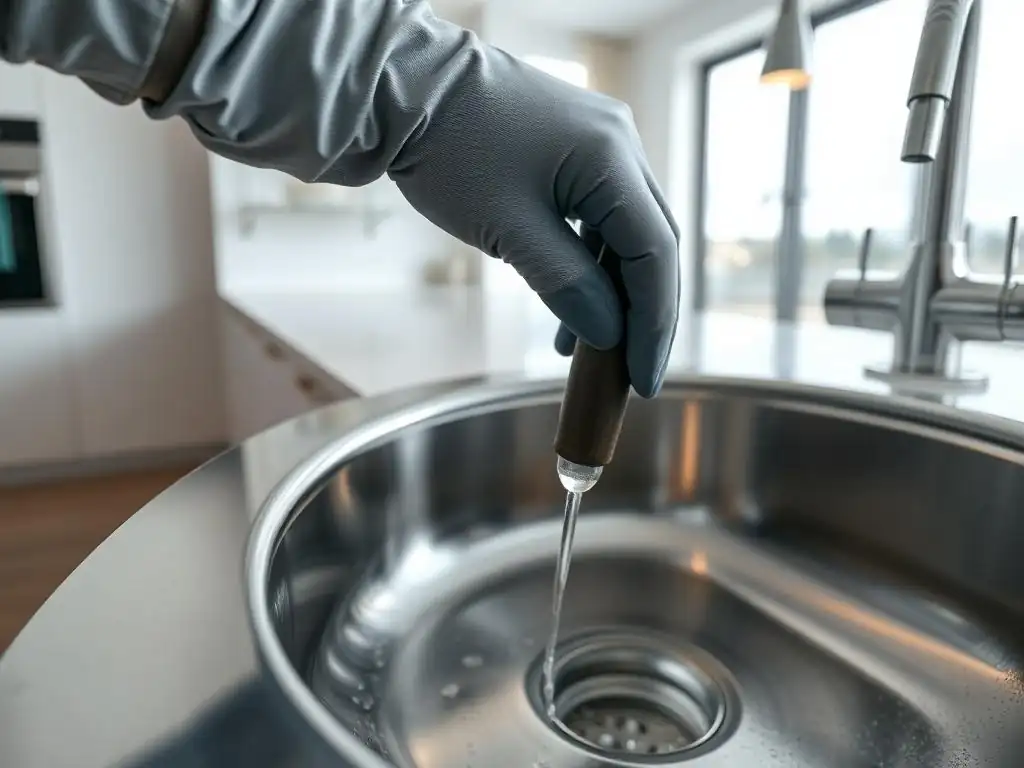
Tired of wrestling with slow drains? UltimateLifeHacks is your secret weapon for conquering everyday challenges. We deliver practical solutions to boost your productivity and simplify your life. Discover how to fix clogged drains fast DIY, a game-changing household hack that will save you time, money, and frustration. Dive in and unlock the secrets to a smoother, more efficient daily routine!
- Understanding Clogged Drains: Common Causes and Prevention
- Fix Clogged Drains Fast DIY: Basic Tools and Materials You'll Need
-
Fix Clogged Drains Fast DIY: The Step-by-Step Guide to Unclogging Your Drains
- Step 1: Boiling Water – A Simple First Solution for Minor Clogs
- Step 2: Using a Plunger Effectively: Techniques for Maximum Impact
- Step 3: Baking Soda and Vinegar: A Natural and Effective Drain Cleaner
- Step 4: The Wire Coat Hanger Method: Unblocking Deeper Clogs
- Step 5: When to Call a Plumber: Recognizing When DIY Isn't Enough
- Advanced Techniques for Stubborn Clogs: Going Beyond the Basics
- Maintaining Your Drains: Long-Term Prevention Strategies
-
Frequently Asked Questions
- What are the most common causes of clogged drains?
- How can I unclog a drain quickly using household items?
- Are there any DIY tools I can use to unclog a drain?
- When should I call a professional plumber instead of attempting a DIY fix?
- What preventative measures can I take to avoid clogged drains in the future?
- Final Reflection: Unclogging More Than Just Drains
- Unclog Your Worries: Take Charge of Your Drains Today!
Understanding Clogged Drains: Common Causes and Prevention
Dealing with a clogged drain is frustrating, but it's a problem most homeowners face at some point. This guide provides practical, step-by-step instructions on how to fix clogged drains quickly and effectively, even if you're a complete beginner in DIY plumbing. We'll cover common causes, preventative measures, and simple solutions to get your drains flowing freely again. Mastering these techniques will save you time, money, and the stress of calling a plumber for minor plumbing issues. Learning to fix clogged drains fast DIY is a valuable life hack that empowers you to maintain your home efficiently and confidently. This guide focuses on equipping you with the knowledge and skills to tackle this common household problem, saving you both time and money in the long run. We'll cover various scenarios, from identifying the source of the clog to preventing future occurrences, turning you into a DIY plumbing pro in no time!
Identifying the Source of Your Clogged Drain: Hair, Grease, or Debris?
The first step in fixing a clogged drain is pinpointing the culprit. The most common culprits are hair (especially in bathroom sinks and showers), grease (frequently found in kitchen sinks), and general debris like soap scum, food particles, and small objects accidentally dropped down the drain.
Let's examine each:
- Hair: This is the most frequent offender in bathroom drains. Hair accumulates, forming a mat that restricts water flow. You can often see a visible buildup if you remove the drain stopper.
- Grease: In kitchen sinks, grease solidifies as it cools, clinging to the pipe walls and eventually creating a significant blockage. Pouring grease down the drain, even when it's hot, is a major cause of clogs.
- Debris: A combination of soap scum, food particles, and other small items can accumulate over time, leading to slow draining or complete blockage. This is common in both kitchen and bathroom sinks.
Understanding the source of the clog helps you choose the most effective method for clearing it. For instance, a hair clog often responds well to a simple drain snake or plunger, while grease clogs may require a more aggressive approach.
Preventing Future Clogs: Simple Habits for a Smooth-Flowing Drain
Prevention is always better than cure. By adopting a few simple habits, you can significantly reduce the likelihood of future clogged drains. These proactive measures will save you time and effort in the long run.
Here are some key preventative measures:
- Install drain strainers: These inexpensive mesh filters catch hair and debris before they reach the drainpipe. Regularly clean the strainer to remove accumulated material.
- Avoid pouring grease down the drain: Always dispose of cooking grease in a separate container, allowing it to cool and solidify before discarding it in the trash.
- Use hot water regularly: Flushing your drains with hot water (not boiling) helps to dissolve grease and soap scum, preventing buildup.
- Regular drain cleaning: Periodically flush your drains with a natural drain cleaner, such as baking soda and vinegar, to keep them clear and prevent clogs.
Common Clog Locations: Kitchen Sinks vs. Bathroom Sinks vs. Showers
Clogs occur in different areas of the plumbing system for different reasons. Understanding these differences helps you diagnose and treat the problem more effectively.
| Location | Common Causes | Symptoms |
|---|---|---|
| Kitchen Sink | Grease, food scraps, coffee grounds | Slow draining, gurgling sounds, foul odor |
| Bathroom Sink | Hair, soap scum, toothpaste, debris | Slow draining, water backing up |
| Showers | Hair, soap scum, body wash, mineral deposits | Slow draining, water pooling in the shower pan |
Knowing these common clog locations and their causes will help you effectively tackle any plumbing issues that arise, saving you both time and frustration. Remember, prevention is key! Implementing the preventative measures outlined above will significantly reduce the frequency of clogged drains.
Fix Clogged Drains Fast DIY: Basic Tools and Materials You'll Need
Conquering a clogged drain doesn't require a call to a pricey plumber. With the right tools and a little know-how, you can effectively fix clogged drains fast DIY. This section outlines the essential equipment and supplies needed to tackle this common household problem, empowering you to become your own plumbing hero. Remember safety first! Always prioritize your safety when working with water and potential plumbing issues.
Essential Plumbing Tools for Beginners: A Quick Checklist
Before you dive into unclogging your drain, ensure you have these basic tools readily available. These are inexpensive and easily found at most hardware stores. Having them on hand will streamline the process and prevent interruptions.
- Plunger: A trusty plunger is your first line of defense against a clogged drain. Choose a cup plunger (the type with a flat rubber cup) for sinks and showers, and a flange plunger (with a rubber flap) for toilets. A high-quality plunger will create a better seal and increase your chances of success. Don't underestimate the power of a good plunger!
- Bucket: A sturdy bucket is necessary for containing any overflow water and for collecting removed debris.
- Gloves: Protecting your hands is crucial. Rubber gloves will shield you from dirty water, chemicals, and potential bacteria.
- Flashlight: A flashlight can illuminate dark areas under sinks or within drainpipes, helping you identify the source of the blockage.
- Wire hanger (optional): A straightened wire hanger can be useful for snagging stubborn clogs. Carefully straighten a wire coat hanger and shape one end into a small hook. Use caution to avoid scratching pipes.
- Screwdrivers (optional): Depending on the type of drain, you might need screwdrivers (Phillips and flathead) to remove drain covers or access plumbing components.
- Pipe wrench (optional): For more serious clogs or if you need to disassemble the drainpipe, a pipe wrench may be necessary. This is best reserved for experienced DIYers.
Gathering Your Supplies: Drain Cleaner, Plunger, Gloves, and More
Beyond the tools, you'll need specific supplies to effectively fix clogged drains fast DIY. Remember to always read and follow the manufacturer's instructions for any chemical drain cleaner you use.
| Supply | Description | Safety Precautions |
|---|---|---|
| Chemical Drain Cleaner | These are powerful solutions that can dissolve organic clogs. Choose a type appropriate for your plumbing system. | Wear gloves and eye protection. Ensure adequate ventilation. Never mix different drain cleaners. |
| Baking Soda & Vinegar | A natural and environmentally friendly alternative to chemical drain cleaners. | This method is less aggressive and may require more time to work effectively. |
| Plunger | As mentioned above, choose the right type for your fixture. | Ensure a proper seal to maximize effectiveness. |
| Gloves | Protect your hands from harsh chemicals and dirty water. | Always wear gloves when handling drain cleaners or dirty water. |
| Old Towels/Rags | Useful for cleaning up spills and absorbing excess water. | Always use old towels that you don't mind getting dirty or potentially damaged. |
Remember, safety is paramount. Always wear appropriate safety gear and follow the instructions carefully when using any chemical products. If you're uncomfortable with any step of the process, it's always best to call a professional plumber. But with the right tools and a methodical approach, you can often fix clogged drains fast DIY and save yourself both time and money!
Fix Clogged Drains Fast DIY: The Step-by-Step Guide to Unclogging Your Drains
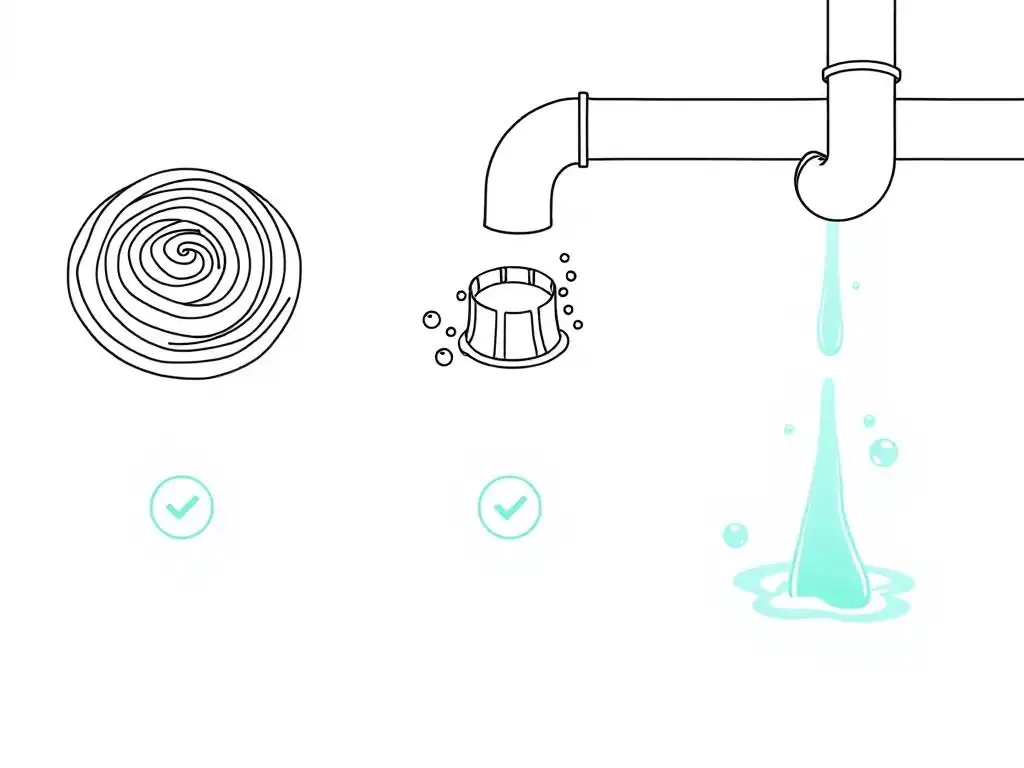
This section provides a practical, step-by-step guide to unclogging your drains quickly and effectively using readily available household items. We'll cover several DIY methods, progressing from the simplest solutions to more involved techniques, ensuring you can tackle even the most stubborn clogs. Remember safety first! Always exercise caution when working with hot water and cleaning solutions.
Step 1: Boiling Water – A Simple First Solution for Minor Clogs
A surprisingly effective first step for minor clogs is simply boiling water. The heat helps melt away grease and soap scum that often contribute to slow-draining sinks or showers. This method is quick, inexpensive, and requires minimal effort. Here's how to do it:
- Boil a kettle or pot of water. Make sure you have enough to adequately cover the drain opening. About 2-3 quarts should suffice for most sinks.
- Carefully pour the boiling water down the affected drain. Be cautious to avoid splashing.
- Wait for a few minutes. The hot water will work its magic, melting away the buildup.
- Check the drain. Run some cold water to see if the clog has cleared. If the drain is still slow, proceed to the next step.
This simple method often resolves clogs caused by hair, soap residue, or minor grease accumulation. It's a great first step before resorting to more aggressive methods. Remember to always prioritize safety and avoid burns. For particularly stubborn clogs, you might need to repeat this process a few times.
Step 2: Using a Plunger Effectively: Techniques for Maximum Impact
The humble plunger is a powerful tool in the fight against clogged drains. However, its effectiveness hinges on proper technique. Improper use can actually worsen the situation. Here's how to use a plunger like a pro:
- Choose the right plunger: A cup plunger is ideal for sinks and tubs, while a flange plunger (with a rubber flap) is best for toilets.
- Ensure a proper seal: Before plunging, fill the sink or tub with enough water to cover the cup of the plunger completely. This creates the necessary suction. For toilets, ensure the water level is sufficient.
- Plunge vigorously: Create a strong up-and-down motion, maintaining a tight seal throughout the process. Avoid lifting the plunger completely out of the water between plunges. Aim for at least 10-15 strong plunges.
- Check the drain: After plunging, let the water drain and check for improvement. If the clog persists, try again or move to the next method.
Pro Tip: For particularly stubborn clogs, consider adding a bit of dish soap to the water before plunging. The soap helps lubricate the clog and improve the plunger’s effectiveness.
Step 3: Baking Soda and Vinegar: A Natural and Effective Drain Cleaner
This classic combination offers a natural and often effective way to tackle tougher clogs. The chemical reaction between baking soda and vinegar creates a fizzing action that helps break down organic matter causing the blockage.
- Prepare the solution: Pour one cup of baking soda down the drain, followed by one cup of white vinegar.
- Let it fizz: Allow the mixture to sit for at least 30 minutes, or even longer for stubborn clogs. The fizzing action will help break down the clog.
- Flush with hot water: After the fizzing subsides, flush the drain with several cups of hot (but not boiling) water.
- Repeat if necessary: If the clog persists, you may need to repeat this process.
This method is environmentally friendly and works well for clogs caused by organic materials like grease and food scraps. However, it might not be as effective for clogs caused by hair or other non-organic substances. Remember, patience is key; allow ample time for the solution to work its magic. Always follow safety precautions and avoid mixing chemicals unnecessarily. For persistent drain issues, professional help may be necessary.
Step 4: The Wire Coat Hanger Method: Unblocking Deeper Clogs
If the plunger and baking soda methods haven't worked, the clog might be further down the drainpipe. This is where a trusty wire coat hanger comes in handy. Straighten the hanger as much as possible, leaving a small hook at one end. Carefully insert the straightened end into the drain opening. Feel around for the obstruction; you might encounter a significant buildup of hair, grease, or other debris.
Once you locate the clog, use the hook to snag and pull out the obstruction. Be patient and persistent; it may take some time to dislodge the blockage completely. Remember to wear gloves to protect your hands from grime and bacteria. After removing the clog, flush the drain with hot water to ensure everything is flowing freely. This method is particularly effective for dealing with stubborn clogs caused by hair accumulation in bathroom sinks or shower drains.
For example, a recurring slow drain in a shared bathroom can often be traced to a buildup of hair that a simple plunger can't dislodge. The wire hanger method allows for targeted removal of this hair, often resolving the problem quickly and efficiently. However, be cautious not to scratch the inside of the drainpipe with the hanger; use gentle but firm pressure. If you feel significant resistance or are unable to dislodge the clog, it might be time to consider more advanced methods or call a professional.
Step 5: When to Call a Plumber: Recognizing When DIY Isn't Enough
While DIY methods are often effective for fixing clogged drains fast, there are times when professional help is necessary. If you've tried all the simple DIY techniques—the plunger, baking soda, vinegar, and even the wire hanger—and the drain remains stubbornly clogged, it's a clear sign to call a plumber. This is especially true if you notice additional problems like foul odors emanating from the drain, significant water backup in multiple drains, or persistent slow drainage even after attempting DIY solutions. Ignoring these signs could lead to more significant plumbing problems and potentially costly repairs down the line.
For instance, a persistent clog that leads to water backing up into your bathtub or toilet is a major warning sign indicating a problem that may require specialized tools and expertise to resolve safely and effectively. Furthermore, if you suspect the clog is located deep within the main plumbing line, attempting DIY solutions could potentially worsen the problem or even damage your pipes. A professional plumber possesses the necessary equipment, such as drain snakes and video inspection cameras, to diagnose and address complex plumbing issues.
Remember, while tackling minor plumbing problems yourself can save money and provide a sense of accomplishment, safety and the long-term health of your plumbing system should always be prioritized. Don't hesitate to call a professional when your DIY efforts prove insufficient. The cost of a professional plumber is often a small price to pay for preventing more serious and expensive damage.
Advanced Techniques for Stubborn Clogs: Going Beyond the Basics
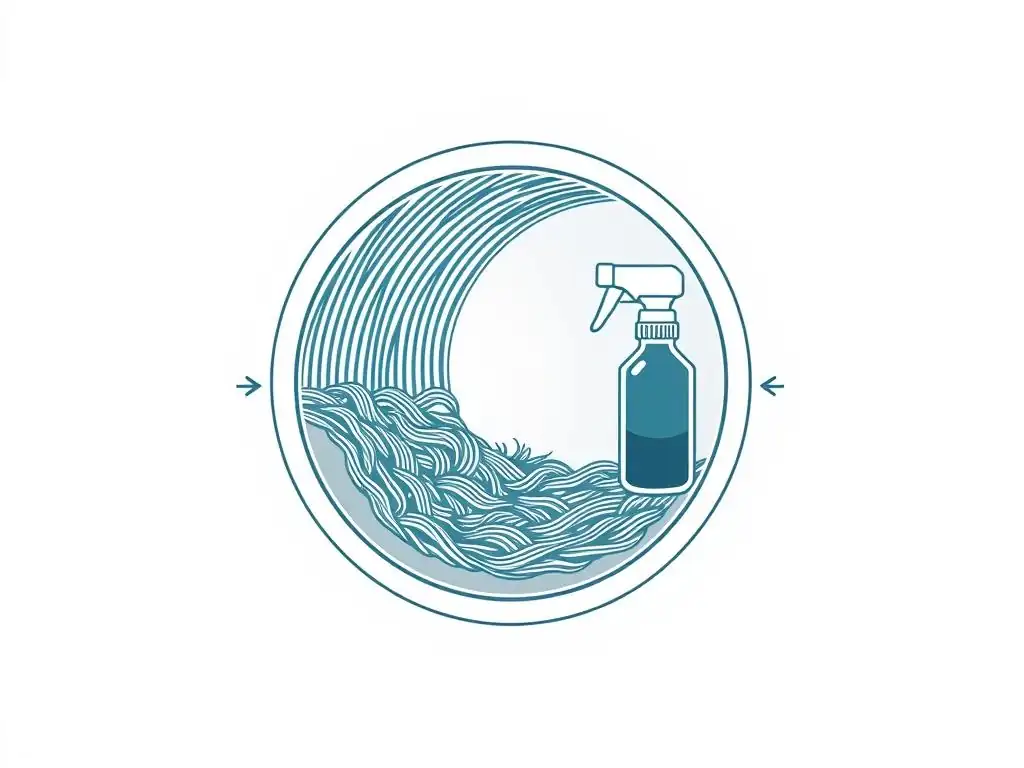
This section delves into more advanced DIY methods for unclogging drains, tackling those persistent blockages that resist simpler solutions. Remember, safety is paramount. Always wear appropriate protective gear, like rubber gloves, and ensure adequate ventilation when working with chemicals. Let's explore some powerful techniques to effectively address those truly stubborn clogs and achieve that satisfying "glug" of freely flowing water. Mastering these techniques will help you confidently tackle any drain blockage and save money on expensive plumber calls. This will allow you to fix clogged drains fast DIY.
Understanding Drain Traps: Accessing and Cleaning the Trap
Drain traps, those curved pipes under your sinks and showers, are the first line of defense against clogs. Hair, soap scum, and other debris accumulate here, often causing slow drains or complete blockages. Knowing how to access and clean your drain trap is a crucial skill for any DIY enthusiast aiming to fix clogged drains fast DIY.
Before you begin, place a bucket underneath the trap to catch any residual water. Most drain traps are easily accessible; you'll usually find a slip nut or two that can be loosened by hand or with channel-lock pliers. Once loosened, carefully remove the trap and empty the collected debris into the bucket. Clean the trap thoroughly with a brush, paying attention to any stubborn build-up.
Inspect the trap for cracks or damage. If everything looks good, reassemble the trap, tightening the nuts securely to prevent leaks. This simple procedure often resolves minor clogs quickly and efficiently; a great way to fix clogged drains fast DIY.
Remember, different drain traps have slightly different designs. Consult a simple diagram or online video if you're unsure about your specific trap type. This preventative maintenance can significantly reduce the frequency of future clogs.
Using a Drain Snake (Plumbing Auger): A More Powerful Approach
For clogs that persist beyond simple trap cleaning, a drain snake (also called a plumbing auger) is a highly effective tool. This flexible metal coil can navigate bends and reach deep into the drainpipe to break up or retrieve the blockage. This is a more robust method to fix clogged drains fast DIY.
Different sizes of drain snakes are available; choose one appropriate for your drain's diameter. Insert the snake carefully into the drain opening, rotating the handle to feed it further down. You'll likely feel resistance as the snake encounters the clog. Continue rotating and feeding the snake until you feel the obstruction break up or the snake passes through.
Once you've cleared the clog, slowly retract the snake, cleaning it off as you go. Flush the drain with plenty of water to ensure everything is clear. Using a drain snake is a powerful technique to effectively fix clogged drains fast DIY.
It's important to use a drain snake gently to avoid damaging your pipes. Excessive force can scratch or even puncture the pipes. If you encounter significant resistance or are unable to clear the clog, it might be time to call a professional plumber.
Chemical Drain Cleaners: When and How to Use Them Safely
Chemical drain cleaners can be effective for dissolving organic clogs like hair and grease, but they should be used cautiously and as a last resort. These powerful chemicals can damage your pipes if used improperly or too frequently. Always follow the manufacturer's instructions meticulously, and prioritize safety when using them to fix clogged drains fast DIY.
Before using a chemical drain cleaner, ensure adequate ventilation in the area. Wear rubber gloves and eye protection. Carefully pour the recommended amount of cleaner into the drain, following the instructions on the product label. Wait the specified time before flushing the drain with plenty of water.
Never mix different types of drain cleaners, as this can create dangerous chemical reactions. Excessive or repeated use of chemical drain cleaners can corrode your pipes over time, potentially leading to more extensive and costly repairs. Therefore, explore other options first, using chemical drain cleaners only when absolutely necessary to fix clogged drains fast DIY. Remember, prevention through regular maintenance is key to avoiding severe clogs in the first place.
Maintaining Your Drains: Long-Term Prevention Strategies
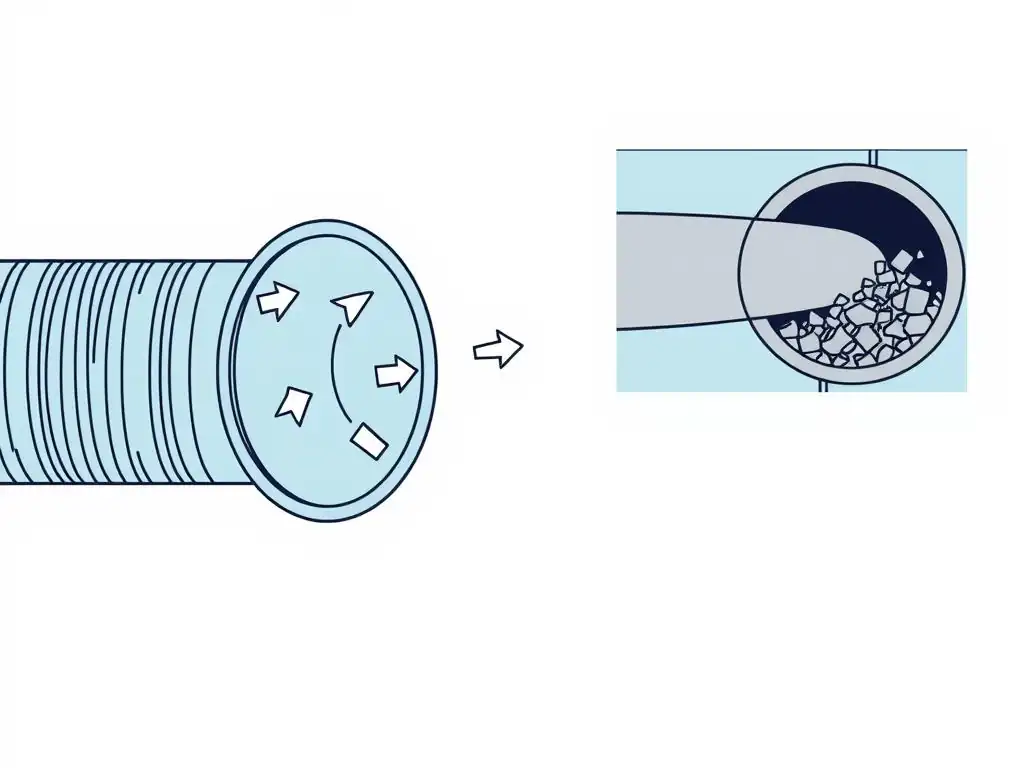
Preventing clogged drains is far more efficient than constantly fixing them. Proactive maintenance significantly reduces the frequency of plumbing emergencies and saves you time, money, and frustration. This section focuses on simple yet effective strategies to keep your drains flowing freely, ensuring a smoother, more efficient daily routine. By incorporating these preventative measures, you’ll be well on your way to mastering the art of "Fix clogged drains fast DIY" and avoiding future headaches.
Regular Drain Maintenance: Simple Tips to Avoid Future Problems
Regular maintenance is key to preventing drain clogs. A simple weekly routine can make a world of difference. Think of it as preventative plumbing—a small investment of time that yields significant long-term benefits. Here are some easy-to-implement tips:
- Boiling Water Flush: Once a week, pour a kettle of boiling water down each drain. This helps melt away grease and soap scum that accumulate over time. This is particularly effective for kitchen sinks. Remember to always exercise caution when handling boiling water.
- Baking Soda and Vinegar: This classic cleaning duo is a powerful natural drain cleaner. Combine one cup of baking soda followed by one cup of vinegar. Let it fizz for about 30 minutes before flushing with hot water. This method effectively breaks down organic matter.
- Strainers and Filters: Invest in high-quality strainers for your kitchen and bathroom sinks. These simple tools trap hair, food scraps, and other debris before they can reach the drainpipe, significantly reducing the risk of clogs. Regularly clean these strainers to maintain their effectiveness.
- Avoid Flushing Non-flushable Items: This may seem obvious, but it bears repeating. Never flush anything down the toilet that isn't specifically designed to be flushed, such as sanitary products, cotton balls, or paper towels. These items can cause serious blockages and costly repairs.
Protecting Your Drains from Grease and Hair Buildup
Grease and hair are the biggest culprits behind clogged drains. In the kitchen, grease solidifies as it cools, adhering to the pipe walls and eventually building up into a significant blockage. In bathrooms, hair accumulates, creating a similar problem. Effective strategies to mitigate this include:
- Grease Traps: For kitchens, consider installing a grease trap. These devices separate grease from wastewater, preventing it from entering your drainpipes. While a professional installation is recommended for permanent solutions, temporary disposable grease traps are readily available for immediate use.
- Regular Hair Removal: After each shower, use a plunger or a specialized drain snake to remove hair from the drain opening. This prevents a build-up that can lead to a complete blockage. This simple action can save you considerable time and effort in the long run.
- Careful Disposal of Grease: Never pour grease down the drain. Let it cool completely and dispose of it in the trash, ideally in a sealed container. Alternatively, consider composting it if appropriate.
The Importance of Proper Ventilation in Your Plumbing System
Proper ventilation plays a crucial role in preventing drain clogs and maintaining the overall health of your plumbing system. Adequate ventilation helps to prevent sewer gases from backing up into your home, and it also aids in the efficient drainage of wastewater. Issues with ventilation can manifest as slow drains or foul odors. Here's what you should know:
- Vent Pipes: Your home's plumbing system relies on a network of vent pipes that allow air to circulate freely. These pipes are essential for maintaining proper water pressure and preventing siphoning. Any blockages or damage to these pipes can significantly impact drain performance. Regular inspection and maintenance of these pipes are often best left to professionals.
- Signs of Ventilation Problems: If you notice slow draining, gurgling sounds from your drains, or unpleasant odors emanating from your plumbing fixtures, it could indicate a problem with your ventilation system. Addressing these issues promptly can prevent more significant and costly problems down the line. Early detection is crucial for addressing ventilation issues before they escalate into major drain problems.
Remember, consistent preventative maintenance is the best way to keep your drains flowing freely and avoid the need for emergency DIY plumbing repairs. By following these tips, you'll be well-equipped to tackle any potential drain issues efficiently and effectively, saving you both time and money in the long run.
Frequently Asked Questions
What are the most common causes of clogged drains?
Clogged drains are often caused by a buildup of hair, soap scum, grease, and food debris. Ignoring these slowly accumulating blockages leads to larger problems.
How can I unclog a drain quickly using household items?
A simple solution involves using a mixture of baking soda and vinegar. Pour the mixture down the drain, wait, then flush with hot water. For tougher clogs, a plunger is your next best bet.
Are there any DIY tools I can use to unclog a drain?
Yes! A plunger is an essential tool, and a drain snake (also called a plumber's snake) can reach deeper clogs. You can also use a wire hanger, carefully straightened, as a makeshift snake in a pinch.
When should I call a professional plumber instead of attempting a DIY fix?
Call a plumber if DIY methods fail, if you suspect a major blockage, or if you notice recurring clogs. Also, avoid DIY if you're uncomfortable working with plumbing.
What preventative measures can I take to avoid clogged drains in the future?
Regularly use a drain strainer to catch hair and debris. Avoid pouring grease down the drain, and consider using drain cleaners sparingly. A monthly baking soda/vinegar treatment is also a good preventative measure.
Final Reflection: Unclogging More Than Just Drains
The ability to quickly and effectively fix a clogged drain isn't just about saving money on a plumber; it's about reclaiming control over your home and fostering a sense of self-reliance. A simple, DIY solution to a frustrating problem can ripple outwards, empowering you to tackle other household challenges with confidence and competence.
The impact of readily available DIY knowledge extends far beyond the immediate fix. It fosters a sense of community, as people share tips and tricks online and offline, creating a network of shared expertise. The best way to learn is by doing, and the best way to teach is by sharing.
This sentiment perfectly encapsulates the spirit of DIY plumbing, where practical knowledge is passed down and expanded upon, creating a powerful sense of collective empowerment. This empowerment isn't limited to plumbing; it fosters a "can-do" attitude that can be applied to many aspects of life.
Now, consider the power you hold. You've just learned a valuable skill, one that can save you time, money, and frustration. Don't let this knowledge sit idle. The next time you face a clogged drain, or any household challenge for that matter, remember the confidence you gained from conquering this one. Embrace the challenge, seek out the solution, and experience the satisfaction of fixing things yourself. You might be surprised at what you can achieve.
Unclog Your Worries: Take Charge of Your Drains Today!
Thanks for learning about powerful drain-clearing techniques! You now have the knowledge to tackle stubborn clogs effectively. Ready to put your new skills to the test?
- Tackle that stubborn clog! Gather your supplies and try one of the methods discussed—you might be surprised how quickly you can restore smooth-flowing drains.
- Share your successes (and challenges!) in the comments below. Let's build a community of DIY plumbing experts! What unexpected solution did you discover?
- Explore more life hacks on our site to discover even more ways to simplify your life!
What's the most challenging plumbing project you've tackled, and what did you learn from it?