
Drafty Windows? DIY Solutions That Will Save You Money


Tired of shivering and watching your heating bill skyrocket? UltimateLifeHacks is your destination for practical solutions to everyday problems. Discover ingenious ways to boost your productivity and simplify your life. We're diving deep into a common household headache: fix drafty windows save money. Learn how simple DIY fixes can dramatically improve your home's energy efficiency and save you a significant amount on your energy bills. Ready to unlock the secrets to a more comfortable and cost-effective life? Let's get started!
- Identifying the Source of Your Drafty Windows
- Inexpensive DIY Solutions to Stop Drafty Windows
- More Advanced DIY Solutions for Drafty Windows
- Saving Money by Fixing Drafty Windows Yourself
- Preventing Future Drafty Windows
- Frequently Asked Questions
- Final Reflection: The Enduring Power of DIY Savings
- Unleash the Cozy: Conquer Drafts & Save!
Identifying the Source of Your Drafty Windows
Drafty windows are a common household problem, leading to uncomfortable living spaces and higher energy bills. The constant flow of cold air in winter (or hot air in summer) forces your heating and cooling systems to work overtime, significantly impacting your monthly expenses. This article will guide you through identifying the source of those pesky drafts and provide practical, DIY solutions to fix them, ultimately saving you money and improving your home's comfort.
We'll explore various methods to locate air leaks, pinpoint common culprits like worn weatherstripping, and test for drafts effectively. By the end, you'll be equipped to tackle drafty windows and enjoy a more energy-efficient, cost-effective home. Learning how to effectively fix drafty windows save money is a valuable skill for any homeowner, and this guide offers a comprehensive approach to achieving just that.
Locating Air Leaks: A Step-by-Step Guide
Pinpointing the exact location of air leaks is the first crucial step in fixing drafty windows. Don't just assume the entire window is the problem; often, the issue is localized. Here's a methodical approach:
- Visual Inspection: Begin with a thorough visual examination of your windows. Look for obvious gaps or cracks around the frame, broken or missing caulk, and damaged weatherstripping. Pay close attention to the areas where the window sashes meet the frame. A magnifying glass can be helpful for spotting tiny cracks. 🔍
- The Hand Test: On a cold day, gently run your hand along the window frame and sash. Feel for any noticeable temperature differences. Cold spots indicate air leaks. This simple test can quickly identify problem areas. 🥶
- The Incense or Smoke Test: Light a stick of incense or use a smoke pencil. Slowly move it around the window frame and sashes. Observe how the smoke behaves. If the smoke is drawn towards a specific area, it indicates an air leak. This method is particularly effective for detecting smaller, less obvious gaps. 💨
- The Flashlight Test: On a dark evening, turn off the lights in the room and hold a flashlight against the window from the outside. Look for light shining through any cracks or gaps in the frame or seals. This method is especially useful for identifying air leaks in the window's seals. 💡
Common Culprits: Worn Weatherstripping, Gaps in Frames, and Broken Seals
Once you've identified the location of the drafts, it's time to determine the cause. Several common culprits contribute to drafty windows:
- Worn Weatherstripping: Over time, weatherstripping deteriorates, losing its ability to create an airtight seal. This is a very common cause of drafts and is often easily remedied with replacement. Replacing weatherstripping is a relatively inexpensive and straightforward DIY repair.
- Gaps in Frames: Cracks or gaps in the window frame itself allow cold air to seep in. These gaps can be caused by settling, age, or damage. Caulking or wood filler can often effectively seal these gaps.
- Broken Seals: Double- or triple-paned windows have sealed units containing air or gas. If the seal is broken, the insulating properties are lost, resulting in significant drafts. Unfortunately, repairing broken seals is usually not a DIY project and may require professional window replacement. This is a more costly repair option.
Testing for Drafts: Simple and Effective Methods
After you've implemented your DIY fixes, it's important to verify their effectiveness. Here are some simple tests to confirm you've successfully reduced or eliminated the drafts:
- Repeat the Hand Test: After making repairs, repeat the hand test described earlier. You should notice a significant reduction or elimination of cold spots along the window frame.
- Observe Energy Bills: Monitor your energy bills over the next few months. A noticeable decrease in energy consumption indicates that your efforts have been successful in improving your home's energy efficiency. 💰
- Use a Thermometer: Place a thermometer near the window before and after repairs to quantify the temperature difference. This provides a more objective measure of the improvement.
By following these steps, you can effectively diagnose and address drafty windows, saving money on your energy bills and creating a more comfortable living environment. Remember, prevention is key! Regular maintenance and timely repairs can prevent small problems from escalating into costly issues.
Inexpensive DIY Solutions to Stop Drafty Windows
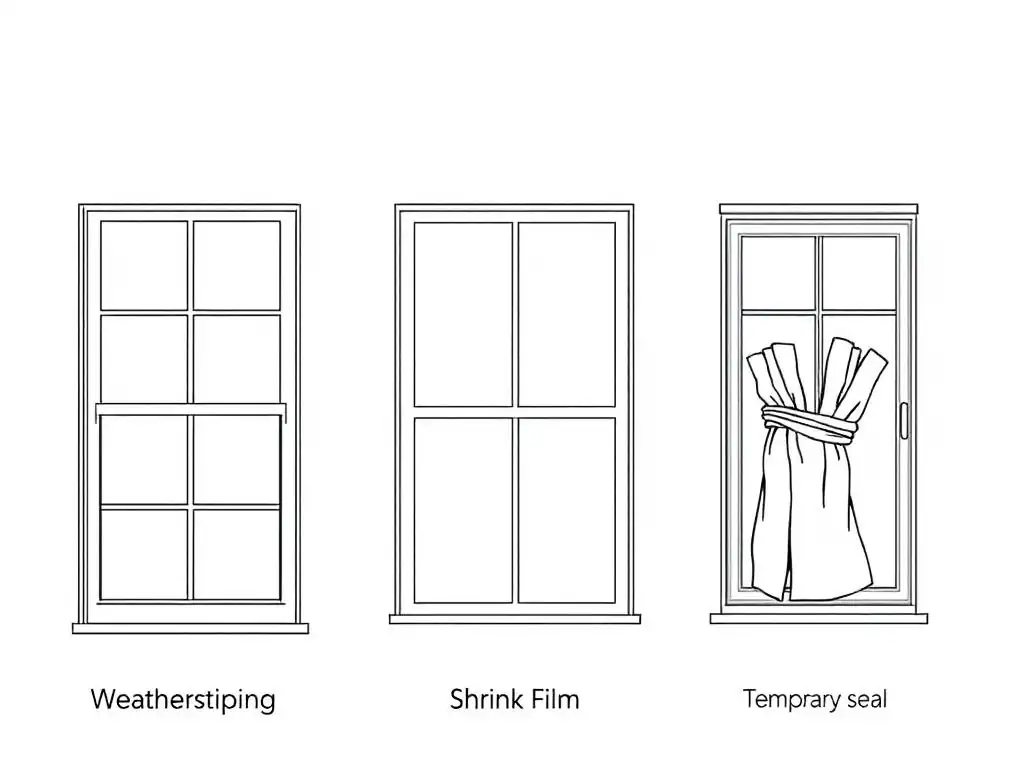
This section details practical, budget-friendly ways to tackle drafty windows, ultimately helping you fix drafty windows and save money. We'll explore several DIY solutions, focusing on their effectiveness and ease of implementation. Reducing drafts not only improves comfort but also significantly lowers your energy bills, making these fixes a worthwhile investment.
Weatherstripping: Types, Selection, and Installation
Weatherstripping is a simple yet highly effective method for sealing gaps around windows. Several types are available, each suited to different window types and gap sizes. Choosing the right weatherstripping is crucial for optimal results.
Types of Weatherstripping:
- Foam Tape: A readily available and inexpensive option, ideal for small gaps. It's easy to apply and provides a decent seal, but it's not as durable as other types and may need replacing annually. Look for foam tape specifically designed for exterior use to ensure it withstands the elements.
- Rubber or Vinyl Weatherstripping: More durable than foam, these options offer a longer lifespan. They come in various profiles (e.g., V-shaped, D-shaped, P-shaped) to accommodate different gap sizes and window styles. Proper installation is key to their effectiveness.
- Felt Weatherstripping: A softer option, felt is excellent for sealing larger gaps and provides a good seal against noise and drafts. It's less durable than rubber or vinyl but is still a cost-effective choice.
- Magnetic Weatherstripping: These strips use magnets to create a tight seal, ideal for windows that experience significant movement or vibration. They are generally more expensive but offer superior performance.
Selecting the Right Weatherstripping:
Before purchasing, carefully measure the gaps around your windows. This will help you choose the appropriate type and size of weatherstripping. Consider factors like the window material (wood, vinyl, aluminum), the size of the gaps, and your budget.
Installation:
The installation process varies slightly depending on the type of weatherstripping. Generally, it involves cleaning the window frame thoroughly, applying the weatherstripping according to the manufacturer's instructions, and pressing firmly to ensure a good seal. For best results, follow the instructions carefully and take your time. Proper installation is crucial for maximizing the effectiveness of your weatherstripping and achieving significant savings on your energy bills. Remember, this simple step in addressing how to fix drafty windows and save money can make a big difference!
Caulk and Sealant: Choosing the Right Product for the Job
Caulk and sealant are essential for sealing larger gaps and cracks around windows, preventing air infiltration. Choosing the right product is critical for ensuring a durable and effective seal.
Types of Caulk and Sealant:
- Acrylic Latex Caulk: A versatile and widely available option suitable for most exterior and interior applications. It's easy to apply and cleans up with water. However, it's not as durable as some other types and may need reapplication after a few years.
- Silicone Caulk: More durable than acrylic latex, silicone caulk is resistant to moisture and mildew, making it ideal for areas prone to water exposure. It's also more resistant to cracking and shrinking. However, it's more difficult to clean up and requires a specialized cleaner.
- Butyl Rubber Sealant: A highly durable and flexible sealant, butyl rubber is excellent for sealing large gaps and cracks. It's very resistant to weathering and aging, providing a long-lasting seal. However, it's more expensive than other options.
Choosing the Right Product:
Consider the size of the gap, the location of the window (exterior or interior), and the level of exposure to moisture when choosing a caulk or sealant. Read the product label carefully to ensure it's suitable for your specific application and environmental conditions. For exterior applications, always choose a caulk or sealant that is specifically designed for outdoor use. Properly sealing cracks will help you fix drafty windows and save money by reducing energy loss.
Window Insulation Film: Application and Effectiveness
Window insulation film is a thin, transparent plastic film that can be applied to the inside of windows to create an insulating layer. It helps to reduce drafts and improve energy efficiency, making it another effective method to fix drafty windows and save money.
Application:
Applying window insulation film involves cleaning the window surface thoroughly, measuring and cutting the film to size, applying double-sided tape to the film's edges, and carefully adhering it to the window. A hairdryer can help shrink the film and create a tighter seal. Detailed instructions usually come with the purchased kit.
Effectiveness:
Window insulation film can significantly reduce heat loss in winter and heat gain in summer. Studies show that it can improve energy efficiency by up to 20%, depending on the quality of the film and the installation. While it's not a permanent solution, it's a relatively inexpensive and easy-to-install option that can provide considerable savings on your energy bills.
Remember to remove the film carefully at the end of the season to avoid damage to your windows. This simple yet effective technique is another excellent way to fix drafty windows and save money. Consider this method as a temporary or supplemental solution to the more permanent fixes mentioned above.
More Advanced DIY Solutions for Drafty Windows
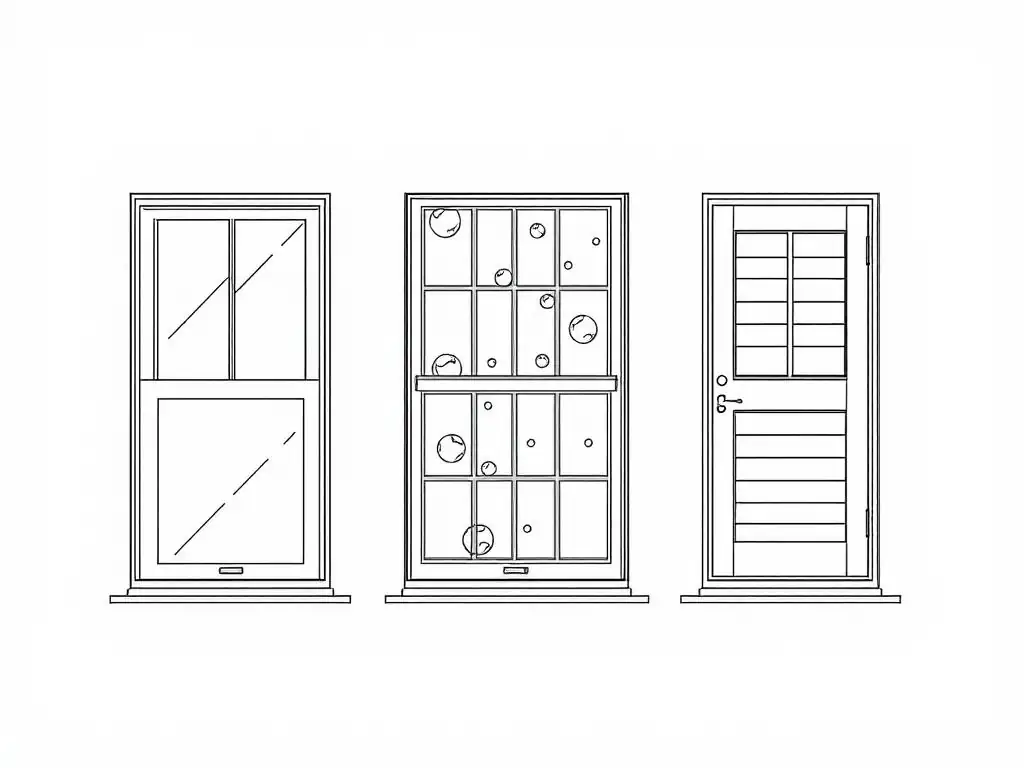
This section explores more involved DIY solutions for drafty windows, offering cost-effective alternatives to full window replacement. These methods are suitable for homeowners with moderate DIY skills and a willingness to invest some time and effort. Remember, safety is paramount; always prioritize personal safety and consider professional help if you feel uncomfortable performing any of these tasks. Successfully implementing these solutions can significantly contribute to reducing energy bills and improving home comfort, directly addressing the core goal of "fix drafty windows save money."
Repairing Damaged Window Frames: Wood and Vinyl Repair Techniques
Drafty windows often stem from damaged or deteriorated window frames. Wood frames, susceptible to rot and warping, require different treatment than vinyl frames, which can crack or become loose.
Wood Frame Repair: Begin by assessing the damage. Minor cracks can often be filled with wood filler, ensuring a smooth and even surface after drying. For more significant rot, you may need to carefully chisel out the affected area, ensuring you remove all compromised wood. Then, apply a wood hardener to the exposed area before filling with epoxy wood filler, which offers superior strength and durability compared to standard wood filler. Finally, sand the repaired area smooth and repaint or re-stain to match the existing frame. This meticulous approach helps to prevent further deterioration and significantly reduces drafts.
Vinyl Frame Repair: Vinyl frames are more resistant to rot but can crack or become loose. Cracks can often be repaired using a high-quality vinyl repair kit. These kits typically include a patching compound designed to adhere to the vinyl and match its color. For loose frames, you might need to carefully tighten screws or use construction adhesive to re-secure them.
Remember, proper surface preparation, including cleaning the affected area, is crucial for successful repair. A clean, dry surface ensures optimal adhesion of the repair material. Addressing these issues proactively helps to achieve the goal of "fix drafty windows save money" by preventing further damage and costly replacements.
Replacing Broken Window Panes: A Cost-Effective Approach
Replacing a broken window pane is a more involved task but can be significantly cheaper than replacing the entire window unit. This is especially beneficial for older homes with unique or hard-to-find window styles. The process involves carefully removing the old pane, measuring the exact dimensions, and ordering a replacement from a glass supplier. You'll need appropriate tools, including a glazing knife and putty, to securely install the new pane.
Before starting, take detailed measurements of the broken pane to ensure the replacement fits perfectly. Accurate measurements are crucial to avoid further drafts and ensure a snug fit. When selecting a replacement pane, consider energy-efficient options like insulated glass units (IGUs) to maximize energy savings. IGUs contain multiple layers of glass separated by an air or gas-filled space, significantly improving insulation and reducing heat transfer.
Choosing such panes significantly contributes to the "fix drafty windows save money" objective. Furthermore, accurate installation is essential to prevent future issues. A poorly installed pane can lead to drafts, water leakage, and ultimately, more extensive and costly repairs.
Installing New Weatherstripping: A Comprehensive Guide
Weatherstripping is a simple yet highly effective method to seal gaps around window frames, preventing drafts and improving energy efficiency. Various types of weatherstripping are available, each with its advantages and disadvantages.
- Foam Tape: This is the easiest option, suitable for smaller gaps. However, it may not be durable for long-term use.
- Rubber or Vinyl Weatherstripping: More durable than foam tape and available in various profiles to fit different window types. Choose a profile that fits snugly against the frame and sash.
- Felt Weatherstripping: A cost-effective option, but it might not offer the same level of sealing as rubber or vinyl.
- Silicone Caulk: Excellent for sealing larger gaps and cracks, but requires more skill for neat application.
Before installing new weatherstripping, carefully clean the window frame to ensure proper adhesion. Follow the manufacturer's instructions for installation, paying close attention to proper alignment and pressure. Regular inspection and occasional replacement of the weatherstripping are necessary to maintain its effectiveness and continue to achieve "fix drafty windows save money" goals. A well-maintained seal around your windows ensures that your efforts to improve home insulation are consistently effective. Remember, a small investment in weatherstripping can yield significant long-term savings on energy bills.
Saving Money by Fixing Drafty Windows Yourself
This section focuses on the financial advantages of tackling drafty windows yourself, directly addressing the keyword phrase "fix drafty windows save money." By understanding the potential energy savings and comparing DIY costs to professional services, you can make an informed decision about the best course of action for your home.
Calculating Energy Savings from Reduced Drafts
Fixing drafty windows can lead to significant energy savings. The amount you save depends on several factors, including the severity of the drafts, the size of your windows, your climate, and your energy rates. Let's explore a practical example.
Imagine you have two large windows (each 3ft x 5ft) that leak significant amounts of cold air during winter. Assume your average winter temperature is 30°F (-1°C) outside and 68°F (20°C) inside. A poorly sealed window might lose approximately 10 BTU (British Thermal Units) per hour per square foot. This translates to a heat loss of roughly 300 BTU/hour per window (10 BTU/sq ft * 15 sq ft). With two windows, that's 600 BTU/hour.
Over a 24-hour period, that's 14,400 BTU. Considering a typical heating system efficiency of 80%, you’d essentially need 18,000 BTU of energy to compensate for this heat loss. If your gas furnace has a cost of $1.00 per therm (100,000 BTU), you're looking at a daily cost of approximately $0.18 ($1.00/therm * 18,000 BTU/100,000 BTU). Over a three-month winter, this adds up to roughly $16.20. This is a conservative estimate. Actual savings can be much higher depending on the severity of the drafts and your heating system's efficiency.
This calculation demonstrates the potential for significant energy cost reduction by simply fixing those drafty windows. Remember to adjust these figures based on your specific circumstances. You can find BTU loss calculators online to help refine your estimates.
Comparing DIY Costs to Professional Window Repair
Professional window repair or replacement can be expensive. The costs vary dramatically based on the type of window, the extent of the damage, and your location. A simple repair might cost a few hundred dollars, while a full replacement could run into the thousands.
DIY solutions, on the other hand, are significantly more affordable. Many fixes, such as applying weatherstripping or caulking, involve materials costing only a few dollars to a few tens of dollars. Even more involved repairs, like replacing broken window panes, are generally cheaper than professional services. The main cost in DIY is your time.
Here's a table comparing approximate costs:
| Repair Method | DIY Cost (materials) | Professional Cost (estimate) |
|---|---|---|
| Weatherstripping | $5 - $20 | $50 - $150 |
| Caulking | $10 - $30 | $75 - $200 |
| Replacing Window Pane | $50 - $150 | $200 - $500+ |
The table above showcases the potential for significant cost savings by taking the DIY route. Remember that professional costs can vary widely depending on location and the complexity of the job.
Long-Term Benefits of DIY Window Repair: Increased Home Value and Comfort
Beyond immediate cost savings, addressing drafty windows offers long-term advantages. A well-maintained home is more attractive to potential buyers, increasing its resale value. Buyers appreciate homes that are energy-efficient and comfortable. By fixing those drafts yourself, you're not only saving money now but also adding value to your property for the future.
Furthermore, the increased comfort resulting from reduced drafts is invaluable. A warmer home in winter and cooler home in summer translates to a more pleasant living environment. This improved comfort contributes to a higher quality of life, making your home a more enjoyable and relaxing space. The reduction in noise pollution from outside is another often overlooked benefit of properly sealed windows. This quieter environment contributes to a more peaceful and restful home. Investing a small amount of time and money in DIY window repair provides both financial and comfort-related returns that extend far beyond the initial investment.
Preventing Future Drafty Windows
This section focuses on proactive measures to minimize drafts and maximize energy efficiency, ultimately saving you money on your energy bills year after year. Ignoring window maintenance can lead to increased energy consumption and costly repairs down the line. By implementing these preventative strategies, you're not just fixing existing drafts, you're actively preventing future problems associated with drafty windows and saving money in the long run. This is crucial for anyone looking to improve their home's energy performance and reduce their carbon footprint.
Regular Window Maintenance: Cleaning and Inspection
Regular cleaning and inspection are fundamental to preventing drafty windows. Dirt and grime can accumulate around window frames, compromising the seal and allowing cold air to seep in. A yearly deep clean, at minimum, is recommended. This involves more than just wiping the glass. Pay close attention to the window frames, tracks, and seals.
Here's a step-by-step guide:
- Remove Debris: Use a soft brush or vacuum cleaner to remove loose dirt, dust, leaves, and other debris from the window tracks and frames.
- Clean Frames: Use a mild detergent and warm water solution to clean the window frames thoroughly. Avoid harsh chemicals that could damage the paint or sealant.
- Inspect Seals: Carefully examine the weatherstripping and caulking around the window frames for any cracks, gaps, or deterioration. Pay particular attention to areas where the seal meets the window frame. Any signs of damage should be addressed immediately.
- Lubricate Tracks: If your windows have tracks, lubricate them with silicone-based lubricant to ensure smooth operation and prevent sticking. This helps maintain a tight seal and prevents drafts.
- Check for Condensation: Excessive condensation on the windowpanes can indicate a problem with insulation or ventilation. This might require further investigation or professional help.
Regular inspections, ideally performed twice a year (spring and fall), allow for early detection of potential problems, preventing minor issues from escalating into costly repairs. This proactive approach is key to long-term savings and maintaining the integrity of your windows. Think of it as preventative maintenance for your home's energy efficiency.
Protecting Windows from Extreme Temperatures
Extreme temperatures, both hot and cold, can significantly impact window seals and contribute to drafts. Shielding your windows from direct sunlight and harsh weather conditions can prolong their lifespan and minimize energy loss.
- Sun Protection: During hot summer months, direct sunlight can heat the window glass, causing the surrounding frames to expand and contract, potentially weakening seals over time. Using external window shades or awnings helps regulate temperature fluctuations, protecting window frames from excessive heat and reducing the strain on seals.
- Winter Protection: In winter, cold temperatures can cause materials to contract, potentially creating gaps in window seals. Consider using insulating films or window coverings to create an additional barrier against cold air. These simple measures help reduce heat loss through the windows, keeping your home warmer and reducing your energy bills.
By implementing these protective measures, you're actively mitigating the impact of extreme temperatures on your windows, preventing damage, and ensuring they remain airtight and energy-efficient for years to come. This proactive approach is essential for anyone striving to fix drafty windows and save money. This is a simple yet effective way to improve your home's energy performance and lower your heating and cooling costs.
Investing in High-Quality Window Treatments
Investing in high-quality window treatments is a worthwhile investment that offers significant long-term benefits in terms of energy efficiency and cost savings. Beyond simple curtains, there are several options designed to minimize drafts and improve insulation.
- Cellular Shades (Honeycomb Shades): These shades are known for their excellent insulating properties. The honeycomb design traps air, creating an insulating barrier that reduces heat transfer.
- Thermal Curtains: Heavier curtains, especially those with thermal lining, provide an additional layer of insulation, reducing drafts and heat loss during colder months.
- Insulating Window Films: These films are applied directly to the window glass and create an invisible barrier that helps reduce heat transfer. They are relatively inexpensive and easy to install.
Choosing the right window treatments depends on your specific needs and budget. However, investing in high-quality, energy-efficient options is a smart way to address drafts, improve comfort, and ultimately fix drafty windows and save money. The initial cost of these treatments is often offset by the long-term savings on energy bills. Furthermore, improved insulation contributes to a more comfortable and consistent indoor temperature throughout the year. This translates into a better living environment and significant cost savings on your heating and cooling expenses.
Frequently Asked Questions
How much money can I really save by fixing drafty windows?
You can save a significant amount, depending on the severity of the draft and your energy usage. Estimates range from 10-25% on your heating bill by effectively sealing drafty windows. This translates to substantial savings over the winter months.
What are the easiest DIY solutions for drafty windows?
Simple and inexpensive solutions include applying weatherstripping around the window frame, using caulk to seal gaps, and installing clear plastic film over the window. These methods are quick and effective.
Are there any permanent solutions for drafty windows besides replacement?
Yes, installing new window glazing or replacing the entire window sashes are more permanent options. While more costly upfront, they offer long-term energy savings and improved comfort.
How long do DIY window draft fixes usually last?
The lifespan varies depending on the method and materials used. Weatherstripping might need replacing annually, while caulk can last for several years. High-quality window film can last for a couple of winters.
What if my drafty windows are beyond simple DIY fixes?
If DIY solutions prove insufficient, consider professional help. A window repair specialist can assess the damage and suggest more permanent solutions, such as window repair or replacement, ensuring optimal energy efficiency.
Final Reflection: The Enduring Power of DIY Savings
The rising cost of energy makes tackling drafty windows not just a comfort issue, but a crucial step towards financial resilience. Ignoring those persistent chills translates directly to higher energy bills, a reality impacting households across the globe. This simple truth underscores the importance of the DIY solutions explored in this article.
The impact of readily accessible, cost-effective home improvement solutions like those discussed cannot be overstated. They empower homeowners to take control of their living spaces and their finances, fostering a sense of self-reliance and resourcefulness. This resonates deeply with the growing movement towards sustainable living and mindful consumption. The best things in life are free. The second best are very expensive.
– Coco Chanel. While not entirely free, the DIY approach to fixing drafty windows offers a significantly more affordable alternative to professional repairs, aligning perfectly with the spirit of this quote.
Now, consider your own windows. Are they letting precious warmth (and money) escape? I encourage you to take a moment to assess your home's energy efficiency. Even small changes, like applying weatherstripping or installing window film, can make a noticeable difference in your comfort and your bank account. Embrace the power of DIY – it's not just about saving money; it's about reclaiming control and building a more sustainable, comfortable future for yourself and your family.
Unleash the Cozy: Conquer Drafts & Save!
Thank you for learning how to eliminate those pesky drafts! You've discovered a great way to increase comfort and save money. Now, let's put that knowledge to work.
Here's your next step:
- Tackle your draftiest window first: Identify the window letting in the most cold air and apply the most effective solution from the article – whether it's weatherstripping, window film, or a homemade draft stopper. This will make the biggest difference!
- Share your results: Tell us about your experience in the comments below. What worked best? What surprised you?
- Spread the word: Do your friends struggle with drafts? Share this article and help them save money and energy, too!
Ready to experience the difference a draft-free home can make? What's your first step towards a cozier, more energy-efficient space?