
Maximize Appliance Lifespan: Preventative Maintenance and DIY Repair Tips

Tired of constantly replacing broken appliances? Discover the secrets to dramatically extending appliance lifespan easily, saving you money and frustration. UltimateLifeHacks delivers practical, actionable advice and DIY solutions to optimize your daily routines and boost your home's efficiency. Dive in and unlock the simple strategies to keep your appliances running smoothly for years to come – because who has time (or money) for unexpected repairs?
- Extend Appliance Lifespan Easily: Preventative Maintenance Strategies
- Extend Appliance Lifespan Easily: Common Appliance Problems & DIY Solutions
- DIY Appliance Repair: Essential Tools and Safety Precautions
- Boosting Appliance Lifespan: Energy Efficiency and Smart Usage
- Extend Appliance Lifespan Easily: Long-Term Cost Savings
- Extend Appliance Lifespan Easily: Resources and Further Reading
-
Frequently Asked Questions
- How can I extend the lifespan of my refrigerator?
- What simple maintenance tasks can I do to extend the lifespan of my washing machine?
- My dishwasher isn't cleaning properly. What should I do before calling a repairman?
- How can I prevent premature failure of my oven?
- Are there any DIY repairs I can attempt before calling a professional for my appliances?
- Final Reflection: Extending the Life of Our Machines, Extending Our Resources
- Unlock Your Appliance's Full Potential!
Extend Appliance Lifespan Easily: Preventative Maintenance Strategies
Extending the lifespan of your household appliances is not only environmentally responsible but also saves you significant money in the long run. Replacing appliances frequently puts a strain on your budget and contributes to electronic waste. This comprehensive guide provides practical, actionable steps to significantly extend the life of your refrigerators, washing machines, ovens, and other essential appliances. We'll explore preventative maintenance techniques, simple DIY repair strategies, and the importance of understanding your appliance's manual.
By implementing these easy-to-follow tips, you can significantly reduce repair costs and enjoy the reliable performance of your appliances for years to come. Learning to effectively "Extend appliance lifespan easily" is a valuable skill for any homeowner looking to maximize their investments and minimize their environmental impact. This guide focuses on proactive strategies, empowering you to take control of your appliance maintenance and become a more efficient and resourceful homeowner.
Regular Cleaning for Optimal Appliance Performance
Regular cleaning is the cornerstone of appliance longevity. Neglecting this crucial aspect can lead to malfunctions, reduced efficiency, and ultimately, premature failure. Different appliances require specific cleaning methods, but some general principles apply across the board. For example, regularly cleaning your refrigerator coils improves cooling efficiency, preventing the compressor from working harder than necessary and reducing energy consumption. This simple task can add years to your refrigerator's life. 🧼
Consider these cleaning schedules and techniques:
- Refrigerator: Clean the coils monthly using a coil brush and vacuum cleaner. Wipe down the interior weekly, and deep clean it quarterly. Remember to check and clean the drip pan under the refrigerator as well.
- Washing Machine: Run a monthly cleaning cycle with washing machine cleaner to remove detergent buildup and prevent mold growth. Wipe down the rubber gasket after each wash to prevent mildew.
- Dishwasher: Run a monthly cleaning cycle with dishwasher cleaner or white vinegar to remove food residue and grease buildup. Clean the filter regularly.
- Oven: Regularly wipe down spills and baked-on food to prevent excessive buildup. Consider a deep clean every 3-6 months depending on usage.
- Microwave: Wipe down the interior after each use to prevent splatters from hardening and becoming difficult to remove.
Failing to perform these basic cleaning tasks can lead to significant problems. For instance, a clogged refrigerator coil can cause the compressor to overheat and fail prematurely. Similarly, a buildup of detergent in a washing machine can damage the internal components. Regular cleaning is a small investment that yields significant returns in terms of appliance lifespan and performance.
Preventing Appliance Breakdown: Proactive Maintenance Schedules
Proactive maintenance is key to preventing costly repairs and extending the life of your appliances. This involves more than just regular cleaning; it also includes inspecting components and performing minor adjustments as needed. Creating a maintenance schedule tailored to your specific appliances is highly recommended. 🗓️
Here’s a sample schedule:
| Appliance | Monthly Check | Quarterly Check | Yearly Check |
|---|---|---|---|
| Refrigerator | Check door seals, clean coils | Deep clean interior, check water filter (if applicable) | Check compressor for unusual noises, inspect seals |
| Washing Machine | Run cleaning cycle, check hoses | Inspect hoses for cracks or leaks | Check drain hose for clogs |
| Dishwasher | Run cleaning cycle, clean filter | Inspect spray arms for clogs | Check water supply line for leaks |
| Oven | Wipe down spills | Deep clean interior, check heating elements | Inspect door seals, check self-cleaning function |
Regularly checking these components can help identify potential problems early on, preventing them from escalating into major breakdowns. For example, a small leak in a washing machine hose can be easily fixed, but if left unattended, it can lead to significant water damage.
Understanding Your Appliance's Manual: Key to Longevity
Often overlooked, the appliance manual is a goldmine of information crucial for extending the lifespan of your appliances. It contains detailed instructions on proper usage, cleaning, and troubleshooting. Taking the time to read and understand your appliance's manual is an investment that pays off in the long run. 📖
The manual typically includes:
- Troubleshooting guides: These sections provide solutions to common problems, often preventing the need for costly repairs.
- Cleaning instructions: Detailed instructions on how to effectively clean specific components, optimizing performance and longevity.
- Maintenance schedules: Recommended maintenance tasks and their frequency, ensuring optimal appliance performance.
- Safety precautions: Important safety guidelines to prevent accidents and damage.
By carefully following the instructions outlined in your appliance's manual, you can significantly improve the longevity and performance of your appliances. Don't underestimate the value of this often-discarded resource; it's your key to appliance mastery!
The Importance of Proper Ventilation for Appliance Efficiency
Proper ventilation is often overlooked but plays a crucial role in extending the lifespan of many appliances. Insufficient airflow can lead to overheating, a major culprit in premature appliance failure. This is particularly true for appliances that generate significant heat, such as ovens, refrigerators, and washing machines.
Overheating stresses internal components, causing them to wear out faster. For example, a refrigerator's compressor works harder when it's not adequately ventilated, leading to increased energy consumption and a shorter lifespan. The compressor, a vital part of the refrigeration cycle, is particularly susceptible to damage from excessive heat. Continuous high temperatures can cause the motor to seize, requiring costly repairs or replacement.
Similarly, ovens rely on proper ventilation to dissipate heat efficiently. A buildup of heat can damage the heating elements, the fan motor, and even the oven's internal wiring. This can manifest as uneven cooking, reduced heating efficiency, and ultimately, complete failure of the oven. Regularly checking the vents and ensuring they are free from obstructions is a simple yet highly effective preventative measure.
Even seemingly less heat-intensive appliances like washing machines benefit from good ventilation. The motor and other internal components can overheat if the machine is placed in a poorly ventilated area, particularly if it's a front-loading machine that generates more heat during the washing cycle. This can lead to reduced efficiency and potential damage to the machine's internal workings, ultimately shortening its lifespan. Ensuring adequate space around the washing machine for airflow is crucial.
Think of ventilation as the appliance's "breathing system." Just like humans need fresh air to function optimally, appliances need proper airflow to prevent overheating and maintain peak performance. By prioritizing good ventilation, you significantly contribute to extending the lifespan of your valuable appliances and avoiding costly repairs or premature replacements. This simple step is a cornerstone of effective appliance maintenance and a key strategy in extending their lifespan easily.
Extend Appliance Lifespan Easily: Common Appliance Problems & DIY Solutions
This section focuses on practical, actionable steps you can take to significantly extend appliance lifespan easily. We'll explore common issues, preventative maintenance strategies, and simple DIY repair techniques to keep your appliances running smoothly for years to come. Prolonging the life of your appliances not only saves you money on replacements but also reduces your environmental impact. Let's dive into some specific examples.
Refrigerator Repair Tips: Troubleshooting Common Issues
Refrigerators are workhorses in the kitchen, constantly working to keep your food fresh. Understanding common problems and how to address them can prevent costly repairs or premature replacement. One frequent issue is a malfunctioning defrost system. This often manifests as excessive ice buildup or a refrigerator that isn't cooling properly.
Before calling a repair technician, check the following:
- Inspect the defrost drain: A clogged drain can prevent proper defrosting. Locate the drain (usually at the back of the freezer compartment) and carefully clear any obstructions with a thin, flexible tool. A simple solution of hot water and baking soda poured down the drain can also help.
- Examine the evaporator fan: This fan circulates cold air within the freezer. If it's not working correctly, the freezer may not cool properly. Listen for unusual noises or a lack of airflow. If you're comfortable doing so, you can check the fan motor for any obvious damage. However, more complex repairs should be left to professionals.
- Check the condenser coils: These coils release heat from the refrigerator. Dust buildup significantly reduces their efficiency. Regular cleaning (at least twice a year) with a vacuum cleaner brush attachment can dramatically improve performance and extend appliance lifespan easily.
Another common problem is a leaking refrigerator. This could stem from a variety of sources, including a faulty water line, a cracked ice maker, or a damaged door seal. Inspect these areas carefully, and if a leak is found, immediately address it to prevent further damage. Remember, water damage can cause significant and costly issues.
Washing Machine Maintenance and Simple Fixes
Washing machines, essential for laundry day, can also encounter problems that impact their lifespan. Regular maintenance is key to extend appliance lifespan easily and avoid costly repairs. Here's how to tackle some common issues:
- Unbalanced loads: Overloading or unevenly distributing clothes can cause vibration and damage the machine's components. Always follow the manufacturer's guidelines for load size and distribution.
- Clogged drain pump: Hair, lint, and other debris can clog the drain pump, reducing drainage efficiency and potentially damaging the pump. Regularly check the drain pump filter (location varies depending on the model) and clean it as needed.
- Unusual noises: Loud banging, grinding, or squealing noises indicate potential problems. These sounds might point to worn-out bearings, a loose belt, or other mechanical issues. While some minor adjustments might be possible, significant mechanical problems often require professional attention.
Dishwasher Troubleshooting and DIY Repairs: Clogged Spray Arm Repair
Dishwashers, while convenient, can also fall victim to clogs and malfunctions. Addressing these issues promptly helps extend appliance lifespan easily. A common and relatively easy fix involves dealing with a clogged spray arm.
A clogged spray arm prevents proper water distribution, leading to poorly cleaned dishes. To address this:
- Remove the spray arm: Most spray arms can be easily unscrewed and removed.
- Clean the spray arm: Use a small brush or toothpick to clear any food particles, grease, or other debris from the spray arm's nozzles. Soaking the spray arm in a solution of hot water and vinegar can further loosen stubborn clogs.
- Inspect the spray arm for damage: Check for any cracks or breaks in the spray arm. If damage is found, replacement might be necessary.
- Reinstall the spray arm: Once the spray arm is clean and dry, carefully reinstall it, ensuring it's securely attached.
Regular cleaning of the dishwasher filter and ensuring proper loading of dishes will also contribute to better performance and a longer lifespan. Remember, preventative maintenance is the best way to extend appliance lifespan easily.
Oven Repair: Addressing Heating and Cleaning Problems
Ovens, the heart of many kitchens, often suffer from heating inconsistencies and stubborn baked-on grime. Addressing these issues proactively can significantly extend your oven's lifespan and prevent costly repairs. Heating problems frequently stem from faulty heating elements. These elements, typically located at the bottom and sometimes the top of the oven, generate the heat for cooking. A malfunctioning element might manifest as uneven heating, slow cooking times, or complete failure to heat.
Before calling a repair technician, visually inspect the heating elements. Look for any visible damage like cracks, burns, or broken wires. If you spot damage, replacing the element is often a straightforward DIY project, with replacement parts readily available online or at appliance parts stores. Remember to always disconnect the power supply before attempting any repairs.
Cleaning is another crucial aspect of oven maintenance. Neglecting regular cleaning can lead to a build-up of grease and food particles, impacting heating efficiency and potentially causing fires. For light cleaning, a simple solution of baking soda and water applied to the oven interior can work wonders.
Let it sit for several hours or overnight, then scrub with a non-abrasive sponge or cloth. For more stubborn stains, commercial oven cleaners are available, but always follow the manufacturer's instructions meticulously, ensuring proper ventilation. Regular cleaning, even if it's just wiping down spills immediately, will prevent the accumulation of grime and extend the life of your oven significantly.
Remember to always check the oven's manual for specific cleaning instructions to avoid damaging internal components. Proper cleaning and timely element replacement are key strategies to extend your oven's lifespan easily. Addressing these problems promptly can prevent more serious and costly issues down the line.
Microwave Repair: Addressing Power and Functionality Issues
Microwaves, while seemingly simple appliances, can also encounter issues that affect their performance and longevity. The most common problems involve power and functionality. A microwave that doesn't power on at all might indicate a problem with the power cord, the outlet, or the internal power supply. Carefully check the power cord for any visible damage, frayed wires, or loose connections. Try plugging the microwave into a different outlet to rule out an issue with the original socket.
If neither of these solves the problem, it's likely a more serious internal issue requiring professional repair or replacement. However, minor issues such as a faulty door latch can be easily diagnosed and sometimes fixed with DIY methods. A faulty door latch may prevent the microwave from operating correctly due to safety mechanisms. Check the latch mechanism for any damage and ensure it closes securely.
Functionality issues might manifest as uneven heating, slow cooking times, or the microwave not heating at all. These problems could be caused by a faulty magnetron, which is the core component that generates microwaves. Replacing a magnetron is a complex task requiring technical expertise and should generally be left to professionals. However, before resorting to professional help, inspect the turntable motor and ensure it's functioning correctly.
A malfunctioning turntable motor can lead to uneven heating. Simple issues like a clogged ventilation system, where food particles build up, can also impact heating performance. Cleaning the ventilation system might resolve the problem.
Remember that working with high-voltage components in a microwave can be dangerous, so if you are not experienced with electrical repairs, it is best to seek professional assistance. Regular cleaning and prompt attention to minor issues significantly contribute to extending the microwave's lifespan easily. Proper maintenance is key to preventing more extensive and expensive repairs.
DIY Appliance Repair: Essential Tools and Safety Precautions
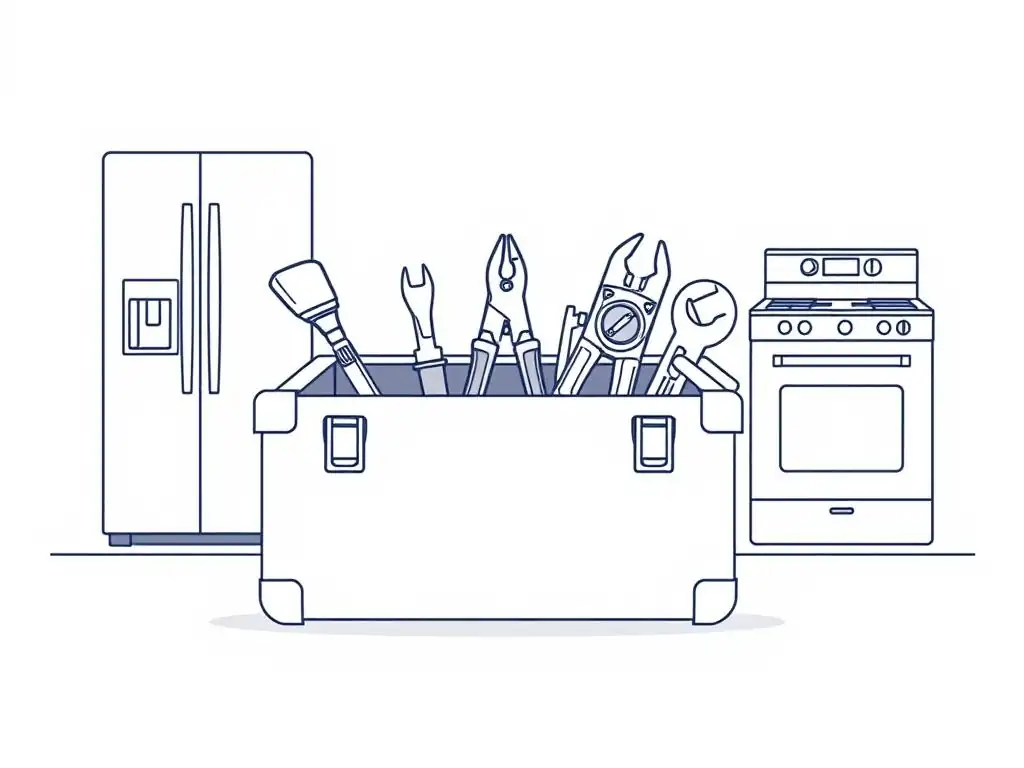
This section focuses on equipping you with the knowledge and tools necessary to tackle basic appliance repairs, thereby extending appliance lifespan easily. Remember, safety is paramount. Always prioritize your safety and the safety of your appliances.
Gathering the Necessary Tools for Basic Appliance Repairs
Before embarking on any DIY appliance repair, assembling the right tools is crucial. This prevents delays and ensures you have everything needed to complete the job efficiently and safely. A well-stocked toolkit will significantly improve your chances of success and minimize frustration. Here's a list of essential tools for common appliance repairs:
- Basic Hand Tools: Screwdrivers (Phillips and flathead, various sizes), pliers (needle-nose and slip-joint), adjustable wrench, hammer, utility knife.
- Electrical Tools (Use with caution!): Multimeter (for checking voltage and continuity), wire strippers/cutters, electrical tape. Never work on appliances with power still connected.
- Specialized Tools (Depending on the repair): Vacuum cleaner with a hose attachment (for cleaning out debris), replacement parts (always source genuine parts), sealant, lubricant.
- Safety Gear: Safety glasses, work gloves, insulated gloves (for electrical work).
Investing in a good quality tool set is a worthwhile investment. While you might not need every tool for every repair, having a range of options readily available simplifies the process and helps you extend appliance lifespan easily. Consider organizing your tools in a toolbox or rolling cart for easy access.
Safety First: Protecting Yourself While Performing Appliance Repairs
Working with appliances involves potential hazards, especially when dealing with electricity and moving parts. Prioritizing safety is not just prudent; it's essential to prevent injury and damage. Here's a detailed breakdown of safety measures:
- Disconnect Power: Before starting any repair, always disconnect the appliance from the power source. This means unplugging it from the wall outlet and turning off the circuit breaker at the electrical panel. This single step is the most effective way to prevent electrical shocks.
- Water Safety: If dealing with a water-using appliance (dishwasher, washing machine), ensure it's completely disconnected from the water supply. Turn off the water valves and drain any remaining water.
- Sharp Objects: Be mindful of sharp edges and points on tools and appliance components. Use gloves to protect your hands and always handle parts carefully.
- Proper Ventilation: Some repairs might involve working with chemicals or solvents. Ensure adequate ventilation to prevent inhaling harmful fumes. Work in a well-ventilated area or use a respirator if necessary.
- Know Your Limits: If you encounter a situation you're unsure about, stop and seek professional help. Improper repairs can lead to further damage or create safety hazards.
When to Call a Professional: Recognizing Limits of DIY Repairs
While many simple appliance repairs are manageable for DIY enthusiasts, recognizing the limits of your skills is crucial. Attempting complex repairs without the necessary expertise can lead to further damage, increased costs, and potential safety risks. Here are some scenarios where calling a professional is recommended:
- Complex Electrical Issues: If you're dealing with significant electrical problems, such as faulty wiring, burnt-out motors, or issues with the control board, it's best to contact a qualified appliance repair technician. These repairs often require specialized knowledge and tools.
- Major Mechanical Failures: Severe mechanical damage, such as broken components, significant leaks, or malfunctions in critical systems, necessitates professional intervention. Attempting to repair these issues without proper training could worsen the problem.
- Gas Appliances: Never attempt to repair gas appliances yourself. Improper repairs can lead to gas leaks, explosions, and serious injury. Gas appliance repair should always be handled by a licensed professional.
- Lack of Confidence: If you're unsure about any aspect of the repair, it's better to err on the side of caution and call a professional. Their expertise ensures the job is done correctly and safely, ultimately helping you extend appliance lifespan easily. A small investment in professional service can save you money and frustration in the long run.
Boosting Appliance Lifespan: Energy Efficiency and Smart Usage
This section focuses on practical strategies to extend the lifespan of your appliances by focusing on energy efficiency and smart usage patterns. By implementing these techniques, you'll not only save money on your energy bills but also significantly reduce wear and tear on your valuable home appliances, effectively extending their lifespan and delaying the need for costly repairs or replacements. This contributes directly to achieving the goal of extending appliance lifespan easily.
Energy-Saving Habits to Extend Appliance Life
Adopting energy-conscious habits is crucial for maximizing appliance lifespan. Small changes in daily routines can cumulatively lead to significant improvements in appliance longevity. Consider these key strategies:
- Unplug infrequently used appliances: Many appliances continue to draw power even when turned off ("phantom load"). Unplugging chargers, coffee makers, and other infrequently used appliances when not in use can prevent unnecessary energy drain and reduce internal component heating, prolonging their lifespan.
- Avoid overloading appliances: Overloading washing machines, dryers, and dishwashers strains their motors and components, leading to premature wear and tear. Following manufacturer-recommended load sizes is key to preventing this issue. For example, a washing machine overloaded by 20% can increase energy consumption by 15% and significantly shorten its lifespan.
- Regular cleaning: Regular cleaning prevents buildup of lint, dust, and grime that can impede performance and increase energy consumption. A clogged dryer vent, for example, can lead to overheating and potential fire hazards, drastically shortening the dryer's life. Similarly, a refrigerator's condenser coils should be cleaned regularly to ensure efficient cooling. This extends appliance lifespan easily and improves overall efficiency.
- Optimal temperature settings: Using appropriate temperature settings for appliances like refrigerators, ovens, and washing machines minimizes energy consumption and reduces stress on internal components. Setting your refrigerator temperature to 37-38°F (3-4°C) and your freezer to 0°F (-18°C) is generally recommended.
Smart Usage Techniques: Optimizing Appliance Performance
Beyond energy conservation, smart usage practices directly impact appliance longevity. These techniques minimize strain and optimize performance, contributing to extended lifespan:
- Proper appliance placement: Ensure adequate ventilation around appliances like refrigerators and ovens to prevent overheating. Avoid placing appliances near heat sources or in direct sunlight.
- Correct loading techniques: Load dishwashers and washing machines correctly to ensure even distribution and efficient cleaning. Avoid overcrowding or stacking items inappropriately.
- Gentle handling: Avoid slamming doors or drawers on refrigerators, dishwashers, and other appliances. Rough handling can damage internal components and hinges, shortening their lifespan.
- Addressing minor issues promptly: Minor issues like a leaky faucet on a dishwasher or a loose handle should be addressed immediately. Neglecting small problems can lead to more significant damage over time, ultimately impacting the appliance's lifespan. Addressing these issues promptly contributes to extending appliance lifespan easily.
Understanding Appliance Wattage and Energy Consumption
Appliance wattage and energy consumption are directly related to their lifespan. Higher wattage appliances often consume more energy and generate more heat, increasing the strain on internal components. Understanding these factors is crucial for making informed purchasing decisions and extending appliance lifespan easily.
| Appliance Type | Typical Wattage Range | Impact on Lifespan |
|---|---|---|
| Refrigerator | 150-700 Watts | Higher wattage leads to increased energy consumption and potential overheating. |
| Washing Machine | 500-1500 Watts | Overloading increases wattage demands and reduces lifespan. |
| Dishwasher | 1200-1800 Watts | Similar to washing machines, overloading impacts lifespan. |
| Oven | 2000-5000 Watts | High wattage generates significant heat; proper ventilation is crucial. |
By understanding the energy consumption of your appliances and employing the techniques discussed, you can effectively extend appliance lifespan easily and significantly reduce your overall energy costs. Remember, proactive maintenance and mindful usage are key to ensuring your appliances last longer and perform optimally.
Extend Appliance Lifespan Easily: Long-Term Cost Savings

Extending the lifespan of your appliances is more than just a matter of convenience; it's a significant step towards long-term cost savings. By proactively implementing preventative maintenance and mastering basic DIY repairs, you can dramatically reduce the frequency of costly replacements. This section explores how simple actions translate into substantial financial benefits over the years. The goal is to extend appliance lifespan easily and efficiently.
The Financial Benefits of Preventative Appliance Maintenance
Preventative maintenance is the cornerstone of extending appliance lifespan easily. Regular cleaning, minor adjustments, and timely part replacements prevent small issues from escalating into major, expensive breakdowns. Consider these financial advantages:
- Reduced Repair Bills: Addressing minor problems promptly often prevents more extensive (and costly) repairs down the line. A simple cleaning of a refrigerator coil, for instance, can prevent overheating and potential compressor failure – a repair that could cost hundreds of dollars.
- Extended Appliance Lifespan: By consistently performing preventative maintenance, you can add years to the life of your appliances. This significantly delays the need for a costly replacement, saving you thousands of dollars over the appliance's lifetime. Think of it as an investment in your budget.
- Lower Energy Bills: Clean appliances operate more efficiently, consuming less energy. This translates into lower monthly utility bills, contributing to overall long-term savings. A clogged dryer vent, for example, can increase energy consumption by up to 30%.
- Warranty Preservation: Many appliance warranties are voided if repairs are not performed by authorized technicians or if preventative maintenance is neglected. By adhering to manufacturer recommendations, you protect your investment and maintain warranty coverage.
Let's illustrate with a concrete example. Imagine a washing machine needing a new pump. A timely preventative check might have identified a minor leak, costing only a few dollars to fix. Neglecting this could lead to a pump failure costing several hundred dollars. This highlights the importance of proactive maintenance in extending appliance lifespan easily.
Comparing Repair Costs vs. Replacement Costs
Before undertaking a repair, it's crucial to weigh the cost of repair against the cost of replacement. This comparison is vital in determining the best course of action.
| Appliance | Average Repair Cost | Average Replacement Cost | Repair vs. Replacement |
|---|---|---|---|
| Refrigerator | $150 - $500 | $800 - $2000 | Repair often more cost-effective 💰 |
| Washing Machine | $100 - $400 | $700 - $1500 | Repair often more cost-effective 💰 |
| Dishwasher | $120 - $350 | $600 - $1200 | Repair often more cost-effective 💰 |
| Oven | $150 - $600 | $900 - $2500 | Repair can be cost-effective depending on the issue ⚖️ |
| Dryer | $100 - $400 | $600 - $1200 | Repair often more cost-effective 💰 |
Note: These are average costs and can vary depending on the specific appliance, the severity of the problem, and your location. Always obtain multiple quotes before committing to a repair or replacement. The goal is always to extend appliance lifespan easily and cost-effectively.
Investing in Quality Appliances: A Long-Term Strategy
While the initial cost might be higher, investing in high-quality appliances from reputable brands is a long-term strategy that ultimately saves money. These appliances are often built to last longer, requiring fewer repairs and replacements over their lifespan. Features like robust construction, durable materials, and efficient energy consumption contribute to their longevity. Consider these aspects:
- Warranty Length: Longer warranties indicate the manufacturer's confidence in the appliance's durability.
- Consumer Reviews: Researching consumer reviews can provide valuable insights into the reliability and lifespan of specific appliance models.
- Energy Efficiency Ratings: Appliances with high energy efficiency ratings consume less energy, leading to lower utility bills over the appliance's lifespan.
By carefully considering these factors, you can make informed purchasing decisions that contribute significantly to extending appliance lifespan easily and maximizing your return on investment. The upfront cost of a higher-quality appliance is often offset by reduced repair costs and a longer operational life.
Extend Appliance Lifespan Easily: Resources and Further Reading
This section provides valuable resources and further reading materials to help you extend the lifespan of your appliances easily and effectively. We'll explore where to find reliable information, helpful tools, and additional learning opportunities to enhance your appliance maintenance skills. Remember, proactive maintenance is key to extending appliance lifespan easily and avoiding costly repairs.
Resources and Further Reading
Extending the life of your appliances requires a multifaceted approach, encompassing preventative maintenance, understanding your appliance's specific needs, and knowing where to turn for reliable information and repair guidance. Let's delve into some key resources:
Manufacturer Manuals: These are often overlooked goldmines of information. Your appliance's manual provides detailed instructions on proper usage, cleaning, and troubleshooting common issues. Finding and reading the manual is arguably the single best step you can take to extend appliance lifespan easily. Many manufacturers also offer online versions of their manuals, easily accessible through a simple web search using the brand and model number.
Online Forums and Communities: Dedicated online forums and communities offer a wealth of user-generated content, including troubleshooting tips, repair guides, and shared experiences. These platforms allow you to connect with other appliance owners, learn from their successes and mistakes, and even find solutions to problems you might be facing. Remember to always verify information found online with reputable sources.
YouTube Channels: Numerous YouTube channels are dedicated to appliance repair and maintenance. These channels often feature video tutorials that visually guide you through various repair and maintenance procedures. However, exercise caution and choose channels with a proven track record of providing accurate and safe information. Always prioritize safety and turn to a professional if you're unsure about a particular repair.
Parts Suppliers: Knowing where to source replacement parts quickly and efficiently is crucial for successful DIY repairs. Several online and brick-and-mortar stores specialize in supplying appliance parts. Before ordering, ensure you have the correct model and part number to avoid delays and unnecessary expenses. A little research can save you significant money compared to calling a repair technician.
Books and Manuals on Appliance Repair: While online resources are readily available, dedicated books and manuals on appliance repair provide a comprehensive and structured approach to maintenance and repair. These books often include detailed diagrams, troubleshooting guides, and safety precautions, making them valuable resources for both beginners and experienced DIY enthusiasts.
Certified Technicians: While this section focuses on DIY solutions to extend appliance lifespan easily, it's crucial to acknowledge the role of certified technicians. For complex repairs or situations where safety is paramount, don't hesitate to contact a qualified professional. They possess the expertise and tools to handle intricate repairs safely and effectively.
| Resource Type | Benefits | Potential Drawbacks |
|---|---|---|
| Manufacturer Manuals | Detailed instructions, specific to your model | May be difficult to locate or understand |
| Online Forums/Communities | User-generated content, shared experiences | Information accuracy can vary, potential misinformation |
| YouTube Channels | Visual tutorials, easy-to-follow instructions | Quality varies, safety concerns may arise |
| Parts Suppliers | Convenient access to replacement parts | Potential for incorrect part ordering |
| Repair Books/Manuals | Comprehensive guides, structured approach | May not cover all appliance types or models |
| Certified Technicians | Expertise, safety assurance | Higher cost compared to DIY repairs |
This structured approach to finding and utilizing resources will significantly enhance your ability to extend appliance lifespan easily and cost-effectively. Remember that preventative maintenance is always cheaper than reactive repair!
Frequently Asked Questions
How can I extend the lifespan of my refrigerator?
Regularly cleaning the condenser coils (located on the back or bottom) will improve efficiency and prevent overheating. Avoid overloading the fridge, and ensure proper ventilation. A yearly professional check-up is also recommended.
What simple maintenance tasks can I do to extend the lifespan of my washing machine?
Cleaning the lint trap after every load is crucial. Also, periodically inspect and clean the drain pump filter to remove clogs. Using the correct amount of detergent prevents buildup.
My dishwasher isn't cleaning properly. What should I do before calling a repairman?
Check the spray arms for clogs, and ensure the filter is clean. Inspect the water inlet valve to ensure it's supplying water correctly. These simple checks often resolve minor issues.
How can I prevent premature failure of my oven?
Regularly cleaning the oven prevents grease buildup that can damage components. Ensure proper ventilation and avoid sudden temperature changes. Check the seals around the door to prevent heat loss.
Are there any DIY repairs I can attempt before calling a professional for my appliances?
Many simple fixes, like replacing a blown fuse or a faulty lightbulb, can be done easily with basic tools. However, if you're uncomfortable with DIY repairs, it's best to contact a qualified technician to avoid further damage.
Final Reflection: Extending the Life of Our Machines, Extending Our Resources
The pursuit of extending appliance lifespan isn't merely about saving money; it's about actively participating in a more sustainable future. In a world grappling with resource depletion and electronic waste, understanding how to care for our appliances becomes a crucial act of environmental stewardship and responsible consumption.
The impact of our collective appliance usage is profound, stretching far beyond the individual household. We are surrounded by a constant stream of technological obsolescence, a cycle fueled by a throwaway culture. The best way to solve a problem is to prevent it from happening in the first place.
This simple adage holds true when considering the environmental and economic burdens of constantly replacing broken appliances. By embracing preventative maintenance and simple DIY repairs, we actively challenge this cycle, contributing to a more mindful and sustainable approach to technology.
Consider the knowledge you've gained today. You now possess the tools to not only extend the life of your appliances but also to cultivate a deeper appreciation for the resources they represent. Take a moment to reflect on your own consumption habits. What small changes can you implement to reduce waste and maximize the lifespan of your possessions? Start small, perhaps with a regular cleaning of your refrigerator coils or learning a simple repair technique. Every effort, no matter how small, contributes to a larger movement towards a more sustainable and responsible future.
Unlock Your Appliance's Full Potential!
Thank you for reading our tips on extending the life of your appliances! We hope you found the advice helpful. Now, let's put that knowledge into practice.
- Prioritize a simple maintenance task: Choose one appliance and tackle the most pressing maintenance need, such as cleaning the lint trap in your dryer or checking your refrigerator's door seals. This small step can significantly improve your appliances' performance and longevity.
- Assemble a basic repair kit: Gather essential tools for future repairs. This proactive approach will save you both time and money down the line.
- Share your experience: We'd love to hear about your successes and any unexpected challenges you encountered. Join the conversation in the comments below!
Ready to start maximizing your appliance lifespan and saving money? What's the first thing you'll do?