
The Secret to Sparkling Faucets: StreakFree Cleaning Hacks

Ready to reclaim precious minutes from your day and transform your home into a haven of efficiency? Welcome to UltimateLifeHacks, where we unlock the secrets to a more streamlined and fulfilling life. Ever wished for sparkling faucets without the endless scrubbing? Discover the surprisingly simple solution to clean faucets streak free fast, and dive into our collection of practical life hacks and productivity tips designed to optimize your daily routines. Let's explore the path to a more efficient and enjoyable you!
- Achieving Streak-Free Faucets: A Quick Guide to Sparkling Fixtures
- The Best Cleaning Tools for Streak-Free Faucets
-
Step-by-Step Guide to Cleaning Faucets Streak-Free
- Preparation: Gathering Supplies and Protecting Surrounding Areas
- Pre-Cleaning: Removing Loose Dirt and Debris
- Applying the Cleaning Solution: Techniques for Different Materials
- Scrubbing and Cleaning: Effective Methods for Streak-Free Results
- Rinsing and Drying: Preventing Water Spots and Mineral Buildup
- Advanced Techniques for Extra Sparkling Faucets
- Maintaining Streak-Free Faucets: Preventative Measures
- Frequently Asked Questions
- Final Reflection: The Enduring Brilliance of a Spotless Sink
- Unleash Your Faucet's Sparkle: Start Shining Today!
Achieving Streak-Free Faucets: A Quick Guide to Sparkling Fixtures
Maintaining a sparkling clean home often involves tackling those small, yet impactful details that significantly elevate the overall aesthetic. This article focuses on one such detail: achieving streak-free faucets. A seemingly simple task, cleaning faucets effectively to prevent those annoying watermarks and unsightly streaks can be surprisingly challenging.
We'll explore the science behind water spots and mineral buildup, delve into the specifics of cleaning various faucet materials, and equip you with practical, time-saving hacks to ensure your faucets always gleam. Learn how to effortlessly achieve that professional-level shine, transforming your kitchen and bathroom sinks from drab to fab with our expert tips and tricks for cleaning faucets streak-free fast. This guide is perfect for busy individuals seeking quick, effective cleaning solutions to optimize their daily routines and save valuable time.
Understanding Why Faucets Get Streaky: Water Spots and Mineral Buildup
Water spots and streaks on your faucets are primarily caused by the minerals present in your tap water. Hard water, in particular, is a culprit, leaving behind deposits of calcium, magnesium, and other minerals as the water evaporates. These mineral deposits not only create unsightly streaks but can also lead to a dull, filmy appearance over time.
The process is exacerbated by the high concentration of minerals in areas with hard water. Furthermore, the type of faucet material plays a significant role; some materials are more susceptible to mineral buildup than others. For example, chrome faucets are relatively easy to clean, while nickel or brass faucets might require a slightly different approach to prevent streaks.
Understanding the root cause – mineral deposits – helps you choose the right cleaning method and prevents future streaking. Regular cleaning is key, but choosing the right cleaning solution and technique is equally important for a streak-free finish.
Common Faucet Materials and Their Cleaning Needs
Different faucet materials require slightly different cleaning approaches to avoid streaks and damage. Here's a breakdown:
| Faucet Material | Cleaning Considerations | Recommended Cleaning Agents |
|---|---|---|
| Chrome | Relatively easy to clean; avoid abrasive cleaners. | Mild soap and water, white vinegar solution |
| Nickel | More susceptible to scratching; use gentle cleaning methods. | Mild soap and water, specialized nickel cleaner |
| Brass | Requires careful cleaning to avoid tarnishing; avoid harsh chemicals. | Brass cleaner, mild soap and water |
| Stainless Steel | Durable but can show streaks; use a microfiber cloth for best results. | Mild soap and water, stainless steel cleaner |
| Oil-Rubbed Bronze | Requires special care to maintain its finish; avoid harsh chemicals and abrasive cleaners. | Specialized bronze cleaner, mild soap and water |
Remember to always test any cleaning solution on a small, inconspicuous area before applying it to the entire faucet surface. This precaution will help prevent unexpected damage or discoloration. Using the right technique and materials is crucial for achieving a sparkling, streak-free finish quickly and efficiently. A little extra care ensures your faucets maintain their shine and add to your home's overall appeal.
The Best Cleaning Tools for Streak-Free Faucets

Achieving a sparkling, streak-free faucet finish requires more than just the right cleaning solution; the tools you use play a crucial role. The wrong cloth can leave behind lint, streaks, or even scratches, negating your cleaning efforts. Choosing the right tools is paramount for a quick and efficient clean, saving you valuable time and energy. Let's explore the best options for achieving that coveted streak-free shine.
Choosing the Right Cleaning Cloths: Microfiber vs. Other Materials
The debate between microfiber and other cleaning cloths is a common one, especially when aiming for a streak-free finish. Microfiber cloths are widely considered superior for this task. Their incredibly fine fibers effectively trap dirt and grime, leaving surfaces exceptionally clean and dry. This is due to their ability to attract and hold onto dust particles through static electricity, unlike cotton cloths which often just move dirt around.
However, not all microfiber cloths are created equal. Look for high-quality microfiber cloths specifically designed for cleaning. Lower-quality microfiber can shed fibers, defeating the purpose. A good indication of quality is a high thread count and a soft, plush texture.
Alternatively, you can use other soft cloths, such as soft cotton cloths, but these require more care to avoid leaving streaks. Thoroughly rinse the cloth after each cleaning step, ensuring no residual cleaning solution remains. Multiple cloths may be necessary to avoid spreading dirt and achieve a truly streak-free shine. Avoid using abrasive cloths like sponges or scouring pads, as these can scratch the surface of your faucets. Remember, gentle is key when aiming for a perfect finish. Using the wrong cloth can lead to more work in the long run.
Essential Cleaning Solutions: Vinegar, Baking Soda, and Commercial Cleaners
The choice of cleaning solution significantly impacts the final result. Natural solutions like vinegar and baking soda offer effective and safe cleaning power, while commercial cleaners provide convenience and sometimes stronger cleaning capabilities. Let's analyze each option:
- Vinegar: White distilled vinegar is a natural, inexpensive, and surprisingly effective cleaning agent. Its acidity cuts through mineral deposits and soap scum, leaving faucets sparkling. Dilute white vinegar with water (a 1:1 ratio is a good starting point) for a gentler approach, especially on sensitive finishes. For stubborn stains, you can use undiluted vinegar. Remember to rinse thoroughly after application.
- Baking Soda: Baking soda acts as a gentle abrasive, helping to scrub away tough stains. Make a paste by mixing baking soda with a little water, apply it to the faucet, gently scrub, and rinse thoroughly. It’s a great option for removing minor scratches and discoloration.
- Commercial Cleaners: The market offers a wide array of faucet cleaners specifically formulated for streak-free results. These cleaners often contain specialized ingredients designed to dissolve mineral deposits and leave a protective shine. Always follow the manufacturer's instructions carefully, paying particular attention to dilution ratios and application methods. While convenient, commercial cleaners can be more expensive than natural alternatives and may contain harsh chemicals.
Choosing the right cleaning solution depends on the level of soiling and your personal preference. For everyday cleaning, a diluted vinegar solution is often sufficient. For more stubborn stains, a baking soda paste or a commercial cleaner might be necessary. Experiment to find the best method for your faucets and cleaning style. Remember to always test any new cleaning solution in an inconspicuous area first to ensure it doesn't damage the finish. Careful selection of both tools and solutions contributes significantly to achieving that "clean faucets streak free fast" result.
Step-by-Step Guide to Cleaning Faucets Streak-Free
This section provides a detailed, step-by-step guide to achieving sparkling, streak-free faucets, quickly and efficiently. We'll cover everything from preparation to the final polish, ensuring your faucets gleam like new. This guide addresses the common desire to clean faucets streak free fast, offering practical solutions for various faucet materials.
Preparation: Gathering Supplies and Protecting Surrounding Areas
Before you even touch your faucets, proper preparation is key to a successful and efficient cleaning. This minimizes mess and ensures a professional-looking finish. You'll need to gather the right cleaning supplies and protect the surrounding areas from accidental damage or staining.
First, assemble your cleaning arsenal:
- Microfiber cloths: At least two – one for applying the cleaning solution and another for polishing. Microfiber's soft texture prevents scratching and leaves a flawless shine.
- Cleaning solution: This depends on your faucet material (see the next section for material-specific recommendations). Common options include white vinegar, baking soda paste, or a commercial faucet cleaner.
- Soft-bristled brush: A toothbrush or a small detailing brush is ideal for reaching crevices and stubborn grime. Avoid anything too abrasive.
- Spray bottle: Useful for applying cleaning solutions evenly.
- Warm water: For rinsing.
- Optional: Rubber gloves: To protect your hands from harsh chemicals (if using commercial cleaners).
Next, protect your sink and surrounding surfaces. This is particularly crucial if you're using a stronger cleaning solution. Consider these options:
- Paper towels: Lay them down around the base of the faucet to catch any drips or spills.
- Plastic wrap: Cover larger areas if necessary.
- Old towels: These can also provide a protective barrier.
Remember, a little preparation goes a long way in ensuring a smooth and efficient cleaning process, leading to a clean faucets streak free fast result. Proper protection prevents accidental damage and makes the entire process much more pleasant.
Pre-Cleaning: Removing Loose Dirt and Debris
Before applying any cleaning solution, it's essential to remove loose dirt and debris. This step prevents the dirt from being smeared around, potentially causing streaks later. Think of it as prepping the canvas before painting – a smoother surface leads to a better final result.
Start by rinsing the faucet thoroughly with warm water. This removes any loose dust, food particles, or other surface debris. You'll be surprised how much this simple step improves the overall cleaning process.
Next, use your soft-bristled brush (a toothbrush works perfectly) to gently scrub away any stubborn grime lodged in crevices or hard-to-reach areas. Pay particular attention to the areas around the handles and spout where dirt tends to accumulate.
For particularly stubborn mineral deposits, you might need to soak the affected areas with a solution of warm water and white vinegar for a few minutes before scrubbing. This pre-soaking softens the deposits making them easier to remove. This pre-cleaning step is crucial for achieving a truly clean faucets streak free fast outcome.
Applying the Cleaning Solution: Techniques for Different Materials
The choice of cleaning solution and application technique depends heavily on your faucet material. Using the wrong method can damage the finish, leading to dullness or even scratching. Here's a breakdown of cleaning techniques for common faucet materials:
| Faucet Material | Recommended Cleaning Solution | Application Technique | Important Considerations |
|---|---|---|---|
| Chrome | White vinegar, commercial chrome cleaner | Spray solution, wipe with microfiber cloth, rinse thoroughly. | Avoid abrasive cleaners or scouring pads. |
| Nickel | Baking soda paste, commercial nickel cleaner | Apply paste, scrub gently with a soft brush, rinse thoroughly. | Be gentle to avoid scratching the delicate surface. |
| Brass | Mild soap and water, brass polish | Wipe with a damp cloth, then dry thoroughly. | Avoid harsh chemicals that can tarnish the brass. |
| Stainless Steel | Mild soap and water, commercial stainless steel cleaner | Spray solution, wipe with microfiber cloth, rinse thoroughly. | Avoid abrasive cleaners or scouring pads. |
Remember, always test any cleaning solution on an inconspicuous area first to ensure it doesn't damage the finish. Following these material-specific guidelines will contribute significantly to achieving a clean faucets streak free fast result, preserving the beauty and longevity of your faucets.
Scrubbing and Cleaning: Effective Methods for Streak-Free Results
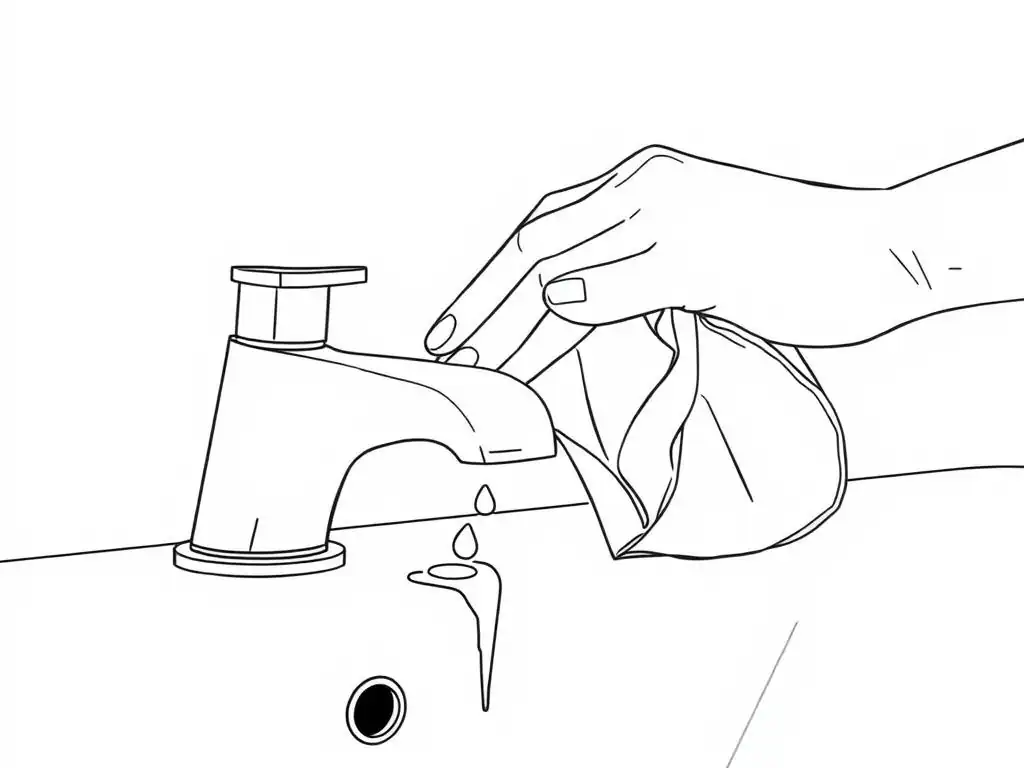
Cleaning your faucets to achieve a streak-free shine requires a meticulous approach. The key is to remove all dirt, grime, and hard water deposits effectively before rinsing. Forget harsh chemicals; often, simple solutions work best. Start by preparing your cleaning solution. A mixture of warm water and a mild dish soap is usually sufficient for most faucets.
For stubborn stains, consider adding a small amount of white vinegar – its acidity helps dissolve mineral buildup. Never use abrasive cleaners, steel wool, or harsh scrubbing pads, as these can scratch the finish of your faucet, leading to more problems down the line. Instead, opt for soft cloths, microfiber cloths, or even old, soft t-shirts. These materials are gentle enough to clean effectively without causing damage.
Once your cleaning solution is ready, thoroughly wet the faucet. Then, apply the solution directly to the faucet surface, focusing on areas with visible dirt or grime. Gently scrub the faucet using circular motions, paying attention to the details. Don't forget to clean the handle, spout, and any decorative elements. For hard-to-reach areas, you can use a soft-bristled toothbrush to get into crevices and remove stubborn dirt. Remember, patience is key.
Take your time and thoroughly clean every inch of the faucet surface to ensure a sparkling finish. If you notice particularly stubborn mineral deposits, let the vinegar solution sit for a few minutes before scrubbing. This allows the acid to break down the minerals, making them easier to remove. After scrubbing, inspect the faucet closely. If any areas still appear dirty, repeat the cleaning process.
Rinsing and Drying: Preventing Water Spots and Mineral Buildup
Thorough rinsing is just as crucial as scrubbing for a streak-free finish. After cleaning, rinse the faucet completely with clean, lukewarm water. Ensure all traces of soap and cleaning solution are removed. Any residue left behind can dry and leave streaks or spots. A good rinsing technique involves using a steady stream of water, rinsing from top to bottom to prevent water from running down already-cleaned areas. If you have a detachable shower head, this can be particularly helpful for reaching every part of the faucet efficiently.
Drying is the final, yet equally important, step in achieving a streak-free finish. Immediately after rinsing, gently dry the faucet with a clean, soft microfiber cloth. This prevents water spots from forming. Use a blotting motion rather than wiping vigorously, as this helps avoid smearing water or leaving streaks. Pay extra attention to crevices and hard-to-reach areas where water might linger.
If you notice any remaining water droplets, gently blot them dry. For extra shine, consider using a specialized faucet polishing cloth or a very slightly dampened microfiber cloth for a final polish. This will leave your faucets looking not only clean but also incredibly shiny! Following these rinsing and drying techniques consistently will prevent the build-up of mineral deposits and keep your faucets sparkling for longer. Regular cleaning and proper drying is the key to maintaining those gleaming, streak-free faucets!
Advanced Techniques for Extra Sparkling Faucets
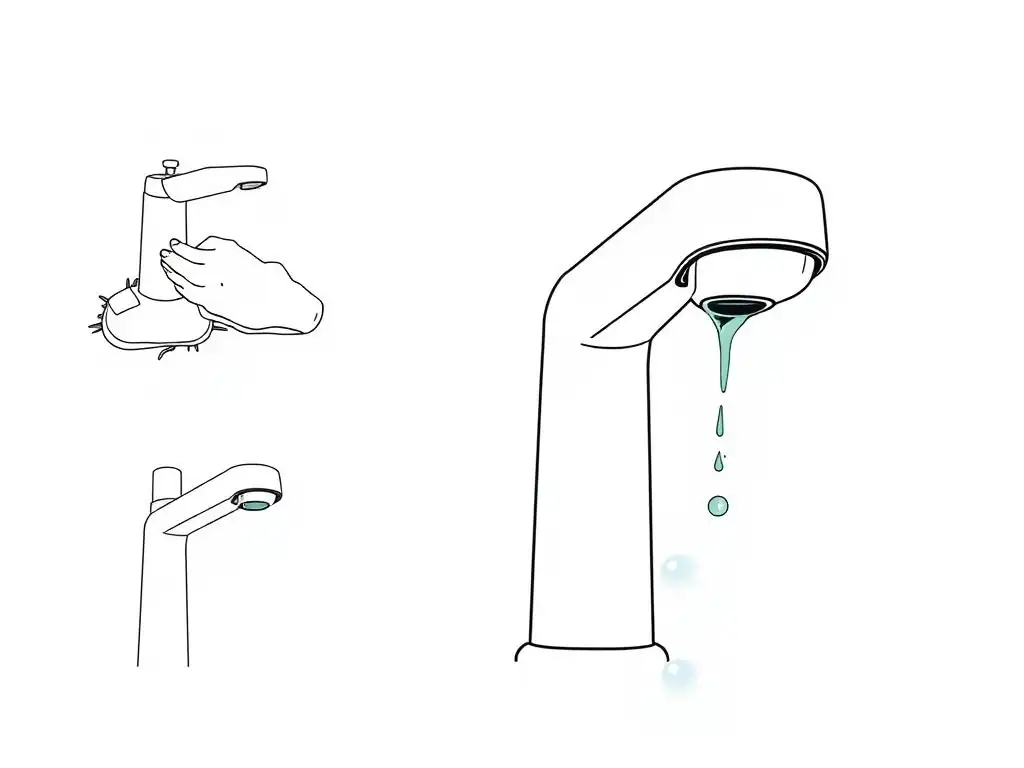
This section delves into more advanced techniques to achieve a truly streak-free shine on your faucets, going beyond basic cleaning methods. We'll tackle stubborn stains and hard water deposits, and then explore how to maintain that pristine gleam for longer. Remember, consistent, gentle cleaning is key to preventing build-up and maintaining sparkling faucets quickly and efficiently. This will help you achieve that "clean faucets streak free fast" result you're aiming for.
Dealing with Stubborn Stains and Hard Water Deposits
Hard water stains and stubborn mineral deposits can be a real challenge. Simple cleaning solutions might not be enough to remove these blemishes, leaving your faucets looking dull and spotted. However, with the right approach, you can effectively eliminate these imperfections and restore your faucets to their former glory.
Several methods can effectively tackle these stubborn stains. One highly effective method involves creating a paste of baking soda and white vinegar. Apply this paste directly to the affected areas, letting it sit for 15-20 minutes to allow the acidic vinegar to dissolve the mineral deposits. Afterward, gently scrub the area with a soft-bristled brush or a non-abrasive sponge. Rinse thoroughly with warm water and admire the results! For particularly stubborn stains, you might need to repeat this process.
Another effective technique is using a commercial limescale remover. These are readily available in most home improvement stores and are specifically formulated to dissolve mineral deposits. Always follow the manufacturer's instructions carefully, as some products might require a specific application time or dilution. Remember to wear appropriate protective gloves when handling these chemicals.
For very persistent stains or significant hard water buildup, you might consider using a specialized cleaning tool designed for faucet cleaning. These often feature specialized brushes or pads that can effectively reach into crevices and remove stubborn grime without scratching the surface. Remember to choose a tool appropriate for your faucet material.
Finally, prevention is key! Regularly wiping down your faucets after each use with a microfiber cloth can significantly reduce the accumulation of hard water spots and other stains. This proactive approach will greatly reduce the time and effort needed for deep cleaning, helping you achieve "clean faucets streak free fast" consistently.
Polishing and Protecting Your Faucets for Long-Lasting Shine
Once you've achieved a sparkling clean, maintaining that shine is crucial. Proper polishing and protection will help prevent future staining and keep your faucets looking their best for longer. This is where the real secret to consistently "clean faucets streak free fast" lies – in proactive maintenance.
After cleaning, gently polish your faucets with a soft, dry microfiber cloth. This will remove any remaining water spots and leave a gleaming finish. Avoid abrasive cloths or scouring pads, as these can scratch the surface of your faucets. Microfiber is your friend here! It's gentle yet effective.
Consider using a specialized faucet polish designed to enhance shine and protect against future staining. These polishes often contain protective agents that help repel water and prevent the buildup of hard water spots. Apply the polish according to the manufacturer's instructions, typically using a small amount and buffing gently with a clean cloth.
Finally, remember that the environment plays a significant role. High humidity can accelerate the formation of water spots. If possible, improve ventilation in your bathroom to minimize moisture. Regularly wiping down your faucets after use remains the most effective preventative measure. This simple step, combined with occasional polishing, will ensure your faucets remain sparkling and streak-free with minimal effort, fulfilling your desire for "clean faucets streak free fast" results.
Remember, consistent maintenance is key to keeping your faucets sparkling. By combining these advanced techniques with regular cleaning, you can enjoy beautifully gleaming faucets that stay clean and streak-free, saving you time and effort in the long run. 🧼✨
Maintaining Streak-Free Faucets: Preventative Measures
Maintaining sparkling faucets isn't just about the occasional deep clean; it's about establishing a proactive approach to prevent streaks and water spots from forming in the first place. Think of it as preventative maintenance for your plumbing fixtures – a little effort upfront saves significant time and frustration down the line. The key is consistency and employing simple, yet effective, habits.
This section focuses on strategies to minimize cleaning frequency and keep your faucets looking their best with minimal effort. We'll explore how implementing a regular cleaning schedule and adopting simple daily habits can dramatically reduce the need for intensive cleaning sessions.
Regular Cleaning Schedule for Optimal Results
A regular cleaning schedule is the cornerstone of maintaining streak-free faucets. While the frequency depends on your household's water hardness and usage, aiming for a weekly quick wipe-down is a great starting point. This doesn't require a full-blown cleaning; simply using a microfiber cloth and a gentle solution (more on solutions later) can remove daily grime and prevent mineral buildup.
Consider this sample schedule:
- Daily: A quick rinse with water after each use helps remove soap scum and toothpaste residue. A quick wipe with a dry cloth minimizes water spots.
- Weekly: A more thorough cleaning using a mild cleaning solution and microfiber cloth. Focus on wiping down all surfaces, including the handles and spout.
- Monthly: A deeper clean, potentially involving a more specialized cleaning solution or paste for stubborn stains. This might also include paying closer attention to hard-to-reach areas.
Failing to establish a routine can lead to a build-up of hard water stains and soap scum, making cleaning significantly harder and more time-consuming. Think of it like this: a small amount of effort daily prevents the need for a major cleaning effort later. This approach directly addresses the desire for "Clean faucets streak free fast" by preventing the situation that necessitates a deep clean in the first place. The time saved adds up, leading to increased efficiency in your cleaning routine.
Preventing Future Buildup: Simple Habits for Sparkling Faucets
Beyond regular cleaning, incorporating simple habits into your daily routine can significantly reduce the likelihood of streaks and water spots. These small changes contribute to long-term faucet shine and minimize the need for aggressive cleaning methods.
Here are some simple habits to adopt:
- Dry your faucets after each use: This simple act is incredibly effective in preventing water spots and mineral buildup. Use a soft, clean microfiber cloth to gently wipe down the entire faucet.
- Avoid abrasive cleaners: Harsh chemicals and abrasive cleaners can scratch the surface of your faucets, making them more susceptible to staining and harder to clean. Opt for gentler, pH-neutral solutions.
- Use a water filter: If you have hard water, installing a water filter can dramatically reduce mineral deposits on your faucets, reducing the frequency of cleaning needed and helping you achieve "Clean faucets streak free fast."
- Be mindful of what touches your faucets: Avoid touching your faucets with dirty hands whenever possible, as this can transfer grime and grease, leading to faster soiling.
By implementing these simple habits, you'll not only achieve that pristine "Clean faucets streak free fast" look but also extend the life of your faucets and minimize the time and effort spent on cleaning them. Consistent preventative measures are far more efficient than reacting to significant build-up later. It's a testament to the power of proactive cleaning strategies in maintaining a sparkling and efficient household.
Frequently Asked Questions
How can I get my faucets sparkling clean and streak-free fast?
The secret lies in using the right cleaning solution and technique. A mixture of white vinegar and water, followed by a thorough rinse and dry with a microfiber cloth, will leave your faucets gleaming.
What are the best cleaning agents for faucets to avoid streaks?
Avoid harsh chemicals that can damage the finish. White vinegar, baking soda, and distilled water are all effective and safe options. Microfiber cloths are crucial for streak-free results.
Why do my faucets still have streaks after cleaning?
Streaks often appear due to hard water deposits or improper drying. Make sure to thoroughly rinse away all cleaning solution and dry the faucets completely with a clean, soft cloth. Consider using a demineralized water rinse for extra shine.
Can I use abrasive cleaners on my faucets?
No, abrasive cleaners can scratch the surface of your faucets, damaging their finish. Stick to gentle cleaning solutions and soft cloths to maintain their shine and longevity.
How often should I clean my faucets to keep them streak-free?
The frequency depends on your water hardness and usage. However, weekly cleaning with a simple solution is usually sufficient to prevent the buildup of water spots and maintain a streak-free shine.
Final Reflection: The Enduring Brilliance of a Spotless Sink
The quest for a streak-free, sparkling faucet is more than just a cleaning chore; it's a reflection of our desire for order and a sense of control in our often-chaotic lives. A clean faucet, gleaming under the light, speaks volumes about our attention to detail and our commitment to creating a haven of calm within our homes. This simple act of cleaning transcends mere practicality; it's a small act of self-care that ripples outwards, impacting our mood and our environment.
The pursuit of a spotless sink, and the satisfaction derived from achieving it, is a surprisingly powerful symbol of self-efficacy. It's a tangible reminder that we have the power to improve our surroundings, even in small ways. This resonates deeply with the current cultural emphasis on mindfulness and intentional living. The details are not the details. They make the design.
– Charles Eames. This quote perfectly encapsulates the importance of seemingly minor details, like a sparkling faucet, in creating a more beautiful and functional space.
So, the next time you find yourself facing a water-spotted faucet, remember the power of this simple act. Don't just clean it; experience the cleaning. Take a moment to appreciate the transformation, the sense of accomplishment, and the subtle shift in your environment. Let the brilliance of your sparkling faucet be a daily reminder of your capacity to create beauty and order in your own life. Embrace the simplicity, and let the shine inspire you.
Unleash Your Faucet's Sparkle: Start Shining Today!
Thanks for reading our streak-free cleaning tips! You now have the knowledge to tackle those stubborn watermarks and restore your faucets to their former glory. Ready to put your new skills to the test?
- Give your faucets a sparkling makeover today! The methods outlined in the article will yield amazing results.
- Share your cleaning success and tag @UltimateLifeHacks on social media! Let's inspire others to achieve faucet perfection.
- Challenge a friend to a friendly cleaning competition – a little rivalry can be surprisingly motivating!
So, which cleaning tip will you try first to make your faucets shine?