
Tired of Messy Cabinets? A Revolutionary Approach to Kitchen Organization

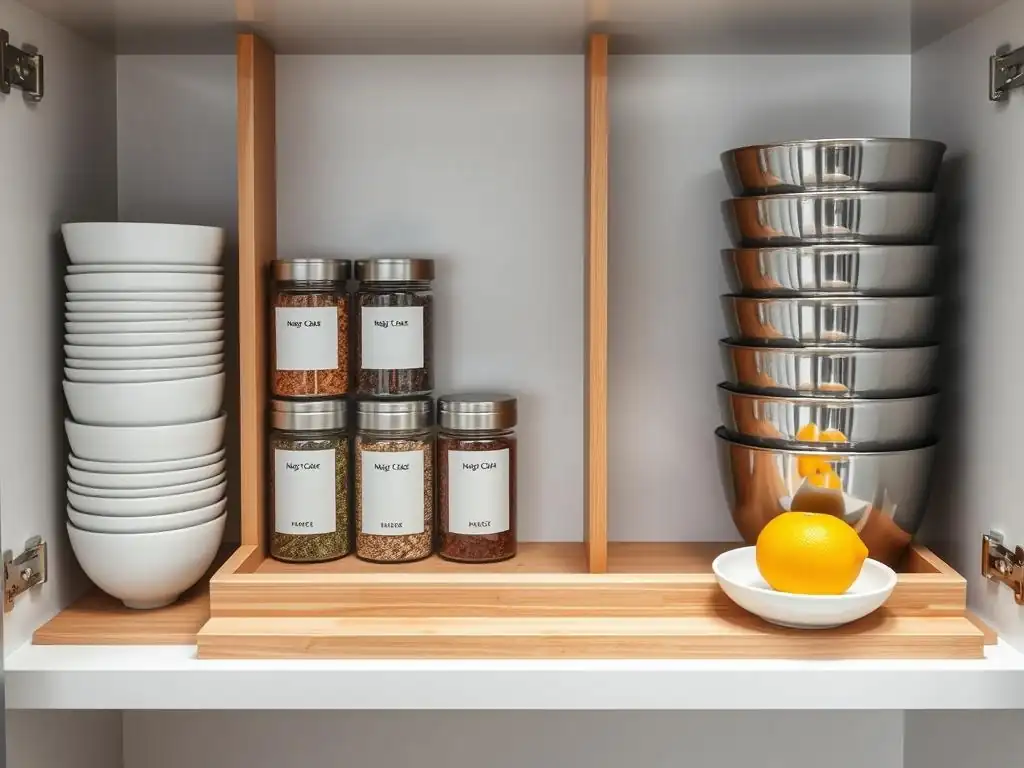
Welcome to UltimateLifeHacks, your ultimate resource for practical life hacks and productivity tips designed to transform your daily life! Are you ready to conquer kitchen chaos and reclaim precious time? Discover a revolutionary approach to organizing kitchen cabinets efficiently – a simple yet powerful strategy that will leave your kitchen sparkling and your mornings stress-free. Dive in and unlock the secrets to a more organized and efficient you!
- Decluttering Your Kitchen Cabinets: A Step-by-Step Guide
- Optimizing Cabinet Space for Maximum Efficiency
- Smart Storage Solutions for Specific Kitchen Items
- Maintaining an Organized Kitchen: Long-Term Strategies
- Frequently Asked Questions
- Final Reflection: Rediscovering Joy in the Organized Kitchen
- Unlock Your Dream Kitchen: Start Organizing Today!
Decluttering Your Kitchen Cabinets: A Step-by-Step Guide
Tired of wrestling with overflowing kitchen cabinets? Do you spend precious minutes each day hunting for that elusive spice jar or forgotten utensil? A disorganized kitchen can significantly impact your daily efficiency and overall mood. This comprehensive guide provides a revolutionary approach to kitchen organization, empowering you to reclaim your space and optimize your culinary workflow.
We'll delve into a step-by-step process to efficiently organize your kitchen cabinets, transforming a chaotic zone into a sleek and functional haven. Learn practical strategies to conquer clutter, maximize storage, and ultimately, save valuable time and energy. This guide focuses on helping you efficiently organize your kitchen cabinets, a crucial aspect of improving your home organization and maximizing your productivity. Mastering this skill is a key step towards a more efficient and enjoyable life, aligning perfectly with the principles of "Organize kitchen cabinets efficiently."
Assessing Your Current Cabinet Situation: Identifying Problem Areas
Before diving into the decluttering process, take a moment to honestly evaluate your current kitchen cabinet situation. This crucial first step sets the stage for effective organization. Grab a notebook and pen (or open a note on your phone) and systematically assess each cabinet. What are the biggest challenges you face?
- Overcrowding: Are cabinets overflowing with items, making it difficult to access anything easily?
- Poor Visibility: Can you easily see everything inside your cabinets, or is it a guessing game?
- Inefficient Storage: Are you using vertical space effectively? Are items stored logically and accessibly?
- Broken or Damaged Items: Are there any broken dishes, chipped mugs, or expired food items taking up valuable space?
Consider taking photos of each cabinet's contents. This visual record will be helpful as you progress through the organization process. Remember, identifying these problem areas is half the battle! A thorough assessment allows you to create a targeted plan for improvement. For example, a cabinet with poor visibility might benefit from adjustable shelving or clear storage containers. A severely overcrowded cabinet will require a more aggressive decluttering strategy. Don’t underestimate the power of this initial evaluation—it’s the foundation of successful kitchen organization.
Purging Unnecessary Items: Saying Goodbye to Clutter
Now that you've identified problem areas, it's time for the crucial step of purging unnecessary items. This is where you'll significantly reduce clutter and create space for efficient organization. Be honest and ruthless! Ask yourself these questions for each item:
- Have I used this in the past year? If the answer is no, it's likely time to let it go.
- Is this item damaged or broken? Discard anything that's beyond repair.
- Do I have duplicates? Keep only the one you use most frequently.
- Is this item expired? Check expiration dates on food items and discard anything past its prime.
Consider using the "one-in, one-out" rule going forward. For every new kitchen item you bring in, get rid of an old one. This will prevent future clutter build-up. Remember, letting go of unused or unwanted items is not just about clearing space; it's about freeing yourself from unnecessary mental clutter and creating a more peaceful kitchen environment. This process might seem daunting at first, but the feeling of accomplishment and increased efficiency afterward is incredibly rewarding. Think of it as a spring cleaning for your soul! 🎉
Categorizing Kitchen Essentials: Grouping Similar Items
With unnecessary items purged, it's time to categorize and group similar items. This will create a logical and intuitive system for storing your kitchen essentials. Consider these categories:
| Category | Examples | Storage Suggestions |
|---|---|---|
| Cookware | Pots, pans, baking dishes | Stackable organizers, pot racks |
| Cutlery & Utensils | Forks, knives, spoons, spatulas | Drawer dividers, utensil holders |
| Dishes & Serveware | Plates, bowls, cups, serving dishes | Stackable shelves, lazy susans |
| Food Storage | Containers, wraps, bags | Drawer organizers, vertical storage |
| Baking Supplies | Flour, sugar, baking powder, etc. | Canisters, tiered storage solutions |
| Spices & Condiments | Spices, oils, vinegars, sauces | Spice racks, rotating carousels |
Grouping similar items makes it easier to locate what you need quickly and efficiently. Consider using clear containers to enhance visibility and prevent items from getting lost in the back of cabinets. Labeling containers is also a great way to maintain organization and avoid confusion. Remember, the goal is to create a system that works for you and your unique kitchen needs. By following these steps, you'll not only "Organize kitchen cabinets efficiently," but you'll also create a more functional and enjoyable space to cook and create.
Implementing a Smart Storage System: Utilizing Vertical Space Efficiently
Efficiently organizing kitchen cabinets hinges on maximizing vertical space. Think upwards! Don't just utilize the cabinet's floor space; leverage its height. This is where clever storage solutions truly shine.
Instead of stacking items haphazardly, consider using tiered organizers, stackable shelves, and pull-out drawers. These maximize accessibility and prevent items from getting lost at the back of deep cabinets. For example, a tiered spice rack can transform a previously unusable corner into a neatly organized spice collection, freeing up valuable counter space. Similarly, pull-out drawers for pots and pans allow easy access to even the heaviest items, eliminating the frustration of rummaging through a jumbled pile.
Investing in adjustable shelving is another key strategy. This allows you to customize the space to accommodate different sized items, optimizing the use of every inch. Perhaps you have a collection of oddly-shaped baking dishes; adjustable shelves allow you to create custom compartments, preventing breakage and maximizing space utilization.
Consider the height of your items – taller items like bottles of oil or vinegar can be placed on taller shelves, while smaller items like spices or canned goods can be placed on shorter shelves. This vertical organization not only saves space but also improves the overall visual appeal of your cabinets.
Furthermore, don't underestimate the power of vertical dividers. These are incredibly effective for organizing items like plates, cutting boards, or lids. Instead of stacking plates precariously and risking breakage, vertical dividers keep them safely separated and easily accessible. The same is true for lids – these often get lost or stacked haphazardly.
Using a vertical divider designed for lids keeps them organized and readily available when you need them. This simple addition can significantly enhance your kitchen efficiency and reduce your daily frustration. Remember, the goal is to create a system that is both functional and aesthetically pleasing, allowing you to easily locate and access every item in your cabinets. This mindful approach to vertical space utilization is crucial for achieving a truly organized and efficient kitchen.
Optimizing Cabinet Space for Maximum Efficiency
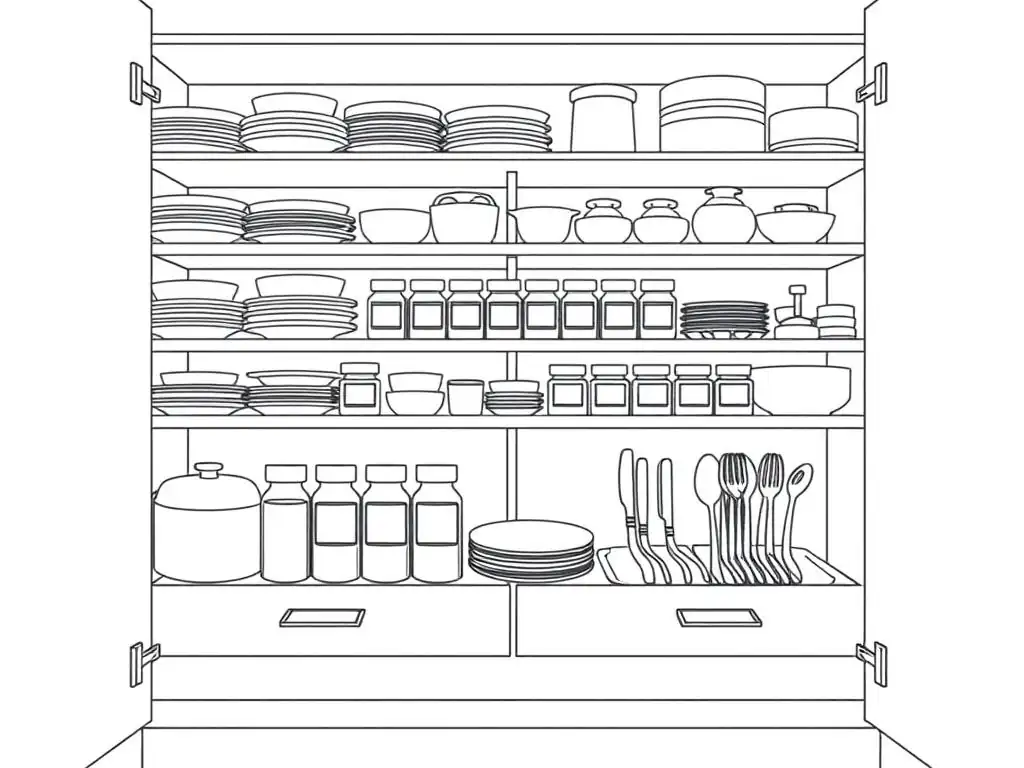
This section focuses on practical strategies to maximize storage and minimize clutter in your kitchen cabinets, directly addressing the need to organize kitchen cabinets efficiently. We'll explore specific tools and techniques to transform chaotic cabinets into well-organized, easily accessible spaces. Proper cabinet organization isn't just about aesthetics; it's about saving time, reducing stress, and improving your overall kitchen workflow. By implementing these methods, you'll find cooking and cleaning significantly easier.
Utilizing Drawer Organizers: Maximizing Drawer Space
Utensil drawers often become dumping grounds for random items. Drawer organizers are the unsung heroes of kitchen organization. They transform chaotic jumbles into neat, easily accessible compartments. Consider the different types available: expandable organizers adjust to fit various drawer sizes; bamboo organizers offer a natural, aesthetically pleasing option; plastic organizers are durable and easy to clean. The key is to choose organizers that fit your drawers perfectly, leaving minimal wasted space.
For example, a cutlery organizer can separate forks, spoons, and knives, while a smaller organizer can hold spatulas, whisks, and other cooking utensils. This prevents items from shifting around and makes finding what you need quick and effortless. Think about categorizing items within the drawers: baking tools in one section, cooking utensils in another, and so on. This further enhances the efficiency of your drawer organization system. Remember to regularly purge unused or duplicate items to maintain an organized space. This simple act significantly contributes to your ability to organize kitchen cabinets efficiently.
Implementing Shelf Dividers: Keeping Items Organized and Accessible
Shelf dividers are another essential tool for optimizing cabinet space. These simple yet effective devices prevent stacks of plates, bowls, and cans from toppling over, creating a more organized and visually appealing space. They are especially useful for storing items of varying heights and shapes. Adjustable shelf dividers allow for flexibility in adapting to different sized items and cabinet configurations. This is crucial when dealing with irregularly shaped containers or oddly sized cabinets.
Consider the materials available: wire dividers are inexpensive and lightweight; bamboo dividers offer a more natural look; plastic dividers are durable and easy to clean. The choice depends on your personal preferences and the overall style of your kitchen. By strategically placing shelf dividers, you can create separate sections for different types of items, making it easier to locate what you need without having to rummage through a jumbled mess. This greatly improves the efficiency of your cabinet space and helps you organize kitchen cabinets efficiently. Moreover, proper spacing prevents breakage and damage to your dishes and glassware.
Employing Lazy Susans: Reaching Items in the Back of Cabinets
Deep cabinets often become black holes of forgotten spices and rarely used appliances. Lazy Susans are a game-changer for these hard-to-reach areas. These rotating platforms allow you to easily access items stored at the back of a cabinet, eliminating the need to pull everything forward to find what you need. This saves considerable time and effort, particularly when dealing with frequently used items like spices or oils.
Different sizes and materials are available, from small circular ones for spices to larger, square lazy susans suitable for storing canned goods or jars. Consider the size and shape of your cabinet before selecting a lazy susan. Ensure a proper fit to maximize its effectiveness.
Proper placement can dramatically improve accessibility and reduce frustration associated with searching for items in the back of deep cabinets. Using lazy susans is a significant step towards organizing kitchen cabinets efficiently and making your kitchen a more enjoyable space to work in. The ease of access they provide translates directly into a more efficient and enjoyable cooking experience.
Utilizing Corner Cabinet Organizers: Making the Most of Difficult Spaces
Corner cabinets, often overlooked and underutilized, present a unique challenge in kitchen organization. Their awkward shape makes accessing items difficult, leading to wasted space and frustration. However, with the right tools and strategies, these tricky spaces can become surprisingly efficient storage solutions. The key lies in utilizing specialized corner cabinet organizers.
These organizers come in various designs, each catering to different needs and cabinet configurations. Some are designed as lazy Susans, rotating shelves that allow for easy access to items stored at the back. Others feature pull-out shelves or drawers, maximizing visibility and accessibility. Still others are designed as tiered systems, allowing for vertical stacking of items. The choice of organizer depends heavily on the size and shape of your corner cabinet, as well as the types of items you intend to store there.
Consider the following factors when selecting a corner cabinet organizer:
- Cabinet Dimensions: Measure your cabinet's width, depth, and height precisely. Organizers are often designed for specific dimensions, and an ill-fitting organizer will be ineffective and potentially frustrating.
- Item Types: What will you be storing in the corner cabinet? Canned goods require different organization than baking supplies or cookware. Choosing an organizer that accommodates the size and shape of your items is crucial.
- Weight Capacity: Some organizers are designed for lighter items, while others can handle heavier cookware or appliances. Check the weight capacity before purchasing to ensure it can safely hold your belongings.
- Material: Organizers are commonly made from materials like wood, metal, or plastic. Each has its own pros and cons concerning durability, cost, and aesthetic appeal. Metal organizers are typically more durable but can be more expensive.
Investing in a well-designed corner cabinet organizer is a significant step towards efficiently organizing your kitchen cabinets. Not only does it significantly improve access to items, but it also eliminates the frustration of digging through cluttered corners. By carefully considering the factors above and selecting the right organizer for your needs, you can transform a problematic corner cabinet into a valuable asset in your kitchen organization system.
Remember, even the most challenging spaces can be optimized with a bit of planning and the right tools! This is a crucial step in effectively organizing kitchen cabinets, contributing to a more efficient and enjoyable cooking experience. The improved accessibility will save you time and reduce stress in your daily kitchen routine.
Smart Storage Solutions for Specific Kitchen Items
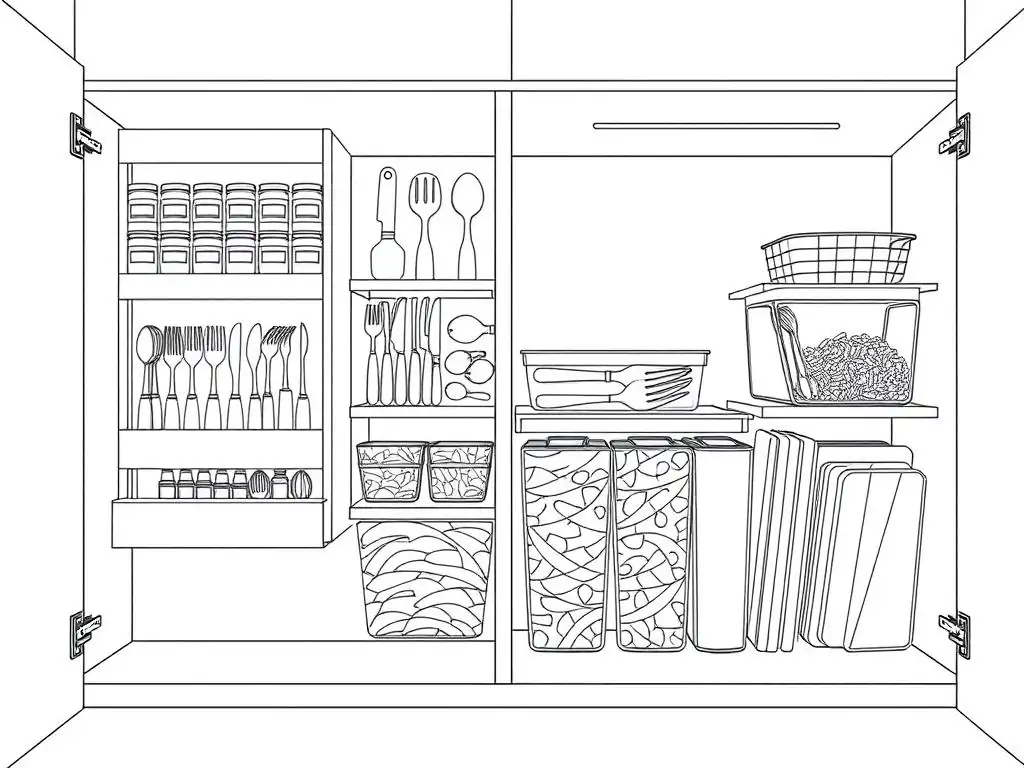
This section delves into practical strategies for organizing different types of kitchen items, focusing on maximizing space and improving accessibility. We'll explore efficient methods for storing dishes, cookware, food items, spices, and condiments, helping you achieve a beautifully organized and functional kitchen. Efficiently organizing your kitchen cabinets is key to a smoother daily routine and less wasted time searching for things.
Organizing Dishes and Cookware: Efficient Storage Strategies
Efficiently organizing dishes and cookware requires a thoughtful approach. Simply stacking plates isn't enough; it's about maximizing vertical space and utilizing every inch of your cabinet. Consider these strategies:
- Vertical Dividers: Invest in adjustable vertical dividers for drawers to separate plates, bowls, and utensils. This prevents shifting and breakage, and allows for a clear view of what's available. You can even find dividers specifically designed for silverware, keeping your forks, spoons, and knives neatly organized and easily accessible.
- Stackable Solutions: Utilize stackable containers and organizers for dishes and bowls. These not only save space but also protect delicate items from chipping. Look for stackable options made from durable materials like bamboo or sturdy plastic.
- Pot and Pan Organization: Instead of stacking pots and pans haphazardly, consider using pot and pan organizers. These can be vertical racks, inserts for drawers, or even hanging organizers that maximize vertical space. This prevents scratching and makes it easy to find the right pot or pan without having to rummage through a pile.
- Lazy Susans: For corner cabinets, a lazy susan is a game-changer. It allows you to easily access items stored in the back, preventing wasted space and frustration. These are particularly useful for storing frequently used items like spices or canned goods.
- Drawer Organizers: Utensil trays and drawer dividers are essential for organizing cutlery, cooking utensils, and other small items. These keep everything neatly in place and prevent them from getting lost in the bottom of the drawer. Consider using expandable organizers to customize the space to fit your specific needs.
Storing Food Items: Preventing Spoilage and Maximizing Shelf Life
Efficiently organizing food items directly impacts reducing food waste and maximizing shelf life. A well-organized pantry prevents items from getting lost or forgotten, leading to less spoilage. Here's how to approach this:
- FIFO (First In, First Out): This simple method ensures that older items are used before newer ones. When adding new items, place them behind older items. This minimizes waste and prevents expired food from accumulating.
- Clear Containers: Transferring food items from their original packaging into clear, airtight containers allows for easy identification and inventory management. Labeling these containers with the contents and date is crucial for effective FIFO implementation.
- Vertical Storage: Using vertical space with stackable shelves and bins maximizes storage capacity. This is especially helpful in pantries with limited floor space. Consider using pull-out shelves for better accessibility to items stored in the back.
- Categorization: Grouping similar items together (e.g., all canned goods in one area, all dry goods in another) creates a more organized and visually appealing pantry. This makes it easier to find specific items quickly and efficiently.
- Regular Inventory: Conduct a regular inventory of your pantry to identify expired items and plan for future shopping trips. This prevents unnecessary purchases and reduces food waste. A quick monthly check is usually sufficient.
Organizing Spices and Condiments: A System for Easy Access
Spices and condiments are often overlooked in kitchen organization, but a well-organized spice rack can significantly improve your cooking experience. Here’s how to create a system for easy access:
- Alphabetical Ordering: Arrange your spices alphabetically for easy location. This simple method makes finding specific spices much faster and more intuitive. This method works equally well for condiments.
- Uniform Containers: Transferring spices into uniform containers creates a visually appealing and consistent look. Clear containers allow you to easily see the contents, while labeled containers prevent confusion.
- Spice Racks: Invest in a spice rack that fits your available space and storage preferences. Options range from wall-mounted racks to drawer organizers and carousel racks. Choose a rack that maximizes space and accessibility.
- Tiered Organization: Use tiered spice racks or trays to maximize vertical space, especially if you have a large collection of spices. This allows you to store more spices in a smaller area.
- Regular Cleaning: Regularly clean your spice rack and containers to prevent dust and spills from accumulating. This ensures that your spices remain fresh and flavorful. A quick wipe-down every few months is sufficient.
By implementing these strategies, you can efficiently organize your kitchen cabinets, improving both the aesthetics and functionality of your kitchen. Remember, the key to success lies in finding a system that works best for your needs and lifestyle. 🎉
Organizing Utensils and Gadgets: Keeping Your Drawers Tidy
Efficiently organizing utensils and gadgets is crucial for a functional kitchen. Cluttered drawers lead to wasted time searching for the right tool and can even contribute to frustration and a feeling of kitchen chaos. The key is to maximize space and ensure easy accessibility. This involves a multi-pronged approach encompassing careful sorting, strategic placement, and the use of appropriate drawer organizers.
First, thoroughly declutter your utensil drawers. Discard broken or duplicate items. Be honest about which tools you actually use regularly – if you haven't touched that avocado slicer in six months, it might be time to let it go. This initial purge will significantly improve the organization process. Once you've streamlined your collection, consider categorizing your remaining utensils. Group similar items together: spoons with spoons, forks with forks, knives with knives (always storing knives safely, of course!). This simple step makes grabbing the right utensil a breeze.
Next, invest in drawer organizers. These come in various forms, from simple dividers to more complex systems with adjustable compartments. Choosing the right organizer depends on the size and shape of your drawers, as well as the types and quantity of utensils you have. For instance, shallow dividers are perfect for flatware, while deeper compartments can accommodate larger gadgets like whisks and spatulas. Consider using expandable organizers to customize the space to perfectly fit your needs. Remember to measure your drawers before purchasing organizers to ensure a proper fit.
Beyond dividers, consider vertical storage solutions. Utilize drawer organizers with vertical slots to store spatulas, wooden spoons, and other long-handled utensils upright. This maximizes vertical space and prevents items from getting buried under others. This method is particularly effective for deep drawers, preventing the "lost utensil" syndrome. Furthermore, think about using drawer liners.
These not only protect your drawers from scratches and stains but also help keep utensils from sliding around. They add a clean, polished aesthetic to your drawers, further enhancing the sense of organization. Finally, regularly maintain the organization of your drawers. A quick tidy-up after each meal or cooking session can prevent clutter from accumulating and ensure your kitchen remains efficient and enjoyable to use. This proactive approach to maintaining organization will prevent the need for large-scale reorganizations in the future.
Maintaining an Organized Kitchen: Long-Term Strategies
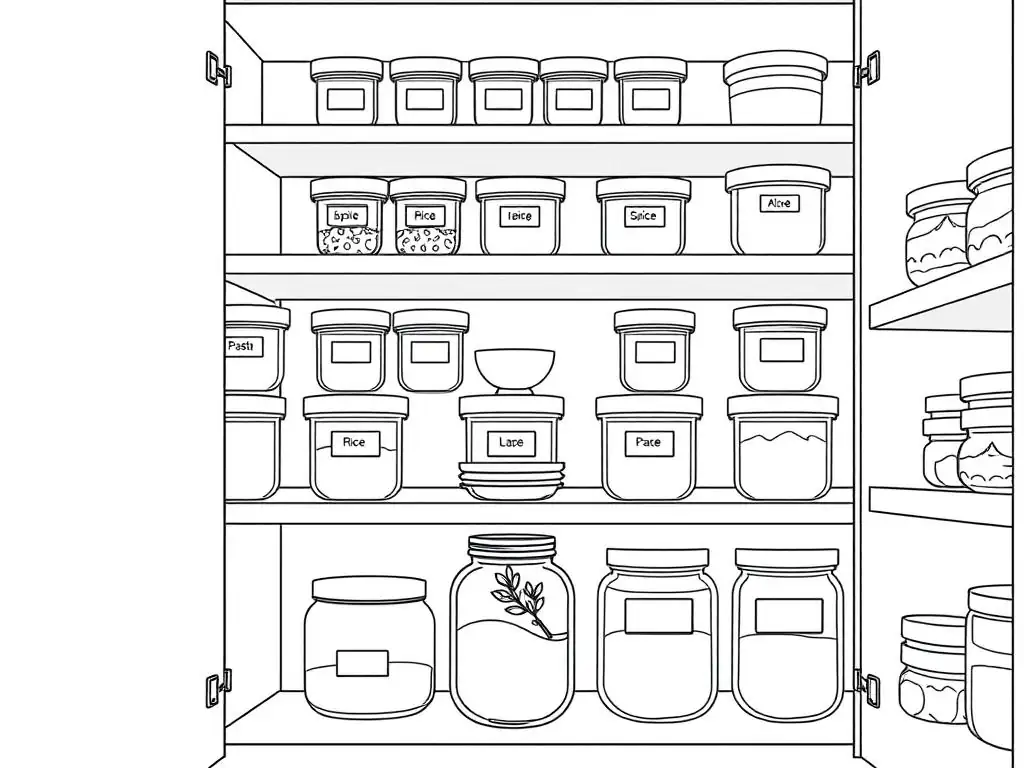
Maintaining a consistently organized kitchen isn't a one-time event; it's an ongoing process requiring proactive strategies. Simply decluttering isn't enough; you need systems to prevent future disarray. This section focuses on long-term, sustainable solutions to help you effectively organize kitchen cabinets efficiently. Think of it as building a robust foundation for lasting kitchen tidiness. The key is to create habits that minimize clutter and maximize space utilization.
Regularly Purging Items: Preventing Clutter Buildup
The most effective way to organize kitchen cabinets efficiently is to prevent clutter from accumulating in the first place. Regular purging is crucial. Aim for a thorough cabinet cleaning and item evaluation at least every three months. This involves more than just discarding expired food. Consider these steps:
- Check expiration dates: This is obvious, but often overlooked. Discard anything past its prime. Don't forget to check pantry staples too!
- Identify duplicates: Do you really need three different types of olive oil? Consolidate similar items to free up space.
- Assess usage: Be honest. If you haven't used something in six months (or even a year for some items), it's likely time to donate or discard it. This applies to kitchen gadgets, cookware, and even spices.
- The "one in, one out" rule: For every new kitchen item you bring home, remove an older, less-used one. This prevents accumulation.
Implementing these steps will significantly reduce the amount of stuff vying for space in your cabinets, making the overall organization process easier and more effective. Think of it as preventative maintenance for your kitchen's order. This proactive approach is key to keeping your cabinets neat and functional. Regular purging is the cornerstone of efficient kitchen organization.
Implementing a Labeling System: Maintaining Order and Clarity
A well-organized kitchen is a clear kitchen. Implementing a labeling system is a powerful tool to maintain order and clarity, significantly contributing to how you organize kitchen cabinets efficiently. Clear labels prevent confusion and make it easy to find items quickly.
Here's how to create an effective labeling system:
- Consistency is key: Use the same type of labels (e.g., printed labels, handwritten labels with a consistent font) throughout your cabinets for a uniform look.
- Detailed descriptions: Don't just write "pasta"; specify "spaghetti," "penne," or "linguine." Include dates for items with expiration dates, like homemade sauces or leftovers.
- Visual cues: Consider using color-coded labels or symbols for quick identification. For example, red for spicy items, green for herbs, etc.
- Placement matters: Place labels on the front of containers or shelves, ensuring they are easily visible.
This seemingly small detail drastically improves efficiency. Imagine trying to find a specific spice amongst a dozen unlabeled jars! A well-thought-out labeling system saves time and frustration, making your kitchen more user-friendly and organized. This enhances the overall visual appeal, fostering a sense of calm and control in your kitchen.
Utilizing Storage Containers: Maintaining a Uniform Appearance
Uniformity is a significant factor in creating a visually appealing and efficiently organized space. Using consistent storage containers helps you organize kitchen cabinets efficiently and improve the overall aesthetics of your kitchen.
Consider these points when choosing containers:
- Material: Opt for clear, stackable containers made of durable materials like BPA-free plastic or glass. This allows for easy viewing of contents.
- Size: Choose containers that fit your cabinets and the items you store. Avoid oversized containers that waste space.
- Shape: Square and rectangular containers maximize space compared to round containers.
- Airtight seals: This is particularly important for storing food items to maintain freshness and prevent spills.
By standardizing your containers, you'll create a unified and visually pleasing look, making your kitchen appear much more organized. This consistency makes it easier to maintain order, as everything has a designated place. This not only improves functionality but also enhances the overall feeling of a well-managed and efficient kitchen. The impact of consistent containers on the overall look and feel of your kitchen is undeniable.
Creating a Cleaning Schedule: Preventing Messes From Building Up
Maintaining a consistently organized kitchen isn't just about the initial decluttering; it's about preventing future disarray. A well-structured cleaning schedule is your secret weapon in this battle. Instead of tackling a monumental cleaning spree every few months, breaking down the task into smaller, manageable chunks makes the process significantly less daunting and far more effective for long-term kitchen organization.
Think of it like this: a little bit of effort each day prevents a mountain of work later. This approach is incredibly effective for maintaining the efficiency gains you've achieved after organizing your kitchen cabinets. You'll find that spending 15-20 minutes each day on specific tasks is far more sustainable than dedicating a whole Saturday to a chaotic clean-up.
Consider implementing a daily, weekly, and monthly cleaning routine. Your daily routine could include wiping down countertops after each use, washing dishes immediately, and quickly tidying up any spills or crumbs. Your weekly routine might involve a more thorough cleaning of appliances (microwave, stovetop), a deeper clean of countertops and sinks, and a quick wipe-down of cabinet fronts. Finally, your monthly routine could include cleaning out the refrigerator, decluttering pantry items, and tackling a more in-depth cabinet cleaning, focusing on specific sections each month to avoid feeling overwhelmed.
To make this schedule work, tailor it to your lifestyle and the specific needs of your kitchen. If you're a busy professional, a more concise daily routine may be necessary, while someone who cooks frequently might need to adjust their daily cleaning tasks accordingly. The key is consistency; sticking to a schedule, even if it's a simplified one, is far more effective than sporadic bursts of cleaning. Use a planner, a whiteboard, or a digital calendar—whatever works best for you to stay on track.
This method, when consistently applied, is key to efficiently organize kitchen cabinets and keep them that way. Remember, the goal is prevention, not just cure. A proactive approach to cleaning ensures your hard work organizing your kitchen cabinets remains effective for the long haul. This strategy significantly contributes to maintaining an organized and efficient kitchen environment.
Frequently Asked Questions
How can I organize my kitchen cabinets efficiently?
Start by emptying your cabinets completely. Then, group similar items together (e.g., baking supplies, spices). Finally, utilize vertical space with shelves and organizers to maximize storage.
What are the best tools for organizing kitchen cabinets?
Consider using adjustable shelves, lazy Susans, pull-out drawers, and stackable containers. These tools help maximize space and improve accessibility. Choose transparent containers to easily see contents.
How do I deal with oddly shaped kitchen cabinets?
Use customizable organizers to fit those awkward spaces. Corner shelves and narrow organizers are your friends. Don't be afraid to get creative with vertical stacking solutions.
What's the best way to declutter before organizing my kitchen cabinets?
Purge items you rarely or never use. Be honest about what you need and what's just taking up space. Donate or discard unwanted items before you start organizing.
How can I maintain an organized kitchen once I've finished?
Establish a system for putting things away immediately after use. Regularly check for expired items and donate or discard them. Designate specific areas for everything to prevent future clutter.
Final Reflection: Rediscovering Joy in the Organized Kitchen
The quest for an efficiently organized kitchen isn't merely about aesthetics; it's about reclaiming precious time and mental energy. A clutter-free space translates directly to a calmer mind and a more enjoyable cooking experience, a sentiment increasingly vital in our fast-paced modern lives. This is more than just tidying; it's about cultivating a sanctuary where nourishment, both physical and emotional, can flourish.
The impact of a well-organized kitchen extends far beyond the immediate space. It influences our daily routines, our relationships with food, and even our overall sense of well-being. A streamlined kitchen fosters a sense of control and accomplishment, a feeling often overlooked in the daily grind. A place for everything, and everything in its place
– this simple adage holds profound truth, reflecting the peace that comes from order and intentionality. This principle, applied to our kitchens, ripples outwards, affecting how we approach other areas of our lives.
Now, consider your own kitchen. What small changes can you implement today to bring a touch more order and calm into your culinary haven? Perhaps it's decluttering a single drawer, investing in a few clever storage solutions, or simply taking a mindful moment to appreciate the space you've created. Embrace the journey of kitchen organization; it's an ongoing process of self-discovery and mindful living, rewarding you with a more efficient and joyful kitchen experience.
Unlock Your Dream Kitchen: Start Organizing Today!
Thank you for exploring our revolutionary approach to kitchen organization! We hope you've gained valuable insights and are ready to transform your space. Now, let's put those ideas into action!
- Tackle one cabinet at a time: Don't feel overwhelmed. Start with just one cabinet today—a small accomplishment can be incredibly motivating.
- Share your success: Take a before-and-after photo and share your organizational win on social media! Use #UltimateKitchenHacks to inspire others.
- Join our community: Visit our forum at UltimateLifeHacks.org and connect with others. Let's share tips and support each other on this journey!
Ready to enjoy a clutter-free kitchen? What will you declutter first?