
The Best Online Platforms for Tech Ethics: Navigate the Moral Landscape

Ready to reclaim your time and boost your productivity? Welcome to UltimateLifeHacks, your destination for practical tips and clever strategies to optimize every aspect of your daily life. But first, let's tackle something crucial: navigating the complex world of online ethics. Our in-depth analysis of Ethical Tech Platforms Comparison will guide you toward making informed choices and building a more responsible digital presence. Dive in and discover how to harness technology ethically and efficiently!
- Understanding the Growing Need for Ethical Tech Platforms
- Ethical Tech Platforms Comparison: Top Choices for 2024
- Choosing the Right Ethical Tech Platform: Factors to Consider
- Maximizing Your Learning Experience: Tips and Strategies
- Beyond the Platforms: Resources for Ethical Tech Professionals
- Conclusion: Building a More Ethical Technological Future
-
Frequently Asked Questions
- What is the focus of this article regarding ethical tech platforms?
- How does this article help me choose an ethical tech platform?
- What kind of platforms are compared in this article?
- Are there specific ethical criteria used to evaluate the platforms?
- Where can I find more information about the ethical implications of technology?
- Final Reflection: Charting a Course Through the Ethical Tech Wilderness
- Ignite Your Tech Ethos: Take Action Today!
Understanding the Growing Need for Ethical Tech Platforms
The digital age has ushered in unprecedented technological advancements, transforming how we live, work, and interact. However, this rapid progress has also exposed a critical need for ethical considerations in technology development and deployment. This article serves as a comprehensive guide to navigating the moral landscape of online platforms, focusing on those that prioritize ethical practices.
We'll examine key areas of concern, such as algorithmic bias, data privacy, and AI ethics, offering a comparison of platforms that are actively working to address these challenges. Understanding and choosing ethical tech platforms is no longer a luxury; it's a necessity for responsible digital citizenship and protecting individual rights in an increasingly interconnected world. This guide will help you make informed decisions and contribute to a more ethical digital future.
We'll delve into specific examples, showcasing platforms that exemplify best practices and those that still need improvement, ultimately providing you with the tools to make informed choices about the online platforms you use. This ranking aims to help you navigate the complex landscape of "Ethical tech platforms comparison" and find those that align with your values.
The Rise of Algorithmic Bias and its Societal Impact
Algorithmic bias, a pervasive issue in many online platforms, occurs when algorithms perpetuate and amplify existing societal biases. This can lead to unfair or discriminatory outcomes in various areas, including loan applications, hiring processes, and even criminal justice. For example, facial recognition technology has been shown to exhibit higher error rates for people of color, leading to misidentification and potentially unjust consequences.
The impact of algorithmic bias extends beyond individual experiences; it can reinforce systemic inequalities and undermine trust in technology. Ethical tech platforms actively work to mitigate algorithmic bias through rigorous testing, diverse datasets, and transparent algorithm design. They prioritize fairness and strive to create systems that treat all users equitably, regardless of their background or characteristics.
Ignoring this issue can have significant societal consequences, leading to increased inequality and erosion of public trust. Addressing algorithmic bias is not merely a technical challenge; it requires a multi-faceted approach involving technical solutions, ethical frameworks, and societal awareness.
Data Privacy Concerns and Responsible Data Handling
Data privacy is a fundamental right increasingly threatened in the digital age. Online platforms collect vast amounts of user data, raising concerns about its potential misuse and the lack of transparency surrounding data collection practices. Ethical tech platforms prioritize data minimization, collecting only the necessary data and employing robust security measures to protect user information.
They also provide users with clear and accessible privacy policies, empowering individuals to understand how their data is being used and to exercise control over it. Furthermore, responsible data handling involves obtaining informed consent from users before collecting their data and providing mechanisms for data access, correction, and deletion. The General Data Protection Regulation (GDPR) in Europe, for example, sets a high standard for data protection, and many ethical tech platforms strive to meet or exceed these standards globally.
A failure to prioritize data privacy can lead to data breaches, identity theft, and erosion of public trust. Transparency and user control are crucial components of responsible data handling.
Artificial intelligence (AI) is rapidly transforming various aspects of our lives, presenting both immense opportunities and significant ethical challenges. AI systems can perpetuate biases present in their training data, leading to unfair or discriminatory outcomes. Ethical considerations in AI development include transparency, accountability, and fairness.
Ethical tech platforms are actively engaged in researching and implementing best practices for responsible AI development. This includes using diverse and representative datasets, designing explainable AI systems, and establishing mechanisms for human oversight and intervention. The potential for AI to be used for malicious purposes, such as creating deepfakes or automating surveillance, also necessitates careful consideration of its ethical implications.
Ethical tech platforms commit to using AI responsibly and promoting its beneficial applications while mitigating its potential harms. This requires ongoing dialogue and collaboration among developers, policymakers, and the public to establish ethical guidelines and standards for AI development and deployment. The future of AI hinges on our ability to navigate these complexities ethically.
Ethical Tech Platforms Comparison: Top Choices for 2024
This section provides a detailed comparison of leading online platforms offering courses and specializations related to ethical technology. We'll focus on two prominent examples, Coursera and edX, analyzing their strengths and weaknesses in delivering ethical tech education. The goal is to help you navigate the increasingly complex landscape of "Ethical tech platforms comparison" and choose the best fit for your learning needs.
Coursera's Specialization in AI Ethics: AI for Everyone
Coursera offers a comprehensive specialization focused on AI ethics, designed to be accessible to a broad audience, not just tech professionals. This program tackles the multifaceted nature of responsible AI development and deployment, covering topics ranging from algorithmic bias to the societal implications of autonomous systems. The modular structure allows learners to progress at their own pace, making it a flexible option for busy professionals.
Pros and Cons of Coursera's Approach to Ethical Tech Education
| Feature | Pros | Cons |
|---|---|---|
| Curriculum | Wide-ranging coverage of AI ethics topics; diverse perspectives included. | Can feel overwhelming for beginners; some topics may lack sufficient depth. |
| Accessibility | Flexible learning schedule; subtitles and transcripts available. | Requires consistent self-discipline; limited instructor interaction. |
| Instructor Quality | Generally high-quality instructors with relevant expertise. | Variation in teaching style and engagement across different courses. |
| Community | Forums provide opportunities for peer interaction and discussion. | Community engagement can be inconsistent; not all courses have active forums. |
The program’s strength lies in its breadth. However, this breadth can also be a weakness. Some learners might find the sheer volume of information daunting, while others may wish for a deeper dive into specific niche areas. The platform’s reliance on self-directed learning might not suit everyone; learners requiring more structured guidance might find it challenging.
Cost and Accessibility of Coursera's AI Ethics Courses
Coursera's pricing model offers both free and paid options. While some introductory courses are available at no cost, full specialization access typically requires a paid subscription or individual course purchases. This can present a barrier for some learners, although financial aid options are sometimes available. The cost-effectiveness depends on the individual's learning goals and budget. A thorough cost-benefit analysis is recommended before enrollment. The platform's accessibility features, like subtitles and transcripts, enhance inclusivity, but the overall cost remains a crucial factor in its accessibility.
edX's Ethical Hacking and Cybersecurity Courses
edX provides a different perspective on ethical tech, focusing heavily on cybersecurity and ethical hacking. Their courses equip learners with the skills to identify and mitigate vulnerabilities while adhering to ethical guidelines. This approach emphasizes practical skills development alongside theoretical understanding. This is particularly valuable in a world increasingly threatened by cyberattacks.
edX's Focus on Responsible Technology Development
edX's approach to ethical tech education differs from Coursera's by emphasizing practical application. Rather than broadly covering AI ethics, edX's focus is on the responsible development and use of technology within the context of cybersecurity. This specialization strengthens the understanding of how ethical considerations directly impact practical technology implementation. The hands-on nature of many of their courses provides valuable experience, making graduates more competitive in the job market. This practical focus is a significant advantage for those seeking immediate career application of their newly acquired skills.
Practical Applications of edX's Ethical Tech Curriculum
The practical skills learned in edX's ethical hacking and cybersecurity courses translate directly into real-world applications. Graduates can pursue careers in penetration testing, security auditing, incident response, and various other cybersecurity roles. The curriculum equips learners with the technical expertise and ethical framework necessary for responsible technology use. The knowledge gained is directly applicable to mitigating cybersecurity threats and ensuring data privacy, crucial skills in today's digital landscape.
Many courses offer certifications recognized by industry employers, further enhancing the practical value of the education. This provides a strong return on investment for learners, making it a compelling option for those seeking career advancement in the tech sector. The emphasis on practical, hands-on learning sets edX apart in the field of "Ethical tech platforms comparison."
Udacity's Nanodegree Programs in AI Ethics and Responsible AI
Udacity offers several Nanodegree programs directly addressing AI ethics and responsible AI development. These aren't simply theoretical courses; they delve into the practical application of ethical considerations within the rapidly evolving field of artificial intelligence. The curriculum often incorporates real-world case studies, exploring scenarios where ethical dilemmas arise in AI development and deployment. Students learn to identify potential biases in algorithms, mitigate risks associated with autonomous systems, and understand the broader societal impact of their work.
The programs are designed to equip learners with the knowledge and skills necessary to build AI systems that are not only effective but also fair, transparent, and accountable. This focus on practical application sets Udacity apart, providing graduates with a competitive edge in the increasingly ethical-conscious tech industry. The curriculum is regularly updated to reflect the latest advancements and challenges in the field, ensuring students are equipped with the most current best practices.
Udacity's Industry Partnerships and Career Outcomes
A key strength of Udacity's Nanodegree programs is its extensive network of industry partners. These partnerships provide students with access to real-world projects, mentorship opportunities, and potential career pathways. Many of Udacity's programs are developed in collaboration with leading tech companies, ensuring the curriculum aligns with industry demands and provides graduates with highly sought-after skills. This close relationship with industry leaders translates to improved career outcomes for graduates, with many securing positions in ethically focused roles within major corporations.
Data on job placement rates following completion of these programs would further strengthen this point. [Specific data on job placement rates pending]. The network extends beyond direct employment, offering opportunities for internships, freelance work, and consulting engagements.
Udacity's Emphasis on Practical Skills in Ethical AI
Udacity's approach to ethical AI education prioritizes practical skills development. The programs move beyond theoretical discussions of ethical frameworks, focusing instead on providing learners with the tools and techniques to implement ethical considerations in their work. This hands-on approach is crucial, as it allows students to grapple with real-world challenges and develop solutions. For example, students might work on projects involving bias detection in machine learning models or designing privacy-preserving AI systems.
This practical experience is invaluable, equipping graduates with the confidence and competence to navigate the complexities of ethical AI development in their future careers. The focus on practical application ensures that graduates are not only knowledgeable but also capable of making a tangible difference in building a more ethical technological future. This is crucial for those seeking to contribute meaningfully to the field.
FutureLearn's Courses on Data Ethics and Digital Responsibility

FutureLearn offers a diverse range of courses focusing on data ethics and digital responsibility. Unlike some platforms that offer singular, isolated courses, FutureLearn provides a broader educational ecosystem encompassing various aspects of ethical tech. This allows for a more holistic understanding of the subject, connecting individual ethical concerns to wider societal impacts.
Their courses often blend theoretical frameworks with practical examples, drawing on current events and real-world challenges in the digital sphere. The courses are structured to be accessible to a wide audience, regardless of prior experience in technology or ethics. This inclusivity is vital in promoting a wider understanding and application of ethical principles within the tech industry.
FutureLearn's Diverse Range of Ethical Tech Courses
FutureLearn's catalog extends beyond just data ethics. They offer courses covering a broader spectrum of ethical tech concerns, including topics like algorithmic bias, online privacy, cybersecurity, and the societal impact of emerging technologies. This diversity allows learners to tailor their education to specific interests and career goals.
The modular nature of many courses enables learners to pick and choose topics that align with their needs, creating a customized learning pathway. This flexibility is particularly beneficial for professionals looking to upskill in specific areas of ethical tech or for those exploring different facets of the field before committing to a more specialized program. The breadth of offerings makes FutureLearn a valuable resource for anyone seeking to broaden their understanding of ethical considerations within technology.
Accessibility and Affordability of FutureLearn's Programs
One of FutureLearn's key advantages is its accessibility and affordability. Many of their courses are offered at a significantly lower cost than comparable programs from other platforms, making ethical tech education more accessible to a wider range of learners. This commitment to affordability is crucial, as it removes a significant barrier to entry for individuals who might otherwise be excluded from participating in such crucial discussions. Furthermore, FutureLearn's online platform is designed for ease of use, with intuitive navigation and a user-friendly interface.
This makes the learning experience more accessible to individuals with varying levels of technological proficiency. The accessibility extends beyond cost and usability; the diverse range of course formats and schedules cater to learners with different learning styles and time commitments. This commitment to inclusivity helps FutureLearn foster a more diverse and representative community of ethical tech advocates.
Udacity's Nanodegree program in Self-Driving Car Engineer
Udacity's Nanodegree program in Self-Driving Car Engineer offers a comprehensive curriculum designed to equip students with the skills needed to contribute to the development of autonomous vehicles. The program delves into crucial aspects of this rapidly evolving field, covering topics such as sensor fusion, computer vision, deep learning for self-driving cars, and path planning. Students engage with real-world projects and case studies, allowing them to apply theoretical knowledge to practical scenarios. This hands-on approach is a key differentiator, mirroring the challenges and problem-solving demands of the industry.
The program's structure is modular, enabling learners to focus on specific areas of interest while building a solid foundation in the broader field. Furthermore, Udacity often partners with industry leaders in the autonomous vehicle sector, offering students access to cutting-edge technologies and potential networking opportunities. The curriculum is regularly updated to reflect the latest advancements and industry best practices, ensuring graduates possess relevant and up-to-date skills.
The program's emphasis on practical application and industry relevance makes it a strong contender for those seeking a career in this exciting and ethically complex domain. The ethical considerations inherent in self-driving car technology are often integrated into the curriculum, encouraging students to consider the societal impact of their work. This focus on ethical implications is crucial in navigating the moral landscape of autonomous vehicles.
Udacity's Unique Strengths and Weaknesses
Udacity's strength lies in its project-based learning approach and industry partnerships. The hands-on experience gained through these projects significantly enhances employability. The platform's mentor support system, providing personalized guidance to students, also contributes to its effectiveness.
However, the program's intensity and demanding workload can be challenging for some learners. The cost of the Nanodegree program is a significant factor to consider, and the high price point might be prohibitive for some potential students. Furthermore, while the curriculum is updated regularly, the rapidly evolving nature of the self-driving car industry means that some knowledge might become outdated quickly.
Finally, the program's focus is primarily on technical skills; broader business acumen and ethical considerations, while touched upon, might require supplemental learning. Balancing the program's strengths and weaknesses requires careful consideration of individual learning styles, financial resources, and career aspirations. The program excels in technical training but may necessitate supplementary learning for a holistic understanding of the field's ethical dimensions.
Udacity's Pricing and Value Proposition
Udacity's Nanodegree programs, including the Self-Driving Car Engineer track, are known for their relatively high price point. The exact cost varies depending on the program length and any available promotions. However, the investment can be viewed as a strategic move for career advancement, particularly in a high-demand field like autonomous vehicle technology. The value proposition rests on the combination of industry-recognized credentials, practical project experience, and mentorship opportunities.
Graduates often report improved job prospects and higher earning potential as a direct result of completing the program. To assess the value proposition, potential students should weigh the cost against their career goals and potential return on investment (ROI). Factors like current employment status, savings, and alternative educational opportunities should all be considered.
It's crucial to research potential salary increases in the field and compare them to the program's cost to determine the overall financial viability. Ultimately, the value proposition is individual-specific and depends heavily on the student's circumstances and career aspirations. A thorough cost-benefit analysis is essential before enrolling.
Choosing the Right Ethical Tech Platform: Factors to Consider
Selecting the optimal ethical tech platform requires careful consideration of several key factors. Finding the perfect fit depends heavily on your individual needs and aspirations. This section will guide you through the most crucial aspects to evaluate before committing to a specific platform, ensuring you maximize your learning experience and align it with your ethical tech goals. The right platform will not only teach you about ethical considerations in technology but also reflect those values in its own operations and teaching methods. This is crucial for maintaining consistency between theory and practice.
Your Learning Style and Preferred Format (Online vs. In-Person)
The effectiveness of your learning journey significantly depends on your preferred learning style and format. Do you thrive in structured, self-paced online environments, or do you prefer the interactive engagement of in-person workshops and seminars? 🤔
- Online Platforms: Many ethical tech platforms offer entirely online courses, boasting flexibility and accessibility. These typically include pre-recorded lectures, interactive exercises, quizzes, and discussion forums. This format is ideal for self-directed learners who value convenience and the ability to learn at their own pace. However, the lack of direct interaction with instructors and peers might be a drawback for some.
- In-Person Workshops: Conversely, in-person workshops provide a more immersive and interactive experience. The opportunity for immediate feedback from instructors and collaborative learning with peers can significantly enhance understanding and knowledge retention. However, these workshops often have limited availability, require travel, and may be more costly.
- Hybrid Models: Some platforms cleverly combine online and in-person components, offering the best of both worlds. This hybrid approach allows for flexibility while still maintaining the benefits of direct interaction and community engagement. Consider your personal preferences and schedule when deciding which format best suits your needs. Think about whether you learn better through visual aids, hands-on activities, or theoretical discussions.
Your Existing Technical Skills and Experience
Your current technical proficiency significantly influences the suitability of a given ethical tech platform. A beginner-friendly platform might overwhelm someone with extensive programming experience, while an advanced course might be too challenging for someone just starting their journey in technology.
| Skill Level | Suitable Platform Characteristics | Example Focus Areas |
|---|---|---|
| Beginner | Introductory modules, simplified explanations, ample support resources | Basic coding concepts, data privacy fundamentals, social media ethics |
| Intermediate | Blend of theoretical and practical exercises, case studies | Algorithmic bias, cybersecurity ethics, AI development principles |
| Advanced | In-depth analysis, research projects, complex problem-solving | Blockchain technology ethics, policy analysis, ethical hacking |
It's crucial to honestly assess your current skillset. Many platforms offer placement tests or introductory modules to help you gauge your readiness for more advanced topics. Don't be afraid to start with the basics and gradually progress to more challenging material. Remember, continuous learning is key in the ever-evolving field of ethical technology.
Your Career Goals and Desired Outcomes
Defining your career aspirations is paramount in choosing an ethical tech platform. What specific outcomes do you hope to achieve? Are you aiming to enhance your existing role, transition into a new career path, or simply broaden your understanding of ethical considerations in technology?
- Career Advancement: If you aim for career advancement, select a platform offering certifications or credentials recognized within your industry. Look for courses focusing on specialized areas relevant to your field, such as ethical AI development for a software engineer or data privacy compliance for a legal professional.
- Career Transition: If you're planning a career shift, choose a platform that provides a comprehensive understanding of the ethical aspects within your target field. This could involve learning about responsible data handling for a career in data science or understanding cybersecurity best practices for a role in IT security.
- Broadened Understanding: If your goal is simply to enhance your understanding of ethical technology, focus on platforms offering a broad overview of key concepts and issues. This might include courses covering the societal impact of technology, the ethical implications of artificial intelligence, or the importance of digital citizenship.
Clearly defining your goals will help you narrow down your options and select a platform that aligns perfectly with your professional aspirations. Remember, the best platform is the one that effectively helps you achieve your desired outcomes. This requires careful consideration of your individual needs and a proactive approach to researching different options.
Budget and Time Commitment for Ethical Tech Training
Ethical tech training isn't a one-size-fits-all endeavor. The cost and time investment vary dramatically depending on the platform, the depth of the curriculum, and your learning style. Some platforms offer free introductory courses or webinars, providing a taste of ethical considerations in technology without a significant financial burden. These often focus on specific aspects, such as data privacy or algorithmic bias, and might be ideal for a quick overview or to supplement more comprehensive programs. However, expect a limited scope and perhaps less structured learning compared to paid options.
On the other hand, comprehensive programs from reputable universities or specialized institutions can cost several hundred, even thousands, of dollars. These programs often involve structured coursework, assignments, and potentially even certifications, leading to a more in-depth understanding of the subject matter. The time commitment is also considerably higher, ranging from several weeks for shorter courses to several months or even years for more advanced certifications or degrees.
Consider whether a more expensive, time-intensive option aligns with your career goals and learning style. A detailed cost-benefit analysis is crucial before committing to any expensive program. Think about the potential return on investment (ROI) in terms of improved career prospects or enhanced ethical decision-making skills in your current role.
For example, a free online course on AI ethics might take only a few hours to complete, while a university-level certificate program could require 10-15 hours per week for several months. Before choosing a platform, carefully examine the curriculum, the learning methods (self-paced vs. instructor-led), and the expected time commitment to ensure it fits into your schedule and budget. Remember, a rushed learning experience might not be as effective as a slower, more deliberate approach.
Furthermore, factor in the time needed for assignments, projects, and any assessments required to complete the program successfully. A realistic assessment of your available time is essential for successful completion. Don't underestimate the importance of dedicated study time – it significantly impacts your learning outcomes and the value you derive from the training.
Maximizing Your Learning Experience: Tips and Strategies

Choosing the right ethical tech platform is only half the battle. To truly maximize your learning and ensure you're developing a strong ethical foundation alongside your technical skills, you need a strategic approach to your online education. This section outlines key strategies to boost your learning outcomes and ensure you get the most out of your chosen platform.
Remember, effective learning isn't just about passively consuming information; it's about active engagement and application. This is crucial when dealing with the complexities of ethical tech considerations, where nuanced understanding is paramount. A passive approach simply won't cut it when navigating the moral landscape of technology.
Active Participation and Engagement in Online Courses
Active participation is the cornerstone of effective learning, especially in online environments. Passive consumption of lectures and readings rarely leads to deep understanding or retention. Instead, actively engage with the material. This means more than just watching videos; it involves taking notes, participating in discussions, asking questions, and completing all assigned activities. Think of it as a conversation – you're not just listening; you're contributing.
For example, many ethical tech platforms incorporate interactive elements like quizzes, polls, and peer-review assignments. These aren't just busywork; they're designed to solidify your understanding and allow you to apply your knowledge in a safe, controlled environment. Actively participate in these activities. Don't just aim for a passing grade; strive for a comprehensive understanding of the concepts. The more you engage, the more you retain, and the better equipped you'll be to navigate ethical dilemmas in the real world. Consider using techniques like the Feynman Technique 1 to test your understanding and identify knowledge gaps.
Furthermore, leverage the platform's features. Many offer discussion forums where you can interact with instructors and fellow learners. Don't hesitate to ask clarifying questions or share your insights. This collaborative environment fosters a deeper understanding of complex ethical issues. Remember, even seemingly simple questions can reveal deeper misunderstandings or spark insightful discussions.
Networking with Fellow Learners and Professionals
Building a professional network is invaluable, especially in a field as rapidly evolving as tech ethics. Online platforms often provide opportunities to connect with other learners and professionals in the field. Use these networking opportunities to your advantage. Participate in online forums, attend virtual events, and connect with instructors and other students on social media platforms (while maintaining appropriate professional boundaries, of course).
Networking isn't just about collecting contacts; it's about building relationships. Engage in meaningful conversations, share your knowledge and perspectives, and seek out mentorship opportunities. A strong network can provide valuable support, guidance, and future career prospects. Consider attending virtual conferences or workshops related to ethical tech to meet professionals and broaden your network. Remember, a strong network can open doors to internships, jobs, and future collaborations.
The exchange of ideas and experiences with others is crucial for developing a nuanced understanding of ethical tech issues. Diverse perspectives are essential for critical thinking and problem-solving in this field.
Applying Your Knowledge Through Practical Projects
Theoretical knowledge is important, but practical application is essential for true mastery. Seek opportunities to apply your newly acquired knowledge through practical projects. This could involve contributing to open-source projects with an ethical focus, developing your own ethical tech solutions, or participating in ethical hacking challenges (with proper authorization, of course).
For instance, you could volunteer your skills to help a non-profit organization improve its data security or privacy practices. Or, you could develop a small-scale application that prioritizes user privacy and data security. These practical experiences will not only strengthen your technical skills but also provide valuable real-world experience in navigating ethical considerations. Consider documenting your projects and sharing your experiences online to contribute to the broader ethical tech community. This demonstrates your commitment to the field and strengthens your professional profile.
Remember, the goal is not just to learn about ethical tech; it's to become a responsible and ethical practitioner. By actively engaging with the material, networking with others, and applying your knowledge through practical projects, you can maximize your learning experience and contribute to a more ethical technological future.
1 The Feynman Technique involves explaining a concept in simple terms, identifying knowledge gaps, and repeating the process until a complete understanding is achieved.
Staying Updated on Emerging Trends in Ethical Technology
Staying abreast of the ever-evolving landscape of ethical technology is crucial for anyone serious about navigating this complex field. The rapid pace of technological advancement necessitates continuous learning and adaptation. Ignoring emerging trends can lead to ethical blind spots and outdated practices, ultimately hindering your ability to make informed decisions and contribute meaningfully to the discussion.
One effective strategy is to actively follow influential figures and organizations in the field of tech ethics. This includes prominent researchers, academics, and industry leaders who regularly publish articles, reports, and give presentations on cutting-edge developments. By engaging with their work, you gain insights into the latest challenges and solutions in areas like AI ethics, data privacy, and algorithmic bias. Subscribing to their newsletters or following them on social media platforms dedicated to professional development can prove invaluable.
Beyond individual experts, numerous organizations dedicate themselves to researching and promoting ethical tech practices. These institutions often release comprehensive reports and white papers analyzing current trends and future implications. These resources offer a broad perspective, often encompassing multiple viewpoints and providing a nuanced understanding of complex issues. Regularly checking their websites and publications will expose you to a wealth of information that might otherwise be missed.
Furthermore, actively participating in online communities and forums focused on tech ethics can be incredibly beneficial. Engaging in discussions with peers and experts allows for the exchange of ideas, the identification of emerging concerns, and the sharing of best practices. These platforms offer a dynamic learning environment where you can learn from others' experiences and contribute your own insights.
Remember to critically assess information and engage respectfully, contributing to a constructive dialogue. Remember to always verify information from multiple reputable sources before accepting it as fact. The spread of misinformation is a significant challenge in the digital age, and critical thinking is key to staying informed.
The importance of staying updated cannot be overstated. The ethical implications of technology are constantly shifting, demanding continuous engagement and critical analysis. By employing these strategies, you can ensure that your understanding of ethical technology remains current, relevant, and informed, ultimately enhancing your learning experience and your ability to contribute positively to the field.
Beyond the Platforms: Resources for Ethical Tech Professionals
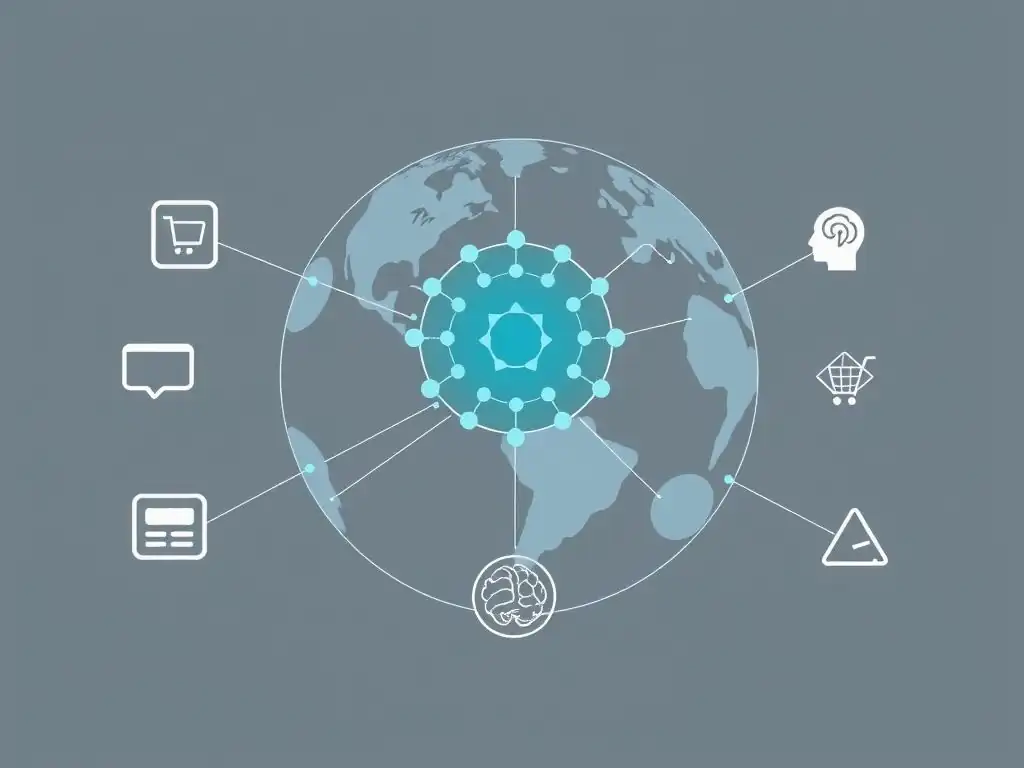
This section explores resources beyond specific online platforms that can help you navigate the complex world of ethical technology. Staying informed and engaged is crucial for ethical tech professionals, and these resources provide valuable support and guidance in this constantly evolving landscape. A strong ethical foundation is as important as technical proficiency when building and deploying technology. This commitment to ethical considerations is increasingly vital in securing trust and ensuring responsible innovation – a key aspect of any "Ethical tech platforms comparison".
Relevant Industry Associations and Organizations
Several organizations actively promote ethical practices within the tech industry. Membership often provides access to networking opportunities, conferences, publications, and continuing education resources. These groups play a crucial role in shaping ethical standards and advocating for responsible technological development. Engaging with these organizations demonstrates a commitment to ethical conduct and professional growth. Here are a few examples:
- The Association for Computing Machinery (ACM): The ACM has a dedicated special interest group on ethics and has published numerous influential papers and reports on ethical issues in computing. They offer resources and guidance for professionals navigating complex ethical dilemmas. Their focus extends far beyond simple "Ethical tech platforms comparison" to encompass the broader societal impact of technology.
- IEEE Computer Society: Focusing on the technical aspects of computing, the IEEE also addresses ethical concerns through publications and initiatives. They provide a unique perspective, bridging the gap between the technical and ethical dimensions of technology development.
- OpenAI: While primarily known for its AI research, OpenAI also actively engages in discussions and publications surrounding the ethical implications of AI, providing insights beyond a simple "Ethical tech platforms comparison". Their work contributes significantly to the ongoing conversation around responsible AI development.
These organizations offer valuable resources, including conferences, workshops, and publications, to help professionals stay abreast of the latest developments and best practices in ethical tech.
Key Publications and Research Papers on Ethical AI
The field of ethical AI is rapidly expanding, with numerous publications contributing to the ongoing discussion. Staying updated on the latest research is crucial for maintaining ethical awareness and informed decision-making. Accessing these resources allows for a nuanced understanding of ethical considerations, moving beyond a simplistic "Ethical tech platforms comparison". Here are some key areas of focus:
- Algorithmic Bias and Fairness: Research in this area focuses on identifying and mitigating biases embedded in algorithms. Papers often explore techniques for ensuring fairness and equity in AI systems.
- Privacy and Data Security: This area examines the ethical implications of data collection, storage, and use, particularly concerning sensitive personal information. Publications often address best practices for protecting user privacy and data security.
- Accountability and Transparency: Research in this field explores mechanisms for ensuring accountability and transparency in AI systems. This includes developing methods for explaining AI decisions and holding developers responsible for the outcomes of their creations.
- The Impact of AI on Employment: This research examines the potential societal impacts of AI on employment and the economy, exploring the ethical implications of automation and job displacement.
These research papers and publications provide in-depth analyses of complex ethical issues, offering valuable insights for professionals seeking to navigate the moral landscape of technology.
Ethical Guidelines and Best Practices for Tech Professionals
Beyond specific organizations and research, practical guidelines and best practices are essential for ethical tech professionals. These guidelines provide concrete steps and principles for integrating ethical considerations into daily work. They go beyond a simple "Ethical tech platforms comparison" by providing actionable frameworks for responsible technology development. Key areas include:
- Privacy by Design: Integrating privacy considerations from the initial stages of design and development.
- Data Minimization: Collecting and using only the minimum necessary data.
- Transparency and Explainability: Making AI systems' decision-making processes transparent and understandable.
- User Control and Consent: Giving users control over their data and ensuring informed consent for data use.
- Continuous Monitoring and Evaluation: Regularly assessing the ethical implications of technology and making necessary adjustments.
By adhering to these guidelines and actively engaging with the resources mentioned above, tech professionals can contribute to the development and deployment of ethical and responsible technology. This commitment is not merely a matter of compliance but is essential for building a future where technology serves humanity’s best interests.
Conclusion: Building a More Ethical Technological Future
This exploration of ethical tech platforms highlights the growing need for responsible innovation and conscious consumption in the digital age. Choosing platforms aligned with ethical principles isn't just a matter of personal preference; it's a crucial step toward building a more equitable and just technological future. The impact of our digital choices extends far beyond individual users, influencing societal structures, economic landscapes, and environmental sustainability.
By understanding the complexities of ethical considerations in tech, we empower ourselves to make informed decisions that contribute positively to the world around us. This requires ongoing vigilance and a commitment to continuous learning, adapting our understanding as technology rapidly evolves.
The Importance of Continuous Learning in Ethical Tech
The field of ethical technology is constantly evolving. New challenges emerge as technology advances, demanding continuous learning and adaptation. Staying abreast of the latest developments in AI ethics, data privacy regulations, and responsible algorithm design is paramount. This isn't solely the responsibility of tech professionals; informed consumers also need to cultivate a basic understanding of these issues to make responsible choices.
Consider the rapid advancements in artificial intelligence. What was considered ethically sound just a few years ago may now be viewed as problematic. Similarly, data privacy regulations are constantly being refined and updated, requiring ongoing education to ensure compliance and responsible data handling. Therefore, consistent engagement with ethical tech discussions, through online courses, webinars, and industry publications, is vital for both individuals and organizations. This continuous learning process fosters critical thinking, empowering individuals to identify and address ethical dilemmas proactively. Regular updates on best practices and emerging ethical concerns are crucial for navigating the ever-shifting landscape of ethical tech.
To illustrate, consider the evolution of facial recognition technology. Initial applications focused on security and convenience. However, concerns about bias, misuse, and privacy violations have led to stricter regulations and a reevaluation of its ethical implications. Continuous learning ensures we understand these evolving concerns and can adapt our usage and expectations accordingly.
The Role of Individuals and Organizations in Promoting Ethical AI
Promoting ethical AI requires a collaborative effort from both individuals and organizations. Individuals can contribute by:
- Making informed choices: Selecting platforms and services that prioritize user privacy and data security.
- Advocating for responsible AI: Supporting organizations and initiatives dedicated to promoting ethical AI development and deployment.
- Educating themselves and others: Understanding the ethical implications of AI and sharing this knowledge with friends, family, and colleagues.
- Reporting unethical practices: Highlighting instances of AI misuse or bias to relevant authorities or organizations.
Organizations play a crucial role by:
- Implementing ethical guidelines: Developing and enforcing clear ethical guidelines for the development and deployment of AI systems.
- Investing in AI ethics research: Funding research to identify and address ethical challenges related to AI.
- Promoting transparency and accountability: Being open about how their AI systems work and the potential risks involved.
- Collaborating with stakeholders: Engaging with diverse stakeholders, including ethicists, policymakers, and civil society organizations, to ensure that AI is developed and used responsibly.
The development and implementation of ethical frameworks, robust auditing processes, and mechanisms for redress are essential components of an organizational commitment to responsible AI. This commitment should be reflected in all stages of the AI lifecycle, from design and development to deployment and monitoring.
The Future of Ethical Technology and its Impact on Society
The future of ethical technology hinges on our collective ability to prioritize human values and well-being. As AI and other technologies become increasingly integrated into our lives, the ethical considerations surrounding their development and deployment will only become more critical. The responsible development and use of technology can lead to significant societal benefits, including improved healthcare, enhanced education, and increased accessibility. Conversely, a failure to address the ethical challenges posed by technology could result in widespread social inequalities, job displacement, and erosion of privacy.
Predicting the precise impact is challenging, but several trends are evident:
- Increased regulation: Governments worldwide are increasingly enacting regulations to address the ethical challenges posed by technology.
- Growing public awareness: The public is becoming increasingly aware of the ethical implications of technology, leading to greater demand for transparency and accountability.
- Technological advancements: New technologies are constantly being developed that can help to address some of the ethical challenges posed by existing technologies.
The need for "Ethical tech platforms comparison" becomes increasingly important as we navigate this complex landscape. Careful consideration of the ethical implications of technology is not just a matter of compliance; it's a fundamental requirement for building a more just and sustainable future. The long-term societal impact will be determined by the choices we make today. By prioritizing ethical considerations in the development and use of technology, we can harness its transformative power for the betterment of humanity.
Frequently Asked Questions
What is the focus of this article regarding ethical tech platforms?
This article compares and contrasts various online platforms, evaluating them based on their commitment to ethical practices and data privacy. It aims to help users make informed choices.
How does this article help me choose an ethical tech platform?
By providing a comparison of different platforms based on their privacy policies, data security measures, and overall ethical considerations, the article helps you navigate the complex landscape of online services and select ones aligned with your values.
What kind of platforms are compared in this article?
The article analyzes a range of platforms, likely including social media, search engines, and other online services commonly used daily. The specific platforms compared will be detailed within the article itself.
Are there specific ethical criteria used to evaluate the platforms?
Yes, the evaluation uses a set of criteria focusing on data privacy, transparency, accountability, and user control over personal information. These criteria are explained to provide a clear understanding of the evaluation process.
Where can I find more information about the ethical implications of technology?
While this article offers a comparison of specific platforms, additional resources on tech ethics and digital responsibility are available online and in academic publications. The article may also offer links to further reading.
Final Reflection: Charting a Course Through the Ethical Tech Wilderness
The quest for ethical tech platforms is no longer a niche concern; it's a fundamental necessity in our increasingly digital world. The rapid advancement of technology demands a parallel evolution in our ethical frameworks, and the platforms we choose to inhabit directly reflect our values and shape our collective future. Ignoring this crucial intersection is no longer an option; it's a gamble with the very fabric of our society.
The exploration of ethical online spaces has profoundly impacted my understanding of the power we wield as consumers and citizens. We are not passive recipients of technology; we are active participants in shaping its trajectory. Our choices, from the platforms we use to the data we share, contribute to the ethical landscape. The only way to do great work is to love what you do.
- Steve Jobs. This applies not only to the creation of technology but also to its consumption; we must be discerning and demand better from the platforms we engage with.
Consider the implications of your digital footprint. Which platforms align with your values? Which ones prioritize user privacy and data security? I urge you to actively engage in the conversation surrounding ethical technology, to support platforms that champion responsible innovation, and to demand greater transparency and accountability from those that don't. Let's collectively navigate this complex terrain, building a digital future that reflects our highest aspirations for a just and equitable world.
Ignite Your Tech Ethos: Take Action Today!
Thank you for exploring the world of tech ethics with us! We hope you've gained valuable insights into navigating the complexities of the digital age. Now it's time to apply that knowledge.
Here's how you can make a difference:
- Join the conversation: Share your thoughts and experiences on the ethical challenges you face in your daily tech use. Let's build a community of responsible tech users!
- Engage with online resources: Explore one of the online resources mentioned in the article and actively participate in its community to learn from others' experiences.
- Conduct a tech audit: Critically examine your digital footprint, evaluating your habits against the ethical guidelines discussed. Identify areas for improvement.
What ethical considerations will guide your future tech choices?