
Stay Ahead of the Curve: Learn Emerging Web Development Technologies Online


Ready to unlock a more productive and fulfilling life? At UltimateLifeHacks, we’re dedicated to sharing practical strategies and innovative techniques to streamline your daily routine. This isn't just about saving time; it's about optimizing your potential. Want to learn a highly sought-after skill efficiently? Discover how to Learn web dev online efficiently and stay ahead of the curve in our latest article on emerging web development technologies. Dive in and unlock your hidden potential!
- Why Learn Web Dev Online Efficiently? The Growing Demand for Web Developers
- Best Online Platforms to Learn Web Dev Efficiently: A Comparative Analysis
- Mastering Emerging Technologies: Focus on Specific Skills for Efficient Learning
- Building Your Web Development Portfolio for Maximum Impact
- Beyond the Code: Essential Skills for Web Developers
-
Frequently Asked Questions
- How can I learn web development online efficiently?
- What are some emerging web development technologies I should focus on?
- Are there free resources available for learning web development online?
- How much time should I dedicate to learning web development each day?
- What are the best ways to find a job after learning web development online?
- Final Reflection: Shaping Your Future, One Line of Code at a Time
- Unleash Your Inner Tech Wizard: Master the Future of Web Development!
Why Learn Web Dev Online Efficiently? The Growing Demand for Web Developers
The digital age has irrevocably transformed how we live, work, and interact. This shift has fueled an unprecedented demand for skilled web developers, creating a vibrant and lucrative career path. Learning web development online efficiently is no longer a luxury but a strategic necessity for anyone seeking a future-proof career with excellent earning potential and continuous growth opportunities.
This article explores the reasons behind the surge in demand for web developers, highlights the crucial skills needed to thrive in this field, and showcases the impressive earning potential and career trajectory it offers. Ultimately, we aim to equip you with the knowledge to make informed decisions about your online learning journey and effectively navigate the exciting world of web development. Learning web dev online efficiently is key to unlocking this potential and staying ahead of the curve in this rapidly evolving industry.
The Evolving Landscape of Web Development Jobs
The web development landscape is far from static; it's a dynamic ecosystem constantly evolving with new technologies and methodologies. This continuous evolution translates into a consistent need for professionals who can adapt and master emerging trends. The demand isn't just about filling existing roles; it's about creating entirely new positions to support innovative applications and platforms. We're seeing a significant rise in specialized roles, such as:
- Frontend Developers: Focusing on user interface (UI) and user experience (UX), building the interactive elements users see and interact with.
- Backend Developers: Building the server-side logic and databases that power websites and applications.
- Full-Stack Developers: Possessing expertise in both frontend and backend development, offering a comprehensive skillset.
- Mobile App Developers: Creating applications for iOS and Android platforms, catering to the ever-growing mobile user base.
- DevOps Engineers: Bridging the gap between development and operations, ensuring smooth deployment and maintenance of applications.
This diversification signifies not just a quantitative increase in jobs but a qualitative shift towards more specialized and highly sought-after skill sets. The ability to learn and adapt quickly is paramount in this field. Learning web dev online efficiently allows professionals to continuously upskill and stay competitive in this dynamic environment.
High-Demand Skills in Web Development
Mastering in-demand skills is crucial for success in web development. While specific requirements vary based on the role, some skills consistently rank high in employer demand:
| Skill | Description | Importance Level |
|---|---|---|
| HTML, CSS, JavaScript | Foundational languages for web development. | ⭐⭐⭐⭐⭐ |
| React, Angular, Vue.js | Popular JavaScript frameworks for building dynamic user interfaces. | ⭐⭐⭐⭐ |
| Node.js, Python, PHP | Server-side languages for building backend logic and APIs. | ⭐⭐⭐⭐ |
| Databases (SQL, NoSQL) | Essential for managing and storing data. | ⭐⭐⭐⭐ |
| API Integration | Connecting different software systems and services. | ⭐⭐⭐⭐ |
| Version Control (Git) | Managing code changes and collaborating effectively with teams. | ⭐⭐⭐⭐ |
| Testing and Debugging | Identifying and resolving errors in code. | ⭐⭐⭐⭐ |
| Cloud Platforms (AWS, Azure, GCP) | Deploying and managing applications in the cloud. | ⭐⭐⭐ |
| Cybersecurity Basics | Understanding security best practices to protect applications and data. | ⭐⭐⭐ |
This list isn't exhaustive, but it highlights the core competencies that significantly enhance employability and earning potential. Learning web dev online efficiently provides the flexibility to focus on these crucial skills at your own pace.
Average Salaries and Career Progression in Web Development
The financial rewards of web development are compelling. Average salaries vary significantly based on experience, location, and specialization. However, even entry-level positions offer competitive compensation, and the potential for substantial growth is substantial. The career trajectory often follows a path of increasing responsibility and compensation:
- Junior Developer: Entry-level role, focusing on learning and contributing to team projects. Average salaries are typically in the [specific salary range pending] range.
- Mid-Level Developer: Increased responsibility, leading smaller projects and mentoring junior developers. Salaries can reach [specific salary range pending].
- Senior Developer: Leading complex projects, mentoring teams, and contributing to architectural decisions. Salaries can exceed [specific salary range pending].
- Technical Lead/Architect: High-level roles involving technical leadership and strategic planning. Salaries are typically significantly higher.
Furthermore, the potential for freelance work and entrepreneurial ventures adds another layer of earning potential. The combination of high demand, competitive salaries, and diverse career paths makes web development an attractive and rewarding career choice. Learning web dev online efficiently can be a stepping stone to achieving significant financial success in this field. 🚀
Best Online Platforms to Learn Web Dev Efficiently: A Comparative Analysis

This section provides a detailed comparison of popular online learning platforms offering efficient web development courses. We'll analyze their strengths and weaknesses, focusing on features relevant to learning web development online effectively. The goal is to help you choose the platform best suited to your learning style and budget, ultimately maximizing your efficiency in acquiring valuable web development skills. This analysis will focus on "Learn web dev online efficiently" strategies by examining course structure, cost, and certification options.
Coursera: Specializing in Web Development Nanodegrees and Courses
Coursera is known for its partnerships with top universities and organizations, offering high-quality, structured learning experiences. Their web development offerings range from individual courses to comprehensive Nanodegrees, providing various pathways to proficiency. The platform emphasizes a structured approach, often incorporating projects and assessments to reinforce learning. This structured approach is a key element for those seeking to efficiently "Learn web dev online".
Coursera's Web Development Specialization: Pros and Cons
Pros:
- Structured Learning: Coursera's specializations provide a clear progression through web development concepts, ensuring a comprehensive understanding.
- Industry Relevance: Many courses are developed in collaboration with industry leaders, ensuring the curriculum aligns with current market demands.
- Credibility: A Coursera certificate can significantly boost your resume, demonstrating your commitment to acquiring in-demand skills.
- Peer Interaction: Many courses include discussion forums and peer review elements, facilitating collaborative learning.
Cons:
- Cost: Coursera's Nanodegrees and some specializations can be expensive, potentially limiting accessibility for some learners.
- Time Commitment: The structured nature requires a significant time investment, which might not suit everyone's schedule.
- Limited Flexibility: The structured curriculum might lack the flexibility some learners prefer.
Example Course: Google IT Automation with Python Professional Certificate
This popular Coursera offering provides a practical introduction to IT automation using Python. The curriculum covers scripting, networking, and system administration, equipping learners with valuable skills applicable to various web development roles. The hands-on projects are crucial for efficient learning, allowing you to apply your theoretical knowledge immediately. This example showcases Coursera's commitment to delivering practical, job-ready skills, aligning with the goal of efficiently learning web development online.
Cost and Certification Options on Coursera
Coursera offers a range of pricing models, from individual course audits (often free) to paid courses and specialized Nanodegrees. Certification is usually an additional cost, but provides a valuable credential to showcase your newly acquired skills. The cost-effectiveness depends on your learning goals and the specific course or specialization you choose. Careful budgeting is key to "Learn web dev online efficiently" on Coursera.
Udemy: Affordable Web Development Courses and Bundles
Udemy stands out for its vast library of courses and its often significantly lower price point compared to other platforms. This makes it an attractive option for budget-conscious learners seeking to "Learn web dev online efficiently." However, the sheer volume of courses necessitates careful selection to ensure quality and relevance.
Udemy's Wide Range of Web Development Courses: Beginner to Advanced
Udemy offers a diverse range of web development courses catering to all skill levels, from absolute beginners to experienced developers seeking to specialize. This breadth of choice allows for personalized learning paths, tailored to individual needs and experience. The availability of both beginner and advanced courses ensures efficient progression through the learning process.
Finding High-Quality Web Development Courses on Udemy: Tips and Tricks
With thousands of courses available, identifying high-quality options is crucial. Look for courses with:
- High ratings and reviews: Pay attention to both the number and content of reviews.
- Up-to-date curriculum: Ensure the course content is current and reflects the latest industry best practices.
- Instructor expertise: Check the instructor's credentials and experience.
- Clear learning objectives: The course should clearly outline what you'll learn and how it will benefit you.
- Student support: Look for courses offering responsive support from the instructor.
These criteria are essential for efficiently learning web development online and avoiding wasted time and resources.
Cost-Effectiveness and Course Bundles on Udemy
Udemy's affordability is a major draw. Frequent sales and bundles significantly reduce the cost of multiple courses, making it a cost-effective option for comprehensive learning. Taking advantage of these offers can significantly improve the efficiency of your learning journey, allowing you to "Learn web dev online efficiently" without breaking the bank. However, remember to prioritize quality over sheer quantity when selecting courses, even during sales.
Udacity: Industry-Relevant Nanodegrees in Web Development
Udacity offers a range of nanodegrees specifically designed to equip learners with in-demand web development skills. Their programs are known for their industry partnerships, ensuring the curriculum remains current and relevant to real-world job requirements. This focus on practical application sets Udacity apart from other online learning platforms.
The instructors are often professionals currently working in the field, bringing real-world experience and insights directly into the classroom. This ensures that students aren't just learning theoretical concepts, but are also gaining a deep understanding of how these concepts are applied in professional settings. Furthermore, Udacity's commitment to updating their courses regularly guarantees that students are always learning the latest technologies and best practices.
This continuous improvement is crucial in the rapidly evolving field of web development, ensuring graduates remain competitive in the job market. The platform also provides a structured learning path, making it easier for students to track their progress and stay motivated. This structured approach is particularly beneficial for those who prefer a more guided learning experience.
Udacity's Focus on Practical Skills and Project-Based Learning
Udacity's emphasis on practical skills is a key differentiator. Their nanodegrees are heavily project-based, allowing students to apply their knowledge immediately. Instead of passively consuming lectures, students actively build real-world projects, strengthening their understanding and building a portfolio to showcase their skills to potential employers. These projects often simulate real-world scenarios, preparing students for the challenges they will face in professional roles.
For example, students might be tasked with building a fully functional e-commerce website or developing a complex web application. This hands-on approach is vital for effectively learning web development, allowing students to solidify their understanding through practical application and problem-solving. The projects are also graded and reviewed, providing valuable feedback that helps students improve their skills and refine their approach. This iterative process of building, reviewing, and refining is crucial for developing mastery in web development.
Example Nanodegree: Full Stack Web Developer Nanodegree
Udacity's Full Stack Web Developer Nanodegree is a prime example of their commitment to practical, industry-relevant training. This program covers a wide range of essential technologies, including front-end frameworks like React, back-end languages like Node.js, and databases like MongoDB. Students learn to build complex web applications from the ground up, gaining a comprehensive understanding of the entire development lifecycle.
The curriculum includes projects that challenge students to tackle real-world problems, such as building a responsive website, creating a RESTful API, and implementing authentication and authorization. This comprehensive approach ensures graduates are well-prepared for a variety of roles in the industry, from front-end developer to full-stack engineer.
The program's structured nature and focus on practical application make it an excellent choice for those looking to transition into a web development career or advance their existing skills. The rigorous curriculum and demanding projects ensure that graduates emerge with a deep understanding of the field and a portfolio that demonstrates their abilities.
Career Services and Job Placement Support from Udacity
Beyond the technical skills training, Udacity provides significant career services to support its graduates. This includes resume and portfolio reviews, interview preparation, and networking opportunities. They often connect students with industry professionals and recruiters, providing valuable insights into the job market and career paths.
Udacity actively works to connect its graduates with potential employers, offering job placement assistance and career counseling. This support system is crucial in helping students successfully transition into the workforce after completing their nanodegree. The platform's commitment to career services further enhances its value proposition, making it a more attractive option for those seeking not just technical skills, but also career advancement.
This commitment to career support distinguishes Udacity from many other online learning platforms and underscores their dedication to student success. The career services are an important component of their overall learning experience, helping students navigate the complexities of the job market and achieve their career goals.
FreeCodeCamp: A Comprehensive and Free Web Development Curriculum
FreeCodeCamp stands out as a completely free, open-source platform offering a comprehensive web development curriculum. This accessibility makes it a valuable resource for aspiring developers who may not have the financial means to invest in paid courses. The platform's curriculum is structured around building real-world projects, fostering practical skills development from the outset. This project-based learning approach is highly effective in solidifying theoretical knowledge and building a portfolio of work.
The platform's community-driven nature also provides a supportive learning environment, fostering collaboration and peer learning. The vast amount of free content available is a significant advantage, making it an attractive option for learners on a budget or those who prefer a self-paced learning experience. The curriculum covers a wide range of technologies, ensuring a comprehensive understanding of front-end, back-end, and database technologies.
FreeCodeCamp's Project-Based Learning Approach
FreeCodeCamp's curriculum revolves around building projects. Learners progress through a series of challenges and projects, gradually building their skills and creating a portfolio of demonstrable work. This hands-on approach is crucial for mastering web development concepts, allowing learners to apply their knowledge immediately and receive feedback on their work. The projects are designed to be challenging yet achievable, pushing learners to expand their skillset and tackle increasingly complex problems.
This iterative process of learning and building is highly effective, reinforcing concepts and building confidence. The focus on practical application ensures learners are not only acquiring theoretical knowledge but also developing the practical skills needed to succeed in the field. The completed projects also serve as a strong portfolio, showcasing the learner's abilities to potential employers.
Community Support and Real-World Project Opportunities
FreeCodeCamp boasts a large and active community of learners and mentors. This supportive environment fosters collaboration and provides opportunities for peer learning and mentorship. The community aspect is a significant advantage, providing learners with a network of support and resources. Many projects involve contributing to real-world applications, giving learners experience with open-source contributions and collaborative development.
This experience is invaluable in preparing learners for professional collaborative environments. Moreover, the platform often partners with non-profit organizations, providing opportunities to build projects that address real-world problems, further enriching the learning experience and providing a sense of purpose. This combination of community support and real-world project opportunities makes FreeCodeCamp a unique and valuable resource for aspiring web developers.
Limitations of FreeCodeCamp
While FreeCodeCamp offers many advantages, it also has some limitations. The lack of structured mentorship or individual guidance can be challenging for some learners. The completely free nature means there is no personal support from instructors or dedicated support staff. The curriculum, while comprehensive, may lack the depth and focus of paid courses.
The reliance on community support can also be a double-edged sword, as the quality of assistance can vary. Finally, the absence of formal certifications might make it slightly less appealing to some employers compared to accredited online programs. While these limitations exist, FreeCodeCamp remains a powerful resource for self-motivated learners seeking a free and comprehensive web development education.
Mastering Emerging Technologies: Focus on Specific Skills for Efficient Learning
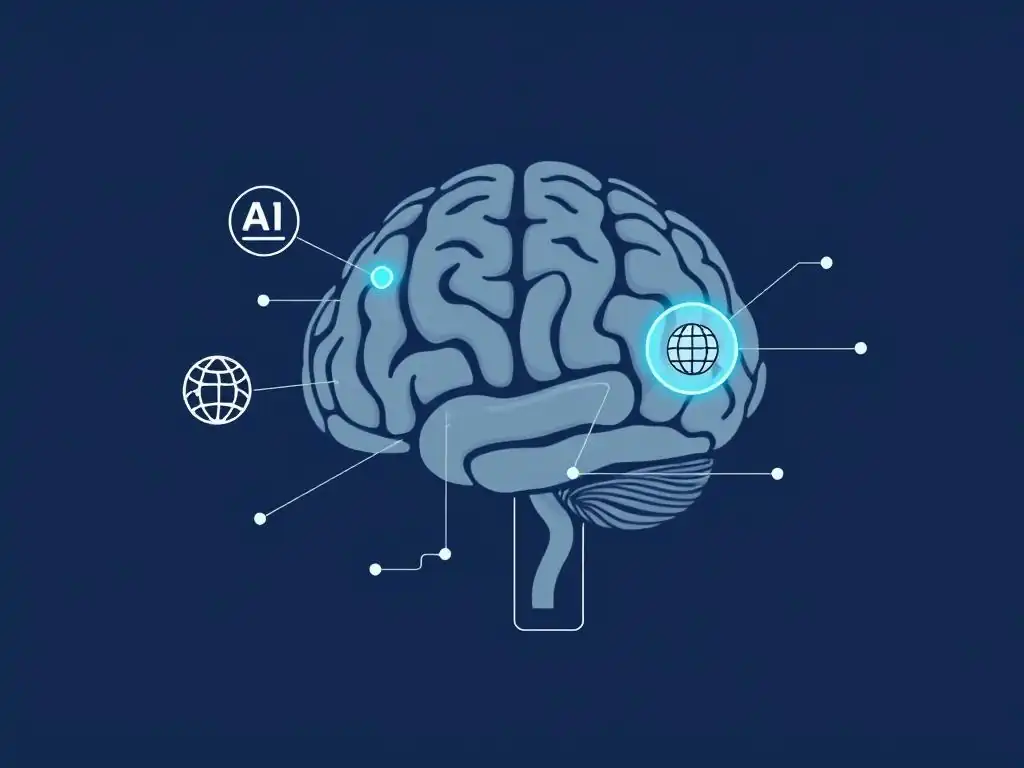
This section focuses on strategically learning key emerging web development technologies to maximize your learning efficiency and quickly build a competitive skillset. The modern web development landscape is constantly evolving, so focusing your efforts on high-demand, interconnected skills is crucial for effectively "learning web dev online efficiently." We'll examine two crucial areas: frontend development with React.js and backend development with Node.js. Mastering these will significantly boost your employability and project capabilities.
Learning React.js Efficiently: Online Resources and Best Practices
React.js, a JavaScript library for building user interfaces, is a cornerstone of modern frontend development. Learning it efficiently requires a structured approach, leveraging high-quality resources and focusing on practical application. Many aspiring web developers struggle with the sheer volume of information available, leading to inefficient learning. A focused approach is key.
Top React.js Courses on Udemy and Coursera
Choosing the right course is paramount. Look for courses with:
- High ratings and reviews: Focus on courses with a large number of positive reviews emphasizing clear explanations, practical exercises, and up-to-date content.
- Project-based learning: Prioritize courses that incorporate hands-on projects. Building real-world applications solidifies your understanding far more effectively than just theoretical lectures. Look for projects that mirror real-world scenarios, like building a to-do list app or a simple e-commerce interface.
- Instructor expertise and responsiveness: Check the instructor's profile and look for evidence of their experience and community engagement. A responsive instructor can answer your questions and provide valuable feedback.
Consider filtering courses by "beginner-friendly" to ease your initial learning curve. Remember that consistent effort is more important than the specific course you choose.
| Platform | Course Title Example (replace with actual course titles) | Key Features |
|---|---|---|
| Udemy | React.js Bootcamp 2024 | Project-based, Beginner-friendly, Comprehensive |
| Coursera | React.js for Beginners: Build Modern Web Apps | University-backed, Structured curriculum |
Building a Portfolio with React.js Projects
A strong portfolio is your best asset when applying for web development jobs. Don't just complete course projects; actively build your own projects to demonstrate your skills and initiative. Here's how to approach building a portfolio effectively:
- Start small: Begin with simple projects to build confidence and understanding. A basic to-do list app or a simple calculator are great starting points.
- Gradually increase complexity: As your skills improve, tackle more challenging projects. Consider building a blog, a portfolio website showcasing your work, or a simple e-commerce application.
- Focus on quality over quantity: It's better to have a few high-quality projects than many poorly executed ones.
- Showcase your work: Host your projects on GitHub or a similar platform to make them easily accessible to potential employers. A well-commented codebase demonstrates professionalism and attention to detail.
Efficiently Learning Node.js and Backend Development
Node.js, a JavaScript runtime environment, is essential for backend development. Learning Node.js efficiently involves mastering key concepts and building practical applications. This requires a balance of theoretical understanding and hands-on experience to effectively "learn web dev online efficiently."
Best Node.js Tutorials and Online Courses
Similar to React.js, selecting quality resources is vital for efficient learning. Look for:
- Comprehensive tutorials: Tutorials should cover fundamental concepts like asynchronous programming, event loops, and working with databases.
- API integration: Focus on learning how to integrate with various APIs (Application Programming Interfaces) to extend your application's functionality.
- Hands-on projects: Build projects that involve creating RESTful APIs, interacting with databases (like MongoDB or PostgreSQL), and handling user authentication. These are highly valuable skills.
Creating APIs and Backend Systems with Node.js
Building robust backend systems requires a structured approach. Key aspects include:
- Database design: Learn to design efficient database schemas to store and manage application data effectively. Consider the pros and cons of different database systems (SQL vs. NoSQL).
- API design: Focus on creating well-documented and easy-to-use APIs following RESTful principles. This is crucial for seamless integration with frontend applications.
- Security: Implement robust security measures to protect your application from vulnerabilities. This includes techniques like input validation, authentication, and authorization. This is critical for any serious project.
- Testing: Thoroughly test your code to ensure its reliability and stability. Use testing frameworks like Jest or Mocha to write unit and integration tests. 🕵️♂️
Remember, consistent practice and building real-world projects are key to mastering Node.js and backend development. The combination of frontend React skills and backend Node skills provides a highly marketable and versatile skillset in today's web development market.
Mastering Frontend Frameworks: Angular vs. Vue.js
Learning a modern frontend framework is crucial for efficient web development. Angular and Vue.js are two of the most popular choices, each with its own strengths and weaknesses. Choosing between them often depends on the specific project requirements and your existing skillset. This section will delve into a comparison to help you make an informed decision on which framework best suits your "learn web dev online efficiently" goals.
Comparing Angular and Vue.js: Features, Advantages, and Disadvantages
Angular, developed and maintained by Google, is a comprehensive, opinionated framework. This means it provides a structured approach to building complex applications, with built-in tools and conventions for everything from routing and state management to form handling and testing. Its robust ecosystem and large community ensure ample resources and support. However, its complexity can lead to a steeper learning curve, making it less ideal for beginners or smaller projects. Angular's TypeScript foundation promotes type safety and maintainability in large-scale projects but adds to the initial learning burden.
| Feature | Angular | Vue.js |
|---|---|---|
| Size | Larger | Smaller, more lightweight |
| Learning Curve | Steeper | Gentler |
| Structure | Highly structured, opinionated | More flexible, less opinionated |
| Scalability | Excellent, designed for large apps | Excellent, scales well with proper design |
| Community | Large, active | Large, active |
| Data Binding | Two-way | Primarily one-way, but allows two-way |
| Templating | Uses its own templating language | Uses HTML-based templates |
Vue.js, on the other hand, is a progressive framework. This means you can adopt it incrementally, integrating it into existing projects or starting small and scaling up as needed. Its smaller size and simpler syntax contribute to a gentler learning curve, making it a popular choice for beginners and rapid prototyping.
Vue.js offers a flexible approach, allowing developers to choose the tools and libraries that best suit their needs, rather than imposing a strict structure. However, this flexibility can also lead to inconsistencies if not managed carefully in larger projects. While Vue.js has a thriving community and extensive documentation, the sheer breadth of available tools and libraries might initially feel overwhelming.
Choosing the Right Framework Based on Your Project Needs
The decision of whether to learn Angular or Vue.js for efficient web development hinges on your project's specific demands. For large-scale, complex applications requiring a robust, well-structured solution and where maintainability is paramount, Angular's comprehensive features and TypeScript foundation are compelling advantages. The initial steeper learning curve is offset by the long-term benefits of its structured approach. This makes Angular a solid choice for experienced developers or teams working on enterprise-level projects. Think of large-scale applications with complex data flows and interactions, such as sophisticated e-commerce platforms or complex web applications for internal use within large companies.
Conversely, if you are working on a smaller project, a prototype, or need a quick solution, Vue.js's ease of use and flexibility are extremely valuable. Its gentle learning curve allows faster development cycles, making it ideal for beginners or situations where rapid prototyping is crucial. Furthermore, Vue.js's adaptability makes it suitable for integrating into existing projects without significant disruption. Imagine building a small landing page, a simple web application, or a single-page application (SPA) with a limited number of functionalities. Vue.js’s flexibility shines here.
Ultimately, the most efficient way to "learn web dev online" involves carefully considering your project scope and long-term goals before committing to either framework. Both Angular and Vue.js offer excellent tools for building modern web applications; the best choice simply depends on your specific needs and experience level. Investing time in understanding the nuances of each framework will ultimately lead to more efficient web development.
Building Your Web Development Portfolio for Maximum Impact

Landing your dream web development job requires more than just theoretical knowledge; you need a compelling portfolio that showcases your skills and projects. Building a strong portfolio is crucial for demonstrating your abilities to potential employers and helps you stand out from the competition. This section focuses on effective strategies to build a portfolio that truly makes an impact, helping you efficiently learn web dev online and translate that learning into real-world results. Remember, a well-curated portfolio is a powerful tool in your quest to Learn web dev online efficiently.
Creating a Professional Website to Showcase Your Skills
Your portfolio website should be more than just a list of projects; it should be a reflection of your personal brand and technical abilities. Think of it as your digital resume, but far more engaging and interactive. The design should be clean, modern, and easy to navigate. Potential employers will spend only a few seconds initially judging your work, so first impressions matter.
Consider these key elements for a compelling portfolio website:
- A concise and impactful "About Me" section: Briefly describe your skills, experience, and career goals. Use strong action verbs and quantify your accomplishments whenever possible. For example, instead of saying "Improved website performance," say "Improved website loading speed by 25% using [specific technique]."
- High-quality screenshots and videos: Showcase your best projects with visually appealing media. Use clear, well-lit images and concise videos that highlight the key features and functionality of your projects.
- Detailed project descriptions: For each project, provide a brief overview, a description of the technologies used, and a link to the live project (if available). Highlight the challenges you faced and the solutions you implemented. This demonstrates problem-solving skills, a highly valued asset in web development.
- A responsive design: Ensure your portfolio website is accessible and looks great on all devices (desktops, tablets, and smartphones). This demonstrates your understanding of cross-browser compatibility and responsive design principles.
- Contact information: Make it easy for potential employers to contact you. Include your email address, LinkedIn profile, and any other relevant contact information.
Contributing to Open Source Projects to Gain Experience
Contributing to open-source projects is an excellent way to gain practical experience, expand your skillset, and build your portfolio. It's a fantastic way to Learn web dev online efficiently by working on real-world projects alongside experienced developers. You'll learn from others' code, receive valuable feedback, and improve your collaboration skills – all highly sought-after attributes in the industry.
The process might seem daunting initially, but with a structured approach, it becomes manageable. Remember to start small and gradually increase the complexity of your contributions.
Finding Suitable Open Source Projects on GitHub
GitHub is a treasure trove of open-source projects, offering a wide variety of opportunities for contributors of all skill levels. Here's how to find suitable projects:
- Use GitHub's search functionality: Search for projects based on your interests and skill level. Use keywords like "beginner-friendly," "good first issue," or specific technologies you want to learn.
- Look for projects with clear documentation: Well-documented projects make it easier to understand the codebase and contribute effectively.
- Start with small tasks: Focus on fixing bugs, improving documentation, or adding small features. This is a great way to get your feet wet and gain confidence.
- Engage with the community: Don't hesitate to ask questions or seek guidance from the project maintainers or other contributors. The open-source community is generally very welcoming and supportive. Remember, collaboration is key! This process will significantly help you Learn web dev online efficiently.
By consistently contributing to open-source projects, you'll not only enhance your technical skills but also demonstrate your commitment to the web development community, further strengthening your portfolio and increasing your chances of landing your dream job. This practical experience complements your online learning, creating a powerful synergy for career success.
Networking and Building Connections with Other Developers
Building a strong network within the web development community is crucial for career advancement and learning. Networking isn't just about collecting business cards; it's about cultivating genuine relationships with fellow developers who can offer support, mentorship, and even future job opportunities. The collaborative nature of software development means that strong connections can lead to exciting projects and invaluable learning experiences. Think of your network as a living, breathing resource – constantly evolving and providing new opportunities.
Remember, helping others often results in reciprocal benefits. By offering your expertise and assisting others, you not only build goodwill but also solidify your reputation as a skilled and collaborative developer. This reciprocal exchange of knowledge and support is a cornerstone of professional growth in the tech industry.
Actively engaging in online and offline developer communities demonstrates your commitment to the field and opens doors to unexpected collaborations and opportunities. Don't underestimate the power of a strong network; it's an invaluable asset throughout your web development journey. Consider it a long-term investment that yields significant returns in terms of knowledge, opportunities, and career satisfaction.
Attending Online Web Development Communities and Forums
Participating in online web development communities and forums is an exceptionally effective way to learn "Learn web dev online efficiently." These platforms offer a wealth of resources, from troubleshooting assistance to insightful discussions on cutting-edge technologies. Engaging in these forums allows you to directly interact with experienced developers, ask questions, and learn from their solutions. It's a dynamic learning environment where you can witness real-world problem-solving in action.
Moreover, actively contributing to these communities by answering questions and sharing your knowledge strengthens your understanding of concepts and builds your reputation as a helpful and knowledgeable member. This active participation not only helps others but also reinforces your own learning through teaching. Specific examples include platforms like Stack Overflow, where you can find answers to common coding problems and contribute your own solutions. Participating in GitHub discussions on open-source projects is another excellent avenue for learning and networking.
Remember to always approach discussions with respect and a willingness to learn. The collective knowledge within these online communities is vast, and the potential for growth is immense. By consistently engaging with these resources, you'll not only improve your technical skills but also expand your professional network, gaining valuable insights and connections. These online communities are a treasure trove of information and offer an invaluable opportunity to learn web development efficiently.
Beyond the Code: Essential Skills for Web Developers
Beyond mastering the technical intricacies of coding languages and frameworks, aspiring web developers seeking to truly learn web dev online efficiently must cultivate a diverse skill set. Technical proficiency is only one piece of the puzzle; success in the field hinges on soft skills and professional acumen that complement coding expertise. This section delves into crucial non-coding skills that enhance efficiency and effectiveness.
Effective Communication and Collaboration Skills for Web Developers
Effective communication is paramount in web development. Projects rarely involve solo efforts; collaboration is key. Therefore, mastering communication strategies is crucial for efficiently navigating the development process. This includes:
- Active Listening: Truly understanding client needs and team member perspectives requires active listening. This involves paying close attention, asking clarifying questions, and summarizing to ensure comprehension. Ignoring subtle cues can lead to misunderstandings and project delays.
- Clear and Concise Communication: Web developers must articulate technical concepts clearly, even to non-technical stakeholders. Using plain language, avoiding jargon, and providing visual aids when necessary are essential for effective communication.
- Constructive Feedback: Providing and receiving constructive criticism is vital for improvement. Learning to offer feedback that is both specific and supportive fosters a collaborative environment. Similarly, receiving feedback gracefully and using it to refine skills is equally important.
- Conflict Resolution: Disagreements are inevitable in collaborative projects. Developing skills to navigate conflicts professionally and find mutually agreeable solutions is crucial for maintaining team cohesion and productivity.
Project Management and Time Management Techniques
Efficient project management and time management are intertwined skills crucial for learning web dev online efficiently and succeeding as a web developer. Many online courses only focus on the technical aspects, neglecting these vital skills. Here's how to integrate them:
- Agile Methodologies: Understanding and implementing agile methodologies (like Scrum or Kanban) allows for flexible project planning and iterative development. This approach enables efficient adaptation to changing requirements and prioritizes delivering value incrementally.
- Task Prioritization and Delegation: Effective time management involves prioritizing tasks based on urgency and importance. Learning to delegate tasks appropriately to team members maximizes efficiency and allows you to focus on your areas of expertise.
- Time Tracking and Analysis: Tracking time spent on various tasks provides valuable insights into personal productivity patterns. Analyzing this data helps identify time-wasting activities and implement strategies for improvement. Tools like Toggl or Clockify can be invaluable.
- Breaking Down Large Tasks: Overwhelmed by a large project? Break it down into smaller, manageable tasks. This makes the project less daunting and allows for better progress tracking and a sense of accomplishment as each smaller task is completed.
Understanding Client Needs and Delivering High-Quality Work
The ability to understand client needs and translate them into functional, high-quality web solutions is a defining characteristic of successful web developers. This involves:
- Thorough Requirements Gathering: Before starting any project, thoroughly gather requirements through discussions, questionnaires, and documentation. Clarify ambiguities and ensure a shared understanding of the project scope and objectives.
- Prototyping and Iterative Development: Creating prototypes allows for early feedback and iterative improvements. This collaborative approach allows for adjustments based on client feedback, ensuring the final product aligns with expectations.
- Quality Assurance and Testing: Rigorous testing is crucial for delivering high-quality work. This involves unit testing, integration testing, and user acceptance testing to identify and address bugs before launch.
- Meeting Deadlines and Budgets: Delivering projects on time and within budget demonstrates professionalism and builds client trust. Effective project management and time management skills are critical for achieving this.
This combination of technical skills and professional competence is what truly sets apart successful web developers. By focusing on these aspects while learning web dev online efficiently, you'll greatly enhance your career prospects and become a highly sought-after professional.
Frequently Asked Questions
How can I learn web development online efficiently?
The most efficient way to learn web development online is through a structured approach. Focus on practical projects early and utilize interactive courses and coding bootcamps. Supplement your learning with consistent practice and real-world application.
What are some emerging web development technologies I should focus on?
Artificial Intelligence (AI) integration, WebAssembly (Wasm) for performance improvements, and Progressive Web Apps (PWAs) for cross-platform reach are key areas. Staying updated on JavaScript frameworks like React, Angular, and Vue is also crucial.
Are there free resources available for learning web development online?
Yes! Many free online courses, tutorials, and documentation are readily available. Platforms like freeCodeCamp, Codecademy (free tier), and YouTube offer excellent starting points. However, structured paid courses often provide a more focused and comprehensive learning experience.
How much time should I dedicate to learning web development each day?
Consistent effort is key. Aim for at least 30 minutes to an hour of focused practice daily. More time is beneficial, but consistency is more important than long, infrequent sessions. Regular coding challenges and projects will reinforce learning.
What are the best ways to find a job after learning web development online?
Build a strong portfolio showcasing your projects. Network with other developers, attend online meetups, and leverage platforms like LinkedIn and GitHub to showcase your skills. Tailor your resume and cover letter to highlight relevant skills and projects for each job application.
Final Reflection: Shaping Your Future, One Line of Code at a Time
The digital landscape is evolving at an unprecedented pace, and mastering emerging web development technologies is no longer a luxury—it's a necessity. The ability to adapt and learn quickly is the key differentiator between success and stagnation in this dynamic field. This means embracing continuous learning and actively seeking out new skills to stay competitive.
The impact of online learning platforms on the accessibility of cutting-edge web development skills is profound. It's democratized access to knowledge, empowering individuals worldwide to pursue their passions and build successful careers. This shift has fostered a more inclusive and innovative tech community. The only way to do great work is to love what you do.
- Steve Jobs. This rings especially true in the ever-changing world of web development; passion fuels the drive to constantly learn and improve.
Now, it's your turn. Consider how you can integrate the strategies and resources discussed in this article into your own learning journey. Don't be afraid to experiment, to embrace challenges, and to continuously refine your skillset. The future of web development is being written today, and you have the power to shape it. Embrace the opportunity, and start building your tomorrow, one line of code at a time.
Unleash Your Inner Tech Wizard: Master the Future of Web Development!
Thank you for exploring the exciting world of emerging web development technologies! You've gained valuable insights to stay ahead of the curve. Now it's time to apply that knowledge.
Here's how you can take the next step:
- Enroll in our free introductory web development course: This fast-paced course offers hands-on experience with key technologies, providing the perfect foundation to build your skills.
- Engage with online developer communities and forums: Connect with other developers, share your experiences, and ask questions. Networking is crucial for success.
- Share this article with a friend who might also be interested in learning about these innovative technologies. Let's spread the word!
What exciting new technology will you tackle first? Let us know in the comments!