
Travel the World From Home: Virtual Immersion Experiences for Language Learners

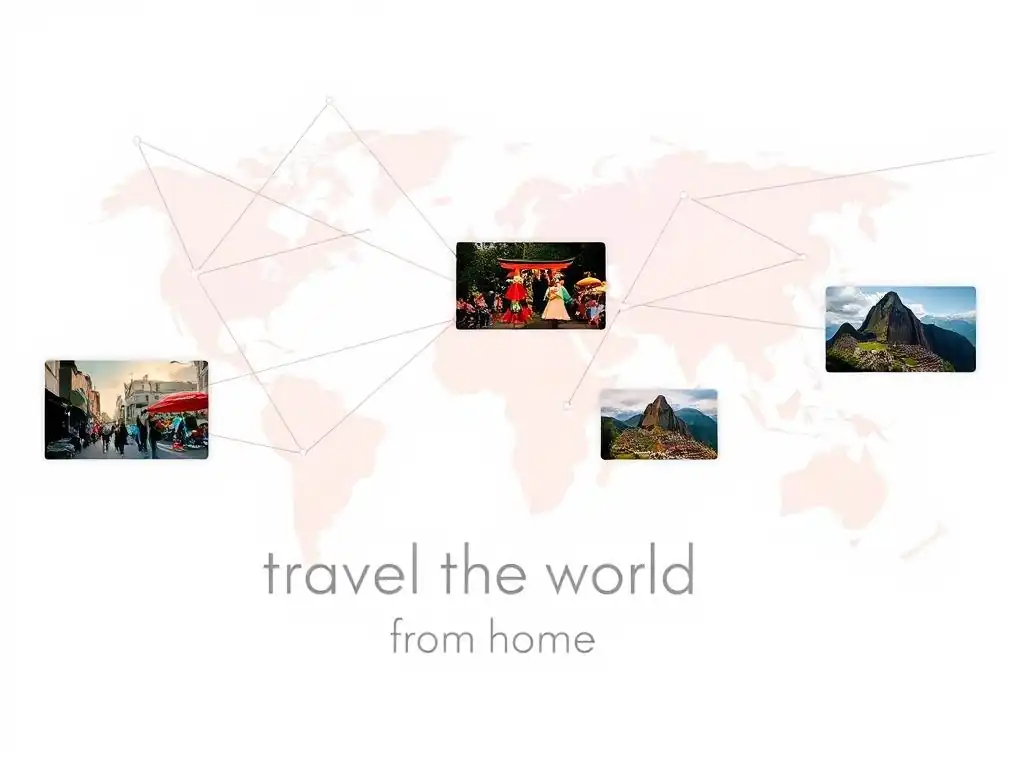
Ready to unlock a world of possibilities without leaving your home? At UltimateLifeHacks, we're dedicated to boosting your productivity and efficiency. This time, we're diving into the exciting realm of virtual language learning travel, offering you a unique opportunity to explore new cultures and master new languages from the comfort of your own space. Discover how immersive online experiences can transform your learning journey and open doors to incredible adventures. Let's explore the possibilities together!
- Unlocking Global Language Learning Through Virtual Travel
-
Top Virtual Language Learning Platforms: A Comparative Review
- Babbel: Interactive Lessons and Cultural Insights for Spanish
- Duolingo: Gamified Learning and Virtual Travel Challenges
- Rosetta Stone: Immersive Language Learning Software with Virtual Environments
- Memrise: Mnemonic Techniques and Cultural Contextualization for French
- italki: Personalized Online Lessons with Native Speakers from Around the Globe
- Maximizing Your Virtual Language Learning Journey: Tips and Tricks
- Budget-Friendly Virtual Language Learning Resources: Free and Affordable Options
- The Benefits of Virtual Language Learning Travel: Time, Cost, and Accessibility
- The Future of Virtual Language Learning Travel: Emerging Technologies and Trends
-
Frequently Asked Questions
- What is "virtual language learning travel"?
- How is virtual language learning travel different from traditional language learning?
- What are the benefits of virtual language learning travel?
- What kind of technology is used in virtual language learning travel?
- Can virtual language learning travel fully replace physical travel for language learning?
- Final Reflection: Unlocking Global Connection Through Virtual Travel
- Unleash Your Inner Explorer: Dive Deeper into Global Cultures
Unlocking Global Language Learning Through Virtual Travel
Learning a new language can feel like a monumental task, often requiring significant time, financial investment, and a willingness to step outside your comfort zone. Traditional language learning methods, while valuable, can sometimes lack the immersive element crucial for genuine fluency. This article explores a revolutionary approach: virtual language learning travel. This innovative method leverages technology to create immersive experiences, allowing you to explore different cultures and hone your language skills from the comfort of your home.
Forget expensive flights and visa applications; we'll delve into how virtual immersion programs are transforming the way we learn languages, making it more accessible, engaging, and ultimately, more effective. We’ll examine the benefits of this approach, exploring specific platforms and techniques that can significantly boost your language proficiency while saving you time and money. Prepare to embark on a global linguistic adventure without ever leaving your chair!
Why Virtual Language Learning Travel is the Future of Immersion
The traditional method of language immersion—traveling abroad—presents significant hurdles. Cost, time constraints, and logistical complexities often prevent many from fully immersing themselves in a new language and culture. Virtual language learning travel, however, offers a compelling alternative. It provides a cost-effective and flexible way to experience the richness of another culture without the constraints of physical travel. This approach leverages cutting-edge technology to simulate real-world interactions, creating a truly immersive learning environment.
Consider this: Instead of spending thousands on a trip to Spain, you can access interactive simulations that place you in realistic scenarios, such as ordering food in a restaurant, haggling at a market, or engaging in casual conversation with native speakers. This allows for repeated practice and immediate feedback, accelerating the learning process. Furthermore, virtual environments offer a safe space for experimentation, reducing the fear of making mistakes that can hinder progress in traditional immersion settings.
The convenience factor is undeniable; you can tailor your learning schedule to fit your lifestyle, making it ideal for busy individuals or those with limited mobility. The future of language learning is undeniably intertwined with the accessibility and effectiveness of virtual immersion. This method not only improves language acquisition but also cultivates cross-cultural understanding and empathy.
Beyond Textbooks: Experiencing Culture Through Interactive Simulations
Virtual language learning travel goes beyond simply memorizing vocabulary and grammar rules. It offers a holistic approach, integrating cultural immersion directly into the learning process. Many platforms utilize interactive simulations that recreate authentic cultural experiences.
Imagine participating in a virtual cooking class where you learn to prepare traditional dishes while conversing with a native speaker in their language. Or perhaps engaging in a virtual tour of a historical site, guided by a local expert who provides insightful commentary in the target language. These experiences not only enhance your language skills but also cultivate a deeper understanding and appreciation for the culture associated with the language you're learning.
The use of realistic 3D environments and interactive characters further enhances the immersion. These simulations often include challenging scenarios that test your comprehension and communication skills, pushing you beyond the limitations of textbook exercises. For example, you might encounter a problem-solving task in a virtual marketplace, requiring you to negotiate prices and communicate your needs effectively in the target language.
This type of active learning is significantly more engaging and effective than passively reading a textbook or listening to a lecture. The combination of interactive simulations and culturally relevant content creates a dynamic and enriching learning experience that fosters both linguistic and cultural fluency. The ability to repeatedly practice in a risk-free environment is invaluable, allowing learners to confidently build their skills and overcome anxieties associated with real-world communication.
Top Virtual Language Learning Platforms: A Comparative Review
This section dives deep into three popular platforms offering "virtual language learning travel" experiences, comparing their features and effectiveness for immersive language acquisition. We'll examine how each platform leverages technology to simulate aspects of travel, fostering a more engaging and effective learning process. Remember, consistent effort is key to success regardless of the platform you choose.
Babbel: Interactive Lessons and Cultural Insights for Spanish
Babbel distinguishes itself through its focus on practical conversational skills and cultural integration. Their Spanish course, for example, isn't just about grammar rules; it incorporates real-life scenarios and cultural nuances. This approach mimics the experience of being immersed in a Spanish-speaking country, even without physically leaving home.
Babbel uses interactive exercises, speech recognition technology, and personalized learning paths to cater to individual needs and learning styles. For instance, the platform adjusts the difficulty based on your performance, ensuring you’re consistently challenged but not overwhelmed. This adaptive learning makes the process feel less like rote memorization and more like a genuine interaction with the language.
The inclusion of cultural insights, such as common phrases used in specific situations or explanations of cultural customs, further enhances the immersive experience. Imagine learning how to order tapas in a Madrid taberna – Babbel brings that scenario to life within its lessons. This contextual learning solidifies vocabulary and grammar rules more effectively than traditional methods. The platform also provides progress tracking and personalized feedback, allowing users to monitor their improvement and identify areas for focus. This feature is vital for maintaining motivation and achieving language learning goals.
Duolingo: Gamified Learning and Virtual Travel Challenges
Duolingo's approach to "virtual language learning travel" is heavily gamified. The platform uses points, badges, leaderboards, and streaks to incentivize consistent learning and maintain user engagement. This gamification transforms language learning into a fun and rewarding experience, combating the potential monotony of traditional methods.
While not explicitly offering "virtual environments," Duolingo incorporates virtual travel elements into its challenges and lessons. For example, you might find yourself translating menus from a Parisian cafe or interpreting street signs in a virtual Tokyo street scene. These contextualized exercises create a sense of exploration and discovery, enhancing motivation and retention.
Duolingo's strength lies in its accessibility and breadth of languages. It offers a wide range of courses, making it a versatile option for learners of various levels and interests. However, its gamified approach might not appeal to all learners, particularly those who prefer a more structured or less playful learning style. While it's a great tool for building a basic vocabulary and understanding of grammar, it may lack the depth and nuanced cultural insights found in platforms like Babbel. The free version is excellent for beginners, but the paid version unlocks more features and content.
Rosetta Stone: Immersive Language Learning Software with Virtual Environments
Rosetta Stone takes a more immersive approach to language learning, emphasizing total immersion from the very beginning. Unlike other platforms that rely heavily on translation, Rosetta Stone uses a picture-based approach to teach vocabulary and grammar, mimicking the way children learn their first language. This method encourages intuitive understanding and reduces reliance on your native tongue.
While not explicitly a "virtual travel" platform in the same way as some others, Rosetta Stone's immersive methodology simulates the experience of being surrounded by the target language. This is achieved through interactive exercises that focus on building conversational fluency. The software uses speech recognition technology to assess pronunciation and provide feedback, helping learners develop accurate pronunciation from the start.
Rosetta Stone's strength lies in its focus on building conversational fluency quickly. However, its lack of explicit cultural context and relatively high cost might make it less appealing to certain learners. Furthermore, the focus on immersion without explicit grammar explanations can be challenging for some learners who prefer a more structured approach. The software's effectiveness is highly dependent on the learner's motivation and ability to learn through immersion. It's a powerful tool, but it requires a dedicated and self-motivated approach.
Memrise: Mnemonic Techniques and Cultural Contextualization for French
Memrise, a popular language learning platform, leverages mnemonic devices and cultural immersion to make learning French engaging and effective. Their approach goes beyond rote memorization, focusing on connecting vocabulary and grammar to memorable images and associations. For instance, instead of simply listing the French word for "cat" – chat – Memrise might present a picture of a cartoon cat wearing a top hat, creating a quirky and memorable image. This mnemonic technique significantly improves retention.
Furthermore, Memrise integrates cultural context into its lessons. Learning French isn't just about grammar and vocabulary; it's about understanding French culture. Memrise achieves this by incorporating videos, images, and audio clips that showcase everyday French life, from bustling Parisian markets to quiet countryside scenes.
This contextual approach helps learners understand the nuances of the language and its cultural significance, moving beyond simple word-translation exercises. For example, a lesson on ordering food might include a short video of someone ordering a croissant in a Parisian café, demonstrating proper pronunciation and etiquette. This immersive experience enhances comprehension and makes learning more enjoyable.
The platform's user-generated content also contributes to this rich cultural tapestry, with users adding their own relevant examples and illustrations. This collaborative aspect further enriches the learning experience and provides diverse perspectives on French culture and language use. The effectiveness of Memrise's method is reflected in user reviews, many of which highlight the platform's ability to foster both vocabulary acquisition and cultural understanding, vital components of truly mastering a language like French.
italki: Personalized Online Lessons with Native Speakers from Around the Globe
italki offers a unique approach to virtual language learning travel by connecting students with native-speaking tutors worldwide. Unlike pre-recorded lessons, italki provides personalized, one-on-one instruction tailored to individual learning styles and goals. This personalized attention is crucial for effective language acquisition, allowing learners to address specific weaknesses and focus on areas needing improvement. The platform’s vast network of tutors represents a diverse range of accents and teaching methodologies, mirroring the linguistic diversity found in actual travel experiences.
Choosing a tutor on italki is akin to selecting a local guide for a real-world trip. Learners can browse tutor profiles, reviewing their qualifications, teaching experience, and specializations, ensuring a good match for their needs. Whether you need help with business French, conversational Italian, or academic Spanish, italki offers a tutor equipped to meet your specific requirements.
This personalized approach significantly improves the efficiency of learning, as lessons directly address the learner's challenges and progress at their own pace. Many italki tutors also incorporate cultural elements into their lessons, sharing insights into their native countries and providing a glimpse into daily life. This adds a layer of cultural immersion to the learning process, enriching the experience and promoting a deeper understanding of the target language and its cultural context.
The real-time interaction with a native speaker provides invaluable opportunities for practicing pronunciation, fluency, and conversational skills, replicating the benefits of immersion in a foreign country without the expense and time commitment of actual travel. The flexibility of scheduling lessons also aligns perfectly with the demands of modern life, allowing learners to fit language study into their busy routines.
Maximizing Your Virtual Language Learning Journey: Tips and Tricks
This section dives deep into practical strategies to optimize your "virtual language learning travel" experience, transforming your home into a vibrant, engaging learning environment. We'll explore techniques to enhance immersion and integrate virtual travel seamlessly into your daily life, maximizing your language acquisition. Remember, consistent effort and strategic planning are key to success in this exciting journey.
Creating a Realistic Immersion Environment at Home
Creating a believable immersive environment is crucial for effective virtual language learning. It's about more than just using language learning apps; it's about transforming your surroundings to evoke the feeling of being in a foreign country. Consider these practical steps:
- Sensory Stimulation: Surround yourself with stimuli associated with your target language's culture. This could involve playing music from that region, using scented candles with aromas reminiscent of the country, or even preparing traditional dishes. The more senses you engage, the deeper the immersion.
- Dedicated Learning Space: Designate a specific area in your home solely for language learning. This creates a mental association between that space and focused study, improving concentration and minimizing distractions. Keep it clutter-free and organized to foster a productive atmosphere.
- Visual Immersion: Decorate your learning space with posters, maps, and pictures related to your target language's culture. This constant visual reminder helps to reinforce the learning process and maintain engagement. Think vibrant travel posters, photos of iconic landmarks, or even artwork representing the local culture.
- Digital Immersion: Utilize online resources beyond language learning apps. Watch films and TV shows with subtitles in your target language, listen to podcasts, and read online news articles. The variety of content keeps the learning process engaging and prevents burnout.
- Technological Aids: Explore apps that offer realistic soundscapes of city life in your target language's region. The subtle background noise can significantly contribute to a more immersive and authentic learning experience. This can be particularly helpful for improving listening comprehension.
Utilizing Virtual Reality (VR) for Enhanced Language Learning
Virtual Reality (VR) technology offers a groundbreaking approach to "virtual language learning travel," providing unprecedented levels of immersion. While still a relatively new application in language learning, VR’s potential is undeniable:
- Interactive Environments: VR allows you to explore virtual recreations of cities and landmarks in your target language's country. This provides a highly engaging and interactive learning experience, going far beyond static images or videos.
- Realistic Interactions: Some VR programs enable interaction with virtual characters who speak the target language, offering opportunities for conversation practice in a safe and controlled environment. This can significantly boost your confidence in speaking.
- Immersive Games: VR games designed for language learning can make the process fun and engaging, turning study into an enjoyable pastime. This gamified approach can significantly improve motivation and retention.
- Accessibility and Cost: While the initial investment in VR equipment might seem steep, the long-term benefits in terms of improved learning and engagement should be considered. The cost of VR headsets is steadily decreasing, making this technology more accessible. However, the availability of high-quality language learning VR software is still developing.
Incorporating Virtual Travel into Your Daily Routine
To truly maximize the effectiveness of your "virtual language learning travel," integrate virtual experiences into your daily routine. This consistent exposure is key to long-term success:
- Morning Routine: Start your day with a short session of virtual exploration – a quick virtual tour of a city street or a visit to a virtual museum. This sets a positive and engaging tone for the day.
- Lunch Break Immersion: Use your lunch break to listen to a podcast in your target language or watch a short video about the culture. This provides a refreshing break from work and reinforces your learning.
- Evening Wind-Down: Before bed, read a short story or article in your target language. This helps to consolidate the day's learning and promotes better sleep.
- Weekend Adventures: Dedicate a portion of your weekend to a longer virtual exploration – a virtual hike through a national park or a virtual visit to a historical site. These more extended experiences offer a deeper level of immersion.
- Consistency is Key: The most crucial aspect is consistency. Even short, daily sessions of virtual immersion are far more effective than sporadic, longer sessions. Regular exposure is the key to language acquisition. Aim for at least 30 minutes of dedicated virtual language learning each day. This consistent engagement will yield the best results.
Tracking Progress and Staying Motivated with Language Learning Apps
Language learning apps often incorporate features designed to boost motivation and track your progress. Leveraging these features is crucial for maintaining momentum and achieving your language learning goals. Many apps use gamification techniques, awarding points, badges, and virtual rewards for completing lessons and achieving milestones. This gamified approach taps into our innate desire for achievement and recognition, making the learning process more engaging and less of a chore. For example, Duolingo's system of streaks and experience points motivates users to return daily, fostering consistent practice. This consistent engagement is key to effective language acquisition.
Beyond gamification, effective language learning apps provide detailed progress tracking. You can usually visualize your progress through charts and graphs showing your vocabulary growth, grammar proficiency, and overall learning curve. This data visualization can be incredibly motivating, allowing you to see tangible evidence of your hard work and celebrate your accomplishments. Some apps even allow you to set personalized goals, breaking down larger objectives into smaller, manageable steps.
This approach prevents feelings of overwhelm and provides a sense of accomplishment as you tick off each task. Remember to regularly review your progress reports – this helps you identify areas where you excel and areas needing extra attention, allowing for a more tailored and effective learning experience. Regularly reviewing your progress also helps you adjust your study plan, optimizing your learning strategy for maximum efficiency.
Don't underestimate the power of visual reinforcement; seeing your progress charted can be a powerful motivator, especially when you're feeling discouraged. Consider setting weekly or monthly goals to maintain consistent engagement and track your overall progress. The key is to find an app that resonates with your learning style and provides the level of feedback and tracking that keeps you motivated and engaged.
Budget-Friendly Virtual Language Learning Resources: Free and Affordable Options
Learning a new language doesn't have to break the bank. "Virtual language learning travel" is now more accessible than ever, thanks to a wealth of free and affordable resources. Embark on your linguistic journey without emptying your wallet with these options:
Free Online Language Learning Platforms and Resources
The internet is a treasure trove of free resources for language learning. Many excellent platforms offer comprehensive lessons, interactive exercises, and community forums, all without requiring a subscription. Here are some standouts:
- Duolingo: A gamified approach to language learning, Duolingo uses points, badges, and leaderboards to keep you motivated. It covers a wide range of languages and offers lessons catering to different skill levels. While the free version contains ads, the core learning experience remains accessible. Their focus on practical vocabulary and sentence construction makes it ideal for "virtual language learning travel" experiences, allowing you to build conversational skills for imagined trips.
- Memrise: Similar to Duolingo in its gamified structure, Memrise stands out with its use of mnemonics and flashcards to aid memorization. Their courses often incorporate cultural elements, enriching the "virtual language learning travel" experience by providing context and immersion. The free version provides a solid foundation, though unlocking the full potential requires a paid subscription.
- YouTube Channels: Numerous YouTube channels offer free language lessons, from beginner to advanced levels. Search for channels specifically focused on your target language, often including cultural insights alongside grammar and vocabulary. Many channels offer structured courses, while others provide more spontaneous conversational lessons, mirroring the dynamism of real-life interactions you might experience during actual travel.
- Podcasts: Podcasts are a fantastic free resource for improving listening comprehension. Find podcasts in your target language, ranging from news reports to storytelling, to immerse yourself in authentic audio. Start with slower-paced podcasts and gradually increase the difficulty as your skills develop. This "virtual language learning travel" approach mimics the experience of listening to conversations during your travels.
- Online Dictionaries and Translators: While not strictly learning platforms, free online dictionaries and translators are invaluable tools. Use them to look up unfamiliar words and phrases, check your translations, and reinforce your vocabulary. Tools like Google Translate, while not perfect, can be helpful for quick translations and understanding context.
Affordable Subscription Services for Virtual Language Immersion
While free resources are excellent starting points, affordable subscription services can significantly enhance your "virtual language learning travel" experience. These services often provide structured learning paths, personalized feedback, and more interactive features:
- Babbel: Babbel focuses on practical conversation skills, making it highly effective for those seeking to communicate fluently. Their subscription model offers various payment options, often including introductory discounts, making it a budget-friendly choice. Their interactive exercises and real-life scenarios create a more immersive experience than many free platforms.
- italki: italki connects you with native speakers for personalized tutoring sessions. While prices vary depending on the tutor and lesson length, it's possible to find affordable options. This offers a personalized "virtual language learning travel" experience, allowing you to tailor lessons to your specific interests and goals. It's more akin to having a local guide during your travels.
- Rosetta Stone: A long-standing name in language learning, Rosetta Stone uses an immersion-based approach, minimizing the use of your native language. While it can be more expensive than other options, occasional sales and promotional offers can make it more accessible. Its focus on immersion mirrors the experience of being surrounded by the language in a foreign country.
Remember that consistency is key. Regardless of the resources you choose, regular practice is essential for successful language acquisition. Combine these budget-friendly options with dedicated study time and you'll be well on your way to mastering your target language and experiencing the world through the lens of a new language – all from the comfort of your home.
The Benefits of Virtual Language Learning Travel: Time, Cost, and Accessibility

Virtual language learning travel offers a compelling alternative to traditional study abroad programs, boasting significant advantages in terms of time, cost, and accessibility. This innovative approach leverages technology to create immersive learning environments, mimicking the benefits of physical immersion without the considerable drawbacks. Let's delve into the specific advantages:
Saving Time and Money with Virtual Language Immersion
Traditional language immersion programs often require substantial upfront investments. Flights, accommodation, visas, and living expenses can quickly accumulate, making such experiences inaccessible to many. Virtual language learning travel drastically reduces these costs. Instead of spending thousands on airfare and accommodation, learners can invest in affordable online courses and virtual experiences. This cost-effectiveness extends beyond financial savings; it also saves valuable time. No need to spend weeks or months arranging travel logistics and adapting to a new environment – learners can begin their immersive experience immediately, fitting it around their existing schedules.
Consider this example: a four-week intensive Spanish course in Spain could cost upwards of $5,000, excluding flights and personal spending. A comparable virtual immersion program, offering interactive lessons, virtual field trips, and interaction with native speakers, might cost a fraction of that, perhaps between $500 and $1500. This significant difference allows more individuals to access high-quality language learning opportunities, regardless of their financial resources. Furthermore, the flexibility of virtual learning allows learners to continue their studies at their own pace and convenience, optimizing their time management.
Accessibility for Learners with Disabilities or Geographic Limitations
Virtual language learning travel dramatically increases accessibility for individuals who might otherwise be excluded from traditional language immersion programs. Learners with physical disabilities, mobility challenges, or health concerns that hinder international travel can fully participate in enriching virtual experiences. Geographic limitations are also eliminated; learners in remote areas or those with limited access to international travel can access high-quality instruction and cultural immersion from the comfort of their homes.
For example, a visually impaired learner might find it challenging to navigate a foreign city independently. However, a well-designed virtual immersion program can incorporate alternative formats, such as audio descriptions and tactile materials, ensuring full participation and comprehension. Similarly, a learner with anxiety related to travel might find the controlled environment of a virtual program much less stressful, allowing them to focus on language acquisition without the added pressure of unfamiliar surroundings. This inclusivity makes virtual language learning travel a truly democratizing force in education.
Building Confidence and Fluency Through Immersive Virtual Experiences
While the cost and accessibility benefits are significant, the effectiveness of virtual language learning travel in building confidence and fluency shouldn't be overlooked. Well-structured programs utilize interactive exercises, simulated real-life scenarios, and opportunities for interaction with native speakers, replicating the key elements of in-person immersion. This constant exposure to the target language, coupled with supportive feedback from instructors and peers, fosters rapid progress and builds confidence in using the language in various contexts.
Furthermore, many virtual programs incorporate gamification and personalized learning pathways, enhancing engagement and motivation. Progress tracking and regular assessments help learners monitor their development and identify areas for improvement. This personalized approach, combined with the immersive nature of the virtual environment, allows learners to build fluency at their own pace, gradually increasing the complexity and challenges they encounter.
The result is a more confident and competent language user, ready to engage with the target language in real-world situations. The combination of structured learning and interactive engagement leads to a significant improvement in both spoken and written proficiency, making virtual language learning travel a powerful tool for achieving fluency.
The Future of Virtual Language Learning Travel: Emerging Technologies and Trends
The landscape of "virtual language learning travel" is rapidly evolving, driven by advancements in technology and a growing demand for flexible, engaging learning experiences. This section explores key emerging trends shaping the future of this exciting field, focusing on how technology is enhancing immersion and personalization. We'll examine the impact of Artificial Intelligence, the potential of the Metaverse, and the rise of virtual exchange programs. These innovations are not just improving the quality of online language learning; they're fundamentally changing the way we learn languages, making it more accessible, effective, and enjoyable.
Integration of AI and Personalized Learning Paths
Artificial intelligence (AI) is revolutionizing virtual language learning travel by enabling personalized learning paths tailored to individual needs and learning styles. AI-powered platforms can analyze a learner's strengths and weaknesses, adapting the curriculum in real-time to optimize progress. For example, if a learner struggles with verb conjugations, the AI can automatically increase the frequency of exercises focusing on this specific grammatical point. This dynamic adjustment ensures that learners are consistently challenged but not overwhelmed, maximizing learning efficiency.
Furthermore, AI-driven chatbots and virtual tutors provide immediate feedback and support, simulating real-life interactions with native speakers. These AI companions can engage learners in conversations, correct grammatical errors, and offer pronunciation guidance, all within a safe and supportive virtual environment. The integration of AI is not just about automation; it's about creating a truly personalized and adaptive learning journey, mirroring the benefits of one-on-one tutoring but at a far greater scale and accessibility.
Data analysis from these platforms can also provide valuable insights into individual learning preferences, leading to further refinements in the design of virtual language learning programs. This represents a significant leap forward in the effectiveness and personalization of virtual language learning travel experiences.
The Metaverse and its Potential for Immersive Language Learning
The Metaverse presents an unprecedented opportunity to transform "virtual language learning travel" into truly immersive experiences. Imagine exploring a virtual replica of a Parisian café, ordering a croissant in French with a virtual barista, or haggling for souvenirs in a bustling Moroccan marketplace – all from the comfort of your home. This level of immersion significantly enhances language acquisition by engaging multiple senses and fostering a deeper connection with the target culture.
The Metaverse allows for the creation of realistic and interactive virtual environments that simulate real-world scenarios, providing opportunities for practical language application in a risk-free setting. Learners can practice their conversational skills, improve their pronunciation, and gain cultural insights through immersive simulations, effectively bridging the gap between classroom learning and real-world application.
The potential for creating tailored virtual environments for different learning styles and levels is immense, potentially leading to significantly improved language proficiency for learners. This transformative technology promises to redefine what is possible in language learning, offering a level of engagement and immersion previously unattainable through traditional online methods.
Virtual Exchange Programs and Collaborative Learning Opportunities
The rise of virtual exchange programs is fostering a new era of collaborative language learning. These programs connect learners from different countries and cultures, providing opportunities for peer-to-peer interaction and mutual language exchange. Participants can engage in virtual discussions, collaborate on projects, and share cultural experiences, creating a vibrant and supportive learning community.
These virtual exchanges offer numerous benefits, including:
- Increased motivation: Interacting with peers from diverse backgrounds can significantly enhance motivation and engagement.
- Improved communication skills: Practicing language skills with native speakers in a relaxed setting improves fluency and confidence.
- Enhanced cultural understanding: Learning about different cultures firsthand broadens perspectives and promotes intercultural competence.
- Expanded networking opportunities: Building connections with learners from around the world opens doors to future collaborations and opportunities.
The accessibility and affordability of virtual exchange programs are particularly appealing, offering a cost-effective alternative to traditional study abroad programs. These programs are not only improving the "virtual language learning travel" experience but also promoting global understanding and collaboration.
The future of virtual language learning travel is undeniably bright, fueled by technological innovation and a growing appreciation for the power of immersive and collaborative learning. The integration of AI, the potential of the Metaverse, and the expansion of virtual exchange programs are poised to transform the way we learn languages, making it more accessible, engaging, and effective than ever before.
Frequently Asked Questions
What is "virtual language learning travel"?
Virtual language learning travel uses technology to simulate the immersive experience of traveling abroad to learn a language. This involves online courses, virtual reality experiences, and interactions with native speakers.
How is virtual language learning travel different from traditional language learning?
Unlike traditional methods, virtual language learning travel offers interactive simulations and cultural immersion without the cost and time commitment of physical travel. It provides a more engaging and realistic learning environment.
What are the benefits of virtual language learning travel?
Benefits include cost-effectiveness, flexibility, and accessibility. You can learn at your own pace, from anywhere, and tailor your learning to specific interests and goals, focusing on cultural aspects as well.
What kind of technology is used in virtual language learning travel?
Various technologies are employed, including video conferencing, language learning apps, virtual reality (VR) headsets, and interactive online platforms. These tools provide realistic interactions and immersive environments.
Can virtual language learning travel fully replace physical travel for language learning?
While virtual language learning travel offers significant advantages, it cannot entirely replace the unparalleled benefits of in-person immersion. It's best viewed as a highly effective supplementary or preparatory tool.
Final Reflection: Unlocking Global Connection Through Virtual Travel
The world is shrinking, not through physical travel alone, but through the power of immersive virtual experiences. This accessibility to diverse cultures and languages, once a privilege of the few, is now within reach for anyone with an internet connection. The potential for global understanding and personal growth through virtual language learning travel is truly transformative.
The impact of readily available virtual immersion is profound. It's not just about learning vocabulary and grammar; it's about fostering empathy, challenging preconceived notions, and building bridges across cultures. The world is a book and those who do not travel read only one page.
– Saint Augustine. This quote, while traditionally referring to physical travel, resonates deeply with the virtual experience as well. The ability to "travel" to different countries, interact with native speakers, and experience different perspectives virtually broadens our understanding of the world in a way that traditional classroom learning often cannot.
Now, consider your own journey. What virtual destinations intrigue you? Which language calls to you? Don't just dream of exploring the world; actively seek out virtual opportunities to learn and connect. Embrace the immersive experiences available, engage with the communities you discover, and allow yourself to be transformed by the richness of global cultures. The world awaits, not just beyond your doorstep, but at the click of a mouse.
Unleash Your Inner Explorer: Dive Deeper into Global Cultures
Thanks for exploring the exciting world of virtual language learning! You've discovered how easily you can immerse yourself in different cultures without leaving home. Ready to take the next step?
- Begin your personalized language journey: Choose a platform and start a free trial or explore a free lesson. Focus on a language and culture that genuinely interests you!
- Share your newfound passion: Tell your friends about this amazing way to learn languages and explore the world virtually. You might even start a language learning group together!
- Enrich your learning with virtual cultural experiences: Explore online resources like virtual museum tours, cooking classes, or online cultural events related to your chosen language.
So, which fascinating culture will you explore first? Share your plans in the comments below!