
Expense Tracking for Couples: Hacks for Financial Harmony

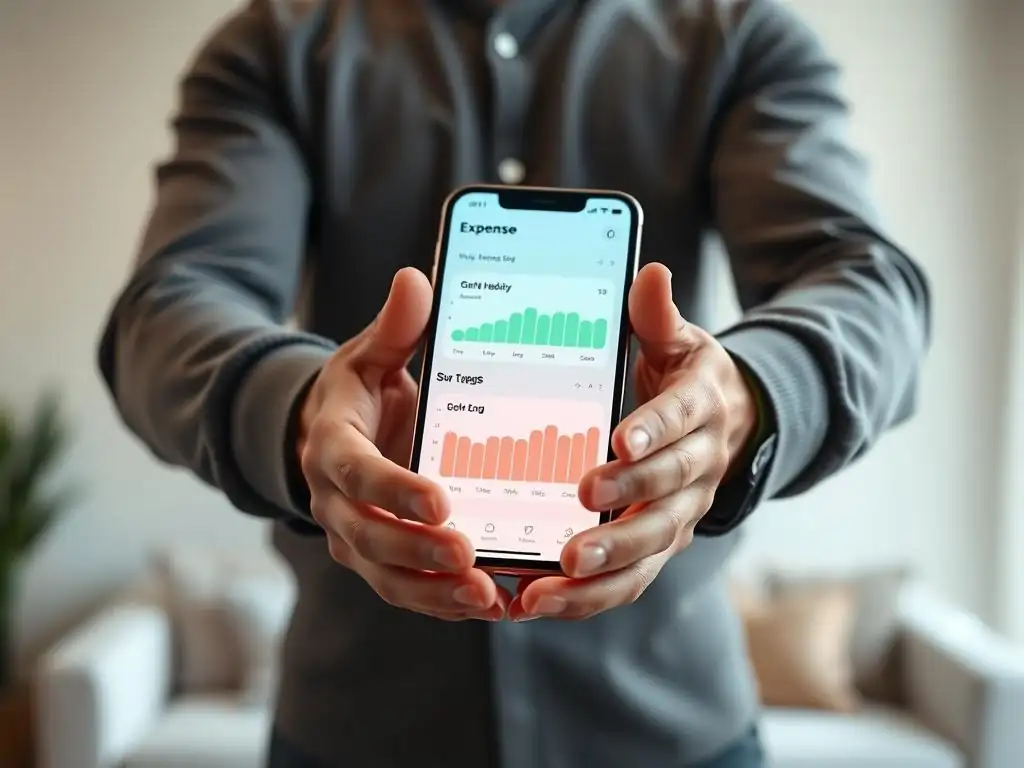
Ready to unlock a world of effortless efficiency and reclaim precious time? At UltimateLifeHacks, we're dedicated to simplifying your life with practical, game-changing tips. This week, we dive into the often-overlooked realm of Personal Finance Hacks, specifically addressing a common couple's challenge: efficiently tracking expenses. Discover how mastering this skill can pave the way for financial harmony and a more relaxed relationship. Learn the secrets to seamless expense tracking and unlock a path to greater financial freedom – read on to find out how!
- Understanding the Importance of Joint Expense Tracking for Couples
- Effective Methods to Track Couple Expenses Efficiently
- Hacks for Streamlining Couple Expense Tracking
- Advanced Strategies for Efficient Couple Expense Tracking
- Troubleshooting Common Challenges in Couple Expense Tracking
- Long-Term Financial Planning Based on Expense Tracking Data
-
Frequently Asked Questions
- How can couples efficiently track shared expenses?
- What's the best way to divide expenses fairly between partners?
- How can we avoid arguments about money when tracking expenses?
- What if one partner is less organized than the other?
- Are there any free tools available for expense tracking as a couple?
- Final Reflection: Cultivating Financial Harmony Through Shared Understanding
- Unlock Your Couple's Financial Freedom
Understanding the Importance of Joint Expense Tracking for Couples
Tracking shared expenses effectively is paramount for couples seeking financial harmony and long-term stability. In today's interconnected world, where finances often intertwine deeply within relationships, a clear and efficient system for managing joint spending is no longer a luxury but a necessity.
This article provides practical, actionable strategies to help couples effectively track their expenses, fostering transparency, preventing conflicts, and ultimately building a stronger financial future together. We'll explore various methods, highlighting the benefits of proactive expense tracking and how it contributes to achieving shared financial goals.
Mastering the art of tracking couple expenses efficiently is not just about managing money; it's about building a solid foundation for a successful and financially secure partnership. This guide focuses on practical, readily implementable hacks to make expense tracking a seamless and even enjoyable part of your shared financial journey, ultimately helping you rank higher on your financial goals and improve your overall quality of life.
Why Joint Expense Tracking Improves Financial Stability
Joint expense tracking significantly improves financial stability for couples by providing a clear picture of their combined income and spending habits. Without a structured approach, it's easy to lose track of where money is going, leading to overspending and potential debt. A well-maintained expense tracking system allows couples to:
- Identify areas of overspending: By categorizing expenses (e.g., groceries, entertainment, transportation), couples can quickly pinpoint areas where they're exceeding their budget. This awareness empowers them to make informed decisions about reducing unnecessary expenditures.
- Create a realistic budget: Accurate expense tracking provides the foundation for a realistic and achievable budget. Understanding actual spending habits enables couples to allocate funds effectively and avoid financial surprises.
- Track progress towards financial goals: Whether it's saving for a down payment, paying off debt, or planning for retirement, expense tracking helps monitor progress and stay motivated. Seeing tangible results reinforces positive financial habits.
- Prepare for unexpected expenses: By having a clear understanding of their financial situation, couples are better prepared to handle unexpected expenses, such as car repairs or medical bills, without derailing their financial plans. This proactive approach minimizes stress and financial instability.
- Improve communication and trust: Openly tracking expenses promotes transparency and strengthens communication about finances, fostering trust and mutual understanding within the relationship. This shared responsibility builds a stronger foundation for financial decision-making.
Preventing Financial Conflicts Through Transparent Budgeting
Financial disagreements are a common source of conflict in relationships. However, transparent budgeting, facilitated by diligent expense tracking, can significantly mitigate these issues. By openly sharing financial information and collaboratively setting budget limits, couples can prevent misunderstandings and avoid arguments about money. This collaborative approach fosters a sense of shared responsibility and promotes a more harmonious financial partnership.
Consider using budgeting apps or spreadsheets designed for couples, which allow for real-time tracking and communication. Regularly reviewing the budget together, perhaps weekly or monthly, ensures both partners are on the same page and can address any concerns promptly. This proactive communication is key to preventing simmering resentment and fostering a positive financial dynamic. Remember, the goal isn't just to track expenses, but to build a strong foundation of trust and shared financial understanding.
Defining shared financial goals is crucial for couples aiming for long-term financial success. Expense tracking provides the data necessary to create realistic and achievable goals. Whether it's saving for a down payment on a house, paying off student loans, planning a dream vacation, or investing for retirement, expense tracking allows couples to assess their current financial standing and determine how much they can realistically save or invest each month. By setting clear, measurable, achievable, relevant, and time-bound (SMART) goals, couples can stay focused and motivated.
Regularly reviewing progress, using the data from their expense tracking, helps maintain accountability and adjust strategies as needed. This collaborative goal-setting process not only improves financial well-being but also strengthens the couple's bond by fostering a shared vision for their future. Remember to celebrate milestones achieved along the way to maintain motivation and reinforce positive financial habits.
Effective Methods to Track Couple Expenses Efficiently

Tracking shared finances effectively is crucial for building financial harmony as a couple. This section explores several proven methods, ranging from sophisticated budgeting apps to simpler, manual approaches. The optimal method depends on your technological comfort, level of detail required, and personal preferences. Remember, the key is consistency – choosing a method you'll actually stick with is more important than selecting the most technologically advanced option. Finding the right system to track couple expenses efficiently will significantly reduce financial stress and improve communication.
Top Budgeting Apps for Couples: A Comparison of Mint, YNAB, and Personal Capital
Many budgeting apps cater specifically to couples, offering features designed for shared expense tracking. Let's compare three popular choices: Mint, You Need A Budget (YNAB), and Personal Capital.
| Feature | Mint | YNAB | Personal Capital |
|---|---|---|---|
| Cost | Free (with ads, limited features) | Paid (subscription-based) | Free (with premium features available) |
| Ease of Use | Very easy | Moderate | Moderate |
| Account Linking | Automatic | Manual | Manual |
| Budgeting Style | Primarily tracking & analysis | Zero-based budgeting | Primarily net worth & investment tracking |
| Collaboration | Limited shared features | Excellent, built-in shared accounts | Limited shared features |
| Reporting | Good visual dashboards | Detailed reports | Excellent net worth & investment reports |
Mint excels in its ease of use and automatic account linking, making it a great starting point for couples new to budgeting. However, its free version has limitations. YNAB, while requiring a subscription, offers a robust zero-based budgeting system and excellent collaboration features, ideal for couples who want more control and detailed planning.
Personal Capital focuses more on overall net worth and investment management but can still be used to track expenses, particularly for couples with significant assets. The best app for you depends on your specific needs and priorities. Consider trying free trials or free versions before committing to a paid subscription.
Google Sheets for Joint Expense Tracking: A Step-by-Step Guide
For those comfortable with spreadsheets, Google Sheets provides a highly customizable and free solution for tracking couple expenses efficiently. Here's a step-by-step guide:
- Create a Shared Spreadsheet: Create a new Google Sheet and share it with your partner, granting them editing access.
- Design Your Sheet: Create columns for: Date, Category (e.g., Groceries, Rent, Entertainment), Description, Amount, and Payer. Consider adding additional columns as needed (e.g., Notes, Payment Method).
- Categorize Expenses: Use consistent categories to track expenses effectively. This helps with analysis later.
- Regular Data Entry: Make it a habit to enter expenses daily or weekly. The more consistent you are, the more accurate your data will be.
- Utilize Formulas: Employ formulas like
SUMIFto calculate total spending per category, andAVERAGEto calculate monthly averages. This data will help you identify spending patterns. - Visualizations: Create charts and graphs to visualize your spending habits. Pie charts are particularly useful for showing the proportion of spending across different categories. This visual representation makes it easier to identify areas for potential savings. 🎉
This method offers complete customization and control. The initial setup might require some effort, but the long-term benefits in terms of transparency and detailed financial insights are substantial.
While technology offers many conveniences, a simple shared notebook can be surprisingly effective, especially for couples who prefer a less digital approach.
Advantages:
- Simplicity: No need for technology or subscriptions.
- Tangibility: Seeing the physical record can be motivating.
- Privacy: No reliance on third-party apps or cloud storage.
Disadvantages:
- Less organized: Requires more manual effort for analysis.
- Prone to errors: Manual calculations can be inaccurate.
- Difficult to share remotely: Requires physical access to the notebook.
Best Practices:
- Use a dedicated notebook: Keep it easily accessible to both partners.
- Establish clear categories: Maintain consistency in categorizing expenses.
- Regularly review: Set aside time each week or month to review expenses and make notes.
- Consider using different colored pens: This can help visually distinguish between different expense categories or partners' contributions.
While less technologically advanced, a shared notebook provides a tangible and private way to track couple expenses efficiently. Its success depends heavily on consistent record-keeping and regular review. For couples who value simplicity and hands-on tracking, this method can be surprisingly effective. ✍️
Hacks for Streamlining Couple Expense Tracking
This section delves into practical strategies for efficiently tracking shared expenses as a couple, focusing on automation, categorization, and regular review. Successfully tracking couple expenses efficiently requires a proactive and organized approach, fostering financial transparency and ultimately strengthening your relationship. We'll explore methods to minimize manual effort and maximize insights into your spending habits.
Automating Bill Payments Through Online Banking and Payment Services
Automating bill payments is a cornerstone of efficient expense tracking. Manually writing checks or remembering due dates is prone to errors and missed payments, impacting your credit score and incurring late fees. By leveraging online banking and payment services, you can significantly reduce the administrative burden and improve accuracy.
Many banks offer bill pay features directly within their online platforms. You can schedule recurring payments for rent, utilities, subscriptions, and loans. This ensures timely payments and eliminates the need for manual intervention. Furthermore, these systems typically provide detailed transaction records, simplifying the expense tracking process.
Beyond online banking, dedicated payment services like PayPal, Venmo (for smaller, peer-to-peer transactions), and others offer automated payment options. These services often integrate with budgeting apps, providing a centralized view of your financial activity. Consider setting up automatic payments for recurring expenses, ensuring both partners are aware of the scheduled payments and have access to the account information. This transparency is crucial for maintaining financial harmony.
Categorizing Expenses by Housing, Food, Transportation, and Entertainment
Categorizing expenses is vital for understanding your spending patterns. A simple, yet effective, categorization system is key to identifying areas where you can potentially save money. Consider using these broad categories as a starting point, tailoring them to your specific needs:
- Housing: Rent or mortgage payments, property taxes, homeowner's insurance, utilities (electricity, gas, water, internet).
- Food: Groceries, dining out, coffee shop purchases.
- Transportation: Car payments, gas, public transportation, parking fees.
- Entertainment: Movies, concerts, subscriptions (Netflix, Spotify), hobbies.
- Personal Care: Haircuts, toiletries, gym memberships.
- Debt Payments: Loan repayments, credit card payments.
- Savings: Contributions to savings accounts, investments.
- Other: Any miscellaneous expenses not fitting into the above categories.
Using a spreadsheet or a budgeting app, assign each transaction to its appropriate category. This detailed categorization allows you to visualize where your money is going, facilitating informed decision-making about your spending habits. For example, tracking dining-out expenses can reveal opportunities to reduce food costs by cooking more meals at home. Similarly, analyzing transportation costs might highlight potential savings by using public transit or carpooling.
Monthly Expense Reviews: Analyzing Spending Patterns and Identifying Areas for Improvement
Regularly reviewing your categorized expenses is crucial for maintaining financial control. Schedule a monthly review (or even bi-weekly) to analyze spending patterns and identify areas for potential improvement. This process should be a collaborative effort, involving open communication between partners.
During these reviews, consider these points:
- Compare spending against your budget: Are you consistently overspending in any particular category? Identifying overspending areas allows for timely adjustments to your budget.
- Track progress towards financial goals: Are you on track to meet your savings goals or debt reduction targets? Regular monitoring helps ensure you stay focused on your financial objectives.
- Identify recurring expenses that can be reduced: Are there any subscriptions or services you no longer need? Can you negotiate lower rates for utilities or insurance?
- Discuss unexpected expenses: Unexpected expenses can derail your budget. Discussing these expenses allows for joint problem-solving and adjustments to your financial plan.
By consistently tracking and reviewing your expenses, you gain valuable insights into your financial health as a couple. This proactive approach helps prevent financial disagreements and promotes a shared understanding of your spending habits, fostering financial harmony and long-term stability. Remember, the key to efficiently tracking couple expenses is consistent effort, open communication, and a willingness to adapt your strategies as needed. 🎉
Advanced Strategies for Efficient Couple Expense Tracking

This section delves into sophisticated techniques to streamline your couple's expense tracking, moving beyond the basics to achieve true financial harmony. We'll explore methods to create a realistic budget, consolidate expenses from disparate sources, and foster open communication about spending. Mastering these strategies will significantly improve your ability to Track couple expenses efficiently.
Creating a Realistic Budget Using the 50/30/20 Rule
The 50/30/20 rule provides a simple yet effective framework for budgeting. It suggests allocating your after-tax income as follows:
- 50% Needs: This covers essential expenses like rent/mortgage, utilities, groceries, transportation, and debt payments. For example, if your combined net income is $6,000 per month, $3,000 would be allocated to needs. This category requires careful scrutiny to identify areas for potential savings. Think about subscription services – are you truly utilizing all of them? Could you switch to a cheaper mobile phone plan? Small changes can accumulate significant savings over time.
- 30% Wants: This portion covers discretionary spending such as dining out, entertainment, hobbies, and clothing. Using the same example, $1,800 would be allocated here. This category allows for flexibility and enjoyment, but careful monitoring is crucial to prevent overspending. Consider setting a monthly limit for each "want" category to maintain control.
- 20% Savings & Debt Repayment: This is dedicated to building your financial future. This includes saving for emergencies, retirement, down payments, or paying down high-interest debt. In our example, $1,200 would be allocated here. Prioritizing this category is key to long-term financial security and building wealth as a couple.
This method allows for flexibility while maintaining financial discipline. Regularly reviewing and adjusting your budget based on your actual spending is crucial for its success. Consider using budgeting apps to track progress and identify areas for improvement. Remember, this is a guideline; adjust the percentages to fit your unique circumstances and financial goals. The key is to be consistent and communicate openly about your spending.
Managing finances across multiple bank accounts, credit cards, and payment apps can be overwhelming. A shared spreadsheet offers a centralized solution for tracking couple expenses efficiently.
Here's how to create a functional spreadsheet:
| Date | Description | Category | Account | Amount ($) | Notes |
|---|---|---|---|---|---|
| 2024-10-26 | Groceries | Food | Checking | 150 | Trader Joe's |
| 2024-10-26 | Restaurant Dinner | Dining Out | Credit Card | 75 | Italian Restaurant |
| 2024-10-27 | Rent | Housing | Checking | 1500 | Monthly Rent Payment |
| 2024-10-28 | Utilities | Housing | Checking | 200 | Electricity & Water |
| 2024-10-29 | Movie Tickets | Entertainment | Credit Card | 40 | Friday Night Out |
| 2024-10-30 | Car Payment | Transportation | Auto Loan | 350 | Monthly Car Payment |
| 2024-10-31 | Online Shopping | Clothing | Credit Card | 100 | New Sweater and Jeans |
Use clear categories to easily analyze spending patterns. Regularly update the spreadsheet, ideally weekly or bi-weekly, to maintain accuracy. Consider using formulas to automatically calculate totals for each category and the overall monthly spending. This provides a clear overview of your finances and allows you to identify areas of overspending or potential savings. You can even color-code categories to visually represent priorities. This collaborative approach fosters transparency and strengthens financial teamwork.
Establishing Clear Communication About Spending Habits and Financial Goals
Open and honest communication is paramount for tracking couple expenses efficiently and achieving shared financial goals. Regularly discussing spending habits, financial priorities, and long-term objectives is crucial.
Here are some tips for effective communication:
- Schedule regular "finance meetings": Set aside dedicated time each week or month to review your budget, track progress, and discuss any concerns.
- Create a shared financial vision: Define your joint financial goals, such as buying a house, paying off debt, or saving for retirement. This shared vision provides a sense of purpose and motivates both partners to work towards common objectives.
- Practice active listening: Pay attention to each other's perspectives and concerns without judgment. Understanding each other's spending habits and financial priorities is crucial for finding common ground.
- Embrace compromise: It's unlikely that both partners will always agree on every financial decision. Learning to compromise and find solutions that work for both of you is essential for maintaining financial harmony.
- Celebrate successes: Acknowledge and celebrate your achievements, no matter how small. This positive reinforcement helps to maintain motivation and encourages continued progress towards your financial goals.
By fostering open communication and a shared understanding of your finances, you'll build a strong foundation for long-term financial success as a couple. This is key to avoiding conflicts and achieving financial harmony.
Troubleshooting Common Challenges in Couple Expense Tracking

Tracking shared finances as a couple presents unique challenges beyond those faced by individuals. Successfully navigating these hurdles requires proactive strategies and a willingness to adapt. This section focuses on practical solutions to common problems, ensuring that expense tracking fosters financial harmony rather than conflict. Efficiently tracking couple expenses demands attention to detail and a commitment to open communication.
Resolving Discrepancies in Expense Records Through Open Communication and Reconciliation
Discrepancies in expense records are inevitable. Different methods of recording transactions (manual entry versus app automation), occasional forgetfulness, or even simple data entry errors can lead to mismatches. The key to resolution lies in open communication and a systematic reconciliation process.
Instead of assigning blame, approach discrepancies as opportunities for improvement. Schedule regular (e.g., weekly or bi-weekly) "finance meetings" to compare records. Utilize a shared spreadsheet or expense tracking app that allows for real-time updates and easy comparison. When differences arise, investigate meticulously. Check bank statements, receipts, and credit card transactions to identify the source of the discrepancy. This detailed approach ensures accuracy and builds trust.
Consider categorizing discrepancies. Are they consistently small amounts, suggesting minor recording errors? Or are they larger, potentially indicating a misunderstanding of spending habits? Understanding the pattern helps address the root cause more effectively. For example, if discrepancies consistently involve small cash transactions, consider adopting a more rigorous system for tracking cash expenses.
The goal isn't to find fault, but to refine your system and build a shared understanding of your finances.
Protecting Privacy While Sharing Financial Information Using Secure Password Management and Separate Accounts
Sharing financial information requires a delicate balance between transparency and privacy. While open communication is crucial, maintaining individual privacy is equally important. This can be achieved through a combination of secure password management and strategically utilizing separate accounts.
Employ robust password management tools. Avoid using easily guessable passwords and utilize unique passwords for each financial account. Consider a password manager that supports multi-factor authentication for an extra layer of security. This protects against unauthorized access and maintains individual privacy even within a shared financial system.
Maintaining separate accounts for personal spending, while linking to a joint account for shared expenses, offers a practical solution. This allows for individual autonomy while maintaining transparency regarding shared financial responsibilities. This approach fosters a sense of individual control while still promoting collaborative financial management. Clearly define which expenses fall under each account's responsibility to avoid confusion.
| Account Type | Purpose | Privacy Level |
|---|---|---|
| Joint Account | Shared expenses (rent, utilities, groceries) | Shared |
| Individual Account | Personal spending (entertainment, hobbies) | Private |
Addressing Different Spending Habits Through Negotiation and Compromise
Couples often have differing spending habits. One partner might be a saver, while the other is a spender. Addressing these differences requires negotiation, compromise, and a shared understanding of financial goals. Efficiently tracking couple expenses highlights these differences, but effective communication is key to resolving them.
Openly discuss your spending habits and financial goals. Create a budget together that reflects both partners' needs and desires. This collaborative approach ensures that both partners feel heard and valued. Use the expense tracking data to identify areas where spending can be adjusted or redirected towards shared goals.
Consider using a budgeting app that allows for the setting of individual spending limits within the overall budget. This provides a framework for managing individual spending while still adhering to shared financial objectives. Regularly review the budget and adjust it as needed to reflect changing circumstances and priorities. Remember, compromise is key—it's about finding a balance that works for both partners, not imposing one person's preferences on the other. This fosters mutual respect and strengthens financial harmony.
Financial harmony is not about identical spending habits, but about shared understanding and mutual respect for individual financial needs.
Remember, effective expense tracking for couples is an ongoing process requiring continuous refinement and adaptation. By addressing these common challenges proactively, couples can build a solid foundation for financial stability and strengthen their relationship.
Long-Term Financial Planning Based on Expense Tracking Data
Tracking your couple's expenses isn't just about managing your current finances; it's a crucial foundation for building a secure and prosperous future. By diligently monitoring your spending habits, you gain valuable insights that inform strategic long-term financial planning. This detailed analysis allows you to make informed decisions about investments, savings, and debt reduction, ultimately leading to greater financial harmony and peace of mind.
The data you collect provides a clear picture of your financial health, enabling you to proactively address potential issues and capitalize on opportunities for growth. This section will explore how to leverage expense tracking data for long-term financial success.
Building an Emergency Fund: Strategies for Saving Three to Six Months' Expenses
A robust emergency fund is the cornerstone of sound financial planning for couples. Analyzing your tracked expenses reveals your average monthly spending, allowing you to realistically determine the necessary size of your emergency fund. Aim for three to six months' worth of essential expenses – covering housing, utilities, groceries, transportation, and debt payments. This cushion protects you against unexpected job loss, medical emergencies, or home repairs, preventing you from accumulating high-interest debt.
To effectively build your emergency fund, prioritize saving a specific amount each month. Consider automating your savings by setting up recurring transfers from your checking account to a high-yield savings account. Track your progress regularly, celebrating milestones along the way to maintain motivation. Remember, consistency is key. Even small, regular contributions add up over time. Consider using budgeting apps that can help automate savings and track progress visually. This visual representation can be highly motivating and helps keep you focused on your goal. Think of it as a "couple's challenge" – working together towards a shared financial security goal.
Investing Wisely Based on Expense Analysis: Diversification and Long-Term Growth Strategies
Once you've established a healthy emergency fund, you can confidently allocate surplus funds toward investments. Your expense tracking data provides valuable insights into your spending patterns, helping you determine how much you can comfortably invest without jeopardizing your financial stability. This data-driven approach minimizes risk and maximizes potential returns.
Diversification is key to mitigating investment risk. By analyzing your expense data, you can identify areas where you might be overspending and redirect those funds towards diverse investment vehicles. Consider a mix of stocks, bonds, real estate, and other assets to balance risk and reward. Consider consulting a financial advisor to create a personalized investment strategy aligned with your financial goals and risk tolerance. Remember, long-term growth requires patience and discipline. Regularly review your investment portfolio and make adjustments as needed, always keeping your expense tracking data in mind to inform your decisions.
Consistent expense tracking is not merely a tool; it’s a dynamic process that facilitates communication and collaboration between partners. By regularly reviewing your tracked expenses together, you can identify areas of potential conflict or disagreement regarding spending habits. This transparency fosters open communication and promotes shared financial responsibility.
Tracking expenses helps you collaboratively set and achieve shared financial goals, whether it's buying a home, paying off debt, planning a vacation, or saving for retirement. By monitoring your progress against these goals, you can make necessary adjustments to your budget and spending habits. Regularly reviewing your progress allows you to celebrate achievements and address any challenges proactively.
This shared journey of financial planning strengthens your relationship and builds a sense of teamwork in managing your finances. Remember, financial harmony is not just about numbers; it's about building a strong, collaborative foundation for your future together. The process of tracking couple expenses efficiently, therefore, becomes a powerful tool for building a stronger, more unified relationship.
Frequently Asked Questions
Several apps like Mint, Personal Capital, or Goodbudget allow you to link bank accounts and categorize transactions, offering a clear overview of shared spending. You can also use a simple spreadsheet for manual tracking.
What's the best way to divide expenses fairly between partners?
The optimal approach depends on your individual circumstances. Consider a percentage-based split reflecting income differences, or a 50/50 split for shared expenses. Open communication is key.
How can we avoid arguments about money when tracking expenses?
Establish a clear budget together, setting spending limits for different categories. Regularly review your progress and communicate openly about any concerns or discrepancies. Transparency is crucial.
What if one partner is less organized than the other?
Designate one person as the primary expense tracker, or share the responsibility based on strengths. Use a system that's easy to understand for both partners, minimizing the potential for confusion.
Are there any free tools available for expense tracking as a couple?
Yes, many free apps and spreadsheet templates are available online. Explore options like Google Sheets or free versions of budgeting apps to find a solution that fits your needs before upgrading to paid versions.
The ability to track couple expenses efficiently is no longer a luxury, but a necessity for building a strong and secure financial future. In a world increasingly defined by economic uncertainty, mastering the art of shared financial management is crucial for navigating life's challenges and achieving shared goals, whether it's buying a home, starting a family, or simply enjoying a more comfortable lifestyle. This isn't just about numbers; it's about building trust and fostering open communication.
The impact of transparent and collaborative financial management extends far beyond the immediate balance sheet. It shapes the emotional landscape of a relationship, reducing stress and fostering a sense of shared responsibility. Open communication about money, facilitated by effective tracking methods, builds a foundation of trust and mutual respect. As the saying goes, Money can't buy happiness, but it can certainly buy freedom from worry.
And that freedom, that peace of mind, is invaluable in any partnership. The journey towards financial harmony is not always easy, but the rewards – both financial and emotional – are immeasurable.
Now, consider your own financial habits. Are you and your partner on the same page? Do you have a system in place that works for both of you? Take the time to reflect on your current practices and identify areas for improvement. Embrace the opportunity to build a stronger, more secure future together, one expense tracked and one conversation at a time. The journey towards financial harmony begins with a single step – a shared commitment to understanding and managing your finances collaboratively. Start today, and watch your relationship flourish.
Unlock Your Couple's Financial Freedom
Thank you for exploring expense tracking strategies for couples! We hope you gained valuable insights to build a stronger financial future together. Now, let's put that knowledge into action.
- Start your shared budget today: Download a free budgeting app or create a simple spreadsheet. Visualize your spending habits by color-coding expenses—it's surprisingly effective! This is a crucial first step to mastering your finances as a couple.
- Discuss this article with your partner: Starting a conversation about finances is vital for achieving financial harmony. Open communication is key to successfully managing shared finances.
- Schedule a regular financial check-in: Make it a fun, monthly date to review progress, celebrate successes, and plan for the future. This helps to transform a sometimes-dreaded task into a positive and proactive activity.
Ready to take control of your shared finances and build a secure future together? What's your first step?