
Master Your Money: Persuasive Budgeting Hacks for a More Secure Future


Ready to unlock a life of effortless efficiency and financial freedom? Welcome to UltimateLifeHacks, your one-stop resource for practical tips and game-changing strategies to optimize every aspect of your day. We're diving deep into the world of personal finance with our latest article, "Budgeting Hacks Secure Future", revealing persuasive techniques to master your money and build a truly secure future. Discover how simple adjustments can dramatically impact your financial well-being—are you ready to take control?
- Understanding the Power of Budgeting Hacks for a Secure Financial Future
-
Effective Budgeting Hacks to Secure Your Financial Future
- The 50/30/20 Budgeting Rule: A Simple Yet Effective Budgeting Method
- Zero-Based Budgeting: Allocating Every Dollar for Maximum Financial Security
- Envelope Budgeting System: A Practical Approach to Budgeting and Saving
- The Paycheck Budgeting Method: Aligning Income and Expenses for Financial Stability
-
Advanced Budgeting Hacks for Long-Term Financial Security
- Automating Your Savings: Setting Up Recurring Transfers for Consistent Savings
- Investing Your Savings Wisely: Strategies for Building Wealth and Securing Your Future
- Budgeting for Unexpected Expenses: Creating an Emergency Fund for Financial Peace of Mind
- Regularly Reviewing and Adjusting Your Budget: Adapting to Changing Circumstances and Goals
- Utilizing Technology for Smarter Budgeting Hacks
-
Building a Secure Future Through Disciplined Budgeting
- The Psychological Aspect of Budgeting: Overcoming Common Budgeting Challenges
- Maintaining Motivation and Consistency: Tips for Long-Term Budgeting Success
- Celebrating Milestones and Rewarding Progress: Positive Reinforcement for Financial Goals
- Seeking Professional Financial Advice: When to Consult a Financial Advisor for Budgeting Support
-
Frequently Asked Questions
- What is the core concept behind "budgeting hacks" as discussed in the article?
- How can these budgeting hacks help me secure my future?
- Are these budgeting hacks suitable for everyone, regardless of income level?
- What are some specific examples of budgeting hacks mentioned in the article? (Please answer generally)
- Where can I find more information on these budgeting hacks and how to implement them effectively?
- Final Reflection: Securing Your Tomorrow, One Budget Hack at a Time
- Unlock Your Financial Freedom: Start Budgeting Today!
Understanding the Power of Budgeting Hacks for a Secure Financial Future
Taking control of your finances is a cornerstone of building a secure and fulfilling future. This isn't about restrictive deprivation; it's about strategic management of resources to achieve your aspirations, whether that's buying a home, traveling the world, or simply ensuring financial stability for your family. Mastering your money through effective budgeting isn't just about saving; it's about empowering yourself to make informed financial decisions and build wealth over time.
This article delves into persuasive budgeting hacks—practical strategies and techniques—designed to help you navigate your finances with confidence and build a more secure financial future. We'll explore how to define your financial goals, assess your current situation, and implement effective tracking mechanisms to gain control of your spending and pave the way for long-term financial success. This journey towards financial freedom starts with understanding the power of proactive budgeting and the significant impact it can have on your future.
Let's embark on this transformative path together! 🚀
Defining Your Financial Goals: Short-Term and Long-Term Budgeting Strategies
Before diving into the nitty-gritty of budgeting, it's crucial to define your financial goals. This involves identifying both short-term and long-term aspirations. Short-term goals might include paying off credit card debt, saving for a down payment on a car, or accumulating funds for a vacation. Long-term goals, on the other hand, could encompass buying a house, funding your children's education, or securing a comfortable retirement.
Clearly defining these goals is paramount. This clarity provides direction for your budgeting efforts. For instance, if your short-term goal is to eliminate credit card debt, you can allocate a larger portion of your income towards debt repayment. Similarly, if your long-term goal is retirement, you can systematically contribute to retirement accounts.
Consider using a visual tool like a mind map or a simple list to organize your goals. Prioritize them based on urgency and importance. Remember, your budgeting strategy should directly reflect your aspirations. This process transforms budgeting from a chore into a powerful tool for achieving your dreams. ✨
Assessing Your Current Financial Situation: Honest Evaluation for Effective Budgeting
Honest self-assessment is the foundation of effective budgeting. This involves taking a realistic look at your current income and expenses. Start by calculating your net income—your income after taxes and other deductions. Then, meticulously track your expenses for at least a month to get a clear picture of your spending habits. Categorize your expenses (housing, transportation, food, entertainment, etc.) to identify areas where you might be overspending.
You can utilize budgeting apps, spreadsheets, or even a simple notebook to track your expenses. The key is consistency. The more accurate your data, the more effective your budget will be. This process may reveal some uncomfortable truths about your spending habits, but facing them head-on is essential for making positive changes. Remember, this is not about judgment; it’s about gaining valuable insights to improve your financial health. A thorough assessment will reveal areas for potential savings and highlight opportunities for better financial management. 📊
The Importance of Tracking Expenses: Monitoring Spending for Better Budgeting Control
Consistent expense tracking is not a one-time task; it's an ongoing process vital for maintaining budgeting control. Regular monitoring allows you to identify spending patterns, pinpoint areas for improvement, and stay accountable to your financial goals. By tracking your expenses, you gain a clearer understanding of where your money is going, enabling you to make informed decisions about your spending habits.
Consider using a budgeting app that automatically categorizes your transactions. Alternatively, manually tracking expenses in a spreadsheet or notebook can provide a more hands-on approach, fostering greater awareness of your spending. Regardless of the method, the key is regularity. Review your expenses weekly or monthly to stay informed and make necessary adjustments to your budget. This proactive approach empowers you to make informed choices and stay on track towards your financial objectives. Remember, consistent monitoring is key to long-term budgeting success. 🎉
Effective Budgeting Hacks to Secure Your Financial Future
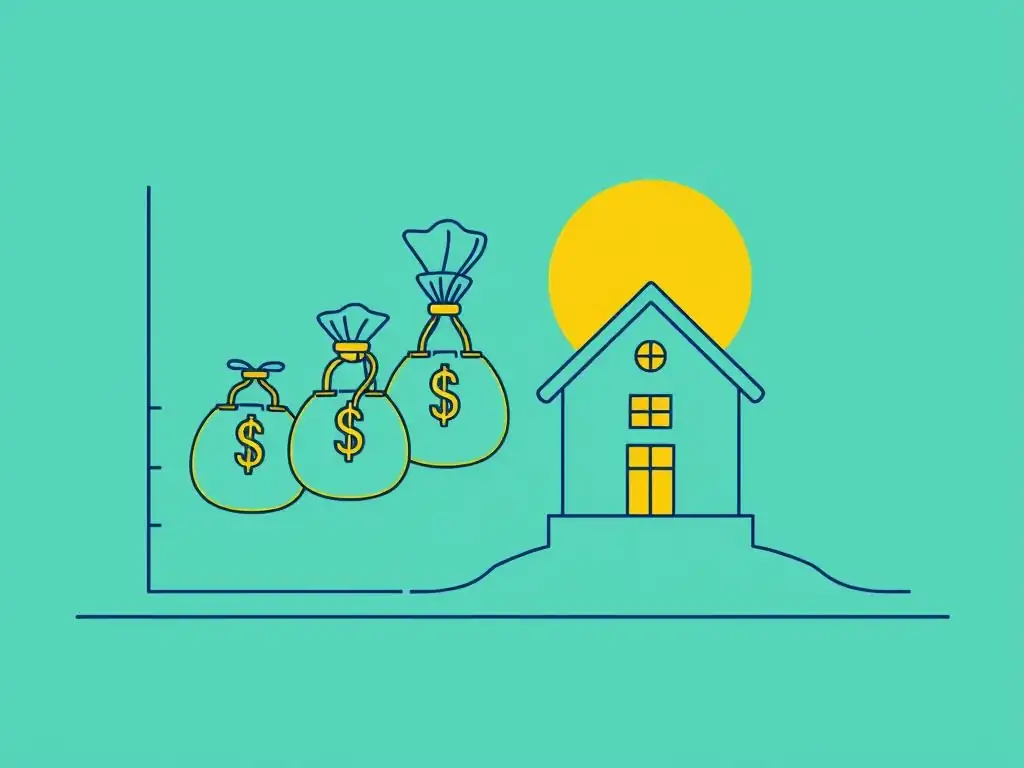
This section delves into practical budgeting strategies designed to bolster your financial security and pave the way for a more prosperous future. We'll explore proven methods that go beyond simple expense tracking, focusing on proactive techniques to manage your money effectively and achieve your financial goals. Mastering these budgeting hacks will empower you to take control of your finances and build a strong foundation for long-term financial well-being. Implementing these strategies means you're actively working towards a more secure future, minimizing financial stress, and maximizing your opportunities.
The 50/30/20 Budgeting Rule: A Simple Yet Effective Budgeting Method
The 50/30/20 rule is a straightforward yet powerful budgeting method that simplifies financial management. It divides your after-tax income into three categories:
- 50% Needs: This covers essential expenses like rent/mortgage, utilities, groceries, transportation, and healthcare. Prioritizing needs ensures your basic living requirements are met. Careful tracking of these expenses is crucial to identify areas for potential savings. For example, switching to a cheaper mobile phone plan or reducing energy consumption can free up significant funds.
- 30% Wants: This category encompasses discretionary spending on entertainment, dining out, hobbies, and other non-essential items. While important for well-being, this area offers the greatest potential for adjustments to boost savings. Analyzing your spending in this category can reveal areas where you can cut back without significantly impacting your lifestyle. Consider tracking your spending for a month to see where your money is going.
- 20% Savings & Debt Repayment: This is dedicated to building your financial future. Allocate this portion to savings accounts, retirement funds, and debt repayment. Consistent contribution to these areas, even in small amounts, compounds over time, resulting in substantial growth. Prioritizing debt repayment reduces interest payments and accelerates your progress towards financial freedom.
This simple framework provides a clear structure for managing your finances. Its flexibility allows adaptation to individual circumstances and financial goals. Remember, consistency is key to achieving long-term financial security using this method. Regularly reviewing and adjusting your budget based on your needs and goals is crucial for its continued effectiveness.
Zero-Based Budgeting: Allocating Every Dollar for Maximum Financial Security
Zero-based budgeting (ZBB) is a more rigorous approach that requires allocating every dollar of your income to a specific expense or savings category. Unlike traditional budgeting, where you start with a baseline and subtract expenses, ZBB starts from zero and assigns every dollar a purpose. This meticulous approach ensures that every penny is accounted for, promoting mindful spending and maximizing savings.
Implementing ZBB involves several steps:
- Track your income: Accurately record all sources of income, including salary, bonuses, and side hustles.
- Categorize expenses: List all your expenses, separating needs from wants, and assign each a specific amount.
- Allocate funds: Distribute your income across all categories, ensuring the total equals your income (hence, "zero-based"). This often involves careful prioritization and potential adjustments to spending habits.
- Regularly review: Monitor your spending against your budget and adjust as needed to maintain financial balance.
ZBB is particularly beneficial for individuals seeking greater control over their finances. It's excellent for those who want to aggressively save or pay off debt quickly. However, it requires more time and effort than other methods. The detailed tracking and allocation process can feel demanding initially, but the long-term benefits of financial clarity and control are significant. Consider using budgeting apps or spreadsheets to streamline the process.
Envelope Budgeting System: A Practical Approach to Budgeting and Saving
The envelope system offers a tangible and effective way to manage your budget. It involves assigning cash to different spending categories and placing it in separate envelopes. Once the cash in an envelope is gone, that category's spending is finished for the period. This hands-on approach promotes visual awareness of spending and prevents overspending.
Here's how to implement the envelope system:
- Categorize expenses: Divide your expenses into categories (groceries, entertainment, gas, etc. ).
- Allocate cash: Allocate a specific amount of cash for each category based on your budget.
- Use envelopes: Place the allocated cash into labeled envelopes, one for each category.
- Track spending: Monitor your spending within each envelope.
- Replenish envelopes: At the end of the period (weekly or monthly), replenish the envelopes with the allocated amount.
The envelope system is particularly helpful for visual learners and those prone to impulsive spending. The physical act of taking cash from an envelope reinforces spending awareness. While it's less suitable for larger expenses or online purchases, it remains a valuable tool for managing everyday spending and fostering better financial habits. The tactile nature of this method can significantly improve budgeting discipline. Combining it with digital tracking for larger expenses provides a robust and balanced approach.
The Paycheck Budgeting Method: Aligning Income and Expenses for Financial Stability
The paycheck budgeting method, also known as the "zero-based budget," is a powerful strategy for aligning your income and expenses, paving the way for financial stability and a more secure future. This method isn't about deprivation; it's about conscious spending and ensuring every dollar has a designated purpose. Instead of simply tracking expenses after the fact, you proactively allocate every dollar of your paycheck to specific categories before you even receive it. This proactive approach prevents overspending and helps you build a robust financial foundation.
One of the key advantages of this budgeting hack is its simplicity. You start by listing all your income sources – your primary paycheck, any side hustles, investment returns, etc. Then, you meticulously categorize your expenses. This isn't a rough estimate; you need accurate figures. Utilize bank statements and credit card bills to pinpoint exactly where your money goes. Common categories include housing, transportation, groceries, utilities, debt payments, entertainment, and savings.
Crucially, the paycheck budgeting method emphasizes allocating every dollar. Once you've categorized your expenses, you subtract them from your total income. The result should ideally be zero – hence the name "zero-based budget." If you have leftover money, fantastic! This surplus can be allocated to additional savings, investments, or debt reduction, further securing your financial future. However, if your expenses exceed your income, you need to identify areas where you can cut back or increase your income. This process forces you to confront your spending habits and make informed decisions.
Consider this example: Let's say you earn $3,000 per month after taxes. After meticulously categorizing your expenses, you find you're spending $2,500. This leaves you with $500. Instead of viewing this as "extra" money, you allocate it – perhaps $300 to debt repayment, $100 to savings, and $100 to a fun activity.
This ensures that your money is working for you and contributes to your long-term financial goals. This structured approach transforms budgeting from a chore into a proactive tool for building wealth and security. The paycheck budgeting method offers a practical solution to achieve sustainable financial health and a more secure future, effectively tackling the challenges of "budgeting hacks secure future."
Advanced Budgeting Hacks for Long-Term Financial Security
This section delves into sophisticated budgeting strategies designed to not only manage your current finances but also build a strong foundation for long-term financial security. We'll explore automating savings, making smart investment choices, and preparing for life's unexpected curveballs. Mastering these techniques will significantly enhance your ability to achieve your financial goals and secure a more prosperous future. Implementing these budgeting hacks will significantly improve your financial health and provide a sense of security that extends far beyond simply balancing your monthly budget.
Automating Your Savings: Setting Up Recurring Transfers for Consistent Savings
One of the most effective budgeting hacks for building wealth is automating your savings. Manually transferring money each month is prone to procrastination and inconsistency. Automating this process removes the temptation to skip savings and ensures consistent contributions, regardless of your immediate financial pressures.
Many banks and financial institutions offer services that allow you to schedule recurring transfers from your checking account to a savings or investment account. You can set up these transfers to occur weekly, bi-weekly, or monthly, depending on your preference and income cycle. Start small, even with a modest amount, and gradually increase the recurring transfer amount as your income grows. The key is consistency.
Think of it like this: if you automatically save $50 per week, that's $200 per month, or $2400 annually – a significant sum that compounds over time. This consistent saving, facilitated by automation, is a cornerstone of building long-term financial security. This automated approach to saving is a powerful budgeting hack that eliminates the need for willpower and ensures consistent progress towards your financial goals. It's a simple yet incredibly effective strategy for securing your future.
Investing Your Savings Wisely: Strategies for Building Wealth and Securing Your Future
Simply saving money isn't enough; you need to make your money work for you. Investing your savings wisely is crucial for long-term financial growth and securing your future. Understanding different investment vehicles and developing a personalized investment strategy is key.
Consider diversifying your investments across various asset classes, such as stocks, bonds, and real estate, to mitigate risk. You might explore low-cost index funds or exchange-traded funds (ETFs) for diversified exposure to the market. The level of risk you're willing to take will influence your investment choices. A younger investor might tolerate more risk in pursuit of higher potential returns, while an older investor might prioritize capital preservation and stability.
Before investing, research and understand the associated risks. Consider consulting a financial advisor to create a personalized investment plan tailored to your financial goals, risk tolerance, and time horizon. Remember, consistent and strategic investing, coupled with a well-defined budget, is a powerful combination for achieving long-term financial security. This is a crucial aspect of effective budgeting hacks for a secure future.
Budgeting for Unexpected Expenses: Creating an Emergency Fund for Financial Peace of Mind
Life throws curveballs. Unexpected medical bills, car repairs, or job loss can significantly impact your finances if you're not prepared. Creating a robust emergency fund is a critical budgeting hack for mitigating financial stress and securing your future.
Aim to build an emergency fund that covers 3-6 months of your essential living expenses. This fund acts as a safety net, protecting you from financial hardship during unforeseen circumstances. The amount needed will vary depending on your individual lifestyle and expenses. Consider tracking your monthly spending to accurately determine the required amount.
This emergency fund is a vital component of a comprehensive financial plan and a key element of securing your future. Regularly contributing to your emergency fund, alongside your automated savings, is a testament to proactive financial planning. This proactive approach is one of the most effective budgeting hacks for achieving long-term financial security and peace of mind. The emotional security provided by having a substantial emergency fund is invaluable.
Regularly Reviewing and Adjusting Your Budget: Adapting to Changing Circumstances and Goals
Creating a budget is only half the battle; regularly reviewing and adjusting it is crucial for long-term financial success. Life is dynamic, and your financial needs and goals will evolve. A static budget, set and forgotten, will quickly become irrelevant and ineffective in securing your future. Think of your budget as a living document, constantly adapting to your changing circumstances.
One of the most significant reasons for regular review is the fluctuation of income and expenses. Unexpected expenses, such as car repairs or medical bills, can derail even the most meticulously planned budget. Similarly, changes in income, whether due to a promotion, a job loss, or a side hustle taking off, necessitate immediate adjustments.
Regularly monitoring your spending against your planned budget allows you to identify these discrepancies promptly and make informed decisions. For example, if you consistently overspend on groceries, you can actively seek ways to reduce costs, such as meal prepping or utilizing discount coupons. Conversely, an unexpected bonus can be strategically allocated towards debt repayment or investments, accelerating your progress towards financial security.
Furthermore, your financial goals will likely change over time. Perhaps you initially focused on paying off student loans, but now you're saving for a down payment on a house. Maybe your priorities have shifted from accumulating material possessions to building a retirement nest egg. Regular budget reviews allow you to realign your spending habits with these evolving aspirations. This might involve increasing savings contributions, reducing discretionary spending, or allocating funds towards new investment opportunities. By regularly evaluating your progress against your long-term financial goals, you can stay motivated and make necessary adjustments to ensure you remain on track.
The frequency of your budget reviews depends on your individual needs and preferences. Some individuals prefer a monthly review, while others may opt for a quarterly or even bi-annual check-in. However, regardless of the frequency, the key is consistency. Setting a recurring reminder in your calendar or using a budgeting app with automatic alerts can aid in maintaining this crucial habit.
The process should not be daunting; a quick glance at your spending patterns and a few minor adjustments can make a significant difference in your long-term financial well-being. Remember, the goal is not perfection, but continuous improvement and adaptation in your journey towards a secure financial future. Making consistent, informed adjustments to your budget is a proactive step towards achieving your financial aspirations and building lasting financial security.
Utilizing Technology for Smarter Budgeting Hacks

Technology offers powerful tools to revolutionize your budgeting process, transforming it from a tedious chore into a strategic pathway towards a more secure financial future. By leveraging readily available apps and software, you can gain unparalleled insights into your spending habits, automate savings, and ultimately achieve your financial goals more efficiently. This section explores how to harness the power of technology to enhance your budgeting hacks and build a stronger foundation for a secure future.
Budgeting Apps and Software: Streamlining Your Budgeting Process with Technology
Numerous budgeting apps and software solutions cater to diverse needs and preferences. These range from simple expense trackers to sophisticated platforms offering comprehensive financial management features. Choosing the right tool depends on your individual requirements and tech-savviness. Consider factors like ease of use, features offered (e.g., automated categorization, bill reminders, investment tracking), integration with bank accounts, and security measures.
Many free budgeting apps offer basic features like expense tracking and categorization. However, paid subscriptions often unlock advanced functionalities such as financial goal setting, personalized budgeting advice, and sophisticated reporting tools. For example, some premium services provide insights into your spending patterns, identifying areas where you might be overspending and suggesting adjustments to optimize your budget. This level of personalized analysis can significantly contribute to achieving your long-term financial goals and securing your future.
The key to successful implementation is consistent data entry. Regularly updating your transactions ensures the accuracy of your budget analysis. Take advantage of features like automated transaction imports directly from your bank accounts to minimize manual data entry and reduce the likelihood of errors. Remember, the more accurate your data, the more effective your budgeting strategies will be in building a secure future. Think of these apps as your personal financial assistants, constantly working in the background to provide you with the insights you need to make informed decisions.
Utilizing Spreadsheet Software for Effective Budgeting Tracking and Analysis
While budgeting apps offer convenience, spreadsheet software like Microsoft Excel or Google Sheets provides unparalleled flexibility and customization for advanced budgeting techniques. You can create highly personalized spreadsheets tailored to your specific financial needs and goals, extending beyond the limitations of pre-designed app templates.
Spreadsheets allow for complex calculations, such as projecting future income and expenses, simulating different savings scenarios, and analyzing the impact of various financial decisions on your long-term financial security. You can easily track multiple accounts, categorize transactions with detailed notes, and create custom charts and graphs to visualize your financial data. This granular level of control empowers you to develop a deeply personalized budgeting strategy optimized for your unique circumstances and financial aspirations.
For instance, you could create a spreadsheet that automatically calculates your net worth, tracks your progress towards specific financial goals (like a down payment on a house or early retirement), and projects your future financial situation based on various assumptions. This proactive approach to financial planning, facilitated by spreadsheet software, is crucial for building a secure and prosperous future. By understanding the power of these tools, you can transform your approach to budgeting from reactive to proactive, empowering you to take control of your financial future and secure a more stable and comfortable life.
Building a Secure Future Through Disciplined Budgeting
Building a secure financial future isn't about simply earning more; it's about managing what you earn effectively. Disciplined budgeting is the cornerstone of this process, a crucial "budgeting hack" that empowers you to control your finances and build wealth over time. It's about shifting from reactive spending to proactive saving and investing, creating a safety net for unexpected expenses and paving the way for long-term financial goals like homeownership, retirement, or starting a business.
This isn't about deprivation; it's about conscious choices that align with your values and aspirations. By meticulously tracking income and expenses, you gain valuable insights into your spending habits, identifying areas for improvement and opportunities to save. This enhanced awareness directly translates into a more secure future, reducing financial stress and increasing your overall sense of control.
The power of disciplined budgeting lies not just in its immediate impact on your finances, but in its compounding effect over time. Small, consistent changes can lead to significant long-term gains, making it one of the most impactful "budgeting hacks" for securing your future.
The Psychological Aspect of Budgeting: Overcoming Common Budgeting Challenges
Budgeting isn't just about numbers; it's deeply intertwined with our psychology. Many find budgeting challenging due to ingrained habits, emotional spending, or a lack of understanding of their financial situation. Overcoming these hurdles requires a multifaceted approach.
First, acknowledge and address the emotional aspect of spending. Many people use shopping as a coping mechanism for stress or boredom. Identifying these triggers and developing healthier alternatives – exercise, meditation, spending time with loved ones – is crucial. Replacing impulsive purchases with mindful spending decisions is a key "budgeting hack" for long-term success.
Second, understand your spending patterns. Track your expenses for a few months to identify areas where you're overspending. Use budgeting apps or spreadsheets to categorize your expenses and visualize your spending habits. This data-driven approach provides valuable insights and helps you make informed decisions. For example, you might discover that dining out significantly impacts your savings. By substituting one restaurant meal a week with home-cooked meals, you can save a substantial amount annually.
Third, set realistic goals. Don't aim for drastic changes overnight. Start with small, achievable goals, such as reducing your daily coffee expenses or cutting back on entertainment spending. Celebrate these small victories to maintain motivation and build momentum. This gradual approach makes budgeting less overwhelming and more sustainable. Remember, consistency is key, and even small savings add up significantly over time.
Maintaining Motivation and Consistency: Tips for Long-Term Budgeting Success
Maintaining motivation and consistency in budgeting is essential for long-term success. It's easy to fall back into old habits, especially when faced with unexpected expenses or life changes. However, several strategies can help you stay on track.
- Regular Review: Review your budget regularly, ideally weekly or monthly. This allows you to monitor your progress, identify any deviations from your plan, and make necessary adjustments. This proactive approach prevents small issues from escalating into larger problems.
- Accountability Partner: Share your budgeting goals with a friend, family member, or financial advisor. Having someone to hold you accountable can significantly increase your commitment and motivation. Regular check-ins and discussions can help you stay focused and overcome challenges.
- Reward System: Reward yourself for reaching milestones. This positive reinforcement helps maintain motivation and makes budgeting feel less like a chore. These rewards don't have to be expensive; a night out with friends, a new book, or a relaxing activity can be equally effective.
- Automate Savings: Set up automatic transfers from your checking account to your savings account. This ensures that you save consistently, even when you're busy or forget. This "set it and forget it" approach is a powerful "budgeting hack" for building a secure financial future.
Celebrating Milestones and Rewarding Progress: Positive Reinforcement for Financial Goals
Celebrating milestones and rewarding progress is crucial for maintaining motivation and building long-term financial success. It's important to acknowledge your achievements, no matter how small. This positive reinforcement helps to solidify good financial habits and creates a sense of accomplishment.
Consider these ideas for celebrating your budgeting milestones:
| Milestone | Reward Suggestion |
|---|---|
| Paid off a small debt | Enjoy a nice dinner at home or a small treat. |
| Reached a savings goal | Purchase something you've been wanting (within budget). |
| Consistently stayed on budget for 3 months | Plan a fun weekend getaway or invest in a hobby. |
| Successfully saved for a down payment | Celebrate with a small party or a special gift. |
Remember, the key to long-term success is consistency and celebrating your progress. These small rewards reinforce positive behavior and make the journey towards a secure financial future more enjoyable and sustainable. By consistently implementing these "budgeting hacks," you'll not only achieve your financial goals but also cultivate a healthy relationship with money that will serve you well for years to come. This proactive approach to budgeting secures your future and provides a sense of financial freedom and security. 🎉
Seeking Professional Financial Advice: When to Consult a Financial Advisor for Budgeting Support
Seeking professional financial advice is a crucial step in building a secure financial future, especially when navigating complex budgeting needs. While many individuals can manage their finances effectively using readily available resources and self-discipline, there are situations where consulting a financial advisor becomes not just beneficial, but essential for achieving long-term financial security. Understanding when to seek professional help empowers you to make informed decisions and avoid potential pitfalls.
One key indicator that you might need professional guidance is when you're facing significant life changes. These changes, such as marriage, divorce, the birth of a child, a job loss, or a significant inheritance, can dramatically alter your financial landscape. A financial advisor can help you adjust your budget and financial plan to accommodate these changes, ensuring you remain on track towards your long-term goals.
They can provide personalized strategies to manage the financial implications of these events, minimizing stress and maximizing your opportunities. For instance, a sudden inheritance might require strategic investment planning to avoid depleting the funds prematurely, something a financial advisor can expertly guide you through.
Another crucial situation where professional advice is invaluable is when dealing with complex financial instruments or investment strategies. Understanding the intricacies of retirement plans (401Ks, IRAs), stocks, bonds, mutual funds, and other investment vehicles can be daunting. A financial advisor possesses the expertise to explain these complexities in clear terms, helping you make informed investment decisions aligned with your risk tolerance and financial objectives.
They can also assist in creating a diversified investment portfolio that mitigates risk and maximizes potential returns, contributing significantly to building a secure financial future. Without this expertise, individuals risk making costly mistakes that could jeopardize their long-term financial stability.
Finally, if you consistently struggle to create and stick to a budget, despite your best efforts, seeking professional help is highly recommended. A financial advisor can help you identify the underlying reasons for your budgeting challenges. They can provide personalized strategies and tools to improve your financial literacy and develop sustainable budgeting habits. This might involve creating a detailed budget, tracking expenses meticulously, or implementing automated savings plans.
This personalized support can be instrumental in overcoming ingrained financial behaviors and establishing a solid foundation for long-term financial security. The support extends beyond just creating the budget; it's about fostering the discipline and understanding needed to maintain it effectively. Remember, building a secure future through budgeting is a journey, and professional guidance can significantly ease the path.
Frequently Asked Questions
What is the core concept behind "budgeting hacks" as discussed in the article?
The article focuses on practical strategies to improve your budgeting process, making it easier to save money and secure your financial future. It emphasizes actionable steps rather than complex financial theories.
How can these budgeting hacks help me secure my future?
By implementing these hacks, you'll gain better control over your finances, leading to increased savings, reduced debt, and long-term financial stability. This translates to a more secure future, enabling you to achieve your goals.
Are these budgeting hacks suitable for everyone, regardless of income level?
Yes, absolutely! The article presents adaptable techniques that can be applied by individuals with varying income levels. The focus is on developing good financial habits, not just managing large sums of money.
What are some specific examples of budgeting hacks mentioned in the article? (Please answer generally)
The article likely covers various techniques like the 50/30/20 rule, zero-based budgeting, and strategies for tracking expenses and automating savings. It likely emphasizes finding personalized solutions.
Where can I find more information on these budgeting hacks and how to implement them effectively?
The full article on UltimateLifeHacks.com provides detailed explanations and practical examples of each hack. You can find it by searching for "Master Your Money: Persuasive Budgeting Hacks for a More Secure Future" on the website.
Final Reflection: Securing Your Tomorrow, One Budget Hack at a Time
Mastering your finances isn't just about saving money; it's about building a secure and fulfilling future. The power to shape your tomorrow rests in your hands, and the budgeting hacks explored in this article provide the tools you need to claim that power. This isn't about deprivation; it's about intentional living and strategic resource allocation.
The impact of effective budgeting extends far beyond the immediate satisfaction of a balanced bank account. It ripples outwards, influencing our choices, our stress levels, and ultimately, the quality of our lives. A budget is telling your money where to go, instead of wondering where it went.
This simple quote encapsulates the transformative power of conscious spending. By understanding and implementing these hacks, we not only secure our financial future but also cultivate a deeper sense of control and agency over our lives, fostering a sense of calm and confidence that permeates every aspect of our being.
Now, consider your own financial landscape. What small changes, inspired by the strategies discussed, can you implement today? Perhaps it's tracking your spending for a week, setting up automatic savings transfers, or finally tackling that daunting debt. Start small, build momentum, and watch as your financial well-being blossoms into a secure and prosperous future. The journey to financial freedom begins with a single, empowered step.
Unlock Your Financial Freedom: Start Budgeting Today!
Thank you for exploring these budgeting tips! We hope you've gained valuable insights to help you take control of your finances and build a more secure future. Now it's time to put that knowledge into action.
- Create a personalized budget: Download our free budgeting template [link to download on the site] and allocate your income across your expenses. This is the first crucial step toward achieving financial mastery.
- Share your budgeting success (Optional): Tell us about your favorite budgeting tip in the comments below – inspire others and celebrate your progress!
- Explore advanced budgeting strategies: Learn more about debt management, investment options, and financial goal setting using the resources on our site [link to relevant pages on the site].
Ready to take charge of your financial well-being and build the future you deserve? What's one small budgeting change you'll implement this week?