
Beyond NoiseCanceling Headphones: Practical Tips for a Focused Environment

Tired of distractions derailing your day? At UltimateLifeHacks, we understand the struggle. Discover how to transform your workspace into a haven of productivity with our latest article on focus techniques for a quiet workspace. Go beyond noise-canceling headphones and unlock the secrets to laser-sharp concentration – your most productive self awaits!
- Understanding the Need for a Quiet Workspace: Focus Techniques for Peak Productivity
- Creating a Quiet Workspace: Focus Techniques and Environment Design
- Behavioral Strategies for Enhanced Focus: Techniques for a Quiet Mind
- Technological Solutions for a Noise-Free Workspace: Focus Techniques with Apps and Tools
- Maintaining a Focused Environment: Long-Term Strategies for Sustained Productivity
-
Frequently Asked Questions
- How can I create a quiet workspace without noise-canceling headphones?
- What are some focus techniques that work well in a quiet environment?
- Are there any practical life hacks to enhance focus in a noisy environment?
- How can I improve my efficiency and productivity with a dedicated quiet workspace?
- What are the key benefits of using focus techniques in a quiet environment?
- Final Reflection: Cultivating the Oasis Within
- Unleash Your Focus: Craft Your Ideal Work Sanctuary
Understanding the Need for a Quiet Workspace: Focus Techniques for Peak Productivity
Creating a truly productive workspace isn't just about aesthetics; it's about strategically minimizing distractions to unlock your peak performance. In today's hyper-connected world, noise pollution is a significant obstacle to focus, hindering our ability to concentrate and complete tasks efficiently. While noise-canceling headphones offer a partial solution, they only address one aspect of a larger problem. This article delves into practical strategies for cultivating a quiet workspace, exploring techniques beyond simply silencing external noise to achieve sustained focus and boost your overall productivity.
We'll examine the detrimental effects of noise, identify common distractions, and uncover actionable steps to create an environment optimized for deep work and improved concentration. Mastering these focus techniques will not only increase your efficiency but also significantly improve your overall well-being. This is about more than just getting things done; it's about working smarter, not harder, and reclaiming your mental energy.
The Impact of Noise Pollution on Concentration and Productivity
Noise pollution significantly impacts our ability to concentrate and be productive. Studies have shown a direct correlation between high levels of ambient noise and decreased cognitive function. For instance, research indicates that even seemingly innocuous background noise, like a bustling office or traffic sounds, can disrupt cognitive processes such as working memory and attention span.
This leads to reduced task performance, increased error rates, and a general feeling of mental fatigue. The effect is more pronounced for tasks requiring deep thinking and complex problem-solving. Furthermore, prolonged exposure to noise can lead to increased stress levels and contribute to burnout, ultimately impacting long-term productivity and overall well-being.
The impact isn't just about completing tasks slower; it's about the quality of the work produced and the mental toll it takes. Consider this: a study by [Specific study and data pending] found a [Percentage]% decrease in productivity among participants exposed to moderate levels of background noise.
Identifying Your Personal Noise Distractions: Sounds That Steal Your Focus
Understanding your personal noise sensitivities is crucial to effectively minimizing distractions. What might be background noise for one person can be a major disruption for another. To identify your own noise triggers, take some time to reflect on your typical work environment and note the sounds that consistently pull your focus. This could be anything from the constant clicking of a keyboard nearby, to the chatter of colleagues, traffic outside your window, or even the hum of your computer.
Consider creating a personal "noise distraction inventory":
| Noise Source | Impact on Focus (Low, Medium, High) | Strategies to Mitigate |
|---|---|---|
| Keyboard Clicking | ||
| Phone Notifications | ||
| Traffic Noise | ||
| Conversations | ||
| HVAC System |
Once you've identified your personal noise vulnerabilities, you can implement targeted strategies to address them. This might involve using noise-canceling headphones for certain sounds, adjusting your workspace location, or utilizing white noise generators to mask distracting sounds. Remember, a personalized approach is key to achieving optimal focus. The goal isn't to eliminate all sound, but to create a sonic environment conducive to your specific needs and concentration style.
Beyond Noise: Other Environmental Factors Affecting Focus
While noise is a significant factor, it's not the only environmental element impacting focus. Several other factors contribute to creating a truly productive workspace. These include:
- Lighting: Poor lighting can strain your eyes and lead to fatigue, hindering concentration. Ensure adequate natural light or use a task lamp to provide sufficient illumination.
- Temperature: An uncomfortable temperature (too hot or too cold) can also be distracting and affect your ability to focus. Maintain a comfortable temperature in your workspace.
- Clutter: A cluttered workspace can be visually distracting and overwhelming, making it harder to concentrate. Regularly declutter your workspace to maintain a clean and organized environment.
- Ergonomics: Poor posture and an uncomfortable workspace can lead to physical discomfort and reduced focus. Invest in an ergonomic chair and setup to ensure proper posture and support.
Addressing these factors, alongside managing noise, creates a holistic approach to optimizing your work environment for peak productivity. By creating a space that is not only quiet but also comfortable, well-lit, and organized, you significantly increase your chances of achieving sustained focus and completing tasks efficiently. Remember, a quiet workspace is just one piece of the puzzle; a thoughtfully designed and optimized environment is the key to unlocking your full potential.
Creating a Quiet Workspace: Focus Techniques and Environment Design
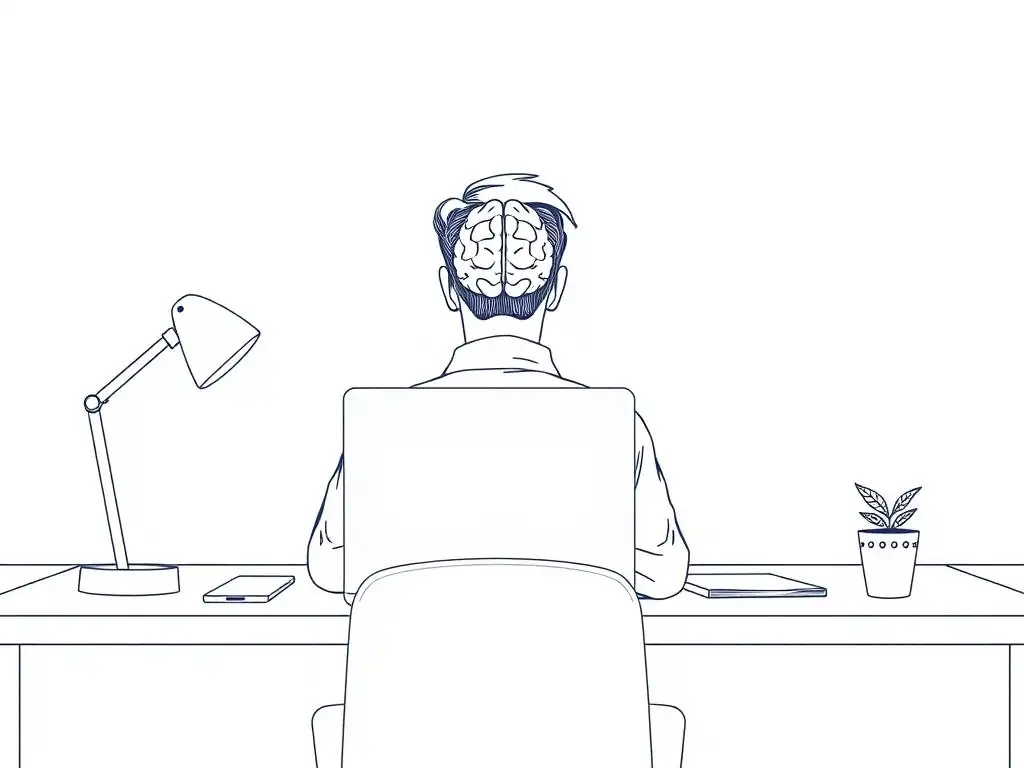
This section delves into practical strategies for cultivating a quiet workspace conducive to enhanced focus and productivity. We'll explore techniques beyond simply using noise-canceling headphones, focusing on environmental design and mindful adjustments to your surroundings to optimize your concentration. The goal is to create a sanctuary for deep work, minimizing distractions and maximizing your ability to achieve peak performance. Effective focus techniques are intertwined with the design of your quiet workspace; they complement each other to achieve optimal results.
Optimizing Your Physical Environment for Focus: Space Arrangement and Decluttering
A cluttered workspace often translates to a cluttered mind. Before even considering noise reduction, address the visual chaos. Start by decluttering your immediate work area. Remove anything unnecessary: papers you don't need, unused stationery, empty coffee cups, etc. A clean, organized space promotes a sense of calm and control, directly impacting your ability to focus.
Consider the arrangement of your furniture. Position your desk away from high-traffic areas and windows with distracting views. If possible, create a dedicated workspace separate from other areas of your home or office. This physical separation helps mentally signal the transition into a focused state.
Think about ergonomics. Ensure your chair provides proper support, your monitor is at eye level, and your keyboard and mouse are within comfortable reach. Physical discomfort is a significant distraction; optimizing your physical setup minimizes this source of interruption, improving your overall focus and comfort.
Here's a checklist to help you optimize your physical environment for focus:
| Task | Status | Notes |
|---|---|---|
| Declutter workspace | ☐ Unfinished | Remove unnecessary items from your desk. |
| Optimize furniture layout | ☐ Unfinished | Position desk away from distractions. |
| Improve ergonomics | ☐ Unfinished | Adjust chair, monitor, and peripherals. |
| Create dedicated space | ☐ Unfinished | If possible, create a separate workspace. |
Utilizing Sound-Dampening Techniques Beyond Noise-Canceling Headphones
While noise-canceling headphones are effective, they aren't the only solution. Consider these additional sound-dampening techniques to create a truly quiet workspace. These techniques can be layered to maximize their effectiveness, creating a synergistic approach to noise reduction.
- Strategic Room Placement: Locate your workspace in the quietest part of your home or office. Rooms further from external noise sources (roads, construction) are naturally quieter.
- Acoustic Panels: These panels absorb sound waves, reducing echoes and reverberations. They come in various styles and can be aesthetically pleasing additions to your workspace.
- Thick Curtains or Blinds: These can help dampen external noise, particularly street noise or sounds from neighboring rooms. Heavier fabrics are more effective.
- Rugs and Carpets: Soft flooring absorbs sound, reducing the impact of footsteps and other noises.
- White Noise Machines or Apps: These generate ambient sounds (rain, ocean waves) that mask distracting noises, improving focus and concentration. Experiment to find the sound that works best for you.
Incorporating Natural Elements for a Calming and Focused Atmosphere
Integrating natural elements into your workspace can significantly enhance focus and reduce stress. Studies have shown that exposure to nature can improve cognitive function and reduce mental fatigue.
- Plants: Adding plants can improve air quality and create a more calming atmosphere. Consider low-maintenance plants that thrive in indoor environments.
- Natural Light: Maximize natural light whenever possible. Open blinds or curtains during the day to allow sunlight to enter. Natural light boosts mood and alertness.
- Natural Scents: Essential oil diffusers with calming scents like lavender or chamomile can create a relaxing and focused atmosphere. Avoid overpowering scents that could be distracting.
- Natural Textures: Incorporate natural materials like wood or stone into your workspace. These textures can add a sense of grounding and calm.
Remember, creating a truly effective focus environment is a holistic process. By combining these physical, acoustic, and natural strategies, you can design a workspace that supports sustained concentration and boosts your productivity. The interplay between these elements is crucial for achieving a quiet workspace that fosters optimal focus techniques.
Behavioral Strategies for Enhanced Focus: Techniques for a Quiet Mind

This section delves into behavioral strategies crucial for cultivating a focused environment, moving beyond simply silencing external noise. These techniques address the internal noise that often sabotages concentration, even in the quietest of workspaces. Mastering these strategies is key to achieving peak productivity and effectively implementing your "focus techniques quiet workspace" strategy.
Mindfulness and Meditation Techniques for Improved Concentration
Mindfulness and meditation are not merely trendy buzzwords; they are powerful tools for enhancing focus. Regular practice significantly reduces mental clutter, allowing for deeper concentration. Studies show that even short daily sessions can lead to measurable improvements in attention span and cognitive function. 1
One effective technique is the "body scan meditation." This involves systematically bringing your awareness to different parts of your body, noticing sensations without judgment. This anchors you in the present moment, preventing your mind from wandering to distracting thoughts. Another useful practice is "mindful breathing," focusing solely on the sensation of your breath entering and leaving your body. This simple act can be surprisingly effective in calming a racing mind and promoting a state of focused attention.
The key is consistency. Start with short sessions (5-10 minutes) and gradually increase the duration as your comfort level grows. There are numerous free guided meditations available online and through apps, making it easy to incorporate this practice into your daily routine. Remember, the goal isn't to eliminate all thoughts, but to observe them without getting carried away. The ability to gently redirect your attention back to the present moment is a skill that improves with practice.
Time Management Strategies to Minimize Interruptions and Maximize Focus Time
Effective time management is inextricably linked to creating a focused workspace. Poor time management leads to stress and rushed work, both of which hinder concentration. Implementing strategies to minimize interruptions and optimize focus time is paramount for productivity.
Consider the Pomodoro Technique: work in focused bursts (e.g., 25 minutes) followed by short breaks (e.g., 5 minutes). This structured approach prevents burnout and helps maintain concentration throughout the day. Alternatively, the "Eat the Frog" method suggests tackling the most challenging task first thing in the morning, when your energy levels are highest. This eliminates the looming dread of a difficult task and allows you to build momentum for the rest of your workday.
Prioritization is key. Use tools like Eisenhower Matrix (urgent/important) to categorize tasks and focus on high-impact activities. Learn to say "no" to non-essential requests and delegate tasks when possible. Batch similar tasks together to minimize context switching and improve efficiency. By strategically managing your time, you create more focused blocks of uninterrupted work, directly impacting your ability to utilize "focus techniques quiet workspace" effectively.
Developing Effective Focus Habits: Building a Routine for Peak Performance
Consistency is the cornerstone of building effective focus habits. Creating a daily routine that supports concentration is crucial for long-term success. This involves establishing rituals and practices that prepare your mind and body for focused work.
Begin by designing a dedicated workspace free from distractions. This may involve physically moving to a quieter location or simply reorganizing your existing space to minimize visual clutter. Establish a clear start and end time for your workday, creating boundaries between work and personal life. Incorporate regular breaks throughout the day to prevent mental fatigue. These breaks should be used for activities that rejuvenate you, such as short walks, stretching, or listening to calming music – anything but checking social media or emails.
Track your progress. Monitor your focus levels throughout the day and identify patterns or triggers that disrupt your concentration. This self-awareness is crucial for making adjustments to your routine and optimizing your "focus techniques quiet workspace" strategy. Remember that building effective focus habits is an ongoing process, requiring patience, self-compassion, and consistent effort. The rewards, however, are well worth the investment.
1 [Specific study data pending]
Technological Solutions for a Noise-Free Workspace: Focus Techniques with Apps and Tools

This section delves into the technological arsenal available to cultivate a quiet workspace conducive to enhanced focus. We'll explore how various apps and smart home integrations can contribute to your productivity journey, moving beyond the limitations of just noise-canceling headphones. Effective focus techniques often involve a multifaceted approach, leveraging technology to create a personalized sanctuary for concentration.
Exploring Noise-Canceling Apps and Software for Digital Silence
While physical noise-canceling headphones are popular, digital solutions offer a complementary approach to minimizing auditory distractions. Several apps simulate ambient soundscapes or utilize advanced algorithms to reduce background noise picked up by your device's microphone. These aren't perfect replacements for physical noise cancellation, but they can significantly improve focus in moderately noisy environments. For example, some apps offer customizable soundscapes, allowing you to tailor the auditory environment to your specific preferences. You might choose the gentle sound of rain, calming ocean waves, or even white noise to mask distracting chatter or construction sounds.
The effectiveness of these apps varies depending on the ambient noise level and the app's sophistication. In a bustling coffee shop, a noise-canceling app might only offer marginal improvement. However, in a home office with intermittent background noise from traffic or household appliances, such an app can be a game-changer. Consider experimenting with a few different apps to find one that best suits your needs and working environment.
Pay attention to user reviews and ratings to gauge the effectiveness and reliability of each option. Remember, the goal is to create a consistent auditory environment that supports your focus, not to eliminate all sound entirely. Complete silence can sometimes be counterproductive.
Utilizing Productivity Apps to Manage Distractions and Enhance Focus
Beyond noise cancellation, several productivity apps directly address focus techniques by managing distractions and optimizing your workflow. These apps often incorporate techniques like the Pomodoro Technique, time blocking, and website blockers to minimize interruptions and promote deep work sessions. Features like website and app blockers are particularly helpful in preventing distractions from social media or email. By scheduling specific times for checking these platforms, you can significantly improve your concentration during dedicated work periods.
Consider the features offered by these apps. Some offer customizable timers and notification systems, allowing you to tailor your workflow to your individual needs and preferences. Others integrate with calendar apps to schedule focused work sessions automatically. Choosing the right app depends on your personal work style and the types of distractions you most frequently encounter. The key is to find an app that complements your existing workflow and doesn't add unnecessary complexity. A well-integrated productivity app can streamline your tasks and help you maintain a consistent level of focus throughout the day.
Smart Home Technology for Creating a Personalized Quiet Environment
Smart home technology offers a more comprehensive approach to creating a quiet workspace. Integrating smart lighting, smart speakers, and smart thermostats allows for the creation of a personalized environment optimized for focus. For instance, you can program your smart lights to emit a soft, calming light that promotes relaxation and concentration. Smart speakers can be used to play calming soundscapes or white noise, further reducing auditory distractions. Smart thermostats can maintain a consistent temperature, preventing fluctuations that might disrupt your focus.
The benefits of integrating smart home technology extend beyond noise reduction. By automating various aspects of your workspace, you can create a more streamlined and efficient working environment. This automation can free up mental space, allowing you to dedicate more cognitive resources to your tasks. Consider investing in smart home devices that are compatible with each other and offer seamless integration.
This will allow you to create a truly personalized and optimized workspace that promotes both focus and productivity. The initial investment might seem significant, but the long-term benefits in terms of improved focus and efficiency can be substantial. Remember to prioritize features that directly address your specific needs and preferences when choosing smart home devices for your workspace.
Maintaining a Focused Environment: Long-Term Strategies for Sustained Productivity
This section delves into the crucial aspect of establishing a consistently focused environment, moving beyond immediate solutions to cultivate long-term productivity. We'll explore strategies that go beyond simply silencing immediate noises, focusing instead on proactive measures to foster a consistently productive workspace. Effective focus techniques quiet workspace aren't just about eliminating distractions; they're about proactively building a supportive ecosystem for concentration.
Strategies for Dealing with Unexpected Noise and Interruptions
Unexpected interruptions are the bane of focus. While noise-canceling headphones address some auditory distractions, they can't account for everything. A robust strategy involves anticipating and mitigating these disruptions. Consider these proactive steps:
- Time Blocking with Buffer Zones: Instead of scheduling tasks back-to-back, incorporate short buffer periods (e.g., 5-10 minutes) between focused work blocks. This allows for unexpected calls, quick errands, or minor distractions without derailing your concentration completely. Think of it as a "mental decompression" period.
- Communication Protocols: If you work in a shared environment, establish clear communication protocols with colleagues. Perhaps a "Do Not Disturb" signal (a closed door, headphones on, a specific status on your communication platform) could be implemented to minimize unnecessary interruptions. Clearly communicate your focused work periods to minimize disruptions.
- Designated Focus Time: Designate specific times of the day for deep work, when interruptions are less likely. Early mornings or late evenings, before the office gets busy or after the house settles down, can be ideal. Experiment to find your peak focus times and schedule your most demanding tasks accordingly. This is a core element of effective focus techniques for a quiet workspace.
- The "Two-Minute Rule": If a task or interruption takes less than two minutes to address, handle it immediately. This prevents small distractions from snowballing into larger time sinks. This simple rule can significantly improve your ability to maintain focus.
- Prioritize and Delegate: Learn to prioritize tasks based on importance and urgency. Delegate tasks that can be handled by others. This frees up your time and mental energy for focused work on your most critical projects. This is a key aspect of improving your focus techniques and creating a quiet workspace.
Building a Supportive Environment for Focus: Communicating Your Needs
Creating a supportive environment isn't just about physical factors; it's also about clear communication. Effectively communicating your need for focused time is crucial, especially in shared workspaces or home environments. Consider these approaches:
- Visual Cues: Use visual cues to signal your need for uninterrupted time. A "Do Not Disturb" sign on your door, a specific status update on your communication platform, or even a simple "Focus Time" note on your desk can be effective.
- Verbal Communication: Don't hesitate to politely but firmly communicate your need for focused time to family members, roommates, or colleagues. Explain the importance of uninterrupted periods for your productivity and well-being. This is a crucial step in establishing a quiet workspace conducive to focus.
- Scheduled Check-ins: Set aside specific times for communication and collaboration. This prevents constant interruptions throughout the day, allowing for more extended periods of focused work. This approach is a powerful tool in achieving effective focus techniques.
- Negotiation and Compromise: Be prepared to negotiate and compromise. Finding a balance between focused work and social interaction is key. Open communication helps ensure everyone's needs are met. This fosters a supportive environment, crucial for long-term productivity.
Evaluating Your Progress and Adapting Your Focus Techniques
Consistent evaluation and adaptation are vital for long-term success. Regularly assess your progress and adjust your focus techniques as needed. Consider these steps:
- Track Your Focus: Keep a journal or use a productivity app to track your focused work periods, interruptions, and overall productivity. This data provides valuable insights into your focus patterns and areas for improvement.
- Analyze Your Distractions: Identify your primary distractions and their sources. Are they internal (e.g., mind-wandering) or external (e.g., noise, notifications)? Understanding the root causes helps you develop targeted solutions.
- Experiment and Iterate: Don't be afraid to experiment with different focus techniques and strategies. What works for one person might not work for another. Continuously refine your approach based on your experiences and observations. This iterative process is essential for mastering focus techniques and creating a quiet workspace optimized for your needs.
- Celebrate Successes: Acknowledge and celebrate your progress. This positive reinforcement helps maintain motivation and encourages continued improvement in your focus techniques and workspace optimization. Remember, creating a consistently focused environment is an ongoing process; regular evaluation and adaptation are key to long-term success.
Frequently Asked Questions
How can I create a quiet workspace without noise-canceling headphones?
Creating a quiet workspace involves identifying and minimizing noise sources. This could include moving to a quieter location, using sound-absorbing materials, or communicating your need for quiet to those around you. Prioritize minimizing distractions.
What are some focus techniques that work well in a quiet environment?
Several focus techniques thrive in quiet spaces. Pomodoro Technique, time blocking, and mindfulness meditation allow for deeper concentration when distractions are minimized. Experiment to find what works best for you.
Are there any practical life hacks to enhance focus in a noisy environment?
While a quiet workspace is ideal, practical life hacks can help in noisy situations. Try using ambient noise (like white noise or nature sounds) to mask distracting sounds, or utilize earplugs for a physical barrier to noise.
How can I improve my efficiency and productivity with a dedicated quiet workspace?
A dedicated quiet workspace significantly boosts efficiency and productivity. The reduction in distractions allows for deeper concentration, leading to faster task completion and higher-quality work. This improves your overall daily routines.
What are the key benefits of using focus techniques in a quiet environment?
Combining focus techniques with a quiet workspace leads to several benefits. You'll experience reduced stress, improved concentration, and enhanced creativity. This ultimately leads to a more productive and fulfilling workday.
Final Reflection: Cultivating the Oasis Within
The pursuit of a focused environment is no longer a luxury; it's a necessity in our increasingly noisy world. The constant barrage of distractions – from notifications to ambient noise – actively undermines our productivity and well-being. This article explored practical strategies beyond simply relying on noise-canceling headphones, highlighting the importance of mindful environment design, proactive time management, and the cultivation of inner stillness.
The impact of a truly focused workspace extends far beyond increased productivity. It fosters creativity, deepens our connection with our work, and ultimately contributes to a more fulfilling life. The key is not to prioritize what's on your schedule, but to schedule your priorities.
– Stephen Covey. This quote perfectly encapsulates the shift in mindset required to create a truly effective and peaceful workspace. It's not just about silencing external noise, but about strategically managing our time and energy to prioritize what truly matters. This conscious effort to create a sanctuary for focus has a ripple effect, influencing not only our professional lives but also our personal relationships and overall sense of well-being.
Now, consider your own workspace. What adjustments can you make today to create a more conducive environment for focus? Perhaps it's decluttering your desk, implementing a time-blocking system, or simply taking a few minutes each day for mindful breathing. The journey to a focused environment is a personal one, and the rewards – a heightened sense of clarity, increased productivity, and a deeper connection with yourself – are immeasurable. Embrace the challenge, experiment with the techniques discussed, and discover the transformative power of a truly quiet mind.
Unleash Your Focus: Craft Your Ideal Work Sanctuary
Thanks for exploring the world of focused productivity! We hope you discovered practical strategies to minimize distractions and maximize your potential. Now it's time to apply those techniques.
- Designate Your Dedicated Workspace: Create a specific area in your home or office exclusively for focused work. Experiment with different locations—a quiet corner, a comfortable chair, even a separate room—to discover what best enhances your concentration.
- Share Your Successes: Let's build a supportive community focused on productivity! Share your most effective strategies for creating a distraction-free environment in the comments below. What unique methods have you found helpful?
- Try the Pomodoro Technique: This surprisingly effective time management method can significantly improve concentration. Give it a try this week and see how it improves your workflow!
What small change will you implement today to significantly boost your focus?