
The Focused Mind: How Mindfulness Can Help You Conquer Procrastination


Welcome to UltimateLifeHacks, your destination for practical tips and tricks to master your daily life! Are you tired of procrastination stealing your precious time and energy? Discover how mindfulness techniques beat procrastination and unlock your true potential. Dive into our "Productivity Hacks" section and learn how to cultivate a focused mind, conquer your to-do list, and finally achieve peak efficiency. Let's transform your daily routine – one powerful hack at a time.
- Understanding the Procrastination-Mindfulness Connection
- Practical Mindfulness Techniques to Beat Procrastination
- Integrating Mindfulness into Your Daily Routine to Stop Procrastination
- Advanced Mindfulness Techniques for Overcoming Chronic Procrastination
-
Frequently Asked Questions
- What is the connection between mindfulness and procrastination?
- How can mindfulness techniques help me overcome procrastination?
- Are there specific mindfulness practices that are particularly effective against procrastination?
- How long does it take to see results using mindfulness to combat procrastination?
- Is mindfulness a replacement for other productivity techniques?
- Final Reflection: Cultivating Presence, Conquering Delay
- Unlock Your Inner Focus: Start Practicing Mindfulness Today!
Understanding the Procrastination-Mindfulness Connection
Procrastination, that age-old enemy of productivity, plagues millions. We all know the feeling: that looming deadline, the nagging task, and the irresistible urge to do anything but what we should be doing. This article delves into the surprisingly effective connection between mindfulness techniques and overcoming procrastination. We'll explore the science behind why we delay, the role of a wandering mind, and present initial evidence supporting mindfulness as a powerful antidote to this common productivity killer.
By understanding the underlying mechanisms, you can harness the power of mindfulness to significantly improve your focus and conquer procrastination, ultimately leading to a more efficient and fulfilling life. This approach aligns perfectly with the principles of maximizing your time and energy, core tenets of effective productivity hacks. This article aims to equip you with practical mindfulness techniques to beat procrastination, improving your overall efficiency and well-being. Let's dive in!
The Science Behind Procrastination: Why We Delay
Procrastination isn't simply laziness; it's a complex behavioral pattern influenced by several factors. Neurologically, our brains are wired to prioritize immediate gratification over long-term rewards. This is partly due to the interplay between the limbic system (responsible for emotions and impulses) and the prefrontal cortex (responsible for planning and decision-making). When faced with a challenging task, the limbic system often overrides the prefrontal cortex, leading us to seek instant pleasure through distractions rather than tackling the demanding task at hand.
Furthermore, psychological factors such as fear of failure, perfectionism, and poor self-efficacy can significantly contribute to procrastination. Individuals who fear failure might avoid starting a task altogether to prevent the potential negative consequences of an imperfect outcome. Similarly, perfectionists often get bogged down in the details, leading to analysis paralysis and ultimately, procrastination. Understanding these underlying psychological mechanisms is crucial in developing effective strategies to combat procrastination. The good news is that mindfulness offers a powerful tool to address these issues.
The Role of Mind Wandering in Procrastination
A key element contributing to procrastination is mind wandering – that state where our thoughts drift away from the task at hand. Studies have shown a strong correlation between mind wandering and procrastination. When our minds wander, we are less focused, less engaged, and more likely to seek distractions. This constant mental drifting prevents us from concentrating on the task, leading to delays and ultimately, a feeling of being overwhelmed. This is often exacerbated by the constant notifications and interruptions of modern life, further fueling the cycle of procrastination.
Consider this: how many times have you started working on a project, only to find yourself checking social media, responding to emails, or engaging in other non-essential activities? This is a classic example of mind wandering leading to procrastination. Mindfulness techniques, however, offer a direct countermeasure to this pervasive problem. By cultivating present moment awareness, we can gently redirect our attention back to the task at hand, reducing mind wandering and improving focus.
Mindfulness as an Antidote to Procrastination: Initial Evidence
Emerging research suggests a strong link between mindfulness practices and reduced procrastination. Mindfulness involves paying attention to the present moment without judgment. By cultivating this awareness, individuals can become more attuned to their thoughts, feelings, and behaviors, including the urge to procrastinate. This increased self-awareness allows for a conscious choice to redirect attention back to the task, rather than succumbing to distractions.
Studies have shown that mindfulness-based interventions, such as meditation and mindful breathing exercises, can improve attention span, reduce stress, and enhance self-regulation – all crucial factors in overcoming procrastination. While more large-scale research is needed, the initial evidence is promising, suggesting that incorporating mindfulness techniques into one's daily routine can be a highly effective strategy for managing and ultimately conquering procrastination. The results are often not immediate but are cumulatively impactful, fostering a more mindful and productive approach to life. This aligns perfectly with the concept of long-term productivity gains through consistent application of mindfulness techniques.
Practical Mindfulness Techniques to Beat Procrastination
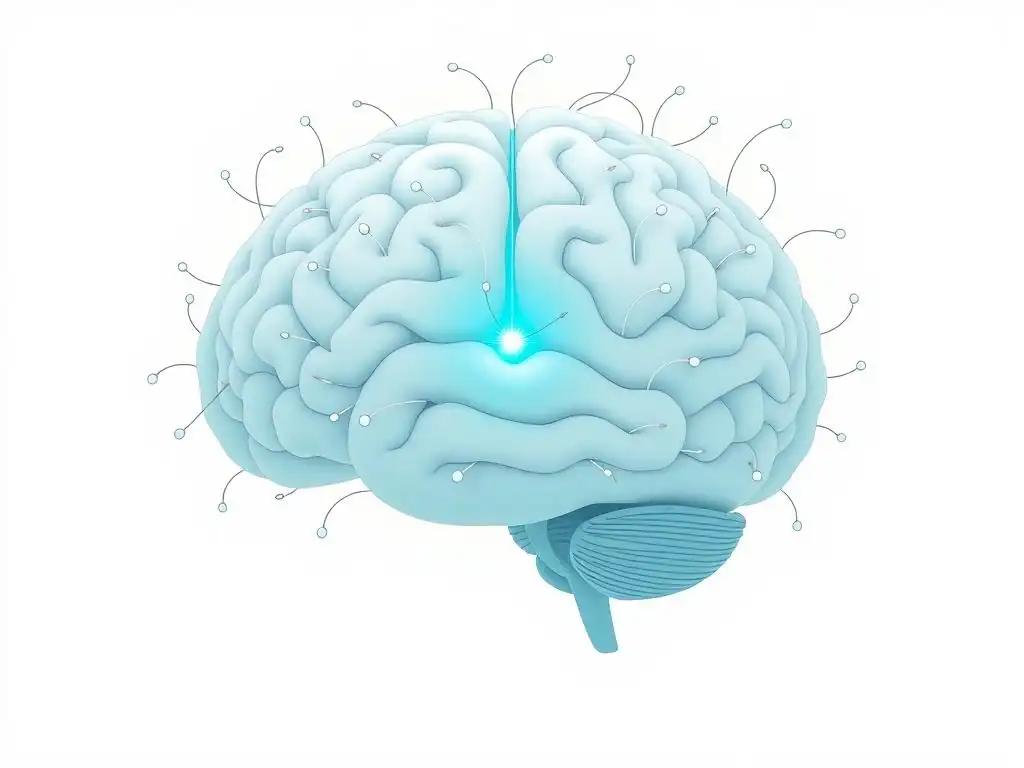
This section delves into specific mindfulness techniques proven effective in combating procrastination. By incorporating these practices into your daily routine, you can cultivate a focused mind and overcome the urge to delay tasks. Remember, the key is consistency; even short, regular practices yield significant results in reducing procrastination and improving overall productivity. The effectiveness of these Mindfulness techniques beat procrastination is well-documented, transforming the way individuals approach their to-do lists.
Mindful Breathing Exercises for Focus Enhancement
Mindful breathing is a cornerstone of mindfulness practice, offering a simple yet powerful way to anchor yourself in the present moment. When faced with a task you're procrastinating on, a few minutes of focused breathing can significantly shift your mental state. Instead of dwelling on anxieties about the task ahead, you redirect your attention to the physical sensation of breathing.
Here's a simple exercise:
- Find a quiet space where you can sit or lie down comfortably.
- Close your eyes gently and bring your attention to your breath. Notice the rise and fall of your chest or abdomen.
- Don't try to control your breath; simply observe it. Notice the temperature of the air as it enters and leaves your nostrils. Notice any pauses between breaths.
- If your mind wanders (and it will! ), gently guide your attention back to your breath. Don't judge yourself for getting distracted; simply acknowledge it and return to your breath.
- Continue this practice for 5-10 minutes. You can gradually increase the duration as you become more comfortable.
Regular practice of mindful breathing enhances focus and reduces stress, making it easier to tackle challenging tasks without succumbing to procrastination. Studies show a direct correlation between regular mindful breathing and improved cognitive function, including enhanced attention span and reduced impulsivity – key factors in overcoming procrastination. Even short bursts of 2-3 minutes throughout the day can make a noticeable difference.
Body Scan Meditation: Grounding Yourself in the Present
Body scan meditation is a powerful technique for connecting with your physical body and grounding yourself in the present moment. It involves systematically bringing awareness to different parts of your body, noticing any sensations without judgment. This helps to interrupt the cycle of anxious thoughts and worries that often fuel procrastination.
The process typically involves:
- Lying down comfortably: Find a quiet space and lie down on your back with your arms relaxed at your sides.
- Starting with your toes: Begin by bringing your attention to your toes, noticing any sensations – tingling, warmth, pressure, or coolness. Simply observe these sensations without trying to change them.
- Moving upwards: Gradually move your awareness up your body, paying attention to your feet, ankles, calves, knees, thighs, hips, and so on. Spend a few moments with each body part, noticing any sensations.
- Including your head and face: Continue the scan up through your torso, chest, shoulders, arms, hands, neck, face, and head.
- Concluding the practice: Once you've completed the scan, take a few moments to notice your overall body awareness and then gently open your eyes.
This technique helps to alleviate feelings of overwhelm and anxiety, two common triggers for procrastination. By anchoring yourself in the present moment through physical sensations, you can regain a sense of control and focus, making it easier to begin and complete tasks. Consistent practice improves body awareness and reduces stress, fostering a calmer, more productive mindset.
Mindful Movement: Combating Stagnation Through Action
Procrastination often stems from a feeling of being stuck or overwhelmed. Mindful movement offers a powerful antidote, encouraging gentle physical activity that connects you with your body and fosters a sense of agency. This isn't about intense workouts; instead, it's about integrating movement into your day in a mindful way.
Examples include:
- Mindful walking: Pay close attention to the sensation of your feet hitting the ground, the rhythm of your breathing, and the movement of your body.
- Stretching: Gently stretch your muscles, noticing the sensations of lengthening and release.
- Yoga: Engage in gentle yoga poses, focusing on your breath and body alignment.
The key is to choose activities you enjoy and that allow you to focus on the present moment. By engaging in mindful movement, you break the cycle of inaction and create positive momentum, making it easier to transition into other tasks. The combination of physical activity and focused attention helps to clear mental clutter, reducing feelings of overwhelm and improving focus – key elements in overcoming procrastination. Regular mindful movement is a proactive approach; it's about preventing procrastination before it begins, fostering a state of readiness and energy.
Observing Thoughts Without Judgment: A Key Mindfulness Skill
Observing thoughts without judgment is a cornerstone of mindfulness practice and a powerful tool in combating procrastination. The tendency to get caught up in the swirling vortex of our thoughts – particularly negative and self-critical ones – is a major contributor to procrastination. We get bogged down in anxieties about the task ahead, fears of failure, or even just general feelings of overwhelm. This mental clutter prevents us from taking action.
Mindfulness encourages a shift in perspective. Instead of identifying with our thoughts – believing them to be absolute truths – we learn to observe them as fleeting mental events, like clouds passing across the sky. This doesn't mean suppressing or ignoring thoughts; rather, it's about creating a space between ourselves and our inner chatter. We acknowledge their presence without getting swept away by their emotional charge.
Imagine this: you have a looming deadline for a project. Instead of letting anxiety-fueled thoughts like "I'll never finish this," or "I'm going to fail," consume you, you consciously notice these thoughts arising. You might even label them mentally: "Ah, there's the 'I'll never finish this' thought again." By observing these thoughts without judgment, you begin to decouple from their power. You recognize them as temporary mental phenomena, not immutable facts about yourself or your capabilities.
This practice requires consistent effort and patience. It's a skill that strengthens over time. Initially, you might find yourself getting pulled back into the emotional current of your thoughts. That's perfectly normal.
The key is to gently redirect your attention back to the present moment, perhaps focusing on your breath or bodily sensations. With regular practice, you'll find it easier to maintain this detached, observational stance, creating a mental space where you can make rational decisions and take effective action, thus overcoming procrastination. The more you practice this, the more you’ll notice that the power of those negative thoughts diminishes, paving the way for increased focus and productivity.
This ability to observe thoughts without judgment is not just beneficial for overcoming procrastination; it fosters a greater sense of self-awareness and emotional regulation, leading to improved overall well-being. It is a crucial step in cultivating a focused and productive mind. It's a skill that translates far beyond just tackling tasks; it helps you navigate challenges with greater clarity and resilience.
Integrating Mindfulness into Your Daily Routine to Stop Procrastination
Mindfulness techniques beat procrastination by cultivating a present-moment awareness that disrupts the cycle of avoidance and delay. Integrating mindfulness into your daily routine isn't about grand gestures; it's about consistent, small practices that accumulate significant impact over time. This section explores practical strategies to seamlessly weave mindfulness into your daily life, leading to enhanced focus and reduced procrastination. The key is to make it a habit, not a chore.
Creating a Mindfulness Practice Schedule: Consistency is Key
Consistency is paramount when building a mindfulness practice. Think of it like exercising a muscle – the more you use it, the stronger it becomes. Instead of aiming for long, intense sessions initially, start with shorter, manageable periods. A 5-minute meditation in the morning and another 5 minutes before bed can already yield noticeable results.
Here's a sample schedule you can adapt to your own rhythm:
- Morning (5 minutes): Focus on your breath, noticing the sensation of the air entering and leaving your body. Notice any thoughts or emotions without judgment, simply observing them as they arise and pass.
- Midday (2 minutes): Take a mindful break from work. Close your eyes, focus on your breath, and gently stretch your body. This brief pause can refresh your mind and prevent burnout.
- Evening (5 minutes): Before bed, practice a body scan meditation, bringing awareness to each part of your body, noticing any tension or discomfort without trying to change it.
Remember, the goal isn't perfection, but consistent effort. Missing a day or two doesn't negate the progress you've made. Track your practice using a journal or app to monitor your progress and maintain motivation. Even on busy days, a few minutes of focused breathing can make a significant difference. The cumulative effect of these small, consistent practices is powerful in combating procrastination.
Mindful Task Management: Prioritizing and Focusing on One Task at a Time
Procrastination often stems from feeling overwhelmed by a large workload. Mindful task management helps break down daunting tasks into smaller, more manageable steps. Instead of focusing on the entire project, concentrate on the single task at hand. This approach reduces the feeling of being overwhelmed, making it easier to start and stay focused.
Here's how to apply mindfulness to task management:
- Prioritize: Use a planner or to-do list to identify your most important tasks for the day. Prioritize them based on urgency and importance, focusing on the one task that will have the biggest impact.
- Single-tasking: Resist the urge to multitask. Studies consistently show that multitasking reduces efficiency and increases errors. By concentrating on one task at a time, you improve your focus and reduce the likelihood of procrastination.
- Mindful execution: While working on a task, pay attention to the present moment. Notice your thoughts and feelings without judgment. If your mind wanders, gently redirect your attention back to the task at hand.
- Regular breaks: Schedule short breaks throughout your workday to prevent burnout and maintain focus. Use these breaks to engage in mindful activities like stretching, walking, or simply observing your surroundings. These short breaks help to maintain focus and prevent procrastination.
Dealing with Procrastination Triggers: Identifying and Addressing Them Mindfully
Understanding your procrastination triggers is crucial for effectively combating them. These triggers can be emotional (fear of failure, perfectionism), environmental (clutter, distractions), or even physical (hunger, fatigue). Mindfulness helps you identify these triggers and respond to them in a more constructive way.
Here's a step-by-step approach:
- Identify your triggers: Keep a journal to track your procrastination patterns. Note down what you were doing, how you felt, and what triggered your procrastination. Common triggers include:
- Fear of failure
- Perfectionism
- Lack of clarity on the task
- Distracting environment
- Low energy levels
- Mindful observation: When you notice a procrastination trigger arising, don't judge yourself. Simply observe it without getting carried away by it. Acknowledge the feeling or thought, and allow it to pass.
- Develop mindful responses: Instead of reacting impulsively, take a moment to breathe and consider alternative responses. For example, if you're feeling overwhelmed, break the task down into smaller steps. If you're feeling tired, take a short break before returning to the task. Mindful responses help you manage your emotions and prevent procrastination.
- Self-compassion: Be kind to yourself. Everyone procrastinates sometimes. Instead of beating yourself up, practice self-compassion. Acknowledge your imperfections and treat yourself with the same kindness you would offer a friend. This approach fosters a positive mindset and makes it easier to overcome procrastination. Remember, progress, not perfection, is the goal.
Cultivating Self-Compassion: Avoiding Self-Criticism and Negative Self-Talk
Self-compassion is crucial in breaking the cycle of procrastination. Often, procrastination stems from a fear of failure or a harsh inner critic that judges us relentlessly. When we make mistakes or fall short of our goals, instead of beating ourselves up, we need to cultivate a sense of self-kindness. This involves treating ourselves with the same understanding and empathy we would offer a friend facing similar challenges. Imagine a friend confessing to procrastinating on a project; would you berate them? Likely not. You'd probably offer support and understanding. Extend that same compassion to yourself.
One effective technique is to acknowledge your imperfections without judgment. Instead of thinking, "I'm such a failure for procrastinating again," try reframing your thoughts to something like, "I'm having difficulty focusing today, and that's okay. Everyone struggles sometimes." This simple shift in language can significantly reduce the negative self-talk that fuels procrastination. Remember that setbacks are a natural part of the process, and they don't define your worth or capabilities.
Another helpful strategy is to practice self-soothing. When feelings of self-criticism arise, engage in activities that bring you comfort and calmness. This could involve listening to calming music, spending time in nature, practicing deep breathing exercises, or engaging in a hobby you enjoy.
These activities help regulate your emotions and create a more positive internal environment, making it easier to approach tasks without the weight of self-criticism. The goal is not to eliminate negative thoughts entirely—that's unrealistic—but to learn to respond to them with kindness and understanding rather than harsh judgment. This shift in perspective can be transformative in overcoming procrastination.
By treating yourself with compassion, you'll build resilience and create a more supportive internal environment for tackling tasks and achieving your goals. This self-compassion will become a powerful tool in your arsenal against procrastination. The more you practice it, the easier it will become to manage those negative self-talk patterns and move forward with your tasks.
Advanced Mindfulness Techniques for Overcoming Chronic Procrastination
This section delves into sophisticated mindfulness practices that go beyond basic meditation to actively combat chronic procrastination. We'll explore how integrating these techniques into your daily routine can significantly improve your focus and productivity, ultimately helping you conquer those persistent delays. The key is to understand that mindfulness isn't just about being present; it's about actively using presence to change your behavior.
This requires a deeper understanding of your procrastination habits and a willingness to engage in self-reflection and therapeutic techniques. Successfully implementing these advanced techniques requires consistent effort and patience, but the rewards of a more focused and productive life are substantial.
Mindful Self-Reflection: Identifying Underlying Causes of Procrastination
Chronic procrastination rarely stems from simple laziness. Often, deeper emotional or psychological factors are at play. Mindful self-reflection is crucial for uncovering these underlying causes. Instead of simply judging yourself for procrastinating, approach the process with compassion and curiosity.
Begin by setting aside dedicated time for introspection—perhaps 15-20 minutes each morning or evening. Find a quiet space free from distractions. Use guided meditation or journaling prompts focused on exploring your feelings and thoughts surrounding tasks you tend to avoid. Ask yourself questions like:
- What emotions arise when I think about this task? (anxiety, fear, boredom, overwhelm?)
- What are my negative self-beliefs about my ability to complete this task? (e.g., "I'm not good enough," "It's too hard.")
- What are the potential consequences of procrastination, and how do they make me feel?
- What would it feel like to complete this task successfully?
By honestly addressing these questions, you can begin to identify the root causes of your procrastination. This awareness is the first step towards developing effective coping mechanisms. For example, if you discover that anxiety about failure fuels your procrastination, you can then target this anxiety with specific mindfulness techniques, such as focusing on your breath during moments of anxious anticipation. Consistent mindful self-reflection allows you to develop a deeper understanding of your relationship with procrastination, paving the way for lasting change. Remember to approach this process with kindness and self-compassion; self-criticism will only exacerbate the problem.
Acceptance and Commitment Therapy (ACT) and Mindfulness
Acceptance and Commitment Therapy (ACT) is a powerful approach that combines mindfulness with commitment and action. Unlike traditional therapies that focus on changing thoughts and feelings, ACT teaches you to accept your thoughts and feelings without judgment, while committing to actions aligned with your values. This is particularly helpful for procrastination, as it addresses the avoidance behaviors often associated with it.
In the context of procrastination, ACT encourages you to acknowledge the uncomfortable thoughts and feelings that arise when faced with a challenging task—anxiety, fear of failure, self-doubt—without attempting to suppress or control them. Instead, you observe them as fleeting mental events, acknowledging their presence without letting them dictate your behavior. Simultaneously, ACT helps you identify your core values and commit to actions that align with these values. For example, if your value is "contribution," you might commit to completing a project despite feeling anxious, because completing it contributes to your work and team.
By combining mindfulness with committed action, ACT empowers you to move forward despite experiencing negative emotions. This process reduces the power of avoidance behaviors, a cornerstone of procrastination. Regular ACT practices, often involving mindfulness exercises and values clarification activities, can help you build resilience and effectively manage the emotional challenges that contribute to procrastination. The combination of acceptance and commitment is key to breaking free from the cycle of procrastination.
Cognitive Behavioral Therapy (CBT) Combined with Mindfulness Practices
Cognitive Behavioral Therapy (CBT) focuses on identifying and changing negative thought patterns and behaviors. When combined with mindfulness practices, CBT offers a comprehensive approach to overcoming procrastination. Mindfulness enhances the CBT process by increasing self-awareness and emotional regulation.
The integration works as follows: CBT helps you identify the negative automatic thoughts (NATs) that contribute to procrastination. For instance, you might identify a NAT like, "This task is too overwhelming; I'll never finish it." Mindfulness techniques, such as observing your breath or body sensations, help you detach from these NATs, recognizing them as just thoughts, not facts.
You then use CBT techniques like cognitive restructuring to challenge and replace these NATs with more realistic and helpful thoughts. For example, you might reframe the thought to: "This task is challenging, but I can break it down into smaller, manageable steps."
The mindfulness element helps you manage the emotional distress that often accompanies these negative thoughts. By practicing mindfulness, you can develop greater self-compassion and reduce the tendency to engage in self-criticism, thus creating a more supportive environment for making progress. This integrated approach combines the cognitive restructuring of CBT with the emotional regulation of mindfulness, leading to a more effective and sustainable solution for chronic procrastination.
The synergistic effect of these two powerful therapeutic approaches offers a potent strategy to beat procrastination and cultivate a more focused and productive life. Studies have shown a significant improvement in productivity and reduced procrastination levels in individuals who engage in this combined therapy.
Frequently Asked Questions
What is the connection between mindfulness and procrastination?
Procrastination often stems from negative thought patterns and emotional avoidance. Mindfulness helps you become aware of these patterns and develop healthier coping mechanisms, allowing you to tackle tasks more effectively. It promotes self-compassion and reduces anxiety surrounding tasks.
How can mindfulness techniques help me overcome procrastination?
Mindfulness exercises like meditation and deep breathing help you stay present and focused. By observing your thoughts and emotions without judgment, you can break the cycle of procrastination and choose to act. Mindful engagement with your tasks improves concentration.
Are there specific mindfulness practices that are particularly effective against procrastination?
Yes, body scan meditations can help you connect with physical sensations, grounding you in the present moment. Mindful breathing techniques can calm your nervous system, reducing anxiety related to tasks. Working in short, focused bursts with mindful breaks is also highly beneficial.
How long does it take to see results using mindfulness to combat procrastination?
The time it takes varies for everyone. Consistency is key. You might notice small improvements relatively quickly, but significant changes in behavior and thought patterns often take consistent practice over several weeks or months.
Is mindfulness a replacement for other productivity techniques?
No, mindfulness is a complementary tool. While it helps manage the mental and emotional aspects of procrastination, combining it with other techniques like time management strategies and task prioritization can create a more comprehensive approach to improving productivity.
Final Reflection: Cultivating Presence, Conquering Delay
The pervasive struggle with procrastination is not merely a matter of laziness; it's a symptom of a mind scattered and unfocused. In a world saturated with distractions, the ability to cultivate a mindful presence is not just a desirable skill, but a crucial life hack for achieving goals and finding genuine fulfillment. The techniques explored in this article—from mindful breathing to prioritizing tasks with intention—offer a powerful antidote to the debilitating grip of procrastination.
The impact of mindfulness on our collective experience is undeniable. We are increasingly recognizing the limitations of a perpetually distracted state, leading to a growing interest in practices that promote focus and inner peace. The key is not to prioritize what's on your schedule, but to schedule your priorities.
– Stephen Covey. This quote perfectly encapsulates the shift in perspective that mindfulness encourages, moving away from reactive task-management to proactive, intentional living. It's a journey of self-discovery, revealing the power we hold to shape our own experiences and overcome seemingly insurmountable challenges.
You now hold the key to unlocking your potential. Don't let procrastination dictate your life any longer. Begin by incorporating even small mindful practices into your daily routine—a few minutes of deep breathing, a conscious pause before responding to emails, or simply taking a moment to appreciate your surroundings. Observe the subtle shifts in your focus and energy. Embrace the journey, and watch as your ability to conquer procrastination blossoms, leading to a more productive, fulfilling, and present life.
Unlock Your Inner Focus: Start Practicing Mindfulness Today!
Thank you for exploring the power of mindfulness to overcome procrastination. We hope you've gained valuable insights into cultivating a more focused mind. Now it's time to put your knowledge into practice.
- Begin your mindfulness journey today: Start with just five minutes of mindful breathing, focusing on the sensation of each inhale and exhale without judgment. This is the first step toward a more focused and productive you.
- Share your experience: Let us know about your first mindfulness session. What did you notice? How did it make you feel? Your insights can inspire others!
- Explore guided meditations: Even a short guided meditation can significantly calm the mind and improve focus.
Ready to leave procrastination behind and embrace a more focused life? What small step will you take today to cultivate your mindfulness practice?