
Remote Worker's Survival Guide: Essential Productivity Hacks for Success


Welcome to UltimateLifeHacks, your ultimate resource for practical tips and tricks to conquer your daily grind! Are you struggling to maintain peak productivity while working remotely? Discover game-changing remote work productivity hacks in our latest article, designed to transform your work-from-home experience and unlock your true potential. Prepare to boost your efficiency and reclaim your time – let's dive in!
- Mastering Remote Work Productivity Hacks: Setting the Stage for Success
- Boosting Focus and Concentration: Remote Work Productivity Techniques
- Communication and Collaboration: Essential Remote Work Skills
- Maintaining Work-Life Balance: Essential for Remote Worker Wellbeing
- Advanced Remote Work Productivity Hacks: Taking it to the Next Level
- Staying Motivated and Accountable: Long-Term Remote Work Success
-
Frequently Asked Questions
- How can I improve my focus while working remotely?
- What are some effective time management strategies for remote workers?
- How can I maintain a healthy work-life balance while working remotely?
- What technology can boost my remote work productivity?
- How do I stay connected and engaged with my team while working remotely?
- Final Reflection: The Enduring Power of Remote Work Productivity
- Unlock Your Remote Work Potential: Boost Productivity Today!
Mastering Remote Work Productivity Hacks: Setting the Stage for Success
The transition to remote work has revolutionized how we approach our careers, offering flexibility and autonomy. However, this newfound freedom can quickly become overwhelming without a structured approach to productivity. This comprehensive guide delves into essential productivity hacks specifically designed for remote workers, helping you navigate the challenges and unlock your full potential.
We'll explore how to craft an ideal workspace, manage your time effectively, and maintain a healthy work-life balance, ultimately boosting your efficiency and job satisfaction. Mastering these techniques will not only improve your output but also contribute to a more fulfilling and sustainable remote work experience. This guide focuses on practical strategies and actionable steps to help you conquer the unique demands of remote work and become a truly productive remote professional.
We'll cover everything from ergonomic setups to time-blocking techniques, ensuring you have the tools and knowledge to thrive in your remote career. Let's dive into the specifics, starting with creating the perfect environment for success.
Defining Your Ideal Remote Work Environment: Ergonomics and Setup
Creating a productive remote work environment begins with ergonomics and a well-thought-out setup. Ignoring these factors can lead to discomfort, decreased productivity, and even health problems. A properly designed workspace minimizes strain and maximizes comfort, allowing you to focus on your tasks without physical distractions.
Consider these key aspects:
- Chair: Invest in an ergonomic chair that provides adequate lumbar support and adjustability. A poorly designed chair can lead to back pain and reduced concentration.
- Desk: Choose a desk height that allows your elbows to be at a 90-degree angle when typing. Standing desks can also be beneficial for varying your posture throughout the day.
- Monitor Placement: Position your monitor at arm's length, with the top of the screen at or slightly below eye level. This minimizes neck strain.
- Lighting: Ensure adequate lighting to prevent eye strain. Natural light is ideal, but supplemental lighting may be necessary, especially during darker hours.
- Keyboard and Mouse: Use an ergonomic keyboard and mouse to minimize repetitive strain injuries. Consider vertical mice or split keyboards for added comfort.
Remember, even small adjustments can significantly impact your comfort and productivity. Investing in ergonomic equipment is an investment in your long-term well-being and professional success. Regular breaks and stretching exercises are also crucial for maintaining a healthy posture and preventing fatigue. Prioritizing ergonomics from the start sets the foundation for a productive and sustainable remote work experience.
Establishing a Dedicated Workspace: Separating Work and Personal Life
Blurring the lines between work and personal life is a common pitfall for remote workers. Establishing a dedicated workspace is crucial for maintaining a healthy work-life balance and boosting productivity. This dedicated space signals to your brain that it's time to focus on work, minimizing distractions and promoting concentration.
Here's how to create a successful dedicated workspace:
- Physical Separation: Ideally, designate a separate room or a clearly defined area in your home exclusively for work. This physical separation helps mentally switch between work and personal time.
- Minimize Distractions: Keep your workspace free from clutter and distractions. This includes putting away personal items, turning off notifications on your phone, and minimizing background noise.
- Personalization: Personalize your workspace to create a positive and motivating environment. Add plants, pictures, or other elements that inspire you. However, avoid excessive personalization that could lead to distractions.
- Consistent Use: Use your dedicated workspace only for work. This helps reinforce the mental association between the space and productivity.
This deliberate separation not only improves focus but also helps establish clear boundaries, preventing burnout and promoting a healthier work-life integration. This mindful approach is key to sustainable success in remote work. Remember, a well-defined workspace is a significant step toward optimizing your remote work productivity.
Setting Clear Boundaries: Time Management for Remote Workers
Effective time management is paramount for remote workers. Without a structured approach, it's easy to get sidetracked and lose precious time. Setting clear boundaries is key to maintaining productivity and preventing burnout.
Here are some effective strategies:
- Time Blocking: Allocate specific time blocks for different tasks throughout your workday. This helps prioritize tasks and maintain focus.
- Pomodoro Technique: Work in focused bursts (e.g., 25 minutes) followed by short breaks. This technique can improve concentration and prevent mental fatigue.
- Prioritization: Identify your most important tasks and tackle them first when your energy levels are highest.
- Batching Similar Tasks: Group similar tasks together to minimize context switching and improve efficiency.
- Scheduled Breaks: Regular breaks are essential to prevent burnout and maintain focus. Step away from your computer, stretch, and refresh your mind.
- End-of-Day Ritual: Establish a clear end-of-day routine to signal the transition from work to personal time. This helps mentally disconnect from work and prevents it from spilling over into your evening.
By implementing these strategies, you can create a more structured and productive workday, leading to increased efficiency and a healthier work-life balance. Remember, effective time management is not just about working more; it's about working smarter. Consistent application of these techniques will significantly improve your overall remote work experience. Prioritize these boundaries to ensure a sustainable and successful remote work journey.
Boosting Focus and Concentration: Remote Work Productivity Techniques

Remote work offers unparalleled flexibility, but it also presents unique challenges to focus and concentration. Successfully navigating this requires a proactive approach to managing your environment and mindset. This section details proven techniques to enhance your focus and productivity while working remotely, directly impacting your overall remote work efficiency. Mastering these strategies is key to unlocking your full potential as a remote worker and achieving peak performance. This is crucial for optimizing your remote work productivity hacks.
Minimizing Distractions: Techniques for Enhanced Concentration
Distractions are the enemy of productivity, especially in the remote work environment. The lack of a structured office setting means you need to consciously create one. Here's how to minimize interruptions and cultivate a focused workspace:
- Dedicated Workspace: Designate a specific area solely for work. Avoid working from your bed or couch, as these locations are associated with relaxation and can hinder concentration. A clean, organized desk free of clutter is essential. Think of it as your personal sanctuary for peak remote work productivity.
- Noise Cancellation: Background noise can significantly impact concentration. Experiment with noise-canceling headphones, ambient soundscapes (nature sounds are often effective), or even earplugs to find what best suits your needs. This is a simple yet highly effective remote work productivity hack.
- Website Blockers: Social media and news websites are notorious time-wasters. Utilize website blockers to temporarily restrict access to distracting sites during work hours. Many free and paid options are available, allowing you to customize your blocked sites and timeframes.
- Communication Boundaries: Clearly communicate your work hours to family members and housemates. Let them know when you need uninterrupted time to focus, helping to establish a respectful work environment that supports your remote work productivity. This simple act can dramatically reduce interruptions.
- Regular Breaks: Ironically, taking short, regular breaks can actually improve focus. Stepping away from your screen for a few minutes every hour can help prevent burnout and maintain concentration throughout the day.
Utilizing Productivity Apps and Tools: Software for Remote Work Efficiency
Leveraging technology is paramount to maximizing your remote work productivity. Numerous apps and tools are designed to streamline workflows and enhance efficiency. Choosing the right ones depends on your individual needs and preferences, but here are a few categories to explore:
- Project Management Software: Tools like Asana, Trello, and Monday.com allow you to organize tasks, collaborate with colleagues, and track progress effectively. These are invaluable for managing multiple projects simultaneously, a common challenge for remote workers.
- Communication Platforms: Reliable communication is vital for remote teams. Platforms like Slack, Microsoft Teams, and Zoom facilitate seamless communication, ensuring efficient collaboration and quick problem-solving.
- Calendar and Scheduling Apps: Effectively managing your time is crucial for remote work success. Apps like Google Calendar, Outlook Calendar, and Calendly help schedule meetings, set reminders, and maintain a clear overview of your daily schedule, contributing to better remote work productivity hacks.
- Note-Taking Apps: Efficient note-taking is essential for capturing ideas, meeting minutes, and important information. Evernote, OneNote, and Google Keep are popular choices, offering various features like syncing across devices and powerful search functionality.
The Pomodoro Technique and Time Blocking: Strategies for Focused Work
These two techniques are widely recognized for their effectiveness in boosting concentration and managing time effectively. Both are valuable remote work productivity hacks:
- The Pomodoro Technique: This involves working in focused bursts (typically 25 minutes) followed by a short break (5 minutes). After four "pomodoros," take a longer break (15-20 minutes). This structured approach helps maintain concentration and prevents burnout. It's a simple yet highly effective way to improve focus and manage time effectively.
- Time Blocking: This involves scheduling specific blocks of time for particular tasks in your calendar. This forces you to prioritize tasks and allocate sufficient time for each, leading to better time management and reduced stress. Combining time blocking with the Pomodoro Technique can be exceptionally powerful. This is a highly recommended remote work productivity hack for those who struggle with time management.
This detailed exploration of focus-boosting strategies offers a comprehensive understanding of how to enhance remote work productivity. By implementing these techniques, remote workers can significantly increase their efficiency and achieve greater success in their roles.
Communication and Collaboration: Essential Remote Work Skills
Effective communication and seamless collaboration are the cornerstones of successful remote work. Without robust strategies in place, remote teams can quickly become siloed, leading to decreased productivity and project delays. This section delves into practical techniques to enhance communication and foster strong working relationships within a distributed workforce, focusing on optimizing your remote work productivity hacks.
Mastering Remote Communication Tools: Slack, Zoom, and More
The modern remote worker relies heavily on a suite of digital communication tools. Knowing how to leverage these tools effectively is crucial for maintaining clear and efficient communication. For example, Slack, a popular team communication platform, allows for instant messaging, file sharing, and the creation of dedicated channels for specific projects or teams.
Utilizing Slack's features, such as threaded conversations and @mentions, significantly reduces email clutter and ensures timely responses. Similarly, video conferencing platforms like Zoom are vital for maintaining face-to-face interaction, crucial for building rapport and fostering a sense of community amongst remote team members. Effective use of breakout rooms in Zoom can facilitate smaller group discussions during larger meetings, increasing engagement and participation.
Beyond Slack and Zoom, other tools can boost remote work productivity hacks. Consider project management software like Asana or Trello for task assignment, progress tracking, and collaborative workflow. These tools offer visual representations of tasks and deadlines, promoting accountability and transparency. Mastering these tools isn't just about knowing their features; it's about understanding how to use them strategically to optimize your workflow and improve overall team performance. For instance, scheduling regular virtual coffee breaks using Zoom or even a simple Slack channel can foster informal communication and strengthen team bonds, boosting morale and collaboration.
Effective Email Management for Remote Workers: Tips and Tricks
Email remains a primary communication channel for many remote workers, but unchecked, it can quickly become a productivity drain. Effective email management is therefore paramount for maintaining focus and efficiency. Implementing a "zero inbox" approach, where emails are addressed and dealt with promptly, can significantly reduce stress and improve response times. This involves prioritizing emails based on urgency and importance, delegating tasks where appropriate, and unsubscribing from irrelevant mailing lists. Batching similar tasks, such as responding to emails, can also improve focus and efficiency.
Furthermore, crafting clear and concise emails is crucial for minimizing misunderstandings and ensuring timely responses. Using subject lines that accurately reflect the email's content and employing bullet points or numbered lists for complex information can improve readability and comprehension. Scheduling specific times throughout the day for checking and responding to emails, rather than constantly monitoring your inbox, can help prevent interruptions and maintain focus on other tasks. This structured approach to email management is a key component of many successful remote work productivity hacks. Remember, a well-managed inbox contributes directly to a more productive workday.
Building Strong Virtual Teams: Collaboration Strategies for Remote Teams
Building strong virtual teams requires a proactive approach to fostering collaboration and a sense of community. Regular virtual team meetings, even short ones, are essential for maintaining communication and morale. These meetings should have a clear agenda and defined objectives to avoid wasting time. Utilizing interactive tools during meetings, like online whiteboards or collaborative document editors, can enhance engagement and facilitate brainstorming sessions.
Beyond formal meetings, encouraging informal communication through social channels or virtual coffee breaks is vital for building relationships and fostering a positive team dynamic. Celebrating team successes, both big and small, is also important for maintaining motivation and morale. Recognizing individual contributions and acknowledging hard work can significantly boost team cohesion and productivity.
Implementing clear communication protocols, such as designating specific channels for different types of communication, can further streamline workflows and prevent confusion. This structured approach to team building, incorporating thoughtful communication strategies, is a crucial aspect of effective remote work productivity hacks. Investing in these strategies directly translates to a more productive, engaged, and successful remote team.
Maintaining Work-Life Balance: Essential for Remote Worker Wellbeing
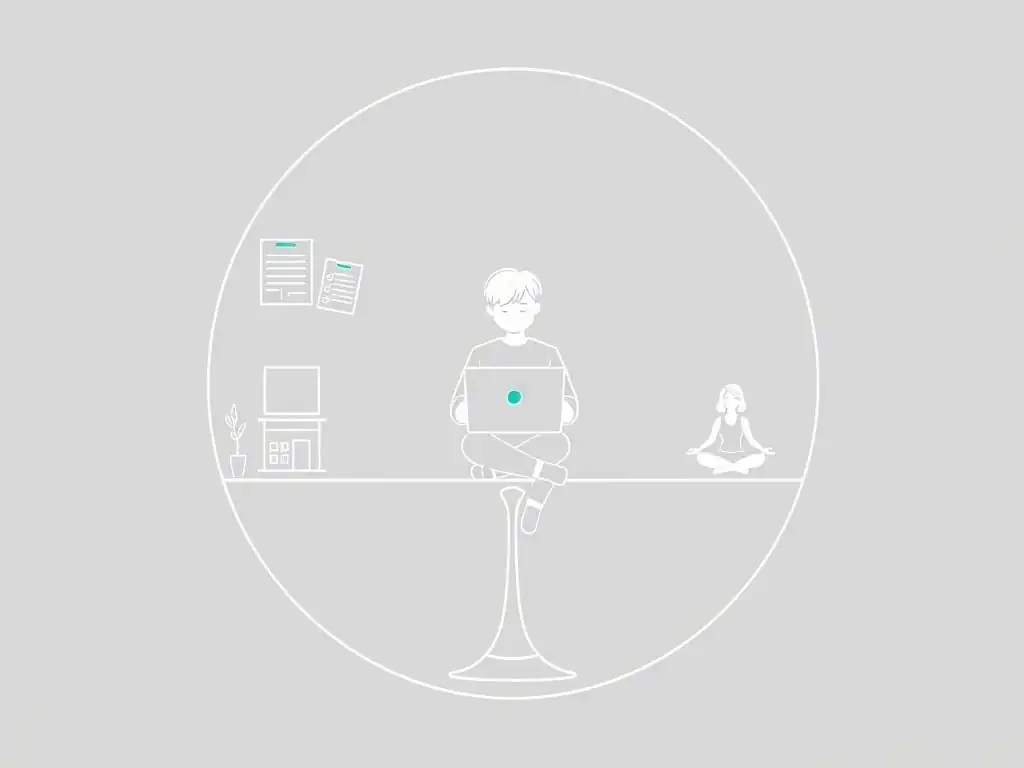
Remote work offers incredible flexibility, but it can easily blur the lines between professional and personal life. Successfully navigating the remote work landscape requires a conscious effort to maintain a healthy work-life balance. Ignoring this crucial aspect can lead to burnout, decreased productivity, and a significant impact on overall well-being. This section explores practical strategies to help remote workers achieve a fulfilling equilibrium between their professional and personal lives.
Effective strategies for maintaining this balance are crucial for long-term success and job satisfaction in the remote work environment. Ignoring this aspect can lead to negative consequences for both your professional and personal life. The key is to actively manage your time and energy, consciously separating work from leisure.
Preventing Burnout: Strategies for Remote Workers
Burnout is a significant risk for remote workers. The constant accessibility of work, coupled with the lack of clear separation between work and home environments, can lead to overwork and exhaustion. Combating this requires proactive strategies. Implementing clear boundaries is paramount. This includes setting specific work hours and strictly adhering to them. Avoid checking emails or messages outside of these designated times, as much as possible.
This deliberate separation helps to protect personal time and prevent the feeling of always being "on." Additionally, regular breaks are crucial. Step away from your workstation for short periods throughout the day to stretch, walk around, or simply clear your head. This can significantly reduce stress and improve focus. Consider incorporating mindfulness techniques, such as short meditation sessions, to manage stress and improve mental clarity.
Finally, ensure you're taking sufficient vacation time. Remote work doesn't mean you should forgo vacations; they're essential for rejuvenation and preventing burnout. Regular breaks and vacations are vital for preventing burnout and maintaining a healthy work-life balance. Remember, a rested and rejuvenated you is a more productive you. 💻
Prioritizing Self-Care: Wellbeing Practices for Remote Professionals
Self-care is not a luxury; it's a necessity for remote workers. Prioritizing your physical and mental health is essential for maintaining productivity and preventing burnout. This includes regular exercise, a healthy diet, and sufficient sleep. Even short bursts of physical activity can significantly boost mood and energy levels. A 15-minute walk during your lunch break can make a world of difference. Furthermore, mindfulness practices, such as meditation or yoga, can help reduce stress and improve focus.
These practices promote mental wellbeing and improve the ability to manage stress effectively. Consider incorporating these activities into your daily routine. They are crucial for maintaining a healthy work-life balance and preventing burnout. Don't underestimate the power of a healthy lifestyle in boosting your productivity and overall well-being. Remember, taking care of yourself is not selfish; it's essential for your success and happiness. 🧘♀️
Setting Realistic Goals and Expectations: Avoiding Overwhelm
One of the biggest pitfalls for remote workers is setting unrealistic goals and expectations. This can quickly lead to overwhelm and decreased productivity. To avoid this, it's crucial to break down large tasks into smaller, more manageable steps. This makes the overall goal less daunting and provides a sense of accomplishment as you complete each step. Use task management tools and techniques like the Pomodoro Technique to manage your workload effectively. Prioritize tasks based on urgency and importance, focusing on the most critical items first.
Remember to schedule in buffer time for unexpected tasks or delays. This prevents feeling rushed and overwhelmed. Regularly review your goals and adjust them as needed. Flexibility is key, and being realistic about your capacity prevents burnout and enhances long-term productivity. By setting realistic goals and expectations, you can avoid feeling overwhelmed and maintain a sustainable pace of work. 🎯
Advanced Remote Work Productivity Hacks: Taking it to the Next Level

This section delves into sophisticated strategies to elevate your remote work productivity beyond the basics. We'll explore how automation, delegation, and continuous learning can significantly impact your efficiency and overall success working remotely. These advanced techniques are designed to help you not just manage your workload, but truly master it. Remember, consistent application of these hacks is key to seeing substantial improvements in your remote work performance. The goal is to create a sustainable and highly productive remote work environment.
Leveraging Automation Tools: Streamlining Your Workflow
Automating repetitive tasks is a cornerstone of advanced remote work productivity. Imagine the time saved by automating email responses, scheduling social media posts, or even generating reports. This frees up significant mental energy and allows you to focus on higher-value tasks requiring creativity and critical thinking. Numerous tools exist to facilitate this automation.
For instance, consider using Zapier or IFTTT to connect different applications and automate workflows. You could set up a "zap" to automatically add new email contacts to your CRM system, or trigger a notification when a specific project milestone is reached. This eliminates manual data entry and ensures information remains consistently updated.
Another powerful automation technique involves utilizing project management software with robust automation features. Tools like Asana or Monday.com allow you to set up automated reminders, assign tasks based on predefined rules, and track progress effortlessly. This level of automation can dramatically improve team collaboration and individual accountability, vital elements for successful remote work.
The key to successful automation lies in identifying repetitive tasks that consume significant time and then strategically implementing tools designed to handle them. Start small, automating one or two tasks at a time, and gradually expand your automation strategy as you gain experience and confidence. This iterative approach minimizes disruptions and maximizes the impact of your automation efforts. Remember to regularly review and optimize your automated workflows to ensure they remain efficient and effective.
Mastering the Art of Delegation: Efficient Task Management
Effective delegation is not just about offloading tasks; it's about strategically assigning responsibilities to maximize team efficiency and your own productivity. In a remote work environment, delegation becomes even more crucial, as effective communication and clear task assignments are paramount for success. Successfully delegating tasks requires careful planning and execution.
Before delegating, clearly define the task, including specific objectives, deadlines, and expected outcomes. Provide the necessary resources and context to ensure the individual understands the task's importance and how it contributes to the overall goals. Choose the right person for the job—someone with the appropriate skills and experience. This ensures the task is completed efficiently and effectively.
After delegating, provide regular check-ins and feedback to monitor progress and address any challenges. Avoid micromanaging; trust your team members to complete their assigned tasks. Regular communication is key to successful delegation, keeping everyone informed and ensuring smooth collaboration. This proactive approach minimizes misunderstandings and promotes a positive and productive remote working environment.
Consider using a task management system to track delegated tasks, deadlines, and progress. This provides a centralized overview of all ongoing projects and helps to maintain accountability. This level of organization is essential for maintaining productivity and ensuring projects stay on track, especially when working remotely.
Continuous Improvement and Learning: Adapting to Remote Work Challenges
The remote work landscape is constantly evolving. To stay ahead of the curve and maintain peak productivity, continuous learning and adaptation are vital. This involves actively seeking out new tools, techniques, and strategies to improve your remote work efficiency.
Regularly evaluate your current workflows and identify areas for improvement. Are there any tasks that could be streamlined? Are there any new technologies that could enhance your productivity? Actively seeking out answers to these questions is crucial for maintaining a competitive edge in the remote work environment.
Embrace online learning platforms and resources to expand your skillset. Many platforms offer courses on productivity techniques, remote work best practices, and relevant software applications. Staying updated with the latest trends and technologies is essential for remaining competitive and productive in the evolving remote work landscape.
Furthermore, actively participate in online communities and forums dedicated to remote work. Networking with other remote workers provides opportunities to learn from their experiences, share best practices, and receive support. This collaborative approach to continuous learning fosters a sense of community and mutual growth, crucial elements for long-term success in remote work. Remember that continuous improvement is an ongoing process, requiring commitment and dedication.
Staying Motivated and Accountable: Long-Term Remote Work Success
Remote work offers unparalleled flexibility, but maintaining motivation and accountability requires conscious effort. The absence of a traditional office environment can blur the lines between work and personal life, leading to decreased productivity and burnout if not managed effectively. This section delves into strategies to cultivate intrinsic motivation and build robust accountability systems for sustained success in your remote work journey. Successfully navigating the challenges of remote work hinges on proactively addressing these aspects.
Tracking Progress and Celebrating Wins: Maintaining Momentum
Maintaining momentum in remote work requires a shift from relying solely on external deadlines to cultivating a sense of internal drive. One highly effective method is meticulous progress tracking. Instead of focusing solely on completing tasks, break down larger projects into smaller, manageable milestones. Use project management tools like Trello or Asana to visualize your progress, providing a tangible sense of accomplishment as you check off each completed item. This granular approach prevents feelings of overwhelm and fosters a sense of continuous forward movement.
Beyond tracking tasks, celebrate your wins—no matter how small. Acknowledge your achievements, whether it's finishing a challenging report, mastering a new skill, or simply having a highly productive day. This positive reinforcement strengthens your intrinsic motivation and fuels your drive to continue exceeding expectations. Consider a reward system; perhaps a relaxing evening after a particularly successful week, or a small treat for hitting a significant milestone.
This positive reinforcement loop is crucial for long-term engagement and avoiding burnout. Remember, consistency is key. Regularly reviewing your progress and celebrating your successes will keep you motivated and engaged throughout your remote work journey.
Building a Supportive Remote Work Community: Networking and Support
The isolation of remote work can be detrimental to motivation and overall well-being. Combatting this requires actively cultivating a supportive community. Engaging with other remote workers provides a sense of belonging and shared experience, fostering mutual understanding and support. Online forums, professional networking groups (like LinkedIn groups specific to your field), and even virtual coffee breaks with colleagues can make a significant difference.
Actively participating in these communities offers several benefits. You can share experiences, seek advice, and even find collaborators for projects. This sense of connection combats feelings of isolation and provides a valuable support network when facing challenges. Participating in these online communities also enhances professional development opportunities, opening doors to mentorship and collaboration. The exchange of ideas and experiences within a supportive community boosts motivation and helps you stay focused on your goals. Remember, building a strong network is an investment in your long-term success as a remote worker.
Regular Review and Adjustment: Optimizing Your Remote Work Strategy
Remote work isn't a "set it and forget it" proposition. Regular review and adjustment of your strategies are vital for ongoing success. Schedule regular reflection periods—weekly or monthly—to assess your productivity, identify areas needing improvement, and refine your workflow. Ask yourself: What worked well this week/month? What could be improved? Are my current tools and systems supporting my productivity goals? Am I maintaining a healthy work-life balance?
This self-assessment is crucial for identifying potential roadblocks and making necessary adjustments. Perhaps you need to adjust your work schedule, implement new time management techniques, or explore different productivity apps. Maybe you need to delegate tasks or seek help from colleagues. The key is to remain flexible and adaptable, continuously refining your processes to maximize efficiency and well-being. Regular review and proactive adjustments are essential for long-term success and preventing burnout in the dynamic landscape of remote work. This iterative approach ensures you are constantly optimizing your remote work strategy for peak performance and sustained motivation.
Frequently Asked Questions
How can I improve my focus while working remotely?
Minimize distractions by creating a dedicated workspace, using noise-canceling headphones, and employing the Pomodoro Technique to break your work into focused intervals. Remember to schedule regular breaks to avoid burnout.
What are some effective time management strategies for remote workers?
Prioritize tasks using methods like the Eisenhower Matrix (urgent/important), time blocking, and setting realistic daily goals. Avoid multitasking and utilize productivity apps to track your time and progress.
How can I maintain a healthy work-life balance while working remotely?
Establish clear boundaries between work and personal life, setting specific work hours and sticking to them. Take regular breaks, engage in physical activity, and prioritize self-care to prevent burnout.
What technology can boost my remote work productivity?
Utilize collaboration tools like Slack or Microsoft Teams for seamless communication. Employ project management software such as Asana or Trello to stay organized. Consider using apps that block distracting websites or track your time effectively.
How do I stay connected and engaged with my team while working remotely?
Schedule regular virtual team meetings, utilize instant messaging for quick communication, and make an effort to connect with colleagues on a personal level. Participate actively in online team-building activities to foster a sense of community.
Final Reflection: The Enduring Power of Remote Work Productivity
The future of work is undeniably remote, and mastering productivity is the key to thriving in this new landscape. The strategies outlined in this guide—from optimizing your workspace to mastering time management techniques—aren't just fleeting trends; they are essential skills for navigating the complexities and opportunities of a distributed workforce. The ability to harness these hacks directly impacts not only individual success but also the overall efficiency and innovation of companies embracing remote models.
The shift to remote work has profoundly altered our relationship with work and life, blurring the lines between professional and personal spheres. This necessitates a conscious effort to cultivate healthy boundaries and prioritize well-being, a theme echoed throughout this guide. The key is not to prioritize what's on your schedule, but to schedule your priorities.
– Stephen Covey. This quote highlights the importance of intentional planning and self-awareness, crucial elements in maintaining productivity and preventing burnout in the remote work environment. The ongoing evolution of remote work demands continuous adaptation and refinement of these strategies, making this a journey of constant learning and self-improvement.
Now, consider your own work habits. What resonates most with you from the productivity hacks discussed? Which strategies are you ready to implement today to enhance your efficiency and overall well-being? Take the time to reflect on your current workflow and identify areas for improvement. Embrace the challenge of optimizing your remote work experience, and remember that the journey to peak productivity is a personal one, requiring consistent effort and self-compassion. The rewards—increased efficiency, reduced stress, and a greater sense of control over your work life—are well worth the investment.
Unlock Your Remote Work Potential: Boost Productivity Today!
This guide has provided valuable insights into maximizing your productivity while working remotely. Now it's time to put that knowledge into practice.
Here's how to take the next step:
- Put your three most effective productivity strategies into action. Choose the techniques that best suit your work style and commit to using them consistently for at least a week. You'll be surprised by the results!
- Share your key learnings with your professional network – perhaps a surprisingly effective technique, or a common mistake you've learned to avoid. Let's inspire each other to greater success!
- Consider joining our online community forum to connect with other remote workers. Share your experiences and learn from others facing similar challenges.
What's one small change you can make today to significantly improve your remote work efficiency?