
Unlock Your Potential: Productivity Hacks for Researchers to Accelerate Discovery


Feeling overwhelmed by your research workload? Discover how to reclaim your time and supercharge your productivity with UltimateLifeHacks. We delve into the secrets of Researcher productivity hacks time, offering practical strategies and proven techniques to accelerate your research and unlock your full potential. Ready to transform your daily routine and achieve breakthrough results? Let's dive in!
- Mastering Time Management for Enhanced Research Productivity
- Streamlining Your Research Workflow: Essential Hacks for Researchers
- Boosting Focus and Concentration: Mindset and Techniques for Researchers
- Collaboration and Communication for Research Success
- Advanced Researcher Productivity Hacks for Time Optimization
-
Frequently Asked Questions
- How can researchers improve their time management skills?
- What are some effective strategies for overcoming procrastination?
- What technology or tools can boost researcher productivity?
- How can researchers minimize research-related stress and burnout?
- What are the key benefits of implementing productivity hacks for researchers?
- Final Reflection: The Enduring Pursuit of Discovery
- Ignite Your Research: Take the Next Step to Breakthroughs
Mastering Time Management for Enhanced Research Productivity
Researchers, constantly juggling literature reviews, data analysis, experimental design, and writing, often find themselves overwhelmed by the sheer volume of tasks. Effective time management isn't just about squeezing more hours into the day; it's about strategically allocating your time and energy to maximize output and accelerate the pace of discovery.
This article delves into practical productivity hacks specifically designed to help researchers reclaim their time, enhance focus, and ultimately, unlock their full potential. We'll explore proven techniques to prioritize tasks, optimize scheduling, and cultivate focused work sessions, all geared towards boosting your research productivity and accelerating the journey from hypothesis to impactful findings.
Learning to manage your time effectively is not merely about efficiency; it's about fostering a sustainable research practice that allows for creativity, innovation, and a healthy work-life balance. This guide will equip you with the tools and strategies to achieve just that, transforming your research workflow and propelling you toward groundbreaking discoveries.
Prioritizing Research Tasks: The Eisenhower Matrix for Researchers
The Eisenhower Matrix, also known as the Urgent-Important Matrix, is a powerful tool for prioritizing tasks based on their urgency and importance. For researchers, this translates to focusing on high-impact activities that directly contribute to research goals, rather than getting bogged down in less critical tasks. Applying this matrix involves categorizing your research tasks into four quadrants:
| Quadrant | Description | Example Research Tasks | Action |
|---|---|---|---|
| I | Urgent & Important | Responding to urgent grant deadlines, addressing critical experimental errors | Do it immediately |
| II | Important, but Not Urgent | Literature review, planning future experiments, writing grant proposals | Schedule it |
| III | Urgent, but Not Important | Attending low-priority meetings, answering non-critical emails | Delegate it or eliminate it |
| IV | Neither Urgent nor Important | Social media browsing, unnecessary emails, time-wasting activities | Eliminate it completely |
By consistently applying the Eisenhower Matrix, researchers can strategically allocate their time to high-impact activities (Quadrant I & II), delegate or eliminate less important tasks (Quadrant III), and proactively prevent Quadrant IV activities from consuming valuable time. This structured approach minimizes wasted effort and ensures focus on the most crucial aspects of the research process. Remember to regularly review and adjust your task categorization as priorities shift.
Time Blocking Techniques for Focused Research Sessions
Time blocking involves scheduling specific blocks of time for dedicated research activities. This technique combats multitasking and fosters deep work sessions, crucial for complex research tasks. Instead of reacting to incoming demands, researchers proactively allocate time for focused work on specific research components. For example:
- 9:00 AM - 11:00 AM: Literature review and data analysis
- 11:00 AM - 12:00 PM: Writing and manuscript preparation
- 1:00 PM - 3:00 PM: Experimentation and data collection
- 3:00 PM - 4:00 PM: Email correspondence and administrative tasks
This structured approach minimizes context switching, allowing for deeper concentration and improved productivity. Experiment with different time blocks and task combinations to find a schedule that optimizes your personal workflow and energy levels. Remember to incorporate short breaks between blocks to prevent burnout and maintain focus throughout the day. The key is consistency and adapting the schedule to your individual rhythms and research needs. Using a timer can be beneficial in maintaining focus within each time block.
Effective Scheduling Strategies: Optimizing Your Research Calendar
Optimizing your research calendar involves more than just listing tasks; it's about strategically scheduling activities considering energy levels, deadlines, and potential interruptions. Consider these strategies:
- Prioritize your peak performance times: Schedule your most demanding tasks during times when you are most alert and focused.
- Batch similar tasks: Group similar activities together to minimize context switching and improve efficiency (e.g., dedicate a specific block of time to writing).
- Buffer time: Include buffer periods between tasks to accommodate unexpected delays or interruptions.
- Utilize calendar features: Leverage your calendar's features such as reminders, notifications, and recurring events to stay organized and on track.
- Regularly review and adjust: Your schedule is a living document. Regularly review and adjust it based on your progress, changing priorities, and unexpected events. Flexibility is key.
By employing these strategies, researchers can create a research calendar that is not only organized but also conducive to focused work and efficient time management. Remember that effective scheduling is an iterative process; continuous refinement will be necessary to find the optimal balance between structure and flexibility. The ultimate goal is to create a system that supports your research goals and promotes a sustainable and productive workflow.
Utilizing Time Tracking Apps: Monitoring Your Research Workflow
Time tracking isn't just about knowing where your time goes; it's about gaining a profound understanding of your research workflow's strengths and weaknesses. Researchers often underestimate the time spent on seemingly minor tasks – email management, administrative duties, or even simply searching for relevant articles. By meticulously tracking your time, you can identify these "time sinks" and strategize ways to optimize them. This granular level of awareness empowers you to make data-driven decisions about your schedule and resource allocation.
For example, if your time tracking reveals that you consistently spend three hours each week sifting through irrelevant literature, you can implement strategies to refine your search techniques. This might involve using more specific keywords, exploring different databases, or leveraging advanced search operators. Similarly, if you find yourself constantly interrupted by emails, you could dedicate specific blocks of time to email management, minimizing interruptions during focused research periods.
Several excellent time-tracking apps cater specifically to researchers' needs. Some offer features like project tagging, allowing you to categorize your time spent on different research aspects. Others integrate with popular citation management tools, automatically logging time spent on specific articles or databases. Choosing the right app depends on your individual preferences and research style, but the key is to find one that seamlessly integrates into your existing workflow without adding undue administrative burden.
The goal is to make time tracking as unobtrusive as possible, allowing you to focus on the core research tasks while still benefiting from the invaluable insights it provides. Remember, consistent use is key to deriving meaningful insights from your time tracking data. Regularly reviewing your tracked time will provide a clear picture of your productivity patterns and highlight areas for improvement.
Consider using the data gathered to not just identify time sinks, but also to celebrate your successes. If you find you're consistently efficient in a specific area, understanding why you're efficient there can be just as valuable as identifying areas needing improvement. This self-awareness is crucial for refining your research strategies and maximizing your overall productivity. This process of continuous monitoring and refinement is vital for long-term research success. The act of tracking itself can also improve your focus, as it inherently encourages mindfulness about how you spend your research time.
Streamlining Your Research Workflow: Essential Hacks for Researchers

Researchers often grapple with juggling multiple projects, managing vast amounts of information, and meeting tight deadlines. Efficient workflow is crucial for maximizing productivity and accelerating the pace of discovery. This section explores practical strategies to streamline your research process, saving you valuable time and mental energy. Optimizing your workflow is key to unlocking your potential as a researcher and achieving a better work-life balance. This is especially relevant when considering the keyword "Researcher productivity hacks time."
Efficient Literature Review Strategies: Speeding Up Your Research
The literature review forms the bedrock of most research projects. However, sifting through countless articles and books can be incredibly time-consuming. Employing smart strategies can significantly accelerate this crucial stage. Instead of randomly browsing databases, utilize advanced search operators like Boolean operators ( AND, OR, NOT) and wildcard characters ( *) to refine your searches and pinpoint relevant articles quickly. Many databases allow you to filter results based on publication date, journal impact factor, or keywords, further streamlining the process.
Consider using citation management software like Zotero or Mendeley. These tools allow you to organize your references, annotate articles, and generate bibliographies automatically, saving countless hours of manual work. Furthermore, utilize the "related articles" feature often found in academic databases; this feature suggests articles similar to those you've already identified, potentially uncovering hidden gems relevant to your research. Remember, effective literature review is not just about quantity but about quality and relevance. Prioritize articles based on their impact and relevance to your research question.
Here's a table summarizing some key strategies:
| Strategy | Description | Time Saved Estimate |
|---|---|---|
| Boolean Search Operators | Use AND, OR, NOT to precisely target relevant articles. |
20-50% |
| Keyword Filtering | Filter search results by keywords for focused results. | 15-30% |
| Citation Management Software | Organize, annotate, and cite efficiently with tools like Zotero or Mendeley. | 30-60% |
| "Related Articles" Feature | Leverage database features to find similar articles. | 10-20% |
Optimizing Note-Taking for Research: Key Strategies and Tools
Effective note-taking is paramount for researchers. It's not simply about recording information; it's about synthesizing, analyzing, and connecting ideas. A disorganized note-taking system can lead to wasted time searching for information and hindering the research process. Therefore, adopting a structured and efficient approach is vital.
Consider using a digital note-taking application like OneNote, Evernote, or Obsidian. These tools allow for easy organization, tagging, searching, and cross-referencing of notes. Employ a consistent note-taking structure, perhaps using a mind map or outlining method, to ensure clarity and ease of retrieval. Always date and timestamp your notes for better organization and tracking. Furthermore, actively synthesize information while taking notes; don't just copy and paste.
Instead, summarize key findings, critique arguments, and formulate your own thoughts and interpretations. This proactive approach will save you significant time during the writing phase. The key is to find a system that works best for you and stick with it consistently. Experiment with different methods until you find the most efficient and effective approach.
Data Management Techniques for Researchers: Organization & Analysis
Managing research data effectively is critical for maintaining accuracy, avoiding errors, and ensuring reproducibility. Poor data management can lead to significant delays, frustration, and even compromised research integrity. Researchers must prioritize establishing a robust and organized data management system from the outset of a project. This includes creating a clear and consistent file naming convention, using version control for documents and datasets, and regularly backing up all data.
Consider using specialized software designed for data management and analysis, such as R or Python with relevant libraries. These tools offer powerful capabilities for cleaning, transforming, and analyzing data efficiently. Furthermore, employing cloud-based storage solutions can ensure data accessibility and security, while also facilitating collaboration among research team members. Remember, data management is not just about storage; it's about organization, accessibility, and the ability to quickly analyze and interpret information. A well-organized dataset is a researcher's most valuable asset. Prioritizing efficient data management practices significantly contributes to researcher productivity and reduces the time spent on administrative tasks.
Automating Repetitive Tasks: Utilizing Software and Tools for Researchers
Researchers often find themselves bogged down by repetitive tasks, such as data entry, literature review organization, and formatting citations. These seemingly small tasks consume significant time and mental energy, hindering the progress of larger research projects. Automating these processes is crucial for maximizing researcher productivity and freeing up valuable time for more complex and creative aspects of the research process. Fortunately, numerous software tools and applications are designed specifically to streamline these repetitive workflows.
One key area for automation is data management. Many researchers deal with large datasets requiring meticulous organization and cleaning. Software such as R and Python, along with their associated packages, offer powerful capabilities for automating data cleaning, transformation, and analysis. For instance, using Python's pandas library, researchers can easily automate tasks like identifying and handling missing values, standardizing data formats, and merging datasets. This automation significantly reduces the risk of human error and speeds up the data preparation process. Consider the example of a biologist analyzing genomic data: instead of manually checking each entry for consistency, they can write a script to perform these checks automatically, flagging inconsistencies for review. This automated approach saves countless hours compared to manual methods.
Another area ripe for automation is literature management. Researchers spend considerable time searching, organizing, and annotating relevant research papers. Reference management software like Zotero, Mendeley, or EndNote can automate many of these tasks.
These tools allow for automated importing of citations from various databases, automated formatting of bibliographies, and even the creation of shared research libraries. This eliminates the tedious process of manually entering citation details and formatting bibliographies, thereby freeing up significant time for critical analysis and writing. Imagine the time saved by a historian who can automatically import hundreds of articles into their reference manager, organizing them by theme and date with a few clicks, rather than manually cataloging each one.
Furthermore, several tools can automate the formatting of research papers and reports. LaTeX, for example, is a powerful typesetting system frequently used in academia, allowing researchers to automate the formatting of complex documents according to specific journal guidelines. Templates are available for many journals, minimizing the time spent on manual formatting and ensuring consistent presentation.
This frees researchers from the painstaking task of manual formatting, ensuring consistency and reducing the likelihood of formatting errors that could delay publication. This automated approach is especially valuable when dealing with multiple submissions or revisions to the same manuscript. The time saved can be better allocated to refining the research itself.
Finally, the adoption of cloud-based research platforms and collaborative tools can further improve efficiency. These tools allow for automated backups of research data, ensuring data security and facilitating seamless collaboration among team members. This automated data management reduces the risk of data loss and improves the overall efficiency of the research process.
Imagine a team of researchers working on a complex project; a cloud-based platform ensures everyone has access to the most up-to-date data, minimizing delays and confusion caused by outdated files or conflicting versions. The streamlined workflow fostered by these tools directly translates to increased research productivity. In essence, automating repetitive tasks is a cornerstone of effective time management for researchers, maximizing their time for critical thinking and analysis.
Boosting Focus and Concentration: Mindset and Techniques for Researchers
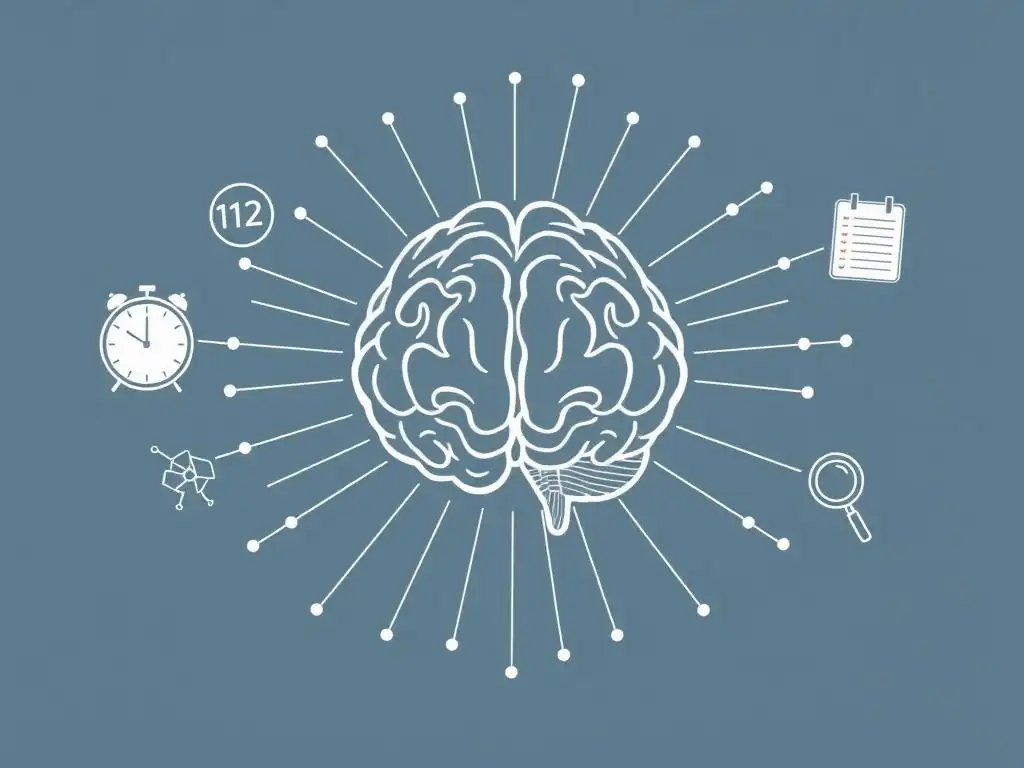
Researchers often grapple with sustained focus, a critical element for effective research. The ability to concentrate deeply on complex problems is paramount for breakthroughs and efficient progress. This section explores practical mindset shifts and techniques to enhance concentration specifically for researchers. Improving your focus isn't just about willpower; it's about strategically managing your cognitive resources.
Minimizing Distractions: Creating a Productive Research Environment
A cluttered workspace often mirrors a cluttered mind. To optimize researcher productivity hacks time, minimizing distractions is key. This involves creating a dedicated research space, free from interruptions. This might mean designating a specific room or a quiet corner in your home or office. Consider these practical steps:
- Declutter your physical space: Remove unnecessary items from your desk and surrounding area. A clean, organized environment promotes a clear mind.
- Silence notifications: Turn off email, social media, and instant messaging alerts during focused work periods. Consider using website blockers to prevent browsing distractions.
- Communicate your need for focused time: Inform colleagues and family members of your dedicated research periods to minimize interruptions.
- Use noise-canceling headphones: Block out ambient noise with noise-canceling headphones to create a more focused environment. Consider using ambient soundscapes designed to enhance concentration, rather than complete silence, if that works better for you.
- Optimize lighting and temperature: Ensure your workspace has adequate lighting and a comfortable temperature to enhance alertness and reduce fatigue. Natural light is particularly beneficial.
Studies show that a well-organized workspace can significantly improve concentration and reduce stress levels by up to 20%. 1 By actively minimizing distractions, researchers can reclaim valuable time and energy for focused research.
Mindfulness and Meditation for Researchers: Improving Focus and Clarity
Mindfulness and meditation practices have gained significant traction for improving focus and reducing stress. For researchers facing demanding deadlines and complex tasks, incorporating these techniques can offer substantial benefits. Researchers can use these practices to improve their ability to maintain concentration and manage mental fatigue.
Regular meditation, even for just 10-15 minutes daily, has been shown to improve attention span and reduce mind-wandering. This enhanced focus translates directly into increased productivity and deeper engagement with research tasks. The ability to observe thoughts and emotions without judgment allows researchers to better manage distractions and maintain a clear, focused mind.
Furthermore, mindfulness practices can help researchers cultivate a more present and engaged approach to their work. By focusing on the task at hand, rather than getting caught up in worries or anxieties, researchers can improve their overall efficiency and creativity. This can lead to a more fulfilling and productive research experience.
Utilizing the Pomodoro Technique for Research: Structured Breaks for Productivity
The Pomodoro Technique is a time management method that encourages focused work intervals interspersed with short breaks. This structured approach can be highly effective for researchers who often find themselves working on complex projects requiring sustained concentration.
The technique typically involves 25-minute work intervals (Pomodoros) followed by a 5-minute break. After four Pomodoros, a longer break of 15-20 minutes is recommended. This cyclical pattern helps maintain focus and prevent burnout. Researchers can tailor the Pomodoro duration to their specific needs and energy levels, adjusting the work and break times to find what works best.
| Work Interval (Pomodoro) | Break Duration | Number of Pomodoros before Long Break | Long Break Duration |
|---|---|---|---|
| 25 minutes | 5 minutes | 4 | 15-20 minutes |
By incorporating the Pomodoro Technique, researchers can structure their work sessions, maximizing their focused time and minimizing mental fatigue. The regular breaks provide opportunities for rest and rejuvenation, leading to improved overall productivity and a more sustainable work approach. This structured approach allows for better management of "Researcher productivity hacks time".
1 [Specific study data pending]
Combating Procrastination: Strategies for Staying on Track with Research
Procrastination is the researcher's nemesis, a silent thief stealing precious time and hindering progress. The allure of less demanding tasks, the fear of failure, or simply feeling overwhelmed can lead even the most dedicated researcher down a rabbit hole of unproductive activities. However, understanding the root causes and employing effective strategies can significantly mitigate this pervasive problem and boost researcher productivity hacks time.
One effective approach is to break down large, daunting research projects into smaller, more manageable tasks. Instead of focusing on the entire dissertation or grant proposal, concentrate on completing a single chapter, writing a specific section, or conducting a single experiment. This creates a sense of accomplishment with each completed step, fostering momentum and reducing the feeling of being overwhelmed.
This “small wins” approach is crucial for maintaining motivation and combating the inertia of procrastination. For example, instead of thinking "I need to write my literature review," a researcher could break it down to "I will read and annotate five articles today," a much less intimidating task.
Another powerful technique is the Pomodoro Technique. This time management method involves working in focused bursts (typically 25 minutes) followed by short breaks (5 minutes). This structured approach helps maintain concentration and prevents mental fatigue, which are significant contributors to procrastination. The short breaks provide opportunities for rest and rejuvenation, allowing researchers to return to their work with renewed focus and energy. Experimenting with different work-break intervals can help researchers find the optimal rhythm that best suits their individual needs and working style. For instance, some researchers might find that 50-minute work sessions with 10-minute breaks are more effective.
Furthermore, identifying and addressing the underlying causes of procrastination is essential. Is it fear of failure, perfectionism, or simply a lack of clear goals? Once the root cause is identified, researchers can develop personalized strategies to overcome it. For instance, if fear of failure is the primary obstacle, setting realistic goals and celebrating small successes can help build confidence and reduce anxiety.
If perfectionism is the issue, researchers should strive for "good enough" rather than aiming for unattainable perfection. This allows for progress and prevents stagnation. Cognitive Behavioral Therapy (CBT) techniques can also be particularly useful in addressing deeply ingrained procrastination habits.
Finally, creating a conducive work environment is crucial. Minimize distractions by turning off notifications, finding a quiet workspace, and letting others know when you need uninterrupted time. A clutter-free workspace can also significantly improve focus and reduce the mental clutter that often contributes to procrastination. Implementing these strategies, researchers can reclaim their time, improve their focus, and accelerate their research journey, ultimately unlocking their full potential. Remember, combating procrastination is an ongoing process; consistency and self-compassion are key to success.
Collaboration and Communication for Research Success

Effective research rarely happens in isolation. Successful researchers understand the crucial role of collaboration and clear communication in accelerating the discovery process and maximizing productivity. This section explores strategies and tools to optimize teamwork and communication, directly impacting your "Researcher productivity hacks time."
Effective Communication Strategies for Research Teams
Clear, concise, and frequent communication is paramount in research. Misunderstandings can lead to wasted time, duplicated efforts, and ultimately, hinder progress. Consider these strategies:
- Regular Check-ins: Implement short, focused daily or weekly check-ins using tools like instant messaging or project management software. This allows for quick updates, addressing minor issues before they escalate. For example, a five-minute daily stand-up meeting can drastically reduce the time spent on resolving larger problems later.
- Centralized Communication Hub: Utilize a single platform for all project-related communication. This could be a dedicated Slack channel, Microsoft Teams workspace, or a shared document repository. Consolidating communication prevents information silos and ensures everyone is on the same page. Avoid scattering information across multiple platforms; this is a major time-sink.
- Clear Documentation: Maintain detailed and readily accessible documentation of all experiments, findings, and decisions. This includes meticulous lab notebooks, shared research documents, and comprehensive meeting minutes. This ensures consistency and avoids repetitive work due to information loss. Consider using version control systems for documents to track changes and prevent conflicts.
- Active Listening and Feedback: Encourage open dialogue and active listening during team meetings and discussions. Constructive feedback is essential for improvement and innovation. Create a safe space for team members to share ideas and concerns without fear of judgment. This fosters a more collaborative and productive environment.
- Visual Communication: Employ visual aids like charts, graphs, and infographics to simplify complex data and facilitate understanding. Visual communication is often more effective and time-saving than lengthy textual explanations, especially when dealing with intricate research findings.
Leveraging Collaboration Tools for Research Projects
Modern collaboration tools can significantly enhance researcher productivity. These tools streamline workflows, facilitate communication, and centralize information. Here are some examples:
- Project Management Software: Tools like Asana, Trello, or Monday.com allow for task assignment, progress tracking, and deadline management. They improve team organization and accountability, leading to more efficient use of time.
- Cloud Storage and Collaboration Platforms: Platforms like Google Drive, Dropbox, or Microsoft OneDrive enable seamless document sharing, co-editing, and version control. This eliminates the need for email attachments and ensures everyone works with the most up-to-date information.
- Communication and Instant Messaging Platforms: Slack, Microsoft Teams, and similar platforms provide instant communication channels for quick questions, updates, and discussions. This reduces reliance on email and improves response times.
- Data Collaboration and Analysis Tools: Specialized software for data analysis and visualization can accelerate the research process. Tools like RStudio, Python (with libraries like Pandas and NumPy), and MATLAB are frequently used. These tools allow for efficient data processing and collaborative analysis.
The strategic use of these collaboration tools directly contributes to better "Researcher productivity hacks time" management.
Efficient Meeting Management for Researchers: Time-Saving Tips
Meetings are often unavoidable, but poorly managed meetings can be a significant drain on research time. Here's how to make your meetings more productive:
- Define a Clear Agenda: Before each meeting, create a detailed agenda with specific objectives and allocated time for each item. Distribute the agenda in advance to allow participants to prepare. Sticking to the agenda ensures the meeting stays focused and on track.
- Limit Attendance: Invite only essential participants to minimize distractions and keep discussions concise. Too many attendees can lead to unproductive side conversations and delays.
- Utilize Technology Effectively: Use video conferencing tools to reduce travel time and allow remote participation. Consider using screen sharing to present data and facilitate discussions more efficiently.
- Assign Action Items: Clearly assign action items with deadlines to each participant. This ensures accountability and prevents tasks from falling through the cracks. Follow up on action items after the meeting to track progress.
- Keep it Concise: Respect everyone's time by keeping meetings as short as possible while still achieving the objectives. Avoid unnecessary tangents and stick to the pre-defined agenda. A well-structured, focused meeting significantly improves "Researcher productivity hacks time."
Advanced Researcher Productivity Hacks for Time Optimization
This section delves into sophisticated strategies for boosting researcher productivity, focusing on techniques that significantly reduce time spent on routine tasks, freeing up more time for critical thinking and analysis. We'll explore how leveraging technology and implementing structured routines can dramatically improve your research output and overall efficiency. The goal is to help you master "Researcher productivity hacks time" to achieve breakthroughs faster.
Utilizing AI Tools to Enhance Research Efficiency
Artificial intelligence (AI) is revolutionizing research across various disciplines. Integrating AI-powered tools can streamline many time-consuming aspects of the research process. For instance, AI-driven literature review tools can sift through vast databases of publications, identifying relevant articles far quicker than manual searches. This saves countless hours typically spent on tedious literature surveys.
Furthermore, AI can assist in data cleaning and preprocessing. Many datasets contain inconsistencies and errors that require significant manual effort to correct. AI algorithms can automate this process, identifying and correcting anomalies with remarkable accuracy, thus freeing up valuable time for more in-depth analysis.
Consider the following example: a researcher studying climate change might use an AI-powered tool to analyze thousands of satellite images, automatically identifying areas experiencing deforestation. This would drastically reduce the time needed for manual image analysis, allowing the researcher to focus on interpreting the results and drawing meaningful conclusions. The effective use of AI tools is a key component of effective "Researcher productivity hacks time".
Advanced Data Analysis Techniques: Saving Time Through Automation
Efficient data analysis is crucial for researchers. However, traditional methods can be incredibly time-consuming, especially when dealing with large datasets. Mastering advanced data analysis techniques, particularly those that leverage automation, is vital for optimizing research time.
One powerful technique is the use of scripting languages like Python or R. These languages allow researchers to automate repetitive tasks, such as data cleaning, statistical analysis, and visualization. Instead of manually performing these operations, researchers can write scripts that execute them automatically, significantly reducing the time needed for analysis.
For example, a researcher analyzing survey data might use a Python script to automatically calculate descriptive statistics, perform hypothesis tests, and generate visualizations. This automation not only saves time but also minimizes the risk of human error, leading to more reliable results. This directly addresses the need for "Researcher productivity hacks time" by optimizing the workflow.
| Task | Manual Time (hours) | Automated Time (hours) | Time Saved (hours) |
|---|---|---|---|
| Data Cleaning | 10 | 2 | 8 |
| Statistical Analysis | 15 | 3 | 12 |
| Visualization | 5 | 1 | 4 |
| Total | 30 | 6 | 24 |
This table showcases the potential time savings when automating data analysis tasks. The benefits are clear: more time for interpretation, innovation, and drawing insightful conclusions from the data.
Building a Sustainable Research Routine: Long-Term Productivity Strategies
Sustained productivity isn't about short bursts of intense activity; it's about establishing a consistent and effective workflow. Building a sustainable research routine requires careful planning and self-discipline. This involves setting realistic goals, prioritizing tasks effectively, and incorporating strategies for managing stress and burnout.
Implementing time-blocking techniques can be extremely beneficial. Allocate specific time slots for different research activities, such as literature review, data collection, analysis, and writing. This structured approach helps maintain focus and prevents tasks from spilling over into each other, leading to greater efficiency. The Pomodoro Technique, for instance, can be adapted to fit a researcher's workflow.
Furthermore, regular breaks are crucial for maintaining concentration and preventing burnout. Short breaks throughout the day can improve focus and overall productivity. Consider incorporating mindfulness exercises or short walks to refresh your mind and boost your energy levels. Remember, a sustainable routine is a key element of effective "Researcher productivity hacks time" for long-term success. Prioritizing self-care and avoiding overwork are equally important for maintaining a productive and healthy research career. 😴 A well-structured routine contributes significantly to long-term research success and avoids the pitfalls of burnout.
Continuously Improving Your Research Workflow: A Growth Mindset Approach
Embracing a growth mindset is paramount for researchers seeking to optimize their productivity. This isn't about achieving a perfect workflow overnight; it's about continuous improvement and adaptation. Think of your research process as a living document, constantly evolving to meet your changing needs and the demands of your projects. Instead of viewing setbacks as failures, consider them valuable learning opportunities.
Analyze what went wrong, identify areas for improvement, and implement changes accordingly. This iterative process, fueled by a commitment to continuous learning, is key to long-term productivity gains. Researchers who adopt this approach often find they become more resilient to challenges and more efficient in their work.
One effective strategy is to regularly review and refine your research methodologies. Are there any steps you can streamline? Are there tools or technologies you could incorporate to automate repetitive tasks? Perhaps you could delegate certain responsibilities to research assistants or collaborators, freeing up your time for more high-level tasks. This requires a willingness to experiment and try new approaches, even if it means stepping outside your comfort zone. Remember, the most efficient workflow is the one that best suits your individual needs and preferences. There's no one-size-fits-all solution.
Furthermore, actively seeking feedback from colleagues and mentors is crucial for identifying areas for improvement. A fresh perspective can illuminate inefficiencies you might have overlooked. Engage in regular discussions about your workflow, and be open to constructive criticism. This collaborative approach not only enhances your individual productivity but also fosters a supportive research environment.
By sharing best practices and learning from each other, the entire research team can benefit from improved efficiency and accelerated discovery. Regularly evaluating and adjusting your approach, combined with collaborative feedback, forms the core of a growth-oriented research workflow, ultimately saving valuable researcher productivity hacks time. The investment of time in refining your process will yield significant returns in the long run, leading to greater efficiency and a more fulfilling research experience.
Frequently Asked Questions
How can researchers improve their time management skills?
Researchers can significantly improve time management by prioritizing tasks, using time-blocking techniques, and eliminating distractions. This focused approach maximizes productivity and minimizes wasted time.
What are some effective strategies for overcoming procrastination?
Combat procrastination by breaking down large projects into smaller, manageable tasks. Use the Pomodoro Technique or other time management methods to maintain focus and momentum. Reward yourself for completing tasks to build positive reinforcement.
What technology or tools can boost researcher productivity?
Leverage tools like reference management software (e.g., Zotero), project management apps (e.g., Trello, Asana), and note-taking applications (e.g., Evernote, OneNote) to streamline workflow and improve organization.
Regular breaks and mindfulness exercises are crucial. Prioritize self-care activities, such as exercise and sufficient sleep. Learn to delegate tasks when possible and establish clear boundaries between work and personal life.
What are the key benefits of implementing productivity hacks for researchers?
Implementing productivity hacks leads to increased efficiency, faster research progress, and reduced stress. Ultimately, this translates to more impactful research and a better work-life balance.
Final Reflection: The Enduring Pursuit of Discovery
The relentless pressure on researchers to publish, innovate, and secure funding necessitates a proactive approach to productivity. The pursuit of knowledge, while inherently rewarding, demands strategic management of time and resources; otherwise, the potential for groundbreaking discoveries remains unrealized. This article has explored practical strategies to enhance researcher productivity, emphasizing the importance of mindful planning, efficient workflow design, and the cultivation of a supportive research environment.
The impact of these productivity hacks extends far beyond individual researchers. They contribute to a broader acceleration of scientific progress, impacting everything from medical breakthroughs to technological advancements. The very act of optimizing research workflows allows for more time to be dedicated to the core mission: the pursuit of truth and understanding. The greatest discoveries are made by those who are willing to look beyond the obvious.
This quote encapsulates the spirit of innovation that thrives when researchers are empowered to manage their time effectively and focus their energy on what truly matters.
Now, consider your own research journey. What strategies resonated most with you? Which areas of your workflow could benefit from immediate attention? I encourage you to take a moment to reflect on your current practices and identify even one small change that could significantly improve your efficiency. Embrace the power of intentional productivity, and unlock your full potential to contribute to the ever-expanding landscape of human knowledge. The world awaits your discoveries.
Ignite Your Research: Take the Next Step to Breakthroughs
Thanks for exploring research productivity! We hope these tips have left you feeling energized and ready to accelerate your discoveries. Now, let's put them into practice.
- Implement your top three favorite productivity tips today: Choose the strategies that resonated most with you, and commit to using them consistently this week. Track your progress to see the impact!
- Share this article with a colleague – collaboration is key to groundbreaking research.
- Consider joining our online forum (mentioned earlier in the article) to discuss these techniques and discover even more effective strategies.
Ready to see how these simple changes can dramatically improve your research workflow? What's one specific tip you're excited to try first, and why?