
Work Smarter, Not Harder: Productivity Hacks for Creative Entrepreneurs


Welcome to UltimateLifeHacks, your one-stop destination for practical strategies to conquer your daily challenges and unlock your full potential. Are you a creative entrepreneur struggling to balance brilliance with busy schedules? Then you're in the right place! Discover game-changing productivity hacks specifically designed for creative minds, and learn how to work smarter, not harder. Dive into our insightful article on "Productivity Hacks for Creative Entrepreneurs" and unlock the secrets to maximizing your efficiency and unleashing your creative flow. Let's transform your workflow together!
- Understanding the Unique Productivity Challenges of Creative Entrepreneurs
- Mastering Time Blocking for Creative Entrepreneurs
- Leveraging Technology for Enhanced Creative Productivity
- Boosting Creative Energy and Focus
- Delegation and Outsourcing for Creative Entrepreneurs
- Building a Sustainable Productivity System for Long-Term Success
- Productivity Hacks for Specific Creative Niches
- Measuring and Refining Your Creative Productivity
-
Frequently Asked Questions
- How can creative entrepreneurs improve their focus amidst distractions?
- What are some effective time management strategies for creative professionals?
- How can I overcome creative blocks as a creative entrepreneur?
- What technology or tools can boost productivity for creative entrepreneurs?
- How can I maintain a healthy work-life balance as a creative entrepreneur?
- Final Reflection: Unlocking Creative Potential Through Strategic Productivity
- Unlock Your Creative Powerhouse: Actionable Steps to Boost Productivity
Understanding the Unique Productivity Challenges of Creative Entrepreneurs
Creative entrepreneurs face a unique set of productivity hurdles. Unlike traditional businesses operating within rigid structures, creatives often juggle multiple projects, navigate unpredictable inspiration cycles, and grapple with the inherent ambiguity of their work. This article delves into the specific productivity challenges faced by creative entrepreneurs and offers practical, actionable hacks to help them work smarter, not harder, ultimately boosting efficiency and achieving a better work-life balance. We'll explore effective time management techniques, strategies to combat distractions, and methods for overcoming the often debilitating effects of perfectionism and procrastination.
The goal is to equip creative entrepreneurs with the tools they need to harness their creativity while optimizing their workflow and achieving their business goals. This isn't about working more; it's about working better, maximizing output and impact with the time available. Let's dive in! 🚀
Time Management for Creative Projects: Balancing Inspiration and Deadlines
Creative projects rarely follow linear timelines. Inspiration strikes at unexpected moments, deadlines loom, and the inherent fluidity of creative work can make scheduling feel like an exercise in futility. However, effective time management is crucial for creative entrepreneurs. The key isn't to rigidly schedule every minute, but to create a flexible framework that accounts for the unpredictable nature of creative work. This involves:
- Time Blocking with Flexibility: Instead of assigning specific tasks to specific times, allocate blocks of time for different types of work (e.g., 2 hours for focused writing, 1 hour for brainstorming, 30 minutes for email). Allow for some buffer time between blocks to accommodate unexpected interruptions or shifts in inspiration.
- Prioritization Matrix: Employ a prioritization matrix (like the Eisenhower Matrix) to categorize tasks based on urgency and importance. This helps focus on high-impact activities first, ensuring that critical tasks don't get lost in the shuffle of less important ones. Prioritizing tasks effectively is a cornerstone of productivity for creative entrepreneurs.
- The Pomodoro Technique: This technique involves working in focused bursts (typically 25 minutes) followed by short breaks. It can be particularly effective for creative tasks that require intense concentration, helping to maintain focus and prevent burnout. Remember to tailor the length of the work and break periods to your own rhythm and energy levels.
- Batching Similar Tasks: Group similar tasks together to streamline your workflow. For example, dedicate a specific time block to responding to emails, making phone calls, or scheduling social media posts. This minimizes context switching and improves efficiency.
The Creative Entrepreneur's Struggle with Focus and Distraction
The modern world is overflowing with distractions. For creative entrepreneurs, the constant barrage of notifications, emails, and social media updates can severely impact productivity. Maintaining focus is paramount, but it requires conscious effort and strategic planning.
- Dedicated Workspace: Create a dedicated workspace free from distractions. This could be a separate room, a designated corner of your home, or even a co-working space. The key is to have a space solely dedicated to work, helping to mentally separate work time from personal time.
- Website Blockers: Utilize website blockers or apps that temporarily restrict access to distracting websites and social media platforms during focused work sessions. These tools can be incredibly helpful in creating a distraction-free environment.
- Mindfulness and Meditation: Practicing mindfulness and meditation can significantly improve focus and concentration. Even short meditation sessions can help quiet the mind and improve your ability to resist distractions.
- Noise-Cancelling Headphones: Invest in a good pair of noise-cancelling headphones to block out ambient noise and create a more focused work environment. This is especially beneficial if you work in a shared space or a busy household.
Overcoming Perfectionism and Procrastination in Creative Work
Perfectionism and procrastination are common pitfalls for creative entrepreneurs. The fear of failure or the desire to create a flawless product can lead to analysis paralysis and delays. Overcoming these tendencies requires a shift in mindset and the adoption of practical strategies.
- Embrace the "Good Enough" Principle: Strive for excellence, but don't let perfectionism paralyze you. Recognize that "good enough" is often sufficient, especially in the early stages of a project. Perfection is the enemy of progress.
- Break Down Large Tasks: Overwhelming projects can fuel procrastination. Break down large tasks into smaller, more manageable steps. This makes the overall project less daunting and provides a sense of accomplishment as you complete each step.
- Timeboxing for Procrastination: If you find yourself procrastinating, allocate a specific amount of time to engage in the procrastination activity. This can paradoxically reduce the urge to procrastinate, as it satisfies the need for a break without letting it derail the entire day.
- Accountability Partner: Share your goals and deadlines with an accountability partner who can provide support and encouragement. Having someone to check in with can help you stay on track and overcome procrastination.
Mastering Time Blocking for Creative Entrepreneurs
Time blocking, a cornerstone of effective time management, takes on a unique significance for creative entrepreneurs. Unlike traditional 9-to-5 jobs with clearly defined tasks, creative work often involves unpredictable bursts of inspiration and periods of intense focus interspersed with administrative duties. Successfully implementing time blocking requires a nuanced approach, tailored to the fluctuating demands of creative work. The key is not just blocking time, but strategically blocking time to maximize your creative output and minimize unproductive periods. This involves understanding your personal peak performance times and aligning your most demanding creative tasks with those optimal periods.
Scheduling Dedicated Creative Time Blocks
The most crucial aspect of time blocking for creative entrepreneurs is the dedication of uninterrupted blocks specifically for creative work. These should be treated as sacrosanct appointments, unyielding to distractions or interruptions. Consider these strategies:
- Identify your peak creative hours: Are you a morning person or a night owl? Experiment to pinpoint when your mind is sharpest and most innovative. Schedule your most challenging creative projects during these periods.
- Batch similar tasks: Group similar creative tasks together. For example, dedicate a block to writing, another to designing, and a third to brainstorming. This minimizes mental switching costs and enhances focus.
- Timeboxing: Set a specific timeframe for each creative task. This prevents tasks from expanding to fill all available time (Parkinson's Law). For example, allocate 2 hours for writing a blog post, then move on to the next task.
- Embrace the Pomodoro Technique: Work in focused bursts (e.g., 25 minutes) followed by short breaks (e.g., 5 minutes). This structured approach can help sustain concentration during extended creative sessions.
- Track your time: Use a time-tracking app or a simple spreadsheet to monitor how you're actually spending your time. This data provides invaluable insights into your workflow and helps you refine your time blocking strategy. Analyzing this data can reveal surprising time sinks, allowing for more efficient scheduling in the future.
Integrating Administrative Tasks into Your Schedule
While creative work is paramount, administrative tasks are unavoidable. The challenge lies in integrating these essential but often less engaging activities without derailing your creative flow. Here’s how to effectively manage this delicate balance:
- Allocate specific time slots: Schedule dedicated blocks for administrative tasks, such as answering emails, managing finances, or scheduling appointments. Don't let these tasks randomly interrupt your creative work.
- Batch similar administrative tasks: Similar to creative tasks, grouping similar administrative tasks together (e.g., answering emails, making phone calls) improves efficiency.
- Delegate where possible: If your budget allows, consider outsourcing some administrative tasks to a virtual assistant. This frees up your time for higher-value creative work.
- Use automation tools: Leverage automation tools and software to streamline repetitive administrative tasks. This can significantly reduce the time spent on these activities.
- Set realistic expectations: Don't overschedule administrative tasks. Be realistic about how much time you can dedicate to them without feeling overwhelmed.
Prioritizing Tasks Based on Impact and Urgency
Effective time blocking hinges on prioritizing tasks. For creative entrepreneurs juggling multiple projects and deadlines, a robust prioritization system is crucial. The Eisenhower Matrix (urgent/important) provides a helpful framework:
| Urgent | Not Urgent | |
|---|---|---|
| Important | Do immediately | Schedule |
| Not Important | Delegate or eliminate | Eliminate |
Using this matrix, creative entrepreneurs can strategically allocate their time to high-impact activities. For example, completing a crucial client project (urgent and important) takes precedence over less critical administrative tasks (not urgent, not important). By consistently prioritizing tasks based on their impact and urgency, creative entrepreneurs can ensure they are focusing their energy where it matters most, maximizing productivity and achieving their goals. This strategic prioritization, coupled with effective time blocking, is the key to unlocking greater productivity and achieving sustainable success.
Leveraging Technology for Enhanced Creative Productivity

This section explores how creative entrepreneurs can harness technology to boost their productivity and streamline their workflows. We'll delve into specific tools and strategies, focusing on practical applications relevant to the daily challenges faced by creative professionals. The key is to select and integrate technology that complements your creative process, rather than hindering it. Over-reliance on technology can be counterproductive, so mindful selection and implementation are crucial for maximizing its benefits. Remember, the goal is to work smarter, not harder, and technology serves as a powerful tool in achieving this.
Best Productivity Apps for Creative Professionals
The app market is saturated, but some stand out as particularly useful for creative entrepreneurs. Choosing the right ones depends on your specific needs and workflow, but several consistently receive high praise. For task management, apps like [App Name 1] and [App Name 2] offer intuitive interfaces and powerful features for organizing projects, setting deadlines, and tracking progress.
These apps often integrate seamlessly with calendar applications, ensuring that deadlines are always visible and manageable. For note-taking and brainstorming, [App Name 3] and [App Name 4] provide excellent platforms for capturing ideas, developing concepts, and collaborating with team members. These apps often include features like voice recording, image insertion, and collaborative editing, making them ideal for visual thinkers and collaborative projects.
Beyond task and note-taking apps, consider specialized tools for your creative niche. Graphic designers might find [App Name 5] invaluable for managing assets and collaborating on projects. Writers might benefit from [App Name 6] for its distraction-free writing environment and integrated grammar checker. The key is to experiment and find the apps that best support your unique creative process. Don't be afraid to try different options and build a personalized tech stack that maximizes your efficiency. Remember to assess your needs regularly and adapt your app choices as your business evolves.
Utilizing Project Management Tools for Creative Workflows
Effective project management is paramount for creative entrepreneurs. The chaotic nature of creative work often leads to missed deadlines and project overruns. However, implementing the right project management tools can significantly mitigate these risks. Tools like [Project Management Tool 1], [Project Management Tool 2], and [Project Management Tool 3] offer various features designed to streamline creative workflows. These tools often include features such as:
- Kanban boards: Visualize workflow stages and track progress intuitively.
- Gantt charts: Plan tasks and dependencies, ensuring projects stay on schedule.
- Time tracking: Monitor time spent on individual tasks, enabling better resource allocation and project budgeting.
- Collaboration tools: Facilitate communication and teamwork, especially crucial for collaborative projects.
Choosing the right project management tool depends on the scale and complexity of your projects and the size of your team. Start by identifying your key workflow challenges and look for a tool that directly addresses those pain points. For solopreneurs, a simpler tool might suffice, while larger teams might require more robust features and integrations. Remember that the goal is to gain clarity and control over your projects, not to add another layer of complexity to your workflow.
Streamlining Communication and Collaboration Tools
Effective communication is critical for the success of any creative endeavor. Creative projects often involve multiple stakeholders, including clients, collaborators, and team members. Streamlining communication is essential for maintaining efficiency and minimizing misunderstandings. Tools like Slack, Microsoft Teams, and Google Chat offer instant messaging, file sharing, and video conferencing capabilities, enabling seamless communication and collaboration. These platforms allow for quick feedback, efficient problem-solving, and real-time updates on project progress. This reduces reliance on email, which can become cluttered and difficult to manage.
Beyond instant messaging platforms, consider specialized tools for specific communication needs. For instance, project management tools often integrate communication features, allowing for discussions and file sharing within the context of individual projects. For client communication, consider using a dedicated client portal or project management software with client-facing dashboards.
This keeps communication organized and easily accessible for all stakeholders. The key is to choose tools that enhance communication, not hinder it, fostering clear, efficient, and productive interactions with your team and clients. Remember to establish clear communication protocols to ensure everyone is on the same page and the workflow remains smooth.
Boosting Creative Energy and Focus
Creative entrepreneurs often face the unique challenge of balancing intense periods of focused work with the need for innovative thinking. Maintaining high levels of creative energy and focus is crucial for success. This section explores practical strategies to enhance these essential aspects of entrepreneurial life. We'll delve into techniques that go beyond simple time management, addressing the core energetic and mental states required for consistent creative output. The key is to understand that productivity hacks for creative entrepreneurs aren't just about doing more, but being more present and effective.
Mindfulness Techniques for Creative Professionals
Mindfulness, often associated with meditation, is a powerful tool for creative professionals seeking to improve focus and reduce stress. It’s not about emptying your mind, but rather about observing your thoughts and feelings without judgment. Even short, regular mindfulness exercises can significantly impact your creative process.
For example, a five-minute breathing exercise before starting work can center your mind and prepare you for focused effort. This involves simply focusing on the sensation of your breath entering and leaving your body. Notice the rise and fall of your chest or abdomen. When your mind wanders (and it will! ), gently redirect your attention back to your breath. This simple practice cultivates present moment awareness, reducing the mental clutter that can hinder creativity.
Another effective technique is mindful walking. Take a short break during your workday and walk mindfully, paying close attention to the sensations in your feet, the movement of your body, and the sounds and sights around you. This helps to clear your head and allows for a fresh perspective.
The benefits extend beyond improved focus; consistent mindfulness practice can also lead to reduced anxiety and improved overall well-being, crucial factors in maintaining long-term creative output. Consider incorporating a guided meditation app into your daily routine for structured mindfulness exercises. Remember, consistency is key; even a few minutes a day can yield significant benefits over time.
Incorporating Breaks and Movement into Your Routine
The myth of the "always-on" entrepreneur is detrimental to productivity. Regular breaks and movement are not distractions; they are essential for maintaining focus and preventing burnout. Creative work often demands intense concentration, leading to mental fatigue if not properly managed.
Structured breaks should be incorporated throughout the day. The Pomodoro Technique, for instance, suggests working in 25-minute intervals followed by a 5-minute break. These breaks shouldn't be spent scrolling through social media; instead, engage in activities that promote physical and mental rejuvenation. A short walk, stretching exercises, or even a quick meditation session can significantly boost your energy levels and cognitive function.
Movement is also crucial. Sitting for extended periods can lead to physical discomfort and reduced blood flow to the brain, impacting creativity. Incorporate short bursts of activity throughout your workday. Stand up and stretch every hour, take the stairs instead of the elevator, or go for a brisk walk during your lunch break. This increased physical activity not only improves your physical health but also enhances cognitive function and reduces stress, fostering a more productive and creative environment. Think of it as fuel for your creative engine – regular movement keeps it running smoothly.
Strategies for Combating Creative Burnout
Creative burnout is a serious issue for entrepreneurs, characterized by emotional exhaustion, cynicism, and a reduced sense of personal accomplishment. Recognizing the symptoms and implementing preventative strategies is vital for maintaining long-term success.
One effective strategy is to prioritize self-care. This includes getting enough sleep, eating nutritious foods, and engaging in activities that you enjoy outside of work. These seemingly simple actions are foundational to preventing burnout. Neglecting these basics often leads to a vicious cycle of decreased productivity and increased stress.
Another crucial element is setting realistic expectations. Creative work can be unpredictable; don't strive for perfection or unrealistic deadlines. Break down large projects into smaller, more manageable tasks. Celebrate small victories along the way to maintain motivation and prevent feelings of overwhelm.
Regularly review your workload and adjust your schedule as needed to prevent burnout. Remember, sustainable productivity is a marathon, not a sprint. Prioritizing self-care and managing your workload effectively are key strategies in the ongoing battle against creative burnout for creative entrepreneurs. Remember to listen to your body and mind; taking proactive steps to prevent burnout will ultimately lead to increased long-term productivity and a healthier, more fulfilling entrepreneurial journey.
Delegation and Outsourcing for Creative Entrepreneurs
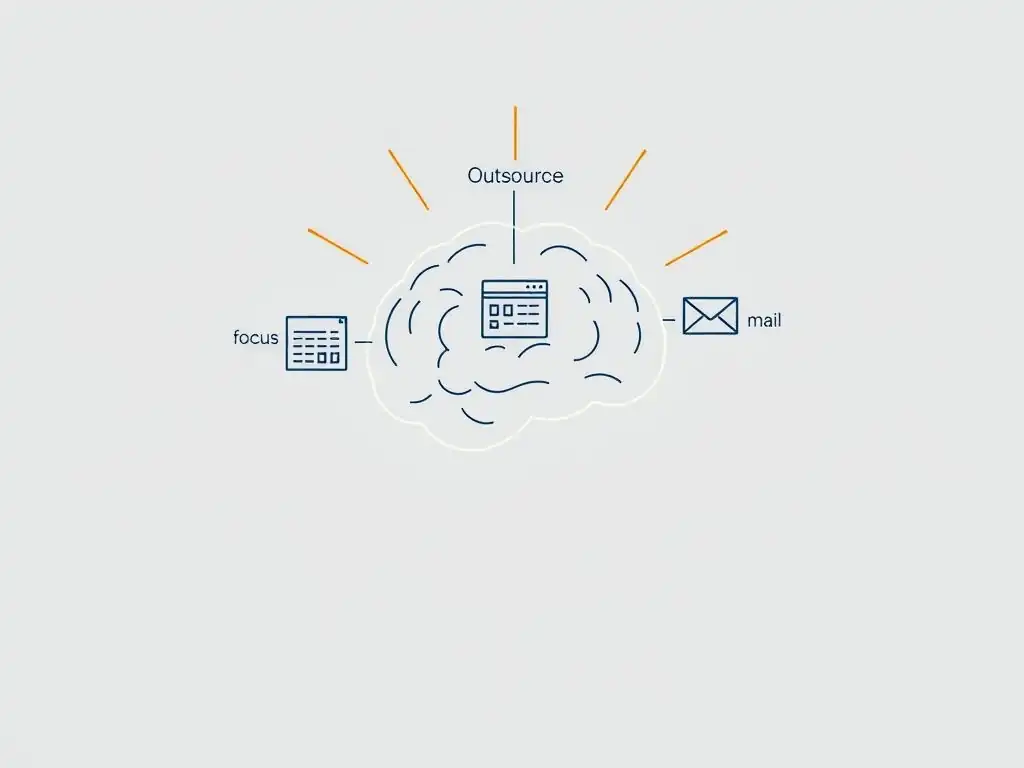
Creative entrepreneurs often fall into the trap of trying to do everything themselves. This "superhero" syndrome, while admirable in its ambition, is ultimately unsustainable and detrimental to productivity. Mastering the art of delegation and outsourcing is crucial for scaling your business and maintaining a healthy work-life balance. This section will explore practical strategies to effectively delegate tasks, identify reliable support, and manage outsourced work efficiently, maximizing your time and energy for the core creative aspects of your business. This is a key component of implementing effective productivity hacks creative entrepreneurs can use to thrive.
Identifying Tasks Suitable for Delegation
Not all tasks are created equal. Before diving into outsourcing, carefully analyze your workload. Prioritize tasks based on their importance and your skillset. Focus on identifying tasks that are:
- Repetitive and Time-Consuming: Administrative tasks like email management, social media scheduling, or data entry are prime candidates for delegation. These often consume significant time without requiring specialized creative skills.
- Low-Priority but Necessary: Tasks that are essential but don't directly contribute to your core creative output can be outsourced. This frees up your time for higher-value activities. Think bookkeeping, basic graphic design (if you specialize in a different area), or customer service responses that don't require in-depth creative input.
- Technically Feasible to Outsource: Some tasks, particularly those requiring access to sensitive information or specialized software, may not be suitable for outsourcing due to security or logistical concerns. Always assess the risks involved.
Consider using a simple matrix to categorize your tasks. Plot importance (high/medium/low) against urgency (high/medium/low). Tasks in the low-importance/low-urgency quadrant are ideal candidates for delegation. This approach helps you objectively evaluate your workload and strategically allocate your time and resources. Effective delegation is one of the most powerful productivity hacks creative entrepreneurs can utilize.
Finding Reliable and Affordable Virtual Assistants
Finding a reliable and affordable virtual assistant (VA) requires careful planning and research. Consider these factors when searching:
- Freelancing Platforms: Websites like Upwork and Fiverr offer a wide pool of VAs with varying skill sets and pricing. Thoroughly review profiles, check reviews, and communicate clearly about your expectations before hiring.
- Specialized Agencies: Some agencies specialize in placing VAs with specific skills, such as social media management or graphic design. This can be advantageous if you need a high level of expertise.
- Networking: Leverage your network to find referrals. Word-of-mouth recommendations can be invaluable in finding trustworthy and competent VAs.
Remember to clearly define the scope of work, payment terms, and communication protocols before starting any project. A well-defined contract protects both you and your VA. Don't hesitate to request sample work or conduct trial periods to assess their capabilities before committing to a long-term arrangement. Finding the right VA is a crucial step in leveraging productivity hacks creative entrepreneurs rely on.
Managing and Overseeing Delegated Tasks
Even with a reliable VA, effective management is essential. To ensure tasks are completed to your standards, consider these best practices:
- Clear Communication: Use project management tools like Asana or Trello to assign tasks, set deadlines, and track progress. Maintain consistent communication channels to address any questions or concerns promptly.
- Regular Check-Ins: Schedule regular check-in meetings or calls to review progress, provide feedback, and address any challenges. Don't micromanage, but maintain sufficient oversight to ensure quality and timely completion.
- Detailed Instructions: Provide clear and concise instructions for each task. Include examples, templates, and any necessary resources to minimize ambiguity and potential errors. The more detailed your instructions, the less time you'll need to spend on revisions.
Effective delegation isn't about abdicating responsibility; it's about strategically allocating resources to maximize overall productivity. By carefully selecting tasks, finding reliable support, and implementing robust management strategies, creative entrepreneurs can free themselves from mundane tasks and focus on the creative endeavors that drive their businesses forward. This is a key productivity hack for creative entrepreneurs aiming for growth.
Building a Sustainable Productivity System for Long-Term Success
Creative entrepreneurs often fall into the trap of chasing the next "productivity hack" without establishing a foundational system. This leads to burnout and inconsistent results. Building a sustainable system is key to long-term productivity and success. This means creating a workflow that aligns with your individual needs, preferences, and energy levels, rather than blindly following trends. A sustainable system isn't about rigid adherence to a schedule; it's about flexible strategies that adapt to the ever-changing demands of running a creative business. Think of it as building a strong foundation upon which you can construct a thriving enterprise.
Developing Personalized Productivity Rituals
The cornerstone of a sustainable system is the development of personalized productivity rituals. These aren't arbitrary routines; they're carefully designed practices that leverage your unique strengths and preferences to optimize your workflow. For example, some creative entrepreneurs thrive on early morning work sessions, fueled by a quiet cup of coffee ☕ and a focused period of deep work before distractions arise. Others might prefer a more flexible schedule, incorporating short bursts of focused work throughout the day interspersed with breaks for movement and creative inspiration.
Experiment with different approaches – morning pages, power naps, dedicated "focus time" blocks – to determine what works best for your creative process. Consider tracking your energy levels throughout the day to identify your peak productivity periods and schedule your most demanding tasks accordingly. This personalized approach is crucial for maintaining motivation and preventing burnout. Here's a table illustrating potential morning rituals:
| Ritual | Description | Potential Benefits |
|---|---|---|
| Mindful Meditation | 10-15 minutes of quiet reflection | Reduced stress, improved focus, enhanced creativity |
| Planning Session | Reviewing your to-do list and prioritizing tasks for the day | Increased efficiency, reduced overwhelm |
| Physical Exercise | A quick workout or stretching routine | Improved energy levels, reduced stress, boosted mood |
| Creative Warm-up | Sketching, writing prompts, or any activity to prime your creative mind | Enhanced creativity, smoother transition into work |
Regularly Reviewing and Adjusting Your System
A sustainable productivity system isn't static; it's dynamic. Regular review and adjustment are essential to ensure it remains effective and relevant to your evolving needs. Schedule time each week or month to assess your progress. What's working well? What needs improvement? Are there any recurring roadblocks hindering your productivity?
Use a journal or digital tool to track your progress, noting both successes and challenges. This data-driven approach allows you to make informed decisions about refining your system. Don't be afraid to experiment with new strategies, tools, or techniques. The key is to remain adaptable and responsive to the ever-changing demands of your creative business. Consider using a Kanban board or similar visual system to track your progress and identify bottlenecks. This visual representation can help you quickly identify areas needing adjustment.
The Importance of Self-Care for Sustained Productivity
Sustained productivity for creative entrepreneurs isn't just about efficient task management; it's deeply intertwined with self-care. Neglecting self-care inevitably leads to burnout, decreased creativity, and ultimately, reduced productivity. Prioritize activities that replenish your energy and foster well-being. This might include regular exercise, sufficient sleep 😴, healthy eating habits, mindfulness practices, and dedicated time for hobbies and relaxation. These activities aren't luxuries; they're essential investments in your long-term productivity and overall well-being.
Remember, sustainable productivity is a marathon, not a sprint. By incorporating self-care into your daily routine, you're investing in your ability to maintain high levels of productivity over the long haul. Schedule dedicated "self-care" blocks in your calendar, treating them with the same importance as any other work-related task. This demonstrates a commitment to your well-being and sets the stage for sustained success.
Productivity Hacks for Specific Creative Niches

This section dives deep into productivity strategies tailored to the unique challenges faced by creative entrepreneurs in different fields. We'll explore practical hacks designed to boost efficiency and maximize output for graphic designers, writers, and musicians. Remember, the core principle remains the same: work smarter, not harder. By implementing these targeted techniques, you can reclaim valuable time and focus on what truly matters – creating amazing work.
Productivity Hacks for Graphic Designers
Graphic designers often juggle multiple projects simultaneously, each demanding meticulous attention to detail. Effective time management is crucial to avoid burnout and deliver high-quality results. Here are some key productivity hacks:
- Batch Similar Tasks: Group similar tasks together. For instance, dedicate a block of time solely to client communication, another to designing logos, and a third to image editing. This minimizes context switching and improves focus. This technique is a powerful productivity booster for any creative professional.
- Master Your Design Software: Thorough knowledge of Adobe Creative Suite (or your preferred software) is paramount. Learning keyboard shortcuts and mastering efficient workflows significantly reduces the time spent on each project. Consider investing in online courses or tutorials to refine your skills. For example, learning to use actions in Photoshop can automate repetitive tasks, saving you hours each week.
- Utilize Templates and Presets: Create reusable templates for common design elements, such as social media posts, website banners, or business cards. Presets for color palettes and text styles further streamline your workflow. This preemptive planning drastically reduces design time on future projects.
- Embrace the Power of Collaboration Tools: Utilize project management software like Asana or Trello to collaborate effectively with clients and team members. These tools facilitate clear communication, track progress, and ensure everyone is on the same page. Real-time feedback and file sharing capabilities drastically reduce email exchanges and delays.
- Time Blocking with Realistic Goals: Instead of vague to-do lists, implement time blocking. Allocate specific time slots for particular design tasks. Set realistic goals for each block to avoid overcommitment and maintain a healthy work-life balance. For example, schedule two hours for logo design, including research and client communication.
Productivity Hacks for Writers
Writers face unique challenges, including writer's block, procrastination, and the need for intense focus. These productivity hacks can help overcome these hurdles:
- Establish a Dedicated Workspace: Create a designated writing space free from distractions. This could be a home office, a quiet coffee shop, or even a specific corner in your living room. Consistency is key; your brain will associate this space with writing, making it easier to get into the flow.
- Utilize Writing Sprints: Set a timer for a specific period (e.g., 25 minutes) and write continuously without stopping. Then, take a short break before starting another sprint. This technique, known as the Pomodoro Technique, helps maintain focus and overcome periods of inertia.
- Outline Before You Write: Before diving into the writing process, create a detailed outline. This helps structure your thoughts, prevents writer's block, and ensures a logical flow of ideas. A well-structured outline saves significant time in the revision process.
- Dictation Software: Explore dictation software to transcribe your thoughts quickly. This is particularly useful for brainstorming sessions or when you're facing writer's block. Modern dictation software offers impressive accuracy and can significantly speed up the writing process.
- Batch Editing: Just as graphic designers batch similar tasks, writers should batch their editing. Allocate specific time blocks for proofreading, fact-checking, and stylistic revisions. This focused approach minimizes errors and ensures a higher quality final product. Don't edit as you write; that's a recipe for slow progress.
Productivity Hacks for Musicians
Musicians often juggle composing, recording, practicing, performing, and marketing their work. Balancing these aspects requires efficient time management and strategic planning:
- Schedule Dedicated Practice Time: Just like any other profession, consistent practice is essential. Schedule regular practice sessions in your calendar, treating them as non-negotiable appointments. This ensures you dedicate sufficient time to honing your skills and staying creative.
- Utilize DAW Templates: If you use a Digital Audio Workstation (DAW), create templates for common project setups. This saves time setting up tracks, instruments, and effects for each new project. Think of it as a musician's version of design templates.
- Break Down Large Projects: Large musical projects, such as composing a symphony or recording an album, can seem overwhelming. Break down these projects into smaller, manageable tasks. This makes the overall process less daunting and allows for better progress tracking.
- Collaborate Effectively: For collaborative projects, utilize online platforms for sharing files and providing feedback. This streamlines the creative process and avoids delays caused by inefficient communication. Clear communication is paramount for successful collaborations.
- Automate Social Media Marketing: Schedule social media posts in advance using scheduling tools. This frees up time to focus on creating music instead of constantly managing your online presence. Consistency is key to building a following; automation helps maintain that consistency.
Measuring and Refining Your Creative Productivity
Creative entrepreneurs often struggle with measuring productivity. Unlike traditional businesses with easily quantifiable outputs, the success of a creative endeavor isn't always immediately apparent in numbers. However, understanding and refining your creative workflow is crucial for sustainable growth and preventing burnout. This section focuses on practical strategies for measuring and improving your creative productivity, ultimately allowing you to work smarter, not harder. We'll explore methods to track progress, analyze time usage, and set achievable goals – all essential components for a thriving creative business.
Tracking Your Progress and Identifying Bottlenecks
Tracking your progress is the cornerstone of effective productivity improvement. For creative entrepreneurs, this might not involve simply counting completed tasks, but rather evaluating the quality and impact of your work. Consider these strategies:
- Project-Based Tracking: For each project, note the start and end dates, the time spent on various stages (ideation, execution, refinement), and the achieved milestones. A simple spreadsheet can suffice, or you can use dedicated project management software. This allows you to pinpoint bottlenecks – stages where you spend disproportionately more time than expected or experience significant delays.
- Time Blocking with Detailed Notes: Allocate specific time blocks for different tasks and meticulously record what you actually accomplished during each block. Were you interrupted? Did you experience unexpected challenges? Detailed notes are crucial for identifying recurring problems. For instance, if you consistently struggle with the editing phase of a project, that's a clear area for improvement.
- Qualitative Assessment: Don't solely rely on quantitative data. Regularly assess the quality of your output. Are you satisfied with the results? Do your clients or customers provide positive feedback? This subjective evaluation complements the quantitative data, providing a holistic view of your productivity.
Example: Let's say you're a freelance graphic designer. Tracking a logo design project might involve noting the time spent on client consultations (2 hours), sketching (4 hours), digital design (6 hours), revisions (3 hours), and final delivery (1 hour). This detailed breakdown reveals that the digital design phase consumed the most time, suggesting potential areas for improvement, such as refining your workflow or investing in time-saving tools.
Analyzing Your Time Usage and Identifying Inefficiencies
Analyzing your tracked data is crucial for identifying time-wasting activities and inefficiencies. This isn't about self-criticism; it's about gaining a deeper understanding of your workflow to optimize it.
- Identify Time Sinks: Review your time logs and project tracking data to identify recurring patterns of wasted time. Are you spending excessive time on email, social media, or unproductive meetings? These "time sinks" can significantly impact your overall productivity.
- Analyze Workflow Bottlenecks: As mentioned earlier, identifying bottlenecks is essential. Are there specific tasks or stages within your workflow that consistently consume more time than anticipated? Understanding these bottlenecks allows you to develop targeted strategies for improvement.
- Use Data Visualization: Transform your raw data into visual representations (charts, graphs) to easily identify trends and patterns. This makes it much easier to spot inefficiencies. For example, a bar chart showing time spent on different project phases can quickly highlight areas needing attention.
Consider this scenario: A freelance writer consistently spends hours researching for each blog post. Analyzing their time logs reveals that a significant portion of this time is spent searching for unreliable sources. By switching to more reliable research databases or investing in a research assistant tool, they can drastically reduce this inefficiency.
Setting Realistic Goals and Celebrating Achievements
Setting realistic, measurable, achievable, relevant, and time-bound (SMART) goals is vital for maintaining momentum and avoiding burnout. For creative entrepreneurs, this might involve focusing on both the quantity and quality of work produced.
- Break Down Large Projects: Overwhelmed by a large project? Break it down into smaller, manageable tasks. This makes the overall goal less daunting and provides a sense of accomplishment as you complete each smaller task. Use a task management system to stay organized.
- Prioritize Tasks: Not all tasks are created equal. Prioritize tasks based on their importance and urgency. Use methods like the Eisenhower Matrix (urgent/important) to effectively manage your workload.
- Schedule Regular Breaks: Regular breaks are crucial for maintaining focus and preventing burnout. Incorporate short breaks throughout your workday to recharge and improve your overall productivity. The Pomodoro Technique (25 minutes of work followed by a 5-minute break) is a popular method.
- Celebrate Milestones: Acknowledge and celebrate your achievements, no matter how small. This positive reinforcement helps maintain motivation and a sense of accomplishment, vital for long-term success as a creative entrepreneur. Reward yourself for completing significant milestones – it's a well-deserved break! 🎉
Frequently Asked Questions
How can creative entrepreneurs improve their focus amidst distractions?
Many creative entrepreneurs struggle with focus. Employ time-blocking techniques to schedule dedicated work periods and minimize interruptions. Minimize distractions by turning off notifications and creating a dedicated workspace.
What are some effective time management strategies for creative professionals?
Effective time management is crucial. Prioritize tasks using methods like the Eisenhower Matrix (urgent/important). Break down large projects into smaller, manageable tasks to avoid feeling overwhelmed.
How can I overcome creative blocks as a creative entrepreneur?
Creative blocks are common. Try brainstorming techniques, like mind mapping or free writing. Step away from your work for a while to clear your head, and engage in activities that inspire you.
What technology or tools can boost productivity for creative entrepreneurs?
Utilize project management software like Asana or Trello to organize tasks and collaborate. Explore note-taking apps like Evernote or OneNote to capture ideas. Automation tools can streamline repetitive tasks.
How can I maintain a healthy work-life balance as a creative entrepreneur?
Maintaining balance is vital. Set clear boundaries between work and personal life. Schedule regular breaks and prioritize self-care activities to prevent burnout and maintain well-being.
Final Reflection: Unlocking Creative Potential Through Strategic Productivity
The relentless pursuit of creative excellence often clashes with the realities of limited time and boundless to-do lists. This article explored practical productivity hacks specifically tailored for creative entrepreneurs, demonstrating that achieving more isn't always about working longer, but working smarter. The strategies discussed – from time blocking and task prioritization to mindful breaks and effective delegation – are not mere suggestions, but essential tools for navigating the unique challenges of building a creative business.
The impact of embracing strategic productivity extends far beyond increased output; it fundamentally alters the creative process itself. By minimizing distractions and optimizing workflow, we create space for genuine inspiration and innovation to flourish. This isn't just about ticking boxes; it's about cultivating a sustainable and fulfilling creative practice. The key is not to prioritize what's on your schedule, but to schedule your priorities.
– Stephen Covey. This quote perfectly encapsulates the shift in mindset required to truly harness the power of these productivity techniques. It's about aligning our actions with our deepest aspirations, ensuring that our work reflects our values and contributes to a life of purpose.
Now, consider your own creative journey. What are the biggest obstacles you face in managing your time and energy? Which of the productivity hacks discussed resonate most strongly with your current needs? I encourage you to experiment with these strategies, adapt them to your unique workflow, and discover the transformative power of working smarter, not harder. Embrace the journey of continuous improvement, and watch as your creative potential unfolds in ways you never thought possible.
Unlock Your Creative Powerhouse: Actionable Steps to Boost Productivity
Thanks for exploring our productivity tips! You've discovered strategies for a more focused and creative workflow. Now let's put this knowledge into practice.
Here's how to take control of your time and reach your full potential:
- Try one new productivity technique from this article this week. Choose the one that best addresses your current challenges, and monitor its effect on your workflow.
- Share your biggest productivity success with the UltimateLifeHacks community in the comments below – let's inspire each other!
- Consider dedicating 30 minutes tomorrow to a completely different task – it might surprisingly spark creativity and offer a fresh perspective.
What small change will you implement today to boost your productivity, and why did you choose it?